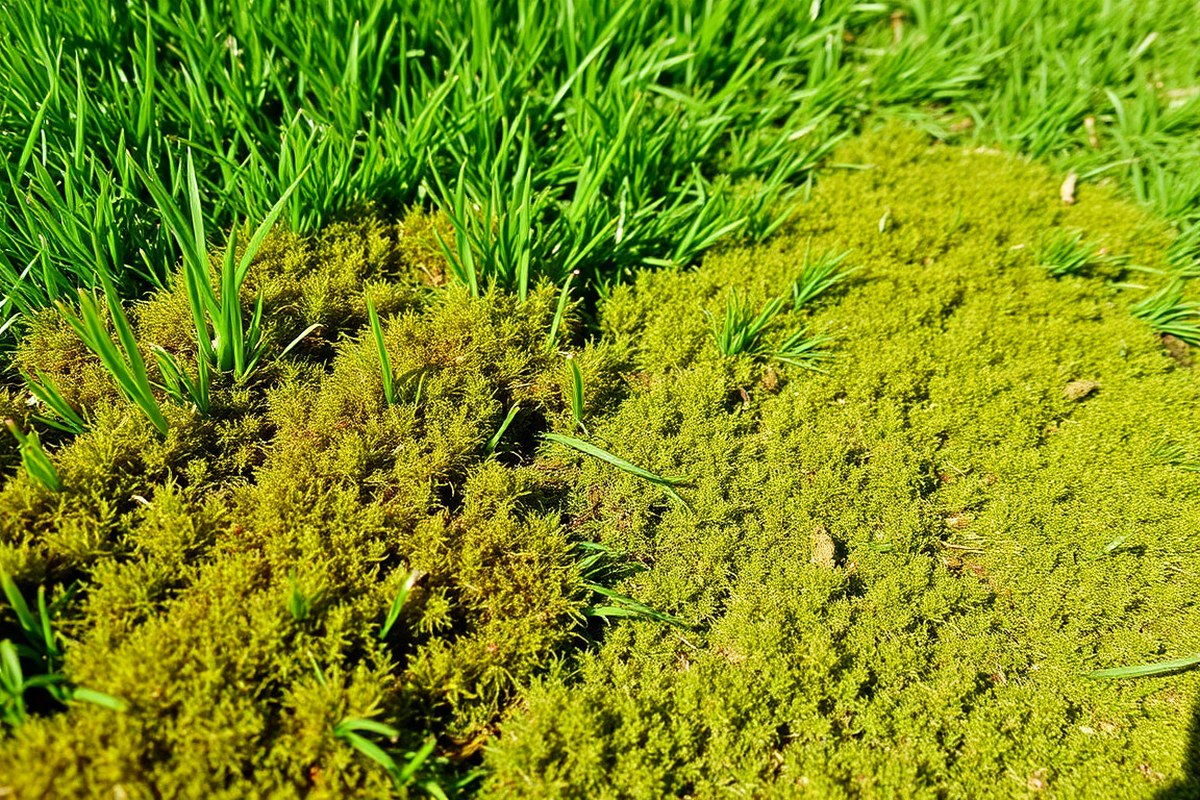
Will Lime Kill Moss? What Actually Works for Moss Control
Will lime kill moss? Not exactly.
Lime doesn’t kill moss right away. It slows moss growth by changing soil conditions over time.
Use a moss killer first to remove existing moss. Lime helps prevent moss from coming back if the soil is acidic. This two-step approach works best.
Applying lime raises soil pH, making it less friendly for moss but better for grass. This change takes several months. So lime is a long-term fix, not a quick solution.
Test your soil pH before applying lime. If pH is below 5.5, lime can improve lawn health and reduce moss. Follow package instructions and wait 4 to 6 months for results.
Key Takeaways
- Kill existing moss first before applying lime for long-term control.
- Test soil pH to determine if lime application is necessary.
- Apply about 50 pounds of lime per 1,000 square feet for moss control.
- Lime takes 4-6 months to change soil pH and discourage moss.
- Apply lime every 2, 3 years based on soil acidity and testing.
- Allow lime to sit 2-4 weeks before using other moss treatments.
Does Lime Kill Moss Directly or Just Affect Growth?
No, lime does not kill moss directly. It acts by changing the soil’s pH over time. This slower change helps create an environment where moss struggles to grow.
Moss thrives in acidic soil. Lime raises the pH, making soil less acidic. When the soil pH reaches about 6.0 to 7.0, moss growth slows because grass prefers this range.
Since lime works gradually, it will not remove moss already growing. You need a moss killer that works fast to remove moss.
Act quickly to stop moss from spreading in your yard. Choose products that show results within a few days.
Applying lime improves soil conditions that support healthy grass. Thicker grass crowds out moss naturally. Over several months, moss will reduce as turf becomes stronger.
Applying lime can reduce soil acidity to help control moss. Use between 50 and 100 pounds of lime on 1,000 square feet. A soil test helps you know the right amount to apply.
People sometimes expect immediate moss kill from lime. That won’t happen because lime’s effect depends on soil chemistry, not direct moss damage.
In soils with pH below 5.5, lime helps long-term lawn health. Still, you should combine lime with a quick-acting moss killer to handle moss now.
Without fixing acidic soil, moss often comes back after killing it. Lime acts as a follow-up to keep soil conditions less favorable for moss return.
How Lime Alters Soil pH to Influence Moss Growth

Moss thrives in acidic soil, usually where the pH is below 6.0. Grass prefers a soil pH between 6.0 and 7.0, which is more neutral and ideal for nutrient uptake. When soil is too acidic, grass struggles to grow, giving moss a chance to take over.
Lime raises soil pH by reducing acidity, a process often called “sweetening” the soil. Adding lime to acidic soil moves the pH toward neutral, creating better conditions for grass roots. Over several months, grass becomes stronger and fills in, crowding out moss naturally.
This treatment doesn’t destroy moss immediately. It prevents moss from spreading by improving soil and grass health. Lime needs around 4 to 6 months to alter the pH, reducing moss growth.
Typically, 50 to 100 pounds of lime are spread over 1,000 square feet. A soil test helps determine the correct lime amount for your lawn.
Check your soil’s pH before putting on lime. Too much lime can hurt grass growth. Testing helps avoid raising pH more than needed.
Areas with moss usually show other signs of acidity, such as yellow or unhealthy grass. Your soil’s pH is over 6.0, lime won’t help control moss and may even create problems. Adding lime helps mainly if moss shows up with other lawn problems.
Low pH usually causes these problems. Fixing soil acidity helps improve overall lawn health.
Choosing the Right Type and Amount of Lime for Moss Control
The best lime type for lawns is usually pelletized lime. It spreads easily and dissolves faster than pulverized lime. This helps change soil pH quicker and encourages grass growth to outcompete moss.
Dolomitic lime works slower than other limes. It also adds magnesium.
This helps if your soil has low magnesium levels. Burned lime works faster but costs more and can be harsher on lawns if overapplied.
How much lime to apply depends on your soil’s current pH and moss severity. Common practice is 50 pounds per 1,000 square feet for mild moss problems.
When moss gets worse, add more lime. Use up to 100 pounds for 1,000 square feet.
Testing the soil pH before you spread lime gives you the right number. You can get soil testing kits from garden centers or mail samples to local extension offices.
| Lime Type | Recommended Rate (per 1,000 sq ft) | Pros | Cons |
|---|---|---|---|
| Pelletized Limestone | 20, 50 lbs | Easy to spread; less dusty; steady pH change | May break down slower when compacted |
| Ground Limestone | 50, 100 lbs | Good for pH correction; widely available | Can be dusty; needs careful spreading |
| Burned Limestone (Quicklime) | 10 lbs | Fast-acting; stronger pH shift | Harsh if overused; more expensive |
| Dolomitic Lime | 50, 100 lbs | Adds magnesium; good for nutrient-poor soils | Slower effect on pH |
| Hydrated Lime | 20 lbs | Fast-acting | Can burn grass; handle with care |
Applying too little lime won’t raise pH enough to deter moss. Applying too much can harm lawn roots. Spread lime evenly using a drop or rotary spreader for best results.
Fall is a good time to apply lime because grass grows well during cooler months. After liming, core aerate the lawn so lime works better in the soil. Raking out moss before applying lime helps improve contact with soil.
Preparing Your Lawn Before Applying Lime to Control Moss
Lime only works well on moss once you prepare your lawn correctly. Start by testing your soil’s pH to see if lime is needed. Next, loosen tight soil and clear out moss to get the best results.
Collecting and Testing Soil Samples
Testing your soil tells you the pH level before adding lime. You can buy an at-home soil test kit for $10 to $20.
A professional lab test costs about $15 to $25. Both give useful soil info.
Dig 4 to 6 small holes about 4 inches deep in different lawn spots. Mix the soil from these holes in a clean bucket to get a sample. Follow the test kit instructions or send it to the lab for accurate results.
Aerating Compacted Soil
Compacted soil stops lime from reaching roots and working well. Use a garden fork or core aerator to make holes.
Make holes 3 to 4 inches deep. This helps your lawn breathe.
Aerate the entire moss-prone area, spacing holes about 3 to 6 inches apart. This improves airflow, water drainage, and lime absorption. Doing aeration yourself costs little.
It takes 30 to 60 minutes for a small lawn. You save money this way.
Removing Existing Moss
Clearing existing moss helps lime work better over time. Use a rake or a dethatcher to scrape moss from the lawn surface before applying lime.
For thick moss, pull patches up by hand. Or use moss killer as the label says.
Wait before adding lime. Removing moss lets grass grow stronger, helping lime adjust the soil pH more effectively.
- Test soil pH first, don’t guess
- Collect mixed samples from multiple spots
- Aerate compacted soil for better lime effect
- Rake or dethatch to remove surface moss
- Use hand removal for thick moss patches
- Apply lime only if soil test confirms low pH
Proper Lime Application and Timing for Best Moss Control Results
Lime takes a few weeks to change soil conditions enough to affect moss growth. Apply lime either at least 2 to 4 weeks before or after any moss-killing chemical treatments. Timing lime applications in early fall or spring tends to work best for long-term moss control.
Application Rate and Frequency
Use ground agricultural lime at about 50 pounds per 1,000 square feet for a typical lawn. This amount helps raise soil pH gradually toward neutral or slightly acidic. Repeat lime application every 2 to 3 years for moss prevention.
Check soil test results to decide timing. This helps keep moss from coming back.
Too much lime can harm grass by raising pH too fast. Test soil first and follow recommendations closely. Applying the right amount helps create less favorable conditions for moss without stressing your lawn.
Timing Relative to Moss Killers
Do not apply lime and moss killers at the same time. Lime takes time to affect soil, while moss killers work quickly on existing moss. Apply lime 2 to 4 weeks before starting moss-killing treatments to avoid reducing effectiveness.
Apply lime only after moss control chemicals break down. Wait 2 to 4 weeks before adding lime.
This avoids chemical conflicts. Coordinating their timing improves moss control results and protects your grass.
Seasonal Considerations
Early fall and spring are best for applying lime to lawns. Cooler weather helps grass absorb nutrients and recover from soil pH adjustments. Avoid applying lime in hot summer months when grass stress is higher.
Lime can be applied any time moss shows up. But fall and spring allow your lawn to strengthen naturally. These seasons align with routine lawn care tasks, making lime application easier to schedule.
Follow these steps to apply lime correctly and get the best moss control results:
- Test your soil pH to identify current conditions.
- Calculate the correct lime amount based on soil test results.
- Spread lime evenly over the moss-prone lawn area with a spreader.
- Water the lawn lightly to activate lime particles after application.
- Wait 2 to 4 weeks before using any moss-killing treatments.
- Observe lawn response and repeat lime application every 2 to 3 years as needed.
Do not mix lime and moss killers when applying. Apply them separately to avoid interference. Spacing applications improves moss control effectiveness.
Common Mistakes with Lime Use for Moss and How to Avoid Them
Lime can help improve lawn conditions but won’t kill moss directly. Using too much lime can damage your grass and plants. Applying lime in the wrong spots also hurts your lawn.
Be careful where and how much lime you use. Acid-loving plants like rhododendrons, azaleas, and blueberries can suffer if lime drifts onto their roots.
One common mistake is applying lime when the soil pH is already above 6.0. This wastes lime and risks stressing your grass.
Lime works best on lawns with acidic soil below pH 6.0. Testing your soil first helps avoid this error.
Avoid spreading lime in shaded areas where grass struggles to grow. Moss tolerates shade better and will keep spreading.
Instead, improve sunlight with pruning and reseed thin spots with shade-tolerant grass seed. This gives your lawn a fighting chance.
- Don’t overapply lime; follow soil test recommendations carefully.
- Keep lime away from acid-loving plants’ root zones.
- Test soil pH before applying lime, aiming only for pH below 6.0.
- Apply lime evenly with a spreader to avoid clumps.
- Use lime as part of regular lawn maintenance, not just a moss fix.
- Do not try to kill moss by blocking light with mulch. That kills grass too.
- Water the lawn lightly after application to help lime absorb into soil.
Putting too much lime down can raise soil pH too high, causing nutrient problems for grass. Grass might turn yellow or stunt growth if lime burns roots.
Follow recommended amounts and spread it evenly to avoid hot spots. Regular mowing and fertilizing also help your grass beat moss without any risks.
Avoid these mistakes to help your lawn stay healthy. Lime can do more than just fight moss. Use lime right to keep your whole lawn better.
It’s a slow process, so be patient. Over time, healthy grass covers moss naturally and your lawn looks fuller and greener.
Combining Lime with Other Moss Control Methods for Lasting Results
Lime helps reduce moss by changing soil pH. But it won’t solve the problem alone. You need to combine lime with other moss control methods.
This helps get lasting results. It also keeps your lawn healthy. Adding better sunlight, water habits, and chemical treatments can keep moss away for good.
Improving Sunlight and Drainage
Moss thrives in shady, damp areas where grass struggles to grow. Opening up the lawn by trimming tree branches helps bring more sunlight to the ground. This change can take a few weeks to show effects but reduces moss’s advantage.
Drainage is just as important because standing water favors moss growth. Aerate compacted soil with a garden fork or machine every spring to improve water flow. You can add sand to soil that holds too much water.
Organic matter also helps reduce sogginess. These improve soil drainage.
Adjusting Watering and Mowing Practices
Many people water lawns daily. But that keeps soil too wet for grass roots to thrive.
Water deeply but less often, about once or twice a week, to encourage strong roots. This practice helps grass outgrow moss naturally by chasing moisture deep into the soil.
Mowing regularly at the right height also impacts moss growth. Set your mower blade to about 2.5 to 3 inches so grass stays thicker and shades soil. Avoid cutting more than one-third of the grass blade at once.
This reduces stress on your lawn. It also improves lawn density.
Using Moss-Killing Chemicals Safely
You can use moss control products that contain iron sulfate or similar ingredients for faster results. Always follow label instructions carefully and apply on calm, dry days to avoid runoff. These chemicals often work best combined with lime and cultural practices for full control.
Some homeowners use baking soda as a homemade moss killer. But its effectiveness varies, and overuse can harm grass. Professionals often rely on specialized moss treatments and knowledge of lawn conditions to tailor their approach.
Hiring a lawn care expert might cost $50 to $100 per treatment. It can save you time. It also helps ensure safety.
How to Monitor Soil and Moss Changes After Lime Application
Track soil pH by testing it before lime and then again after three to four months. Use a soil test kit or send samples to a local extension service. The goal is a shift toward neutral or slightly alkaline pH, usually between 6.5 and 7.5, to discourage moss growth.
Watch for moss changes over several weeks. Lime doesn’t kill moss instantly, but moss should stop spreading and begin thinning. Healthy grass may start to appear where moss once grew, signaling soil improvement.
Retest the soil pH about six months after your first follow-up test. This helps you see if you need another lime application or if soil pH has stabilized. Don’t apply lime again too soon.
Over-liming can raise pH too high. This can help moss grow more.
Pay attention to uneven lime spread or weather conditions. Heavy rain soon after application can wash away lime, making soil pH shifts uneven or minimal. Using a spreader helps apply lime evenly, improving results.
Don’t expect moss to vanish overnight; consistent monitoring and patience matter most.
Look for moss decline signs like color fading, fewer patches, and drier feel underfoot. Moss may stay the same or get worse after six months.
This means soil pH might still be too low or high. Adjust lime amount based on pH test results and soil type.
Step-by-Step Action Plan for Using Lime to Manage Moss
Use lime to adjust soil acidity and slow moss growth, not to kill it outright. Follow these steps to treat your lawn effectively.
- Before you start: Test your soil’s pH using a kit or lab. Look for acidic soil below pH 6 where moss thrives.
- Day 1: Pick the right lime type for your lawn. Use dolomitic lime if you need magnesium. Choose calcitic lime to add calcium instead. Measure the recommended amount based on your soil test results.
- Day 2: Prepare your lawn by mowing it short and removing moss patches with a rake. Clear debris to help lime reach the soil better.
- Day 3: Spread lime evenly over the lawn using a spreader. Avoid over-applying, which can harm grass and soil life.
- Within a week: Water the lawn lightly to activate the lime. Too much water can wash it away, so keep it moderate.
- After 4 weeks: Check the soil pH again. You may need to apply lime again if the soil stays acidic. But wait at least a month between applications.
- Week 6: Add moss control products if moss remains. Improve lawn care with aeration. Fertilise properly to help your lawn grow.
Frequently Asked Questions
Will Lime Kill Moss in Acidic Soil?
Lime won’t kill moss directly. But in acidic soil below pH 5.5, it helps by making conditions less favorable. You still need to remove moss first for good results.
Can Lime Prevent Moss from Returning?
Lime may reduce moss regrowth if your soil is acidic. It changes soil pH slowly, which deters moss over months but won’t prevent it entirely.
Do You Need to Test Soil Before Applying Lime?
Yes, soil testing is key before using lime. It tells you if the pH is low enough to need lime for moss control.
Will Lime Harm My Lawn Grass?
If used at the right amount, lime won’t harm your lawn grass. Over-application can raise pH too much and stress grass.
How Long After Applying Lime Can You Treat Moss with Other Products?
Wait 2 to 4 weeks after liming before applying moss killers. This allows the lime to start adjusting soil pH for better effects.
Is Lime Effective on Moss Growing on Hard Surfaces?
Lime does not affect moss on hard surfaces like concrete or patios. It only changes soil pH. So use a moss killer made for hard surfaces instead.
The Bottom Line
Lime does not kill moss directly but makes your lawn less attractive to it. Test and treat your soil carefully and keep an eye on pH changes. Start by testing your soil today to know what your lawn needs.