What Is Shovel: Types, Uses, and Choosing the Right Tool Explained
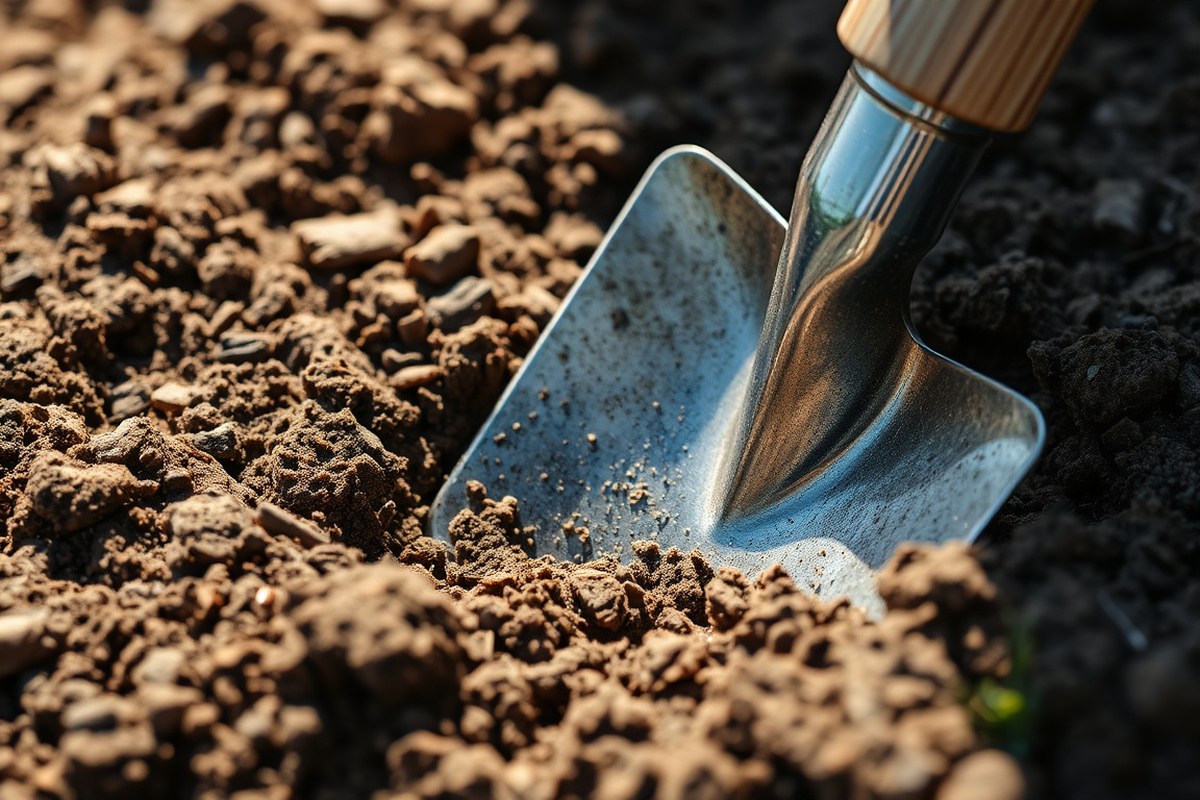
What is shovel? A shovel is a hand tool used mainly for digging and moving loose material. It has a broad blade and a handle.
You use it to scoop soil, sand, or gravel. It helps lift and carry these materials. The blade’s shape and size vary depending on the job it’s designed for.
Shovels have flat or rounded blades. The handles are wood, metal, or fiberglass. These parts let you dig and carry stuff.
Press the blade into the ground with your foot. Use the handle to lift the material.
This makes digging easier. Knowing which shovel fits your task saves effort and avoids frustration.
Before starting, check the handle length and blade shape for your task. A longer handle helps with heavy digging, while a smaller blade suits tight spaces. Also, make sure the shovel’s blade material matches your soil type for better durability.
Key Takeaways
- Shovels have a broad blade and a handle for digging and moving materials.
- Blade shapes differ based on tasks like scooping soil or cutting roots.
- Long handles around 48 inches make digging easier for most adults.
- Short D-grip handles offer better control in tight garden spaces.
- Tempered steel blades last longer and cut through hard ground easier.
- Press the blade into the soil with your foot for better use.
What Is a Shovel and Its Main Parts?

A shovel is a hand tool used mainly for digging holes and moving loose materials. Its design helps you scoop, lift, and transfer soil, gravel, mulch, or snow efficiently. A round or square-pointed blade is typical, depending on the task.
Every shovel consists of three main parts: the handle, the shaft, and the blade. The handle is what you grip, often made from wood, fiberglass, or metal. The shaft connects the handle to the blade, usually straight and sturdy to provide use.
The blade, also called the scoop, does the digging and lifting. It can have a pointed tip to break soil. It may also have a flat edge.
You use the flat edge for moving loose stuff. The blade’s shape helps with digging, loosening, or scooping.
It fits the gardening you need. The shape matches the task you do.
Long handles, usually about 48 inches, give you good use for digging and lifting. They help reduce the strain on your back by letting you stand upright. Shorter handles offer more control but aren’t as good for deep or heavy digging.
A shovel’s blade can have a rounded or square tip. Rounded tips are best for breaking into soil or clay.
Square tips work well for moving loose materials like mulch or gravel. The blade may have turned-up sides to hold material while you carry it.
The way the handle meets the blade affects how you use the shovel. An angled handle lets you push the blade into the soil more easily. A straight handle gives more precise control but can make digging harder on tough ground.
How Do Shovels Differ from Spades?
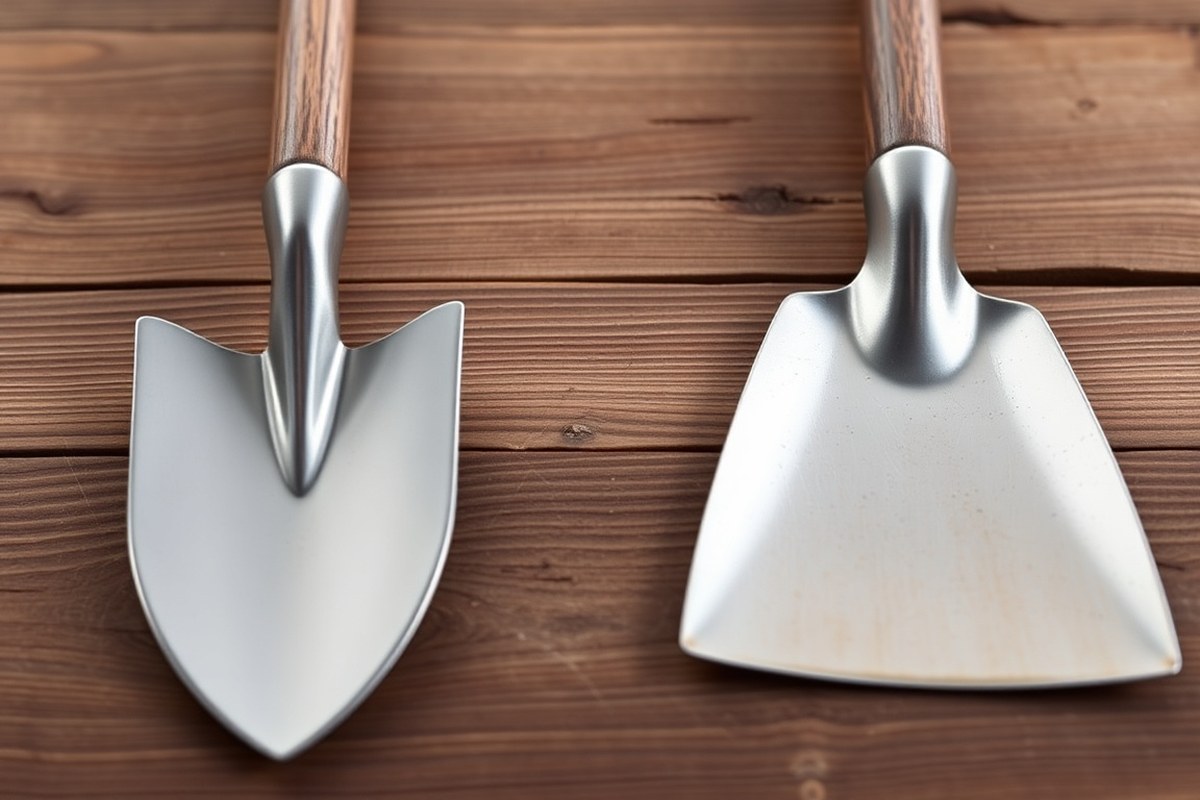
A spade differs from a shovel mainly in shape and purpose. The spade has a narrow, straight-edged blade, often with a square or spearhead tip. Its blade is nearly in line with the handle.
The handle is usually shorter with a D-grip or T-grip. This design makes it great for cutting through roots, edging garden beds, and digging planting holes.
Shovels have wider blades that curve inward. Their blades angle away from the handle. This shape helps with digging and lifting.
They usually have a longer, straight handle without a grip. This shape helps you scoop and lift loose materials like soil, gravel, mulch, or snow. Shovels have rounded or square tips.
These tips don’t cut well but move materials. They are good for pushing things around.
Choosing between one depends on your task. Use a spade to cut through stubborn roots or to edge a bed cleanly. The sharp, straight blade slices soil and sod.
So you get neat lines or can dig precise holes. A shovel holds more soil or compost when moving it.
Its blade lifts materials easily. This makes it better for moving stuff.
Handle length matters, too. A spade’s shorter handle gives you more control and power for chopping or digging. Shovels have longer handles to reach farther.
You can use body weight to scoop. This reduces bending while you work.
Spades often have a grip that lets you apply more pressure when cutting. Shovels usually don’t have this grip because you mostly push or lift with them, not cut.
Don’t use a shovel to cut roots, you’ll just wear the blade down quickly. A spade is better for clean cuts and digging.
Types of Shovels and Their Specific Uses
Shovels come in several types, each designed for specific gardening tasks. Knowing which type fits your need helps you dig, scoop, or move materials more efficiently. Common shovels include round point, square point, and specialty shovels for narrower or unusual tasks.
Round Point Shovels for Digging
Round point shovels have a rounded, wide, dished blade angled from the handle. This design helps break compacted soil and scoop it easily during digging. They also cut through roots and remove soil quickly once loosened.
The wide blade holds lots of soil and its rounded tip penetrates hard ground well. Use this type to dig holes or trenches in your garden.
It also helps move loose dirt. This tool makes those tasks easier.
Square Point Shovels for Material Moving
Square point shovels have a flat, wide blade best for scooping and moving loose materials. They work well on hard surfaces like concrete or gravel. These shovels scrape and lift debris cleanly.
That’s why they’re preferred for such tasks. Think of them as the go-to for shifting soil, gravel, sawdust, or mulch from piles.
This shovel does not dig well but excels at scooping loose stuff. Use it mainly to move piles of material around.
It’s not for breaking ground or digging holes. This tool suits moving tasks better.
Specialty Shovels for Specific Tasks
Specialty shovels have shapes tailored to narrow or tricky jobs. Trenching shovels dig slender slots useful for irrigation or electrical conduit lines. Their narrow, flat blades remove only what you need without disturbing soil on the sides.
Irrigation shovels resemble round point types but have a thinner, slightly flattened blade. Other types include snow shovels and coal shovels.
Snow shovels help push and lift snow. Coal shovels are strong for coal or ashes.
Here’s a simple table comparing common shovel types and their uses:
| Shovel Type | Blade Shape | Main Use | Material Handled |
|---|---|---|---|
| Round Point | Wide, rounded, dished | Digging, general soil moving | Compacted or loose soil, roots |
| Square Point | Flat, wide | Scooping, scraping hard surfaces | Loose soil, gravel, debris |
| Trenching | Narrow, flat | Digging narrow slots | Soil in trenches, irrigation lines |
| Irrigation | Narrow, slightly flattened round | Detailed digging for irrigation | Loose or compact soil |
| Snow | Wide, flat | Moving snow | Snow, light ice |
| Coal | Wide, deep | Handling coal, ashes | Loose coal, ashes |
Choosing the right shovel type helps you work smarter and avoid wasting effort. Using a round point shovel instead of a square one can slow you down. It might also hurt the soil structure.
Choose the right shovel for the job. Specialty shovels keep your work precise when standard types are too wide or blunt.
Materials and Construction of Shovel Blades and Handles
Shovel blades most often come from sheet steel or hard plastic. Steel blades have a folded or hemmed seam. This seam forms a socket.
It holds the handle firmly. Choose blades made from hardened carbon or manganese steel.
They hold their edge longer. They also resist wear better.
Blade thickness affects strength and digging ease. Thicker steel blades handle tough soil but weigh more and cost extra.
Thinner blades work well for light garden soil but bend under rocky or heavy clay conditions. Heat treatment strengthens some steel blades, making them harder and less likely to chip.
Handles are commonly made of wood, fiberglass, or steel. Wood handles feel comfortable and absorb shock well. They need occasional sanding or oiling.
This care helps prevent splinters. Fiberglass is tough and resists weather better. It costs more but lasts longer between replacements.
Steel handles are very strong but usually heavy. They can get cold or hot to hold.
Many shovels have a T-piece at the handle end. This design improves your grip and control when lifting soil or gravel. A good fit between handle and blade socket prevents wobbling and increases durability.
So a solid one-piece build or strongly riveted joint is best. A 48-inch handle is common for garden tools.
It lets you work well while digging. It also helps keep your back straighter.
How Handle Length and Grip Affect Shovel Use
Shovel handles vary primarily between long straight handles and shorter D-grips. Long handles give reach and use for big jobs.
Short D-grips help with control in tight spots. Choosing the right handle can ease strain and fit your task better.
Long Handles for Use
Long shovel handles typically measure about 48 inches. This length lets you use more arm strength when digging deep. It also helps when scooping heavy loads.
You get to use your body power better. The extra reach reduces bending, which can protect your lower back.
Wood like ash or maple is common for these handles. It feels solid in your hand. It also helps absorb shock well.
Fiberglass handles also appear, offering lightweight durability. Long handles work best when you have room to swing and need power.
Short D-Grip Handles for Precision
D-grip handles are usually around 30 inches long. These handles focus on close control rather than reach. They’re great for narrow beds, transplanting, and container gardening where space is tight.
With a D-grip you hold the shovel closer to your body. This minimizes arm extension and helps you make careful, small movements. It also cuts down on wrist strain during precise digging or plant placement.
T-Grip Handles and Other Variations
T-grip handles offer a crossbar on the top that can give extra wrist use and stability. They often appear on spades, which need close control but a little more push force. T-grips suit users who prefer a firm, two-handed hold.
Some tools blend handle types or have contoured grips to match hand shapes. You might find handles shaped for better grip comfort or specific tasks. This variety lets you pick the fit that feels best during extended use.
| Handle Type | Typical Length | Common Uses | Material |
|---|---|---|---|
| Long Straight Handle | 48 inches | Deep digging, moving heavy loads | Ash, Maple, Fiberglass |
| D-Grip Handle | 30 inches | Transplanting, tight beds, container gardening | Ash, Maple, Fiberglass |
| T-Grip Handle | 30-40 inches | Spades, controlled digging, pushing force | Ash, Maple |
Matching the handle to your size and task keeps you comfortable. For instance, a long handle with loads that are too heavy can tire you quickly. A short handle in an open space forces you to bend low too often.
Choose a handle length that lets you dig without bending your lower back too much.
Choosing the Right Shovel for Your Gardening Task
Picking the right shovel depends on what you’re digging and the soil type. Clay or tough soil needs a sharp-edged shovel like a trenching or pointed digging shovel.
Loose or sandy soil works fine with a square or scoop shovel for moving materials. The right blade shape fits the job and soil hardness.
Your height and strength also matter when choosing handle length and material. Taller users do better with longer handles, around 48 inches or more, for less bending.
Shorter users should use handles between 36 and 42 inches to maintain control. Lightweight materials like fiberglass handles help reduce fatigue if you dig for long periods.
- Pointed blade for digging in hard or compacted soil
- Flat or square blade for scooping, moving loose materials
- Long handle for tall users to avoid stooping
- Short handle for better control with shorter stature
- Fiberglass handles for lighter weight and shock absorption
- Steel shanks and grain-aligned shovel heads for strength
- Comfort grip if you dig often or have weaker hands
Match the shovel size to the job. Small garden shovels work best for planting and moving small amounts of soil. Larger shovels can handle heavy loads like gravel or mulch.
Most digging and general moving jobs benefit from a round-point blade and a sturdy handle. Cost of good shovels ranges from $20 to $50 depending on materials and design.
The right shovel feels balanced in your hands and lets you work without strain. Using a too-long handle can be awkward, while a too-short one forces bending.
Too heavy a shovel tires your arms quickly. Choosing wisely helps you dig deeper, move soil faster, and avoid bruised hands or backaches.
Common Mistakes Using Shovels and How to Avoid Them
Many people use shovels the wrong way, which wastes effort and risks injury. One common mistake is bending over too far instead of using your legs. This can strain your back and cause soreness after just a few minutes of digging.
Using a shovel that’s too short lowers your work efficiency. A handle that’s too long does the same. Pick one that fits your height well.
Handles around 48 to 58 inches usually fit most adults well. A handle that’s too short forces you to hunch over. A handle too long can cause poor control and wrist pain.
Rushing the job is another error. Digging too fast makes your muscles tired quickly. Not taking breaks raises the chances of strains.
Slow down and rest often to avoid this. Taking slow, steady steps and pausing often helps you work longer and with less pain.
- Keep your back straight and bend your knees when digging
- Use a shovel that matches your height for better control
- Wear boots with good grip to avoid slipping
- Avoid twisting your body while lifting soil; turn your whole body instead
- Take regular short breaks to prevent muscle fatigue
Holding the shovel too close to the blade limits your use. Gripping nearer the middle or top of the handle lets you use your whole arm strength. Use the sharp edge of a spade to cut roots better.
A dull shovel blade does not work well for this. Keep your spade sharp for easier digging. Try swapping tools if digging becomes too tough.
Failing to clear debris from under the blade makes digging harder. Dirt or rocks stuck below reduce the shovel’s efficiency and can cause slips or jerky motions. Tap the shovel gently to knock off clumps before the next scoop.
Maintaining Your Shovel for Longevity and Safety
Keeping your shovel clean, sharp, and stored well makes it last longer and safer. Dirt and moisture can cause rust, and dull blades need more effort to work. Regular checks catch damage early before it gets worse.
Cleaning and Drying Your Shovel
After each use, knock loose dirt off the blade by hand. Use a stiff brush to remove stubborn soil. This keeps your shovel clean and ready to use.
Rinse the blade with water to wash off stuck soil. Dry it with a cloth or paper towel afterward.
This prevents rust and damage. This stops rust and keeps it ready for the next use.
Wipe the metal blade with a thin coat of oil like WD-40. This blocks moisture and helps prevent rust. Apply before storing the shovel.
Check the wood handle for dirt or sap and wipe it clean too. So it doesn’t get sticky or dry out.
- Remove all soil and debris promptly after use
- Dry the blade completely to avoid rust
- Use a wire brush for stubborn grime or rust spots
- Apply a thin oil layer on the blade before storage
- Inspect and clean the handle to prevent cracking
Never store a wet shovel because moisture encourages rust quickly.
Sharpening the Blade Safely
Keep your shovel’s blade sharp to make digging easier and safer. Dull edges slide off soil and can cause slips or injury. Use a metal file or a sharpening stone for the job.
Clamp the shovel in a vise or hold it steady. File the blade edge at about a 35-degree angle. Use long, even strokes from tip to heel.
This sharpens the blade for better digging. Sharpen once or twice a year or whenever you feel more effort is needed to dig.
Wear gloves and eye protection to avoid cuts or metal filings in your eyes. Don’t use electric grinders unless you’re skilled with them.
They can remove too much metal quickly. That rounds off the blade’s edge and harms it.
Storage Tips to Avoid Damage
Store your shovel in a dry place like a garage or shed to prevent rust. Hang it on a wall hook or nail rather than leaving it on the ground. This prevents the blade edge from dulling and keeps the handle off damp floors.
Rub linseed oil into wooden handles once a year. This prevents cracking and drying.
Regular care keeps handles strong and smooth. This simple step costs about $10 per bottle and protects the wood from weather damage.
- Hang the shovel blade up, never lay flat on the floor
- Keep the storage area dry and well-ventilated
- Apply linseed oil on wood handles yearly
- Avoid leaning the shovel against hard surfaces under tension
- Check the blade coating for wear and touch up with rust-resistant paint if needed
A cracked handle can snap under pressure and cause injury; inspect it yearly.
Step-by-Step Action Plan for Using and Caring for Your Shovel
Follow these steps to pick, use, and maintain your shovel correctly. You’ll work smarter and keep your tool ready for any gardening job.
- Before you start: Choose a shovel type and handle length that fit your task. Check for a comfortable grip and sturdy blade to avoid strain.
- Day 1: Test your shovel with a small patch of soil. Notice if digging feels balanced and your wrist doesn’t hurt.
- After week 1: Clear dirt off after each use. Wipe the blade dry to stop rust and keep edges sharp.
- Week 2: Tighten loose handles or screws to keep the shovel steady. Check for cracks or splinters on wooden handles.
- Monthly: Every few weeks, apply oil to wooden handles to prevent drying. Use a file to sharpen dull blade edges if needed.
- Seasonal: Before winter storage, clean your shovel thoroughly. Store it in a dry, sheltered spot to avoid weather damage.
- As needed: Replace worn grips or broken parts promptly. A well-maintained shovel is safer and easier to use.
Frequently Asked Questions
What Is a Shovel Used For?
A shovel is used for digging, lifting, and moving materials like soil and gravel. It’s handy in gardening, landscaping, and construction work for tasks like planting or clearing.
What Is Shovel in Slang?
In slang, “shovel” can mean to work hard, especially shoveling snow or doing tough labor. Sometimes, it also means to move or clear something quickly.
What Does It Mean to Shovel Someone?
To shovel someone means to push or strike them forcefully, often using a shoveling motion. This slang is usually used in informal settings or joking contexts.
Where Did the Term Shovel Come From?
The word “shovel” comes from Old English “scofl,” related to German “Schaufel” and Dutch “schoffel.” It dates back before the year 900.
What Is the Shovel Used for in Heavy Machinery?
In heavy machinery, a shovel means a power shovel or excavator. It digs large amounts of earth or other materials.
It moves the material to another place. It works like a giant hand for big projects.
How Much Material Does a Typical Garden Shovel Hold?
A standard round-head shovel holds about 30% more material than some narrower designs. Using the right shovel can save time and effort depending on soil type.
Wrapping Up
A shovel is a simple but essential gardening tool. Choosing the right type and caring for it helps you dig with ease and avoid injury.
Start by picking the one that feels right in your hands. Give it regular care to keep working well.