What Not to Put in Compost Pile: A Complete Guide for Safe, Effective Composting
Knowing what not to put in compost pile saves you from common problems. Avoid meat, dairy, oils, and animal feces; they attract pests and spread disease. Use mainly plant-based scraps, leaves, grass clippings, and paper for safe, effective compost.
Discard citrus peels and onions in small amounts only; they can slow down microbes. Keep weeds with seeds and black walnut leaves out unless your pile reaches 145°F nonstop.
Too many chemicals from treated lawn clippings can also harm compost quality. So avoid or wait before adding them.
Hot composting at 141°F or above kills most bad bugs and seeds. Turn your pile every few days and keep it about 3x3x3 feet to reach these temperatures. You’ll get finished compost in 3-4 months when you follow these basic rules carefully.
Key Takeaways
- Never add meat, dairy, or oils because they attract pests and rot badly.
- Leave out pet waste and animal feces; they carry harmful pathogens.
- Avoid weeds with seeds unless your compost reaches at least 145°F.
- Limit citrus peels and onions to small amounts to prevent slowing decay.
- Skip lawn clippings treated with chemicals or wait 2-4 weeks before using.
- Turn piles every 3-5 days to maintain high temperatures and kill seeds.
Which Items Should Never Go in a Compost Pile?
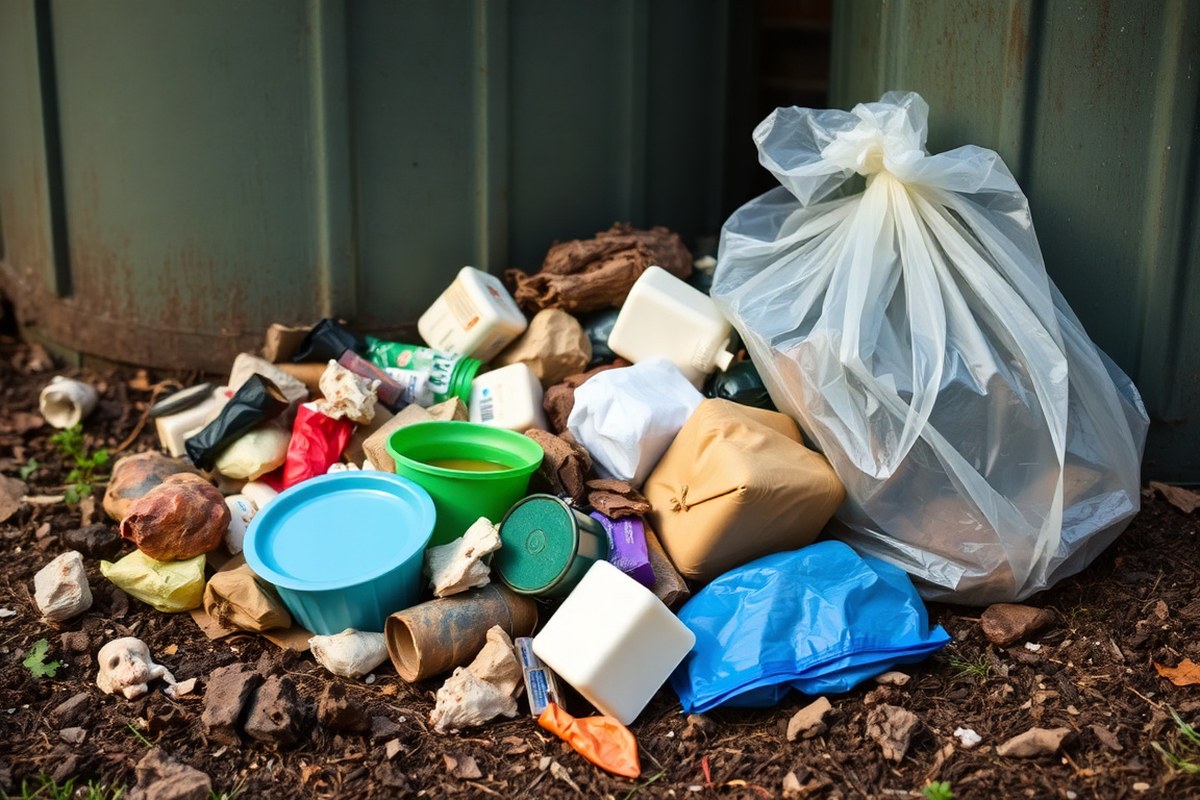
Meat, dairy, and pet waste are bad for your compost pile. They can cause problems you want to avoid. Keep them out for best results.
Meat and bones take a long time to break down. They also create strong smells. These smells attract pests like rats and raccoons.
Dairy products like cheese, butter, and yogurt don’t compost well. They cause greasy textures in your pile. They also create bad odors.
Pet waste from dogs and cats has harmful bacteria. It also carries parasites that can harm your garden soil. Avoid adding pet waste.
Cooked or processed foods often contain salts, oils, or preservatives that attract pests and mold. Some everyday mistakes gardeners make include adding oily leftovers, eggs, or even diseased plant clippings.
- Meat, fish, and bones, slow to break down and smell bad
- Dairy products and fats, cause odors and attract pests
- Pet waste, contains harmful bacteria and parasites
- Cooked or processed foods, hold oils and salts that spoil compost
- Diseased plants, spread infections in your compost and garden
- Chemically treated yard waste, introduces toxins harmful to soil life
- Weeds with seeds, risk spreading unwanted plants back into your garden
Any sign of pests in your compost usually means some unsafe materials got in. Proper separation means you should only compost raw plant scraps and untreated yard waste.
Avoid adding questionable items. Bury food scraps under dry leaves to reduce pests and odors.
Leaving these materials out keeps your compost healthy. It helps it break down faster. You get safe, rich soil for your garden.
Notice strange smells or pests? Check if meat, dairy, or pet waste is in your compost. Act quickly to fix it.
How Meat, Dairy, and Oils Damage Compost and How to Handle Them

Meat, dairy, and oils break down poorly in compost because they contain fats that slow decomposition. These fats create greasy layers that block airflow needed by the compost microbes. Without air, decomposition slows and bad smells develop quickly.
These animal products also attract pests like rats, raccoons, and flies. Meat and dairy start to rot within 24-48 hours. They release smells pets and wild animals can smell from far away.
This attracts unwanted critters fast. These pests dig through compost and spread disease or make a mess.
Small amounts of meat or dairy scraps may sometimes be okay. Mix them well with lots of leafy, dry materials. This helps reduce odors and pests.
This reduces odor and pest risks by spreading fats thin and keeping air flowing. However, it’s safer to avoid these items whenever possible.
Cooking oils and grease cause problems in compost too. They coat materials and block moisture and air from getting in. This slows the whole composting process down.
That slows microbial activity further and can also smell bad. Even little grease spills from plates or pans are best kept out.
A better way to handle meats, dairy, and oils is by disposing of them in regular trash. You can also try municipal composting programs made for these materials. These methods keep your pile healthy.
These facilities reach higher temperatures that break down fats and sterilize pathogens better. Use dedicated food waste bins for animal products if allowed. This prevents common compost issues with smells and pests.
Another option is a small system like a bokashi bin. It ferments kitchen scraps, including meat and dairy safely. This works well if you want to compost these items.
After fermentation, you bury the material outdoors, where it breaks down safely without scents or pests. These systems cost $60 to $100 and take minimal space.
For home gardeners, avoid adding fatty or animal-based scraps directly and stick to plant-based waste. You’ll protect your compost pile’s quality and prevent pest problems that can spread to your garden. Using alternatives keeps your compost healthy and free from foul smells.
Don’t add meat, dairy, or oils to a regular compost pile. They attract pests and create strong odors within days. Summer makes these problems worse.
Why Animal Feces and Pet Waste Are Unsafe for Compost
Dog and cat waste should never enter your compost pile. These wastes carry harmful bacteria and parasites like roundworms. Many of these pathogens can survive regular composting temperatures and contaminate the soil.
Pet waste from meat-eaters often contains health risks. Cat feces can carry toxoplasmosis, a serious disease for pregnant people.
Dog poop can harbor parasitic worms that infect both humans and animals. These dangers make pet waste unsafe for home compost.
Herbivore manure, such as from cows or horses, is usually safer to compost. You can add this manure to your pile if the compost gets hot enough. Temperatures between 141°F and 145°F kill most pathogens.
You must hold these temperatures for several days. This also destroys weed seeds in manure.
Your compost might not reach these temperatures often. Pathogens in manure can survive at lower temperatures. Hot composting requires monitoring pile temperature and turning it frequently.
This process Usually takes three to four months. After that, compost becomes safe and ready to use.
Pet waste should be disposed of separately. Bury manure in a hole and cover with soil.
Throwing it in the trash is safer too. Dedicated pet waste compost systems exist but produce compost only for ornamental plants, not food crops.
Pathogens from pet waste can harm your garden and your family’s health. They can linger in the soil or water, risking disease spread. Keeping pet waste out of your compost protects your plants and prevents dangerous soil contamination.
How Citrus Peels, Onions, and Other Kitchen Scraps Affect Compost
Small amounts of citrus peels are safe in your compost pile. Adding a few orange or lemon peels to a large, active pile won’t harm the microbes. Avoid dumping large quantities, though.
Citrus peels take longer to break down. They can lower the pile’s pH. This slows decomposition and can harm helpful organisms.
Onions and garlic should be used sparingly or left out of compost bins, especially worm bins. These alliums release strong scents and acids that can slow microbial activity or kill worms. They break down slowly and may leave behind odors that attract pests.
Chop onions and garlic finely. Mix them well into the middle of your pile. This helps speed decomposition.
Eggshells are great to add but need some prep. They decompose slowly and can take months to break down fully.
Crushing eggshells into small pieces before adding them helps speed up the process. Their calcium benefits your garden soil once the compost is ready.
- Add only small amounts of citrus peels. Use just a few pieces for a big pile. This prevents problems.
- Chop onions and garlic finely and bury them inside the compost.
- Crush eggshells into small bits before adding to help them break down faster.
- Avoid adding any citrus, onions, or garlic to worm bins entirely.
- Balance citrus acidity by adding plenty of brown materials like dry leaves.
- Turn your compost regularly to speed up breaking down tougher scraps.
Balancing kitchen scraps with dry, carbon-rich materials helps keep your compost healthy. Citrus acidity needs neutralizing by adding dry leaves or straw. Turn your pile regularly.
This adds air that helps break down slow scraps. Peelings and eggshells break down better this way. Watch your pile.
Reduce citrus and onion scraps if the pile smells sour or slows down. Doing this protects your microbes and worms.
When you manage scraps right, they won’t harm your pile. They can add nutrients to finished compost too.
Why Some Garden Waste Like Weeds and Black Walnut Should Be Avoided
Adding weeds with seeds to your compost pile can cause new weed growth. Many home compost piles do not get hot enough to kill those seeds.
They survive and sprout later in your garden, undoing your weeding efforts. To avoid this, only add weeds before they develop seeds or dispose of them another way.
Black walnut leaves and nuts should never go into your compost. They contain juglone, a compound that harms many plants by blocking their cellular respiration. Leaves, twigs, and roots all have juglone.
So even a small amount can stop growth or kill plants nearby. Juglone breaks down with heat over time.
Most home piles don’t get hot enough. They also don’t stay old enough to neutralize it.
You can try hot composting when adding garden waste with seeds. This method helps break down allelopathic compounds. That means keeping your pile at 130 to 160 degrees Fahrenheit for several days.
The heat destroys seeds and breaks down juglone faster. Hot composting takes constant turning, moisture control, and can take 3 to 6 months or more. Many home gardeners find this too much work.
Instead, put weeds with mature seeds in a yard waste bin or trash can. Using a 30-gallon garden waste bucket can help collect these plants separately.
For black walnut debris, it’s safest to leave it out of your compost completely. You can compost other leaves and yard waste instead, as they improve soil without risk.
Don’t toss weeds with seeds or black walnut leaves into compost. Only add them if your pile heats up enough. This heat helps neutralize them.
How to Recognize and Avoid Problematic Paper, Plastic, and Treated Materials
Not all paper, cardboard, and bioplastics break down safely in home compost. Plain paper and cardboard often work well. Coated, glossy, or plastic-laminated items usually don’t compost and can contaminate your pile.
Safe Paper and Cardboard Types
Plain newspaper, cardboard, and paper towels without chemicals are good for compost. They add carbon and help balance green materials like food scraps. Avoid glossy magazines, colored ads, and paper with plastic coatings.
Food packaging with plastic or foil layers doesn’t break down at home. Stickers and cellophane on paper also resist composting. Tear larger pieces into small strips to speed composting.
Biodegradable vs Conventional Plastics
Most plastic bags, even marked “biodegradable” or “compostable,” need industrial composting to break down. These facilities reach 130-160°F for weeks, which home piles can’t maintain. Home compost piles rarely get hot enough to fully decompose bioplastics.
Plastic-coated labels and synthetic tea bag meshes don’t degrade well. Use paper or natural fiber bags for your kitchen scraps instead. Avoid tossing plastic or bioplastic wrappers in your compost bin.
Treated Wood and Ash Guidelines
Treated wood often contains chemicals that don’t break down and can harm plants. Avoid adding treated lumber or anything with pesticide residues. Ash from untreated wood is safe in small amounts.
Use it sparingly. Too much ash can raise the pH too much.
Ash from charcoal briquettes or treated wood is better left out. These can contain compounds harmful to soil microbes and plants. Stick to natural garden waste to keep your compost healthy.
Here’s a table to help you spot safe and unsafe materials. It covers paper, plastic, and wood types. Use it when sorting for your compost.
| Material | Compostable at Home? | Reason to Include or Exclude |
|---|---|---|
| Plain newspaper and cardboard | Yes | Good carbon source, breaks down easily |
| Glossy or coated paper (magazines, ads) | No | Plastic/foil layers prevent decomposition |
| Food packaging with plastic or foil layer | No | Plastic coating doesn’t break down |
| Biodegradable or compostable plastics (home compost) | No | Needs industrial composting temperatures (130-160°F) |
| Stickers and cellophane on paper | No | Plastic parts resist breakdown |
| Treated wood and pallet scraps | No | Chemicals can harm soil and plants |
| Ash from untreated wood (small amounts) | Yes | Safe but use sparingly to avoid high pH |
Using plain paper and cardboard adds useful carbon to your compost pile. Stay away from shiny, coated papers and plastic layers to prevent slow breakdown and contamination. Home compost piles usually can’t compost bioplastics fully.
Skip treated wood materials because of chemical risks. But small amounts of natural wood ash can be okay.
Differences Between Hot and Cold Composting for Unsafe Materials
You can safely break down most pathogens and weed seeds in a hot compost pile. Hot composting reaches temperatures that kill harmful organisms and dormant seeds over weeks. Cold composting takes months and often leaves unsafe materials partly intact.
Pathogen and Seed Kill Temperatures
Temperatures between 130°F and 160°F are needed to kill pathogens and weed seeds. These levels must stay consistent over several days or weeks to be effective. At these temperatures, common garden pathogens and tough weed seeds cannot survive.
Cold compost piles rarely reach 130°F. Pathogens like E. Coli and disease-causing fungi can survive. Weed seeds also stay viable, making your finished compost risky to use on edible plants.
Hot Composting Conditions and Timelines
Hot composting needs active management to maintain high temperatures. Turning the pile regularly helps distribute heat evenly throughout the materials.
Industrial piles maintain 130°F to 160°F for weeks. But backyard hot compost piles can reach this range if layered and turned well.
A large hot pile needs three to six weeks at these temperatures. This time helps kill most pathogens and seeds.
Smaller or poorly mixed piles may have cold spots where unsafe items survive. You can speed hot composting with a thermometer and regular turning every few days.
Risks and Limits of Cold Composting
Cold composting breaks down materials slowly over 6 to 18 months with minimal turning. Temperatures stay below 110°F, allowing disease organisms and weed seeds to live. This means you risk spreading invasive plants or soil pathogens if you add unsafe materials.
Some tough materials with chemicals or dormant seeds do not fully break down. For example, black walnut leaves may still release juglone toxins, even after cold composting.
Avoid these materials in cold compost piles for safety. Use industrial compost systems made to handle them instead.
Cold composting is easier but needs caution with diseased plants or invasive seeds. Do not add these if you want safe, nutrient-rich compost for your garden beds.
How to Test, Prevent, and Fix Compost Contamination and Pest Problems
A compost pile with foul smells, stalled breakdown, or visible pests signals trouble. Testing with seedlings can confirm if the compost harmed by contamination is safe. Preventing raccoons, rodents, and odors helps avoid pest problems that ruin your pile.
Seedling Safety Test Procedure
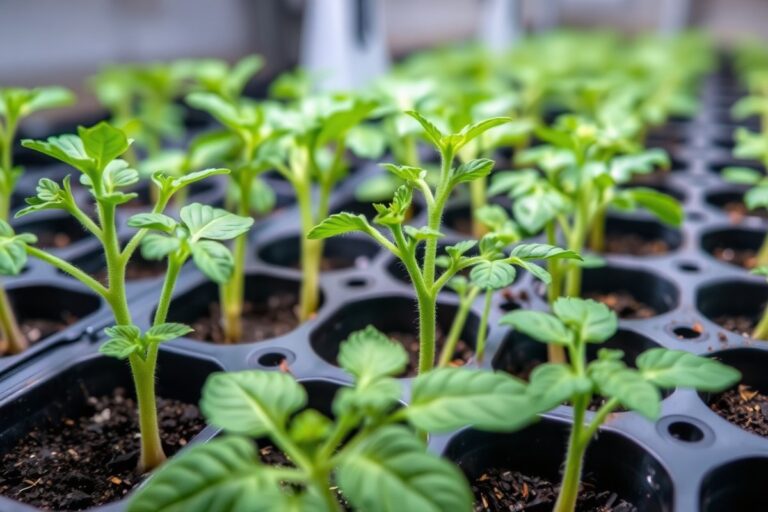
Fill small pots half with clean potting soil and half with compost to test. Plant bean or tomato seeds in this mix and keep it moist but not wet. Watch seedlings over 2 to 3 weeks for poor growth, yellow leaves, or failure to sprout.
Weak or unhealthy seedlings suggest the compost contains harmful chemicals or pathogens. Healthy growth has green leaves. The stem develops steadily.
This means the compost is safe for garden use. Use this test before putting new compost on sensitive plants or edible gardens.
Pest Prevention and Management Tips
Keep your compost bin tightly covered to block access by raccoons and rodents. Avoid adding meat, dairy, bones, or oily scraps that attract animals and cause odors. Turn the pile regularly to help it dry and avoid soggy, smelly conditions that invite pests.
Place your bin away from building walls and garbage cans where rodents hide. Set collars or barriers around the pile using wire mesh to bar digging animals. Remove food scraps quickly from the open pile, especially in warm weather.
Remedies for Contaminated Compost
Your pile smells bad or has pests? Spread it thin outside for a few days. This dries the pile out.
It lets good microbes recover. Fresh air and sun help.
Turn the pile to kill tough weed seeds or germs. Heat it to 135°F for several days.
Remove chunks of bones or greasy items immediately to stop odors and pest attraction. Use municipal green waste services or trash for items that do not compost safely. Seal and quarantine suspect compost and retest seedlings before reusing in your garden beds.
Test compost with seedlings before use to avoid planting damage and pest problems.
Step-by-Step Action Plan for Safe Composting
Follow these steps to keep your compost pile free from contaminants and pests. Each step helps you spot issues early and fix them fast.
- Before You Start: Gather only plant-based scraps and yard waste. Avoid meats, dairy, pet waste, and coated paper to prevent problems.
- Day 1: Set up your compost bin in a dry, shady spot. This keeps it cool enough to avoid bad smells and pests.
- Week 1: Turn the compost gently every 3 days. This boosts airflow and breaks down materials safely.
- Week 2: Check for odors or pests like rodents or flies. A healthy pile smells earthy and stays bug-free.
- Week 3: Add new scraps. But keep avoiding unsafe items like citrus rinds and weeds with seeds. This keeps your pile balanced and clean.
- Month 1: Test the temperature inside your pile weekly. It should reach 130, 150°F to kill pathogens and weed seeds.
- After 2 Months: Use your finished compost on non-edible plants first to confirm it’s safe. Watch for any poor plant growth or signs of disease.
- Ongoing: Always inspect new materials before adding them. Discard anything suspicious to protect your soil and plants.
Frequently Asked Questions
Can You Compost Cooked Vegetables?
Yes, you can compost cooked vegetables but in small amounts. Mix them well to avoid pests and odors in your compost pile.
Is It Safe to Compost Eggshells?
Yes, eggshells are safe and beneficial for compost. They add calcium that helps plant growth and improve soil structure.
Can I Compost Yard Waste Treated with Pesticides?
Avoid composting yard waste treated with pesticides. Chemicals can harm beneficial microbes and contaminate your soil.
Should You Compost Bread and Grains?
Compost small amounts of bread and grains if balanced well. Too much can attract pests and cause odor problems.
Is Shredded Cardboard Good for Compost?
Yes, shredded cardboard adds carbon-rich material to compost. Avoid glossy or heavily inked cardboard for best results.
Can You Compost Diseased Plant Leaves?
It’s better to avoid composting infected leaves unless your pile reaches high heat. High temperatures kill most plant pathogens.
Wrapping Up
Keeping unsafe materials out protects your compost and garden. Start with simple, clean scraps today to build healthy soil. You’ll see better garden results without pests or risks.