What Can I Put in Compost Pile: A Complete Guide for Ideal Materials & Tips
What can I put in compost pile? The answer is mostly kitchen scraps and yard waste.
You can safely add fruit and vegetable peels, coffee grounds, grass clippings, and dry leaves. These materials break down easily and feed the microorganisms that make compost.
A good compost needs a mix of wet and dry materials. Greens are wet items like food scraps. Browns are dry things like leaves or shredded paper.
Adding both helps your pile stay balanced and decompose faster. Avoid adding meat, dairy, or pet waste, because they attract pests and don’t break down well.
Start your compost with a layer of small branches or straw for airflow. Also, chop your scraps into small pieces to speed up decomposition. Keep your pile as moist as a wrung-out sponge.
Turn it every 1 to 2 weeks. This helps speed up composting.
Key Takeaways
- Mix two parts brown materials with one part green materials for best results.
- Add small branches or straw at the bottom for proper air circulation.
- Chop large scraps into smaller pieces to quicken composting.
- Keep compost moisture like a wrung-out sponge, not too wet or dry.
- Turn the pile every 1 to 2 weeks to add oxygen and distribute moisture.
- Never add meat, dairy, or pet waste to your compost pile.
Which Materials Can You Safely Put in a Compost Pile?

Kitchen scraps like fruit peels and vegetable peels are safe. Coffee grounds and egg shells also work well in compost. They are very useful for your compost pile.
Chop or break them into smaller pieces to speed up decomposition. Avoid oily foods, meat, or dairy, which can attract pests and slow composting.
Yard waste is excellent compost material. Grass clippings, dry leaves, branches, and small twigs add necessary nutrients and structure. Let fresh grass dry in the sun for one day.
This stops clumping and prevents bad smells. Only add dry grass to your compost. Larger branches should be shredded or chopped.
Nut shells are safe to compost but break down slowly. Cracking them into smaller pieces helps.
Avoid black walnut shells, which contain chemicals harmful to some plants. Household paper products like shredded newspaper and non-glossy cardboard also compost well.
- Fruit and vegetable scraps, chopped small
- Dry leaves and shredded cardboard, about 2 inches deep
- Grass clippings, sun-dried for 24 hours
- Used coffee grounds and tea bags (remove staples)
- Eggshells crushed finely
- Nut shells, broken into pieces
- Shredded newspaper and non-glossy cardboard, tape removed
Adding a thin layer of garden soil or finished compost introduces helpful microbes. Mixing wet and dry materials keeps moisture balanced and prevents soggy piles. A well-balanced compost heats up to 130°F to 160°F, killing pathogens and speeding decay.
Some household items also break down safely. Plain paper towels, cotton rags (natural fibers), and hair clippings work well in moderate amounts.
Avoid any synthetic fabrics, pet waste, or treated wood. Stick to natural and untreated materials for a healthy pile.
Understanding Greens and Browns: Key Compost Ingredients
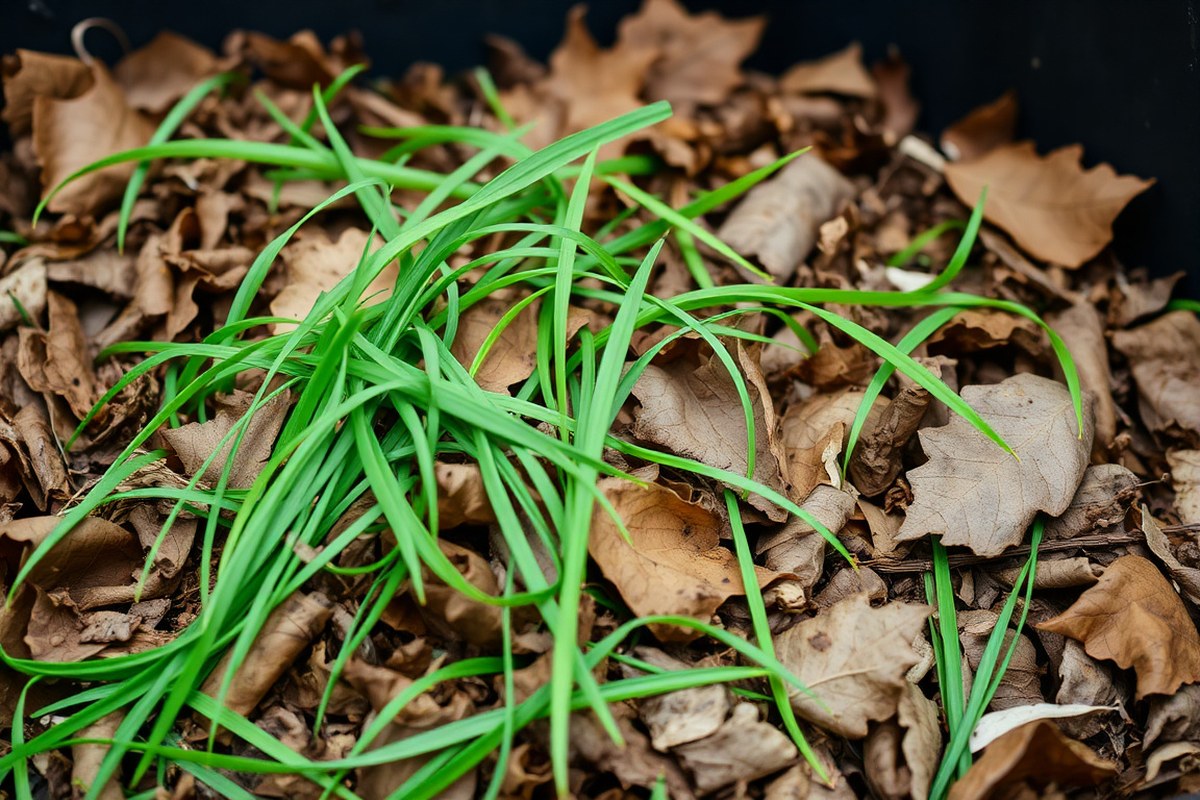
You need a good mix of greens and browns for healthy compost. Greens are rich in nitrogen, while browns add carbon. Together, they help your pile break down efficiently.
What Are Greens in Composting?
Greens are moist, nitrogen-rich materials that fuel decomposition. They act like protein in compost, feeding the microbes that break down the pile. Common greens include kitchen scraps like vegetable peels and coffee grounds.
Fresh yard waste is also a great source of greens. Grass clippings and green plant trimmings release nitrogen and moisture. Keeping some greens in the mix helps the pile heat up and break down faster.
What Are Browns in Composting?
Browns provide carbon, the energy source for microbes in compost. Think of browns as the backbone that maintains pile structure and airflow. They are dry, bulky materials like fallen leaves, straw, or shredded paper.
Woody debris and nut shells add carbon-rich bulk and help keep the pile aerated. Browns absorb excess moisture from greens and prevent the pile from getting soggy or smelly. Without enough browns, your compost may become compact and anaerobic.
How to Balance Greens and Browns Successfully
Use about 2 to 3 parts browns to 1 part greens by volume. This balance keeps moisture in check and feeds microbes efficiently. Adding too much green can cause bad smells or a slimy pile.
Layer browns and greens in your pile, then turn every 1 to 2 weeks. Keeping the pile as moist as a wrung-out sponge helps microbes work well. Chop materials into 1- to 2-inch pieces to speed decomposition by up to 50%.
You can adjust the ratio based on smell and texture. If it smells bad, add more browns and turn the pile to add oxygen. Aim for a pile at least 3 feet wide, deep, and high to retain heat.
| Material Type | Decomposition Speed | Best Use in Compost |
|---|---|---|
| Peanuts | Fast | Excellent for improving soil texture |
| Almonds | Moderate | Great for adding carbon-rich bulk |
| Walnuts/Pecans | Slow | Best for long-term aeration |
Choosing the right browns matters, especially nut shells. Fast decomposing shells help break down compost quickly. Slow ones support aeration over time.
Too much green material makes your pile wet and smelly. Add more browns to fix this.
How to Prepare Compost Materials for Faster Decomposition
Preparing your compost materials can speed up the process and avoid problems like odors or pests. Breaking materials down and managing moisture helps microbes work faster. Layering greens and browns properly also keeps the pile healthy and balanced.
Chop or Shred for More Microbe Access
Smaller pieces compost faster because microbes can break them down more easily. Large chunks take longer to decompose and can slow the whole pile. Chop leaves, vegetable scraps, and yard waste into pieces about 1 to 2 inches wide.
Woodier materials should be shredded or chipped before adding to the pile. For kitchen scraps, chop up fruit and vegetable pieces first.
This helps them break down faster. Tough parts like onion skins or corn cobs need chopping most.
Breaking materials into smaller bits exposes more surface area. Chopping gives microbes more places to start digesting.
This can reduce compost time a lot. Sometimes it shortens months to just weeks.
Dry High-Moisture Materials When Needed
Wet materials slow decomposition because excess moisture blocks oxygen. Leaves left to dry for a few days become brown, crispy, and easier to mix. Drying helps prevent a soggy, smelly compost.”
Wilt fresh grass clippings or garden waste in the sun for a day before adding. Compost piles that are too wet tend to smell bad and attract pests. You can balance moisture by mixing drier browns or turning the pile.
The right moisture level feels like a wrung-out sponge, moist but not dripping.
Layer Browns and Greens Effectively
Layer thin greens and browns in your compost pile. Greens have nitrogen and are wet.
Browns are dry and rich in carbon, helping airflow and speed breakdown. Avoid dumping big piles of just one type.
Use about a 2:1 or 3:1 ratio of browns to greens by volume. Start with a layer of dry leaves or cardboard at the bottom for drainage. Then add a layer of fresh grass clippings or veggie scraps.
Turning the pile often with a pitchfork mixes layers and adds oxygen. This keeps the pile warm and active, preventing clumps that slow composting. Follow these steps to prepare your materials for faster composting:
- Chop or shred yard waste and kitchen scraps into 1-2 inch pieces.
- Set high-moisture materials, like grass clippings, to dry or wilt 1 day.
- Start your pile with a 4-6 inch layer of dry leaves or shredded cardboard.
- Add a 2-3 inch layer of green materials like kitchen scraps and fresh grass.
- Alternate layers of browns and greens 2-3 times to build the pile.
- Check moisture; add dry materials or water to reach wrung-out sponge feel.
- Turn the pile every 1-2 weeks to mix layers and add oxygen.
- Keep the pile size at least 3 feet wide and 3 feet tall for heat retention.
How Much Citrus, Onions, and Other Strong-Scented Items Can You Compost?
Citrus peels and onion scraps can go in your compost. But use them in moderation. Large amounts can make the pile too acidic and slow down decomposition.
Breaking these materials into small pieces helps them break down faster. It also lowers the chance of attracting pests.
You can add citrus peels safely if you limit them to 10%. Keep them under this amount for a healthy compost. Doing this keeps the pH balanced.
It also stops strong odors from scaring worms and microbes away. Chop onions and garlic well before adding them.
Mix these scraps thoroughly with greens and browns. This prevents strong smells and slow decay.
Strong kitchen scraps can cause bad odors if they pile up. Make sure to add enough browns to soak moisture.
Always mix citrus, onions, or garlic with plenty of dry leaves, shredded paper, or straw. This keeps the pile aerated, controls moisture around 50%, and encourages faster, cleaner breakdown.
Using a compost starter or adding nutrient-rich manure can speed up decomposition after adding these items. Turning the pile every week helps too by mixing materials and reducing smell. Watch your compost if it doesn’t heat above 140°F. Smelly scraps may cause bad odors and attract pests.
Avoid adding large amounts of any single strong-scented item at once. Instead, spread them out over several days or mix them with bedding material.
This habit keeps your pile balanced and healthy. It stops pests and odors from bothering your garden.
Which Kitchen and Pantry Items Are Good or Bad for Compost?
Kitchen scraps make up most of your compost pile’s food waste. You want to add items that break down well and feed beneficial microbes. Cooked pasta and rice can spoil if left on the surface.
Bury these well beneath the browns like dry leaves or paper. This helps stop slimy clumps from forming.
It also prevents bad smells. Add only small amounts at a time to keep the pile balanced.
Coffee grounds and paper filters break down fast. They add nitrogen to help microbes. This is good for compost health.
Loose-leaf tea and paper tea bags are fine. But avoid tea bags made with plastic or nylon, as they won’t compost.
Eggshells are a great addition to add calcium and nutrients. Crush them first so they break down faster.
| Kitchen Item | Compost Status | How to Compost | Notes |
|---|---|---|---|
| Cooked pasta, rice, grains | Use sparingly | Bury deep in pile, cover with browns | Avoid large quantities, can get slimy |
| Coffee grounds and filters | Good | Add directly to pile | Adds nitrogen and moisture absorbents |
| Tea leaves and paper tea bags | Usually good | Check for plastic; compost only plastic-free bags | Leaves add nutrients; plastic bags don’t compost |
| Eggshells | Good | Crush before adding | Adds calcium; breaks down slower |
| Nut shells | Good | Add whole or crushed | Improve aeration; slow to break down |
| Cooked vegetables (plain) | Good in small amounts | Mix into pile, avoid excess | Too much moisture can cause odor |
| Dairy and cooked meat | Avoid | Do not add | Attract pests; cause odor problems |
Nut shells and eggshells help keep your compost aerated. The air pockets stop bad smells and speed up breakdown.
You don’t need to crush nut shells unless you want faster decomposition. Even old spices and dry pantry scraps help add nutrients and reduce kitchen clutter.
Do not add large amounts of cooked foods or dairy. These attract pests and slow composting.
Using the kitchen waste this way keeps your compost rich and healthy. Keep your pile mixed and covered with dry browns when adding wetter scraps. That balance prevents slimy spots or bad smells.
Why You Should Avoid Meat, Dairy, and Pet Waste in Compost
Adding meat and dairy to your compost causes bad odors and attracts pests. These scraps rot slowly and can bring rats, flies, and other critters to your bin. The smell gets strong fast, making your compost pile unpleasant and hard to manage.
Pet waste from dogs and cats should never go in home compost. It carries harmful germs that can spread in your garden. Avoid adding it to keep your compost safe.
Carnivore waste has parasites like roundworms and toxoplasma that home compost piles can’t kill. These germs can live in soil and harm your garden.
They might also put your health at risk. Keep your compost free of pet waste to stay safe.
Meat, dairy, and pet waste cause problems in compost bins. No amount of turning or mixing will fix these issues. Keep your compost neat but avoid these scraps.
Proper home bins take 3 to 6 months to make safe compost without these items. Adding risky waste slows down the process and can cause disease to spread.
To keep your garden safe, toss meat and dairy in the trash. Another option: use a city compost program that takes them safely. This stops contamination in your compost.
For pet waste, use a special pet waste composter instead. Or seal it in a plastic bag and throw it away.
This method keeps your garden and compost clean. Avoid putting your dog or cat’s feces in any compost pile for garden use.
Keeping these wastes out means less work and no foul smells or pests. Your compost stays cleaner and your soil safer for vegetables when you follow this. Pick only plant-based kitchen scraps and yard waste for a trouble-free compost pile.
How to Maintain the Right Green-to-Brown Ratio in Your Compost
Keep your compost pile balanced by mixing two to three parts browns to one part greens. This helps microbes break down material quickly and prevents bad smells. The right green-to-brown ratio also keeps moisture and airflow in check for healthy compost.
Measuring Greens and Browns
Use a simple volume measure like a bucket or box to compare greens and browns. Browns include dry leaves, paper, and straw. Greens are kitchen scraps and fresh grass clippings.
Aim for two to three parts brown by volume for each green part. This helps reach a 25:1 to 30:1 carbon-to-nitrogen ratio. Getting this balance helps your compost break down well.
Check what you add regularly because some greens hold more moisture, which affects the balance. For example, vegetable scraps have more moisture than fresh grass. You can dry out greens a bit or add extra browns depending on what you have.
Adjusting the Ratio on the Fly
Adjust your mix during adding or turning the pile to keep the right ratio. Add dry browns if your pile looks too wet or has a smell. These dry materials soak up extra moisture.
They also help balance nitrogen in the compost. Add more greens and water if the pile feels dry and breaks down slowly.
This helps speed up decomposition. Make sure the pile stays moist but not soggy.
Follow these steps to adjust successfully:
- Gather your materials and sort into green and brown piles.
- Measure volumes using a container or just by eye. Aim for 2 or 3 parts brown for every 1 part green. This mix helps achieve the right balance for compost.
- Add greens first, then top with browns to cover and reduce smell and flies.
- Turn your pile every 1, 2 weeks to spread moisture and oxygen evenly.
- Check moisture by squeezing; it should feel like a wrung-out sponge.
- Add browns if the pile feels soggy or gives off ammonia smell.
- Add greens and a little water if the pile looks dry or has slow breakdown.
- Repeat measurement and adjustment until the pile stays warm and breaks down well.
Signs of Imbalanced Compost
Too many greens make your pile wet and stinky with ammonia or rotten smells. This shows the compost has too much nitrogen and not enough carbon. You’ll often see slimy textures and lots of fruit flies.
Too many browns slow decomposition, causing dry, crumbly piles that don’t heat up. This indicates insufficient nitrogen to feed microbes. Your pile stays cold or breaks down very slowly over months.
Keep an eye on smell, moisture, and temperature. A warm, earthy smell means balance. Turning the pile regularly helps spot these issues early and fix the ratio.
How Moisture, Size, and Turning Affect Composting Speed
Your compost should feel like a damp sponge, moist but not soaking wet. Too much water can make it smell bad and slow down decomposition.
Too dry materials won’t break down well. The process takes longer that way.
Your compost pile should be about 3 feet wide. Make it 3 feet tall. Also, keep it 3 feet deep.
This size holds enough heat to speed up decomposition while keeping airflow steady. Small piles lose heat fast and slow composting.
Large piles are hard to turn. They may also get too wet inside.
Turning your compost every one to two weeks helps mix the materials and adds oxygen. Oxygen is important for the bacteria and microbes that break down the scraps. Use a pitchfork to lift and toss the pile so air reaches all parts evenly.
When you turn the pile, check the moisture level. Add a little water when the compost feels too dry. But add it slowly and mix well.
Too much water causes a soggy mess that smells like rotten eggs. Adding dry materials like shredded paper or leaves can balance too much moisture.
Using a kitchen compost bin like the Compost Genie® can make collecting scraps easier. It has ventilation that helps control moisture and reduces bad odors before you add materials outside. This step keeps your pile healthier and speeds up the whole process.
Make sure your pile isn’t under a roof where rain can soak it. Excess water can drown the microbes and stall decomposition.
Household Items Beyond Food That You Can Compost Safely
Hair and nail clippings are safe to add to your compost pile. They break down slowly but provide nitrogen, a key nutrient for soil. Just avoid adding clippings from chemically treated hair or nail polish residues.
Paper products like newspaper, brown paper bags, and cardboard also do well in compost. Use shredded or torn non-glossy paper and cardboard to avoid slowing decomposition. Remove plastic tape and staples before adding them to prevent contamination.
Cotton balls and swabs are fine if made from natural cotton. Avoid those soaked in chemicals like nail polish remover.
Use ones without harmful substances for safety. They add carbon and help absorb moisture, but synthetic fibers should be kept out.
You can pour leftover wine into your compost, but only in small amounts. It feeds beneficial microbes without causing bad smells if you mix it well. Avoid large quantities as alcohol may disrupt the microbes’ balance.
- Shred or tear cardboard and paper before composting
- Mix hair and nail clippings evenly with other materials
- Check cotton balls for synthetic fibers or chemicals
- Add small amounts of leftover wine, then stir the pile
- Keep a balance of nitrogen-rich greens with these carbon-rich items
Adding these materials helps maintain good compost texture and nutrient balance. Shredded paper and cardboard boost carbon, important for healthy breakdown. Hair, cotton, and similar items slowly release nitrogen, improving soil nutrition.
Too much of any one item can cause trouble. For example, excess hair may mat and slow airflow.
Large pieces of cardboard can take longer to break down, so shredding is key. Mixing everything well speeds up compost activity.
Step-by-Step Action Plan for Starting Your Compost Pile
Start your compost pile with simple, balanced ingredients and regular care. Follow these steps to get it going smoothly.
- Before you start: Get equal parts greens and browns first. Greens are kitchen scraps or fresh grass. Browns include dry leaves and shredded paper. This mix helps your pile break down well.
- Day 1: Chop larger materials into small pieces about 1-2 inches. Smaller bits decompose faster, speeding up the process.
- Week 1: Layer your greens and browns one by one. Then sprinkle water until the pile is damp. It should feel like a wet sponge. Moisture is key for microbes to thrive.
- After 2 weeks: Turn the pile with a garden fork to add air. Good airflow boosts decomposition and reduces smell.
- Week 3: Check temperature in the pile; it should feel warm in the center. Warmth means active breakdown.
- Week 4 and ongoing: Add new kitchen scraps and yard waste regularly, keeping your green-to-brown balance. Avoid meat and dairy to prevent pests.
- Every 1-2 weeks: Turn the compost to refresh air and speed up rotting. Wet it lightly if it feels dry.
Frequently Asked Questions
Can I Compost Shredded Paper and Cardboard?
Yes, shredded paper and cardboard are good compost materials. They add carbon, or “browns,” which balance moist kitchen scraps. Avoid glossy or heavily inked paper to keep chemicals out of your compost.
Is Pet Hair Safe to Add to Compost?
Pet hair is safe and adds nitrogen to your compost pile. It decomposes slowly, so mix it well with other materials. Collect hair from grooming to avoid clumps or matting inside the bin.
Can I Put Tea Bags in My Compost Pile?
Most tea bags can be composted if they’re not plastic-coated. Tear bags to speed up breakdown. Avoid synthetic material bags as they won’t biodegrade well in your compost pile.
How Often Should I Turn My Compost Pile?
Turn your compost pile every 1 to 2 weeks for faster decomposition. This aerates the material and prevents smelly conditions. Use a pitchfork or compost aerator tool to mix layers evenly.
Can Cooked Vegetable Scraps Go in the Compost?
Yes, cooked vegetable scraps can go into outdoor compost piles. Avoid them in worm bins because they can attract pests. Chop scraps into small pieces to speed up composting.
Is It Okay to Compost Garden Weeds?
You can compost garden weeds if they haven’t gone to seed. Seedlings might sprout when you spread compost. Hot composting above 140°F will kill most weed seeds.
Key Points to Remember
You can safely compost many kitchen and yard materials by balancing greens and browns. Keep moisture right and turn the pile often to keep it healthy. Start adding scraps today to see how simple composting really is.