What Is a Cottage Garden: A Complete Guide for Beginners and Garden Lovers
Wondering what is a cottage garden? It’s a charming, informal garden style originally from England.
Cottage gardens mix flowers, herbs, and vegetables in tight spaces, creating a vibrant, lively look. They started as practical plots to grow food, medicine, and attract pollinators.
These gardens don’t follow strict rules. Instead, they thrive on a natural, somewhat wild arrangement of plants. The key is to balance useful crops with colorful flowers.
Lupins and foxgloves add bright colors. This keeps your garden blooming all season.
To start your cottage garden, pick a small spot with good sunlight. Prepare the soil well but expect some plants to spill over paths and fences.
That’s part of the charm. Avoid over-organizing, let plants grow with some freedom, just like the original cottages did.
Key Takeaways
- Mix edible plants and flowers to attract bees and other pollinators.
- Include classic cottage plants such as lupins and foxgloves for authentic appeal.
- Choose a sunny spot with well-prepared soil for best plant growth.
- Allow plants room to spread; neat rows don’t suit a cottage garden.
- Use a variety of plants that bloom in different seasons for ongoing interest.
- Embrace a slightly wild look to capture the garden’s traditional feel.
What Is a Cottage Garden and Its Origins
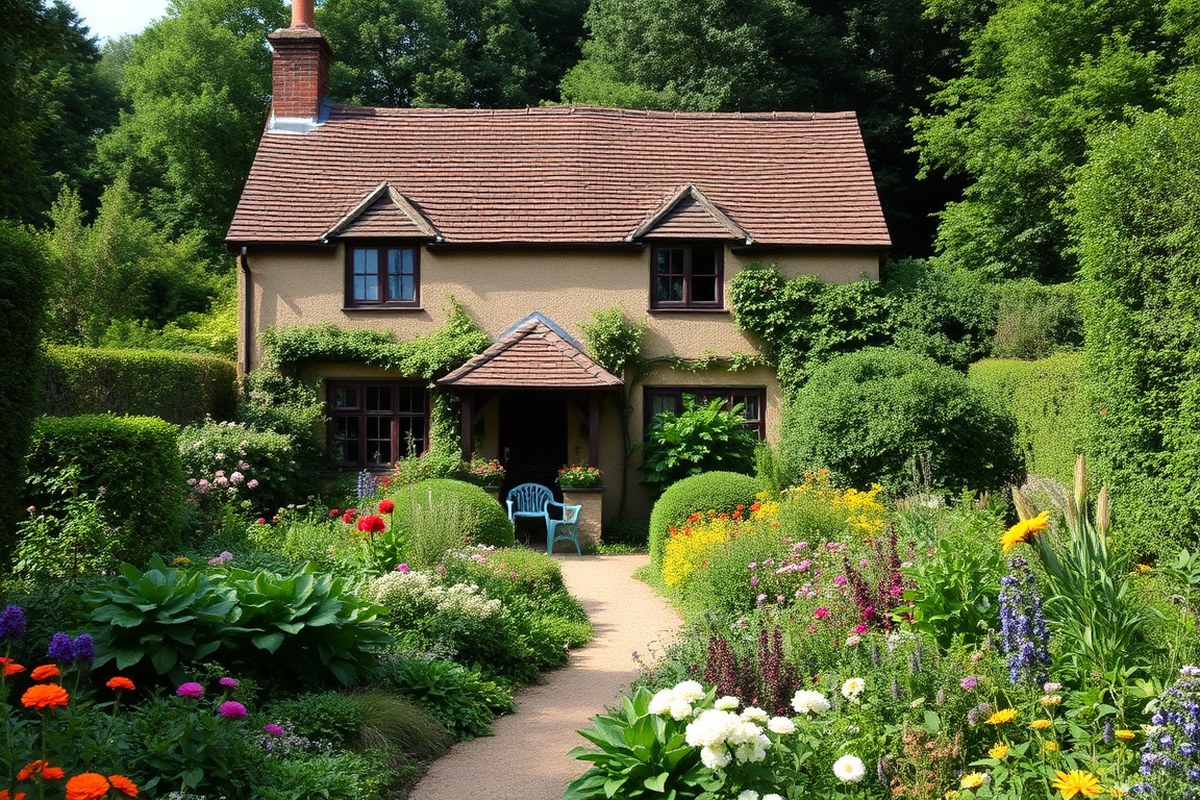
A cottage garden is an informal style filled with many plants close together. It mixes vegetables, herbs, flowers, and fruit trees without strict order. This style often looks full and relaxed, with colorful blooms blending naturally.
The origins of the cottage garden trace back to England about 700 years ago. Poor farm workers and laborers used small garden plots next to their cottages. They planted whatever they could, like vegetables and herbs, to feed their families and attract pollinators.
In the 16th century, these gardens served practical needs, growing food and medicine. Early cottage gardens often grew just potatoes or simple crops for survival. Social changes pushed workers to use limited land well.
They turned gardens into important kitchen plots. These plots helped provide more food at home.
Around the 19th century, garden designers shaped the cottage garden style. William Robinson and Gertrude Jekyll were key figures. Their ideas still influence gardens today.
They encouraged mixing a variety of flowers with edible plants, favoring a natural, less rigid look. This shifted the garden from purely practical to more of a charming outdoor space.
The cottage garden’s informal, abundant planting contrasts with formal, tidy gardens. It avoids bare soil and neat rows, preferring to fill spaces with overlapping plants. Your garden can reflect this tradition by combining old-fashioned flowers with fruits and vegetables close together.
Starting a cottage garden often means using a small space efficiently without strict rules. You plant many types of plants packed tightly for both beauty and use. This style blends a work garden with colorful flowers.
It makes the garden both useful and inviting. You get beauty and function in one space.
Key Features and Characteristics of Cottage Gardens
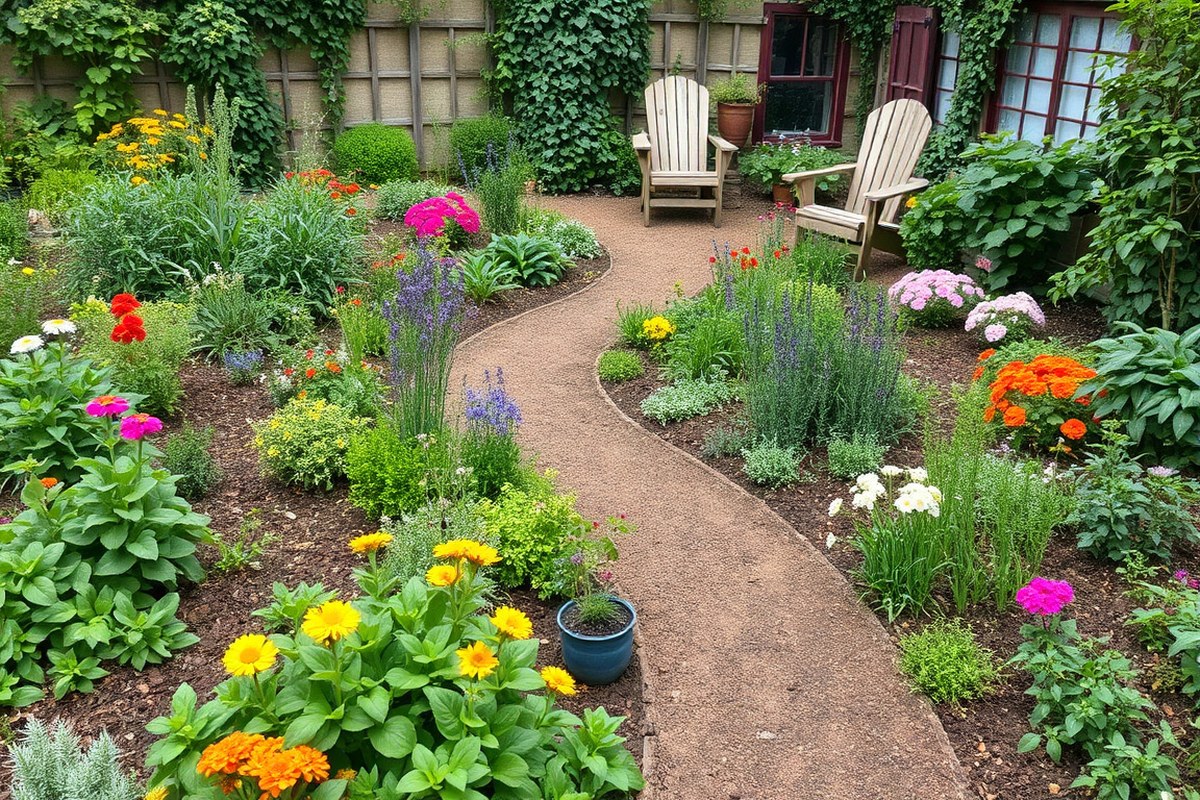
The design of a cottage garden focuses on informality and a natural look. You’ll spot dense planting that spills over beds and paths. Curved walkways and wandering paths invite you to explore without a strict pattern.
The mix of textures and colors is important. You’ll find different leaf shapes, heights, and blooms layered together.
This layering creates a lively, rambling effect that feels casual and inviting. Combining edibles with flowers adds both beauty and purpose.
- Dense, informal planting with overlapping flowers and herbs
- Curved paths made from brick, gravel, or worn stone
- Mixed use of edibles like herbs among flowering plants
- Textured foliage combined with varying flower shapes and colors
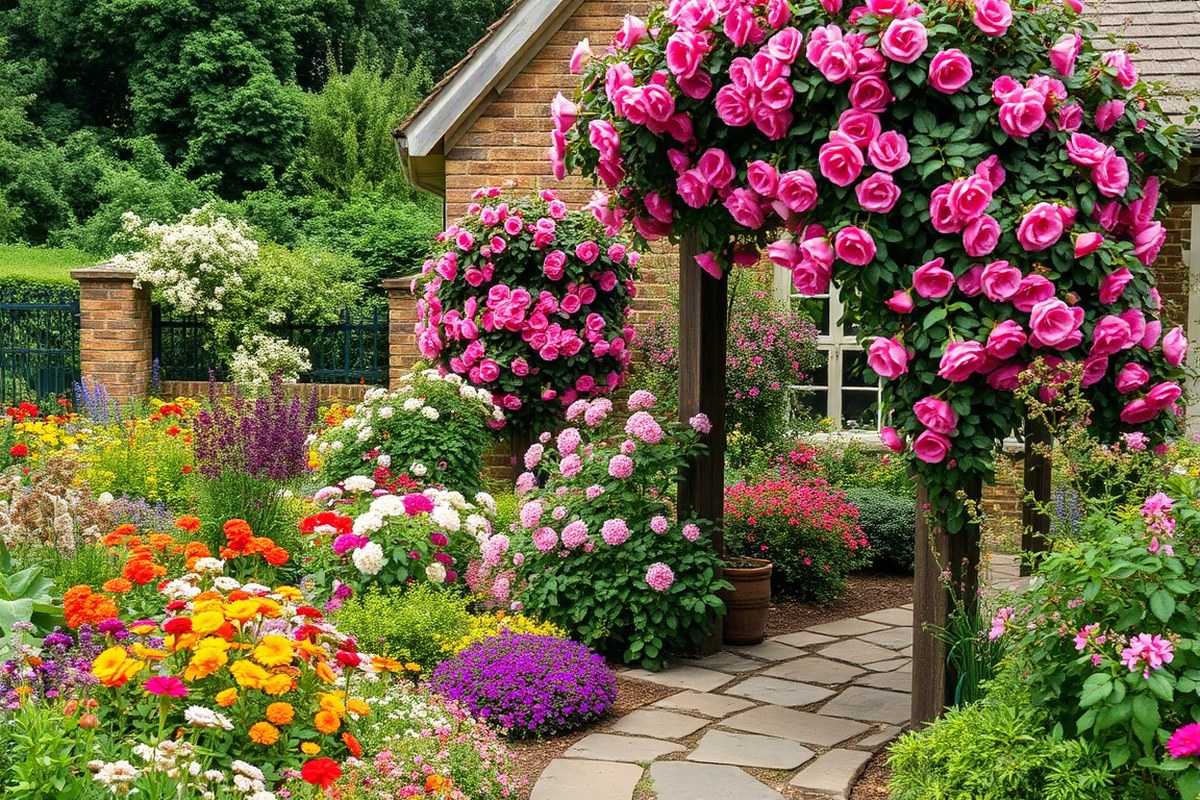
- Garden elements such as rose-covered arbors and built-in benches
- Use of traditional materials like brick, wood, and wrought iron
- Layering perennials and self-seeding plants for a natural feel
Structures play a subtle role by giving shape without stiff lines. A rose arbor or a weathered bench creates cozy corners.
Stones or bricks define paths but with soft, curving edges. This approach keeps the garden from looking too planned or strict.
Keep paths winding, never straight; it softens the space and feels welcoming.
To get this look, plan your beds as loose outlines, not tight rows. Mix common cottage favorites like daisies, lavender, or hollyhocks with herbs in clusters.
Let some plants self-seed to encourage the wild, matted look. Using traditional materials like brick or old wood ties everything to classic cottages.
Popular Plants and Seasonal Blooming in Cottage Gardens
Cottage gardens mix flowers, herbs, shrubs, and edibles to offer year-round interest. Picking plants with different bloom times keeps your garden colorful through each season. Including edible plants adds both charm and practicality to your garden.
Classic Cottage Flowers and Their Bloom Times
Many cottage garden flowers are tough, common, and bloom across several months. Peonies flower in late spring, providing large, fragrant blooms. Roses bloom from early summer into fall, adding classic charm and color.
Other popular flowers include foxgloves, which bloom in late spring to early summer. Lavender flowers in mid to late summer, offering fragrance and attracting pollinators. Combining early, mid, and late bloomers keeps the garden lively for months.
- Peonies: late spring
- Roses: early summer to fall
- Foxgloves: late spring to early summer
- Lavender: mid to late summer
- Clematis: summer to fall
- Daisies: summer
Planting these flowers densely creates a layered look. Self-seeding flowers like foxgloves spread naturally, reducing work over time.
Herbs and Edibles for Practical Gardening
Herbs belong in every cottage garden, combining beauty with kitchen use. Sage, thyme, lavender, and hyssop are traditional, hardy herbs that thrive here. They flower too, adding soft colors and scents that suit the garden’s style.
Vegetables like beans, peas, and lettuces fit well among flowers. They provide fresh food and blend easily with cottage garden plants due to their informal look. Growing vegetables next to herbs and flowers also attracts beneficial insects.
- Sage: hardy with purple flowers
- Thyme: blooms in summer, useful cooking herb
- Lavender: fragrant and flower-rich
- Hyssop: attracts pollinators with blue flowers
- Beans: climb and bloom in summer
- Lettuce: fast-growing, harvest in spring or fall
Mixing herbs and edibles with flowers makes the garden both attractive and useful. Plant herbs in sunny spots, and shade vegetables slightly if your garden is warm.
Choosing Shrubs and Climbers for Structure
Shrubs and climbing plants add height and structure to cottage gardens. Lilacs bloom in spring with colorful, fragrant flowers, making a great early-season shrub. Flowering shrubs set a backdrop that gives depth and shapes your garden.
Climbers like clematis and climbing roses grow along fences, adding vertical interest. Clematis flowers from summer to fall, while climbing roses provide blooms across summer. Use fences or trellises to support these plants and create layered textures.
- Lilac: fragrant, blooms in spring
- Clematis: blooms summer to fall
- Climbing roses: long summer bloom
- Butterfly bush: attracts pollinators in summer
- Hydrangea: blooms summer, adds color and form
Choose shrubs and climbers suited to your garden zone and soil. Combining several kinds gives a natural, informal look with ongoing color and shape changes.
Designing the Layout and Structure of a Cottage Garden
Start a cottage garden layout with informal, flowing lines. Curved paths and irregular beds help it feel natural. Use rustic structures and climbing plants to add height and charm.
Planning Curved Paths and Beds
Draw paths that gently curve through the space instead of straight lines. Curves create a relaxed, old-fashioned feel in your garden. Paths about 2 to 3 feet wide offer easy access without taking too much room.
Shape planting beds around these paths with soft, rounded edges. Mix plants of different heights and textures to layer the garden. Dense plantings not only look lush but also cut down on weeds.
Here’s a step-by-step plan to lay out your paths and beds:
- Measure your garden and note any existing structures.
- Sketch curving paths that flow naturally around these features.
- Design beds along the curves with irregular shapes.
- Choose low borders like lavender or boxwood to edge beds.
- Plan plant layers: low fillers, mid-height flowers, tall climbers.
- Use mulch to help beds retain moisture and reduce weeds.
Using Arbors, Trellises, and Vertical Plants
Wooden arbors, trellises, and fences fit perfectly in cottage gardens. They add height and give climbing plants a place to grow. Climbing roses, clematis, and sweet peas all do well here.
Put arbors at entry points or along paths to shape views. Trellises can stand next to vegetable beds or near flower beds. These structures also give your garden a cozy, framed feel.
Try to balance vertical elements across the garden. Too many in one spot can feel crowded. Place them so you enjoy the flowers from multiple angles.
Incorporating Rustic Garden Furniture and Features
Choose garden furniture made from wood, wrought iron, or recycled materials. These fit the cottage style better than sleek modern pieces. Paint or stain wood furniture to match your garden’s natural tones.
Add rustic touches like wooden benches, old wheelbarrows, or a stone birdbath. Weather-worn pots and garden ornaments placed randomly add charm. These help make your garden feel inviting and lived-in.
To include rustic features, follow these steps:
- Select furniture and features with simple designs and natural finishes.
- Position benches near flower beds or shaded spots for rest.
- Scatter pots with seasonal flowers around seating areas or borders.
- Add old tools or garden antiques as decorative accents.
- Use picket fences or rustic gates to frame your garden’s entrances.
Incorporating Edibles and Pollinator-Friendly Plants
Edibles blend well in cottage gardens, creating beauty and bounty. Choose vegetables and fruits suited to your climate and soil. Common picks include peas, beans, blackberries, currants, and herbs like lavender and thyme.
Flowers play a big role by attracting pollinators. Pollinators help your edibles produce fruit and seeds.
Plant flowers native to your region to support local wildlife. Add typical cottage blooms like foxgloves and climbing roses too.
Balancing edibles and ornamentals keeps your garden both useful and lovely. Use layers of height in your garden for a full look. Place tall flowers like delphiniums or hollyhocks in back.
Medium herbs and veggies go in the middle. Low ground covers stay in front. This mix offers plenty of colors and textures.
- Herbs: Lavender, thyme, chives, basil
- Fruits: Raspberries, blackberries, strawberries, currants
- Vegetables: Peas, beans, radishes, lettuce
- Pollinator-friendly flowers: Foxgloves, daisies, violets, calendula
- Climbing plants: Wisteria, clematis, honeysuckle, jasmine
Place herbs and veggies near paths for easy harvesting and sight appeal. Let flowers bloom freely next to edibles for an inviting, informal look.
Locals native plants attract the most pollinators. So check with a nearby nursery for the best choices.
Plant flowers that bloom at different times to provide food for pollinators all season.
Expect some trial and error on balance, especially with spacing. Crowding can reduce airflow, inviting disease.
But a thoughtful mix prevents pests and boosts yields. This approach saves money by reducing the need for chemical treatments.
Choose a sunny spot, getting at least six hours of direct sun daily. Edibles and many cottage flowers thrive best there. Good soil and regular watering help your garden thrive.
It supports pollinators and grows snacks for you. This balance creates a natural harmony.
Environmental and Emotional Benefits of Cottage Gardening
Cottage gardens boost biodiversity by attracting bees, butterflies, and birds. Planting a variety of flowers throughout the seasons provides continuous food and shelter. This mix supports pollinators better than lawns or formal gardens with limited plant types.
Unlike formal gardens, cottage gardens use uneven paths and mixed plants to mimic natural habitats. The soft edges and layered planting give insects places to nest and hide. Even a small garden with native wildflowers can make a big difference for local wildlife.
This type of garden also helps you feel calmer and more connected to nature. Studies link time spent in natural, informal gardens to reduced stress and better mood. You might notice a boost in focus and lower blood pressure after a few minutes outside.
Spending time in a cottage garden can:
- Improve your mood by reducing anxiety levels.
- Encourage mindfulness while you garden or relax.
- Provide gentle physical activity that benefits your heart.
- Offer a sensory experience with colors, scents, and sounds.
When you design a cottage garden, plan for layered flowering times. This provides food sources for pollinators spring through fall. You can plant easy-to-grow herbs and medicinal plants, which add environmental and health value.
Compared to neat, formal gardens, cottage gardens use less water and fewer chemicals. Their groundcover plants protect soil from erosion and help retain moisture. This reduces the need for irrigation, saving money and conserving water.
With a bit more planning, you create a welcoming space. It can support wildlife and help restore your mind. Cottage gardens require some regular care, like deadheading blooms and watching for pests.
Their natural, relaxed style means less time on shaping. You won’t need to mow as often.
Step-By-Step Guide to Creating Your Own Cottage Garden
Start your cottage garden by choosing a sunny spot with good soil drainage. Prepare the soil well to give your plants a healthy start. Pick plants that match your soil type and climate.
Choose classic cottage garden favorites and local native plants. These will grow better and look right for your garden.
Preparing the Site and Soil
Select a location that gets at least six hours of sun daily. Good sun encourages bloom and strong plant growth. Remove any lawn or weeds to clear space for your garden.
Loosen the soil to about 12 inches deep using a garden fork or tiller. Mix in organic compost to improve texture and add nutrients. Buying compost usually costs between $30 and $50 per cubic yard.
This step can add up if you need lots of compost. Plan your budget accordingly for soil preparation.
Avoid heavy digging beyond this point since cottage gardens suit natural soil conditions. Over time, the soil tends to settle back to its original state. Mulch with bark or straw to keep moisture and suppress weeds.
Plant Selection and Initial Planting
Create a planting plan with layers: tall plants in back, shorter in front. Roses, hollyhocks, and foxgloves are classic tall choices. Choose several colors and bloom times for continuous interest.
Mix edible plants like herbs or fruit trees into the design for both beauty and function. Apple and pear trees work well and echo old cottage garden traditions. Add native plants that thrive locally to reduce water and care needs.
Plant in early spring or fall when temperatures are mild and rainfall is steady. Space plants according to their mature size to avoid crowding. Water deeply right after planting to settle roots and reduce stress.
Ongoing Care and Maintenance Tips
Water your garden weekly during dry spells, adjusting for rainfall. Keeping the soil moist but not soggy helps plants establish strong roots. Once established, many cottage plants tolerate some drought.
Prune spent flowers regularly to encourage more blooms and prevent legginess. Cut back plants in late fall to clean up and prepare them for winter. Watch for pests and diseases, treating problems early with organic methods.
Add mulch yearly in early spring to retain moisture and keep weeds down. Over time, let native soil conditions shape the garden’s natural style. A cottage garden often blooms better and fuller each year with steady care.
- Clear the site by removing grass, weeds, and rocks.
- Loosen soil 12 inches deep, mix in organic compost well.
- Plan your plant layout with heights and bloom seasons.
- Choose a mix of cottage classics, edibles, and natives.
- Plant in early spring or fall, watering deeply after.
- Mulch the entire garden with straw or bark.
- Water regularly, adjusting for rain, especially the first year.
- Prune and deadhead plants throughout the growing season.
Common Cottage Garden Mistakes and How to Fix Them
Choosing plants that grow too tall or spread quickly causes crowding in cottage gardens. This blocks light and air, which stresses other plants.
Fix this by selecting plants with compatible sizes and growth habits. Arrange taller plants toward the back, and smaller ones in front for better balance.
Overgrowth is a big problem when you want that charming, neat look. Letting weeds and runners take over wastes space and harms your chosen flowers.
Pull weeds regularly, especially after rain when soil is soft. Mulching with organic material also reduces weed growth and keeps moisture in.
Sometimes garden paths get overrun or plant beds lose shape. Paths give practical access and add to the design.
Keep them clear by trimming edges and adding fresh gravel or stepping stones yearly. When plants spill onto walkways, prune them back to keep your garden tidy and safe.
- Picking invasive or out-of-place plants that require extra pruning
- Planting too densely without considering mature size and sun needs
- Ignoring weeds until they spread throughout the garden
- Neglecting paths, causing difficulty moving around the garden
- Not adjusting watering and feeding as plants grow or seasons change
- Over fertilizing, which can cause weak, leggy growth
- Forgetting to rotate or replace annual plants each year
Change your garden layout if some plants consistently struggle. Check if they get enough sun, water, or if they’re crowded. Adjust spacing or swap plants to better fit your space.
Keep an eye on your garden each season. Crowded stems, faded blooms, or disease mean you need to adjust care.
Trim overgrown plants early in the day to reduce stress and avoid disease.
Handling these small errors early saves time and effort later. Remember to watch how plants grow and react. Simple fixes like pruning help plants grow better.
Pulling weeds keeps the area clean. Moving plants sometimes helps them get more sun or shade.
Your First Steps: A Quick-Start Plan for Your Cottage Garden
This plan helps you start your cottage garden with simple, clear steps. Follow it to see your garden take shape over the next few months.
- Before you start: Choose a sunny spot with good soil. Check soil drainage by digging a hole and filling it with water. It should drain within a few hours.
- Week 1: Prepare the soil by removing weeds and loosening it. Add compost to improve nutrient content. The soil should feel crumbly, not hard.
- Week 2: Plan your garden layout on paper. Mark areas for tall plants, low plants, and edible spots. This helps you visualize space and sunlight use.
- Week 3: Plant your first batch of perennials and shrubs. Choose local varieties for better growth. Check regularly for healthy green leaves and firm stems.
- Month 2: Add seeds or seedlings of annual flowers and herbs. Keep soil moist but not soggy. You’ll see new sprouts within 1 to 3 weeks.
- Month 3: Mulch around your plants with straw or bark. Mulch keeps moisture in and weeds out. Healthy mulching looks like a neat, even layer around plants.
- Ongoing: Water your garden deeply once or twice a week, more in dry weather. Check for pests and remove dead flowers to encourage bloom. You’ll see stronger growth and more blooms.
- After 4 months: Add a few pollinator plants like lavender or coneflower. Watch for bees and butterflies visiting your garden. Their presence shows a thriving ecosystem.
Frequently Asked Questions
How Did Cottage Gardens Reflect Social History in England?
Cottage gardens began as working-class plots in 16th-century England. They showed how laborers grew food and medicinal plants tightly packed on small land.
Are Cottage Gardens Mainly for Small Spaces?
Yes, cottage gardens started on tiny plots near homes. They fit well in small yards or city gardens looking to maximize space.
Can You Create a Cottage Garden Without Food Plants?
Definitely. While traditional cottage gardens include edibles, you can focus on flowers and herbs alone. This keeps it low maintenance and colorful.
How Do You Maintain a Cottage Garden’s Informal Look?
Let plants grow naturally and mix many species closely. Avoid strict rows or manicured edges for that casual, relaxed feel.
What’s the Role of Pollinators in Cottage Gardens?
Pollinator-friendly plants attract bees, butterflies, and birds important for healthy yields. Make sure to include nectar-rich flowers throughout the seasons.
Do Cottage Gardens Work Well in Modern Urban Settings?
Yes, they adapt well to modern yards including patios and balconies. Use containers and mix edibles with flowers to reflect cottage style.
Final Thoughts
A cottage garden brings charm and nature’s beauty to your yard. Start by planting just a few basics and build from there. Enjoy the calm and color as your garden grows in the weeks ahead.