What Do Tomato Plant Seedlings Look Like? A Complete Guide with Visual Timelines
What do tomato plant seedlings look like when they first appear? They start as tiny green sprouts with small, rounded seed leaves called cotyledons. These early leaves look different from true tomato leaves you’ll see later.
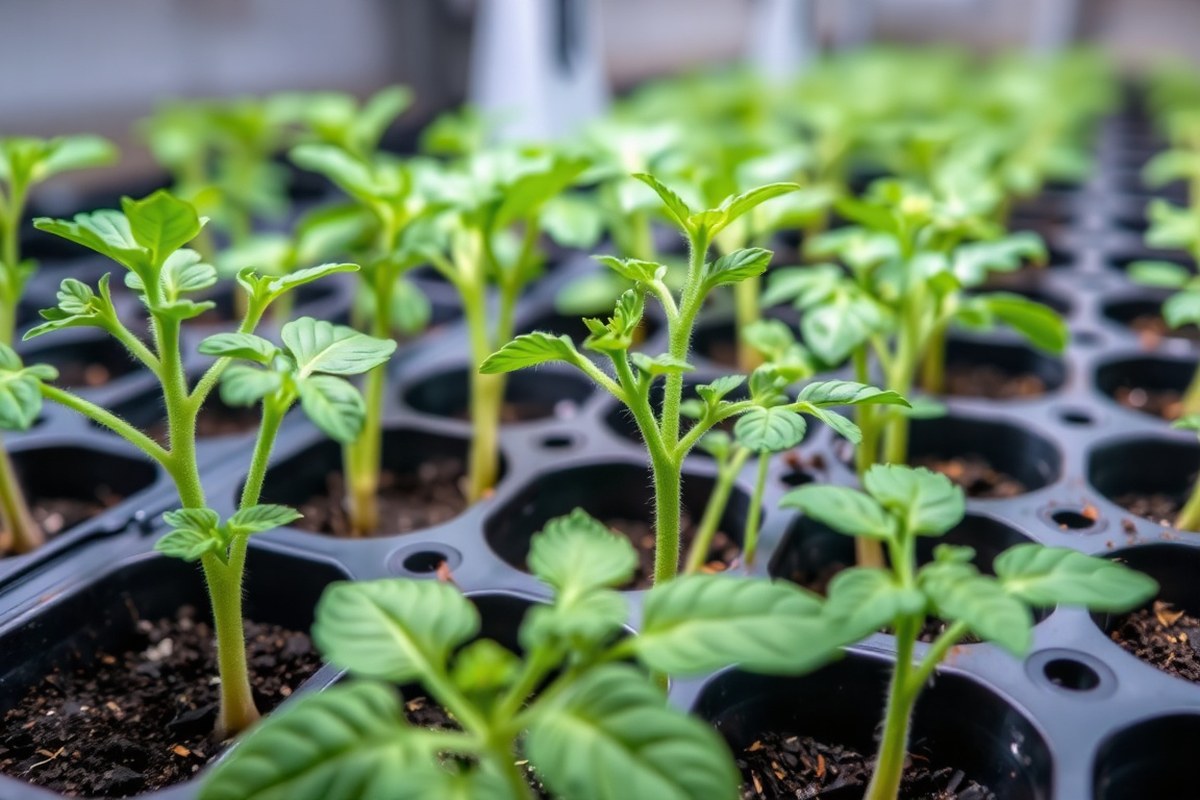
As seedlings grow, they get their first true leaves. These leaves have jagged edges. They look like little adult tomato leaves.
At this point, seedlings grow taller and start showing more tomato-like features. Watching these changes helps you know if your plants are healthy and growing well.
Seedlings often grow slowly if soil temperature is too low or watering is irregular. Keep soil warm between 70°F and 90°F and water consistently to help seedlings thrive. This will help you spot when they are ready to move to bigger pots or outdoors.
Key Takeaways
- Tomato seedlings first show small round cotyledon leaves after sprouting.
- True tomato leaves appear around weeks 2 to 3 with jagged edges.
- Healthy seedlings grow taller and develop more true leaves over time.
- Maintain soil temperatures between 70°F and 90°F for best seedling growth.
- Water seedlings evenly to avoid slow growth or drying out.
- Watch leaf shape and color to identify any nutrient or watering issues.
What Do Tomato Seedlings Look Like at Each Stage?
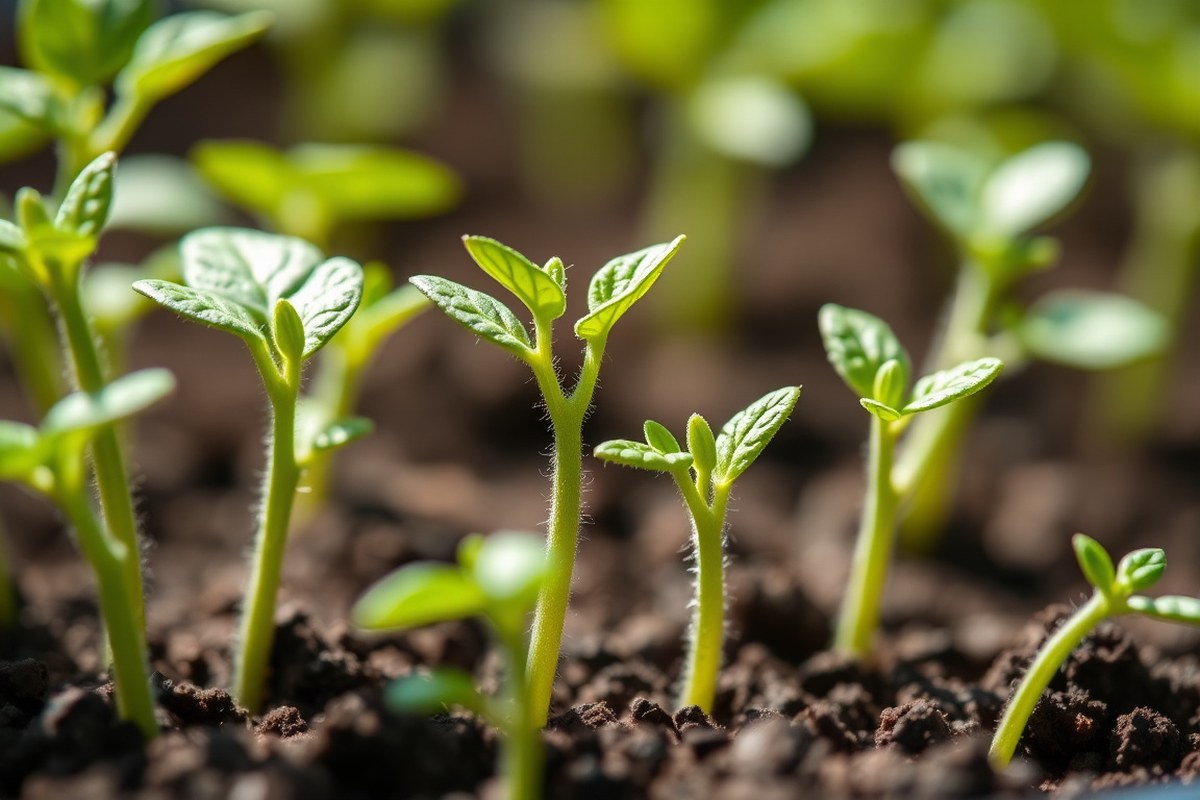
Tomato seedlings first look like tiny green sprouts pushing out from the soil. The initial leaves, called cotyledons, are smooth, rounded, and simple. These leaves serve as food stores and aren’t the real tomato leaves you expect later.
True leaves appear about two to three weeks after sowing. These leaves have the classic tomato look with jagged or serrated edges. As the true leaves grow, cotyledons start to fade.
They will fall off soon. This shows the plant is moving to active growth.
Recognizing the difference between cotyledons and true leaves helps you track your seedling’s progress. Cotyledons come in pairs and look almost like ovals or rounded shapes. In contrast, true leaves are longer, divided, and have uneven edges typical of tomato plants.
| Stage | Approximate Timing | What You’ll See | Main Priority |
|---|---|---|---|
| Germination | Days 1, 7 | Root and shoot develop; seedling emerges | Warmth and consistent moisture |
| Cotyledon Stage | Week 1, 2 | Two seed leaves open | Strong light and careful watering |
| First True Leaves | Week 2, 3 | Serrated tomato leaves appear | Light, airflow, and spacing |
| Active Seedling Growth | Week 3, 4 | More true leaves and stronger stem | Consistent water and nutrition |
Within a week, you’ll see two cotyledon leaves open wide. By week two to three, the real tomato leaves with jagged edges start growing. In that period, seedlings begin to look more like tomato plants you recognize.
Keep seedlings under plenty of light during cotyledon and true leaf stages. Look for leaves that are well-formed and bright green.
Avoid letting seedlings stretch tall without leaves. That means they need more light or cooler temperatures near 70°F to 90°F to grow well.
How to Recognize When Seedlings Are Ready for Transplanting
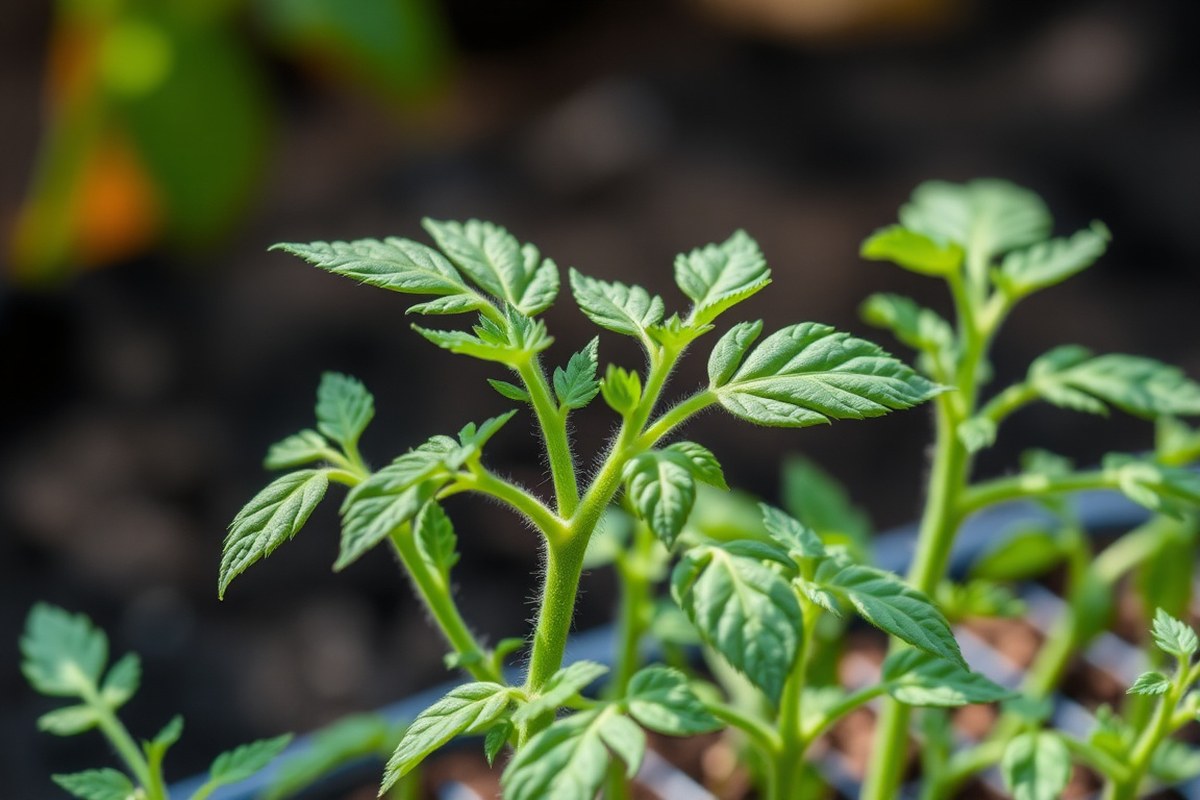
Tomato seedlings are ready for transplanting when they stand about 6 to 10 inches tall. They should have 4 to 6 true leaves. The root system must fill the container.
The roots must be strong and healthy. The stems need to be sturdy and not too leggy to support future outdoor growth.
Ideal Size and Leaf Count
A good tomato seedling is around 6 to 10 inches tall. This size fits well in a larger pot or garden bed. The plant usually has 4 to 6 true leaf sets.
True leaves come after the seed leaves. They mark the plant’s growth stage.
These true leaves look more like mature tomato leaves, with a rougher texture and more shape. They show the plant is developing its ability to photosynthesize efficiently.
Seedlings smaller than this may not handle transplant stress well. Large or leggy seedlings can be planted deeper to encourage root growth along the buried stem.
Assessing Root Health and Potting Needs
Before transplanting, check the roots by gently removing the seedling from its pot. Healthy roots look white and fibrous, filling the pot without circling tightly around the soil ball. Brown or mushy roots signal problems, so avoid transplanting those.
Tomato roots grow quickly. You want the root system to be dense enough to support the bigger plant. Roots filling the container evenly mean the seedling is ready.
Then move it to a bigger pot or outside. Make sure the roots don’t get damaged.
Burial depth matters. Bury around two-thirds of the seedling’s stem when planting. This lets the stem grow more roots.
It helps stabilize the plant better. It works well for slightly leggy seedlings.
Don’t pull aggressively when checking roots; you can damage young roots and stunt growth.
Environmental Signs for Transplant Timing
Soil temperatures should reach about 65 to 70 degrees Fahrenheit before planting tomato seedlings outdoors. This temperature range helps seedlings avoid shock and promotes root growth.
Indoor seedlings can move to pots or beds at 6 to 8 weeks. By then, they are strong enough to handle transplanting safely.
Check for healthy growth before moving them. The exact time varies by lighting and temperature, which influence growth speed.
Check for strong stems with no wilting during the day. Seedlings should show steady growth as well.
These signs mean they are ready to move outside. Proper light and warmth indoors help produce these healthy traits.
- Seedlings 6 to 10 inches tall
- 4 to 6 sets of true leaves
- White, fibrous roots filling the pot
- Stem sturdy enough to support plant
- Soil temperature at least 65°F outdoors
- No signs of wilting or disease
- Seedlings hardened off if moving outside
Common Tomato Seedling Growth Problems and How to Fix Them
Tomato seedlings can face common problems like legginess, damping off disease, and leaf discoloration. Spotting these early helps you fix issues before transplanting. The right care and some quick adjustments often bring seedlings back to health.
Leggy Seedlings: Causes and Corrections
Seedlings grow tall and thin when they don’t get enough light. They stretch toward available light, making weak stems that often flop over. This legginess leaves plants vulnerable to breaking or falling during transplanting.
To stop legginess, keep a grow light about 1 inch (2.5 cm) above the seedling tops. Adjust the light as plants grow so it stays close but not touching. This gentle overhead light encourages sturdy stems and prevents stretching.
Here is a checklist to fix leggy seedlings:
- Move seedlings to a brighter window or under a grow light.
- Keep artificial lights on for 14 to 16 hours daily.
- Lower light height to maintain 1-inch distance from seedling tips.
- Turn seedlings every day for even growth on all sides.
- Repot seedlings deeper to support the stem with soil if they stretch early.
Stronger seedlings have thick, green stems and stand upright without support. If you see seedlings lean or bend, try these fixes immediately.
Damping Off and Other Diseases
Damping off is a common cause of young seedlings suddenly collapsing and dying. It happens when fungal spores attack stems at soil level, causing them to rot. Warm, wet conditions encourage this disease.
You’ll notice thin, brown, or mushy stems near the soil and seedlings falling over. Prevent it by keeping soil moist but not soggy and improving airflow around seedlings. Use sterile seed-starting mix and clean containers every time.
To reduce damping off risk, practice these steps:
- Don’t overwater; let the top inch of soil dry between watering.
- Water at soil level using a spray bottle or gentle pour.
- Provide good air circulation, such as a small fan on low nearby.
- Avoid crowding seedlings to allow space for airflow.
- Use fungicide only if you notice symptoms and follow product directions carefully.
Discolored leaves or wilting can also signal disease or stress. Check carefully for pests, and avoid overfeeding with fertilizer to minimize risks.
Watering and Light Issues Affecting Growth
Yellow leaves often mean overwatering or underwatering. Both cause stress that slows seedling growth or causes leaf drop. Adjust watering by feeling the soil’s top inch before watering again.
Too little light can also cause pale, weak leaves. Seedlings may stall with little new growth if the light is dim. Moving seedlings closer to a bright window or adding grow lights helps.
Watch for these signs of watering or light problems:
- Yellow leaves: too much water or nutrient imbalance.
- Wilting or drooping seedlings from underwatering or root issues.
- Thin, elongated stems from low light or shading.
- Slow growth and pale leaves from insufficient light.
Keep soil evenly moist, not soaked or dry. Rotate seedlings under lights daily. This routine boosts healthy growth and prevents common setbacks.
Differences Between Cherry and Standard Tomato Seedlings
Cherry tomato seedlings look much like standard tomato seedlings at first. Both display smooth, oval cotyledons right after sprouting. The first true leaves then develop serrated edges typical of tomato plants.
True leaf shapes are no different between cherry and standard tomatoes. They follow the same leaf pattern: narrow with jagged edges. Seedlings of both types look almost identical in the early stages.
Growth rate is where you’ll spot differences. Cherry tomato seedlings usually grow faster and mature earlier.
Many cherry types are indeterminate, meaning they keep growing and fruiting. Standard tomatoes vary; some are determinate and finish faster.
The table below compares cherry and standard tomato seedlings on key traits and growth habits. It helps you track what to expect for each type in your garden.
| Trait | Cherry Tomato Seedlings | Standard Tomato Seedlings |
|---|---|---|
| Cotyledon Shape | Smooth, oval | Smooth, oval |
| True Leaf Appearance | Narrow, serrated | Narrow, serrated |
| Typical Growth Rate | Faster, starts fruiting in ~50-60 days | Slower, fruiting in ~60-75 days |
| Growth Habit | Mostly indeterminate | Both determinate and indeterminate |
| Seedling Care Notes | Needs similar watering and light | May take longer, same water & light needs |
| Planting Timeframe | 6-8 weeks before last frost | 6-8 weeks before last frost |
Both seedlings need plenty of light and consistent moisture to avoid leggy stems. Root damage can slow growth but planting seedlings deep helps roots recover fast. Your seed packet will say when to sow for your local frost dates.
Knowing these differences helps you pick seedlings that fit your schedule and garden space. Cherry tomatoes get you fruit quicker but keep growing all season. Standard tomatoes may take longer but include varieties for single harvests.
How Environmental Factors Affect Tomato Seedling Appearance
Tomato seedlings need about 12 to 16 hours of light daily to stay strong and compact. Using a grow light or placing seedlings near a south-facing window helps them get enough light. Too little light makes seedlings thin and leggy, stretching toward any light source they can find.
Temperature also shapes seedling health. Daytime temps between 65 and 75°F work best. Nighttime temperatures should stay above 55°F. Temperatures outside this range can slow growth or cause stress.
For example, cooler nights stall seedling development. Too hot days can dry out soil quickly.
Watering requires balance. Provide about 1 to 2 inches of water weekly, adjusting for dry air or heat. Water seedlings when the top inch of soil feels dry.
Too much water invites root rot and disease. Too little causes wilting and poor growth.
- Keep soil moist but not soggy
- Provide 12, 16 hours of bright, indirect light daily
- Maintain daytime temperatures between 65, 75°F
- Keep nighttime temps above 55°F to support growth
- Ensure good airflow around seedlings to prevent diseases
- Use a fan or open window to avoid stale air buildup
- Check seedlings daily to adjust watering and light as needed
Airflow matters because stagnant air invites fungus and dampness. You can use a small fan on low to improve circulation.
This airflow strengthens stems and helps keep leaves dry. Avoid strong drafts that could stress seedlings.
Water seedlings from the soil’s base rather than overhead to reduce leaf diseases like damping-off.
Watching your seedlings daily helps catch watering or temperature issues fast. Adjust light duration based on how seedlings grow.
Too much heat under grow lights can dry soil quickly. Using a timer for lights and keeping a thermometer nearby makes managing conditions easier.
Watering and Fertilizing Guidelines for Healthy Seedlings
Tomato seedlings need just the right watering and feeding to grow strong. Water them lightly but often in the first two weeks. Overwatering can cause root rot and slow growth.
After the seedlings develop two sets of true leaves, you can start fertilizing. Use a diluted liquid fertilizer with a balanced nutrient ratio.
Synthetic fertilizers work well when diluted to 1/4 strength. This avoids burning young roots.
Follow these steps to keep tomato seedlings healthy from sprout to transplant:
- Check soil moisture daily. Stick your finger about 1 inch into the soil. Water your plants when the soil feels dry to the touch.
- Water gently early on. Use a spray bottle or watering can with a fine spout. Avoid flooding the soil or wetting the leaves.
- Increase watering volume after two weeks. When seedlings have true leaves, give more water. Soak the soil lightly until water drains from the pot bottom.
- Start fertilizing with a weak solution. Use a liquid fertilizer diluted to one-quarter strength. Apply every 7 to 10 days.
- Choose the right fertilizer type. Balanced 10-10-10 or 20-20-20 fertilizers support leaf and root growth equally.
- Avoid fertilizing very young seedlings. Wait until the first set of true leaves appears to prevent fertilizer burn.
- Use well-draining seed-starting mix. This prevents waterlogging and root diseases. A light mix dries faster and helps regulate watering.
- Adjust watering frequency with temperature. In warmer rooms, check moisture more often. Seedlings dry out faster in heat.
Seedlings look best with moist but not soggy soil. Overwatered plants may appear yellow or wilt easily.
Underwatered ones will wilt too but soften more slowly. Consistent care helps the seedlings develop sturdy stems and healthy leaves for transplanting.
The Role of Roots in Tomato Seedling Development
Tomato seedling roots start growing right after the seed germinates. At first, a single taproot pushes down to anchor the plant. Next, fine lateral roots spread out to absorb water and nutrients.
This happens over the first two weeks as the seedling develops its first true leaves. Strong root growth supports overall health and sturdier stems.
By three to four weeks, roots fill the seedling container with a dense, fibrous network. A healthy root system looks white or light tan and feels firm but flexible. Dark, mushy, or smelly roots show root rot or damage.
You can gently remove a seedling from its soil to check this. Avoid breaking roots while inspecting to prevent stress.
Roots grow best with consistent moisture and well-draining soil. Overwatering or soggy soil makes roots weak and prone to rot. Conversely, dry soil causes roots to shrink and stunt seedling growth.
Use a loose potting mix that holds moisture but drains well. Keeping soil temperature between 65°F and 75°F encourages steady root growth.
Before transplanting, roots should fill the seedling’s pot but not be overcrowded or circling too tightly. Compact root growth means roots are active and healthy, ready for moving. Roots tangled or wrapped around container edges can cause transplant shock or slow growth in seedlings.
Dig a hole deep enough to cover all the roots. This helps seedlings settle well into garden soil. Planting deeper than the original soil level also encourages new root growth along buried stems.
This extra rooting improves the plant’s stability and nutrient uptake as it grows larger. Handle seedlings by their leaves, not stems, to avoid root damage during transplanting.
Step-by-Step Timeline of Tomato Seedling Growth Milestones
Tomato seedlings follow a clear growth pattern in the first weeks after sprouting. Watching for each stage helps you give the right care. It also tells you when to thin seedlings.
You can know the best time to transplant too. This schedule suits most home garden setups using small pots or seed trays.
| Week | Growth Stage | Key Visible Changes | Care Tips |
|---|---|---|---|
| 1 | Germination and Sprouting | Seeds sprout with tiny, smooth, oval cotyledons (seed leaves). | Keep soil moist but not soaked; use indirect warm light (65-75°F). |
| 2 | Seedling Emergence | First true leaves appear with serrated edges; seedlings grow taller. | Thin seedlings to one per cell or pot if crowded; maintain bright light. |
| 3 | Leaf Growth and Strengthening | Second set of true leaves forms; stems start growing sturdier. | Begin light feeding with diluted fertilizer; keep soil evenly moist. |
| 4 | Seedlings Ready to Harden Off | Three to four sets of true leaves; thick, upright stems. | Reduce watering slightly; introduce seedlings gradually to outdoor air. |
| 5+ | Transplanting Stage | Seedlings are about 6-10 inches tall and strong enough for transplant. | Plant into larger pots or garden; watch temperature above 50°F. |
During week one, soil shouldn’t dry out. Seedlings may fail if you overwater or let soil crust. Thin sprouts early if many share a cell.
Thin weak ones so strong plants grow. By week three, adding mild fertilizer helps, but don’t overdo it. Strong stems indicate good conditions and readiness for gradual outdoor exposure at week four.
Start hardening off seedlings about a week before transplant. Give them outdoor air time. Do this during mild weather.
Transplant at five weeks or when seedlings have several leaf sets and sturdy stems. Keep an eye on temperature, it should stay above 50°F to avoid transplant shock. Seedlings smaller or weaker need more time or gentle care before moving outside.
This timeline helps you match growth stages with care. Follow it to give your tomatoes the best start.
How to Harden Off Seedlings Before Planting Outdoors
Hardening off means slowly getting tomato seedlings used to outdoor conditions before planting. It helps seedlings build strength and avoid shock when moved outside. The process usually lasts about 7 to 10 days.
Initial Exposure to Outdoor Conditions
Start by placing seedlings outdoors in a shaded, protected spot for about one hour. Keep the temperature above 50°F to avoid cold stress. This step helps plants get used to fresh air.
Avoid direct sun and strong wind during this time. It protects young plants from stress as they adjust.
Gradually increase the time seedlings spend outside over the next few days. Move them back indoors or into a sheltered spot each night. This prevents damage from low nighttime temperatures and harsh weather.
Progressive Increase in Sun and Wind
After a few days of shade exposure, start giving seedlings more sunlight. Add 1 to 2 hours of morning sun each day, avoiding hot afternoon sun. The leaves will toughen and develop a natural color change from pale green to deeper green.
Begin placing seedlings in breezier spots to strengthen their stems. The wind encourages sturdier growth and prevents legginess. Watch for drooping or leaf burn often.
These signs mean you should slow down hardening off. Move the plants back inside or to shade if needed.
Preparing for Final Transplant
By days 7 to 10, seedlings can stay outside most of the day. They should handle direct sun and wind by this point. Keep an eye on how they react.
Their stems will firm up and look less fragile. Leaf edges might develop a tougher texture, showing they are ready.
Keep watering seedlings outdoors but avoid soaking them. Slight dry-down between watering helps build root strength. When hardening off finishes, plants look stable and healthy.
They are ready for being planted outside permanently. Plant them in your garden soil carefully.
Follow these steps to gradually harden off tomato seedlings:
- Place seedlings outside for 1 hour in a shaded spot on day 1.
- Increase outdoor time by 1-2 hours daily, keeping shade in early days.
- Bring seedlings indoors or into protection overnight every day.
- Add an hour of morning sun starting day 4 or 5, avoiding hot afternoons.
- Expose seedlings to gentle wind to strengthen stems.
- Watch for drooping or leaf burn; reduce sun or wind if signs appear.
- Give seedlings full sun exposure for a full day by day 7 to 10.
- Water carefully, allowing soil to dry slightly between watering sessions.
Step-by-Step Action Plan for Tomato Seedling Success
Follow these steps to care for tomato seedlings from seed to transplant. Watch for clear signs of healthy growth at each stage.
- Day 1: Plant seeds in seed-starting mix about ¼ inch deep. Keep the soil moist but not soaked to encourage germination.
- Day 5-10: Look for small, round cotyledon leaves. This shows seeds have sprouted and seedlings are alive.
- Week 2: Confirm the first true leaves have appeared. These look like tomato leaves and mean your seedlings are growing properly.
- Week 3-4: Begin feeding seedlings with a half-strength fertilizer every week. Healthy, vibrant green leaves indicate good nutrition.
- Week 4-5: Check root development by gently lifting a seedling from its container. Well-branched roots mean it’s ready to transplant.
- After 5 weeks: Start hardening off seedlings by placing them outside for a few hours daily. Sturdier stems and no leaf wilting mean they’re adjusting well.
- After 1 week of hardening off: Transplant your seedlings outdoors. Look for healthy leaves and strong stems to ensure they adapt quickly to the garden.
Frequently Asked Questions
What Do Tomato Plant Seedlings Look Like in the First Week?
Tomato plant seedlings first show tiny shoots called cotyledons about a week after planting. These simple seed leaves are rounded and pale green, not yet like typical tomato leaves. Provide warmth and consistent moisture to help them grow strong.
How Quickly Do Tomato Seedlings Develop True Leaves?
Tomato seedlings usually grow first true leaves after 2 to 3 weeks. These leaves have serrated edges, common for tomato plants.
They look very different from the first seed leaves. Make sure they get plenty of light and fresh air during this stage.
How Tall Should Tomato Seedlings Be Before Transplanting?
Most gardeners transplant tomato seedlings at just under 10 inches tall. At this size, they have strong stems and enough root depth to plant deeply. This height also fits well on seedling racks under grow lights before moving outdoors.
What Are Common Signs of Weak Tomato Seedlings?
Weak seedlings look leggy with thin, pale stems and small, sparse leaves. This usually means they lack enough light or are overwatered. Adjust lighting and watering to encourage healthy, sturdy growth.
How Do Environmental Factors Change Tomato Seedling Appearance?
High light makes seedlings compact with dark green leaves. Low light causes stretching and paleness.
Temperature also affects growth speed and leaf size. Keeping steady warmth and light helps seedlings look their best.
How Long Does It Typically Take Tomato Plants to Grow from Seedling to Harvest?
Tomato plants usually take 60 to 100 days from seedling transplant to fruit harvest. This depends on the tomato type and growing conditions. Knowing each growth stage helps you track progress until harvest.
Final Thoughts
Tomato seedlings show clear signs at each growth phase. Knowing what to expect helps you care for them right. Check your plants today and get ready to transplant strong, healthy tomatoes.