How to Apply Diatomaceous Earth to Plants: 8 Proven Ways for Best Results
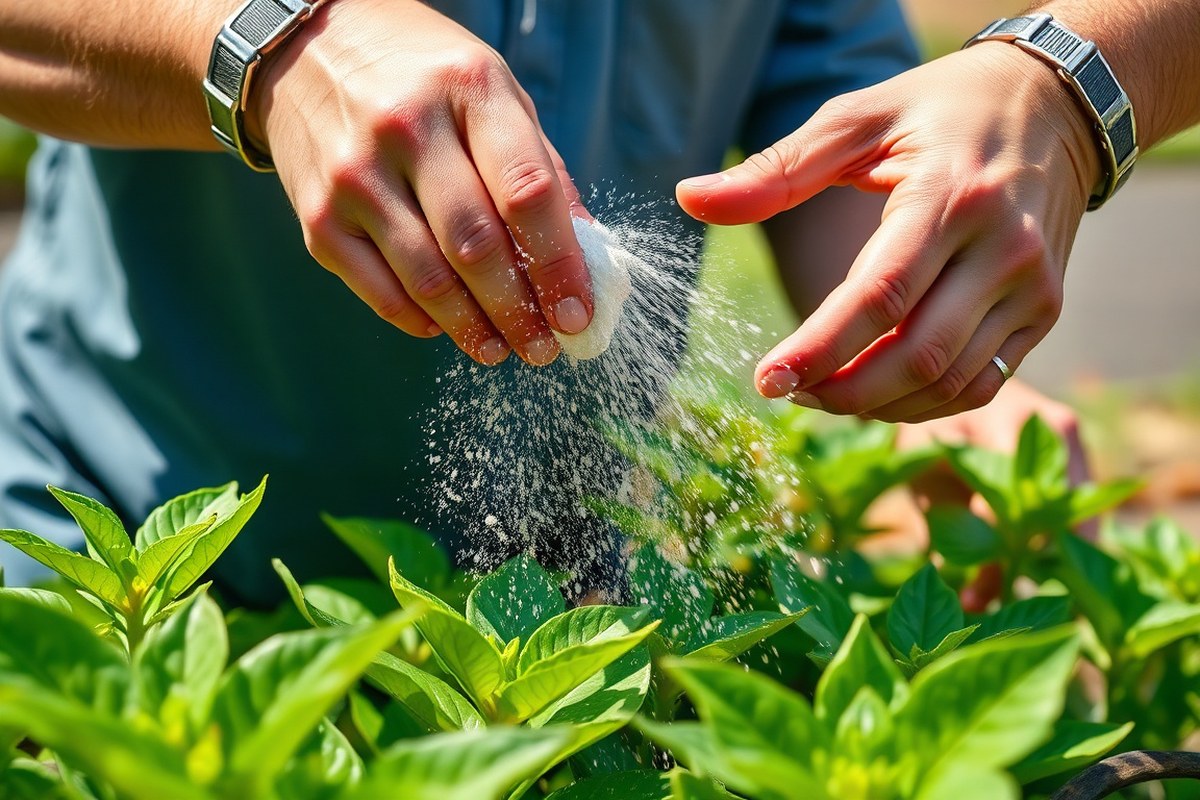
Knowing how to apply diatomaceous earth to plants can stop pests without chemicals. Spread a thin, even layer of food-grade diatomaceous earth on leaves and soil. This works because the tiny particles cut insects’ bodies and dry them out.
First, pick a dry, calm day to apply the powder for best results. Avoid using diatomaceous earth on wet plants. Moisture causes the dust to clump.
Clumped dust loses its effectiveness for pest control. Use a duster tool or a fine sieve to keep the coating light and even.
Water your plants one day before the application to prepare them. Keep pets and people away during the dusting to avoid breathing in particles. Once applied, let the powder sit for at least 8 hours before watering again.
Key Takeaways
- Use food-grade diatomaceous earth for safe application around plants and pets.
- Apply on a dry day when plants are free of dew or rain.
- Use a hand-held duster or sieve for an even, light coating.
- Water plants 24 hours before applying the powder.
- Leave the powder on plants for at least 8 hours for effect.
- Wear an N95 mask to avoid inhaling diatomaceous earth dust.
1. How to Apply Diatomaceous Earth to Plants Correctly
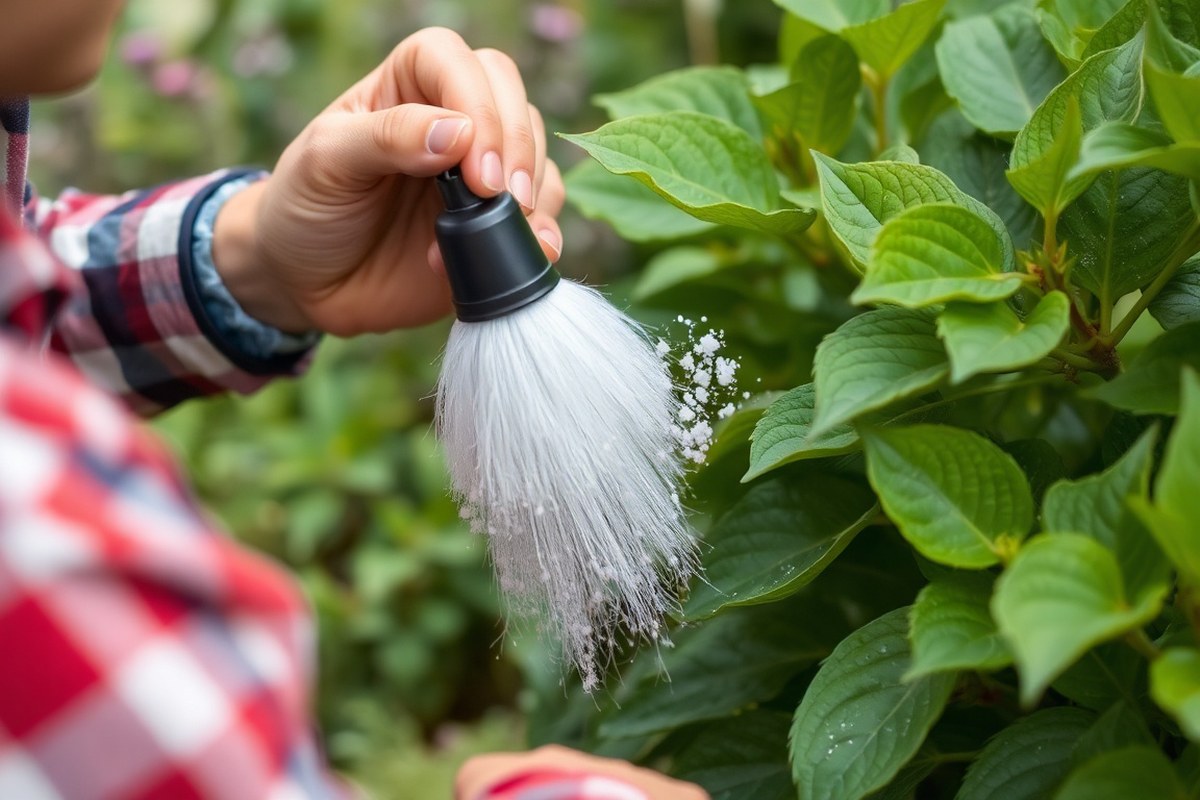
Applying diatomaceous earth (DE) on plants works best when you use it dry. Wetting DE reduces its effectiveness because moisture clumps the powder and blocks its pest-fighting texture. You can sprinkle it on leaves, stems, and soil around your plants.
This targets pests like fungus gnats and whiteflies. It works fast to reduce these garden bugs.
How much DE to use depends on the plant size and pest presence. A thin, even layer is enough to create a barrier without smothering the plant. Reapply every five to seven days or after watering your plants.
Moisture can wash it away or lower its effect. Regular use keeps pest control strong.
- Choose a dry, calm day for application to prevent DE from blowing away. Avoid humid or rainy weather if outdoors.
- Wear a dust mask and gloves to avoid inhaling DE or irritating your skin. Get a hand-held duster or sieve ready.
- Gently remove dead leaves and debris from your plants first. This exposes spots where pests tend to hide. Focus on undersides of leaves for best results.
- Sift a thin, uniform layer of DE on leaves, stems, and soil around the plant’s base. Target pests hiding spots carefully.
- Avoid piling DE thickly to protect plant health. It should look like a light dusting rather than a heavy coating.
- Wait for DE to dry if your plants get wet. Moisture stops it from working as pest control. Apply again only once the plants are dry.
- Repeat applications weekly or every few days after watering to keep DE effective and maintain protection.
- Check your plants often for any signs of pests. Reapply DE right away if pests come back. Also add it after heavy rain or watering.
Using DE like this keeps pests down and supports soil health with added silica. It’s safe around indoor plants, pets, and people. Still, handle it carefully to avoid breathing in dust.
Use a mask if dust irritates your nose or eyes. You’ll notice fewer pests and healthier leaves when your plants get proper DE treatment.
2. Choosing the Right Diatomaceous Earth for Your Plants

Use food-grade diatomaceous earth for your plants, not pool-grade. Food-grade DE contains up to 2% crystalline silica, making it safe for plants, pets, and people. Pool-grade DE has higher silica levels and chemical treatments that can harm your garden and health.
Food-grade diatomaceous earth works well on both indoor and outdoor plants. It’s non-toxic and won’t change the soil’s pH, so your plants stay healthy. You can sprinkle it directly on leaves, stems, and soil without worrying about damage or toxicity.
Buying food-grade DE costs around $10 to $20 per 5-pound bag, depending on the brand. It lasts a long time because you only need small amounts for pest control. Avoid pool-grade DE because it’s made for swimming pool filters.
It can irritate your skin. It can also irritate your lungs.
For planting, mix one or two tablespoons of food-grade DE per gallon of potting soil. This helps keep pests away from the start.
Use a bulb duster to spray the powder evenly over plants and soil. Applying it when the leaves are dry helps it stick and work better.
Never use pool-grade diatomaceous earth on your plants. It can harm you and your garden.
3. Best Timing and Weather Conditions for Application
Apply diatomaceous earth when plants and soil are dry for best results. Timing it around morning or after light rain improves effectiveness. Avoid moisture as it neutralizes DE’s insect-killing power.
Ideal Time of Day for Application
Morning is the best time to apply diatomaceous earth after dew settles. This timing keeps the powder dry and ready to work against pests. The air is cooler, which also helps the powder to stay put on leaves.
Applying DE too late in the day risks it getting wet from evening dew or watering. That moisture can make the powder clump and lose power quickly. Replace or reapply if dew returns overnight.
Weather Conditions to Avoid
Do not use diatomaceous earth before rain or heavy watering. Moisture temporarily cancels its ability to cut into pest exoskeletons. Plan application only when no rain or sprinkler use is expected for 24 to 48 hours.
Windy days can blow the powder off plants, making the treatment uneven. Wait for calm or mild breeze conditions to keep DE where you put it. Extreme heat over 90°F can also dry out plants too rapidly, reducing contact.
How Moisture Affects Diatomaceous Earth’s Action
Diatomaceous earth loses its pest-fighting effect as soon as water touches it. Water fills in the powder’s sharp edges, stopping it from cutting insect shells. Wet DE clumps, making it ineffective until it dries again, which can take days.
Because of this, reapply after heavy rain or watering to keep pests off plants. Moisture breaks the physical barrier and lets insects back in very quickly. For indoor use, avoid wetting DE on potted plants unless spraying with specialized mixtures.
Signs to Check Before Application
Check leaves and soil to ensure they are dry with no visible dew or water. Look for recent rain or sprinkler activity that may have moistened the area. Also, watch for pests on plants to time application better when infestations are active.
Before starting, water plants well about 24 hours prior. This keeps plants healthy and ready to handle pests after DE application. Use this simple checklist before you spread the powder:
- Plants and soil surface dry with no dew or water
- No rain or heavy watering forecasted for at least 1, 2 days
- Minimal or no wind to prevent powder blow-off
- Morning hours just after dew has evaporated
- Plants fully watered about one day before application
- Active pest presence confirmed on leaves or stems
Following these signs helps you apply DE only when it will work best. This saves product and avoids wasting time on ineffective treatments.
4. Safety Precautions While Applying Diatomaceous Earth
Wear a dust mask rated N95 to protect your lungs from fine DE dust. Goggles are important to keep particles out of your eyes. Long sleeves and gloves also help prevent skin irritation during application.
Food-grade diatomaceous earth is safe for pets like dogs and cats. But keep children and animals away while applying to avoid dust exposure. Wait at least 24 hours after applying before letting them near treated plants.
Avoid inhaling the dust by applying DE on calm days without wind. Do not apply the powder in high-traffic areas to reduce dust spread. Spray mixtures with 4 tablespoons per gallon help cut airborne dust.
Only use this if the brand label approves the mixture. Always check the product instructions before spraying plants.
Wear gloves to protect your hands, especially if you have sensitive skin. Cover exposed skin with long clothing to avoid itching or dryness. You can even put a bandana under your mask for extra protection if you want.
Keep the area dry when you apply the powder. Moisture makes it less effective and causes clumps.
Wait until the plants and soil are dry again before reapplying. Store unused DE in a sealed container away from children and pets.
While DE is non-toxic, its tiny particles can irritate your lungs and eyes. Taking these steps ensures your safety and supports effective pest control for your plants.
5. How Diatomaceous Earth Works Against Plant Pests
Diatomaceous earth kills pests by drying out their exoskeletons. The fine powder scratches and absorbs oils, causing bugs to die from dehydration. This works best on soft-bodied and crawling insects like aphids, mites, ants, and fungus gnats.
It usually takes about 48 hours for diatomaceous earth to eliminate pests. You’ll see fewer insects within two days as the powder sticks and dehydrates them. Keep the powder dry because moisture stops it from working effectively.
Be careful using diatomaceous earth around beneficial insects like bees and ladybugs. It kills them too since it’s not selective. Apply the powder only where pests hide or travel.
Avoid flowers. Also, keep it away from places with helpful bugs.
Fungus gnats are one pest that responds well to diatomaceous earth. Sprinkle the powder lightly over the soil surface of indoor plants to disrupt larvae. This prevents damage to roots without harsh chemicals.
Use diatomaceous earth sparingly and only in dry spots to protect beneficial insects nearby.
6. Indoor vs Outdoor Application Techniques
Applying Diatomaceous earth indoors is different than outdoor use. You need to manage mess and limit exposure carefully. These two things matter most inside.
Indoors, avoiding inhaling the fine powder matters most. Outdoors, focus on broad coverage while working around wind and moisture.
Indoor Application Best Practices
Use a mask or goggles to stop DE from getting into your eyes or lungs. Instead of dusting dry powder, try mixing DE with water. Use a spray bottle to apply the mix.
This cuts down on airborne dust. Apply DE sparingly to cracks, around plant pots, or baseboards where pests appear.
Keep kids and pets away during application to prevent accidental inhalation. Vacuum any excess powder that falls on surfaces soon after applying. Use a hand duster made for talcum powder.
This tool helps control dust spread well. It keeps the area cleaner during application.
Outdoor Application Methods
Outdoors, you can apply dry DE more freely across garden beds or around plants. Use a garden duster or a soft brush to spread it thinly over leaves and soil. Avoid applying before rain or watering because moisture reduces DE’s effectiveness.
Morning or late afternoon is best for outdoor application to avoid wind blowing particles away. You’ll often need to reapply DE every week or two, especially after heavy rain.
Spread a light coat. About 1 tablespoon per square foot works well for pest control.
Potted Plants Specific Considerations
Sprinkle DE gently on soil when treating potted plants. Avoid disturbing roots too much. Don’t cover leaves with thick layers.
Dust the edges of pots and saucers, not leaves indoors. This lowers the risk of breathing in dust. Leaf dusting raises inhalation risks.
Use a small spoon or shaker to apply DE carefully to prevent mess. Mix a few teaspoons of DE into the top inch of soil. This helps fight pests living in the soil.
It’s a simple way to protect roots. Avoid overapplying, which can make soil too dry or dusty.
| Setting | Application Approach | Tools | Safety Tips | Reapplication Timing |
|---|---|---|---|---|
| Indoors | Light dusting or DE-water spray | Mask, goggles, spray bottle, hand duster | Wear mask, avoid inhaling dust, keep kids away | Every 1-2 weeks or after cleaning |
| Outdoors | Dry dusting on soil and plants | Garden duster, soft brush, spoon | Apply on calm, dry days; avoid rain | Weekly or after rain |
| Potted Plants | Scoop or light dust on soil surface and pot edges | Spoon, shaker, spray bottle for indoor | Don’t cover leaves thickly; avoid dust clouds | Check soil and pests biweekly |
Indoor use requires careful steps to control dust and limit inhalation. Outdoors, a broader dusting is easier but weather affects effectiveness. Potted plants need gentle, targeted application to protect roots and avoid mess.
7. Common Mistakes and How to Fix Them
One common mistake is applying diatomaceous earth (DE) when plants are wet or right before watering. Wet DE clumps and loses its sharp edges, which pests need to get harmed. Apply it when the plants are dry.
Wait for it to dry again after rain or watering. Use it only on dry leaves and soil.
Another error is using too much DE. Applying thick layers can block air and light from the leaves, which slows growth. Thin, even dusting lets you control pests without hurting your plants or soil health.
Some gardeners put DE too deep into the soil. DE works best on surfaces where pests crawl or fly. Don’t mix it too deeply into the soil.
Doing this can reduce its pest-fighting power. It might also upset the soil’s balance.
- Apply DE on dry plants, avoid watering right after.
- Use a light, even layer, less dust works better.
- Focus DE on plant surfaces, not deep in soil.
- Reapply DE after heavy rain or watering dries up.
- Store DE in a dry container to keep it effective.
DE adds minerals that can boost your plant’s health when used right. It helps soil drain better and lets roots get more oxygen.
But if DE gets wet and stays wet, it won’t work until it dries. So keep an eye on weather.
Notice the DE isn’t working anymore? Reapply after the plants dry or stop watering. Repeat as needed to keep pests away.
Removing old, wet DE gently with a soft brush can help. This lets you put fresh powder without harming leaf surfaces or roots.
8. How to Know If Diatomaceous Earth Treatment Is Working
Diatomaceous earth (DE) treatment shows progress within a few days. But you’ll need to watch for specific signs.
Check plants carefully to spot fewer pests or insect damage. Reapply after about a week or if you see little change.
Visual Signs of Pest Reduction
Look for fewer visible pests on leaves and stems, especially soft-bodied insects like aphids or mites. You may notice less leaf yellowing, holes, or wilting if pests decline. Dead insects around the soil surface or on the plant also suggest the DE is working.
Inspect daily for the first three days, then every few days afterward. Pest populations should visibly shrink in about 5 to 7 days with proper DE application.
You still see many pests after a week. The treatment may need adjustment.
Timing for Reapplication
Reapply diatomaceous earth after heavy rain. Watering the plants can also reduce its effect. Moisture clumps the powder and makes it less effective.
A light coating every 7 to 10 days keeps pests at bay during active growing seasons. When soils or leaves dry fully again, apply DE a second time.
Dust container edges and any new growth each time you reapply. Outdoors, windy conditions may blow off DE, so a second application helps. Indoors, less frequent reapplications may work if humidity stays low.
Indicators for Escalating Pest Control Methods
DE doesn’t lower pest numbers after two treatments in two weeks. Try using it with other controls.
Sticky traps or insecticidal soaps can help with indoor plants or small infestations. Heavy or fast-spreading infestations may need professional pest control advice.
Some pests cling tightly to plants. Fast breeders like fungus gnats multiply quickly. DE alone can’t always control them fully.
Call a licensed gardener or pest expert if pests harm main stems. Also call if pests spread to many plants or bring disease. They can suggest safer chemical or biological alternatives.
Don’t overapply diatomaceous earth. A thin, even layer works best to avoid harming your plants.
Step-by-Step Action Plan for Using Diatomaceous Earth on Your Plants
Follow these steps to apply diatomaceous earth effectively and watch your plants stay pest-free.
- Before you start: Choose food-grade diatomaceous earth and wear a mask to avoid inhaling dust.
- Day 1: Lightly spray your plants with water to help the diatomaceous earth stick better.
- Day 1: Dust the diatomaceous earth evenly on leaves, stems, and soil surface.
- Day 3: Check your plants for pest activity and reapply diatomaceous earth if needed.
- Week 1: Repeat the application if rain or heavy watering washed the powder away.
- Week 2: Watch your plants closely. Look for pests or damage signs. This helps check if the treatment works.
- Week 3: Stop applying if pests are gone. Keep monitoring weekly to catch any return.
Frequently Asked Questions
How Do I Avoid Diatomaceous Earth Clumping on My Plants?
Apply DE as a thin, even layer on dry leaves and soil. Avoid spraying right before or after rain to prevent clumping and loss of effectiveness.
Can Diatomaceous Earth Harm Beneficial Insects on My Garden Plants?
Yes, DE can harm beneficial insects if they come into direct contact. Use carefully, applying only to affected plants and soil areas to reduce risk to helpful bugs.
What Tools Work Best for Applying Diatomaceous Earth to Small Indoor Plants?
Use a small hand-held bulb duster or a sieve for even, light coverage. This helps avoid overapplying and keeps your plants clean and pest-free.
How Can I Tell If I Need to Reapply Diatomaceous Earth to My Plants?
If you see pests returning or the DE looks washed away, reapply it. Reapplication is usually weekly during heavy infestations or after watering or rain.
Can I Mix Diatomaceous Earth with Water for Plant Application?
You can spray a slurry of DE mixed with water on plants. This method helps get DE into tight spaces but may reduce its effectiveness when wet.
Should I Wear a Mask While Applying Diatomaceous Earth Around Plants Indoors?
Yes, wearing a mask prevents inhaling fine silica dust. Even food-grade DE can irritate your lungs, so protect yourself during indoor application.
Wrapping Up
Applying diatomaceous earth correctly helps you control pests without harsh chemicals. Try the steps on one plant first to get comfortable with the process. Keep your tools ready and your plants healthy for the best results over time.