Is Potting Mix and Potting Soil the Same? A Complete Guide to Choosing Right
Is potting mix and potting soil the same? Not quite.
Potting mix usually doesn’t contain actual soil and focuses on light, airy materials. Potting soil may include some garden soil but often looks like potting mix in composition.
Potting mix keeps roots breathing with materials like peat and perlite that resist compaction. Potting soil might compact faster because it includes mineral soil particles. You can often swap them.
Choose the right one for your plant’s drainage. Also, consider the pot’s weight needs.
Start by checking the label to see if the blend fits your container and plant type. Dense potting soil in small pots can hold too much water.
This can suffocate roots. Watch out for this problem.
Key Takeaways
- Potting mix lacks soil and uses light, porous materials for better aeration.
- Potting soil may contain up to 10% garden soil, making it denser.
- Choose potting mix for containers under 12 inches to avoid soil compaction.
- Use specialized gritty mixes for succulents and cacti with 60-80% inorganic grit.
- Potting mix holds air spaces better than potting soil over time.
- Check product labels to confirm ingredients and suitable plant types.
Is Potting Mix and Potting Soil the Same Thing?
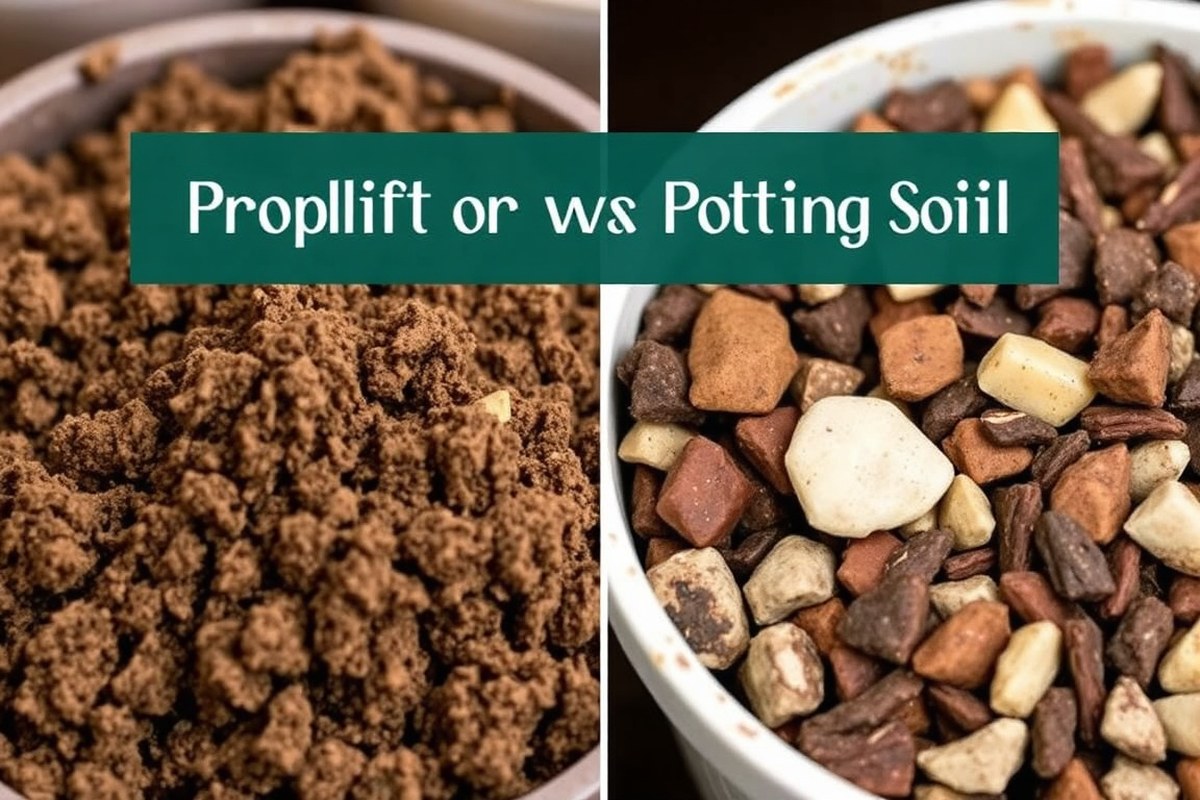
Potting mix and potting soil are not the same. Still, the terms often get mixed up. Potting soil usually contains natural soil combined with compost and organic matter.
Potting mix is a blend without real soil. It lets water drain well and air flow through. This helps plants grow healthy roots.
The main difference lies in their ingredients. Potting soil often includes mineral soil like sand, silt, and clay. It also has decomposed organic material to help plants grow.
Potting mix contains no mineral soil at all. Potting mix has peat moss, coconut coir, and bark.
It also includes perlite and sometimes fertilizer. These keep the mix light and airy.
You can tell them apart by how heavy they feel. Potting soil tends to be heavier due to the soil particles inside. Potting mix feels lighter and fluffier, which helps water drain quickly and air reach roots.
This makes potting mix better for containers and seed starting. Potting soil works well for outdoor raised beds or garden beds.
Even though the label might say “potting soil,” many products don’t have real soil. They are almost identical to potting mix with some compost added. Soil can carry weed seeds or harmful pathogens.
This is important to watch out for. You avoid problems by choosing clean materials.
Potting mix is usually sterile. This difference affects how clean and safe it is for indoor or indoor-outdoor plants.
Choosing between potting soil and potting mix depends on what your plants need. Mixing both types 50/50 is a smart approach for raised beds and large pots. Potting soil combines potting mix with real soil.
You get good drainage and nutrient-rich structure. This blend supports strong plant growth.
Knowing these differences helps you pick the right medium. So your plants don’t suffer from poor drainage or compaction.
What Ingredients Make Up Potting Mix and Potting Soil?

Potting mix and potting soil mainly differ by whether they contain natural soil. Potting mix is soil-free and uses lightweight ingredients like peat or coco coir. Potting soil includes real garden soil or topsoil in small amounts along with organic matter.
Core Ingredients of Potting Mix
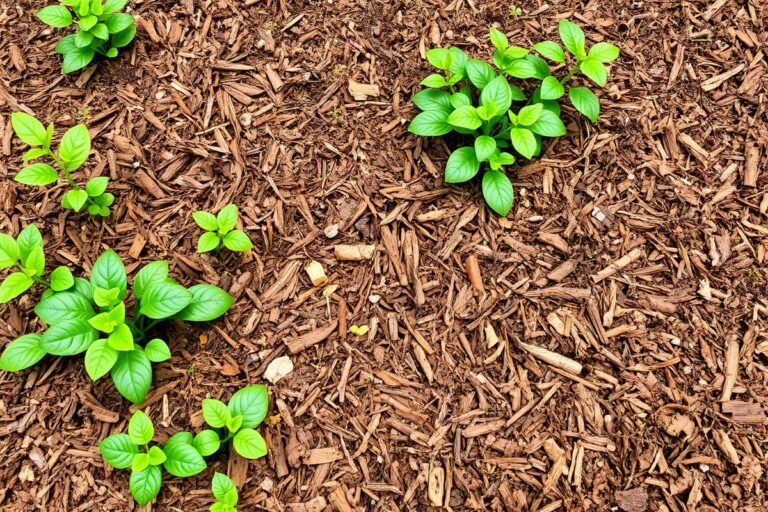
Potting mix usually contains no real soil. It uses organic materials such as peat moss or coconut coir for moisture retention and aeration. Inorganic additives like perlite or vermiculite improve drainage and airflow around roots.
This soilless blend keeps containers light and reduces the chance of root diseases. Since it does not compact easily, potting mix promotes healthy root growth. The contents are typically sterile, making it ideal for indoor plants and seed starting.
Main Components of Potting Soil
Potting soil usually has 5% to 10% garden soil in it. This soil mixes with compost or aged bark.
This gives a denser texture than potting mix. Sand may also be present to improve drainage somewhat.
It feels heavier and doesn’t drain as fast as potting mix. Adding natural soil provides nutrients and mimics ground planting conditions well. Potting soil suits outdoor large pots and raised beds where moisture retention slows watering needs.
Typical Additives in Both Mixes
Manufacturers add materials to meet specific plant needs or improve performance. Common ingredients in both include:
- Peat moss or coconut coir for holding water
- Perlite or vermiculite to aid air flow and drainage
- Compost or bark for organic matter and nutrients
- Sand to improve texture and drainage, mostly in potting soil
These ingredients affect weight, moisture retention, and suitability for certain plants. Potting mix stays looser and lighter due to no real soil.
Why Soil Content Matters
Garden dirt can bring weed seeds or pests. Potting mix avoids soil to reduce disease risk and keep roots happy. Potting soil containing some natural dirt may have more risks but provides a nutrient-rich growing medium.
Check product labels carefully to ensure you get the right blend for your plants. Avoid any mix that lists garden soil for container gardening with sensitive or indoor plants.
Always avoid garden dirt in container mixes for indoor or seed-starting plants. It can carry diseases and pests that harm growth.
How to Read Potting Mix and Potting Soil Labels Effectively
Reading labels on potting soil and potting mix bags helps you pick the right product. Focus on ingredients and key terms that show what’s inside. This way, you avoid buying soil if you want soilless mix or vice versa.
Identifying Key Ingredients on the Label
Look for the first few ingredients listed on the label. The order matters because products list ingredients by weight, biggest first. Common top ingredients in potting mix include peat moss, coconut coir, perlite, and vermiculite.
For potting soil, the label might say “garden soil,” “topsoil,” or “compost.” These mean the product contains actual soil.
Pure potting mix will say soilless components instead of soil or topsoil. The difference tells you if the mix is light and airy or dense and earthy.
Spotting Terms That Indicate Soil Presence
Words like “garden soil,” “topsoil,” or “loam” signal soil is part of the mix. These often appear on potting soil bags, which are heavier and hold water longer. Products labeled “soilless” usually do not contain any real soil.
Ingredients like peat moss or coconut coir often come first on the list. These products rely on materials other than traditional soil.
Watch out because packaging sometimes uses “potting soil” and “potting mix” interchangeably. The name alone doesn’t guarantee soil content. Always double-check the ingredient list to know exactly what you’re getting.
Avoiding Unwanted Additives and Pathogens
Check for added fertilizers, wetting agents, or lime in the ingredient list. These additives help nutrient levels or pH but might not match your plants’ needs. Some cheaper soils may contain weed seeds or pests, increasing risks.
Choose brands that offer sterilized or pasteurized potting media. Labels often state “pasteurized” or “disease-free” to reduce pathogens. Avoid garden soil in pots because it can bring bugs and diseases indoors or stress plants.
Follow these steps when reading potting soil or potting mix labels:
- Read the product name and description to get a first idea.
- Look at the ingredient list for the first 3 to 5 items listed.
- Identify if the ingredients are soilless (peat, coir, perlite) or include soil (topsoil, garden soil).
- Check for extra additives like fertilizer, lime, or wetting agents.
- Look for terms like pasteurized or sterilized to avoid pests.
- Decide based on your plant’s needs and location (indoor vs. Outdoor).
Which Is Better for Different Plants and Growing Situations?
Indoor plants do best with potting mix because it drains well and stays light. It helps air reach the roots in small containers. Potting soil, being denser, can trap too much water and cause root rot indoors.
Outdoor uses shift toward potting soil, especially with larger containers or heavy feeders. Potting soil holds more moisture and nutrients, which benefits shrubs or trees planted in big pots. Still, blending potting soil with potting mix improves drainage and nutrient supply.
Seed starting calls for a sterile potting mix. It avoids soil-borne diseases that harm vulnerable seedlings. The fine texture also helps seeds sprout evenly by retaining just the right moisture.
| Plant Type | Best Choice | Why |
|---|---|---|
| Houseplants | Potting mix | Better drainage and aeration in small pots |
| Vegetables in containers | Potting mix or blend | Meets nutrient needs and retains proper moisture |
| Succulents and cacti | Fast-draining potting mix | Prevents excess moisture that causes rot |
| Seedlings and seed starting | Sterile potting mix | Protects from soil-borne diseases |
| Trees and shrubs in large containers | Potting soil or blend | Retains moisture and nutrients for heavy feeders |
Use potting mix for indoor container plants and seedlings. Expect it to cost more than regular soil because of higher quality and sterilization. It usually runs about $10 to $20 per cubic foot but gives better results in pots.
Choose potting soil outdoors where water retention matters more. It can help with large planters or raised beds by slowly releasing nutrients. Just watch for compaction if you don’t mix in some potting mix or perlite.
Why Does Potting Soil Compact and How Does Potting Mix Avoid It?
Potting soil often compacts because it contains fine mineral particles and natural soil components. These particles settle close together when watered repeatedly, squeezing out air pockets. This tight packing reduces space for roots to breathe and take up oxygen.
The compacted soil holds less air, causing poor drainage and slower water flow. Roots might suffocate or rot without enough oxygen and excess moisture removal. That is why compacted potting soil can harm plant health over time.
Potting mix uses things like perlite and bark. These don’t get crushed under pressure. That keeps the mix airy and light.
These components stay rigid, creating gaps that hold air. This design keeps aeration at about 20 to 30 percent, even after many waterings.
Potting mixes have peat moss or coir. These hold moisture well. They break down slowly over 12 to 18 months.
This slow break down keeps the mix light for a while. It stays porous enough for roots.
You can wait to refresh it. The mix also drains fast and evenly, which helps roots grow without drowning.
Good potting mix supports roots by balancing moisture, nutrients, and air pathways. Poor drainage or compact soil means roots can’t get enough oxygen or water moves too slowly. This weakens plants and raises the risk of root diseases.
For good root health, pick mixes with coarse particles. Don’t add soil to indoor containers.
This keeps roots healthy. Sticking with a soilless mix prevents rapid compaction and helps houseplants thrive.
Check your potting mix regularly. It may need replacing if it shrinks or drains slowly. This prevents damage to roots. Check your mix regularly.
How Long Does Potting Mix Last and When Should It Be Refreshed?
Potting mix usually lasts about 12 to 18 months before it starts to break down. The peat moss or coconut coir base slowly turns into finer particles during this time. As it breaks down, the mix gets denser.
It holds less air. This hurts drainage and root health.
You’ll notice the mix starts to feel compact and drains more slowly. Small cracks may appear on the surface, or the material can look dusty or clumpy.
These changes show the structure is failing. At this point, it’s time to refresh or replace the potting mix for better plant growth.
Refreshing means mixing old and fresh potting mix half-and-half. You can add extra perlite too. This boosts drainage.
Per liter of reused mix, add a generous handful of perlite. This gets the air flow back and helps keep roots from staying too wet. Repot and replace the mix every 12 to 18 months.
It depends on how fast the mix breaks down. For best results, follow this timeline.
Can You Mix Potting Soil and Potting Mix Together?
Mixing potting soil and potting mix can work well if done carefully. You get the water retention of soil with the drainage and air flow of potting mix. This can suit plants that like steady moisture but also need good air around their roots.
Try a ratio of about two parts potting mix to one part potting soil. This gives enough drainage without losing water too fast. For moisture-loving plants like ferns or peace lilies, you could go closer to half and half.
For vegetables in large pots, adding potting soil boosts nutrients and holds moisture well. For cacti and succulents, keep blends mostly potting mix with a little soil for structure. Avoid too much soil in pots that drain poorly or stay soggy.
- Use two parts potting mix to one part potting soil for balanced moisture and drainage
- Blend half soil and half mix for moisture-loving houseplants like ferns
- Add soil to mix for nutrient needs in large veggie containers
- Stick mostly to potting mix with little soil for succulents and cacti
- Mix well before filling pots to avoid dry or soggy patches
- Keep extra blends on hand for different plant types in your collection
Blending takes a bit more effort than buying mix alone. It can cost a little more if you buy both products separately. Good results mean soil drains well but stays moist without compacting.
Don’t use potting soil by itself in indoor pots. It holds too much water. It also gets compacted easily.
Mixing soil helps you control moisture and drainage. You can adjust it for your plants.
It also depends on how often you water. Keep an eye on how your plants do and adjust the mix over time.
How to Make Your Own Potting Mix or Improve Potting Soil
You can make potting mix at home using a few simple ingredients. Improving store-bought potting soil by adding materials helps drainage and nutrition. Adjusting these blends suits plants like succulents or vegetables well.
Basic Recipe for Homemade Soilless Potting Mix
Start with materials that drain water and hold moisture but are light. A common base includes peat moss, coconut coir, and perlite or vermiculite.
- Mix 2 parts peat moss or coconut coir for moisture retention.
- Add 1 part perlite or vermiculite for aeration and drainage.
- Blend 1 part compost for nutrients or use slow-release fertilizer.
- Combine all ingredients thoroughly in a large container or wheelbarrow.
- Check the mix feels loose but moist, not soggy or dusty dry.
Using peat moss can lower pH over time; coconut coir is a neutral alternative.
Amending Store-Bought Potting Soil
Potting soil often compacts and holds too much moisture for some plants. Adding perlite or coarse sand improves drainage and reduces compaction.
- Buy standard potting soil from a garden center.
- Measure 20, 25% perlite by volume based on total soil amount.
- Mix the perlite evenly into the potting soil using a shovel or hands.
- Add 10, 15% compost or worm castings to boost nutrients.
- Adjust water levels after mixing to ensure it drains well.
Don’t add garden soil directly; it can bring pests and disease.
Custom Blends for Plant Types
Succulents need well-draining, sandy mixes to prevent root rot. Use more perlite or coarse sand and less compost.
Vegetables prefer nutrient-rich, moisture-retentive mixes. Add more compost and avoid too much perlite.
- For succulents, mix 1 part peat moss or coir, 1 part perlite, 1 part coarse sand.
- For vegetables, mix 2 parts compost, 2 parts peat moss or coir, 1 part perlite.
- Test the soil moisture after watering to match plant needs.
Adjust blends for sun exposure and container size to avoid watering problems.
Environmental and Health Considerations for Potting Soil vs Potting Mix
Potting mix is often sterile, which means it comes free of pests and disease. Manufacturers usually heat-treat or pasteurize it to kill harmful fungi and bacteria. This process lowers the chance that plants will get sick from contaminated soil.
Potting soil, on the other hand, may not be sterile. It contains natural materials like bark or compost that sometimes carry disease-causing organisms or weed seeds. Using potting soil in containers raises the risk of spreading these problems to your plants.
Because of this, potting mix is safer for indoor or container gardening. You want a clean, fluffy medium free from disease and weed seeds.
Potting soil might work better for outdoor garden beds. But it needs more care to avoid issues.
Environmental impact is another factor. Potting mix often uses peat moss, which harms wetlands when harvested unsustainably. Choose brands with sustainably sourced peat.
Look for peat-free options too. These often use coconut coir or wood fibers instead.
Potting soil usually has heavier components like garden soil and compost. These can introduce weeds if not sterilized. Besides, digging up garden soil affects biodiversity and causes erosion if not done responsibly.
When buying, check labels for mentions of sterilization or pasteurization. Also, avoid products with unknown soil sources. You can reduce environmental harm by buying smaller amounts and reusing leftover mix for new plants.
At home, sterilize potting soil by baking it at 180°F for 30 minutes. This helps kill pests and seeds but might change texture. Potting mix needs no sterilizing, which saves time and effort in the long run.
Step-by-Step Action Plan for Choosing and Using Potting Mix or Potting Soil
Follow this plan to pick the right medium and keep your plants happy. Watch for signs of healthy growth as you go.
- Before you buy: Check plant labels for soil needs. Note if they say ‘well-draining’ or ‘rich soil.’
- Day 1: Select potting mix for container or indoor plants requiring light, airy soil. Potting soil suits outdoor or heavy feeders better.
- Week 1: Plant using your chosen mix or soil. Water well and watch moisture; roots should not sit soggy or dry.
- After 2 weeks: Look for firm but loose soil. If soil compacts, add more potting mix or perlite next time.
- Every 2-3 months: Refresh potting mix by replacing the top layer or repotting with fresh mix. Avoid compacted or old soil.
- Anytime: Amend potting soil with compost or sand to improve drainage and texture for container plants.
- Seasonal: Wash used pots and add new potting mix before replanting to reduce pests and diseases.
Frequently Asked Questions
Can You Use Potting Mix Directly in Garden Beds?
Using potting mix alone in garden beds is not ideal. It drains too fast and lacks the weight to support plants well in soil beds.
Is Potting Soil Suitable for Indoor Plants?
Potting soil is usually too dense for indoor plants. It holds too much moisture and can limit air flow to roots.
Does Potting Mix Require Additional Fertilizer?
Potting mix typically has some nutrients but may need fertilizer added. Supplemental feeding helps support healthy growth for many plants.
Can Potting Soil Contain Contaminants?
Yes, potting soil might contain weeds or pathogens unless sterilized. Buying from reputable brands helps reduce this risk.
Is Potting Mix Better for Seed Starting?
Potting mix is better for seeds since it’s lighter and drains well. This prevents waterlogging that can harm young roots.
How Often Should I Replace Potting Soil in Pots?
Replace potting soil every 1 to 2 years to avoid compaction. This refreshes nutrients and improves root health for container plants.
Before You Go
Potting mix and potting soil serve different purposes for your plants. Choose potting mix for loose, fast-draining needs, and potting soil when more nutrients and weight help. Start with plant labels and your container to get the best growth results.