Can You Grow Tomatoes? A Complete Guide for Healthy Harvests
Can you grow tomatoes at home? Yes, you can grow tomatoes successfully in your garden or containers.
Tomatoes need temperatures above 60°F and full sun to thrive. Start by choosing a spot with at least 6 to 8 hours of direct sunlight daily.
Tomatoes come in two main types: determinate (bush) and indeterminate (vining). Bush varieties grow to about 2 to 3 feet tall and stop growing after fruiting. Vining tomatoes keep growing and producing fruit along a long stem.
Getting tomato plants off to a good start is important. Start seeds indoors 6 to 8 weeks before frost ends or buy strong seedlings. Using rich soil, plenty of sunlight, and enough room helps plants thrive and yield better fruit.
===
Key Takeaways
- Choose a sunny spot with at least 6 hours of direct sunlight daily.
- Pick determinate tomatoes if you want smaller, bushy plants for containers.
- Sow seeds indoors 6 to 8 weeks before the final frost passes.
- Use containers at least 12 inches deep for bush tomato varieties.
- Keep outdoor temperatures above 60°F for best tomato growth.
- Provide consistent water to avoid fruit splitting in sensitive varieties.
Is It Possible to Grow Tomatoes at Home?
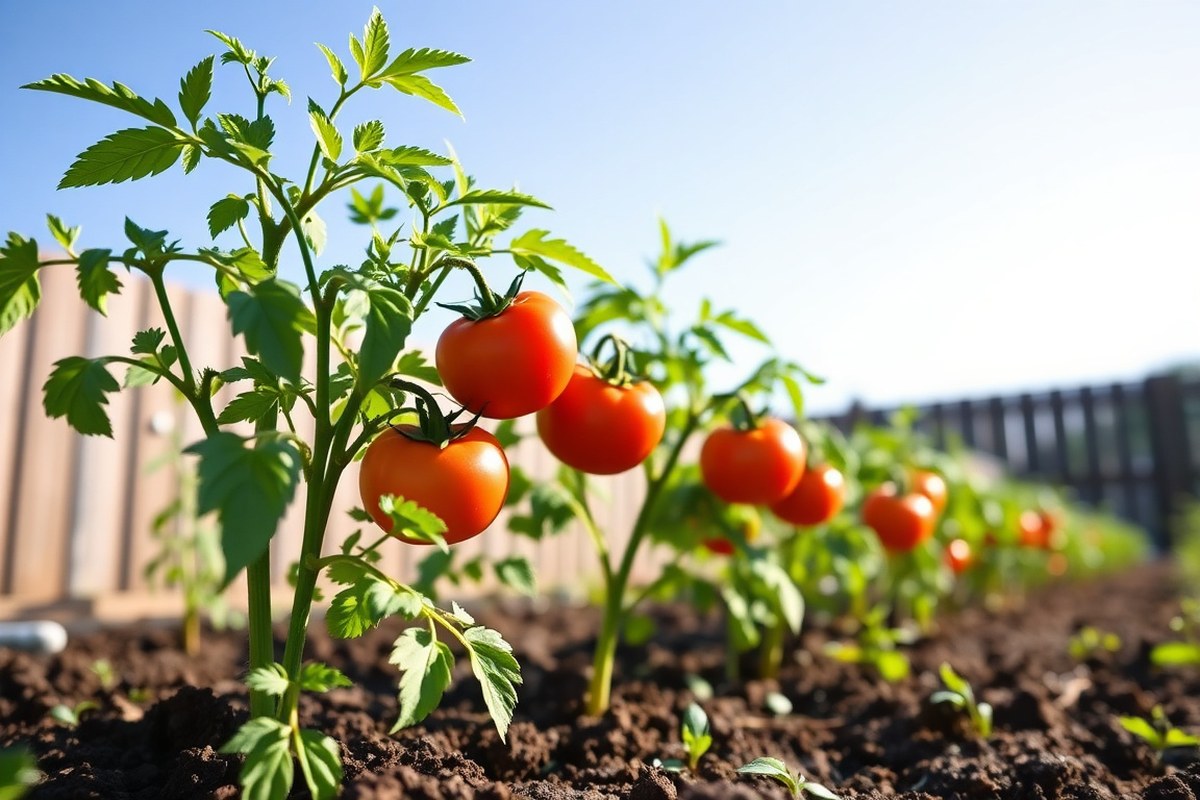
Growing tomatoes at home is definitely possible and popular among gardeners. You can grow them outdoors, in containers, or even indoors with enough light.
Tomatoes need warmth. So your climate matters, ideally, daytime temperatures above 60°F are best for growth and fruit set.
Tomatoes have two main types: determinate (bush) and indeterminate (vining). Determinate plants grow about 3 feet tall and stop once they set fruit.
Indeterminate ones keep growing and producing fruit along long stems all season. Your choice depends on space and how you plan to care for them.
Start tomato seeds indoors 6 to 8 weeks before the last frost. Use your area’s last frost date as a guide. This timing helps seedlings grow strong before transplanting.
It gives plants a head start for a longer growing season. But buying young seedlings from a garden center is easier and more reliable for beginners. Seedlings often cost around $3 to $5 each, which can fit most budgets.
Gardens with 3 to 4 hours of sunlight suit cherry tomatoes best. Cherry tomatoes handle less sun better than larger types. Choose them for small, less sunny spaces.
They need less sun and usually do well under these conditions. For indoor growing, a set of grow lights can replace sunlight and help seedlings thrive.
Tomatoes like warm soil and consistent watering. Cold temperatures below 50°F can harm fruit and slow growth.
Watch for chill injury, especially in early spring or fall. Adjusting planting times or growing indoors can solve this problem.
Simple care and a sunny spot let most gardeners enjoy fresh homegrown tomatoes. The plants don’t require expensive tools or special skills. You just need patience and attention to their temperature, light, and watering needs.
Choosing the Best Tomato Varieties for Your Garden

Choosing the best tomato varieties depends on your space and climate. Think about how you want to use the tomatoes too. These factors help you pick the right type.
Different tomato types suit different needs, like fresh eating, canning, or container growing. Picking a variety that fits your situation helps you get a better harvest.
Determinate vs Indeterminate Tomatoes Explained
Determinate tomatoes grow like a bush. They usually stop growing after fruit sets on the top bud. These tomatoes grow about 24 to 30 inches tall.
They ripen all their fruit within a short time. Indeterminate tomatoes keep growing and fruiting through the season. They can grow over 6 feet tall with support.
Determinate varieties give you a big harvest all at once. That makes them good for canning or sauces.
Indeterminate types give you fresh tomatoes regularly from summer to fall. They need staking and pruning to grow well.
Look at your seed packet to confirm if your tomato is determinate or indeterminate before planting.
Top Varieties for Different Climates and Uses
Short summers in cool regions call for quick ripening tomatoes like ‘Early Girl’ (57 days) or ‘Stupice’ (52 days). These varieties mature fast, helping avoid frost issues. Areas with longer summers suit indeterminate types like ‘Beefsteak’ that produce fruit all season.
Paste tomatoes like ‘Roma’ are perfect for sauces and canning. They have thicker flesh and less water.
Cherry tomatoes grow fast and are perfect for fresh salads or snacking. Beefsteak types are large and juicy, ideal for slicing and sandwiches.
Selecting Varieties for Container vs Garden Growing
Determinate tomatoes work well in containers because they stay compact and don’t need tall stakes. Choose dwarf or patio types if you have very limited space. Container-grown tomatoes often need daily watering because pots dry out faster.
Indeterminate tomatoes require taller stakes or cages, about 6 feet high. They also need plenty of space to spread out.
They also require regular pruning to keep the plant manageable and encourage fruit production. Garden beds offer more room and steady moisture for these big growers.
Varieties Resistant to Pests and Diseases
Tomatoes can suffer from several leaf diseases and pests. Look for varieties labeled “VFN-resistant,” as these resist Verticillium wilt, Fusarium wilt, and Nematodes. Resistant types tend to stay healthier and save you time on sprays or treatments.
Heirloom tomatoes may have better flavor but often lack disease resistance, requiring extra care. Hybrids usually offer good disease tolerance. So they are a good choice if your garden struggles with pests or fungal issues.
Starting Tomato Plants: Seeds vs Seedlings
You can start tomato seeds indoors six to eight weeks before the last frost. This gives seedlings enough time to grow before moving outside. Transplant them after temperatures stay above 50°F at night.
Optimal Timing for Seed Starting
Start tomato seeds indoors about 6 to 8 weeks before your last expected frost date. This timing helps plants grow strong enough to survive outside.
Plan to direct sow only after the last frost passes. Make sure soil temperature reaches at least 60°F before planting.
Seeds should be planted roughly ¼ inch deep in well-draining, fertile soil. Keep soil temperature between 60°F and 70°F for best germination. Starting too early can produce leggy seedlings that struggle to thrive outdoors.
Seedling Care: Light, Temperature, and Water
Seedlings need 18 to 22 hours of bright light each day. Use a south-facing window or grow lights to provide light.
Keep indoor temperatures between 70°F and 80°F for healthy growth. Avoid overwatering; soil should stay moist but not soggy.
Fertilize seedlings with a balanced tomato fertilizer once they develop their first true leaves. Avoid letting the seedlings get too crowded to prevent diseases. Thin or transplant them into larger containers to encourage strong roots.
Transplanting Guidelines and Soil Preparation
Harden off seedlings by putting them outside for a few hours daily. Do this over 7 to 10 days to prepare them.
This helps them adjust to outdoor conditions gradually. Transplant when nighttime temperatures stay above 50°F to avoid cold shock.
Plant tomatoes deeply in the garden or containers. Bury about two-thirds of the stem to help roots grow. Use soil rich in organic matter with a pH between 6.0 and 7.0 for best results.
Spread 2 to 3 inches of shredded bark mulch around tomato plants. This keeps soil moist and stops weeds from growing.
Planting Tomatoes: Soil, Sunlight, and Space Needs
Tomatoes need deep, loamy soil that drains well and holds moisture. The soil should be slightly acidic, with a pH between 6.0 and 6.8, though they tolerate soils a bit more alkaline. Avoid heavy clay or sandy soils unless you add compost or organic matter.
These improve soil texture and increase nutrients. This helps your tomatoes grow better.
Sunlight is essential for tomatoes. Place them where they get 6 to 8 hours of direct sun daily.
Less sun slows flowering and fruit production. Full sun helps plants grow strong and healthy.
Spacing depends on the tomato type. Larger, indeterminate plants should go 24 to 36 inches apart.
Determinate or bush varieties need about 18 to 24 inches between plants. This spacing lets air flow well and stops disease issues.
- Plant tomatoes after soil warms to at least 60°F during the day
- Bury two-thirds of the stem to encourage strong root growth
- Dwarf or bush types, like ‘Patio Princess’ and ‘Tiny Tim,’ fit well in tight spots. These types grow compact and don’t spread wide. They let you grow tomatoes in small gardens or containers.
- Containers should be at least 5 gallons with good drainage holes
- Use tomato cages or trellises to save space and support plants
- Choose a location with at least 6 hours of direct sunlight daily
- Use rich, well-draining soil mixed with compost before planting
Tomatoes grow well in containers when space is tight, but choose bigger pots. Five-gallon pots work well for most types and allow roots to spread.
You can grow cherry tomatoes like Sweet 100 in smaller containers too. But they still need full sun.
Planting depth matters. Bury seedlings up to two-thirds of their stem.
This encourages roots to form along the buried stem, making a stronger plant. Just keep watering consistent and use mulch to keep soil moist and temperature steady.
Watering and Feeding Tomatoes for Optimal Growth
Tomatoes need steady watering and balanced feeding to thrive and produce well. Aim to give your tomatoes 1 to 2 inches of water weekly. Adjust the amount as the plants grow.
Bigger containers might need more water than smaller ones. Use fertilizers with balanced nutrients to help your plants grow strong.
Apply them at key stages of tomato growth. This supports healthy fruit development.
Watering Frequencies by Growth Stage
Young tomato seedlings need less water, about once every three to four days. Once plants grow and start flowering, increase watering to keep the soil moist but not soggy. Mature plants usually need about 2 inches of water weekly, split into two or three sessions.
How deep you water matters. Aim for around 6 to 8 inches deep so roots get enough moisture.
Using a 6-inch pot sunk beside plants helps water reach roots directly, reducing surface evaporation. Container-grown tomatoes dry out faster, so water daily or as soil feels dry.
Recommended Fertilizers and Application Timing
Start with a balanced fertilizer like 10-10-10 or 5-10-10 when planting. It gives your tomatoes nitrogen, phosphorus, and potassium. These are essential for early growth.
When your tomatoes start flowering, switch to fertilizer with more phosphorus. This change helps the plants make flowers and set fruit. Feed every two to three weeks during the growing season.
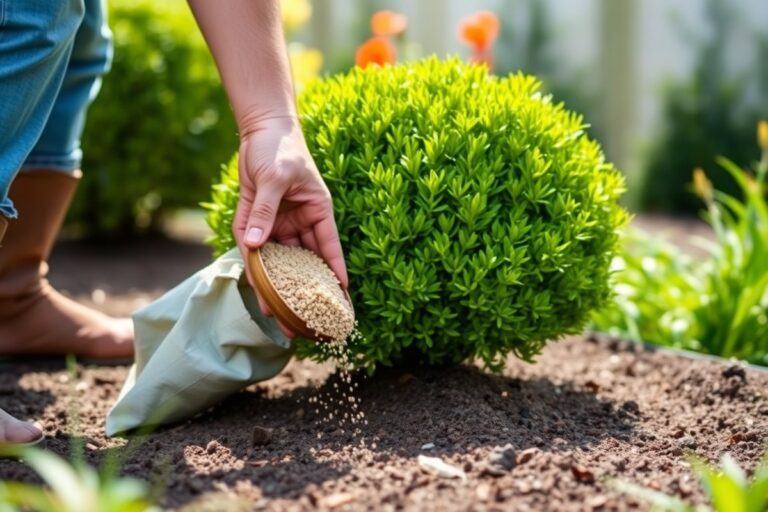
Organic options like compost or fish emulsion can also feed tomatoes well without chemical risk. Fertilize early in the day to allow plants to absorb nutrients fully. Avoid baking soda or excessive salts; they can harm tomato roots and stunt growth.
Signs of Overwatering and Nutrient Issues
Overwatering causes yellow leaves and root rot. Soil that stays wet for days signals too much water.
Crowded roots in small pots soak up nutrients poorly. So choose containers at least 12 inches wide for best results.
Look for pale or curled leaves to detect nutrient shortages. Low potassium can cause fruit cracking, while insufficient nitrogen results in weak, spindly stems. Adjust watering and feeding if plants show these symptoms to keep tomatoes healthy.
Water tomatoes evenly to avoid fruit cracking caused by sudden moisture changes.
Supporting and Pruning Tomato Plants for Better Harvests
Indeterminate tomato plants grow tall and need support to keep fruit off the ground. Stakes or cages help air reach the leaves, lowering disease risk. You can prune suckers to focus the plant’s energy on better fruit.
Pruning suckers means cutting off shoots that grow in the “V” junction. Pinch off these shoots early when they are small in indeterminate types. Determinate tomatoes only need pruning below the lowest flower cluster to keep fruiting steady.
Here’s a step-by-step way to stake and prune your indeterminate tomatoes for a healthy, heavy harvest:
- Choose tall stakes about 6 to 8 feet long or sturdy wire cages.
- Place stakes 2 to 3 inches from the plant at planting time. You can also do this when seedlings reach 12 inches tall. This helps support the plants as they grow.
- Tie the main stem loosely with soft cloth strips starting 12 inches from the ground. Add more ties as the plant grows taller. Keep the ties loose to avoid squeezing.
- Remove suckers when they are about 2 inches long. Pinch them gently using your fingers. This stops extra growth that can sap the plant’s energy.
- Remove lower leaves that touch the ground to improve air flow and reduce rot risk.
- For cages, place them early around young plants and gently guide new growth through the gaps.
- After plants reach the top of their support, pinch off the growing tip. Also, do this once they produce 4 outdoor trusses. Cut above the top two leaves to control growth.
Some tomato varieties like determinate bush types don’t need staking or heavy pruning. These plants grow to 3 to 4 feet tall and stop. They produce all their fruit over a short time.
This makes managing harvest easier. Indeterminate cherry tomatoes like ‘Sun Gold’ or ‘Supersweet 100’ need staking and pruning.
These steps help the plants reach their highest fruit yield. Cherry tomato plants can grow tall and spread.
Pruning and supporting plants take some time but are worth it. They reduce disease problems and make fruit easier to pick. This care helps tomatoes grow better and look healthier.
Keeping suckers trimmed also ensures bigger, better tomatoes rather than many small, weak fruits. For the best results, start pruning early in the season and continue regularly until frost.
Identifying and Preventing Common Tomato Pests and Diseases
Tomatoes often fall prey to pests like aphids, hornworms, flea beetles, and cutworms. Aphids cluster on new leaves, causing curled or yellow foliage. Hornworms chew large holes in leaves and sometimes on fruit.
Flea beetles leave tiny holes, making leaves look like a “shotgun”. Cutworms can cut young plants at the soil line. These pests damage tomatoes in different ways.
Fungal diseases like Early blight, Late blight, and Septoria leaf spot often affect tomato leaves. These diseases cause visible problems on your plants. Watch your leaves carefully for signs.
These diseases start on lower leaves with brown or black spots. The spots often cause leaves to yellow and drop off. Early action can protect your tomato plants.
Bacterial problems cause wilting and spots on leaves or stems. This damages the plant’s strength and reduces fruit production. You need to spot these issues early.
Using cultural methods can greatly reduce pest and disease risks. Avoid watering foliage by using drip feeders or soaker hoses; wet leaves encourage fungi. Rotate nightshade crops every 3 years to lessen bacteria and fungus buildup in the soil.
Staking or caging tomato plants keeps them off the ground. This reduces their contact with soil-borne diseases. Support also helps the plant grow straighter and healthier.
- Water tomatoes only at the soil level to prevent wet leaves.
- Rotate tomato planting locations every 3 years to avoid disease buildup.
- Keep tomato plants supported to avoid soil contact and damage.
- Mulch beneath plants if skipping supports to stop soil splash.
- Handpick pests like hornworms or use ladybugs to control aphids.
- Remove and discard any disease-infected leaves quickly.
- Use natural or chemical fungicides only after correctly identifying the disease.
Handpicking pests such as hornworms or introducing natural predators like ladybugs works well for small gardens. For fungal or bacterial diseases, identifying the exact problem helps choose the right treatment.
Fungicides and bactericides can be costly but useful if applied early and carefully. Watching plants daily helps catch problems before they spread widely.
Failure to keep leaves dry or rotate crops encourages recurring disease outbreaks. Without support, sprawling plants can trap moisture and attract pests more easily.
Healthy plants with good airflow produce better fruit and resist pests better. Regular checks and prompt actions save time and protect your tomato harvest.
Harvesting, Ripening, and Storing Tomatoes Successfully
Tomatoes are ready to harvest when their color shifts from green to their mature shade. This depends on the variety but usually means bright red, orange, or yellow.
Pick tomatoes when firm and just starting to show color. This gives the best shelf life.
Many growers wait until tomatoes ripen fully on the vine for the best flavor. However, if frost threatens, picking mature-green tomatoes and ripening them indoors is a smart choice.
Keep them in a warm spot between 65 and 70°F with good airflow. It takes about one to two weeks for the tomatoes to fully ripen this way.
Avoid placing tomatoes near direct sunlight indoors; it can cause uneven ripening. Use a countertop or table in a warm room instead.
Keep tomatoes loose so air flows around them. Turning tomatoes every few days can help them ripen evenly and avoid soft spots.
Store ripe tomatoes in a cool, dark place like a basement. Keep the temperature between 60 and 65°F. Wrapping them lightly in newspaper can prevent damage while keeping moisture balanced.
Avoid putting ripe tomatoes in the fridge unless using soon. Cold hurts their texture and flavor fast.
To harvest continuously, pick tomatoes as soon as they color. This helps the plant make more fruit.
Large varieties are ready roughly 80 to 90 days after transplanting. Keep track of your varieties’ timelines so you know when to check for ripeness regularly.
Store tomatoes stem-side down to slow moisture loss and extend freshness once they are ripe.
Step-by-Step Action Plan for Growing Tomatoes at Home
Follow these simple steps to start your tomato garden and get fruits soon. Watch your plants closely at each stage to make sure they’re healthy.
- Before you start: Choose a tomato variety that fits your climate and space. Pick one that grows well in your area for better results.
- Week 1: Plant seeds indoors or buy seedlings from a nursery. Use seed trays or small pots with good potting soil.
- Week 3: Move seedlings outside once they have 2-3 true leaves and frost danger has passed. They should look healthy and sturdy before transplanting.
- Week 4: Plant tomatoes in full sun. Use well-drained soil. Space plants at least 2 feet apart. Check for bright green leaves and no drooping.
- Week 5: Water deeply once or twice a week to keep soil moist but not soggy. Soil should feel damp but not wet to the touch.
- Week 6: Add tomato fertilizer every two weeks following package directions. Look for steady new growth and no yellowing leaves.
- Week 7 and on: Install stakes or cages and prune lower leaves to boost air flow. Plants should stand upright and feel sturdy.
- When fruit shows: Check often for pests or disease symptoms like spots or holes on leaves. Treat early with safe methods like handpicking bugs or neem oil.
Frequently Asked Questions
Can I Grow Tomatoes in Containers on My Balcony?
Yes, tomatoes grow well in containers if they have enough sunlight. Use a container at least 5 gallons in size with good drainage and full sun.
How Long Does It Take for Tomatoes to Grow from Seed to Harvest?
Tomatoes typically take 60 to 85 days from transplanting seedlings to harvest. Seed starting indoors takes 6 to 8 weeks before transplanting.
Do Tomatoes Need to Be Pollinated Manually When Grown Indoors?
Tomatoes usually self-pollinate but benefit from some shaking indoors. Gently tapping flowers or using a small brush helps improve fruit set.
What Is the Best Way to Prevent Tomato Blossom End Rot?
Keep soil evenly moist and add calcium if needed to prevent blossom end rot. Avoid letting the soil dry out or stay soggy.
Can Tomato Plants Survive a Light Frost?
Light frost usually kills tomato plants since they are tropical. Protect them or move containers indoors if frost is expected.
Is It Okay to Prune All the Suckers from Tomato Plants?
Not all suckers should be pruned, especially on bush tomatoes. Leaving some side shoots helps produce more fruit on determinate varieties.
Key Points to Remember
Growing tomatoes at home is doable with the right care and timing. Start small and watch for plant signs to guide your next steps. Pick your favorite variety today and enjoy fresh tomatoes soon.