Where to Place Money Tree: 8 Ideal Spots for Growth and Feng Shui
Knowing where to place money tree plants helps them grow strong and healthy. The best spots get medium to bright indirect light without harsh sun.
Place your money tree near a window with filtered light. But avoid direct midday sun that can scorch leaves.
Keep the plant in rooms with stable warmth between 65 and 85 degrees Fahrenheit. Money trees need humidity above 50% or else their leaves might brown. Rotating your plant a quarter turn every week helps all sides get light evenly.
Water your money tree every one to two weeks. Only water when the top 1 to 2 inches of soil feels dry.
Overwatering can cause root rot, so let the soil dry a bit before watering. Grouping it with other plants can boost humidity and create a better home indoors.
Key Takeaways
- Place your money tree in medium to bright indirect light, not direct sun.
- Keep room temperature between 65 and 85 degrees Fahrenheit for best growth.
- Maintain humidity above 50% by grouping plants or using a humidifier.
- Rotate the money tree a quarter turn every 1 to 2 weeks to balance light.
- Water only when the top 1, 2 inches of soil feel dry to avoid overwatering.
- Avoid sudden temperature drops below 50°F which stress the plant.
Best Rooms and Spots to Place a Money Tree
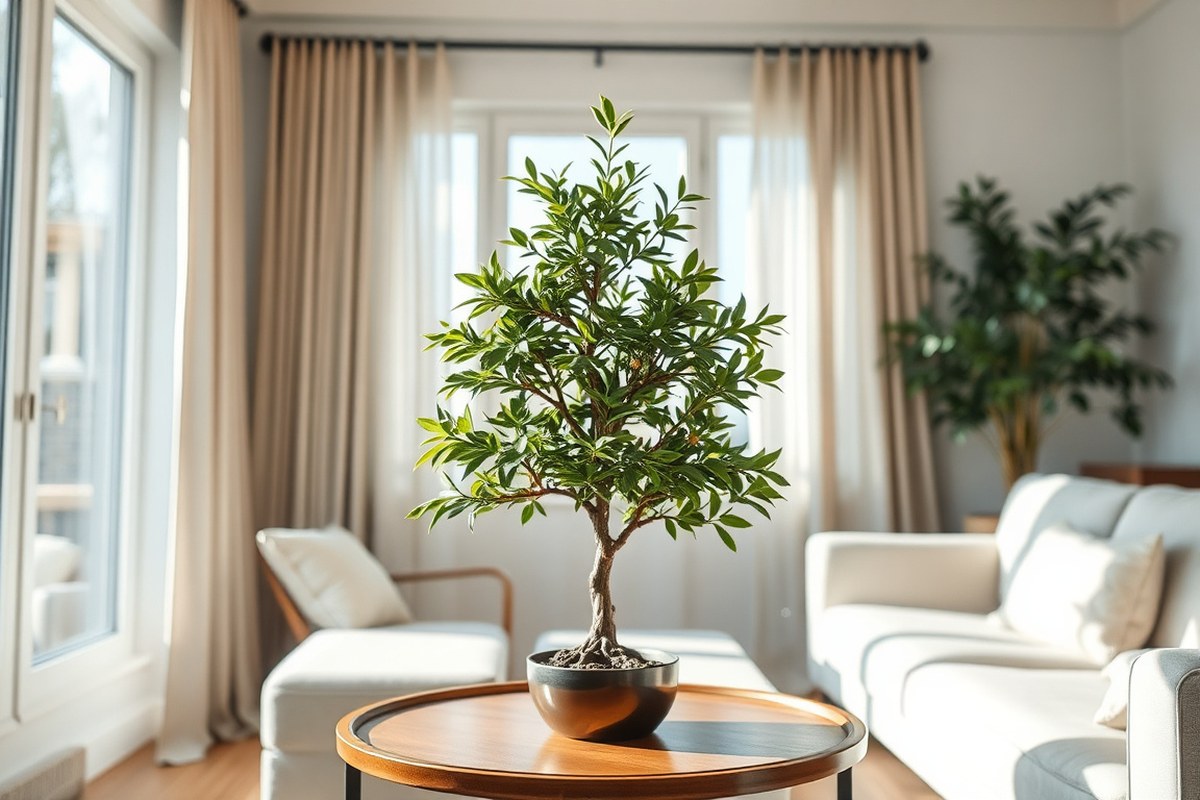
The best rooms to place a money tree are the entryway, living room, and home office. These spots offer bright, indirect light and enough space without crowding your daily activities.
A money tree near your entrance brings positive energy. It invites good fortune as you walk in.
In the living room, the Southeast corner is ideal for the money tree. This spot supports its role in attracting wealth and fits well with most décor.
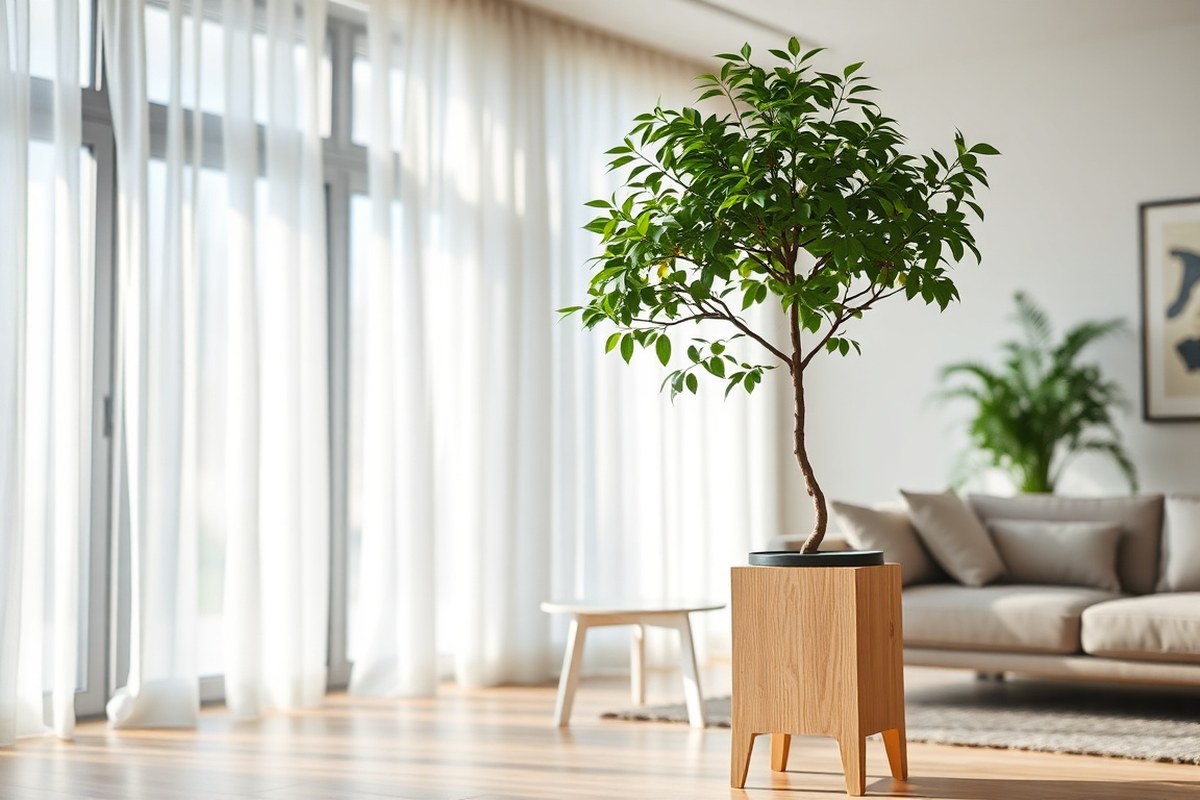
Lift the tree by placing it on a wooden stand. This adds presence and keeps it off damp floors.
- Entryway: Just inside the front door, off to the side, for welcoming energy.
- Living room: Southeast corner, ideally on a wooden stand.
- Home office: Top-left desk corner or Southeast part of the room, visible from your chair.
- Apartments or small homes: Use corners or a bright shelf to save floor space.
- Avoid placing near windows with direct sunlight to prevent leaf burn.
- Keep away from bedrooms and bathrooms to maintain good energy flow.
Having your money tree in a home office can boost focus and prosperity. Place it where you can see it easily from your desk chair. This keeps its positive energy within your work zone without cluttering your workspace.
Choose a bright corner or sturdy shelf near indirect light in small spaces. Rotate the tree regularly to keep all sides healthy.
Use a slim stand or plant pedestal if floor space is tight. These arrangements help your money tree thrive even without extra room.
How Lighting Conditions Affect Money Tree Placement
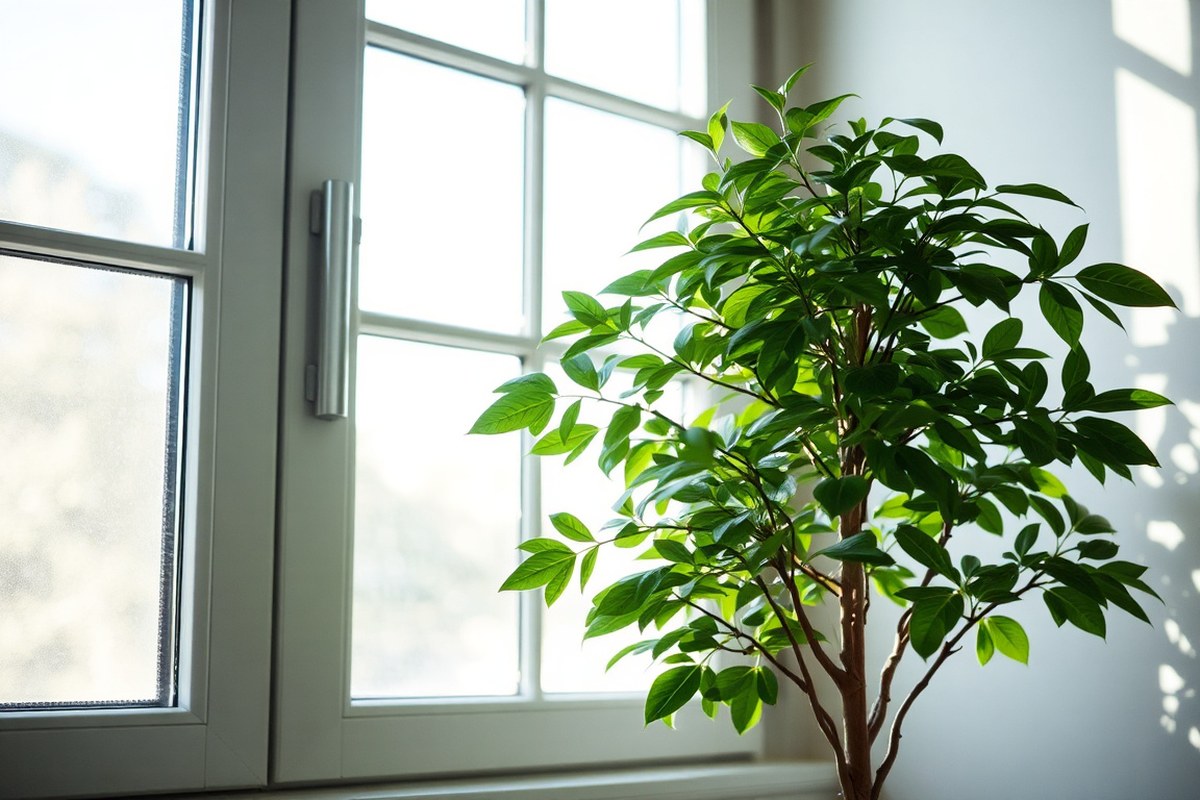
Money trees need bright, indirect sunlight to thrive. Avoid direct sunlight because it can burn the leaves. Put your plant near a window to get filtered light.
Let it soak in that light for several hours. It does best with gentle sun, not harsh rays.
Understanding Light Types for Money Trees
Bright light means a well-lit area without harsh rays from the sun. Direct sunlight is strong, unfiltered light that usually comes through south or west-facing windows. Indirect light involves soft, filtered rays, often through curtains or reflected off walls.
Money trees prefer bright indirect light because too much sun can scorch their leaves. They handle some morning or late afternoon direct light if it’s gentle.
But midday sun is often too intense. This prevents leaf browning and keeps your plant healthy.
Choosing the Right Window for Placement
East-facing windows offer gentle morning light, making them ideal for money trees. West and south-facing windows provide stronger light but can be filtered with sheer curtains or blinds. Don’t set your tree too close to the glass.
One risk is sunburn from direct sunlight. Another is cold drafts that can harm it.
Keep your money tree 2 to 3 feet from the window. This spot usually provides it enough indirect light. Your plant will thrive here without burns.
Rotate the plant every few weeks so all sides get light evenly. This helps avoid uneven growth or leaning toward the window.
How to Assess Lighting Before Placing
To test if a spot has good indirect sunlight, check the brightness during the day. Stand your hand between the sun and the plant’s spot. Your hand makes a soft shadow in indirect light.
This shows the light isn’t harsh or direct. This is the best light for your plant.
Look for signs your plant likes the spot, like bright green leaves and steady growth. Yellowing or crispy edges on leaves suggest too much direct sun. Dull or slow growth often means not enough brightness.
Placing Near Doors and Other Spots
Do not put your money tree right next to doors that open outdoors. Sudden changes in temperature and drafts can stress the plant. Indoor doors near bright windows may work for your tree.
The light must be right, not too strong or weak. Also, avoid spots with cold drafts near doors.
Bathrooms can work if they have natural, indirect light. High humidity helps, but light is still necessary. Avoid dim corners where your plant won’t get the bright light it needs.
Avoid scorching your money tree by never placing it in direct midday sun even near windows.
Ideal Temperature and Humidity Levels for Placement
Money trees thrive best in temperatures between 65°F and 80°F. They don’t like sudden changes or cold drafts below 50°F. Keep your plant away from air conditioners and drafty windows to avoid stress.
Humidity is key. Aim for at least 50% humidity to keep the leaves healthy and shiny. Your home may be dry, especially during winter.
Place the tree on a pebble tray with water. Or put it near a humidifier to keep moisture up. Avoid putting the money tree near heaters or electronics.
These give off hot, dry air. That dries leaves fast.
Seasonal changes make a difference. In winter, move your money tree away from heaters and fireplaces that cause dry air. Check humidity often during cold months.
Add moisture if leaves curl or brown. Do this to keep leaves healthy.
In warmer months, slightly lower humidity is fine. But avoid sudden drops in temperature when opening windows or doors.
Adjust placement gently with the seasons. Move the plant closer to a humidity source in winter. After winter, shift it back in spring.
This keeps moisture levels right. Use a room thermometer or a basic hygrometer to keep track of temperature and humidity levels. This takes just minutes each week.
The small effort means a healthier money tree. Your plant will thrive better.
Placing your money tree near electronics like TVs or computers is generally not a good idea. They emit heat and dry air, which can cause leaf dryness and stress your plant. Pick a spot with gentle airflow, no strong drafts.
Keep temperature steady all year. This helps your money tree stay happy.
Money Tree Placement According to Feng Shui Principles
Feng Shui helps you put your money tree where it brings good energy. It supports wealth and positive vibes in your space. You want to place it carefully to get the best effect.
The southeast corner of your home or office is the main wealth area. The east corner supports health and family harmony, making these spots ideal for your money tree.
Identifying Your Home’s Wealth and Health Areas
Feng Shui splits your house into zones. Each zone affects things like money, health, or work.
Knowing your zones helps you plan plant placement. The southeast corner is your wealth zone, linked to abundance and financial growth.
The east corner relates to family harmony and health, important for steady energy in your space. The far left corner from your front door often marks these key zones.
Stand at your main door and look inside your home or office. Find the back left corner from that view.
Also, check the east side of the room. These are the best places to position your money tree according to Feng Shui.
Selecting Feng Shui Elements to Complement Your Money Tree
The money tree represents the Wood element in Feng Shui. Wood thrives near the Water element and supports Fire. So these elements encourage strong energy flow around your plant.
Metal and Earth elements can weaken Wood energy. Avoid placing your money tree near metal decorations or heavy earthen features that block its growth.
Add a small water feature near your money tree. Place red or orange items nearby to boost Fire energy.
Fire helps Wood to grow stronger in Feng Shui. This combination creates a lively energy cycle for prosperity.
Practical Feng Shui Placement Tips for Every Room
Placing your money tree in cluttered areas blocks qi and reduces Feng Shui benefits. Choose clean, open spots in the southeast or east corners.
Bathrooms have good warmth and moisture. But they’re usually bad spots for money trees. It’s best to avoid putting your money tree in the bathroom.
Put your money tree in the wealth corner of your workspace. This can help your career and money grow. It’s a smart spot for business success.
Follow these steps to find the right Feng Shui spot for your money tree:
- Stand at your front door and face inward to identify the back left corner (southeast).
- Mark the east side of your home or room as a secondary placement option.
- Clear clutter from the chosen corner to keep energy flowing smoothly.
- Avoid bathrooms and rooms with heavy metal or earth decorations near the plant.
- Complement the Wood element of the money tree by placing water features or fire-colored decor nearby.
- Check the space regularly to keep your money tree healthy and thriving.
Places to Avoid When Placing a Money Tree
Your money tree needs space to grow and thrive. Placing it in the wrong spot can stunt its growth and block good energy flow. Some spots block the plant from getting good light.
They also limit fresh air. This makes the plant struggle to grow.
Bathrooms and bedrooms are common places to avoid. Bathrooms usually have high humidity and low light. This environment can cause root rot or fungal problems for the money tree.
Bedrooms are calm but may lack enough natural light. This can affect the tree’s energy benefits. Feng shui traditions warn about this.
- Bathrooms: Too much moisture and low light cause fungal issues.
- Bedrooms: Often low light and can block positive energy flow.
- Drafty areas: Cold air burns leaves and stresses the plant.
- Closets or dark corners: Lack of sunlight stops growth.
- Near heaters or air conditioners: Dry air harms leaves and roots.
- Overcrowded with other plants: Limits light and air circulation.
- Direct harsh sunlight: Can scorch leaves, even if light is needed.
Drafty spots let cold or hot air hit the money tree suddenly. This causes leaf yellowing or dropping.
Overcrowding the money tree with many plants limits its air and light, slowing growth. Choose a spot away from vents.
Keep your money tree away from damp places. Also avoid cold drafts to help it grow healthy.
When the money tree sits in poor conditions, it can look unhealthy and less attractive. It won’t provide the calm, prosperous energy people expect from it. The right spot means steady growth and positive vibes that fill your home or office.
How to Maintain Healthy Growth with Proper Placement
Placing your money tree in the right spots also means caring for its needs after setup. Rotate it regularly, water it properly, and pair it with other plants to boost health. Watch for signs of stress that show if the spot isn’t working.
Rotating Your Money Tree for Balanced Light Exposure
Rotation helps your money tree grow evenly by exposing all sides to light. Without rotation, leaves on one side may lean toward the light and grow unevenly. Turning the plant encourages balanced strength and fuller foliage.
Turn your money tree a quarter turn every two to three weeks. Use gentle movements so you don’t damage the leaves or trunk. This keeps every part of the plant vibrant and prevents weak, one-sided growth.
Watering and Humidity Tips Related to Placement
Proper watering depends on where you keep your money tree and the moisture in the air. Water your money tree once a week. Use two ice cubes or about ¼ cup of water.
This amount is usually enough to keep it healthy. Less water stays in cooler, shaded spots, so check soil moisture before watering.
Higher humidity helps keep leaves fresh and prevents drying. Grouping with other plants or placing the tree near a humidifier raises humidity levels. Avoid overwatering, which causes root rot and yellowing leaves.
Benefits of Grouping Your Money Tree with Other Plants
Grouping your money tree with other plants creates a mini environment that holds humidity better. Plants release moisture through leaves, which helps keep air moist around your money tree. This promotes healthy growth and reduces drying out.
You can group low-maintenance, humidity-loving plants nearby, like ferns or peace lilies. This limits drafts and keeps conditions more stable. Be sure every plant still has enough space for air to flow.
Spotting and Responding to Placement Stress Signals
Watch for yellowing or dropping leaves, which hint your money tree might need a new spot. Brown edges or curled leaves show your money tree might be too dry. It can also mean the light is too strong.
Check these issues to fix them. Slowed growth also signals trouble.
Move plants showing stress to a place with more indirect light and stable temperature. Adjust watering and humidity if leaves keep changing color. Small, gradual moves avoid shock and help your tree settle well.
- Check the light source near your money tree and pick a spot with bright, indirect sunlight.
- Rotate your money tree a quarter turn every two or three weeks for even growth.
- Water once weekly with two ice cubes or ¼ cup water, adjusting for soil moisture.
- Group your money tree with other humidity-loving plants to boost moisture levels.
- Watch leaves weekly for color and texture changes that show stress signs.
- Adjust the plant’s position if you see yellow, brown, or curled leaves.
- Keep the temperature steady and avoid drafts or sudden cold near the plant.
Comparing Ideal Conditions Across Common Rooms
The best room for a money tree depends on light, temperature, and Feng Shui rules. Different rooms offer different conditions, which affect the plant’s growth and energy.
You can place a money tree in your living room, office, kitchen, or bedroom. But each has unique traits to consider.
| Room | Light | Temperature (°F) | Humidity | Feng Shui Bagua Area | Placement Notes |
|---|---|---|---|---|---|
| Living Room | Bright indirect to moderate | 65, 75 | Moderate | Wealth corner (southeast) | Near a window but out of direct sun |
| Office | Indirect light, avoid harsh glare | 68, 74 | Low to moderate | Wealth or career area (east or southeast) | Keep away from drafts or air vents |
| Kitchen | Filtered light, avoid heat spots | 65, 75 | Variable (can be humid) | Not traditional for money trees | Place away from cooking heat and steam |
| Bedroom | Low to moderate indirect light | 65, 72 | Moderate | Not a common Feng Shui spot | Choose a quiet corner not near electronics |
| Entryway | Bright indirect light | 65, 75 | Moderate | Ideal for wealth and luck | Position near door but out of direct sun |
Temperature matters because money trees don’t like cold drafts or heat extremes. For example, your kitchen may get warmer near the stove, which can stress the plant. The office offers stable temps but often less humidity, so misting might help.
Feng Shui guides suggest placing your money tree in the southeast section. You can find this by using a compass or bagua map.
The southeast area connects to wealth and prosperity. People move the plant seasonally to keep light and temperature balanced as windows and sunlight change.
An office works if you give your plant enough indirect light. Avoid placing it near cold vents. A kitchen spot helps if the tree stays away from heat and steam.
Some folks avoid bedrooms since electronics nearby might block energy flow. Match your plant’s size to the room’s quirks when placing it. Adjust spots for best growth and Feng Shui.
Common Placement Mistakes and How to Fix Them
One common mistake is placing your money tree in poor lighting. It needs bright, indirect light to thrive.
Too much sun can scorch the leaves. Too little causes slow growth and yellowing.
Many people put their money trees near windows. Drafts from heating or air units chill the plant. Cold drafts cause leaf drop and stress.
Pick a spot away from vents and open windows. This keeps temperatures steady between 65 and 75°F.
Overcrowding is another error. Too many plants close together limit airflow and invite pests or disease.
Experts recommend one to two money trees per room for balance and healthy growth. This also prevents moisture buildup that triggers root rot.
- Avoid direct sunlight, especially in south or west-facing windows
- Keep money trees 3 feet away from heating or cooling vents
- Limit to one or two money trees per room to prevent crowding
- Rotate the plant every few weeks for even growth
- Check soil moisture before watering to prevent overwatering
Money trees tell you when placement is wrong by showing leaf discoloration or dropping leaves. These signs mean changes are needed. Moving your tree to a brighter spot or away from drafts usually improves its health.
Place your money tree where it gets indirect light and stable temperatures for best results.
Placing your money tree correctly boosts its benefits for home or office. Near a desk, it can increase productivity and focus. But keep an eye out for overwatering, another common mistake that hurts even well-placed plants.
Step-by-Step Action Plan for Placing Your Money Tree
Follow these steps to find the best spot for your money tree. Watch your plant’s health and energy to make sure it’s thriving.
- Before you buy: Pick a spot with indirect sunlight and stable temperature (65, 80°F). Avoid spots near vents or drafty windows.
- Day 1: Place your money tree in the chosen spot. Check leaves after a few hours for signs of sunlight stress, like browning edges.
- Week 1: Monitor humidity. Add a humidifier or mist the leaves every few days if the air is dry.
- Week 2: Adjust placement based on leaf color and growth. Move it slightly if leaves get pale or droopy.
- After 3 weeks: Check for pests or signs of poor air circulation. Move your money tree to a spot with better airflow. Avoid cold drafts that can harm the plant.
- One month in: Clean the leaves and rotate the plant weekly. This ensures even sunlight and healthy growth.
- Ongoing: Keep the money tree away from kitchens. Also, avoid bathrooms to prevent greasy air and moisture.
Frequently Asked Questions
Can I Place a Money Tree Near My Window?
You can place it near a window with filtered light. Direct sun can burn the leaves.
Use sheers to soften light. Pick a spot that avoids harsh sun rays.
Is It Okay to Put a Money Tree on My Desk?
Yes, a money tree can brighten your workspace and reduce stress. Make sure it gets indirect light and doesn’t dry out during the workday.
Should I Move My Money Tree During Winter?
Moving it closer to a light source helps in winter when days are shorter. Avoid cold drafts near windows or doors to keep it healthy.
Can I Keep a Money Tree Outside on the Porch?
You can place it outside if temperatures stay between 60-75°F and shade is available. Too much sun or cold can harm the plant.
Does Pottery Type Affect Where I Place My Money Tree?
Pottery type can affect moisture and airflow around roots. Use breathable pots like ceramic or clay to avoid overwatering problems.
How Often Should I Rotate My Money Tree for Even Growth?
Rotate your money tree every one to two weeks. This helps each side get light and keeps the plant symmetrical.
Before You Go
Your money tree grows best in bright, indirect light and stable temperature. Choose a spot that avoids drafts and harsh sun. Take the first step today by placing your plant in a cozy corner with filtered light.