What Seeds to Start in January for Best Results: A Complete Guide
Start seeds indoors in January, focusing on vegetables and flowers suited for your zone. Begin 8 to 10 weeks before your last frost date to help seedlings grow strong. Plan transplanting after the soil warms in spring.
Parsley, spinach, and delphinium are good choices for January seed starting. Keep seeds between 65 and 75°F for best germination. Soak parsley seeds for 24 hours before planting to improve sprouting.
Tubers benefit from chitting in a cool, bright spot to form strong shoots. Move seedlings to cooler air, around 50 to 55°F, after sprouting. This helps toughen them for outdoor planting.
Adjust your schedule based on your USDA zone. Zones 7 through 10 can start most seeds indoors in January. Follow your zone’s last frost date for the best timing.
Key Takeaways
- Start seeds indoors 8 to 10 weeks before your last frost date.
- Keep seed trays at 65 to 75°F for optimal germination.
- Soak parsley seeds 24 hours before sowing for better results.
- Chit tubers in a cool, bright area to encourage sturdy sprouts.
- Provide light to tiny seeds like delphinium for successful sprouting.
- Move seedlings to a cooler spot (50-55°F) once they sprout.
Best Seeds to Start Indoors in January
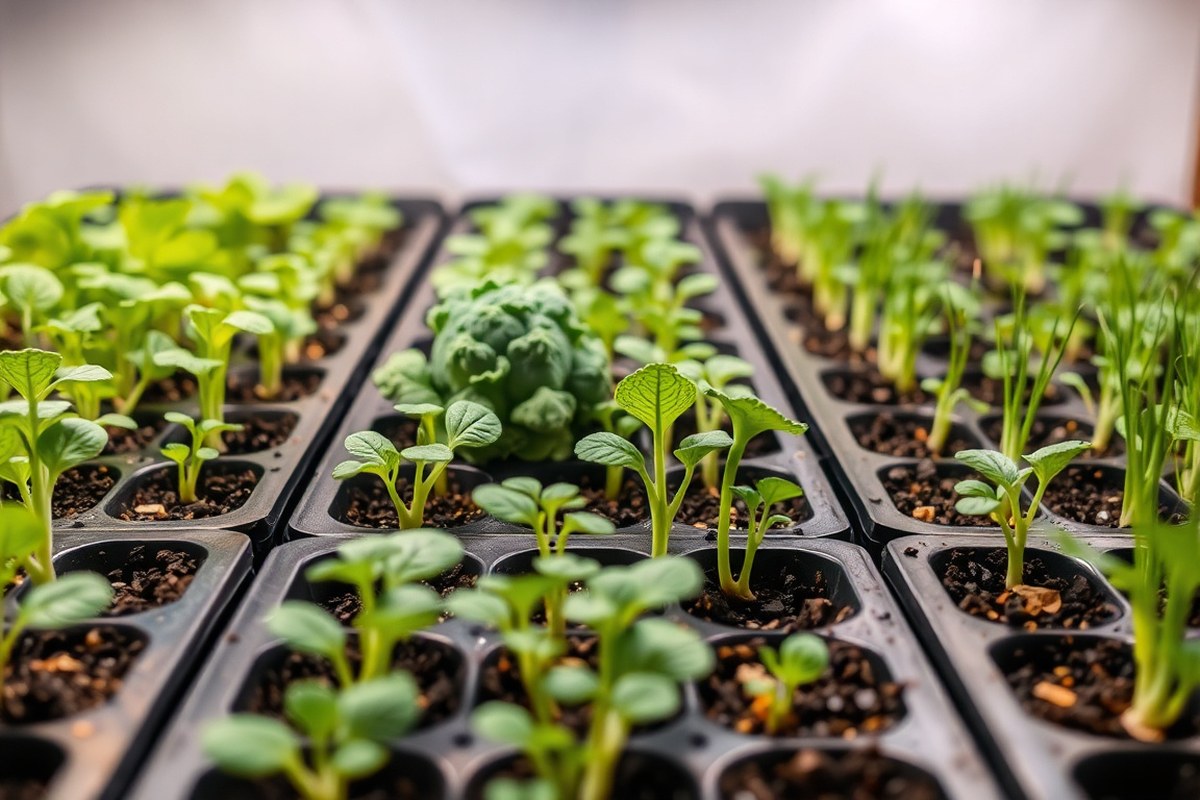
January is best for starting seeds indoors that need a long growing season. Onions, leeks, and celery are great for indoor starting. They take 10 to 14 weeks to grow before transplanting outside.
Choose these if you want a longer indoor seed-starting period. These seeds grow slowly and benefit from extra time under controlled warmth and light.
Starting these vegetables indoors helps you avoid the frozen ground outdoors. Your seedlings get a strong start before the last frost, ensuring earlier harvests. Other slow growers, like celeriac, also fit this early indoor schedule.
- Onions, need long indoor start before May transplant
- Leeks, like onions, need about 12 weeks indoors
- Celery and celeriac, slow to mature, start early indoors
- Larkspur, flowers started indoors for early summer blooms
- Violas, hardy flowers that can start early indoors for spring
- Broccoli and cauliflower, cool-weather vegetables started indoors for transplant
- Tomatoes and peppers, start late January indoors in warm zones
Flowers such as larkspur and violas do well starting indoors now for an early spring garden. These seeds benefit from stable temperatures and indoor light. Broccoli and cauliflower seedlings also thrive indoors, growing in cool conditions before transplanting.
Tomatoes and peppers need warmth and light. So start them indoors if your zone is warm enough, typically in late January.
This early indoor sowing lets you transplant strong plants by late spring. In colder zones, hold off slightly or use heat mats.
How to Use Frost Dates and Climate Zones to Time Seed Starting
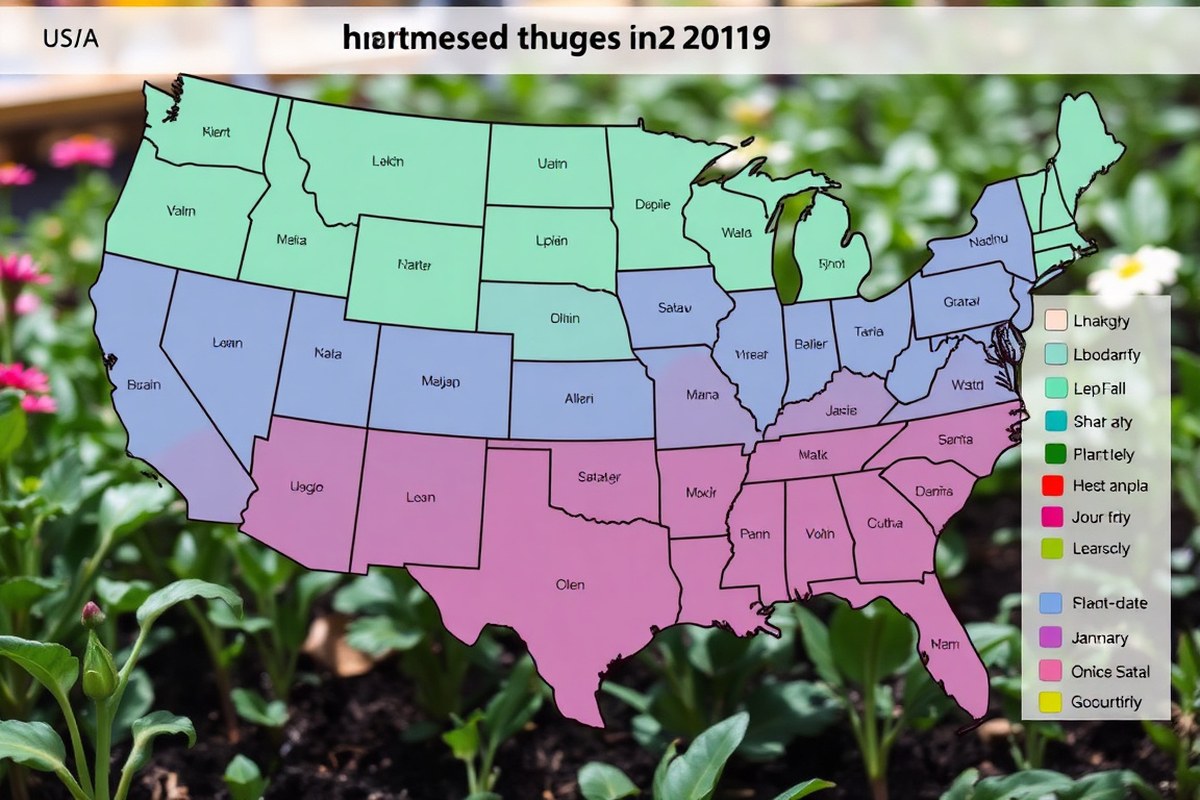
Find your USDA climate zone using online maps from the USDA or local extension offices. Your last frost date varies by zone and nearby city. This date marks the average day when frost stops in spring.
For example, Zone 5 usually has a last frost around mid-April. Zones 6 or 7 might see frost end in early to late April. Knowing this helps you plan when to start seeds safely indoors or outdoors.
Timing seed starting matters because seedlings need time to grow before going outside. Starting too early indoors means leggy, weak plants. Waiting too late means you lose valuable growing time once outdoors.
As a guideline, sow seeds indoors 8 to 10 weeks before your last frost date. This timing gives about two months for seedlings to grow to transplant size.
For instance, if your last frost is April 15, start seeds indoors between early and mid-February. In January, starting some fast-growing crops indoors works best for zones with later frost dates.
January seed starting changes by zone. In zones 5 to 7, you can start cool-season crops like broccoli, kale, and lettuce indoors. These need 4 to 8 weeks before moving outside.
Broccoli seeds need 6 to 8 weeks indoors before moving outside. Transplant them 2 to 4 weeks before the last frost date. This timing helps plants grow strong before outdoor planting.
In colder zones with frozen ground, direct outdoor sowing in January is not practical. Instead, start seeds indoors and transplant after the frost. In mild zones like 9 or 10, you can direct sow early crops.
Do this as soon as the soil is workable, even in January. Hardy crops are better for this early sowing.
Decide between indoor starting and direct sowing by soil and air temperature. Seedlings like spinach or peas often do well sown directly once the ground isn’t frozen. Start indoors any crop needing a long growing period or warmth, such as tomatoes or broccoli.
Transplant seedlings outdoors roughly 4 to 6 weeks before the last frost date. So they can adapt gradually. Keep seedlings warm under grow lights or near a sunny window.
Wait until the weather is safe before moving them outdoors. Harden them off gradually to avoid shock.
Check your last frost date carefully before starting seeds in January. Starting too early or late can stunt plants or delay harvests.
Setting Up an Ideal January Seed-Starting Station
Start with the right setup to help your seeds sprout and grow well indoors in January. Good temperature, light, and moisture control make a big difference. You don’t need a greenhouse, but steady conditions are key for success.
Essential Seed Starting Equipment
You’ll need shallow trays or cell packs to hold your seeds. Use a sterile, light seed-starting mix, not garden soil. This mix drains well and prevents disease.
A humidity dome or plastic cover helps keep moisture in during germination. Once seeds sprout, give them extra light. Natural light is weak in January.
Supplemental light helps the seedlings grow strong. Grow lights attached to a timer work well for this.
Managing Temperature and Humidity
Keep your seed trays in a spot with temperatures between 65 and 85°F. Most seeds germinate best around 70°F. A seedling heat mat can maintain this warmth, especially in cooler rooms.
Maintain humidity by covering trays with a dome or plastic wrap to hold moisture. Remove the cover a little once seedlings emerge to prevent mold and allow fresh air. A small fan can improve air circulation.
Optimizing Grow Light Setup
Place grow lights 2 to 4 inches above your seedlings when they emerge. This keeps plants from getting leggy and weak. Use adjustable light stands or hangers to keep distance right as plants grow.
Set the lights on a timer for 12 to 16 hours a day. This mimics natural daylight and helps seedlings develop strong leaves. Fluorescent or LED grow lights designed for plants work well and use little electricity.
Watering and Moisture Control Tips
Check soil moisture daily. Water when the soil surface feels dry but avoid soggy soil. Overwatering encourages disease and root rot.
Use a spray bottle or bottom-watering method to keep soil evenly moist. Let trays drain well to prevent standing water. Allowing soil to dry slightly between waterings builds stronger roots.
Follow these steps to set up your January seed-starting station and keep it going:
- Choose shallow trays or cell packs with drainage holes.
- Fill trays with sterile seed-starting mix, lightly firming it down.
- Plant seeds at recommended depths per the seed packet instructions.
- Cover the trays with a humidity dome or plastic wrap to keep moisture in.
- Place trays in a warm spot around 70°F; add a heat mat if needed.
- Set grow lights 2 to 4 inches above trays. Run them 12 to 16 hours daily on a timer.
- Remove dome once seeds sprout, then use a small fan for gentle airflow.
- Water carefully when soil surface dries, avoiding overwatering or dryness.
When and What to Direct Sow Outdoors in January
Some cold-tolerant seeds can be sown directly outdoors in January. Cool-season crops like peas, carrots, and radishes handle cold soil well and can start growing early. You need workable soil and protection from frost to keep seedlings safe.
Cold-Hardy Vegetables for Direct Sowing
Vegetables that grow well in cold soil include peas, carrots, turnips, and radishes. These crops usually germinate in soil as low as 40 to 50°F. Root veggies like parsnips and early greens also tolerate chilly conditions.
You can sow these seeds outdoors in January. Make sure the soil is workable first. Here’s a list of common seeds for direct sowing.
- Peas (especially in zones 7 and warmer)
- Carrots
- Radishes
- Turnips
- Parsnips
- Potatoes (if ground is not frozen)
- Sweet peas (for flowers)
Sowing these now gives plants a head start before spring heat arrives. Some flower seeds like delphiniums also benefit from early sowing.
Soil Preparation for January Outdoor Sowing
Soil must be thawed, drained, and workable to sow seeds outdoors in January. Avoid planting if the soil is frozen or waterlogged. Soil temperatures ideally should be at least 40°F for good seed germination.
To prepare soil before sowing, loosen it by turning or raking. You can add compost for nutrition and better structure. Clear debris and break up clumps for even seed contact with soil.
Frost Protection Strategies
New seedlings are vulnerable to frost, so protecting them is important. You can use row covers, cloches, or cold frames to shield plants from freezing temperatures. These covers trap heat and create a more stable microclimate around young plants.
Mulching around seedlings helps reduce soil temperature swings and keep moisture steady. Temporary covers should be removed during sunny days to avoid overheating. Watch forecasts and cover plants again when frost returns.
Zone-Specific Recommendations for Direct Sowing
In USDA Zone 7 and warmer, January soil often thaws enough to sow cold-hardy seeds outside. Peas are popular for direct sowing in these milder winters. In colder zones, soil stays frozen longer and outdoor sowing is usually delayed.
For zones colder than 7, starting seeds indoors or waiting until late winter may be better. Constant soil temperature below 40°F prevents germination. Knowing your local frost dates helps pick the best sowing time for your area.
Germination Requirements and Seed Treatments for January
Soaking and chilling seeds before planting helps a lot with germination in January. Seeds like parsley benefit from soaking for 24 hours.
Many others improve after chilling in the fridge for one to two weeks. This simulates winter and helps seeds break dormancy.
Keeping soil temperatures between 70 and 80°F (21-27°C) speeds up germination. Light also matters. Some seeds, like leeks, wake up faster when sown shallow.
They need light to reach them. This helps them start growing quicker. For low winter light, you may need to boost natural light with a grow light.
Most seeds started in January take two to four weeks to sprout under good conditions. Peas are tough and handle cold weather well.
So you can often plant them directly in cool soil. Using a cold frame can extend your growing season for borderline colder areas.
| Seed Type | Pre-Sowing Treatment | Soil Temperature (°F) | Light Needs | Typical Germination Time |
|---|---|---|---|---|
| Parsley | Soak 24 hours | 70-80 | Light to shallow sowing helps | 2-4 weeks |
| Leeks | Chill 1-2 weeks | 70-80 | Shallow, light-exposed sowing | 3-4 weeks |
| Peas (snap, snow, English) | None needed | Can germinate cooler | Tolerant of low light | 2-3 weeks |
For quicker sprouts, soak tough seeds before chilling. Keep soil moist but not soggy.
Avoid burying fine seeds too deep, especially those needing light to germinate. Using cheap seedling heat mats gives consistent warmth and raises success.
Use a grow light if your indoor light is weak. Put it on a timer. This helps seedlings get enough light during winter nights.
Seed treatments take little effort and inexpensive tools like containers and a fridge. Results show in steady germination without wasted seed. Poor water control or ignoring light sensitivity often causes slow or failed sprouts.
Common Mistakes Starting Seeds in January and How to Fix Them
Starting seeds in January often fails due to a few common mistakes. Problems like overwatering, not enough light, wrong temperatures, and planting seeds too deep each cause trouble. Fixing these issues improves germination and healthy seedling growth.
Overwatering and Poor Drainage
Keeping soil too wet causes seeds and seedlings to rot or get damping off. This disease kills young plants quickly and is common with overwatering.
Use containers with drainage holes. Water only when the top inch of soil feels dry.
Check your seed trays daily. Soil should stay moist but not soggy.
Using a spray bottle lets you control water better than pouring, which reduces flooding risk. Good drainage cuts the chance of root rot and fungal issues.
Insufficient Light and Leggy Growth
Seedlings stretch tall and weak when they don’t get enough light. This leggy look happens if light is too far or weak after seeds sprout. Use a 4-foot LED shop light near your seedlings.
Keep it about 2 inches above. This helps stems grow thick and strong.
Keep lights on for 12, 16 hours a day to mimic spring sunshine. Move seedlings closer to light if they lean or grow unevenly. Without enough light, seedlings waste energy and become fragile, which makes transplanting risky.
Incorrect Temperature and Humidity
Seeds need the right warmth to sprout. Too cold slows germination, while too hot causes leggy seedlings.
Use a seedling heat mat set at 65°F to 75°F. Keep the warmth steady. Adjust the heat for each plant’s needs.
High humidity helps seed germination but can promote fungal problems later. Ventilate seed trays once seedlings appear to lower humidity and toughen plants. Balance temperature and moisture carefully to avoid these common pitfalls.
Seed Quality and Planting Depth Errors
Old or damaged seeds might never sprout no matter the care. Nicking seed coats helps some seeds germinate faster. For example, before planting, gently scrape onion or sweet pea seeds to improve their chances.
Planting too deep stops seedlings from breaking through soil; too shallow causes drying out. Use the rule to plant seeds at a depth twice their size.
Cover big seeds like beans with about 1 inch of soil. For small seeds, press them into moist soil gently.
Transplanting and Hardening Off Seedlings Started in January
Seedlings started in January need careful handling before moving outdoors. Transplant after seedlings have 2 to 3 sets of true leaves. Make sure the outdoor soil temperature is above 50°F (10°C).
Only move plants outside when both conditions are met. This makes sure roots are strong and the soil won’t stunt plant growth.
Hardening off seedlings means slowly exposing them to outdoor conditions. It prepares plants for wind, sun, and cool nights. Without this step, seedlings can wilt, stop growing, or die from shock.
Choose a planting spot that matches seedling needs, such as light and soil type. Avoid areas with heavy wind or southern exposure if new leaves might burn. Well-drained soil keeps roots healthy after transplant.
Here’s how to transplant and harden off your January seedlings:
- Check seedlings have 2, 3 true leaves and temps are above 50°F.
- Move seedlings to a cool spot at 50, 55°F (10, 13°C) indoors for a few days.
- Start hardening off outdoors for 1 hour in a shaded, sheltered spot the first day.
- Increase outdoor time by 1-2 hours daily, adding sun exposure gradually over 7, 10 days.
- Plant seedlings in biodegradable or peat pots directly into warm soil to avoid root disturbance.
- Water seedlings well before and after transplanting, keeping soil moist but not soggy.
- Watch seedlings daily for wilting, yellowing, or pests during the first two weeks.
Using biodegradable pots cuts on transplant shock because roots don’t get disturbed. Hardening lets seedlings build stress resistance. Taking at least a week to adjust reduces leaf burn and wilting.
After transplanting, avoid planting in cold, wet soil or harsh sun. You want steady soil warmth and moisture. For example, transplant on a cloudy day or late afternoon to prevent sun scorch.
Seedlings not hardened off can suffer stunted growth and may die quickly. Keeping an eye on plants each day helps catch problems early. Protect young plants with garden fabric if late cold spells threaten.
Seeds to Avoid Starting in January and Better Alternatives
Warm-season crops like cucumbers, squash, and zucchini grow fast indoors. They don’t handle transplanting well if started in January. Starting them later helps.
They need warmer temperatures and longer daylight to thrive. Starting these seeds too early makes weak, leggy plants.
They struggle once moved outside after the last frost. That slows growth.
Seeds that grow quickly or need steady warmth do better later. Usually, start them in February or March. It helps them thrive.
Tomatoes are a common case. Starting them in January means waiting weeks before planting outside. Starting later is easier.
Instead, give them a head start about six to eight weeks before your last frost date. This helps avoid overly tall seedlings that need pruning or extra light.
Here are seeds you should avoid starting in January and when to start them instead:
- Cucumbers: start indoors 3-4 weeks before last frost
- Squash and zucchini: start indoors 2-4 weeks before last frost
- Tomatoes: start indoors 6-8 weeks before last frost
- Beans and corn: direct sow after last frost outside
- Melons: start indoors 3-4 weeks before last frost
Instead, January suits slow-growing, cool-season, or perennial plants. Herbs like parsley, thyme, and chives benefit from this early start.
Leafy greens such as kale and spinach also do well. They grow steadily and transplant successfully when spring arrives.
You can plan a staggered seed-starting schedule. Begin slow growers and cool-weather plants in January. Wait until February for tomatoes and peppers.
For fast growers that dislike cold, start in March. This lowers transplant shock. This approach keeps your seedlings healthy and ready for planting without crowding your indoor setup.
Starting warm-season crops indoors too early wastes energy and space and stresses seedlings.
Step-by-Step Action Plan for Starting Seeds in January
Follow these steps to start seeds successfully in January and grow healthy seedlings.
- Before January: Choose seeds suited for January and check your frost dates. This ensures you select the right varieties and timing.
- Day 1: Set up your seed-starting station with proper light and warmth. Your seedlings should sprout within the expected germination time.
- Week 1: Sow seeds indoors according to packet instructions. Keep soil moist but not soaked to encourage germination.
- Week 2: Watch for sprouting and adjust light distance to prevent legginess. Seedlings stand upright and have bright leaves when healthy.
- Week 3 to 4: Thin seedlings by snipping the weaker ones at the base. Strong plants get room to grow without competition.
- After 4 weeks: Begin hardening off seedlings before transplanting outdoors. Expose them to outdoor elements gradually over 7 to 10 days.
- When outdoor soil is ready: Transplant seedlings or direct sow hardy seeds outdoors. Survival rates improve with proper timing around frost.
Frequently Asked Questions
Can You Start Flower Seeds in January Without a Greenhouse?
Yes, you can start flower seeds in January without a greenhouse. Use trays, seed-starting mix, a humidity dome, and extra light when sprouts appear for best results.
Is It Too Early to Start Herbs from Seed in January?
It depends on your climate zone. In zones 7 to 10, January is fine for starting herbs indoors. Use a warm spot and light to help seeds germinate.
Should I Soak My Seeds Before Starting Them in January?
Soaking seeds before planting can speed up germination for some varieties. Soak hard seeds like beans or peas before planting.
Use 12 to 24 hours of soak time. This helps improve sprouting success.
How Long Does It Take for January-Started Seeds to Be Ready for Transplant?
January-started seeds like onions or celery take 8 to 14 weeks before transplanting. This timing lets seedlings grow strong before moving outdoors after the last frost.
Can I Start Warm-Season Vegetable Seeds Indoors in January?
Warm-season veggies usually need more heat, so January isn’t ideal. It’s better to wait until late winter or early spring to start these indoors.
What Should I Do If My January Seedlings Grow Leggy?
Leggy seedlings mean they lack light. Move seedlings closer to grow lights or a sunny window.
This helps strengthen stems. It also prevents them from growing spindly.
The Bottom Line
Starting seeds in January sets you up for an early and successful garden season. Focus on seed choice, station setup, and timing to improve results. Pick one seed to start today and watch it grow well indoors.