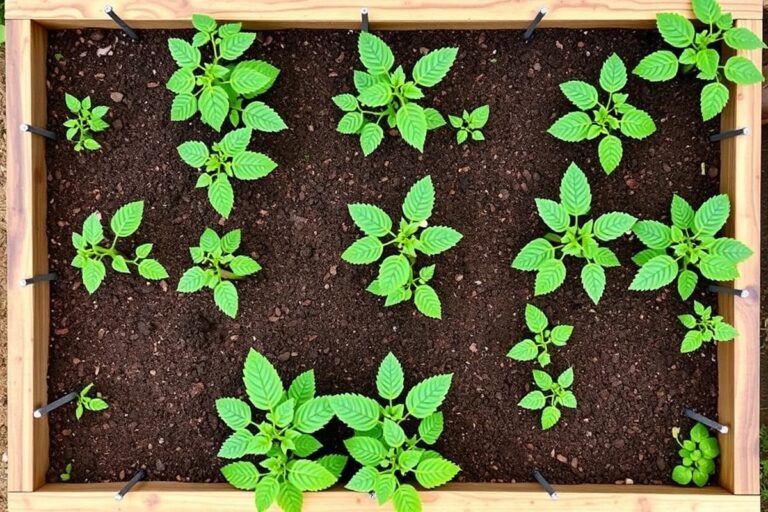
What Is a Low Nitrogen Fertilizer? Complete Guide to Benefits & Types
What is a low nitrogen fertilizer? It is a fertilizer with less nitrogen than other nutrients. Usually, its nitrogen content is about 2 to 5 percent.
Phosphorus and potassium are higher. This balance supports plants without encouraging too much leafy growth.
Low nitrogen fertilizer works well for plants that need strong roots or flowers, not lush leaves. You can find numbers like 5-10-10 on the package.
The first number shows how much nitrogen is in it. When nitrogen is the smallest number, the fertilizer has low nitrogen.
Start by checking your soil or plant needs before using these fertilizers. Avoid using too much nitrogen if your plants don’t need it. This helps prevent weak stems, pest problems, and environmental harm from excess nitrogen runoff.
Key Takeaways
- Low nitrogen fertilizers typically have 2, 5% nitrogen with higher phosphorus and potassium.
- Look for fertilizer labels where the first number is the smallest part.
- Use low nitrogen fertilizers to promote root and flower growth, not leaf growth.
- Test your soil to know if it needs less nitrogen before fertilizing.
- Avoid overusing nitrogen to prevent weak stems and pest issues.
- Phosphorus helps root growth, while potassium supports overall plant health.
What Defines a Low Nitrogen Fertilizer and How to Recognize It

Low nitrogen fertilizer means it has less nitrogen compared to other fertilizers. You spot it by checking the nutrient ratio on the package. These are called the N-P-K numbers.
They show the fertilizer’s main nutrients. Nitrogen comes first. A low nitrogen fertilizer shows a small first number.
This number is often between 2 and 5 percent. It tells you how much nitrogen it has.
A fertilizer labeled 5-10-10 means it has 5 percent nitrogen. It also has 10 percent phosphorus and 10 percent potassium. These are the three main nutrients.
This shows nitrogen is the smallest part, making it a low nitrogen fertilizer. In contrast, a standard fertilizer might say 30-0-4, meaning 30 percent nitrogen, which is much higher.
Check the fertilizer label for three numbers separated by dashes. These numbers represent nitrogen, phosphorus, and potassium. Low nitrogen fertilizer has a smaller first number, often less than 10 percent.
Some products may also say “low nitrogen” directly on their label. Organic options like bone meal tend to have very little nitrogen, too. Low nitrogen fertilizers usually have more phosphorus and potassium.
These nutrients often range between 5 and 10 percent. They help support different plant needs.
Check the label carefully because nitrogen levels affect plant growth differently. Using fertilizer with the right nitrogen balance prevents common problems. Too much nitrogen causes leafy growth, while too little leads to weak roots.
Balance keeps plants healthy. Knowing how to read fertilizer labels helps you pick the best product.
It matches your garden’s nutrient needs. This way, your plants grow better.
How Nitrogen Differs from Phosphorus and Potassium in Plant Growth

How Nitrogen Supports Leaf and Stem Growth
Nitrogen helps plants grow lush green leaves and strong stems. It’s a key part of chlorophyll, the molecule that lets plants turn sunlight into energy. Without enough nitrogen, leaves turn yellow and growth slows down noticeably.
When nitrogen is plentiful, plants produce more leaf tissue. This helps them capture sunlight better and boost growth. Too much nitrogen makes lots of leaves grow quickly.
Roots stay weak, and flowers or fruits grow less. This imbalance causes poor plant health overall.
Phosphorus Fuels Root and Flower Development
Phosphorus contributes differently from nitrogen by focusing on roots, flowers, and fruits. It helps roots grow deep and strong, so plants absorb water and nutrients better. Phosphorus also supports flower production and seed formation.
Phosphorus deficiency shows up as stunted growth or dark bluish-green leaves. Plants with enough phosphorus develop sturdy roots and bloom well. A fertilizer low in nitrogen but higher in phosphorus encourages these effects without excess leaf growth.
Potassium Strengthens Overall Plant Health
Potassium works as a regulator for many plant functions, like water use and disease resistance. It improves a plant’s ability to handle stress from heat, drought, or pests. Potassium also helps transport nutrients and sugars throughout the plant.
Plants low in potassium often have brown scorching or yellow leaf edges. Using a fertilizer with more potassium and less nitrogen supports hardier plants. This balance promotes healthy fruit and flower production and stronger stalks.
Why Nitrogen Levels Matter in Fertilizers
Nitrogen levels in fertilizer determine how a plant balances leaf growth with root and flower development. High nitrogen fertilizers provide fast green growth but can reduce blooming and root strength. Low nitrogen blends supply more phosphorus and potassium to support other parts.
For example, 5-10-10 fertilizer has 5% nitrogen. It also has twice that amount of phosphorus and potassium. These numbers show nutrient percentages in the mix.
It gives plants enough nitrogen to stay healthy but prioritizes roots and flowers. This keeps plants from growing too leafy or weak.
How to Match Fertilizer to Plant Needs
Use low nitrogen fertilizers when plants need more root or flower support than leaf growth. Perennial plants and flowering shrubs benefit from less nitrogen and more potassium and phosphorus. Lawn grasses may also need low nitrogen fertilizers with more phosphorus and potassium to stay healthy.
If soil has enough nitrogen, use fertilizer with 0-1-2 ratio. This adds phosphorus and potassium for steady plant growth. It supports healthy roots and blooms.
Choose the right mix by watching plant symptoms like leaf color, growth rate, and flowering. Adjust fertilizer based on these clues to keep your garden balanced.
Too much nitrogen can make plants grow leaves but produce few flowers or fruits. So match your fertilizer to the plant’s growth stage and needs.
When and Why to Use Low Nitrogen Fertilizer for Best Plant Health
Use low nitrogen fertilizer when plants enter flowering or fruiting stages. At these times, they need less nitrogen because excess nitrogen spurs too much leaf growth. This growth can crowd flowers or reduce fruit size and flavor.
Some plants naturally do better with less nitrogen in their fertilizer. Tomatoes, peppers, and melons do well with low nitrogen fertilizer. This helps them as they start to set fruit.
Too much nitrogen can delay fruiting. Flowering plants like petunias and geraniums grow better with less nitrogen.
This keeps their blooms bright and stems short. Too much nitrogen can make them leggy.
You can also use low nitrogen fertilizer early in growth when roots need to develop gently. Too much nitrogen then can cause weak, leggy seedlings. During drought or heat stress, use a nutrient mix with less nitrogen.
This helps plants recover without growing too many leaves. Balanced nutrients support stronger overall health.
- Flowering or fruiting phase of vegetables and fruit plants
- Woody plants and shrubs during bloom
- Container-grown flowering plants needing compact growth
- Herbs and small perennials focused on flower production
- Early root development stages to avoid leggy seedlings
- Stress periods such as heat or drought with moderate feeding
- Gardens mulched heavily where microbial health is a concern
Lower nitrogen limits leafy growth, letting plants put more energy into flowers and fruits. This also reduces the risk of nitrogen burn and improves soil health over time.
Using slow-release, low nitrogen formulas works well in containers and mulched beds. They feed plants steadily without flooding them with nitrogen.
Don’t eliminate nitrogen completely from your fertilizer. Use a balanced or low nitrogen mix to improve flowering. This encourages better blooms without excess leaf growth.
It keeps plants healthy and productive by matching their nutrient needs during key growth stages. Watch your plants’ growth and adjust your fertilizing schedule as blooms appear and fruit sets.
How to Decide If Your Soil Needs Low Nitrogen Fertilizer
Test your soil before adding fertilizer to know what it needs. Use a basic soil test from a local extension office or lab. This test shows nitrogen levels and other nutrients like phosphorus and potassium.
Look for nitrate levels in parts per million (ppm). Normal nitrogen levels are around 40 ppm before planting. If your soil has higher nitrogen levels than this, a low nitrogen fertilizer is a better choice to avoid over-fertilizing.
Apply fertilizer in split doses to keep nitrogen steady. Adding all at once can cause leaching and waste nutrients. Split the total amount into two or three smaller applications during the growing season.
- Collect soil samples from multiple spots in your garden
- Send samples to a trusted lab for analysis, costing $15 to $50
- Check nitrogen levels and compare them to crop needs
- Use low nitrogen fertilizer if nitrate is above the crop’s sufficiency
- Adjust based on previous crops and soil type for best results
A soil test helps prevent excess nitrogen that causes too much leaf growth. This can hurt flowers and fruit and reduce soil health. Avoid low nitrogen fertilizer if the test shows your soil is deficient in nitrogen instead.
Test again every year or two to track changes. Soil conditions change with weather, crops, and amendments. Keep your fertilizing balanced to support healthy plants and protect the environment.
Common Types of Low Nitrogen Fertilizers and Their Compositions
Low nitrogen fertilizers typically have nitrogen content below 10% or none at all. These include organic options like compost and seaweed extracts, plus synthetic ones such as bloom boosters. Some fertilizers contain zero nitrogen, useful for plants needing only phosphorus and potassium.
Organic Low Nitrogen Fertilizers
Organic low nitrogen fertilizers release nutrients slowly while improving soil health. Compost is a popular choice, often containing around 1-2% nitrogen. Seaweed extracts also provide minimal nitrogen but add trace minerals that support plant growth.
These organic types boost soil structure and help beneficial microbes thrive. They are ideal for gardeners who want gradual feeding without risking nitrogen burn. Using organic fertilizers also supports sustainable gardening practices.
Synthetic Low Nitrogen Fertilizers
Synthetic low nitrogen fertilizers deliver nutrients more quickly and predictably. Bloom boosters, for example, usually have low nitrogen and high phosphorus and potassium. A common bloom booster might have an N-P-K ratio like 0-52-34 or 3-12-12.
These options suit plants that need flowers and fruit without extra leaf growth. Their effects are faster than organic fertilizers but don’t improve soil structure. Use synthetic low nitrogen formulas when quick nutrient availability is important.
Zero Nitrogen Fertilizer Options
Some fertilizers contain zero nitrogen and focus solely on phosphorus and potassium. These often come with N-P-K ratios like 0-20-20 or 0-46-0. They support root development, flowering, and fruiting without adding nitrogen.
Soil amendments like rock phosphate and potassium sulfate also have no nitrogen. These work best when nitrogen levels in soil are already adequate. Avoid zero nitrogen fertilizers if leaf growth needs a boost.
| Fertilizer Type | Example | N-P-K Ratio | Notes |
|---|---|---|---|
| Organic low nitrogen | Compost | ~1-2-1 | Slow nutrient release, improves soil |
| Organic low nitrogen | Seaweed extract | ~0-0-1 | Trace minerals, minimal nitrogen |
| Synthetic low nitrogen | Bloom booster | 0-52-34 | Boosts flowers and fruit fast |
| Synthetic low nitrogen | Low-N balanced | 3-12-12 | Quick nutrient availability |
| Zero nitrogen | Rock phosphate | 0-20-0 | Phosphorus source, no N or K |
| Zero nitrogen | Potassium sulfate | 0-0-50 | High potassium, no nitrogen |
This table shows some of the most common low nitrogen fertilizers. Use the N-P-K ratio to quickly spot nitrogen levels in your fertilizer. Always check the label so you can match fertilizer type to plant needs.
Keep nitrogen levels low to avoid excess leaf growth in flowering plants.
Environmental and Biological Benefits of Using Low Nitrogen Fertilizers
Using low nitrogen fertilizers helps keep your soil healthy by preserving beneficial microbes. Excess nitrogen can acidify the soil and break down organic matter too quickly.
Matching fertilizer nitrogen to your crop’s needs prevents problems. It also supports natural soil biology.
Low nitrogen also reduces pollution from runoff. Too much nitrogen often washes into nearby water bodies, causing algae blooms and harming aquatic life.
Applying smaller, precise nitrogen amounts lowers runoff risk. This is important near streams or ponds.
These fertilizers can prevent pest and disease problems by maintaining plant balance. High nitrogen often causes lush, soft growth that pests prefer. Low nitrogen encourages steady, strong growth that plants naturally resist pests and diseases better.
For sandy soils with high rainfall, use low nitrogen fertilizer. Apply it in smaller, frequent doses to prevent nutrient loss. Clay soils with less rainfall do better with a moderate, single dose without overwatering.
Your soil’s organic matter can reduce nitrogen needs. Natural nutrients already help plant growth.
Pairing low nitrogen fertilizer with organic amendments boosts soil life in poor soils. Organic matter feeds beneficial microbes that protect roots and improve nutrient uptake. Applying fertilizer just before a rain can help nutrients soak in and reduce wash-off.
Precision agriculture tools, like GPS-guided application, can give you better control over nitrogen use. These methods reduce fertilizer waste by about 20%. Combined with cover cropping and integrated pest management, they help keep your garden eco-friendly and productive.
Low nitrogen fertilizers suit gardens with fertile soil. They provide enough nutrients without hurting natural soil defenses or causing growth imbalances.
This careful method lowers pesticide use. It helps your garden stay balanced, healthy, and sustainable.
How to Apply Low Nitrogen Fertilizer Effectively for Best Results
Low nitrogen fertilizers take about two to four weeks to start showing effects. Applying them the right way helps plants absorb nutrients without burning leaves. Proper timing and amounts are key for good results.
Applying to Garden Beds and Lawns
Spread fertilizer evenly over soil or lawn surfaces for steady nutrient uptake. Avoid dumping too much in one spot to prevent plant stress or run-off. Moist soil helps fertilizer dissolve and reach roots efficiently.
Here’s how to apply low nitrogen fertilizer to garden beds and lawns:
- Test soil to confirm nitrogen levels and nutrient needs.
- Choose a low nitrogen fertilizer with balanced phosphorus and potassium.
- Clear debris and lightly till soil to improve absorption.
- Evenly sprinkle fertilizer at recommended rates, usually one to two pounds per 100 square feet.
- Water soil gently to help nutrients soak in without washing away.
- Repeat application every six to eight weeks during growing season.
Using in Container and Indoor Plants
Low nitrogen fertilizers work well for container and indoor plants because they reduce overdose risk. Liquid or slow-release forms offer control and reduce buildup in small soils. Avoid adding fertilizer when plants are dormant.
Mix liquid fertilizer according to label instructions, often one tablespoon per gallon of water. Apply nutrient solution every two to four weeks once the plant shows active growth. Check drainage regularly to prevent salt buildup and root damage.
Choosing Application Timing and Frequency
Apply low nitrogen fertilizers during active plant growth phases, like spring and early summer. Avoid heavy feeding in late fall to reduce nutrient loss and environmental harm. Timing varies depending on plant species and weather conditions.
Repeat fertilizer applications every six to eight weeks for slow-release types. For liquid fertilizers, apply every two to four weeks. This keeps plants nourished well.
It also prevents excess nitrogen risks. Adjust frequency if leaf yellowing or slow growth appears.
Common Mistakes to Avoid with Low Nitrogen Fertilizers
Using low nitrogen fertilizer means avoiding excess nitrogen, which can harm plants. Too much nitrogen causes lush leaves but fewer flowers and fruits. This happens because nitrogen pushes leafy growth instead of blooms or roots.
Another common mistake is choosing the wrong fertilizer type for your soil. A soil test showing low nitrogen but high phosphorus means you need a nitrogen-only supplement.
Avoid using a low nitrogen mix in this case. Low nitrogen fertilizers work best when your soil already has enough nitrogen.
Cost differences also matter. Low nitrogen fertilizers often cost slightly more per pound than high nitrogen types. You pay for a balanced nutrient boost instead of a quick nitrogen spike.
This extra cost pays off for flowering plants or root vegetables. These crops need good blooms or strong roots. Spending more helps where those grow best.
- Overapply low nitrogen fertilizer: Apply the recommended amount based on label instructions.
- Skip soil testing: Test soil to check nitrogen levels before choosing fertilizer.
- Use low nitrogen on nitrogen-poor soil: Instead, select nitrogen-only or balanced fertilizer.
- Ignore plant stage: Apply low nitrogen during flowering or fruiting phases only.
- Expect fast green growth with low nitrogen: It promotes roots and blooms, not leafy growth.
Applying too much low nitrogen fertilizer still risks nutrient buildup and encourages pests. Using less but timed well, like before flowering, helps plants thrive.
Pay attention to the fertilizer’s N-P-K ratio for best results. A ratio like 5-10-10 supports blooms better than 10-5-5.
Only apply low nitrogen fertilizer after confirming your soil has enough nitrogen. Too little nitrogen stunts plant growth and yields.
Step-by-Step Action Plan for Using Low Nitrogen Fertilizer
Follow these steps to use low nitrogen fertilizer correctly and see healthy plant growth.
- Before planting: Test your soil to check nitrogen levels. Low nitrogen means you’re ready for low nitrogen fertilizer.
- Week 1: Choose the right low nitrogen fertilizer based on your test results. Read the label to confirm low nitrogen content.
- Week 2: Apply the fertilizer evenly around the base of your plants. Use the recommended amount on the label for your plant type.
- Week 4: Water your plants well after fertilizing to help nutrients soak in. Check that the soil stays moist but not soggy.
- Month 2: Observe your plants for healthy leaf color and steady growth. Fewer yellow leaves usually mean the nitrogen level is good.
- Month 3: Repeat soil testing to monitor nitrogen. Adjust fertilizer type or amount if necessary based on new results.
- Ongoing: Avoid overusing fertilizer as too much may harm plants. Stick to a feeding schedule that suits your soil and plant needs.
Frequently Asked Questions
What Plants Benefit Most from Low Nitrogen Fertilizer?
Plants that focus on blooming or fruiting do best with low nitrogen. This type of fertilizer encourages less leafy growth.
It helps plants put energy into flowers and fruits. It helps these plants avoid excess leaf growth and encourages fruit or flower production.
Can Low Nitrogen Fertilizer Improve Soil Quality over Time?
Yes, it can improve soil quality by preventing nitrogen build-up and reducing nutrient imbalance. This helps maintain healthier and more balanced soil conditions for long-term plant growth.
Does Low Nitrogen Fertilizer Affect Pests or Diseases?
Low nitrogen fertilizers can reduce pest and disease problems by preventing overly lush growth. Excess nitrogen often attracts pests or promotes diseases, so less nitrogen reduces these risks.
Can You Mix Low Nitrogen Fertilizer with Other Fertilizers Safely?
You can mix it with other fertilizers, but check nutrient ratios to avoid overfeeding. Mixing allows you to tailor nutrients better for your specific plants and soil.
How Often Should Low Nitrogen Fertilizer Be Applied?
Application frequency depends on plant needs but usually ranges from every 4 to 8 weeks. Regular soil testing guides the best schedule to avoid excess nitrogen accumulation.
Is Low Nitrogen Fertilizer Suitable for Vegetable Gardens?
Yes, it suits vegetable gardens with plants that don’t need high nitrogen levels, like root crops. It supports balanced growth without causing leafy plants to overshadow others.
Wrapping Up
Low nitrogen fertilizer helps plants grow strong without excess leafy growth. Start by testing your soil to pick the right product. Applying low nitrogen fertilizer carefully will keep your garden healthy and balanced.