Is 30 Percent Humidity Good? What Actually Works for Home Comfort
Is 30 percent humidity good for your home? The short answer is yes, but only under certain conditions. Most experts say indoor humidity should stay between 30 and 50 percent.
This range helps keep you comfortable. It also supports good health.
Thirty percent humidity is often fine during cold winters. Lower humidity prevents condensation on windows and reduces mold risk. Just watch that it doesn’t drop too low, which can cause dry skin and irritation.
Using a hygrometer helps you keep track of your home’s humidity levels accurately. Aim for about 40 to 50 percent in living spaces during milder seasons. That range balances comfort while protecting your home from moisture problems.
Key Takeaways
- Keep indoor humidity between 30 and 50 percent for comfort and health.
- Lower humidity near 30 percent helps prevent window condensation in winter.
- Humidity below 30 percent may cause dry skin and irritation.
- Use an inexpensive hygrometer to monitor indoor humidity levels.
- Target 40 to 50 percent humidity in living spaces during mild seasons.
- Watch for readings above 55 percent, especially in basements and bathrooms.
Is 30 Percent Humidity Good for Your Home?
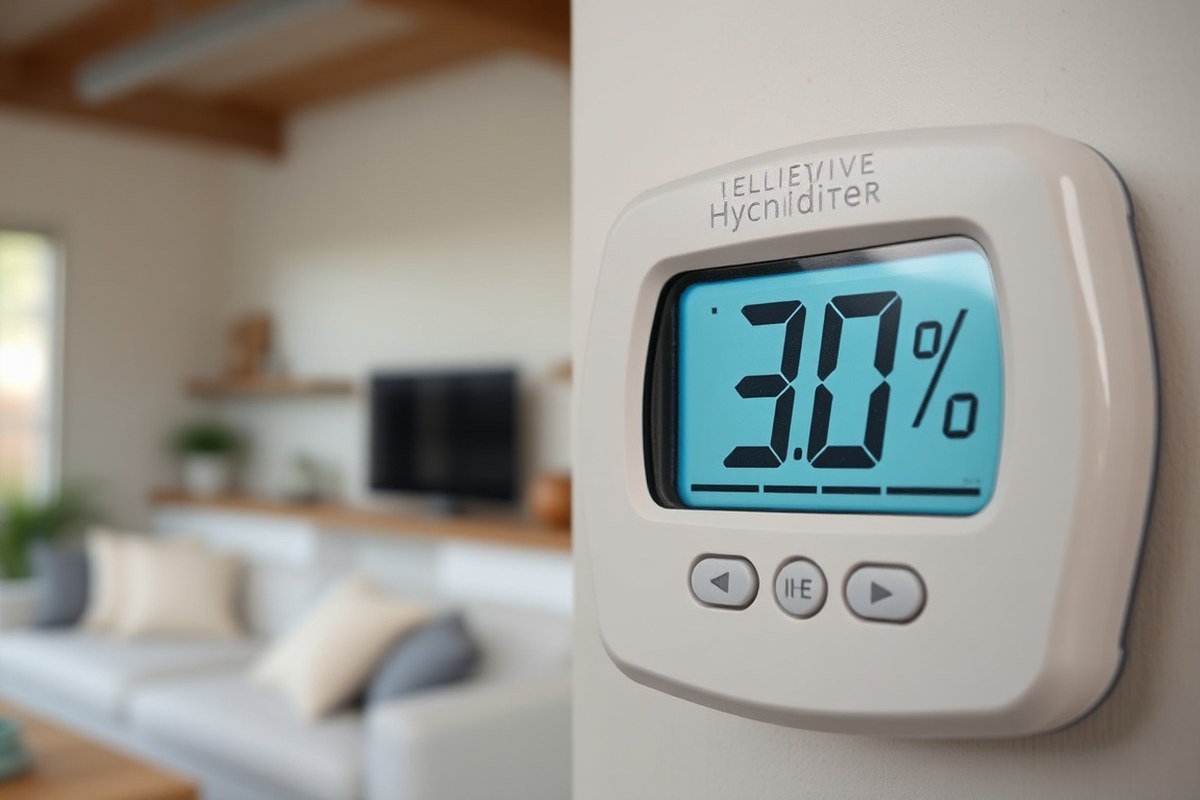
Thirty percent humidity indoors is on the low side but still within the acceptable range. The best indoor humidity level usually sits between 30% and 50%, according to the EPA. Staying below 60% is important to avoid mold and moisture problems.
At 30% humidity, the air feels dry. You might notice dry skin, static electricity, or cracking wood. Below 30%, these problems get worse.
Wood can shrink, and your nose or throat might feel irritated. This is common in winter or very dry climates.
When humidity rises above 30%, up to 50%, you get a better balance. This range helps your skin stay hydrated and protects wooden furniture from damage.
The air feels comfortable, and risks of mold or dust mites remain low. Most homes aim for 40% to 50% for the best comfort.
Humidity above 60% can cause several problems in your home. Walls and windows may sweat or get condensation.
Mold and mildew find it easier to grow, and dust mites multiply. This can cause allergies or damage to your home’s structure.
The 30 to 50% range is recommended because it avoids problems on both ends. Too dry air causes discomfort and damage. Too much moisture encourages mold and pests.
Use a hygrometer to check your home’s humidity level. They cost about $10 to $30. Tracking humidity helps keep air comfortable.
Seasonal changes also matter. In cold weather, keep humidity around 30% or lower. This stops window condensation.
In warmer months, allowing humidity closer to 50% helps keep the air comfortable. Adjusting your humidifier or dehumidifier accordingly keeps your home healthy and pleasant.
Why Maintaining 30–50% Humidity Is Important

Indoor relative humidity between 30 and 50 percent offers a good balance for comfort and health. This range stops the air from feeling too dry or too damp. It also keeps mold growth, dust mites, and other allergens from becoming a problem.
Humidity below 30 percent makes air dry. That can irritate your skin, sinuses, and eyes. Dry air also causes static electricity and may damage wood furniture or flooring.
When humidity falls this low in winter, you may cough more. You might also sneeze more in your home. Dry air can cause this discomfort.
On the other side, humidity above 50 percent starts causing trouble with moisture buildup. According to the EPA, mold begins to grow when it rises past 60 percent.
Mold hides behind walls, under cabinets, and near windows where condensation forms on cool surfaces. Dust mites also thrive in higher humidity, raising allergy risks and lowering indoor air quality.
Managing indoor humidity means taking steps to avoid extremes. Use a humidifier if your home’s dry air drops below 30 percent, especially in winter.
Run a dehumidifier or improve ventilation if humidity climbs close to or over 50 percent. This is common in basements or bathrooms without proper airflow.
Checking humidity regularly with a hygrometer helps you react before problems grow. Adjusting your home’s heating or cooling systems can also balance moisture naturally. Seasonal changes might help control your home’s humidity.
Use a humidifier in winter to add moisture. A dehumidifier in summer can remove excess moisture.
Keep humidity under 60% to prevent mold growth. Stay above 30% to avoid dry air irritation.
This 30 to 50 percent range supports a healthy indoor space while protecting your home’s materials. It improves comfort, reduces allergens, and controls moisture so you won’t have condensation or rot.
Most homes can maintain this balance with simple tools and routine checks. The goal is steady, moderate humidity for better living indoors.
How to Measure and Interpret Indoor Humidity Levels
Use a hygrometer to measure indoor humidity accurately and interpret its readings easily. These small devices show your home’s relative humidity (RH) as a percentage. This helps you keep humidity healthy.
Aim for 30% to 50%. It feels better and stops mold growth.
Choosing the Right Hygrometer Type
Hygrometers come in digital and analog types, both affordable and reliable for home use. Basic digital models with clear displays cost about $10 to $15, enough for most homeowners. Analog meters usually cost more and are less precise but still usable if calibrated correctly.
Choose a digital hygrometer with a temperature sensor. It gives a clear picture. You get a better idea of your home’s air.
Some models combine humidity and temperature in one display, which helps you understand indoor comfort better. Prices can range from $10 up to $50 for more advanced or multi-room devices.
Proper Placement for Accurate Readings
Place your hygrometer in the main living areas away from windows, vents, or direct sunlight. Avoid kitchens and bathrooms since steam and cooking can spike humidity readings temporarily. Keep it about 3 to 5 feet above the floor, roughly at standing or sitting height.
Let the device sit in place for several hours before making a reading. This lets the meter adjust to the room’s typical humidity, avoiding sudden spikes or drops. Moving the hygrometer from room to room can give false or inconsistent numbers.
How to Read and React to Humidity Data
Check the hygrometer daily or when you notice discomfort like dry skin or damp smells. Ideally, humidity should stay between 30% and 50%, staying below 60% to prevent mold growth. Readings above 50% need quick action.
Try ventilation or a dehumidifier. These lower moisture fast.
Humidity below 30% means dry air. This often happens in winter. Use a humidifier to add moisture and feel better.
Surface humidity near windows or walls can be higher. Even if the meter reads 45% in the room center.
Check these spots for wetness. Use the readings as a general guide rather than absolute values.
Follow these steps to measure indoor humidity accurately with a hygrometer:
- Buy a digital hygrometer in the $10 to $15 range for good accuracy.
- Place the device in a frequently used room away from moisture sources.
- Keep it at about 3 to 5 feet off the floor to match breathing level.
- Wait at least 4 hours for the meter to stabilize before reading.
- Read the displayed percentage and note if it’s between 30% and 50%.
- Check the meter daily or weekly, especially during seasonal changes.
- Adjust humidity with humidifiers or dehumidifiers if outside the ideal range.
- Keep the device clean and recalibrate or replace it if readings seem off.
Seasonal and Room-by-Room Humidity Variations
Indoor humidity naturally changes with the seasons. Winter air often feels dry and drops humidity below 30%. Low humidity can crack wood in your home.
It can also dry out your sinuses and make breathing uncomfortable. Summer often raises humidity above 50%, which may cause mold and discomfort.
Different rooms in your home also need different humidity levels. Kitchens and bathrooms usually run more moist.
So keeping humidity a bit lower there helps prevent mold and mildew. Living spaces and bedrooms can stay more comfortable with humidity closer to 45%.
Checking humidity often with a hygrometer helps you catch changes early. Using a humidifier in winter can add moisture.
A dehumidifier in summer takes out extra dampness. Opening windows for ventilation works well in mild weather but may cause spikes or dips.
The following table compares recommended indoor humidity levels by room and season. It helps you balance comfort, health, and furniture care all year.
| Room | Winter Humidity (%) | Summer Humidity (%) |
|---|---|---|
| Living Room/Bedroom | 35, 45 | 40, 50 |
| Kitchen | 30, 40 | 30, 45 |
| Bathroom | 30, 40 | 35, 50 |
| Basement | 30, 40 | 35, 50 |
Keeping your home humidity between 35% and 55% year-round protects wood floors, books, and instruments. Set your humidifier or dehumidifier to about 40% in winter. In summer, aim for around 45% humidity in most rooms.
This keeps your home comfortable and healthy year-round. Watch for overcorrection, which leads to discomfort or damage.
Arizona homes, for example, may need humidifiers in winter and dehumidifiers in summer because of swings. Good ventilation and sealing leaks also prevent humidity problems. Changing your approach by season keeps the air just right, not too dry or too damp.
When and How to Use Humidifiers and Dehumidifiers
Use a humidifier to add moisture when indoor air feels dry, especially below 30% humidity. Switch to a dehumidifier if humidity rises above 50%, leading to dampness or condensation. Both devices can help keep your home comfortable and healthy when used right.
Signs You Need a Humidifier or Dehumidifier
Your skin, eyes, or throat may feel dry. You might notice static electricity too. Low humidity usually causes these problems.
A humidifier can help raise moisture levels to about 30, 50% for comfort. You need a dehumidifier if you see water on windows.
Musty smells also call for one. Mold spots are another sign.
High humidity often causes sticky air and worsens dust mite or mold problems. Your home stays above 50% humidity often.
A dehumidifier helps stabilize the air. This prevents those problems from growing.
Setting and Monitoring Your Device
Choose a properly sized humidifier or dehumidifier for the room. The package states the maximum square footage it covers.
This helps you pick the right size. For example, a 500 sq ft room needs a device rated for at least that size.
Set your device to keep humidity between 30% and 50%. Change settings if you see window condensation. Keep checking the levels often.
Use a digital hygrometer nearby to watch humidity changes. Let the device run continuously during dry or damp spells for steady results.
Avoiding Overcorrection and Fluctuations
Humidity changes slowly and may take several hours to stabilize after turning a device on. Expect fluctuations when cooking, showering, or during weather shifts. Don’t run your humidifier or dehumidifier at full power long.
This stops big swings or damp areas. Use medium settings to avoid problems.
Open interior doors to help air circulation. Lower heating slightly in winter to reduce dry air. Readings jump a lot or you see condensation.
Lower humidity a few points. Watch the levels closely after that.
Don’t let a humidifier run nonstop in winter. Check for damp surfaces to stop mold growth.
- Check your home’s humidity with a reliable hygrometer.
- Decide if humidity is too low (below 30%) or too high (above 50%).
- Buy a device sized for your room’s square footage.
- Place the device away from walls and vents for better airflow.
- Set humidity control within 30-50% range to avoid extreme dryness or dampness.
- Run the device during dry or humid periods; check progress every few hours.
- Adjust settings if windows show condensation or air feels too dry.
- Keep doors open between rooms for balanced humidity throughout your home.
Common Signs and Risks of Low or High Humidity
Low indoor humidity often shows up as dry, itchy skin or irritated eyes. You might notice static electricity zapping you more than usual. Wood flooring may start to crack.
Doors or window frames might shrink after a while. Keeping humidity a bit above 30% protects wood furniture.
It also helps prevent damage to floors. This keeps your home more comfortable.
High humidity above 60% causes very different issues. You could feel sticky or overheated, even if the temperature is cool. Look for peeling paint on walls, warped wood floors, and condensation forming on windows.
High moisture causes signs like musty smells or condensation. These lead to mold growth or dust mite problems. Both can harm your health and home.
- Dry skin, chapped lips, or irritated sinuses
- Static shocks when touching metal or electronics
- Cracks or splits in wood floors and furniture
- Condensation on windows or walls
- Musty odors or visible mold growth
- Peeling paint or wallpaper
- Feeling overly warm or sticky indoors
For quick relief from dry air, try using a room humidifier set to around 35%. Applying moisturizers and drinking water also helps your body handle dryness better. To reduce high humidity, use air conditioning or a dehumidifier.
Focus on bathrooms or basements where moisture collects. This cuts down mold and dust mites.
Keeping humidity near 30% in winter is fine if you live somewhere cold. It protects your respiratory system without causing condensation. Still, aim for 35% to 55% if your main concern is wood furniture and flooring.
Use an affordable hygrometer to measure your home’s humidity. It helps you spot high or low moisture early. This prevents costly repairs or health issues.
How Climate and Geography Affect Ideal Indoor Humidity
Local climate plays a big role in setting indoor humidity targets. Cold climates have dry air in winter because cold air holds less moisture.
Heating systems lower indoor humidity even more. So you often need a humidifier to reach 30 to 50 percent humidity during those months.
Hot and humid climates need the opposite approach. Humidity often climbs above 50 percent, which can cause mold.
A dehumidifier helps pull excess moisture out to keep indoor levels comfortable and safe. You might aim closer to 40 percent to avoid sticky feelings and condensation on surfaces.
Dry climates like deserts usually have very low outdoor humidity year-round. Your indoor air can feel dry and uncomfortable, especially in winter.
Running a humidifier to maintain around 40 to 50 percent prevents dry skin and static shocks. Avoid going below 30 percent, as that causes damage to wood and fabrics.
Adjusting your humidity targets depends on season, too. In cold zones, aim for 30 to 40 percent humidity in winter. This helps stop window fog and wall dampness.
Lower humidity prevents condensation problems. When it warms up, you can tolerate 40 to 50 percent without mold risks. In humid zones, keep an eye on outdoor moisture.
When humidity spikes, bring it down closer to 30 percent. This reduces mold risk and dust mite growth. Keep it low for healthier air.
Maintaining the right humidity costs little but takes monitoring. A digital hygrometer shows your indoor levels precisely. Humidifiers range from $30 for small models to $300 for whole-house systems.
Dehumidifiers start around $150. Controlling humidity keeps your home comfortable.
Wood, leather, and fabrics last longest at 30 to 50 percent. This range protects your belongings well.
Failing to adjust for climate can cause problems. Over-humidifying in cold zones leads to window condensation and mold. Too dry in hot areas makes air uncomfortable and can damage belongings.
Adjust indoor humidity based on your area and season. It keeps your home healthy and feeling good. Proper humidity helps all year round.
Preventing Mold and Condensation at 30 Percent Humidity
Keeping indoor humidity around 30 percent helps reduce mold and condensation issues. Still, watch out for spikes above 60 percent. Those conditions help mold grow.
Moisture damage can happen fast in those spots. Taking simple steps controls moisture and prevents problems before they start.
Key Prevention Strategies for Mold and Moisture
Mold grows easily when humidity rises above 60 percent. So keep levels below 50 percent if you can.
Ventilate rooms like bathrooms and kitchens to remove excess moisture. Use exhaust fans during showers or cooking and open windows when weather allows to improve airflow.
Here’s a checklist for stopping mold and moisture buildup indoors:
- Maintain relative humidity between 30% and 50%
- Use bathroom and kitchen exhaust fans during and after use
- Fix leaks in pipes, roofing, or walls promptly
- Keep gutters clean to avoid water buildup near your foundation
- Use a dehumidifier in damp areas like basements
- Insulate cold surfaces to reduce condensation risks
- Dry wet clothes outside or in a well-ventilated area
Controlling humidity and moisture means a healthier home and fewer repairs. You’ll notice less musty odor and no visible mold spots.
Identifying Persistent Condensation Spots
Condensation often shows up on windows, walls, or cold pipes. You see water droplets regularly.
Your indoor humidity or ventilation might be off. Persistent dampness can lead to mold and damage over time.
Watch areas like basements, bathrooms, and kitchen windows closely. These spots get worse in winter.
Cold outdoor air plays a big role. Spots with recurring condensation need attention to avoid quick mold growth.
Keep interior surfaces warm and well-ventilated to cut down window condensation.
When to Call a Professional for Help
Persistent humidity readings above 60 percent could mean you need a dehumidifier or better ventilation. Mold keeps coming back or condensation damages surfaces.
Call a licensed HVAC or mold expert. They can diagnose hidden sources and recommend fixes.
Also, get professional advice when you spot water stains or musty smells that don’t go away. These signs often indicate ongoing moisture problems needing more than quick fixes. Here are simple rules for getting professional help:
- Humidity regularly over 60% despite ventilation
- Visible mold returns after cleaning
- Persistent damp smells or water stains
- Structural damage linked to moisture
Professionals can install humidity monitors, improve airflow, or fix leaks more thoroughly. Their work helps prevent costly repairs and health issues down the line.
Step-by-Step Action Plan for Managing Your Indoor Humidity
Follow these clear steps to keep your home’s humidity close to 30 percent. Check your progress to make sure you stay comfortable and safe.
- Day 1: Buy a reliable indoor hygrometer. Place it in main living areas to get an accurate reading of your current humidity.
- Week 1: Adjust ventilation by opening windows or using fans during dry or humid days. Watch if humidity moves closer to 30-50% on your meter.
- Week 2: If humidity is below 30%, use a humidifier in the most used room. Check your humidifier settings and meter daily to avoid over-humidifying.
- Week 3: Keep humidity below 50%. Use a dehumidifier if needed. Fix leaks in bathrooms and kitchens. Notice if mold or moisture problems decrease.
- Month 2: Monitor humidity variations in different rooms and during different seasons. Use this data to adjust device settings or ventilation patterns.
- Every 3 Months: Clean or replace humidifier and dehumidifier filters. This keeps your devices effective and prevents dust buildup.
- Seasonally: Seal gaps around windows and doors to reduce outside moisture changes. Your hygrometer should read more stable humidity levels.
- Ongoing: Watch for signs like dry skin or condensation. Adjust your humidity strategy to keep your home comfortable and healthy.
Frequently Asked Questions
Is 30 Percent Humidity Good for Skin Health?
Thirty percent humidity is on the low side for skin comfort. It may dry your skin, especially in winter. Using a moisturizer and a humidifier can help reduce dryness.
Can 30 Percent Humidity Damage Wooden Furniture?
Yes, 30 percent humidity can dry out wood over time. This can cause cracks or warping in furniture. Keep humidity closer to 40% to protect wood better.
Is 30 Percent Humidity Safe for Babies?
Thirty percent humidity can be a bit dry for babies. Dry air might cause their skin or noses to feel irritated. Aim for 40 to 50 percent if possible for baby rooms.
Does 30 Percent Humidity Affect Respiratory Health?
Low humidity around 30% can irritate your throat and nasal passages. This may increase allergy or asthma symptoms. Using a humidifier can ease these effects.
Is 30 Percent Humidity Ideal for Houseplants?
Most houseplants prefer humidity above 40 percent. At 30 percent, plants may dry out or drop leaves. Group plants or mist them to raise humidity locally.
Can 30 Percent Humidity Cause Static Electricity?
Yes, low humidity like 30 percent boosts static electricity. You might notice static shocks more often in dry air. Using a humidifier reduces static problems indoors.
Key Points to Remember
Keeping your indoor humidity near 30 percent can work well, especially in dry climates. Use a hygrometer to check your home’s moisture level often. Start with small ventilation and device adjustments to see what fits your space best.