What Kills Tomato Worms: 8 Proven Ways to Protect Your Tomato Plants
What kills tomato worms fast includes natural and chemical methods. Bacillus thuringiensis, beneficial insects, and diatomaceous earth all target these pests. Choose the method that fits your garden’s size and needs.
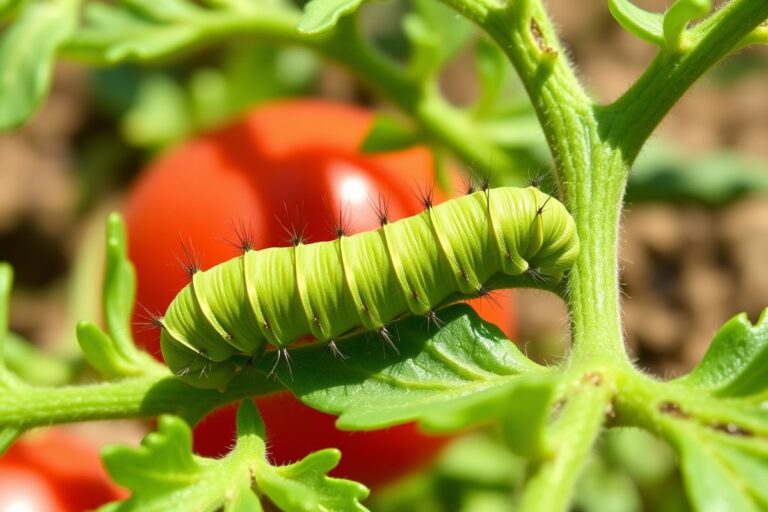
Spot the worms early. They are green with white stripes and can grow up to 4 inches.
Tilling the soil after harvest kills eggs and hidden worms underground. This step stops the next generation from harming your plants.
Introducing beneficial insects like ladybugs and parasitic wasps also helps. They eat tomato worms and lower infestations naturally. Chemical insecticides work as well but use them carefully to protect pollinators.
Regularly check your plants to catch worms early. Reapply treatments after rain or every week for best results. Consistent care keeps your tomato plants healthy and worm-free.
Key Takeaways
- Tilling soil after tomato harvest kills nearly 90% of worms and eggs underground.
- Bacillus thuringiensis must be applied before worms grow too large to be effective.
- Diatomaceous earth needs reapplication every 24 hours or after rain for ongoing control.
- Beneficial insects like ladybugs naturally reduce tomato worm populations in your garden.
- Manual removal can quickly protect plants when worm numbers are still low.
- Tomato worms blend into foliage, so inspect plants closely at least twice a week.
1. Effective Natural and Chemical Methods That Kill Tomato Worms
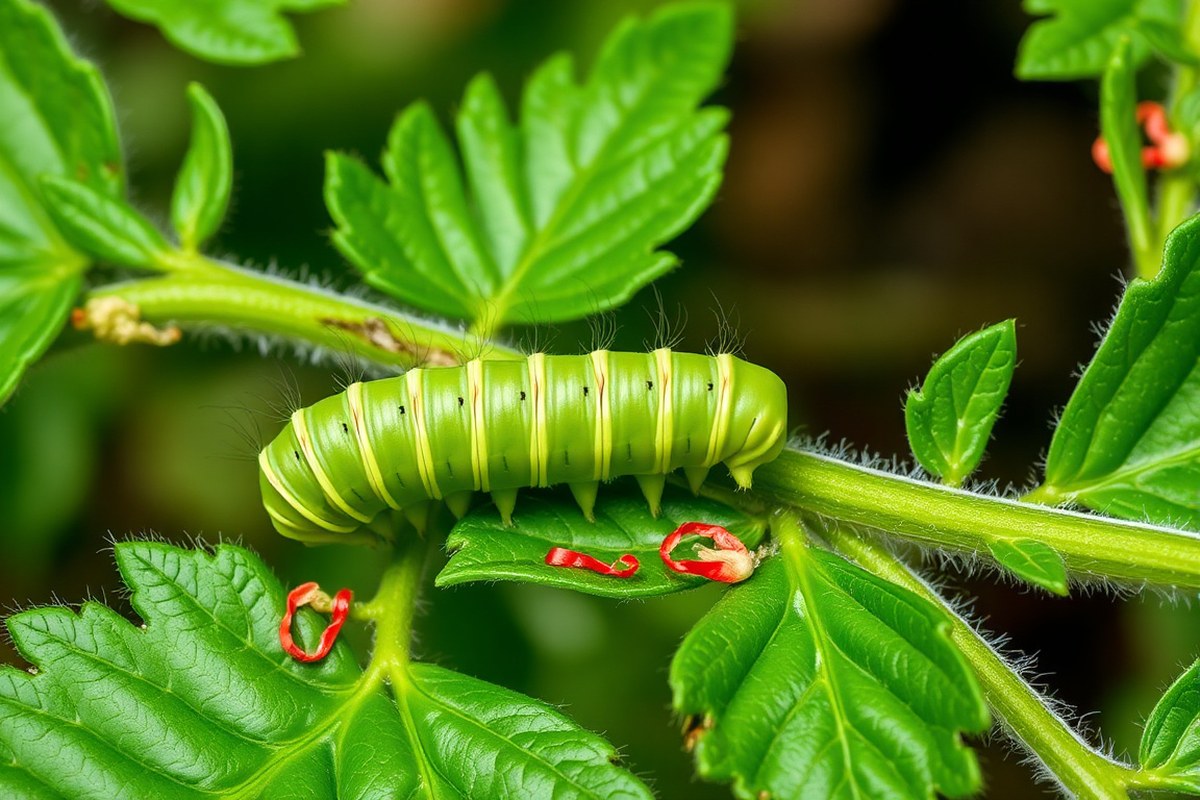
Handpicking tomato worms is the fastest and safest way to kill them. Put on gloves. Pick worms off your plants.
Drop them into soapy water to kill them. This method works well when the infestation is small and lets you avoid chemicals altogether.
Bacillus thuringiensis (Bt) is a natural bacterial spray that paralyzes tomato worm larvae. It only harms caterpillars and is approved for organic gardening. Spray Bt on leaves every 7 to 10 days.
Do this while worms are still around. This helps keep the worms under control.
Neem oil and insecticidal soaps provide organic insecticide options that kill tomato worms on contact. Apply these every 5 to 7 days until you stop seeing damage. Use sprays early in the morning or late afternoon.
This stops plant burn. It also protects helpful insects.
| Method | How It Works | Reapplication | When to Use | Notes |
|---|---|---|---|---|
| Handpicking | Physically remove & drown worms | Daily or every few days | Small infestations | Gloves recommended, immediate results |
| Bacillus thuringiensis (Bt) | Kills worms by digesting paralysis | Every 7-10 days | Larval stage, organic control | Safe for beneficial insects |
| Neem Oil / Insecticidal Soap | Kills on contact by suffocation | Every 5-7 days | Active infestations | Avoid midday heat, gentle on plants |
| Broad-Spectrum Insecticides | Kills a range of insects | Varies by product | Severe infestations | Harms beneficial insects, use cautiously |
| Soapy Water Spray | Dissolves worm’s outer layer | Repeat as needed | Small infestations | Non-toxic, inexpensive |
Broad-spectrum insecticides kill tomato worms but harm more beneficial bugs. Reserve these for severe problems when natural options fail. Use non-systemic types to avoid toxins in fruit and plant tissue.
Soapy water can kill worms on contact without chemicals. Mix mild liquid dish soap with water and spray, but repeat treatments often. The key is frequent applications because soaps wash off and don’t stay active long.
To stop reinfestation, till your garden soil after harvest. This kills nearly 90% of worms and eggs in the dirt. Doing this in early spring also reduces future moth populations, lowering worm numbers all season.
2. How Bacillus Thuringiensis (Bt) Works to Control Tomato Worms

Bacillus thuringiensis (Bt) kills tomato worms by producing toxins inside the caterpillar’s gut. The worms must eat Bt for it to work. Bt paralyzes their digestion.
This stops them from feeding. Apply Bt when you first spot young caterpillars. Catch them early to protect your tomato plants.
What Bacillus Thuringiensis Is
Bacillus thuringiensis is a natural soil bacterium that targets certain insects like tomato worms. It infects only caterpillars and is safe for people, pets, and helpful insects such as bees. Use the kurstaki strain (Btk).
It targets worms only. It won’t harm good bugs in your garden.
The active ingredient works inside the caterpillar’s stomach. It breaks down the stomach lining. This stops the caterpillar from digesting food.
Ingesting Bt causes tomato worms to stop eating and die within a few days. It’s an organic way to protect tomato plants without toxic chemicals.
Applying Bt Safely and Effectively
For Bt to work, tomato worms have to eat it off the leaves. Spray early in the morning or late afternoon. This avoids burning your plants in the sun.
Use Bt as soon as you see green worms. Check especially for young larvae before they get large.
Follow these steps to apply Bt correctly:
- Shake the Bt container well to mix it thoroughly.
- Fill a spray bottle or garden sprayer with the recommended amount of Bt diluted in water.
- Test spray a few leaves first to check for plant sensitivity.
- Spray the undersides and tops of tomato leaves where worms like to hide.
- Apply during cooler parts of the day to avoid quick breakdown in direct sunlight.
- Wear gloves to protect your skin when spraying Bt on plants.
- Store unopened Bt in a cool, dry place to keep it active.
Bt products cost around $10 to $20 for a concentrate that treats a small garden. The key is catching tomato worms early before they cause serious damage.
Spray Bt before tomato worms get big. Big caterpillars eat and move less. This makes Bt less effective.
Reapplication and Environmental Factors
Bt breaks down quickly in sunlight and rain. So you often need to reapply it every 7 to 10 days for good control.
After heavy rain or watering, check your plants and consider another spray. Persistence pays off, as many caterpillars require several doses to stop feeding and die.
Temperature also affects Bt. It works best when daytime temperatures stay between 60°F and 85°F. Below or above this, the bacteria may be less active or degrade faster. Store Bt out of extreme heat to keep it effective for your next use.
3. Using Beneficial Insects and Birds to Naturally Kill Tomato Worms
Natural predators like parasitic wasps and certain birds can help control tomato worms effectively. Attracting these animals to your garden lets them reduce pest numbers without chemicals. You can encourage their presence by planting specific herbs and setting up birdhouses.
Parasitic Wasps and Their Role
Parasitic wasps lay eggs on tomato worms. Their larvae feed on the hornworms until they die. These beneficial insects attack other pests too, such as tobacco hornworms and cabbage worms.
You can grow dill, fennel, or coriander in your garden. These plants attract the wasps you want. This helps control hornworms naturally.
The wasp larvae usually kill the hornworms within a week or so. You’ll notice white cocoons on infected worms; those are wasp pupae ready to hatch. Remove hornworms with cocoons on your tomato plants right away.
This stops damage while wasps grow inside. Keep your tomatoes safe this way.
Attracting Birds to Your Garden
Birds such as wrens, chickadees, and sparrows eat tomato hornworms. Put birdhouses near your tomato plants for shelter. Birds like a safe place to rest.
This helps them stay around and eat pests. Provide a shallow water source in your garden.
Scatter seeds nearby to keep birds interested. This helps attract more bird helpers.
Plant leafy trees or shrubs near your tomatoes. Birds use them for nesting and resting. This creates a natural habitat for helpful birds.
You want at least a few bird-friendly spots within 20 feet of your tomatoes. Keep in mind birds prefer gardens with fewer chemical sprays and undisturbed areas.
Complementing Predators with Other Controls
Natural predators often keep tomato worm numbers low but might not clear a heavy infestation alone. Using them alongside other controls can help. For example, spray Bt on your tomatoes, which kills worms but spares wasps and birds.
Put stones or boards in your garden as shelters. They attract green lacewings, which eat tomato worm larvae. This helps protect your plants.
Ladybugs help by eating eggs and young pests too. Combining these methods creates a balanced garden where pests stay under control naturally.
4. Applying Diatomaceous Earth and Other Homemade Remedies
Diatomaceous earth kills tomato worms by drying out their bodies. Homemade sprays, like garlic and pepper mixes, irritate and repel them. These need to be applied carefully and often for best results.
Using Diatomaceous Earth Safely and Effectively
Diatomaceous earth is a powder made from fossilized algae. It works by scraping and drying the thin outer coating of tomato worms, causing dehydration. This makes it a slow but natural way to control pests without chemicals.
Dust the powder lightly on tomato plant leaves and stems, especially where you see worms. Avoid inhaling the dust and wear gloves to protect your skin. Every 24 hours or after rain, reapply to keep killing the worms continuously.
- Wear a mask and gloves to avoid dust irritation.
- Use a dust applicator or a dry paintbrush to spread a light layer.
- Cover tomato leaves, stems, and bases where worms hide.
- Reapply the powder daily or after it rains.
- Check the plants regularly for signs of fresh powder or worm activity.
- Store unused powder in a dry sealed container.
Recipe for Homemade Garlic and Pepper Spray
A homemade spray with garlic, hot peppers, and soap repels tomato worms quickly. This mix irritates the worms and discourages them from staying on the plants. Preparing it in a blender makes the ingredients well combined.
This spray works best when applied every few days and after rain washes it off. Avoid spraying during the heat of the day to prevent leaf damage. Garlic and hot peppers also help keep other pests away in your garden.
- Blend 4 or more hot peppers with 2 to 4 garlic cloves.
- Add 2 tablespoons of olive oil and 1 tablespoon unscented liquid soap.
- Pour in about 1 quart of water to help mix.
- Strain the spray through a fine sieve or cheesecloth to remove solids.
- Transfer the liquid into a spray bottle.
- Spray the mixture thoroughly on tomato plants and worms.
- Repeat every 3 to 4 days or after rain.
Applying Neem Oil and Insecticidal Soap Mixes
Neem oil interferes with tomato worm hormones and stops feeding. Mixing it with liquid soap helps the oil stick to plant leaves. These mixtures work best on younger worms under 2 inches long and need reapplying weekly.
Use a weak dilution to avoid leaf damage. For example, use 1 tablespoon neem oil per gallon of water. Add 1 teaspoon liquid soap to the mixture for best results.
This combination works well for pest control. Spray plants evenly until they look wet but not dripping.
- Mix 1 tablespoon neem oil with 1 teaspoon liquid soap in 1 gallon water.
- Pour mixture into a spray bottle or garden sprayer.
- Spray tomato plants thoroughly, especially undersides of leaves.
- Apply in early morning or late afternoon to prevent leaf burn.
- Repeat every 5 to 7 days or after heavy rain.
- Store leftover spray in a cool, shaded spot and shake before use.
- Do not spray during hottest hours to avoid plant stress.
5. Tilling and Crop Rotation to Prevent Tomato Worms in Your Garden
Tilling your soil in early spring helps reduce tomato worm larvae hiding underground. They burrow 4 to 6 inches deep to pupate after leaving your tomato plants. Breaking up the soil exposes hornworm eggs to birds and cold.
This kills up to 90% before they hatch. It helps manage hornworm populations early.
Turn the soil about 6 inches deep, using a garden fork or rototiller. Do this a few weeks before planting your tomatoes. Tilling too late may damage beneficial insects or disturb the soil structure.
Crop rotation means planting tomatoes in a different spot each season. This interrupts the hornworms’ life cycle by removing their food source. Avoid planting tomatoes, peppers, eggplants, or potatoes in the same spot.
Hornworms target these plants. Changing locations helps reduce hornworm problems.
Plan crop rotations to prevent pest-prone plants from growing near each other. This avoids repeated hornworm attacks in the same area. A good rotation helps keep pests down.
Swap one bed to beans or leafy greens for a season. Then bring back tomatoes after one or two years.
This switch disrupts hornworm life cycles. This strategy also improves soil health.
After you pull out tomato plants, check the soil for caterpillars or cocoons. Removing these before tilling helps lower pest numbers. Look for tiny holes or droppings near the soil surface, signs that hornworms are there.
Don’t delay tilling until just before planting. Soil should rest for a couple weeks after turning.
6. Identifying Tomato Hornworms and Signs of Their Damage Quickly
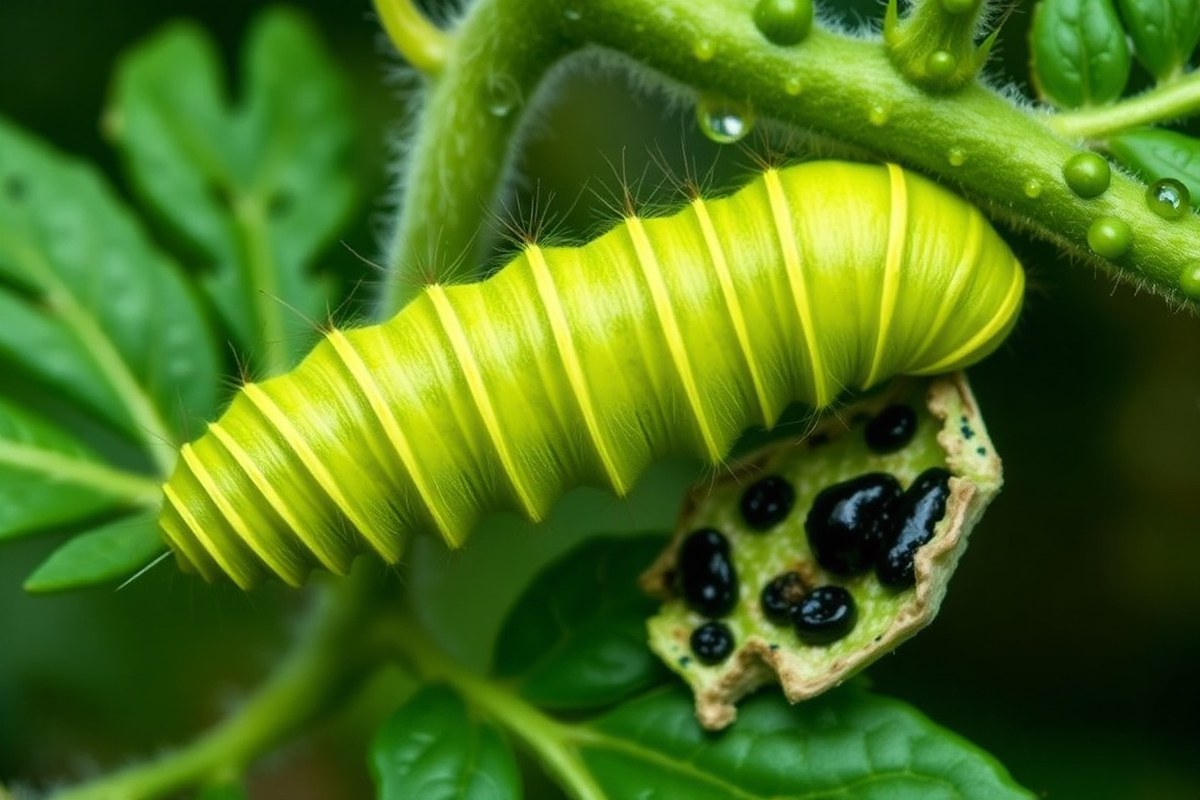
Tomato hornworms are big green caterpillars with white V stripes. They have a curved horn on their back end. These caterpillars blend well with tomato leaves and can reach 4 inches long.
The damage shows up as irregular holes or chewed edges on leaves. You could lose whole leaves within a day or two. This happens if early signs go unnoticed.
The damage can spread fast and ruin your plants. Hornworms also leave behind dark green droppings, which help you find the hiding pests quickly.
Young hornworms are small and hide under leaf surfaces. This makes early infestations hard to spot. Check leaves carefully to catch them soon.
Check your tomato plants often, about two or three times a week. Warm nights make larvae more active, so look then.
This helps catch problems before they grow. A black light can help you spot them at night since they glow under UV light.
- Look for huge green caterpillars with white marks and a horn
- Spot dark green droppings on leaves or soil below plants
- Check leaves for small holes, missing leaf edges, or shredded foliage
- Inspect other nightshade plants like peppers nearby for damage
- Lift leaves and stems gently, young hornworms hide underneath
- Use a black light at night to reveal hidden hornworms
- Look for clusters of tiny green eggs on leaf undersides before caterpillars hatch
Sometimes, hornworms appear in your garden all at once, so early removal matters. Missed hornworms quickly grow and multiply, causing more loss and stress on your tomato plants. Catching signs early means you can remove larvae by hand before your fruit suffers.
Look over every tomato plant carefully, focusing on leaf undersides. Eggs and tiny caterpillars like to hide there. This thorough scan helps catch pests early.
Watch also for damage on nearby crops like peppers. Checking plants every few days saves time, money, and trouble.
It stops big hornworm problems before they start. Regular care keeps your tomatoes healthy and strong.
7. Manual Removal and Protective Barriers for Tomato Plants
Tomato worms won’t bite or hurt you. You can safely pick them off by hand.
Check your plants during morning or evening, when worms are easier to find. Spotting them early lets you stop the problem before it grows bigger.
Use row covers as a barrier to block moths from reaching tomato plants. Choose light, breathable garden fabrics that allow air through. Place covers before moths show up in early summer and take them off once flowers bloom for bees to pollinate.
Bird netting can also protect plants without attracting birds if you want to avoid them. Barriers like row covers or netting can prevent initial infestations if applied correctly.
They keep female moths from reaching the plants. So fewer eggs hatch on your tomatoes.
Follow these steps to safely hand-pick worms and use protective barriers:
- Wear gloves for easy handling and to avoid plant irritation.
- Look over your tomato plants every day or two, more so in mornings or evenings.
- Use a black light after dark to spot worms, which glow under UV light.
- Gently grab each worm and drop it into a bucket with soapy water to kill it.
- Check beneath leaves and stems carefully since worms often hide there.
- Cover plants with row covers made of lightweight, breathable fabric starting early summer.
- Remove covers during flowering to allow pollinators access to flowers.
- Place bird netting around individual plants if you want to exclude birds while protecting plants.
Row covers usually cost about $15 to $30 for a 10×10-foot sheet. They last several seasons if stored properly. Use these simple moves to protect your tomato plants from heavy damage and reduce pesticide need.
8. Companion Planting and Garden Cleanliness to Discourage Tomato Worms
Growing basil, dill, and marigolds beside your tomato plants can help repel tomato hornworms. These herbs confuse pests. They make it harder for moths to find tomatoes.
Moths then lay fewer eggs on your plants. Planting them within a foot of your tomato plants works well in most home gardens.
Keeping your garden clean also cuts down on hornworm problems. Remove weeds and fallen leaves often because these can hide eggs and larvae. Clear garden debris every week during the growing season to reduce places where hornworms can survive.
A common mistake is overcrowding companion plants or letting weeds grow nearby. Crowded plants reduce airflow and hide hornworms instead of deterring them. Also, waiting too long between garden cleanups lets hornworms grow unnoticed and damage your tomatoes.
Try this routine: plant basil or marigolds in early spring near your tomato seedlings. Pull any weeds around your plants every 7 days during summer.
Check leaves for eggs once a week and remove any you find. This approach helps keep hornworm numbers low without chemicals.
In large gardens, companion planting and cleaning alone might not stop all hornworms. These steps work well in small spaces. They cut egg laying by pests.
They also reduce young hornworm survival by making tomatoes less appealing. You’ll notice fewer holes in your tomato leaves and stronger, healthier plants.
Do not mix companion plants too tightly. Give each enough space to grow well and help repel pests effectively.
Step-by-Step Action Plan to Control Tomato Worms Fast
Follow these steps to identify, control, and prevent tomato worms quickly. Each step helps you see if your garden is improving.
- Before planting: Rotate your tomato crops to a new spot to avoid leftover worm eggs. Check your soil and garden debris to cut down places worms hide.
- Week 1, after planting: Inspect your tomato plants daily for hornworms or their dark green droppings. Catch worms early to prevent heavy damage.
- Week 2: Use manual removal by handpicking any tomato hornworms you find. Drop them in soapy water to kill them instantly.
- Week 3: Spray tomato plants with Bacillus thuringiensis (Bt) early in the morning. This natural bacteria kills worms without harming other insects.
- Week 4: Introduce beneficial insects like ladybugs and lacewings near your tomatoes. Watch for fewer hornworm sightings as predators increase.
- After 4 weeks: Apply diatomaceous earth around your plant bases. Check for no new leaf damage or holes to confirm it’s working.
- Throughout the season: Keep your garden clean by removing fallen leaves and weeds. This discourages egg-laying by adult moths.
- Harvest time: Use protective barriers such as row covers if you notice new worm activity. Ensure plants stay healthy for a final worm-free harvest.
Frequently Asked Questions
What Kills Tomato Worms Without Harming the Fruit?
Use a non-systemic insecticide. It targets tomato worms but won’t enter the fruit or plant tissues. This helps keep your tomatoes safe to eat while getting rid of pests.
How Long Do Tomato Worms Stay on Tomato Plants?
Tomato worms stay in the larval stage for about 3 to 4 weeks. During this time, they eat a lot and can damage your plants quickly. Check regularly to catch them early.
Can Tomato Worms Eat an Entire Tomato Plant Fast?
Yes, one or two worms can defoliate a large tomato plant in less than three days. They grow big and hungry fast. So remove them as soon as you spot damage.
Are Tomato Worms Active at Certain Times of the Day?
Tomato worms are more active in the morning or evening. Check your plants early in the morning and late in the evening.
Do this often to find and remove pests quickly. Stopping them early helps prevent lots of damage.
How Do You Spot Tomato Worms Despite Their Camouflage?
Look for missing leaves and dark green droppings called frass. Tomato worms blend in well. So signs of damage are your best clue to their presence.
Does Tilling the Soil Help Kill Tomato Worms?
After you harvest, till the soil to kill most tomato worms and eggs. Doing this again in early spring boosts your control.
This method can remove up to 90% of them. This interrupts their life cycle before new plants grow.
Key Points to Remember
Tomato worms cause serious plant damage but you can stop them. Start by checking your plants daily and removing worms by hand. The sooner you act, the better your tomatoes will grow and produce.