What Does Fertiliser Do to Plants? A Complete Guide for Healthy Growth
What does fertiliser do to plants? Simply put, it feeds them essential nutrients.
Fertilisers provide plants with nitrogen, phosphorus, and potassium, which they need to grow strong and healthy. These nutrients help plants build leaves, roots, and flowers efficiently.
Fertiliser also makes up for what soil lacks naturally. Many soils don’t have enough nutrients, so adding fertiliser fills those gaps. You want to pick the right kind for your plant’s needs and the soil you have.
Applying fertiliser correctly matters. Too much can harm plants, and too little won’t help much. Start by checking your soil and follow instructions on the product label for the best results.
Key Takeaways
- Nitrogen supports leaf and stem growth in plants.
- Phosphorus aids root development and flower production.
- Potassium regulates plant metabolism and water use.
- Check soil nutrient levels before choosing fertiliser.
- Use slow-release fertilisers for steady feeding over months.
- Fast-release fertilisers show results within days but require careful use.
How Fertiliser Helps Plants Grow Healthy and Strong
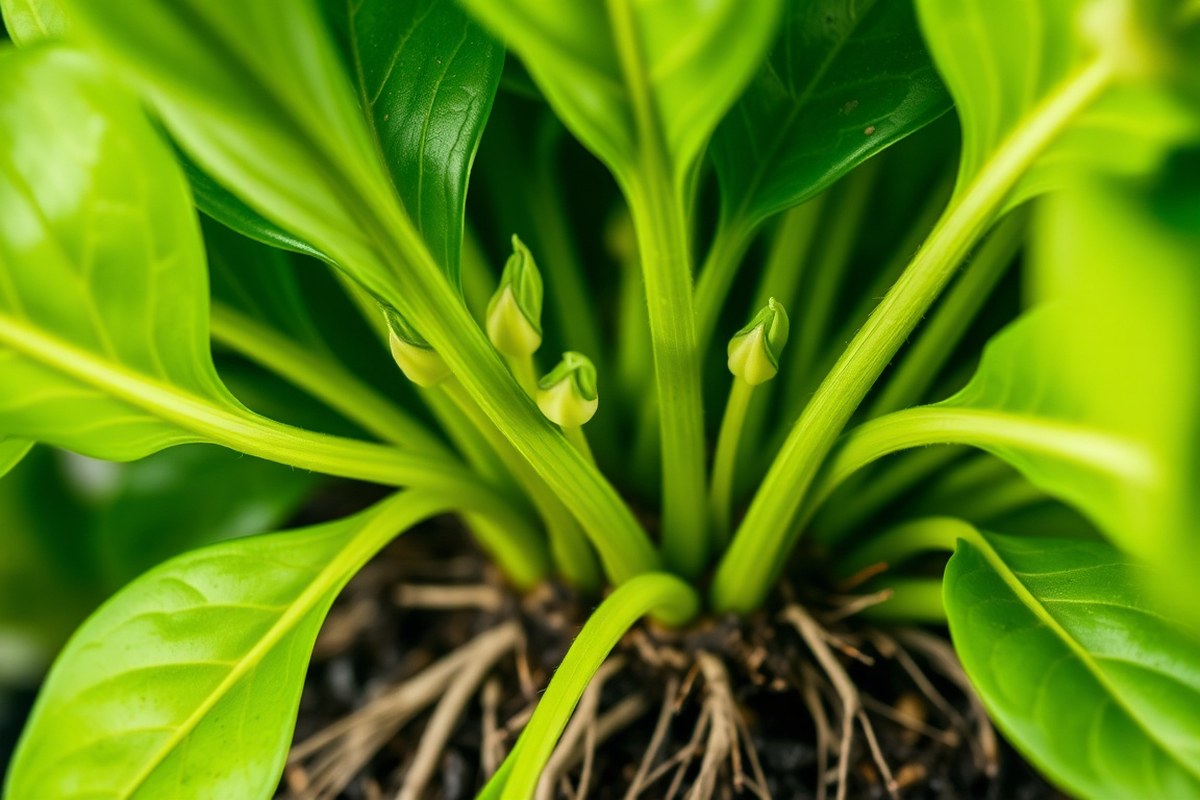
Fertiliser gives plants the nutrients they need to grow healthy and strong. It supplies essential elements like nitrogen, phosphorus, and potassium. These nutrients are important for cell growth, root development, and overall plant health.
Plants use nitrogen to build leaves and stems, which helps them carry out photosynthesis. Phosphorus promotes strong roots and supports flowers and fruits. Potassium moves water and nutrients through the plant.
It strengthens tissue. It also improves resistance to stress or disease.
Plants pull nutrients from the soil, but many gardens have soil lacking these elements. Fertiliser replenishes this supply, making sure plants get enough to develop fully. Balanced fertilisers, like a 10-10-10 N-P-K formula, suit most plants by offering nutrients in good proportions.
You can use granular or liquid fertilisers depending on your plant’s needs. For container plants or vegetables, a seaweed-based feed also helps boost growth. Applying fertiliser regularly during the growing season nourishes plants and supports steady development.
Plants missing nutrients often show weak stems. They may also have pale leaves.
That means fertiliser can help restore strength and green colour. Without enough nutrients, plants grow slowly and produce fewer flowers or vegetables.
Fertiliser doesn’t replace water, sunlight, or carbon dioxide, which plants need to make energy. Instead, it fuels growth by supplying minerals and nutrients that plants can’t make on their own. This support lets plants reach their full potential in size and productivity.
The Essential Nutrients in Fertiliser and Their Roles

Fertiliser mainly supplies three big nutrients called nitrogen, phosphorus, and potassium, also known as NPK. These nutrients play key roles in helping plants grow. Nitrogen fuels leaf growth and supports photosynthesis, the process that turns sunlight into food.
Phosphorus helps plants develop strong roots and supports flower and fruit production. Potassium aids overall plant health and helps plants resist diseases. These three parts together shape most fertilisers labeled with an NPK ratio, like 10-10-10.
| Nutrient | Role in Plants | Common Amount Needed |
|---|---|---|
| Nitrogen (N) | Supports leaf and shoot growth, important for photosynthesis | Highest demand; up to 85% of soils lack enough nitrogen |
| Phosphorus (P) | Encourages root development and flowering | Often deficient in 73% of soils worldwide |
| Potassium (K) | Boosts disease resistance and overall plant health | Lacking in about 55% of the world’s soils |
| Micronutrients | Includes calcium, sulfur, zinc, iron, needed in small amounts | Used to fix specific deficiencies or improve plant quality |
| Calcium & Sulfur | Support cell wall strength and nutrient uptake | Found mainly in superphosphate fertilisers |
Micronutrients like calcium, sulfur, zinc, and iron round out a fertiliser’s benefits. They are important but needed in smaller amounts. For example, calcium strengthens cell walls, making plants sturdier against stress.
You should pick a fertiliser matching plants’ stages and needs. Early growth often needs more nitrogen and potassium.
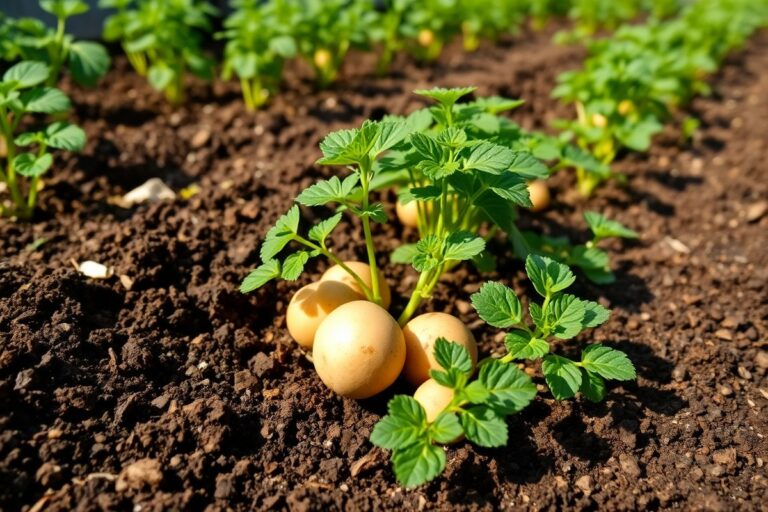
Some crops, like potatoes, do better with this boost. Sometimes straight fertilisers help fix problems by adding just one nutrient.
Check your soil before fertilising to avoid overfeeding and harming plants.
Different Types of Fertilisers and When to Use Them
Fertilizers come in several types, each feeding plants differently. Organic fertilizers contain nutrients from plants or animal by-products.
They release nutrients slowly, often taking 3 to 4 months to break down. So they work well for long-term soil health.
Inorganic fertilizers are made from synthetic materials and release nutrients quickly. They tend to be more concentrated than organics, giving plants a fast nutrient boost. Use these when plants need quick growth or a fast fix to nutrient shortages.
| Fertilizer Type | Description | Release Speed | Best Use |
|---|---|---|---|
| Organic | Plant or animal-derived, less concentrated | Slow (3-4 months) | Improving soil, long-term feeding |
| Inorganic | Synthetic, highly concentrated | Fast (days to weeks) | Quick growth, fixing nutrient deficits |
| Slow-release | Usually coated or organic forms | Slow | Continuous feeding, less frequent application |
| Fast-release | Water-soluble, easily absorbed | Fast | Fast results, cold soil (70°F needed for slow release) |
| Foliar | Sprayed directly on leaves | Fast (absorbed through leaves) | Quick nutrient boost, correcting deficiencies |
Slow-release fertilizers work well in warm soils around 70°F or higher. They provide nutrients over months, which means fewer applications. Fast-release types suit cooler soils better, giving nutrients before slow ones kick in.
Foliar feeding sprays nutrients onto leaves where they absorb quickly. This method suits indoor plants or when plants show specific, sudden deficiencies.
However, foliar fertilizers don’t replace soil feeding. Use them as a supplement, not a main source.
For your vegetable garden, use organic slow-release fertilizers. Bone meal and chicken manure pellets are good examples. They help feed plants steadily over time.
Apply these at planting to feed crops steadily. Fast-release fertilizers fit better when plants show quick-growth needs or symptoms of lack.
Organic fertilizers improve soil texture and microbial life over time. They cost more upfront and work slower but suit gardeners focused on sustainable practices. Inorganic fertilizers deliver fast effects and cost less but can risk nutrient burn if overused.
How to Identify When and How Often to Fertilize Plants
Check your plants regularly for signs that show they need feeding. How often you fertilize depends on the type of plant and its growing stage. Tailor your fertilizing schedule to match these factors for the best results.
Signs Your Plant Needs Fertilizer
Look for slow or stunted growth as one clear sign your plant may need nutrients. Leaves might turn yellow or pale green, which often points to nutrient shortages. Flowers and fruit can also drop early or fail to develop properly.
Another sign is soil that looks old or used up in pots. It may seem tired after long use in garden beds. This means the soil needs refreshing or replacing.
These clues hint that the plant is hungry for more food. Check for these signs about once a week during the growing season.
- Yellowing or pale leaves
- Slower growth than usual
- Poor flower or fruit production
- Soil looks dry or lifeless
- Leaf edges look burnt or spotted
Recommended Fertilizing Frequency by Plant Type
Vegetables and heavy feeders need feeding more often, usually every two to four weeks. Tomatoes and other fruit plants need feeding every month during growth. Use fertilizer that is high in potassium.
This helps them grow healthy and produce fruit. Use a balanced, general-purpose liquid fertilizer on most container plants about once a month.
Perennials and many houseplants do well with feeding every four to six weeks. Fertilize them more when they are actively growing. This keeps them strong and healthy.
Applying a controlled release fertilizer once in spring can feed plants across the season. Follow the fertilizer label for exact timing, as that keeps the risk of harm low.
Risks of Over-Fertilizing
Too much fertilizer can cause leaf burn or yellowing from salt buildup in soil. Overfeeding forces plants to grow too fast, making stems weak or causing fewer flowers. It can also wash nutrients away, polluting nearby waterways.
Always read and follow the instructions on your fertilizer packaging. Measuring carefully prevents problems and saves money. Stop feeding if you see burnt leaf tips or slow growth.
Flush the soil with water to help plants recover. Wait a few weeks before you feed again.
How Fertilisers Work at the Soil and Root Level
Fertilisers release nutrients into the soil through different methods. Controlled release fertilisers slowly let nutrients out over months, matching the plant’s growing needs. Liquid fertilisers release nutrients quickly, dissolving them in soil moisture for fast uptake by roots.
Plant roots absorb nutrients mainly through root hairs. These tiny extensions take in water and dissolved minerals from the soil.
Nutrients move into the plant cells by tiny channels or are actively pumped in using energy. Strong, healthy roots improve nutrient absorption and help plants grow better.
Soil pH plays a big role in nutrient availability. When the pH is too low or high, some nutrients become locked. Plants cannot use locked nutrients for growth.
Keeping soil pH in the right range helps nutrients dissolve. Dissolved nutrients stay available for roots. Roots can then absorb these nutrients easily.
Soil quality also matters. Soils rich in organic matter hold nutrients better.
They also support helpful microbes. These microbes break down organic fertilisers.
Many natural soils already have nutrients for plants. Fertilisers add extra nutrients when plants have used most of the original supply. In containers or pots, fertilisers are especially important because the soil volume is limited.
Spread fertiliser around the plant base. This lets roots get nutrients slowly. Nutrients dissolve or break down for easy absorption.
Always water your plants well before and after applying fertiliser to help nutrient uptake.
How Fertilisers Affect Plant Health Beyond Growth
Fertilizers help plants resist stress by supplying key nutrients plants need to cope. Elements like potassium strengthen cell walls and improve water retention. This helps plants manage drought, heat, or cold better and recover from damage faster.
You boost flowering and fruiting by fertilizing at the right time with the right nutrients. Phosphorus and potassium encourage blooms and fruit set. Apply fertilizers just as plants start growing new shoots to give flowers an extra energy push.
Fertilizers can raise plants’ nutritional value by adding micronutrients like iron, zinc, and manganese. These minerals support producing vitamins and proteins inside the plant. For example, zinc helps make enzymes that convert nutrients into usable forms.
Using fertilizers responsibly matters because too much can cause stress instead of easing it. Overfeeding during off-growth times, like dormancy, may harm your plants. Follow label instructions carefully.
Adjust feeding times to match your plant’s growth. This helps your plant without causing problems.
Granular or powdered fertilizers give a quick nutrient boost through the roots. Foliar sprays work fast too, fixing nutrient shortages almost immediately. Using these approaches during key growth stages supports stronger plants and bigger harvests.
When soil lacks nitrogen, adding fertilizer lifts leaf and stem growth. That’s especially important for leafy vegetables or herbs you harvest for fresh greens. Balanced feeding keeps plants healthy.
It makes plants fight pests better. It also helps them grow more flowers and fruit.
Safe and Effective Fertiliser Application Methods
Applying fertiliser correctly protects your plants and gives better results. Using the right method and timing avoids nutrient burn and waste. Follow clear steps and safety tips when feeding indoor or outdoor plants.
Applying Granular Fertiliser
Granular fertilisers release nutrients slowly, great for outdoor beds and container gardens. Spread the recommended amount around the plant base evenly. Keep the fertiliser a few inches away from the stems.
This avoids damage to the plant. Water the soil well after applying to activate the fertiliser and prevent root burn.
Fertiliser labels give exact amounts based on plant size or area covered. Using too much can burn roots, causing yellowing or leaf drop. Apply granular fertiliser in early spring or at planting time for best results.
- Wear gloves to avoid skin contact with chemicals.
- Apply on calm days to prevent wind spread.
- Use a hand spreader for even coverage.
- Keep pets and children away during and after application.
- Store fertiliser in a cool, dry place, sealed tight.
Spread granular fertiliser to feed roots steadily over weeks. This method suits lawns, shrubs, and vegetable gardens well. It offers longer-lasting nutrition without frequent reapplication.
Using Liquid Fertilisers Safely
Liquid fertilisers show effects quickly and suit indoor plants or quick boosts outdoors. Always dilute concentrated liquid fertiliser to half the label strength for safer use. Overfeeding with liquid forms risks burning leaves and roots.
Use a watering can with a fine rose nozzle for liquid fertiliser. You can also apply it as a foliar spray. Spray only on large leaves for best results.
Spray evenly to avoid pooling, which can stress the plant. Early morning or late afternoon works best to prevent leaf scorch.
- Mix fertiliser in water just before use for best freshness.
- Discard unused mix; don’t store diluted fertiliser.
- Follow instructions closely for dilution ratios.
- Wear eye protection and gloves when mixing.
- Keep spray away from children and pets.
Liquid feeding suits fast-growing plants or when soil nutrients run low. It also allows precise nutrient control for specific plant needs. Use it regularly but avoid daily applications to prevent overfeeding.
Fertilizing Indoor and Container Plants
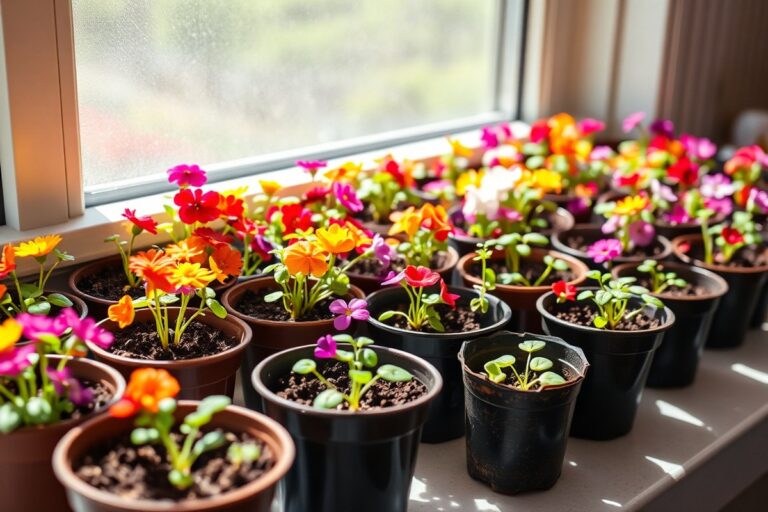
Indoor plants need fertiliser since potting mix loses nutrients over time. Use a balanced liquid fertilizer or slow-release pellets designed for container plants. Slow-release forms feed plants for weeks without risk of overdoing it.
Water plants before applying fertiliser to reduce root stress. For liquid feeds, dilute to half strength and feed every two weeks during growing seasons. Avoid fertilising indoor plants in winter when growth naturally slows.
- Choose formulas labeled for houseplants or containers.
- Check pot drainage to prevent waterlogging and salt build-up.
- Flush soil with plain water monthly to remove excess fertiliser.
- Adjust feeding frequency based on plant response and growth.
- Watch for signs of fertilizer burn like browning leaf tips.
Proper fertiliser use indoors keeps your plants healthy and green. It supplies nutrients lost through watering and plant growth. Careful feeding avoids salt accumulation that can harm roots and foliage.
Choosing the Right Fertiliser: Matching Plants, Soil and Goals
Pick a fertilizer that suits your soil and plants by reading the label carefully. Test your soil before using fertilizer to know what nutrients it lacks. Match fertilizer type and nutrient ratio to your plant’s specific needs.
Understanding Fertilizer Labels and NPK Ratios
Fertilizer labels show three key numbers called the NPK ratio. These stand for nitrogen, phosphorus, and potassium percentages. For example, a 10-10-10 fertilizer has 10% of each nutrient.
Nitrogen helps leaves grow, phosphorus supports roots and flowers, and potassium builds overall plant health. Choose a fertilizer with a ratio fitting your plant’s growth stage and type. Balanced ratios like 10-10-10 suit general use, while higher nitrogen favors leafy veggies.
Look for other ingredients on the label, such as micronutrients, and application instructions. More detailed labels help you avoid overfeeding or missing essential nutrients.
Why Soil Testing Matters
Soil testing tells you exactly what nutrients your soil needs. It can cost $10 to $30 through local extension services. Testing avoids fertilizer waste and prevents harming your plants or environment.
Testing shows pH level, organic matter, and key nutrient levels. Use this info to find fertilizers targeting the deficiencies your soil has. For example, low phosphorus calls for fertilizer with more phosphorus.
Use a soil test kit or send samples to a local garden center for accurate results.
This step saves money by stopping guesswork and supports healthy plant growth. Don’t skip it, especially if growing vegetables or flowers that are picky about nutrients.
Selecting Fertilizers for Vegetables, Flowers, and Lawns
Different plants need different nutrients and feeding schedules. Leafy vegetables like kale and spinach benefit from nitrogen-rich fertilizers at planting time. For flowers, choose formulas that boost phosphorus for vibrant blooms.
Lawns often need nitrogen-heavy fertilizers to keep grass green and thick. Use slow-release fertilizers to avoid spikes that stress grass roots. Match the fertilizer’s nutrient content to your soil test results for best effect.
- Pick nitrogen-heavy for leafy greens or lawns
- Use phosphorus-rich fertilizer for flowers
- Choose balanced fertilizer for general garden use
- Follow soil test recommendations closely
- Apply the amount and frequency advised on the label
- Adjust type seasonally according to plant growth stage
Matching fertilizer to your soil and plant needs helps plants grow well. Over-fertilizing wastes money and can burn plants or pollute groundwater.
Step-by-Step Action Plan for Fertilizing Your Plants
Follow these steps to feed your plants well and see healthy growth fast.
- Before planting: Test your soil to check nutrient levels. This saves guesswork.
- Planting day: Add slow-release fertiliser to the soil mix. Watch for greener leaves in two weeks.
- One week after planting: Water plants gently to help nutrients reach roots well. Healthy new shoots show success.
- Two to four weeks after planting: Apply a balanced liquid fertiliser every two weeks. Look for steady growth and no yellow leaves.
- Mid-season: Use specific fertilisers to fix any nutrient gaps your plants show. Adjust based on leaf color or size.
- Before heavy bloom or fruiting: Boost with a fertiliser higher in potassium and phosphorus. Expect stronger blooms or fruits.
- Late season: Cut back fertilising to avoid pushing weak growth before winter or dormancy.
- After harvest or dormancy: Add compost or organic fertiliser to revive soil for next cycle. Healthy soil means healthy future crops.
Frequently Asked Questions
Can Fertiliser Affect the Taste of Fruits and Vegetables?
Yes, fertiliser can improve the taste by improving nutrient levels. Proper feeding boosts sugars and flavors in produce.
Does Fertiliser Help Plants Recover from Pest Damage?
Fertiliser supports faster recovery by promoting new growth. Healthy plants cope better with pest stress.
Can Over-Fertilising Harm My Plants?
Yes, too much fertiliser can burn roots and stunt growth. Use recommended amounts to avoid damage.
How Long Does It Take for Fertiliser to Work on Plants?
Fertiliser effects can be seen within a few days to weeks. Timing depends on plant type and fertiliser used.
Is Fertiliser Necessary for Indoor Plants in Pots?
Yes, container soil loses nutrients quickly, so fertiliser helps. Choose a balanced fertiliser suitable for indoor plants.
Can Fertiliser Influence Flower Color or Size?
Some fertilisers can improve flower size and intensity of color. Phosphorus-rich fertilisers often boost blooming.
Wrapping Up
Fertiliser helps plants get essential nutrients for healthy growth. Regular, right-timed feeding improves their strength and yield. Start with a soil test today to choose the best fertiliser for your plants.