What Do Thyme Seeds Look Like? A Complete Guide to Identification and Planting
Thyme seeds are tiny and oval-shaped, about half a millimeter to one millimeter long. Their color ranges from dark brown to nearly black, blending well with soil.
The seeds are so small you must handle them carefully. They can easily get lost or mixed with soil during planting. Planting them just below the surface helps them get enough light to sprout.
Look for slightly curved seeds with smooth, shiny surfaces. Avoid seeds that look crushed, dull, or damaged because they might not germinate well. Using fresh, healthy seeds gives better chances for strong thyme plants.
Keep seeds dry and stored in a cool place to preserve their viability. Seeds usually lose ability to sprout after one or two years. Using fresh seeds will improve your herb garden’s success.
Key Takeaways
- Thyme seeds are tiny, oval, and dark brown or black in color.
- The seeds measure about 0.5 to 1 millimeter in length.
- Handle seeds carefully because they can easily mix with soil.
- Plant thyme seeds shallowly, about 1, 2 millimeters deep.
- Choose fresh, undamaged seeds for the best germination.
- Thyme seeds are slightly curved with a smooth surface.
What Do Thyme Seeds Look Like in Detail?

Thyme seeds are very small, usually about 0.5 to 1 millimeter long. Their shape is oval, sometimes with a slight curve but no sharp bends. This size makes them smaller than seeds from herbs like oregano or basil.
The color of thyme seeds ranges from dark brown to almost black. They often show faint speckles, which are subtle and irregular. These speckles help tell thyme seeds apart from lighter seeds like oregano’s.
The surface texture of thyme seeds is slightly granular or ridged but not shiny. This gently rough feel sets them apart from smoother seeds of other herbs. This texture also means you can spot tiny ridges if you look closely.
How to Differentiate Mature and Immature Thyme Seeds
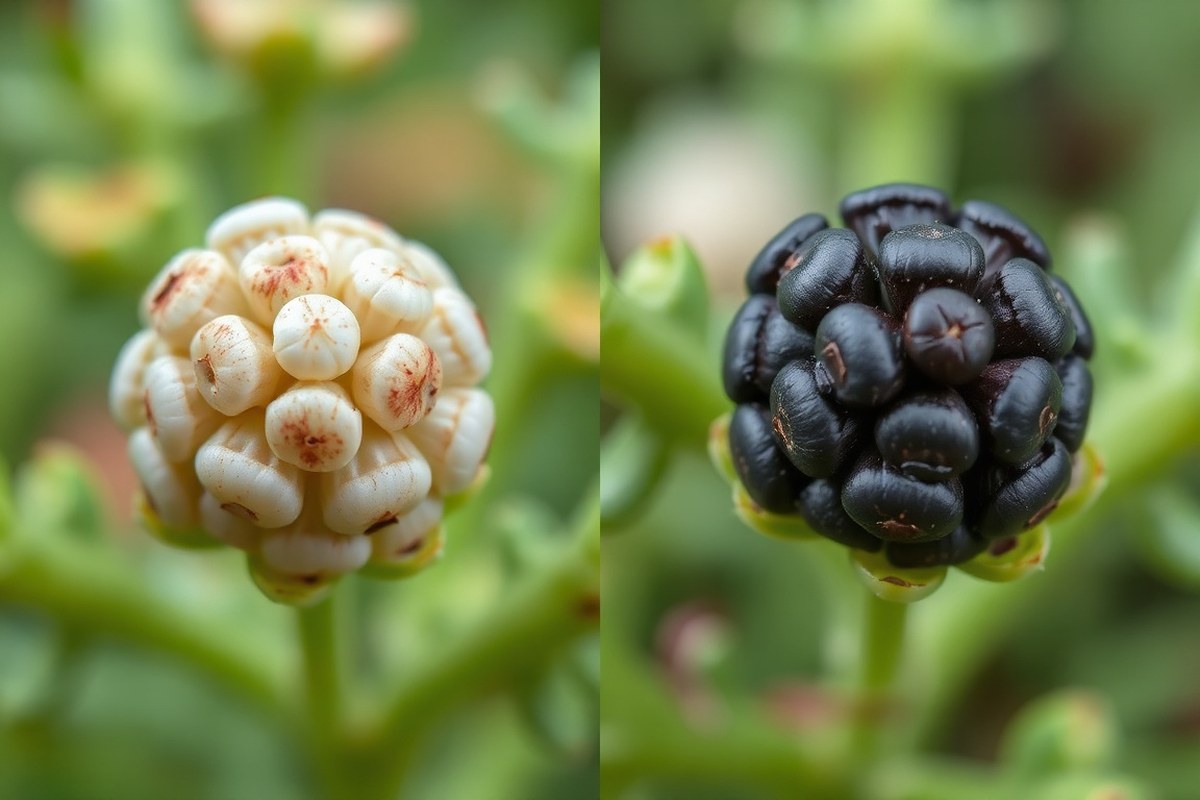
Thyme seeds change color as they mature, moving from pale tan to a rich brown. Mature seeds typically measure 1 to 2 mm in length and have a slight oval curve. This gentle bend shows they are ready for planting and more likely to germinate.
Seeds that stay light-colored or are very small, around 1 mm, might not sprout well. Along with color, the seed’s curve has meaning.
A uniform, slight curve shows good quality seeds. Too much bending or odd shapes usually mean the seeds are immature or damaged.
The surface texture also reveals seed health. Good thyme seeds have a faint speckled or ridged surface. These fine details help with breathing and water absorption.
Dull, shriveled, or cracked seeds often fail to grow well. Checking seeds closely can save time and effort later.
- Look for a dark brown color to confirm maturity.
- Choose seeds about 1.5 to 2 mm long with a gentle curve.
- Inspect seed surfaces for faint speckling or ridges.
- Avoid seeds with irregular shapes or deep cracks.
- Compare unknown seeds side-by-side with a known thyme seed.
- Discard very small or pale seeds as likely immature.
Seeds that meet these criteria often germinate faster and produce healthier plants. Seeds with irregular shapes or flat surfaces might belong to other herbs like basil or parsley. Taking the time to look closely also prevents wasted seed and better garden results.
Keep thyme seeds dry and cool before planting to avoid curve distortions from storage stress.
Visual Differences Among Thyme Seed Varieties
Thyme seeds vary slightly between species like creeping thyme and common thyme. Seeds differ mostly in size, shape, and surface texture. These variations help gardeners identify the thyme type before planting.
Common Thyme Seed Features
Common thyme seeds are generally tiny, measuring about 1 to 2 mm long. Their color ranges from light to dark brown, often matching the shade of dried leaves nearby. The surface is slightly ridged but mostly smooth to the touch.
They all share a generally rounded-oval shape with a subtle curve. The small size means you must plant them very shallowly, just 1 to 2 mm deep. This shallow depth lets seedlings break through the soil easily.
Creeping Thyme Seed Characteristics
Creeping thyme seeds are similar in size but sometimes appear slightly smaller than common thyme seeds. They have a more pronounced curvature and may show finer ridging on the seed coat. The color stays within the same brown spectrum but can look a bit duller.
Because creeping thyme seeds are so small and curved, they scatter unevenly when sown. Gardeners often buy seed commercially to avoid trouble collecting from gardens. Their tiny size helps explain why creeping thyme can be hard to grow from seed.
Other Notable Varieties and Their Seeds
Lemon thyme and other varieties show small changes in seed texture and shape. The differences are subtle but noticeable under close inspection. Seeds from lemon thyme might feel a bit smoother, with less curvature than creeping thyme.
These slight visual changes are helpful when you want to confirm the exact variety. While flower and leaf colors vary more dramatically, seed differences remain mostly in texture and shape. This makes seed identification a close-up job with good light and a magnifier.
Here’s a quick comparison of the key thyme seed traits you can spot:
| Variety Type | Size (mm) | Color Range | Shape | Surface Texture |
|---|---|---|---|---|
| Common Thyme | 1, 2 | Light to Dark Brown | Rounded oval, subtle curve | Slightly ridged, mostly smooth |
| Creeping Thyme | 0.8, 1.8 | Dull Brown | More curved, rounded oval | Pronounced ridges and fine texture |
| Lemon Thyme | 1, 2 | Light Brown | Rounded oval, less curve | Smoother, less ridging |
Paying attention to these details can prevent confusion with other herbs like oregano. Size testing with a ruler or coin quickly rules out bigger seeds. Knowing these seed traits can improve your chances of picking the right thyme for your garden.
How Thyme Plants Produce and Harvest Seeds
Thyme plants produce seeds after flowering during the summer. You can collect seeds once the seed heads are dry and mature. Harvesting seeds correctly ensures they stay viable for planting later.
Timing of Flowering and Seed Formation
Thyme usually flowers in the summer months, often between June and August. The flowering process leads to seed formation, which takes several weeks after blooming. You’ll see small flowers turn into tiny seed heads as the season progresses.
The seeds develop inside these seed heads. It takes about four to six weeks from flowering to get fully mature seeds. The timing can vary based on your local climate and thyme variety.
How to Recognize Seed Maturity on the Plant
Look for seed heads that have dried out but are still attached to the plant. Mature seed heads turn brown and feel brittle, signaling they are ready to harvest. Avoid harvesting while the seeds are green or soft because they won’t grow well.
Check that the seeds are about 1.6 mm or larger if possible. These tend to produce strong seedlings. The seed heads may also start to open slightly, letting you glimpse tiny, speckled seeds inside.
Check that the plant is dry before you begin harvesting. This helps stop seeds from sticking to the leaves. Make sure the leaves feel dry to the touch.
Step-by-Step Seed Harvesting Process
Harvesting thyme seeds requires patience since seeds are tiny. Follow these steps to collect and dry the seeds properly for best results.
- Wait until most flowers have faded and seed heads turn brown and dry.
- Cut flowering stems about 4 to 6 inches from the top, using clean scissors.
- Place cut stems inside a paper bag or on a clean sheet indoors.
- Let the stems dry completely for 1 to 2 weeks in a warm, dry spot.
- Shake or rub the dried stems gently to release tiny seeds onto a clean surface.
- Separate seeds from chaff by blowing gently or using a fine sieve.
- Store the collected seeds in a paper envelope or glass jar in a cool, dry place.
Avoid harvesting seeds when plants are wet to prevent clumping. Proper drying prevents mold and keeps seeds viable for months. Handling seeds carefully during collection avoids losing the tiny, valuable ones to spills or wind.
Best Practices for Sowing and Growing Thyme from Seeds
Plant thyme seeds very shallow, about 1/8 inch deep or less. Space them 2 to 3 centimeters apart to reduce competition. Use loose, well-draining soil for planting your seeds.
Start seeds indoors 6 to 8 weeks before the last frost. This timing gives seeds the best chance to grow strong.
Preparing Seed Starting Medium
Use a light, sandy soil mix that drains well. Avoid heavy soils that hold too much water and cause rot. You can mix equal parts of potting soil, sand, and perlite for good drainage.
Fill containers with this mixture, leaving about an inch from the top. Water the soil until moist but never soggy. Moisture helps tiny thyme seeds stick and start germinating evenly.
Optimal Seed Sowing Depth and Spacing
Thyme seeds are tiny, so plant them very shallowly. Cover seeds with a thin layer of soil or press them lightly on the surface. Don’t bury them too deep.
They need light to germinate well. Covering them too deeply stops light and air circulation, which thyme seeds need to sprout.
Space seeds 2 to 3 centimeters apart for good airflow and room to grow. Your seeds may develop weak roots if they grow too close together. Thin them out to make room.
This helps healthy roots and strong seedlings. Give each seed enough room to avoid crowding.
Indoor vs. Outdoor Sowing Guidelines
Starting thyme seeds indoors 6 to 8 weeks before the last frost is easiest. Use containers at least 6 inches deep with drainage holes so water won’t pool. Keep them in a warm spot, 65 to 75°F during the day, cooler at night.
Direct sow outdoors only after the soil stays above 60°F and all frost danger passes. Outdoor sowing suits hardy varieties like creeping thyme best. Indoors, you can control temperature and moisture for more reliable germination.
- Choose a container with drainage holes and fill it with a sandy, well-draining soil mix.
- Moisten the soil evenly so it’s damp but not wet.
- Lightly sprinkle thyme seeds on the soil surface.
- Press seeds gently into the soil without burying them deeply.
- Space seeds 2 to 3 centimeters apart to prevent crowding.
- Cover seeds with a fine layer of soil, about 1/8 inch or less.
- Place containers in a warm area with indirect light, keeping temperatures 65-75°F.
- Water lightly to keep soil moist until seeds germinate, 14 to 28 days.
Don’t cover thyme seeds with too much soil; shallow planting helps them sprout faster.
Optimal Conditions for Thyme Seed Germination
Thyme seeds need warmth and light to start growing. The best temperature is between 60°F and 70°F. Being photoblastic, these seeds require light to trigger germination. So avoid burying them deeply.
Keeping the soil moist is key. Dry soil will stop the seeds from sprouting. Use a light misting to keep the surface damp but not waterlogged.
| Condition | Optimal Range | Why It Matters | Effect on Germination |
|---|---|---|---|
| Temperature | 60°F to 70°F | Warms the seed to activate enzymes | Encourages steady and healthy sprouting |
| Light | Indirect or direct light exposure | Stimulates photoblastic seed to germinate | Seeds won’t sprout in darkness |
| Soil surface moisture | Consistently damp, not soaked | Keeps seed cells hydrated to grow | Too dry or too wet stops germination |
| Seed depth | Surface or barely covered (less than 1/8 inch) | Light must reach seed for sprouting | Deep planting prevents seedlings |
| Germination time | 14 to 28 days | Time for radicle and shoot to appear | Depends on conditions, slower if cold or dry |
Seeds typically pop up in two to four weeks with right care. Cooler spots or lack of light can stretch that to a month or more. Start seeds in a bright window or under grow lights to keep conditions steady.
Check moisture daily. Dry soil or cold temps slow germination.
Use a spray bottle to mist lightly, avoiding deep watering that drowns seeds. Once seedlings appear, you can reduce moisture slightly but avoid drying out roots.
How to Store Thyme Seeds for Maximum Viability
Start drying thyme seeds by spreading them thin on a paper towel or mesh screen. Make sure they stay in a warm, dry place for about one week. Avoid direct sunlight, which can damage the seeds and lower their viability.
Once dried, store thyme seeds where it’s cool and dry. Ideal temperatures are between 32°F and 41°F (0°C to 5°C). Keep humidity low, around 20% to 30%, to prevent mold and decay.
Thyme seeds can stay viable for up to 3 years under these conditions. Over time, germination rates drop.
So label your seeds with the harvest or purchase date. This helps you use the oldest seeds first, ensuring good growth.
- Dry seeds for 7 days in a shaded, well-ventilated spot
- Store in airtight containers, like glass jars or sealed plastic bags
- Keep containers in a refrigerator or cool basement
- Do not freeze thyme seeds, as freezing may reduce germination
- Label containers with date and thyme variety
- Check seeds yearly for mold or sprouting before use
Packaging seeds well keeps moisture and pests out. Airtight glass jars are affordable and work well. Avoid paper envelopes alone, as they absorb moisture and cause seed spoilage.
Seeds stored at room temperature lose viability faster, often within one year. If you live somewhere hot or humid, invest in a small seed fridge or use silica gel packets inside containers. Proper care helps keep thyme seeds fresh and ready when you want to plant next season.
Handling and Identifying Common Mistakes with Thyme Seeds
Thyme seeds are very tiny, so handling them requires care to avoid spills. Use tweezers or a small spoon to transfer seeds during planting. Working above a light-colored tray can catch any lost seeds for easy recovery.
Check seeds before sowing to avoid planting poor-quality ones. Seeds that look pale, shriveled, or have visible mold are likely old or damaged.
These seeds may fail to germinate or cause weak seedlings. So it’s best to discard them.
Sometimes immature seeds mix with mature ones. Immature seeds are usually smaller, softer, and lighter in color.
To prevent sowing these, gently rub seeds between your fingers. Mature seeds feel firmer and heavier.
Confusing thyme seeds with other herb seeds is a frequent mistake. Thyme seeds often have a gritty feel or tiny ridges, especially wild varieties. Spot seeds perfectly round like marbles?
They may be from another plant. Set these seeds aside.
Seed sowing gets tricky due to their size, so spread seeds thinly. Overcrowding reduces airflow and leads to poor germination. A good rule is to sprinkle no more than three seeds per square inch.
This helps plants grow evenly. Keep seed spacing consistent for best results.
Use a magnifying glass when sorting and planting thyme seeds to improve accuracy. Avoid handling them with bare, wet hands to prevent clumping or loss. Dry hands or the tip of a dampened cotton swab work well for picking up seeds.
Store seeds in a cool, dry place and check frequently for mold to prevent contamination.
Step-by-Step Action Plan for Growing Thyme from Seeds
Follow these steps to identify, sow, and grow thyme seeds successfully. Each step shows you how to check your progress clearly.
- Before you plant: Choose mature thyme seeds. They look brown and slightly shiny, not pale or green. This ensures they will sprout.
- Day 1: Sow seeds on well-draining soil, lightly covering them. Keep the seed surface just barely covered for best germination.
- Week 1: Keep the soil moist but not wet. Check daily to see tiny seedlings pushing through the soil.
- Week 2: Thin seedlings so each plant has at least 6 inches around it. This stops crowding and helps thyme grow strong.
- Week 3: Move plants to a sunny spot or use grow lights. Thyme needs at least six hours of sun daily.
- Week 4: Start feeding with a diluted balanced fertilizer once a week. Watch for greener leaves without yellowing.
- After 6 weeks: Harden off plants before transplanting outside. Bring them outside for a few hours daily over a week.
- After transplanting: Water only when the soil feels dry an inch deep. Watch thyme thrive with well-drained soil and sun.
Frequently Asked Questions
Are Thyme Seeds Visible to the Naked Eye?
Yes, thyme seeds are tiny but visible without tools. They usually measure between 1 and 2 millimeters in length and have a dark brown color.
Do Thyme Seeds Have a Smooth or Rough Texture?
Thyme seeds have a slightly rough, matte texture. This helps distinguish them from other herb seeds.
Can Thyme Seeds Vary in Shape Within the Same Variety?
They can show slight shape variations but are mostly oval or kidney-shaped. These shapes help protect the seed inside.
How Soon After Harvesting Can Thyme Seeds Be Planted?
Plant thyme seeds shortly after harvesting for best results. Fresh seeds tend to germinate more reliably.
Is There a Noticeable Scent from Thyme Seeds?
Thyme seeds themselves have little to no smell. The aromatic oils develop mainly in the leaves.
Will Thyme Seeds Float or Sink in Water?
Most thyme seeds will sink due to their density. This can help separate viable seeds from debris.
Final Thoughts
Thyme seeds look small, brown, and oval with a slight shine when mature. You can grow thyme easily by choosing the right seeds and caring for seedlings patiently. Start by picking mature seeds and preparing your soil for planting today.