How to Get Rid of Hornworms on Tomato Plants: 8 Proven Natural Controls
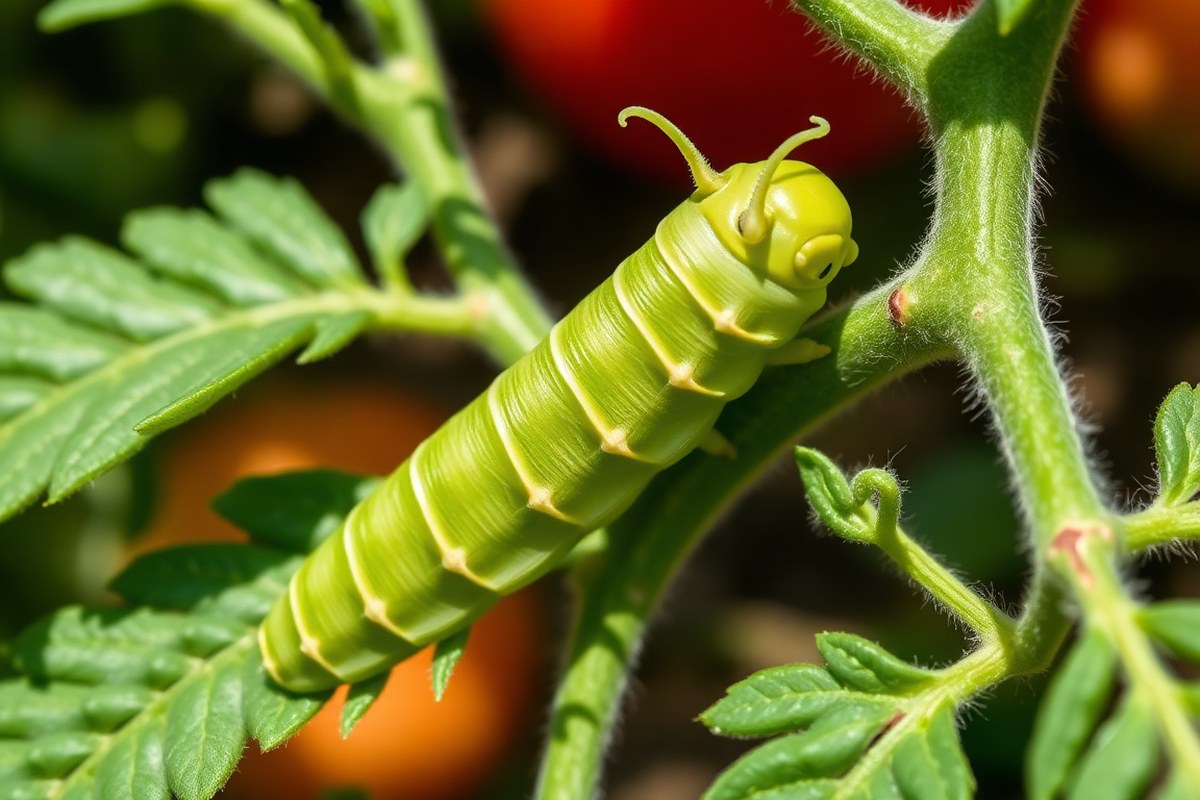
How to get rid of hornworms on tomato plants involves quick removal and natural controls. Handpick the large green caterpillars off your plants as soon as you spot them.
They grow up to 5 inches long and blend in well. So look carefully among the leaves.
Using Bacillus thuringiensis (Bt) spray works great for young hornworms and kills them within 48 hours. Apply it every 7 to 10 days and after rain to keep protection strong. Bt targets hornworms without harming helpful insects in your garden.
Attracting or introducing beneficial insects like parasitic wasps helps control hornworm populations naturally. You can use row covers early in the season. They protect your plants from moths.
Moths often lay eggs that harm the plants. Keep an eye on your soil too, since hornworms pupate underground after dropping off the plants.
Key Takeaways
- Pick off hornworms at dusk when they feed actively on tomato leaves.
- Spray Bt regularly to kill young hornworms within two days.
- Apply Bt again after heavy rain to maintain effectiveness.
- Encourage parasitic wasps and other beneficial insects nearby.
- Use row covers to block adult moths from laying eggs.
- Till soil 6 to 8 inches deep in fall to destroy pupae.
How to Get Rid of Hornworms on Tomato Plants Quickly and Naturally
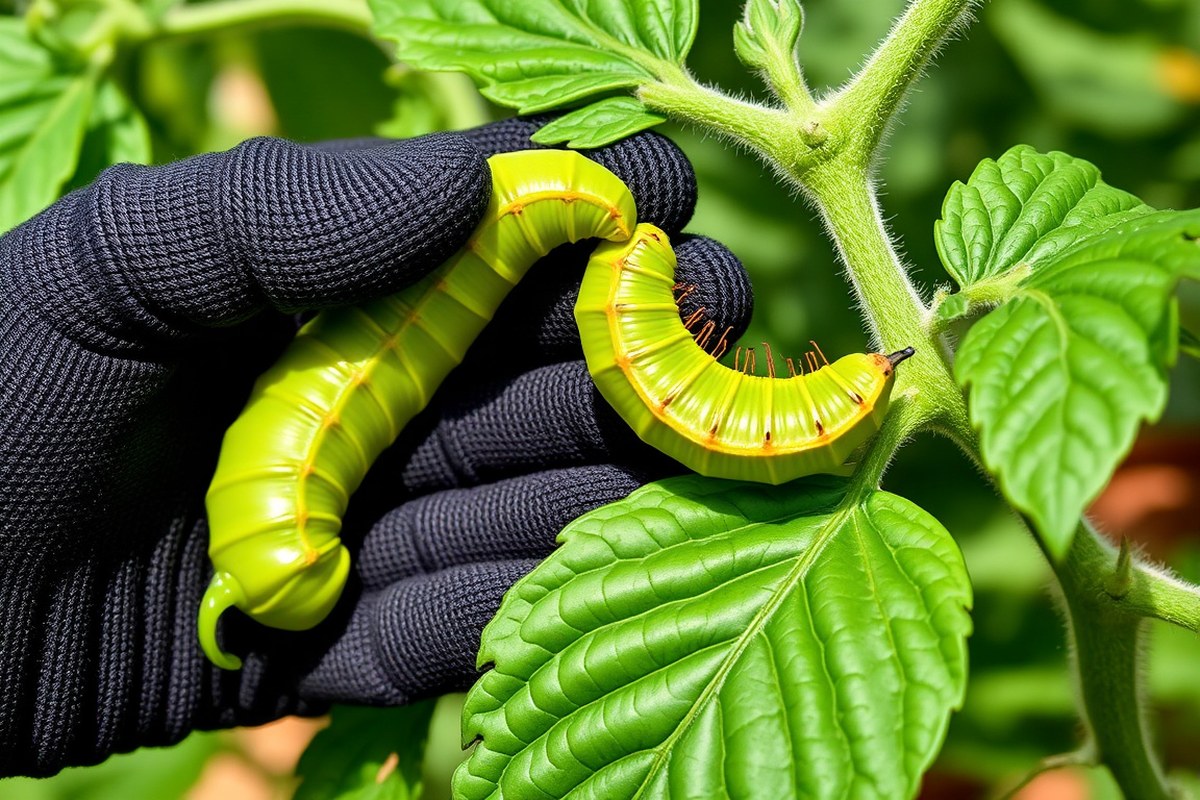
Handpicking hornworms is the fastest and safest way to protect your tomato plants. They tend to eat leaves and fruits quickly.
So removing them by hand stops damage right away. Wearing gloves keeps your hands safe from sharp bits on the caterpillars.
Natural sprays like Bacillus thuringiensis (Bt) and neem oil also work well against hornworms. Bt targets caterpillars’ stomachs without harming bees or beneficial insects. Neem oil acts as a repellent and disrupts the hornworms’ growth, reducing their feeding.
For best results, sprays need reapplying every 7 to 10 days. Hot rain can wash sprays off, so treat plants after rain or watering. Repeat treatments until you see fewer caterpillars and less damage.
Follow these steps to handpick and treat tomato hornworms quickly and naturally:
- Wear gloves to protect your hands from the hornworms’ spines.
- Inspect plants at night using a flashlight; hornworms glow bright green under light.
- Pick off any hornworms you find and drop them into soapy water to kill them.
- Spray Bt or neem oil on plants, covering leaves and stems thoroughly.
- Repeat spraying every 7 to 10 days or after heavy rain washes treatment away.
- Check plants daily for new hornworms and remove them immediately by hand.
- Keep an eye on young plants since they are more vulnerable to damage.
Handpicking takes just a few minutes per plant when hornworm numbers are low. Using sprays adds extra protection, especially if you spot many caterpillars.
Avoid spraying during hot midday sun to prevent leaf damage. Using these natural methods keeps your tomato plants healthy without harsh chemicals.
Identifying Tomato Hornworms and Their Damage
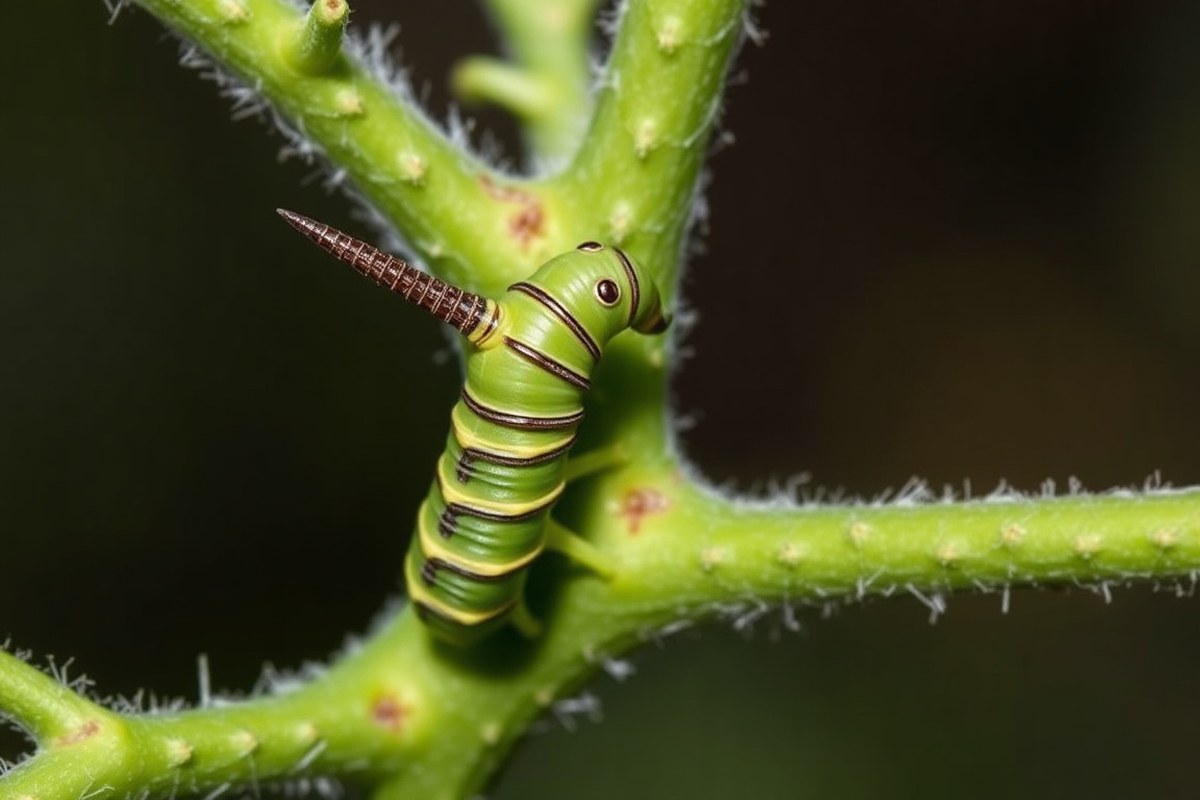
Tomato hornworms are large green caterpillars with a distinctive horn-like tail. You can spot them by their size and color. They usually hide on tomato leaves and stems.
Look carefully to find them. Their feeding causes noticeable damage, so watch for chewed leaves and fruit early.
Physical Features of Tomato Hornworms
Tomato hornworms grow about 3 to 4 inches long. They are among the biggest caterpillars in your garden.
They are bright green, which helps them blend with tomato leaves. A key feature is the black or red “horn” protruding from their rear end.
Along their sides, you’ll see white or pale V-shaped markings with black borders. These markings set them apart from other green caterpillars. Their bodies are plump and smooth, not hairy or spiky.
How to Tell Hornworms from Similar Pests
Tobacco hornworms look alike but have red horns. They also have diagonal white stripes, not V-shapes.
Both attack tomato plants and nightshade relatives. Check the horn’s color and body markings carefully to distinguish them.
Other caterpillars on tomatoes tend to be smaller or have different colors. Early spotting means you won’t mix them up with harmless caterpillars that don’t harm your plants.
Signs of Hornworm Feeding Damage
Hornworms eat large chunks from tomato leaves, leaving behind ragged edges and holes. Defoliation can happen fast, often in a few days. You might also spot chewed green fruit in severe infestations.
Look closer for dark green, barrel-shaped droppings on leaves or around the plant base. They look like tiny grenades scattered below feeding spots. This droppings pile is a sign hornworms have been munching.
Where and When to Check for Hornworms
Hornworms prefer hiding under leaves and along stems during hot daytime hours. Check the underside of leaves with a gentle touch or a flashlight for a better view. Early morning or late afternoon inspections are best.
They can appear anytime from late spring to early fall. Regular daily checks help catch them before they cause heavy damage. Don’t assume they won’t show up just because your plants looked fine yesterday.
Key Identification Reminders
Here’s a quick list to help you identify tomato hornworms and their damage early:
- Large green caterpillars about 3 to 4 inches long
- Black or red horn at the tail end
- White V-shaped markings with black edges
- Chewed, ragged leaves and sometimes fruit damage
- Dark green, pellet-like droppings near feeding areas
- Usually hiding under leaves or stems during the day
Spotting these signs early lets you decide quickly how to tackle the problem. Acting fast reduces plant stress and crop loss.
Check tomato plants at least every other day for hornworms, especially under leaves and near stems.
Using Bacillus Thuringiensis (Bt) to Control Hornworms Effectively
Bacillus thuringiensis (Bt) is a natural bacterium that kills hornworms by paralyzing their digestive system. Use the strain kurstaki (Btk) because it specifically targets caterpillars like tomato hornworms. Apply Bt as soon as you see hornworm larvae on your plants.
This stops them before they do much damage. Acting early protects your tomato plants well.
Bt Application Timing and Frequency
Check your tomato plants often, especially during warm months when hornworms hatch. Spray Bt when you first see small caterpillars or their eggs. Repeat spraying every 7 to 10 days to keep protection steady.
Heavy rain can wash Bt off leaves, so reapply it soon after a downpour. Continue applications as long as you spot hornworms. Consistent spraying prevents the larvae from growing too large and hard to control.
How Bt Affects Hornworm Larvae
When hornworms eat Bt-treated leaves, the bacteria paralyze their digestive tracts quickly. This stops the larvae from eating and they die within a few days. Bt targets only caterpillars, so tomato plants remain safe and unharmed.
Btk strain works well on young hornworms, which are easier to kill than big ones. For best results, catch infestations early before hornworms can cause significant leaf damage. Bt will not affect birds or helpful insects you want in your garden.
Safety Tips for Bt Use in Gardens
Bt does not harm people, pets, or helpful insects like bees. Avoid spraying in direct sunlight to keep helpful bugs safe. Use Bt early morning or late afternoon for the best effect.
Follow the product label closely for mixing amounts and safety precautions. Wear gloves and avoid breathing spray mist. Store Bt in a cool, dry place away from children and pets.
To apply Bt correctly, follow these steps:
- Wear gardening gloves to protect your skin.
- Mix the recommended amount of Bt concentrate with water in a sprayer, following the label.
- Spray the mixture evenly on all tomato leaves, focusing on undersides where hornworms hide.
- Apply spray during cool parts of the day, such as early morning or late afternoon.
- Reapply Bt every 7 to 10 days while hornworms are around. Also spray again after heavy rain washes it away. This keeps your tomato plants protected.
- Store unused Bt in a sealed container in a cool, dry spot.
- Monitor tomato plants regularly for new hornworm activity and spray again as needed.
Attracting and Using Beneficial Insects to Reduce Hornworm Populations
Several beneficial insects target tomato hornworms and help keep their numbers low. Parasitoid wasps, especially braconid wasps, lay eggs inside hornworm caterpillars. Their larvae consume the hornworm from within, eventually killing it.
You’ll see white cocoons on hornworms that got parasitized. Don’t touch them. Let wasps hatch and keep controlling pests.
Other natural enemies include green lacewing larvae and ladybugs. Lacewing larvae feed on hornworm eggs and young caterpillars. Ladybugs can eat eggs and small larvae too.
Paper wasps and yellowjackets hunt young hornworms. They carry the hornworms back to their nests.
This cuts hornworm survival. Birds like sparrows and finches also eat hornworms, acting as daytime hunters in your garden.
- Braconid wasps: parasitize hornworms by laying eggs inside them
- Green lacewing larvae: consume hornworm eggs and small caterpillars
- Ladybugs: eat eggs and young hornworms
- Paper wasps and yellowjackets: capture newly hatched hornworms for their young
- Sparrows and finches: feed on hornworms and help reduce populations
Plant herbs like parsley, borage, and yarrow near tomatoes. These plants attract helpful insects. That helps control hornworms.
These plants emit scents that draw beneficial insects and repel hornworms. Avoid broad-spectrum insecticides that could kill these allies. Give wasps and lacewings water sources.
Use a shallow dish with stones inside it. This helps them stay nearby.
Encouraging birds can also help. Set up bird feeders or leave some garden debris for shelter. Remove infested plant parts in the fall to cut hornworms.
But some wasp cocoons on dead plants get removed too. Let those cocoons alone in spring for natural wasp population boosts. Combining habitat creation with careful plant cleanup gives you balanced hornworm control without harsh chemicals.
Protecting Plants with Row Covers and Companion Planting
Row covers act as a physical shield, stopping hornworms from reaching tomato plants. Companion plants repel hornworms by confusing or driving them away with their smell. Using both methods early keeps hornworms from damaging your tomatoes.
Best Companion Plants for Tomato Hornworm Control
Some plants naturally repel hornworms when grown near tomatoes. They release scents hornworms dislike or attract helpful insects that keep pests away. Planting these companions beside tomatoes helps reduce hornworm damage without chemicals.
| Companion Plant | Repelling Effect |
|---|---|
| Marigold | Strong scent masks tomato plants, deters hornworms |
| Dill | Attracts parasitic wasps that attack hornworms |
| Basil | Unpleasant smell for hornworms, also improves tomato flavor |
| Fennel | Attracts beneficial insects that prey on hornworms |
Placing these plants in rows beside or between tomatoes works best. Avoid planting fennel too close, as it can compete for nutrients. Marigolds bloom continuously, producing more scent to keep pests away.
Proper Use and Timing of Row Covers
Install row covers right after planting tomato seedlings. They stop adult moths from laying eggs on leaves. Use lightweight fabric with holes small enough to block moths but allow air and water through.
Secure edges by burying fabric corners 3 to 4 inches deep. You can also weigh corners down with bricks. This keeps the fabric in place.
Remove covers when tomato plants flower to allow bees to pollinate. Covers usually cost $0.15 to $0.30 per square foot, lasting a whole season.
Failing to secure covers lets moths slip inside. Leaving covers on too long reduces fruit yield. Regularly check for holes or tears and fix them immediately to keep pests out.
Don’t leave row covers on during blooming; tomatoes need open flowers for pollination.
Benefits of Combining Both Methods
Using companion plants and row covers together offers stronger hornworm protection. Covers block egg-laying, and companions repel moths, confusing them before they get close. This two-layer defense reduces the chance of an infestation.
Companion plants also bring in helpful insects like parasitic wasps that attack hornworms hiding nearby. Meanwhile, row covers protect young plants during their vulnerable early growth. Removing covers when flowers appear lets beneficial insects reach plants easily.
Combining these methods means fewer hornworms, healthier tomatoes, and less need for pesticides. It’s a practical way to guard your garden while keeping it natural and safe.
Breaking the Hornworm Life Cycle Through Crop Rotation and Soil Cultivation
Rotating crops is essential to stop hornworms from returning to your tomato plants. Tomato hornworms pupate in the soil.
So planting tomatoes in a new spot helps break their cycle. That prevents moths from hatching near your plants and creating new caterpillars.
Tilling soil in the fall also helps. Digging 6 to 8 inches deep disturbs hornworm pupae hiding underground.
This delays or kills many before they turn into moths. The deep tilling also buries pests too far down to survive and emerge properly.
Combining rotation with tilling gives the best results. After you finish harvesting, remove old tomato plants. Then loosen soil deeply to disrupt pupae.
Avoid planting tomatoes in the same bed for at least 2 to 3 years. Instead, plant crops from other families like beans or peppers to keep hornworms away.
Follow these steps to break the tomato hornworm life cycle with soil work and crop rotation:
- Remove and destroy all old tomato plants soon after harvest ends in fall.
- Till the soil 6 to 8 inches (15 to 20 cm) deep. Use a rototiller or a garden fork for best results. This prepares the area well for planting.
- Clear any debris and loosen compacted soil to expose and bury hornworm pupae.
- Avoid planting tomatoes in the same spot for at least 2 years. This helps starve out moths and reduces pests. Rotate with other crops during that time.
- Choose unrelated vegetables like beans, onions, or cabbage as replacements in that bed.
- Repeat deep tilling in late fall each year after tomato season to kill pupae overwintering.
- Check soil in spring and avoid disturbing it too much to protect earthworms and helpful insects.
Rotating crops this way costs little besides a bit of effort and time tilling. It improves soil health and cuts down hornworm numbers year after year.
Skipping these steps lets pupae mature underground and restart the infestation cycle. That leads to more caterpillars munching your tomato leaves the next summer.
Recognizing When to Escalate Control: Severe Infestations and Safe Chemical Options
Heavy infestations of tomato hornworms show clear signs on your plants. Look for large holes in leaves and stems stripped bare. Spotting hornworms on green tomato fruit means the problem is bad.
Look for lots of frass. It’s dark green worm droppings. Many worms are likely eating your plants if you see this.
Spinosad is a chemical option effective against hornworms, made from natural bacteria. This affects the insect’s nervous system fast. It is safer for helpful insects when you follow directions.
It breaks down fast in sunlight, so it won’t stay hazardous long. You can usually find spinosad sprays at garden centers for around $15 to $25 per bottle.
Use spinosad only when other methods fail or the infestation is overwhelming. Spray on the leaves, covering both sides, and repeat every 7 to 10 days if needed.
Avoid spraying during the hottest part of the day to protect your tomato plants. Always follow label directions closely and wear gloves to prevent skin contact.
- Large leaf damage and stripped stems
- Hornworms eating green fruits
- Lots of dark green frass under plants
- Seeing many worms on multiple plants
- Previous gentle efforts failed after two weeks
Other chemical controls may harm pollinators, so spinosad’s selective action sets it apart. It’s important to protect ladybugs and bees by spraying in early morning or late evening.
Never spray if bees are actively visiting flowers. Use only enough to control the insects without overapplying.
After spraying, watch your plants daily to spot dead or paralyzed hornworms. You can remove these manually to keep toxins away from pets or kids. Taking these precautions keeps your garden safer while controlling severe hornworm infestations effectively.
Common Hornworm Control Mistakes and How to Avoid Them
Treatments often fail because people apply them at the wrong time. Hornworms have specific life stages when they’re vulnerable. Spraying when larvae are already full-grown may waste your effort and materials.
Disrupting hornworms during their early stages stops them from damaging your tomato plants. Check plants every few days in the early summer to catch eggs and small caterpillars. Timing matters because young hornworms are easier to kill with natural or chemical controls.
Many gardeners harm helpful insects like ladybugs by spraying too much. They also spray at the wrong times, which causes more harm. This kills insects that help your garden grow well.
Beneficial insects usually come out later in the day or early morning. Apply sprays in the morning and wait until the spray dries to reduce harm.
Discarding hornworms incorrectly can lead to re-infestation. Just throwing caterpillars on the ground or compost may let them survive. Put the pests in a plastic bag to stop them.
Seal the bag tightly. Then throw it in the trash to break the cycle.
- Don’t spray insecticides late in the day; spray in the morning instead.
- Remove hornworms by hand early when they are small.
- Check plants at least twice a week to find eggs and young larvae.
- Avoid broad-spectrum sprays that kill beneficial insects.
- Destroy or bag hornworms; don’t put them in compost or on soil.
- Remove plant debris after harvest to kill hiding pupae.
Good garden hygiene includes cleaning up fallen leaves and pruning spent tomato plants. Clearing debris cuts down places where hornworms pupate. Crop rotation and turning soil after harvest also reduce next season’s hatch.
Never toss hornworms in the compost pile; it can spread the infestation further.
Avoid spraying during windy or rainy days because the control might wash off or drift away. Using row covers early in the season blocks moths from laying eggs on your tomatoes. Keep covers tight and remove them once plants flower to allow pollination.
Failing to follow these steps can let hornworms multiply quickly. Quick action, careful timing, and good disposal stop new generations before they start. This approach saves your tomato plants from heavy damage later in the season.
Step-by-Step Action Plan to Get Rid of Hornworms
Follow this plan to control hornworms on your tomato plants effectively and safely. Each step includes how to check your progress.
- Day 1: Inspect your tomato plants carefully for hornworms and leaf damage. Remove any hornworms by hand and crush them or drop them in soapy water.
- Day 3: Apply Bacillus thuringiensis (Bt) spray to all tomato leaves. Look for signs of drooping or less feeding to confirm it’s working.
- Week 1: Attract or introduce beneficial insects like ladybugs and parasitic wasps near your plants. You’ll notice fewer hornworms if natural predators are present.
- Week 2: Set up row covers on your plants to stop moths from laying eggs. Check the edges daily for any holes or lifted spots.
- Month 1: Remove any remaining hornworms and prune heavily damaged leaves. Healthy plants mean your control efforts are paying off.
- End of season: Rotate your crops to prevent hornworms. Loosen soil well to kill any pupae hiding underground. This helps reduce pests next season. Track fewer hornworms in following seasons as proof.
- Spring next year: Plant companion plants like basil or marigold next to tomatoes. Watch for lower hornworm numbers as these plants help repel pests.
Frequently Asked Questions
Can I Use Garlic Spray to Repel Hornworms on Tomatoes?
Yes, garlic spray can help repel hornworms because they dislike the smell. You can spray it regularly to discourage these pests from settling on your tomato plants.
Do Hornworms Harm Tomato Fruits Directly or Just the Leaves?
Hornworms mainly eat tomato leaves but sometimes damage fruits too. Check your plants for holes or scars on fruit along with leaf damage.
Are Hornworms Active During the Day or Night?
Hornworms are mostly active at night when they feed on tomato plants. Use a flashlight to spot them in the dark for easier handpicking.
Will Introducing Chickens Help Control Hornworms on Tomato Plants?
Chickens can eat hornworms if allowed near tomato plants. They reduce caterpillar numbers naturally but may also peck at tomatoes, so watch carefully.
Can Hornworms Hide Inside Tomato Stems or Just on Leaves?
Hornworms usually feed on leaves but can hide inside stalks occasionally. Watch for chewed leaves and check stems if your plants show unexplained damage.
Is It Safe to Compost Tomato Plants Infested with Hornworms?
Composting tomato plants with hornworms is safe if the compost pile heats well. High heat kills hornworm pupae and prevents new moths from spreading.
Final Thoughts
Tomato hornworms can be controlled with consistent, natural strategies. Start by checking your plants often and removing pests early. Stay patient and your tomatoes will stay healthy and strong.