What Herbs to Plant with Tomatoes for Best Growth and Pest Control
You want to know what herbs to plant with tomatoes for better growth and fewer pests. Basil, parsley, and thyme are great choices to support tomato plants. They boost growth, improve flavor, and help keep bugs away.
Plant basil at least 8 to 12 inches away from tomato stems. This spacing lets both plants get enough air and sunlight to thrive. Also, sow parsley seeds 2 or 3 weeks before transplanting tomatoes.
These herbs not only protect your tomatoes but also attract helpful insects like pollinators. Keeping herbs and tomatoes close, but not too close, helps maximize space and health. Watch out for aggressive herbs like mint; they can crowd out your tomatoes quickly.
Key Takeaways
- Plant basil 8-12 inches from tomato stems for better growth and airflow.
- Sow parsley seeds 2-3 weeks before transplanting tomatoes to establish roots.
- Use thyme near tomatoes to attract beneficial insects and reduce pests.
- Keep mint away from tomatoes due to its aggressive spreading habit.
- Mix perennial herbs like rosemary and oregano with tomatoes for lasting benefits.
- Space herbs to avoid root competition and ensure each plant thrives.
Best Herbs to Plant with Tomatoes for Growth and Pest Control
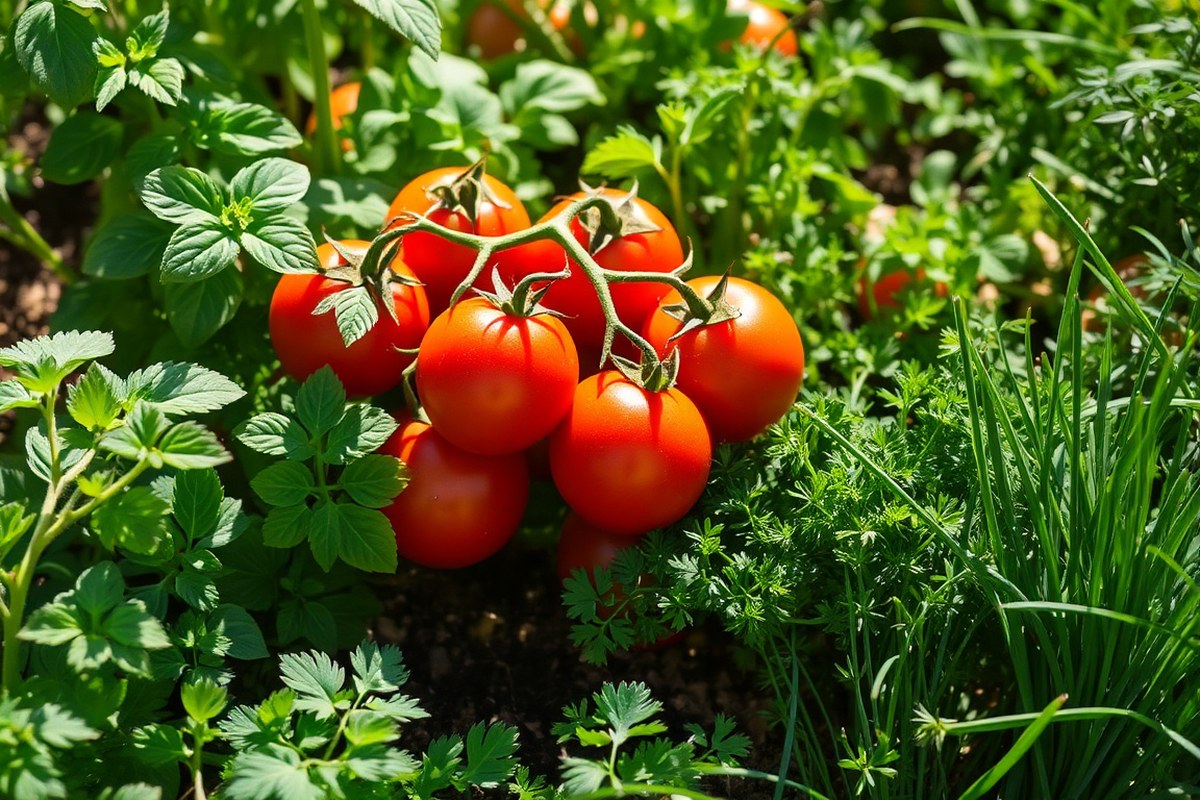
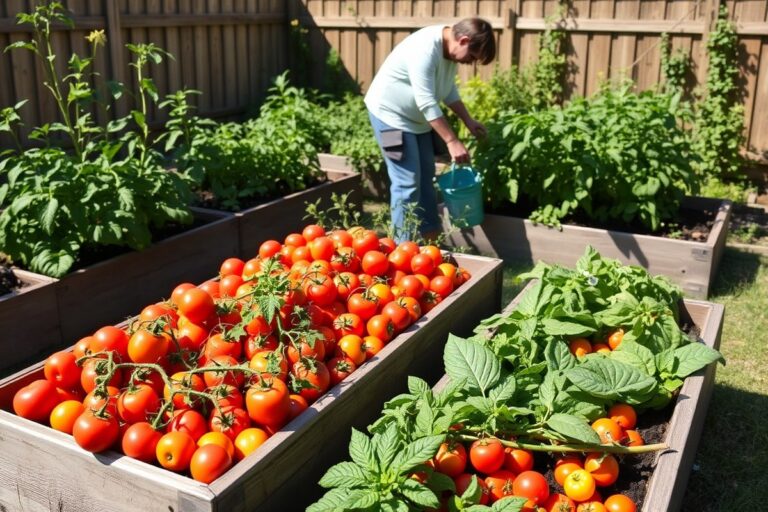
Planting certain herbs near your tomato plants helps them grow stronger and stay healthier. Herbs can repel pests that often damage tomatoes and even improve soil nutrients. This mix of benefits can lead to better tomato yields without chemical pesticides.
Some herbs have scents that bugs dislike, keeping pests like aphids and hornworms away. Others attract helpful insects that eat pests or pollinate tomato flowers. You want herbs that fit your garden’s space and climate.
They should help control pests and support tomato growth. Choose herbs that add value in these ways.
- Basil: Plant 10-12 inches from tomatoes to improve growth and repel insects.
- Rosemary: Its strong aroma helps repel pests and improves air flow.
- Thyme: Protects against hornworms and whiteflies while being easy to grow.
- Parsley: Plant 10-12 inches from tomato stems and sow seeds 2-3 weeks before planting tomatoes.
- Chives: Spread around borders to deter pests nearly year-round.
- Oregano: Place 12-15 inches away; also adds nutrients to the soil.
- Borage: Adds beauty and benefits soil, attracting pollinators and deterring pests.
Mint grows aggressively, so keep it contained in pots near tomatoes. Each herb needs space: too close might stunt growth or cause competition. Planting at the right distance lets them share nutrients and sunlight without crowding.
By combining the right herbs with tomato plants, you can reduce pest problems naturally. You’ll also likely enjoy larger, healthier tomatoes that taste great. Herb companions provide a simple, low-cost way to improve your tomato garden’s success.
How Basil improve Tomato Flavor and Growth
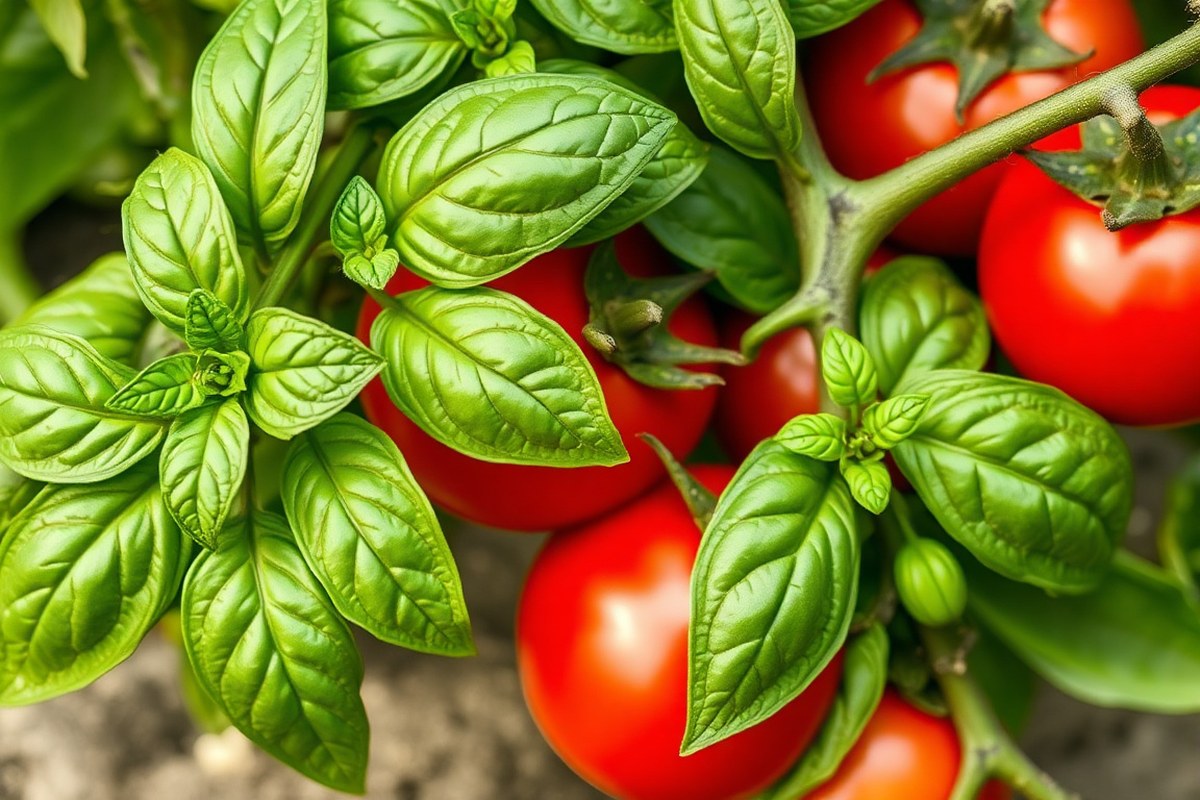
How Basil Boosts Tomato Flavor
Basil gives off scents that tomatoes take in while growing. This changes the fruit’s chemicals and makes tomatoes taste sweeter. Plant basil 10 to 12 inches away from tomatoes to help boost flavor.
This close but not crowded spacing lets basil’s scent spread around tomato plants. It also stops basil from competing too much for water or nutrients. You’ll see tomatoes taste richer and fresher at harvest time.
Start basil early in the season to get this benefit. The difference shows up in the tomato’s flavor.
Basil’s Role in Supporting Tomato Growth
Basil encourages healthier, stronger tomato plants through improved soil and air conditions. Its leaves shade soil, reducing weeds that steal tomato nutrients. This ground cover keeps tomatoes from fighting for resources with weeds, helping them grow faster.
Besides weed blocking, basil attracts pollinators that visit tomato flowers. More pollinators mean better fruit set and higher yields. You’ll likely see bigger harvests if you plant basil nearby during tomato flowering times.
Planting Basil Correctly Near Tomatoes
Space basil about 10 to 12 inches from tomato stems. This distance keeps roots from tangling and leaves from crowding tomato leaves. Start basil from seedlings or seeds early in spring so it grows as tomatoes do.
Water basil plants gently to avoid wetting tomato leaves. Excess moisture risks tomato diseases. Use mulch to keep soil moist around both plants without flooding the area.
When Basil and Tomato Pairing Might Struggle
Basil likes warmer soil, roughly 70 to 75°F, but tomatoes prefer slightly cooler roots. Too much shade from basil may slow tomato growth. Avoid planting basil too densely or too close without pruning.
Cut back basil leaves when they wilt or look stressed. This helps keep the plant healthy and growing strong.
This helps air circulation and light reach tomato plants. Adjust watering if you see fungal spots to reduce damp conditions.
Additional Benefits Beyond Flavor and Growth
Basil also reduces pests that bother tomatoes, such as aphids and whiteflies. Its scent masks tomato plant smell, confusing insects. Many gardeners notice fewer bugs on tomato plants when basil surrounds them.
Being a low-maintenance herb, basil doesn’t add much cost or work. Seeds are usually under $3, and plants grow back yearly in warm places. It’s a small investment that improves tomato harvest quality and size.
Plant basil 10 to 12 inches away to avoid overcrowding but still gain flavor benefits.
Managing Herb Placement and Spacing Around Tomatoes
Plant herbs at a safe distance from tomato stems to avoid root competition. Parsley needs to be 10 to 12 inches away from tomatoes. This distance gives both plants enough room to grow.
It also helps them access nutrients without competition. Oregano needs even more space, about 12 to 15 inches. So it can spread naturally without crowding the tomatoes.
Understanding growth habits is key for good spacing. Tomatoes grow tall and bushy, while herbs like chives form low clumps.
Plant chives 8 to 10 inches from tomatoes in groups of three to five bulbs. This creates a protective ring that shields tomatoes from pests without blocking air flow.
Soil nutrients can get strained when plants grow too close. Plant dill seeds a few weeks after tomatoes to avoid early competition for resources.
Fennel prefers full sun and well-draining soil like tomatoes but has a different growth style. So place it apart to keep both healthy.
- Plant parsley 10, 12 inches from tomato stems to avoid root clashes.
- Space oregano 12, 15 inches away for natural spreading.
- Set chives 8, 10 inches from tomatoes in clusters of 3, 5 bulbs.
- Delay dill seed planting 2, 3 weeks after tomatoes establish.
- Keep mint in containers with rims above soil to prevent spread.
- Avoid placing thyme directly under tomato plants; it prefers drier soil.
Giving each plant its space reduces competition for water and nutrients. Also, this spacing improves air circulation, which lowers disease risk for tomatoes. Watch out for herbs like mint because they spread fast.
Plant mint in containers to keep it from taking over. This saves your tomato patch from being crowded.
When herbs spread well and tomatoes grow strong, your garden ecosystem thrives. Poor spacing leads to weak tomato plants and slower herb growth. Planning where and when to plant herbs helps both types stay healthy and productive.
Containing Aggressive Herbs Like Mint Near Tomatoes
Mint is a great herb to plant near tomatoes because it helps repel pests. However, mint grows aggressively underground. Its roots can spread and take over your garden bed, harming tomato plants.
To stop mint from crowding your tomatoes, it’s best to contain it. Planting mint in a pot or a barrier keeps it from spreading. This lets tomatoes gain mint’s pest protection without root competition.
Follow these steps to control mint’s growth while planting it near tomatoes:
- Choose a sturdy container: Use a pot at least 12 inches wide and deep. This size limits root growth but lets mint thrive.
- Fill with quality soil: Use fresh potting mix to give mint nutrients. Avoid garden soil that may carry pests.
- Plant mint inside the container: Put one or two mint plants into the pot. Space them well to let roots spread mildly.
- Place the container carefully: Put the pot near your tomato plants. Keep it 8-12 inches away from tomato stems. This spacing helps avoid crowding and disease.
- Water mint regularly: Keep soil moist but not soggy. Mint likes steady moisture to stay healthy.
- Check pot roots often: Inspect every few weeks to avoid root crowding. Prune roots if needed to keep mint contained.
- Move the pot if necessary: If mint tries to overgrow, relocate the container. This keeps its growth in check and protects tomatoes.
Containing mint in a pot near tomatoes offers the best balance. Your tomatoes get pest-repelling benefits without struggling for space or nutrients. You avoid mint’s aggressive underground spread, which can choke tomato roots.
Failing to contain mint in the garden might lead to lost tomato plants. Mint’s roots can grow a foot or more from the original plant, taking over beds quickly. This chokes tomato plants and reduces their fruit production.
The container method costs about $10 to $20 total. This price depends on the pot and soil you choose. It’s a modest cost for what you gain.
Planting only takes a few minutes to finish. It saves time and effort controlling invasive plants later. This small step prevents bigger problems down the road.
Timing Herb Planting to Match Tomato Growth Cycles
Start sowing parsley seeds 2 to 3 weeks before transplanting your tomato seedlings. This timing helps the parsley get a good root start before sharing space with tomatoes. It reduces competition and lets the herbs support tomato growth better.
Some herbs like oregano and sweet alyssum work well with tomatoes. They grow fast or have different needs, so they’re easy to pair. Their scents can also keep pests away by hiding tomato smells.
- Sow parsley 2-3 weeks before tomato transplanting.
- Plant faster-growing herbs alongside tomato transplants.
- Keep spacing in mind to avoid crowding plants early.
- Match sun and water needs among companions.
- Transplant young tomatoes and herbs into larger pots carefully.
- Consider pests when timing herbs with tomatoes.
- Adjust for your local climate and frost dates.
Tomatoes need 6 to 8 hours of sunlight each day. They grow best in soil around 70°F (21°C). Warm soil heats roots and helps seedlings develop well.
Plant herbs too early in cold soil. Seeds might fail or herbs grow slowly. Move your tomatoes outdoors when herbs have grown strong seedlings.
Avoid transplanting with herbs still in tiny sprout form. This timing helps both plants establish better.
Don’t transplant tomatoes and herbs all at once if the herbs look weak. Wait until they are strong enough to compete for space and nutrients.
Planning the timing well creates healthier tomato plants with fewer pest problems. You can avoid letting herbs outgrow tomatoes or stealing nutrients early on. Careful timing helps your garden produce both tasty tomatoes and fresh herbs with less fuss.
Herbs That Attract Beneficial Insects to Tomato Plants
Yes, herbs planted near tomatoes can attract helpful insects that pollinate and defend your plants. These insects boost fruit production and reduce the need for chemicals. Flowering herbs are key since they lure both pollinators and pest predators.
Pollinators Attracted by Common Companion Herbs
Pollinators such as bees and butterflies are important for tomato fruit set. Herbs with dainty flowers pull these insects in, improving pollination naturally. For example, borage is famous for attracting a steady flow of bees to your tomato patch.
Herbs like basil also play a dual role by drawing pollinators that aid tomato flowers. Let herbs bloom all season to keep insects active.
This helps when your tomatoes need pollinators and pest control most. Keep herbs flowering to support your tomato plants well.
Predatory Insects Drawn by Herb Flowers
Several herbs attract predatory insects that feast on tomato pests like aphids and hornworms. Hoverflies, parasitic wasps, and ladybugs feed on harmful bugs and keep pest numbers down. This natural pest control reduces damage without spray chemicals.
Letting herbs flower fully is important. The flowers provide nectar to lure these beneficial predators. For instance, cilantro’s white blooms attract hoverflies and ladybugs that hunt tomato pests efficiently.
Best Flowering Herbs for Tomato Gardens
Some herbs are great at helping tomato health. They attract pollinators and insects that control pests. These herbs can protect and improve your tomato crop.
Dill, basil, borage, cilantro, chamomile, and chives each bring specific beneficial insects. Choose herbs based on your space and pest issues.
Although dill attracts helpful predators, it can also draw tomato hornworms, so plant it carefully. Most of these herbs don’t compete with tomato plants but form a helpful insect barrier. They also add some color to your garden.
Here is a quick guide to top herbs for tomatoes. These herbs attract helpful insects that benefit tomatoes. Use this table to pick good insect-attracting herbs.
| Herb | Beneficial Insects Attracted | Height & Flowering | Special Notes |
|---|---|---|---|
| Borage | Bees, beneficial wasps | 24-36 inches tall, bright flowers | Ultimate pollinator magnet, boosts fruit set |
| Basil | Bees, parasitic wasps | Varies, flowers during growing season | Also said to improve tomato flavor |
| Cilantro | Hoverflies, ladybugs, parasitic wasps | Grows 12-24 inches, white flowers | Flowers attract many pest predators |
| Dill | Beneficial predators, some pollinators | 24-36 inches tall, umbrella-like flowers | Avoid close planting; attracts tomato hornworm |
| Chamomile | Ladybugs, other beneficial insects | Small plant, dainty flowers | Deters pests and promotes plant health |
Plant these herbs where tomatoes bloom, and keep them flowering. That way, you welcome friendly insects to protect your garden. Avoid planting dill too near your tomatoes, even with its benefits.
Dill can bring in unwanted hornworms that harm tomatoes. Keep some distance to protect your plants.
Perennial Herbs Suitable for Companion Planting with Tomatoes
Rosemary, thyme, and oregano are great perennial herbs to plant with tomatoes. These Mediterranean herbs thrive in similar soil and sun conditions as tomatoes. They need well-drained soil and full sun, making them natural garden neighbors.
Rosemary grows as a woody shrub with strong aromatic leaves. It helps repel pests like aphids and tomato hornworms. Plant rosemary at least 12 inches away from tomato roots to avoid competition.
It can grow 2 to 4 feet tall and wide. So give it enough space to avoid crowding.
Thyme stays low and bushy, spreading slowly around tomato plants. Its small leaves deter insects such as whiteflies and spider mites.
Prune thyme back after it flowers to keep it healthy and prevent it from overtaking tomatoes. Thyme also attracts pollinators, which improves tomato fruit set.
Oregano acts similarly, offering pest protection and filling bare soil. It encourages beneficial insects that prey on tomato pests. Oregano spreads faster than thyme.
So planting oregano on the garden margins helps control its growth near tomatoes. Harvest oregano regularly to prevent it from becoming invasive.
Perennial herbs like these build long-term garden health by improving soil and reducing pests naturally. Over years, their roots help aerate soil and add organic matter. These herbs also provide year-round interest in the garden, offering fresh herbs anytime you want.
Plant your perennial herbs at the edges of tomato beds to maximize their benefits. Use mulch to conserve moisture, as Mediterranean herbs do not like overly wet soil. Water deeply but infrequently to mimic Mediterranean dry summers, helping both herbs and tomatoes thrive.
One challenge is rosemary’s woody growth. Oregano spreads fast. Both can crowd young tomato plants.
Avoid planting these perennials too close during tomatoes’ first few weeks. Starting rosemary and oregano in containers can help control their growth before moving them near tomatoes.
Herbs to Avoid Planting Near Tomatoes and Why
Some herbs harm tomato plants or slow their growth when planted nearby. For example, cilantro bolts quickly in summer and prefers cooler weather. Plant it 2 to 3 weeks before moving in tomato seedlings to avoid crowding and competition.
Other herbs release chemicals that interfere with tomato roots or attract pests. Avoid putting these herbs close to your tomatoes to keep both healthy. It also helps prevent disease spread between plants in tight spaces.
- Fennel: inhibits tomato seed germination and stunts young plants.
- Hyssop: may reduce tomato growth due to root chemical interference.
- Dill: attracts tomato pests like aphids and spider mites.
- Lavender: competes for nutrients and can stress tomatoes.
- Rue: toxic to some tomato pests but harms tomato roots too.
Plant these herbs at least 3 feet away from tomato beds. Use barriers or separate containers if space is tight. Make sure tomato seedlings get at least 6 hours of full sun without shade.
Keep herbs that bolt fast, like cilantro, planted earlier and separately to avoid crowding tomatoes.
Common mistakes are crowding aggressive herbs near tomatoes. Planting in the same soil spot every year is another error. These habits can hurt tomato growth and health.
Both cause weak tomato plants and poor fruit yields. Spread herbs out to improve air flow and sunlight.
How to Grow Tomatoes and Herbs Together in Containers or Small Spaces
Yes, you can successfully grow tomatoes and herbs together in containers or small spaces. Choosing the right pots, soil, and plant combos helps both thrive without crowding. Careful watering and regular maintenance keep roots healthy and plants productive.
Choosing the Right Containers and Soil Mix
Select containers at least 12 inches wide and 12 inches deep. Tomatoes need plenty of root room. Choose containers with drainage holes to prevent waterlogging at the bottom.
Use a well-draining potting mix designed for vegetables or herbs. Avoid regular garden soil, which can compact in pots. Mixing in compost helps retain moisture while feeding the plants.
Best Herb and Tomato Combos for Pots
Basil pairs well with tomatoes in containers. Both enjoy full sun and well-drained soil. Parsley also does fine alongside tomatoes without stealing nutrients.
Mint spreads fast and can take over a pot. Plant it separately in its own container near your tomato pots. Small pots with 8, 12 inch spacing help each herb get enough air.
Watering and Maintenance Tips for Container Companions
Tomatoes and herbs in pots need watering more often than garden beds. Check soil daily during hot months. Water when the top inch feels dry to keep roots moist, not soggy.
Feed with a balanced liquid fertilizer every two weeks after flowers start. Remove yellow or dead leaves to prevent disease. Pinch herbs regularly to keep them from getting leggy.
Follow these steps to plant tomatoes and herbs together in a container.
- Pick a container with drainage holes that holds at least 5 gallons.
- Fill the container with a lightweight, well-draining potting mix enriched with compost.
- Place the tomato plant in the center, giving it 12 inches of space around.
- Add your chosen herbs, like basil or parsley, spaced 8, 12 inches apart from the tomato.
- Water thoroughly, soaking the soil, and let excess drain out the bottom.
- Set the pot in a spot with 6 to 8 hours of direct sun daily.
- Check soil moisture every day, watering when the top inch is dry.
- Feed plants with liquid fertilizer every two weeks after they flower.
Your Quick-Start Plan for Planting Herbs with Tomatoes
Follow these steps to boost your tomato plants using the right herbs. Each step helps you check that your plants thrive together.
- Before Planting: Choose herbs like basil, parsley, or oregano to grow near tomatoes. Look for healthy seedlings free of pests.
- Planting Day: Space tomatoes and herbs at least 12 inches apart to avoid crowding. Check that roots don’t tangle and soil drains well.
- Week 2: Mulch around plants to keep moisture steady and reduce weeds. Soil should stay damp but not soggy.
- Week 4: Watch for pests like aphids or hornworms. Add more herbs like dill or fennel if needed to attract beneficial insects.
- Week 6: Prune basil regularly to stop it from flowering and keep it bushy. Leaves should grow full and green without yellow edges.
- Every 3 Weeks: Rotate container herbs to new spots if planting in small spaces. This avoids nutrient loss and keeps herbs fresh.
- Ongoing: Contain aggressive herbs like mint in pots near tomatoes to prevent spread. Check pots weekly for root overflow.
- Late Season: Harvest herbs just before tomatoes ripen to maximize flavor benefits. Herbs should smell strong and fresh when picked.
Frequently Asked Questions
What Herbs Improve Tomato Soil Quality?
Herbs like clover and comfrey can help enrich soil by fixing nitrogen and adding organic matter. Plant them near tomatoes to improve soil health and boost tomato growth naturally.
Can You Plant Tomatoes and Herbs Under the Same Light Conditions?
Yes, most tomato-friendly herbs like basil, oregano, and sage thrive in full sun. Make sure both get at least six hours of direct sun for best growth.
How Do Herbs Affect Tomato Water Requirements?
Herbs near tomatoes can slightly alter water needs depending on their type. Drought-tolerant herbs like rosemary use less water, which might reduce competition for moisture.
What Herbs Help Repel Tomato Hornworms?
Dill and cilantro produce strong scents that can confuse and repel hornworms. Plant them near your tomatoes to reduce this pest naturally.
Is It Better to Plant Young Herbs or Seedlings with Tomatoes?
Starting herbs from seedlings gives them a good head start. This helps the herbs compete less with tomato plants.
You get stronger plants by starting seeds early. Seedlings usually establish faster and mingle better with new tomatoes.
Can Planting Herbs Help Prevent Tomato Diseases?
Yes, herbs like thyme and oregano have antifungal oils that can reduce diseases near tomatoes. Their presence can create a healthier growing environment by limiting fungal spread.
Key Points to Remember
Planting the right herbs alongside your tomatoes helps their growth and flavor. Start with basil and keep spacing neat. Watch your garden and adjust your herb care for the best results.