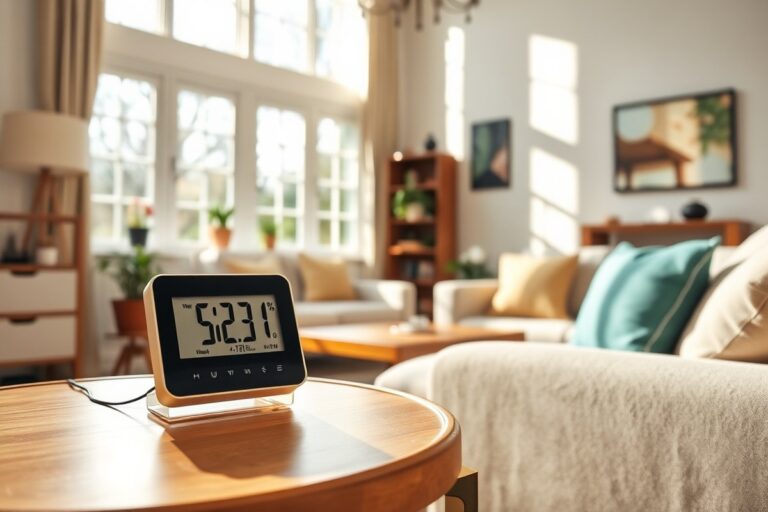
Is 61 Humidity High? What It Means and How to Manage It Effectively
Is 61 humidity high? Yes, 61% humidity is slightly high for indoors.
Most experts agree that indoor humidity above 60% can cause problems. Outdoors, a 61% level is normal and nothing to worry about.
Humidity at 61% inside can make your home feel warm and clammy. It increases the chance of mold and mildew, which can harm your walls and furniture. Condensation often appears on windows when humidity stays this high.
Good ventilation helps lower indoor humidity and reduces moisture buildup. Fix any leaks around windows or pipes to prevent extra dampness. Using exhaust fans in kitchens and bathrooms also improves airflow.
Ideally, keep indoor humidity between 30% and 50% for comfort and health. A dehumidifier can quickly bring levels below 60% when needed. Look for signs like musty smells or damp spots that need attention.
Key Takeaways
- Maintain indoor humidity below 60% to avoid common moisture problems.
- Use a hygrometer to track your home’s humidity levels accurately.
- Run exhaust fans in kitchens and bathrooms during and after use.
- Fix leaks promptly to stop extra moisture from entering your home.
- Use a dehumidifier in damp rooms to reduce humidity effectively.
- Open windows when outside humidity is lower than inside moisture levels.
Is 61% Humidity High Indoors or Outdoors?
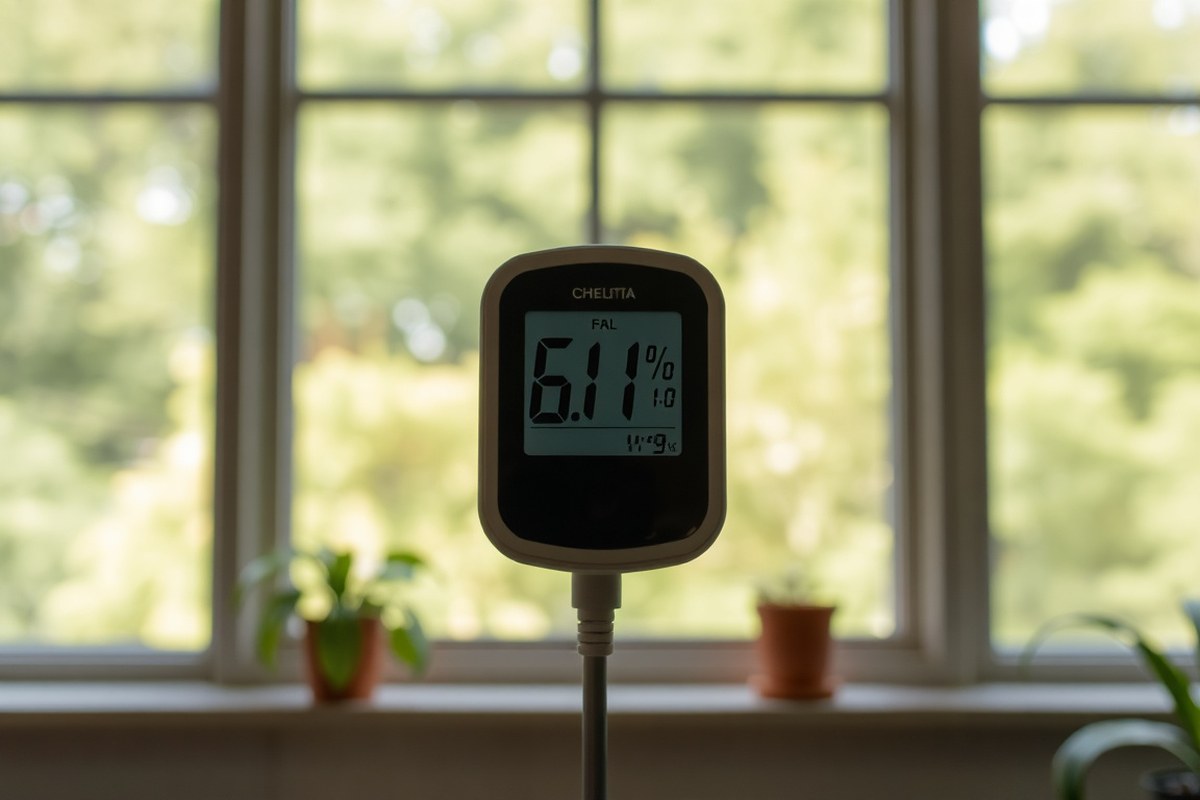
Indoor humidity at 61% is slightly high and not ideal. The Environmental Protection Agency considers anything above 60% relative humidity indoors as too high. This level can lead to mold, dust mites, and condensation issues inside your home.
Outdoors, 61% humidity is quite normal and often comfortable. Outdoor humidity changes a lot during the day and year.
It often goes high but usually doesn’t cause issues. People don’t usually notice such humidity outside because air moves freely and moisture disperses quickly.
Indoor humidity at 61% can be a problem. Outdoors, it’s usually not an issue. That’s because of better air flow and temperature control outside.
Inside, moisture gets trapped, raising the risk of mold and damage. Outside, fresh air and sunlight stop humidity from causing trouble. Even when it hits 61% or more, it’s usually fine.
To keep your home healthy, aim to keep indoor humidity between 30% and 50%. When humidity sits at 61% indoors, it’s time to ventilate and use a dehumidifier. These steps reduce moisture, help your home feel fresher, and prevent mold growth.
Humidity above 60% indoors needs quick attention because problems can grow fast. Mold and dust mites can appear in just 24 to 48 hours with sustained high humidity.
Outside, you rarely need to act when humidity is high. Wind and sun usually bring it down fast.
How 61% Indoor Humidity Affects Your Health and Comfort

Indoor humidity at 61% is higher than recommended levels and can cause discomfort. This level creates a good environment for dust mites and mold to grow. Both trigger allergies and worsen breathing issues, especially for people with asthma.
At 61%, your home feels warmer and stickier. Moisture in the air makes it hard for sweat to evaporate. This slows the body’s cooling process.
That’s why you feel hotter when it’s humid. You may feel hotter indoors even if the temperature hasn’t changed, reducing overall comfort.
High humidity invites more mold and mildew, which release spores harmful to sensitive lungs. These spores worsen allergies and respiratory conditions like bronchitis. Keeping humidity below 60% helps limit these risks and improves air quality.
One way to control this is by using a dehumidifier or running your air conditioner regularly. Both remove excess moisture, bringing humidity closer to the ideal 30-50% range. Proper ventilation also helps reduce dampness in bathrooms and kitchens.
Check humidity levels often with a digital hygrometer to avoid mold and allergy problems.
Recognizing Home Damage Risks at 61% Humidity
At 61% humidity, your home is at a tipping point for moisture-related damage. This level encourages condensation on cold surfaces like windows, especially in winter. Over time, this moisture can cause wood to warp, paint to peel, and drywall to weaken.
Wood in floors, window frames, and furniture often shows the first damage signs. Look for swelling, soft spots, or small cracks. These issues can show up within weeks if humidity stays high, especially in poorly ventilated rooms.
Another warning sign is visible mold growth, usually in damp corners or behind furniture. Mold can begin developing when humidity reaches or exceeds 60%. It may look like black or green spots and often smells musty before you see it.
Condensation on windows is a common early alert. It signals your home holds too much moisture. If you spot water droplets after a cold night or cooking, monitor humidity closely to avoid damage spreading.
High humidity also feeds pests like dust mites and can make insulation less effective. That leads to higher energy costs and less comfort. These effects take longer to notice but slowly degrade your home’s condition.
Damage speed depends on home construction, ventilation, and temperature. Tight, well-sealed homes trap moisture longer, raising risks faster. Older buildings with poor air flow also struggle more to keep dry.
Keeping humidity below 60% prevents most damage but needs active control. Ventilate rooms when cooking or showering and use a dehumidifier if needed. Doing this can stop problems before they start and save expensive repairs later.
Common Causes of Indoor Humidity Reaching 61%
Indoor humidity reaches 61% mostly because of moisture from daily activities. Cooking, showering, and drying clothes release water into the air. HVAC systems that don’t remove enough moisture also allow humidity to climb.
Everyday Activities That Raise Humidity
Simple daily routines add significant moisture indoors. Boiling water when cooking adds steam to your home’s air. Taking hot showers also puts water vapor inside.
Running a clothes dryer pushes humidity into the air too. Avoid using vents or fans, and moisture stays inside. This causes humidity levels to rise in your home.
Running an exhaust fan during cooking or showering helps reduce humidity fast. Keep fans on during the activity plus 20 minutes after to clear moisture. Leaving bathroom doors open also helps steam escape to drier areas.
- Cooking on stovetops release steam directly into rooms.
- Showering produces warm, moist air that raises indoor humidity.
- Drying clothes indoors adds water vapor from wet fabrics.
- Boiling water for drinks or food increases moisture in kitchen air.
- Houseplants emit moisture through natural processes.
- Household cleaning with water contributes some humidity.
Moisture builds up quickly if you don’t ventilate. This causes humidity to reach or pass 61% repeatedly.
HVAC and Ventilation Factors
HVAC systems remove humidity by cooling and circulating air. A poorly working air conditioner or heat pump might cool air but leave moisture behind. This happens when units are too large or not maintained.
Homes without adequate ventilation trap moisture inside. Without fresh air moving, humidity levels rise after daily activities add water vapor. That’s why running exhaust fans or opening windows is key.
Getting an HVAC system checked once a year helps keep humidity under control. Professional tune-ups may cost a few hundred dollars but prevent bigger moisture problems.
Hidden Moisture Sources
Leaks in walls, roofs, or plumbing introduce water quietly. Basements and crawl spaces often stay cool and damp, holding moisture that spreads upward. This adds to indoor humidity without obvious signs at first.
Condensation on windows or walls is a clue to hidden moisture sources. Peeling paint and mold smell also point to excess humidity caused by leaks or poor airflow. Fixing leaks and sealing gaps can stop moisture buildup.
Accurately Measuring and Monitoring Indoor Humidity
You can measure indoor humidity accurately using a reliable hygrometer. Basic digital models cost about $10 to $15 and give good readings for home use. Checking your humidity a few times a day helps you track changes and maintain comfort.
Types of Humidity Sensors
Hygrometers come in digital and analog types. Digital models display exact humidity percentages while analog ones use dials or needles. Some modern sensors combine temperature and humidity readings in one device.
Smart sensors connect to your phone and log data over time. They help you spot trends in humidity. You get alerts if it rises too high.
They also notify you if humidity drops too low. These devices often cost more but give more control and convenience.
Pick basic, combined, or smart sensors based on your budget. Think about how closely you want to watch your home’s air. Your choice affects monitoring detail and cost.
Placement Tips for Accurate Readings
Place your hygrometer away from kitchens, bathrooms, and direct sunlight. High moisture or heat sources can distort readings. Keep the sensor about 3 to 5 feet above the floor in a central room.
Don’t put sensors near windows or vents where drafts change humidity rapidly. Check multiple rooms if you want a full picture of your home’s moisture levels. Regularly check and recalibrate your sensor if it starts giving strange readings.
- Keep sensors away from stoves, showers, and indoor plants.
- Mount devices on interior walls for stable readings.
- Avoid areas with poor air circulation or extreme temperatures.
- Place in living rooms, bedrooms, or basements for best results.
- Switch spots if you notice inconsistent measurements.
- Clean sensors gently to avoid dust buildup that hinders accuracy.
Humidity sensors near water sources or heat will give misleading numbers. Move them if readings seem off.
Using Smart Monitors for Alerts
Smart humidity monitors send alerts to your phone if levels go too high or low. They connect via Wi-Fi or Bluetooth and often integrate with home automation systems. This helps you act fast to prevent mold or dryness.
These monitors store historical data, showing you humidity patterns by day or week. Use this info to adjust ventilation, run dehumidifiers, or change heating habits. Some models also suggest ideal humidity based on season and temperature.
Smart monitors typically cost $40 to $70 but are worth it for ongoing control. They suit people sensitive to humidity or living in areas prone to moisture problems.
Effective Steps to Lower 61% Indoor Humidity
To lower indoor humidity to about 61%, improve airflow around your home. Use dehumidifiers to remove moisture from the air. You can also adjust your air conditioner settings.
Start by increasing ventilation where moisture builds. Then run a dehumidifier properly to pull moisture out of the air. Finally, set your AC to help control humidity without wasting energy.
Improving Ventilation and Airflow
Good ventilation helps remove moist air and stops humidity from building up. Use exhaust fans in the kitchen and bathroom while cooking or showering. Keep windows open for short periods when outside humidity is lower.
Fans improve air movement inside your home, drying damp spots quicker. Ceiling fans or portable fans help circulate air evenly. Avoid running fans directly on wet surfaces; instead, aim for overall airflow.
Here are steps for proper ventilation and airflow:
- Run exhaust fans during cooking and showering, plus 20 minutes after.
- Open windows early in the morning or late evening when outdoor air is drier.
- Use fans to circulate air through rooms, focusing on damp areas.
- Close windows and doors when outdoor humidity is high to avoid adding moisture.
Using Dehumidifiers Correctly
A dehumidifier pulls moisture from the air to lower humidity quickly. Place it in the room where humidity hits 61% most often, like a basement or bathroom. Check the water tank daily, and empty it to keep the unit running efficiently.
Keep doors and windows closed while the dehumidifier runs. This helps the machine focus on drying indoor air. Adjust settings to keep humidity between 40% and 50% for comfort and mold prevention.
Follow these steps when using a dehumidifier:
- Place the dehumidifier in the most humid room.
- Close doors and windows to keep outside moisture out.
- Set the humidity target between 40% and 50%.
- Empty the water bucket regularly to avoid overflow.
- Clean the filter once a month to maintain airflow.
Optimizing Air Conditioning Settings
Air conditioning cools your home and removes moisture from the air. Set the thermostat to around 75°F to control humidity without extra energy use. Running the AC constantly at lower temperatures can cause short cycling and keep humidity high.
Use the “auto” fan setting instead of “on.This way, the AC runs the fan only when needed. It saves energy.
It also helps reduce indoor moisture. Add a dehumidifier for better control when your AC can’t keep humidity below 60%.
To manage AC for lower humidity, try these steps:
- Set your thermostat near 75°F for balance between cooling and moisture control.
- Use the auto fan option to avoid continuous air circulation.
- Keep doors and windows closed during AC use to focus cooling inside.
- Schedule regular AC maintenance to improve efficiency.
- Add a portable dehumidifier if the AC alone doesn’t reduce humidity enough.
Seasonal Strategies for Managing High Humidity
Season changes affect indoor humidity because outdoor air shifts temperature and moisture. In summer, warm air holds more moisture, raising indoor humidity. Winter air is colder and drier but can trap moisture inside if not vented right.
Handling 61% humidity means using different tactics for winter and summer. Summer calls for more ventilation and cooling to remove moisture. Winter needs controlled humidification and better air circulation to avoid condensation.
| Indoor Humidity | What It May Mean |
|---|---|
| Below 30% | Air may feel dry and uncomfortable |
| 30, 50% | Generally a comfortable indoor range |
| 50, 60% | Humidity is improve; monitor conditions |
| 60, 70% | Moisture and mold problems become more likely |
| Above 70% | Excessively humid for most indoor spaces |
During summer, using air conditioners and fans helps lower humidity and keep airflow moving. Running exhaust fans in kitchens and bathrooms also avoids moisture buildup. Keeping windows closed on very humid days lets you control indoor moisture with a dehumidifier.
Winter requires different care because heating dries air. But 61% humidity indoors can cause condensation on windows.
Avoid drying clothes indoors or keep the bathroom fan on when showering. Lowering the humidifier setting or using a hygrometer can help keep humidity in check.
Common mistakes include overusing humidifiers in winter or not using enough ventilation in summer. Both lead to trapped moisture that causes mold and wood damage. Balancing humidity means adjusting your devices and habits seasonally, not just maintaining a fixed number year-round.
When to Consult Professionals for Persistent High Humidity
Indoor humidity over 60% for several weeks usually means you need professional help. Signs like visible mold or musty smells show moisture issues. Condensation buildup on windows is another warning sign.
These problems go beyond what fans can fix. A pro can find hidden leaks or ventilation problems causing high humidity and mold growth.
Professionals use tools to measure humidity levels inside your home. They check for mold behind walls too. HVAC systems also get a thorough assessment.
This is something DIY steps can’t do reliably. They also suggest the right dehumidifier size or repairs to fix moisture sources. So your home stays dry and comfortable.
Here’s a quick checklist of signs to call an indoor humidity expert:
- Humidity stays at or above 60% for more than 2 weeks
- Visible mold spots or black stains on walls and ceilings
- Consistent damp smells or mildew odors
- Condensation on windows or pipes lasting days
- Frequent allergy flare-ups or worsening respiratory symptoms
- Bathroom and kitchen fans running constantly but no improvement
- Suspected hidden water leaks or flooding history in your home
To find a good mold specialist, start by checking their certifications. Look for the Indoor Air Quality Association (IAQA) membership. Also, consider the National Organization of Remediators and Mold Inspectors (NORMI).
Ask for references and details about their inspection and testing methods. A proper inspection usually costs $300 to $600, depending on home size and issues found.
Hiring a pro helps avoid guesswork and saves money on failed fixes. You receive a detailed report on where moisture spots exist. The report also includes a clear repair plan.
It covers steps to control humidity effectively. Untreated, mold can damage your home structure and hurt your family’s health.
Strong musty smells and black mold spots are clear warning signs to call an expert immediately.
Step-by-Step Action Plan to Reduce 61% Indoor Humidity
Follow these steps to lower your indoor humidity and keep your home comfy. Check results by tracking humidity changes with your monitor.
- Day 1: Use a digital hygrometer to measure your home’s humidity. Confirm it reads around 61%.
- Day 2: Open your home’s windows to let fresh air in. Use exhaust fans in kitchens and bathrooms to clear humid air. This helps keep your home ventilated. You should notice a slight dip in humidity within a day.
- Week 1: Run a dehumidifier in the most humid rooms for several hours daily. Humidity should drop closer to 50% or below.
- Week 2: Fix any leaks or water damage spots you find. After repair, indoor damp smells or visual moisture should reduce.
- Week 3: Limit indoor activities that add moisture, like drying clothes inside. Check if the daily humidity rise lessens.
- Month 1: Maintain your HVAC system and check filters. You should see more stable humidity readings over time.
- After 6 weeks: Monitor for mold growth or musty odors. No new signs indicate your humidity control is working.
Frequently Asked Questions
Is 61% Humidity Considered High for a Home?
Yes, 61% humidity is slightly high for indoor spaces. It increases the risk of mold and musty smells.
Can 61% Humidity Damage Wood Furniture Inside?
Yes, 61% humidity can cause wood to warp or swell. Ventilation helps reduce moisture damage.
Does 61% Humidity Affect Allergy Symptoms?
Higher humidity like 61% can worsen allergies by encouraging mold growth. Keeping air dry helps comfort.
Is 61% Humidity Uncomfortable for Sleeping?
Yes, 61% humidity can make sleeping feel sticky and warm. Use a dehumidifier in bedrooms.
Will 61% Humidity Cause Window Condensation?
Yes, 61% humidity indoors often leads to condensation on windows. It can damage frames over time.
How Quickly Can 61% Humidity Cause Mold Indoors?
Mold can start growing within 24-48 hours at 61% humidity if ventilation is poor. Act fast to stop it.
Key Points to Remember
Keeping indoor humidity near 50% helps your health and protects your home. Start by measuring your current humidity today. This first step will guide your next actions toward a safer, more comfortable living space.