What to Plant with Tomatoes in a Container: Complete Companion Guide
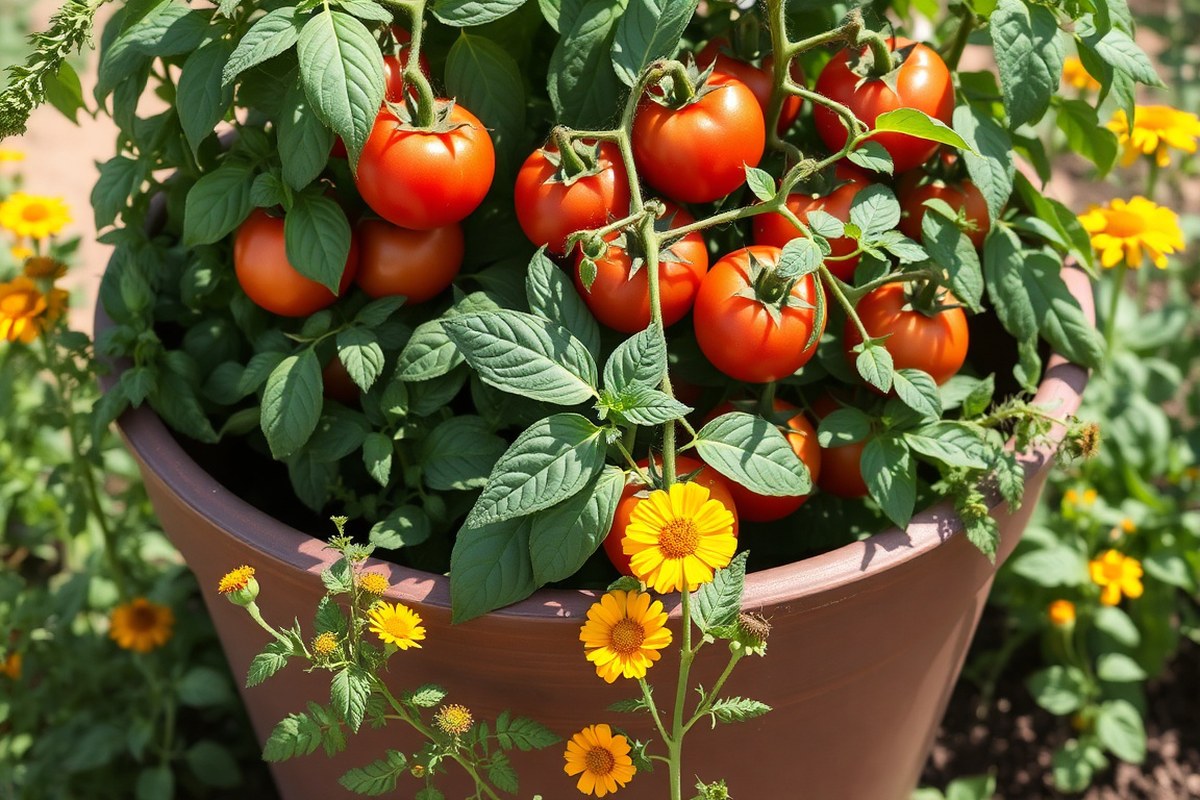
Wondering what to plant with tomatoes in a container? Basil and borage make excellent companions that can boost tomato growth and flavor. Plant these herbs 6 to 8 inches from your tomato plant.
This distance gives both plants room. It also helps keep pests away.
Add lettuce or radishes in the same container. Sow seeds 2 to 3 inches apart. Keep rows 4 to 6 inches away from tomatoes.
These plants need little space and grow quickly. They make good neighbors for tomatoes. This works well when space is tight.
Remember, container size and tomato variety affect what companions you can grow. Smaller tomato varieties like Tiny Tim do well with more companions in a 6-inch pot. Always pick plants with similar sunlight and watering needs to keep your container garden healthy.
Key Takeaways
- Plant basil and borage 6 to 8 inches from your tomato to improve flavor.
- Sow lettuce and radish seeds 2 to 3 inches apart. Keep them 4 to 6 inches away from tomatoes. This spacing boosts growth and health.
- Use smaller tomato varieties like Tiny Tim to fit more companion plants in small pots.
- Choose companions with similar sunlight needs, at least 6 to 8 hours daily is best.
- Avoid overcrowding; give plants enough root space for healthy growth.
- Match watering schedules to prevent over- or under-watering your container plants.
Best Companion Plants to Grow with Container Tomatoes
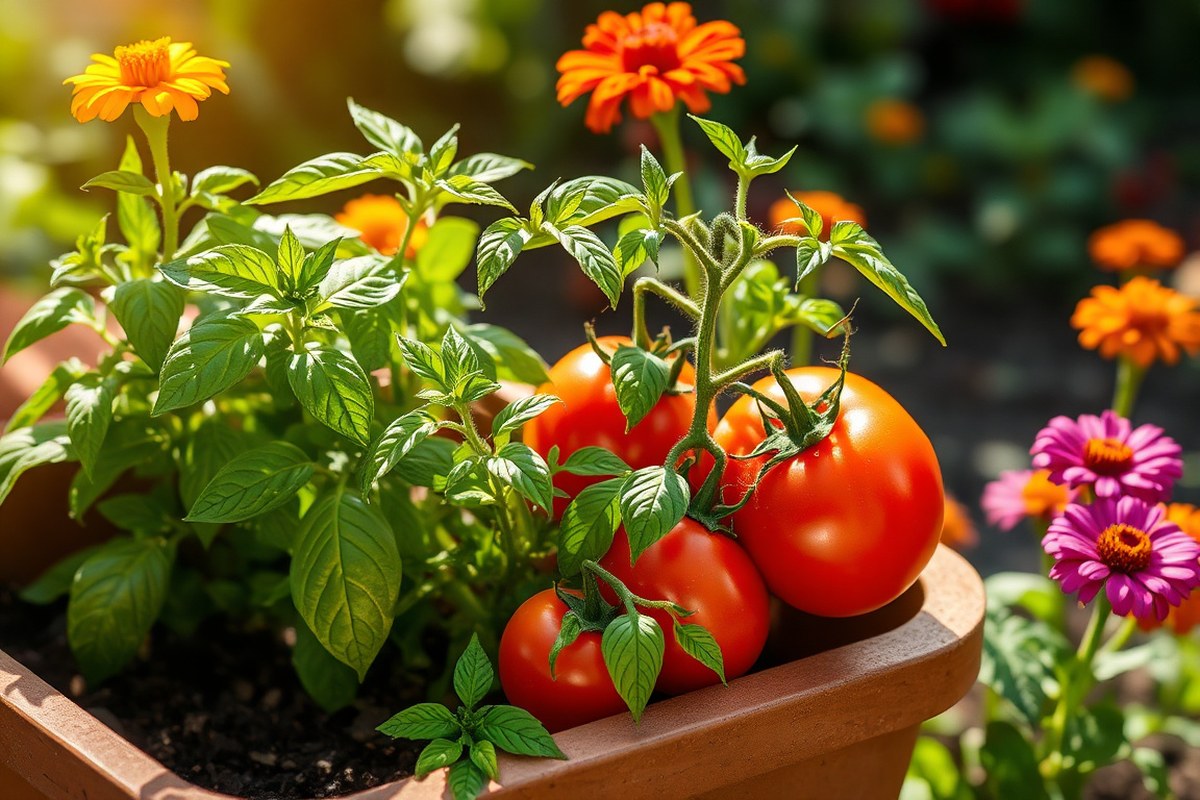
Growing companion plants with tomatoes in containers helps improve flavor, growth, and pest control. Herbs like basil and oregano attract pollinators and repel harmful insects. Flowers such as marigolds and nasturtiums add color while keeping pests away.
Vegetables like peppers and carrots work well too. Peppers thrive in similar conditions and do not compete much with tomatoes. Carrots use different soil layers, helping you make the most of the container space.
Plant companions at least 6 to 8 inches from your tomato to avoid crowding. Choose small or compact plants to fit well in 3 to 10 gallon pots. This setup helps plants get the right air, sunlight, and nutrients to flourish.
| Companion Plant | Type | Benefit | Space Needed | Container Size Suitability |
|---|---|---|---|---|
| Basil | Herb | Improves tomato flavor; repels pests | 6-8 inches away from tomato | 3-5 gallon pots |
| Oregano | Herb | Repels insects; attracts pollinators | 6-8 inches apart | 3-5 gallon pots |
| Marigold | Flower | Deters nematodes and pests | 6-8 inches apart | 5-10 gallon pots |
| Nasturtium | Flower | Attracts beneficial insects; pest trap | 6-8 inches apart | 5-10 gallon pots |
| Peppers | Vegetable | Shares similar growing conditions | 6-8 inches apart | 5-10 gallon pots |
| Carrots | Vegetable | Uses lower soil layers; saves space | 2-3 inches apart; 4-6 inches from tomato | 5-10 gallon pots |
| Borage | Herb | Attracts pollinators; improves growth | 6-8 inches apart | 5-10 gallon pots |
Small herbs and flowers work best because they won’t crowd tomato roots or leaves. You can sow seeds directly in the container once tomato seedlings grow. Just keep companion plants spaced properly to allow air and sunlight to reach all plants well.
Using these companion plants, you get better tomato flavor and more pest resistance. Watch for any overcrowding and adjust spacing if plants look crowded. The right companions also help attract pollinators, which boosts your tomato yield.
How Container Size and Tomato Variety Affect Companion Choices
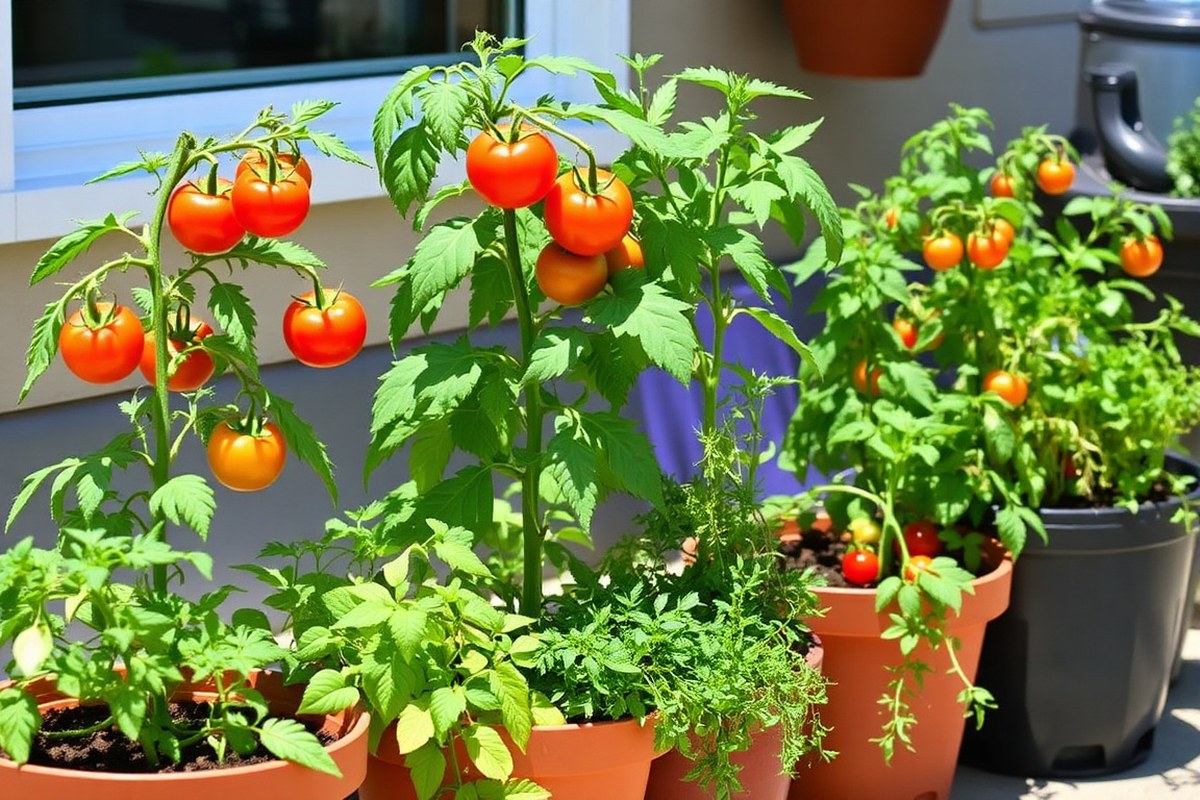
The container size controls how many companions you can grow. It also decides which plants fit well with your tomato.
Bigger containers fit larger tomato varieties and allow more room for companion plants. Small containers need smaller tomato types or companions that don’t compete for space and nutrients.
Determinate tomatoes, also called bush tomatoes, stay compact and work well in smaller containers. They usually grow 1 to 3 feet tall. Determinate types like “Patio V” or “San Marzano” thrive in 5-gallon containers.
Indeterminate tomatoes grow tall and vining. They require bigger containers of 7 to 10 gallons to spread roots and support growth.
Companions need enough root space, too, or they’ll compete with your tomato for water and nutrients. Choose companions that stay small and have shallow roots.
Plan your container size before picking companion plants. This avoids crowding and helps plants grow well together.
- Determinate tomatoes fit best in 5-gallon containers with small companions.
- Indeterminate tomatoes need at least 7 to 10 gallons to grow well.
- Cherry tomato varieties can grow in a minimum 2-gallon pot each.
- Companions must be compact to avoid crowding, especially in smaller pots.
- Leave 24 to 36 inches between tomato plants for air circulation if in separate pots.
- Prune indeterminate tomatoes in containers to control size and allow companions space.
A determinate Roma tomato in a 5-gallon pot fits with a few basil plants. The basil plants fit nicely around the tomato. An indeterminate slicer like Bushsteak needs a 10-gallon pot.
It can only have a small companion such as marigold or parsley. Watch your tomato plant’s growth. When it crowds companions, remove the extras or prune the tomato.
Don’t overcrowd your container; it reduces airflow and invites disease.
Decide your container size based on tomato variety first. Then, add companions that fit the root space and size limits.
Choosing the right companions makes watering easier and avoids nutrient stress. It helps your tomato and plants grow well outdoors or on patios.
Ideal Sunlight, Soil, and Watering for Tomatoes and Companions
Tomatoes in containers need plenty of sunlight, rich soil, and steady watering. Their companion plants share similar needs but might require slight adjustments. Balancing these factors helps your mixed container thrive together.
Sunlight Requirements for Container Tomatoes
Tomatoes need at least 8 hours of direct sunlight daily. This helps them grow strong. It also improves fruit production.
Container placement matters: a south-facing spot delivers the best light. West-facing locations provide 6 to 8 hours and still work well for fruit development.
Some companions like carrots or spinach tolerate a bit of shade from tomato leaves. But most companions chosen for containers with tomatoes also need full sun. Avoid north-facing spots because they get less than 4 hours of sun and stunt plant growth.
Choosing and Preparing Potting Soil Blends
Use a commercial potting mix designed for containers. It holds moisture, drains well, and is free of diseases. Your mix might lack fertilizer.
Add a balanced, slow-release one before planting. It feeds plants for about six weeks.
Tomatoes should be planted deep, burying the stem up to the lowest leaves for stronger roots. Companion plants that aerate soil like carrots help loosen soil near tomato roots. This improves moisture retention and nutrient sharing.
Follow these steps to prepare your soil blend:
- Select a high-quality potting mix that drains nicely.
- Add 1 to 2 cups of balanced slow-release fertilizer per 5 gallons of soil.
- Mix fertilizer evenly into the soil to avoid root burn.
- Check soil moisture and texture before planting, ensuring it’s moist but not soggy.
- Plant tomatoes by burying stems deep for better root growth.
- Space companion plants to avoid crowding and competition for nutrients.
- Add mulch or living mulch plants like spinach to help retain moisture.
Watering Frequency and Fertilizer Adjustments
Container tomatoes need steady watering to avoid stress and cracking fruit. Their soil dries faster than garden soil, so check moisture often. Water when the top inch feels dry but avoid soggy conditions that cause root rot.
Companion plants may have slightly different water needs. Choose companions with similar moisture demands or use drip irrigation to provide even watering. Mulch helps keep soil moist longer and reduces watering frequency.
Fertilize container tomatoes regularly after the first six weeks. Use a water-soluble fertilizer every two to three weeks, mixing it into one gallon of water. Apply the solution evenly around the base, avoiding the leaves.
Companion Planting Layout and Spacing in a Container
Arrange companion plants around your tomato based on the container size. Give tomatoes plenty of space because they grow fast and need room for roots. Use smaller companions that won’t compete for nutrients in tight spots.
Spacing Guidelines for Tomato and Companion Plants
Tomatoes need at least 12 to 14 inches of space across. Use medium or large pots for enough room. This helps tomato plants grow well without crowding.
Put companions like herbs or nasturtiums at least 3 to 6 inches away to avoid crowding. Less space means plants compete for water and nutrients, risking smaller yields.
Smaller plants like Tiny Tim or Tumbling Tom can grow in 6-inch pots. Plant just one tiny tomato with one or two companions to fit comfortably.
Tight spacing in small containers can dry soil quickly. So spacing helps improve airflow and watering.
Layout Options for Small, Medium, and Large Containers
For a 6-inch pot with a small tomato, place the tomato in the center. Plant one or two small companions around the edge, about 3 inches from the base. This maintains airflow and avoids root crowding.
In 12- to 14-inch pots, center a standard tomato plant. Surround it with two to four companion plants evenly spaced 4 to 6 inches apart. This layout uses the space well and lets tomato roots grow deep.
Large containers (18 inches or bigger) can support one tomato and up to six companions. Plant the tomato in the center. Put taller herbs at the back of the pot.
Place low or trailing plants near the edges. This setup balances sunlight and helps all grow evenly.
Examples of Companion Combinations per Container Size
In a 6-inch pot, plant one Tiny Tim tomato. Add two nasturtiums spaced about 3 inches apart. This keeps the plants comfortable and healthy.
Sow nasturtium seeds around the base to fill gaps and deter pests. This fits nicely in small containers.
A 12-inch pot fits one standard tomato plant. Add two basil plants spaced 6 inches apart.
Place one marigold near the pot’s edge for extra color. These companions deter pests and support tomato growth without crowding roots or leaves.
Use an 18-inch pot for one tomato plant. Add four herbs like basil, chives, parsley, and one nasturtium flower.
This gives each plant enough room to thrive. Spread companions evenly 5 to 7 inches apart to keep good airflow and balanced root nutrition.
Follow these steps to plan your container planting layout:
- Choose your container size based on tomato variety requirements.
- Place the tomato plant in the center for even root space.
- Space companion plants carefully in your pots. Use 3 to 6 inches apart in small pots. For larger pots, space them 4 to 7 inches apart for better growth.
- Select companion plants that stay within spaced zones and avoid big root competitors.
- Arrange taller companions behind or to the side to prevent shading tomato leaves.
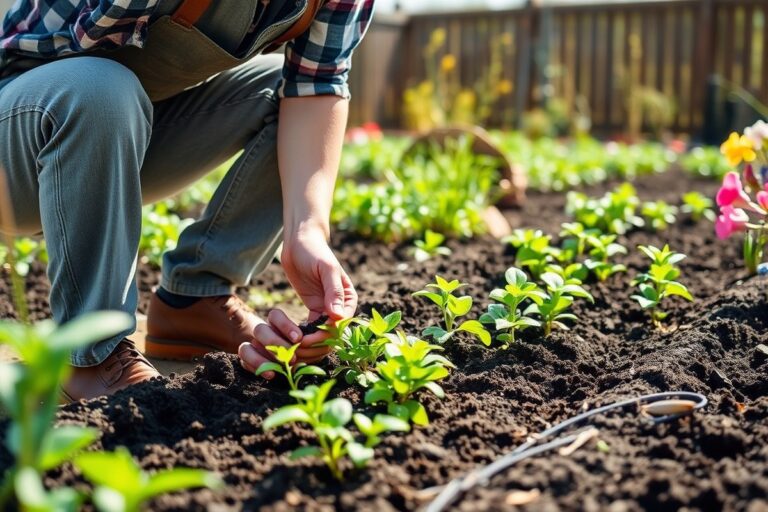
- Sow seeds or plant seedlings around tomato roots without disturbing them.
- Water gently to settle soil and avoid crusting around roots.
- Monitor plant growth and adjust spacing next season if any crowding appears.
When and How to Plant Tomatoes with Companion Plants in Containers
Plant tomatoes out after the last frost when nighttime temps stay above 50°F. Sow small companion seeds like basil and chives around tomatoes once they’re in the container. Transplant larger companions from seedlings keeping about 6 to 18 inches distance from your tomato stems.
Timing Tomato Planting After Frost
Tomatoes need warm weather to thrive and can’t handle frost at all. Only start planting outdoors when every chance of frost has passed. Nighttime temperatures should stay above 50°F for safe tomato planting and growth.
Waiting until this point avoids frost damage that kills tomato plants quickly. Start sowing tomato seeds indoors about 6 to 8 weeks before the last frost. Then transplant seedlings after frost to give tomatoes a strong start in containers.
Starting Companion Plants from Seed or Seedlings
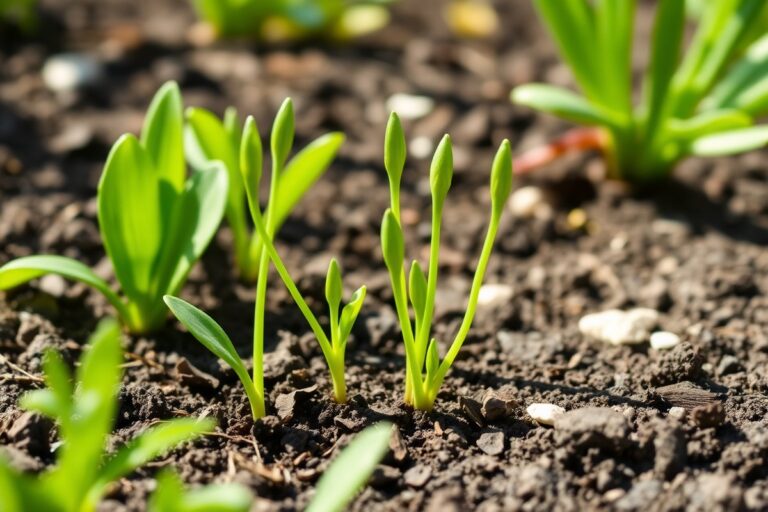
Small companions like basil and chives grow well from seed sown directly in the container. Plant 3 or 4 seeds about half an inch deep near your tomato once it’s transplanted. They come up quickly with tomatoes in the same pot.
Larger companions like dill need starting indoors 6 to 8 weeks early. This means you begin them before the last frost date. Starting early helps them grow strong before transplanting outside.
Transplant their seedlings outdoors when tomatoes are planted. This timing helps all plants develop without overshadowing each other.
Start dill indoors to transplant later and avoid crowding small tomato seedlings.
- Sow small companion seeds after tomatoes are in the container.
- Start larger companion seeds indoors 6-8 weeks before last frost.
- Transplant larger seedlings 8-10 inches from tomato plants.
- Water new companions gently to avoid disturbing tomato roots.
- Use lightweight, moisture-holding soil for better seed germination.
Using seedlings for bigger plants keeps them away from tomatoes’ root zone. This avoids competition while blending companion benefits. Direct sowing works best for fast-growing, small companions around tomato roots.
Spacing Companions 6-18 Inches from Tomato Stems
Space companion plants carefully to avoid overcrowding tomato roots or blocking airflow. Small herbs like basil and chives can go 12 to 18 inches from tomato stems. Larger plants like dill should be 8 to 10 inches away.
Keeping this distance helps companions not compete for nutrients and sunlight. It also improves airflow, reducing disease risk. Circle small plants loosely around tomato stems or place larger companions on the container edges.
- Basil and chives: 12-18 inches from tomato stems
- Dill seedlings: 8-10 inches from tomato stems
- Plant tomato seeds or seedlings singly, 3-4 seeds per container
- Allow room for the tomato plant’s size (12-24 inches tall, wide)
- Adjust spacing depending on container size and tomato variety
Plant companions too close, and tomatoes risk root competition and disease.
Which Plants to Avoid Planting with Tomatoes in Containers
Some plants compete badly with tomatoes in containers, slowing their growth or reducing yields. Avoid planting those that steal nutrients, space, or water from tomatoes. Certain herbs and vegetables release chemicals that hurt tomato roots or stunt their growth.
Fennel is one of the worst plants to grow with tomatoes. It releases allelopathic compounds, chemicals that inhibit other plants nearby.
This can drastically reduce tomato plant size and fruit production. Watch for signs like stunted tomato leaves or weak stems if fennel is nearby.
- Fennel: Produces growth-inhibiting chemicals harmful to tomatoes.
- Potatoes: Share similar diseases; can spread blight and sap nutrients.
- Cabbage family: Competes heavily for nutrients and space.
- Corn: Grows tall and shades tomatoes, reducing their sun exposure.
- Walnut tree (if in large pots outdoors): Roots release juglone toxin, harmful to tomatoes.
Potatoes can carry blight pathogens that infect tomatoes easily, especially in containers where disease spreads faster. Avoid growing them together to protect tomatoes from early blight. Cabbage relatives compete too much, limiting container space and nutrient availability for tomato roots.
You’ll notice early signs of trouble when companion plants are incompatible. Tomato leaves may yellow or curl, stems can weaken, or fruit set decreases. Containers stressed by competition or toxins often need watering sooner.
They also require fertilizer earlier to help tomatoes survive. This shows something is wrong. Separate these plants to keep tomatoes healthy.
Using Companion Plants to Manage Pests and Diseases in Containers
Marigolds can help keep pests away from container tomatoes, but their effect is mild. Their scent deters some harmful insects, like aphids and whiteflies, that commonly attack tomatoes. Plant marigold flowers around your tomato container’s edge.
They help keep pests away. This method avoids using chemicals.
Companion plants like cilantro attract beneficial insects, such as parasitic wasps and tachinid flies. These insects hunt down tomato pests like caterpillars and aphids. Plant cilantro close to your tomato to encourage these helpful bugs to stay near your plants.
Herbs like sage and basil also work well by both repelling pests and attracting pollinators. Plant sage at the edges of your container. Its smell keeps insects away.
This protects your tomato plants. Basil adds flavor to your meals. It also helps keep your container tomatoes healthy.
To minimize tomato diseases, include garlic, chives, and nasturtiums in your container arrangement. Garlic and chives release natural compounds that reduce fungal and bacterial problems around tomato roots. Nasturtiums attract pollinators and beneficial insects that keep pest populations low and disrupt disease cycles.
Plant pest-repellent flowers and herbs on the container’s edges or in small clusters. This spacing lets you access tomatoes easily and keeps companions from stealing nutrients. Use fresh, healthy seedlings when planting.
That costs about $3 to $5 each, depending on the plant. A good sign is fewer pest holes on tomato leaves after two to three weeks.
Watch out when companions sneak pests or diseases themselves, like powdery mildew on herbs. Remove affected plants right away to stop spread.
Keep soil well-drained and avoid overhead watering. Proper care cuts down disease risks more than companion planting alone.
Common Mistakes and Troubleshooting Mixed Tomato Containers
Overcrowding is a common mistake when planting tomatoes with companions in containers. Too many plants compete for soil nutrients and water, which weakens all plants. This slows growth and reduces your tomato yield.
To fix overcrowding, choose companions with smaller root systems or spread plants out in bigger containers. Use a container at least 18 inches wide for tomatoes. Choose this bigger size when you plant several companion plants.
Larger pots help roots spread and grow well. This helps roots develop deeper and wider, supporting healthier plants.
Another issue is uneven watering, which causes stress for both tomatoes and companions. Container soil dries quickly, especially in hot sun and wind.
So watering should be frequent but measured to avoid soggy roots. Stick to a consistent schedule and feel the soil moisture daily to decide.
- Pick companions that grow well in the same soil and light conditions as tomatoes.
- Water containers when the top inch of soil feels dry, not on a strict clock.
- Plant tomatoes deep, burying some stems to encourage more roots.
- Use good quality potting mix hydrated before planting for even water absorption.
- Leave at least 12 inches between plants in containers under 20 inches wide.
- Switch to larger pots if plants look crowded or become root bound.
- Watch for yellowing leaves, a sign of nutrient stress or too much water.
Recognize nutrient competition by stunted growth or pale leaves on tomatoes. Supplement slow-release fertilizer designed for vegetables or add compost tea twice a month. Balance is key, as overfertilizing can burn roots or overstimulate leaf growth.
Plan to upgrade watering systems or container size if you see wilting even after watering. Bigger pots hold more moisture and reduce frequent watering needs. They also give companion plants room to grow without choking each other out.
Check soil moisture by sticking your finger 1 inch deep. Dry soil needs water, even if the surface seems damp.
Step-by-Step Action Plan for Growing Tomatoes with Companion Plants in Containers
Follow these steps to start your container garden with tomatoes and companions. Each phase includes a simple check to confirm success.
- Before you plant: Choose a container big enough for your tomato variety and companions. Check that drainage holes work well, which helps prevent waterlogging.
- Day 1: Mix high-quality potting soil with compost and slow-release fertilizer. Soil should be loose and moist without puddles, signaling good preparation.
- Week 1: Plant your tomato and companion seedlings together, keeping recommended space between plants. Healthy, upright seedlings without wilting show proper spacing.
- Week 2: Place your container where it gets at least 6 hours of sun daily. Track sunlight on your container to ensure it’s not in deep shade.
- Weeks 3-6: Water regularly, keeping soil evenly moist but not soggy. Check soil by touch; it should feel damp but not muddy.
- After 6 weeks: Watch for pests like aphids or hornworms. Use your companion plants to deter them naturally. You’ll notice fewer pest problems compared to solo tomato containers.
- Monthly: Add a balanced liquid fertilizer every 4 weeks to support growth. Plants that stay green and produce flowers are responding well.
Frequently Asked Questions
Can I Plant Herbs Other Than Basil with Tomatoes in Containers?
Yes, herbs like parsley and chives grow well with container tomatoes. They don’t mind shared soil and can help boost tomato flavor and repel pests.
How Close Can I Plant Companion Flowers to Tomatoes in Containers?
Plant flowers about 6 to 8 inches from tomatoes to avoid root competition. This spacing lets both plants get enough nutrients and room to grow.
Should I Add Fertilizer When Planting Companion Plants with Tomatoes in Containers?
Yes, add balanced fertilizer when planting companions to support all plants. Container soils lose nutrients fast, so feeding keeps tomatoes and companions healthy.
Can I Use the Same Potting Soil for Tomatoes and Their Companions?
Use high-quality, well-draining potting soil for tomatoes and their companions. Both need soil that holds moisture but doesn’t stay soggy to avoid root rot.
How Often Should I Water Tomatoes with Companion Plants in Containers?
Water them when the top inch of soil feels dry to touch. Containers dry faster, so check daily in hot weather to avoid plant stress.
Is Pruning Companion Plants Necessary When Grown with Tomatoes in Containers?
Light pruning helps keep air circulating and reduces disease risk. Avoid heavy pruning because you want both plants to grow well without crowding.
The Bottom Line
Growing tomatoes with the right companions can boost their health and yield in containers. Start small and adjust your setup based on what your plants tell you. Try adding basil or marigolds in your next container to see the benefits firsthand.