When to Apply Moss Killer to Grass: Timing Tips for Fast, Lasting Results
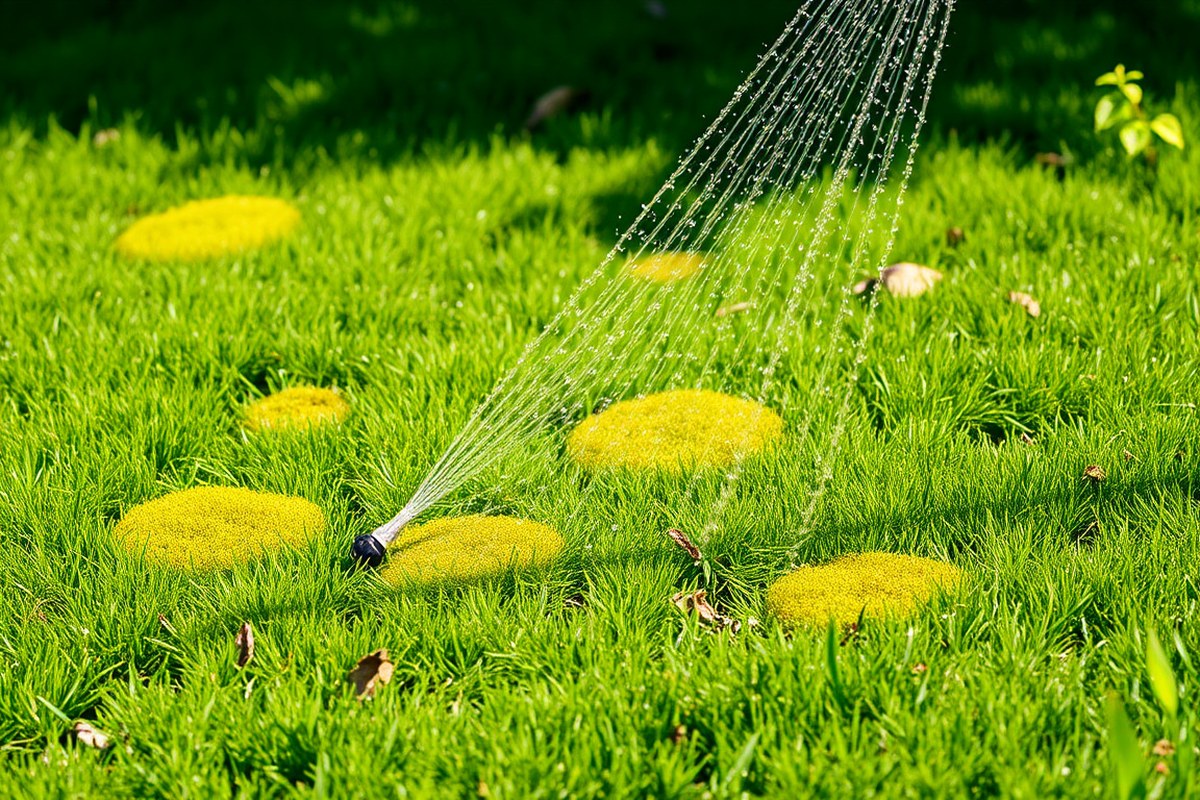
Figuring out when to apply moss killer to grass can clear your lawn faster. The best time is during dry weather with no rain forecast for at least 24 hours. This keeps the treatment from washing away and improves its effectiveness.
Apply moss killer only when temperatures range from 50°F to 70°F. Wait about two weeks after mowing to use products like Moss Out without stressing your grass. Check the weather for a dry and mild day before applying.
Taking these steps helps the moss killer work deeply and lets your lawn recover well. Don’t water your lawn for at least 24 hours after using moss killer. This helps the product stay active longer.
Keep the lawn dry during this time for best results. These simple timing tips speed up moss removal and protect your grass.
Key Takeaways
- Apply moss killer on dry days with no rain expected for at least 24 hours.
- Choose mild temperatures between 50°F and 70°F to maximize moss killer effectiveness.
- Wait at least two weeks after mowing before applying moss killer products.
- Avoid watering your lawn for 24 hours after applying moss killer.
- Check weather forecasts closely to prevent rain from washing away treatment.
- Proper timing helps moss die off fully within 2 to 4 weeks.
When Is the Best Time to Apply Moss Killer to Grass?
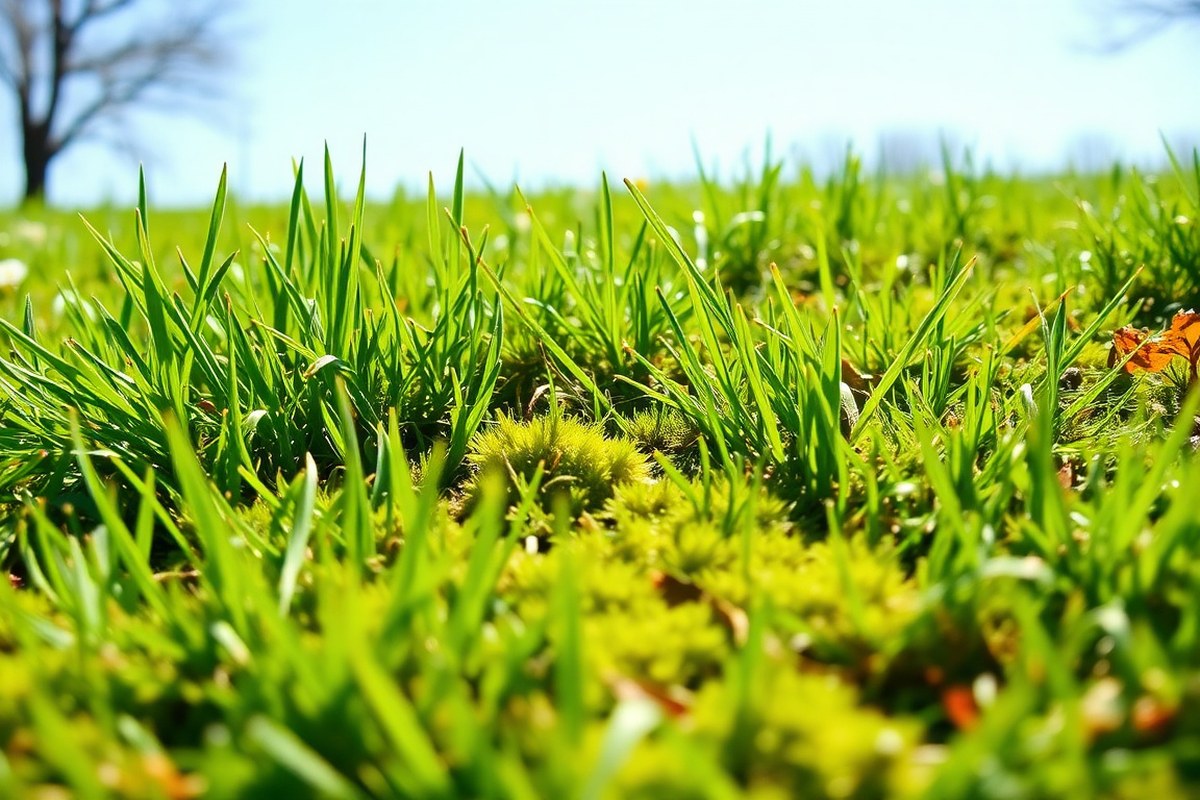
The best time to treat moss is late winter through early spring or fall. Moss grows a lot in these cool, damp seasons.
So killing it is easier then. Avoid summer since moss becomes inactive and treatment can stress your lawn.
Moss is vulnerable when it’s actively growing. Apply moss killer in early spring before grass starts growing fast.
This lets you tackle moss early and helps your lawn recover quicker. Fall works well too, when moss flourishes but grass slows down.
Your local climate affects timing. In regions with mild winters, you can treat moss as early as late winter.
In colder areas, wait until early spring to avoid freezing temperatures that reduce effectiveness. Moist, cool conditions help moss killer work better, so check the weather before applying.
Here’s a quick checklist to help you choose when to apply moss killer. Moss must be green and showing active growth. Only treat your lawn during this stage for the best results.
The soil temperature should be above 40°F (4°C). Avoid treating wet grass or right before heavy rain.
Choose a dry day with mild temperatures between 40°F and 70°F. Avoid applying moss killer during dry, hot spells. Wait for cooler weather before treating your lawn.
Applying moss killer in the correct season takes little extra effort. It helps your lawn stay healthy year-round. Treating at the right time also cuts down moss problems.
You’ll see moss start to blacken and shrivel within a week or two. Applying moss killer too late in spring or during summer risks moss survival.
Moss might come back quickly if treated at these times. Early treatment gives grass time to fill in bare spots and stay dense.
How to Prepare Your Lawn for Moss Killer Application
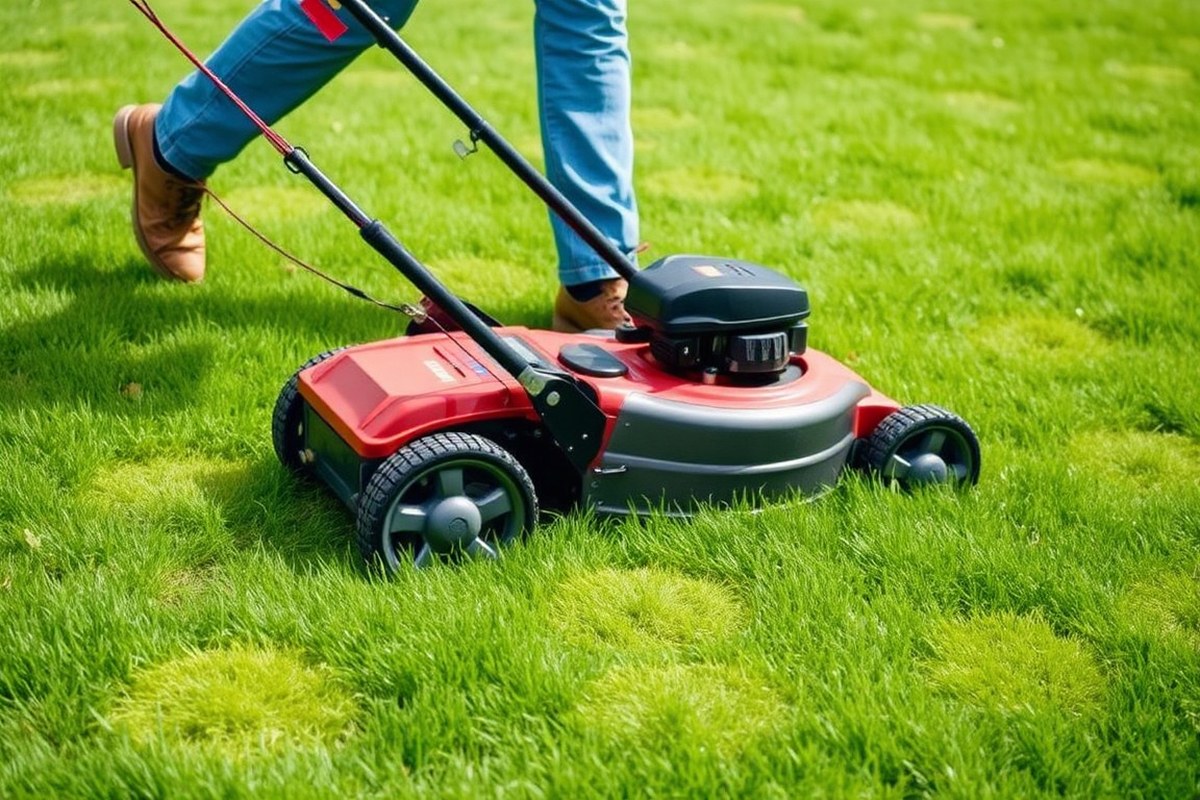
Preparing your lawn properly makes moss killer work better. Start by mowing, clearing debris, and checking the soil. Follow these steps to get your lawn ready before applying moss killer.
Mowing Guidelines Before Treatment
Mow the grass before applying moss killer, especially if the moss is mixed with lawn. Cutting shorter helps the killer reach moss directly on the ground. Aim to mow a few days before treatment to prevent spreading moss spores.
Keep your mower blade sharp to avoid damaging grass during mowing. Don’t mow right before treatment when using liquid moss killer. Wet grass makes the treatment less effective.
Wait until the grass is dry. Generally, mow about 2 to 3 days before applying the product.
Watering Timing and Amount
For liquid moss killers, don’t water the lawn right before application. Dry grass helps the treatment stick to moss better. After you apply, wait at least 24 hours before watering again or before any rain.
Granular moss killers allow watering before use. Water the lawn lightly one day before applying granular moss killer.
This works well when the lawn is dry for days. This moistens the soil and improves product absorption without washing it away.
Soil pH and Drainage Checks
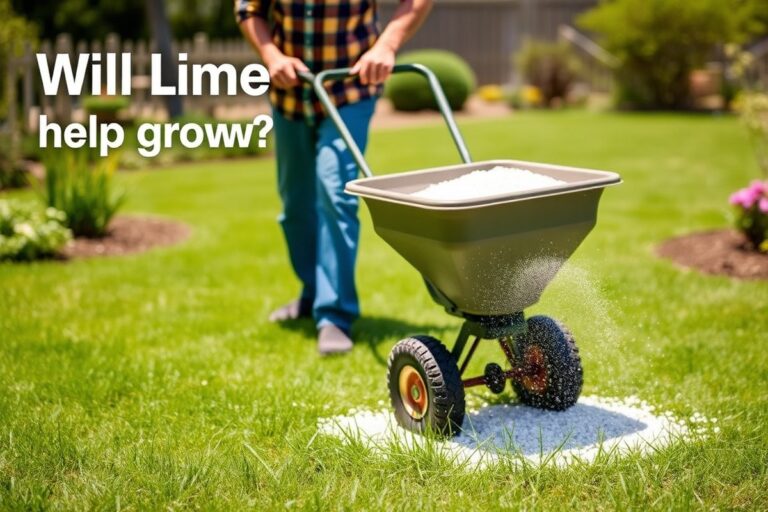
Test the soil pH with a kit before applying moss killer to spot issues. Moss prefers acidic soil below pH 6. You might need lime after treatment to balance soil pH.
This is true when the soil is too acidic. This step ensures moss killer effectiveness and prevents recurrence.
Make sure your lawn drains well to prevent moss growth. Poor drainage creates damp patches where moss thrives. Aerate compact soil after moss removal to reduce these wet spots and encourage healthy grass growth.
Follow this step-by-step routine for best results:
- Mow grass to about 2 to 3 inches high, 2 to 3 days before treatment.
- Rake or remove leaves, twigs, and dead grass to clear the area.
- Check soil with a pH test kit to identify acidity levels.
- Lightly water dry lawns 24 hours before granular moss killer applications, skip watering for liquids.
- Apply moss killer only on moss-covered spots, avoid the entire lawn.
- Keep the lawn dry and avoid watering at least 24 hours after treatment.
- Inspect drainage and aerate soil if water puddles form after rain.
Never water the lawn just before applying liquid moss killer; it reduces product effectiveness.
What Weather Conditions Make Moss Killer Most Effective?
Apply moss killer when temperatures stay between 40°F and 75°F for best results. This range lets the moss absorb the treatment without stressing the grass.
Avoid applying when the temperature is above 85°F. Hot weather can harm your lawn. It also lowers the moss killer’s effectiveness.
Do not use moss killer just before rain or during wet conditions. Rain within 24 hours can wash away the product, making it useless and wasting your money.
Make sure the grass surface is dry before applying. Check that no rain is expected for a whole day.
After heavy rain, let your lawn dry for about 24 hours before treating it. This wait ensures the moss killer sticks properly and soaks in.
Do not apply just after rain or on soggy soil. It causes poor results and more moss might grow later.
Avoid treatment before heat waves or very hot days. High heat stresses grass and can make it more vulnerable to injury from the chemicals. Choose cooler days in spring or early fall when temperatures are mild and stable.
Check your local weather ahead of time. Reschedule the application when rain is forecast within a day. Also, don’t apply moss killer to drought-stressed grass because it can cause further harm.
Use this decision rule checklist: Confirm temperature between 40°F and 75°F. Make sure no rain is expected for 24 hours. Verify grass isn’t damp from recent rain.
Avoid times of heat above 85°F. Follow your moss killer’s label instructions. This approach saves time and prevents damage to your lawn.
Types of Moss Killers and Which to Use When
Moss killers come in several types with different formulas. Granular iron sulphate products work well in cool, damp weather.
Liquid sprays often act faster but need careful application. Organic moss killers exist but usually act slower than chemical ones.
Liquid vs Granular Moss Killers
Granular moss killers, like iron sulphate, spread evenly with a broadcast spreader. You apply them over patches of moss and water lightly afterward. They release slowly and feed the lawn, especially when used in early spring or fall.
Liquid moss killers usually contain ammoniated soap or zinc sulfate. You mix these with water and spray directly on moss. They work faster but need more precise application to avoid harming grass.
Wear a dust mask when handling powder or granular moss killers. Follow label instructions closely for the best timing and coverage.
Chemical vs Organic Options
Chemical moss killers often use iron sulphate, ammoniated soaps, or zinc sulfate. They kill moss effectively and sometimes boost grass health. Iron sulphate also gives your grass a deeper green color.
Organic options use natural ingredients but act slower and might require multiple applications. They are safer around pets and kids but less reliable for heavy moss. Choose organic only if you prefer a natural approach and can wait longer for results.
For hard-to-kill moss or large areas, chemical products give faster control. Organic is better for small patches or maintenance in well-kept lawns.
Best Use Cases by Season
Early spring and early fall are prime times for moss killer application. These periods have cool, damp weather, which moss likes and when moss killers work best. Granular iron sulphate products shine in these seasons.
Late winter to early spring is especially good for preventive treatment. Applying moss killer then stops moss before it spreads widely. Liquid sprays can be handy in early fall for quick moss eradication on visible patches.
Applying moss killer too late or during hot, dry summer months often fails or harms grass. Stick to the cool seasons for both forms and types. Here is a quick comparison of common moss killer types, their application, speed, and best season:
| Moss Killer Type | Application Method | Speed of Action | Best Season | Additional Notes |
|---|---|---|---|---|
| Iron Sulphate (Ferrous Sulfate) | Granular spreader | Moderate; gradual effect | Early spring, early fall | Feeds lawn, deepens grass green |
| Ammoniated Soap of Fatty Acids | Liquid spray | Fast acting | Early fall, mid spring | Needs careful spraying to protect grass |
| Zinc Sulfate | Liquid spray | Fast acting | Early spring, early fall | Effective but less common |
| Organic Alternatives | Varies (spray, granular) | Slow to moderate | Spring to fall, depends on product | Safer, but multiple applications often needed |
Timing your moss killer and choosing the right type makes a big difference. Use granular iron sulphate in spring or fall for steady control.
Pick liquid sprays for quick action on visible moss spots during cool, damp conditions. Organic products suit mild moss or natural lawns but expect slower results.
How Long Does Moss Killer Take to Work and What to Expect
Moss usually starts turning black or brown about one week after you apply moss killer. This color change means the moss is dying. Around the same time, the grass might darken a little.
This darkening is common if the moss killer has iron. You may notice it especially in shady areas.
It takes about three to four weeks for the moss to be completely dead. During this period, the moss will dry out and shrink. Your lawn will start looking thicker and healthier soon.
Grass fills bare spots left by the moss. This gives the lawn a fuller appearance.
You can plan to reseed or fertilize the lawn after the moss has fully died. Wait at least three to four weeks before planting new grass. This lets the moss killer break down fully.
It also keeps new seeds safe. Put fertilizer on the lawn at this stage.
It helps the grass recover faster after moss removal. The fertilizer also fills in empty patches.
The process varies depending on your lawn type and moss density. Thicker moss and cooler weather slow down the treatment. Warm, dry weather speeds up moss death and grass recovery.
You don’t need to worry if the lawn was wet before treatment. Moss killer still works well.
Keep kids and pets off the lawn until the moss killer has fully dried for safety.
Some moss killers darken the grass with iron-based ingredients. This effect can look strange but fades after a week or two. Consider improving lawn care to stop moss coming back quickly.
Focus on changing the conditions that moss likes. This helps keep your grass healthier.
Post-Treatment Care to Prevent Moss Returning
After applying moss killer, wait to water and mow until moss fully dies. Follow a consistent fertilization and overseeding schedule to help grass recover. Improving soil drainage prevents moss from growing back long term.
Watering and Mowing Post-Application
Do not water for at least 48 hours after applying moss killer. This keeps the product on the moss so it works well. Once moss turns brown and starts to die, wait 7 to 14 days.
After that, you can mow the lawn carefully. Make sure to avoid mowing too soon.
Set your mower blade higher than usual to avoid stressing the lawn. Avoid heavy watering or rain exactly after treatment to prevent washing off the moss killer. Water only when the soil feels dry, starting around three days after treatment.
Overseeding and Fertilizing Timelines
Wait about two to three weeks after moss treatment before overseeding. This timing lets the moss die and prevents seed from landing on moss. Overseeding helps fill bare spots and strengthens grass against moss return.
Fertilize your lawn every 6 to 8 weeks through the growing season. This helps the grass stay healthy and strong. Keep a regular schedule for best results.
Use a balanced fertilizer with nitrogen, phosphorus, and potassium, following package instructions for your lawn size. Avoid heavy fertilizing immediately after moss killer, it can burn fragile grass.
Improving Soil and Drainage
Improving soil drainage stops moss from growing back by reducing soggy, shady spots. Aerate your lawn at least once a year to relieve soil compaction. Use a core aerator to pull out plugs of soil, letting air and water reach roots.
Fix drainage problems by reshaping low spots or installing drainage tiles if needed. Add organic matter like compost to soil to improve texture and water flow. Good drainage keeps grass strong and moss weak, cutting your need for moss killer over time.
Follow these steps for post-treatment care to keep your lawn moss-free:
- Wait 48 hours before watering after moss killer application.
- Mow carefully once moss visibly dies, usually after 1-2 weeks.
- Water the lawn only when soil feels dry to the touch.
- Wait 2-3 weeks before overseeding bare spots.
- Fertilize every 6-8 weeks during the growing season with balanced fertilizer.
- Aerate your lawn annually to reduce soil compaction.
- Improve drainage by leveling low areas or adding organic matter.
Common Application Mistakes and How to Avoid Them
Applying moss killer just before rain can wash the product away and reduce its effect. Wait for at least 24 hours of dry weather to let it soak into the moss. Also, spraying too unevenly causes some moss to survive and grow back quickly.
Uneven spread happens when you rush or don’t cover every patch. Use a sprayer with a fine nozzle and move steadily to cover the lawn uniformly. Overlapping slightly helps avoid missed spots but avoid heavy double layers, which can harm grass.
The ideal temperature for moss killer application is between 50°F and 85°F. When it’s too cold, the product works very slowly. Hotter weather can stress your lawn with this chemical. Damage or browning may happen.
- Don’t apply before heavy rain, wait at least 24 hours of dry weather.
- Use a sprayer for even coverage and consistent movement across the lawn.
- Check temperature range and apply only between 50°F and 85°F.
- Wear gloves, eye protection, and a dust mask during application.
- Avoid mowing same day as application to reduce stress on grass.
- Fix bare or damaged spots by reseeding and adding topsoil if needed.
- Water lightly after a few days to help grass recover without washing off product.
Safety gear is a must when using moss killer. Gloves protect your hands, and eye protection keeps chemicals out of your eyes. A dust mask also helps prevent inhaling powder or spray mist.
Moss killer can harm grass if used too much. It also damages grass if conditions aren’t right. Use it carefully to protect your lawn.
Repair bare patches by loosening soil and spreading grass seed where moss died. Adding a thin layer of topsoil keeps seeds moist and supports new growth.
Water the treated area lightly after about three days. This helps grass recover but avoids washing off the moss killer. Avoid mowing your lawn the day you treat it.
Also, don’t mow for two days after treatment. This helps reduce stress on grass blades.
When to Reapply Moss Killer and Managing Persistent Moss
You should reapply moss killer about every 6 to 12 months if moss keeps coming back. This depends on how bad the moss problem is and how well your lawn grows. Sparse or thinning grass usually means the moss is winning and needs more attention.
Apply moss killer again when you still see healthy moss patches after your first treatment. QuickSilver works fast, often within 24 to 48 hours. So if moss remains green and growing after this, it means it might need another round.
Avoid applying moss killer too soon, or the grass may get stressed. Wait at least 6 months between treatments to protect your lawn.
Moss killer works best when grass is actively growing because dormant grass won’t absorb it well. For most regions, early spring or early fall treatments give the best results. Treating when grass is dormant risks being too late, allowing moss to return over winter.
Persistent moss problems need more than just a chemical fix. Maintain a dense, healthy lawn by feeding it regularly and fixing any drainage or shade issues. Moss thrives in thin, wet, shaded areas.
Aerate your lawn and add topsoil or grass seed to fill bare spots. These steps discourage moss from growing back.
Keep an eye on your lawn’s condition after each treatment. Moss may return. Increase feeding, cut shade, fix water pooling, then reapply moss killer on time.
Many homeowners see less moss with a good lawn care plan. It works better than chemicals alone.
Don’t reapply moss killer during grass dormancy. Wait until the grass starts growing again for safer, better results.
Step-by-Step Action Plan for Applying Moss Killer
Follow these steps to apply moss killer correctly and keep your lawn healthy. This plan helps spot success signs and avoid common mistakes.
- Before you start: Mow your lawn and remove debris. Moss killer works best on clean grass.
- Day 1, morning: Check the weather forecast. Apply moss killer only if no rain is coming for 24 hours. Temperature should stay between 50°F and 70°F during that time. Use moss killer when these conditions are met for best results.
- Day 1, afternoon: Apply moss killer evenly using a sprayer or spreader. Look for full coverage without runoff.
- Day 2-3: Avoid watering your lawn to let the moss killer dry and absorb fully. You should see moss color darkening as a sign it’s working.
- Week 1: Rake dead moss out of the lawn gently. Healthy grass should look unchanged or greener.
- Week 2: Fertilize your lawn to help grass recover and crowd out moss. Watch for lush growth and fewer moss patches.
- Month 1: Inspect your lawn for moss regrowth. Plan a reapplication only if moss returns in spots.
Frequently Asked Questions
Can You Apply Moss Killer Right After Mowing the Lawn?
You should apply moss killer before cutting the grass. This helps prevent moss spores from spreading and makes the treatment more effective.
Is It Okay to Use Moss Killer During Hot Summer Months?
Hot summer months are not ideal for moss killer. Extreme heat can stress grass, reducing the product’s effectiveness and possibly damaging your lawn.
Should Moss Killer Be Applied on Cloudy or Sunny Days?
Apply moss killer on dry, cloudy days to avoid quick drying. This ensures the product has enough time to work before rain or sun interferes.
Do You Need to Water the Lawn Before Applying Moss Killer?
Avoid watering before applying moss killer. Dry grass and soil allow the product to stick to moss and work better.
Can Moss Killer Be Combined with Fertilizer Applications?
It’s best to apply moss killer and fertilizer separately. Treat moss first, then fertilize once moss is removed and grass starts growing.
How Often Should You Check the Lawn After Applying Moss Killer?
Check your lawn a week after application for moss browning. Early inspection shows if you need to reapply or reseed bare spots.
Before You Go
Applying moss killer at the right time and under good conditions gives the best result. Your lawn will look healthier and stay moss-free longer. Start by checking your weather and preparing your lawn today.