When to Plant Peony Seeds: A Complete Guide for Best Timing and Growth
Figuring out when to plant peony seeds is key to getting healthy growth. The best time is in the fall, so the seeds experience natural cold conditions.
This helps them start their growth cycle smoothly come spring. Planting in fall gives seeds time to rest in the soil and prepares them for strong roots.
Plant your peony seeds about 1 to 2 inches deep in well-drained soil. Water them well after planting so the seeds rehydrate and stay moist.
Good drainage prevents seed rot during winter. Avoid soggy soil, which can cause seeds to rot before they sprout.
Cold temperatures trigger a process called cold stratification, which helps peony seeds break dormancy. Without this, seeds may not sprout or take much longer to germinate.
Keeping seeds outside over winter mimics this naturally. If you live where winters are mild, you might need to refrigerate seeds for several weeks.
Key Takeaways
- Plant peony seeds in fall for best outdoor germination results.
- Place seeds 1 to 2 inches deep in soil with good drainage.
- Water seeds thoroughly after planting to start the germination process.
- Cold stratification helps seeds break dormancy, allow natural or fridge chilling.
- Spacing seedlings 3 to 4 feet apart gives room for mature growth.
- Soak seeds for 24 hours before planting to boost germination.
When Is the Best Time to Plant Peony Seeds Outdoors?
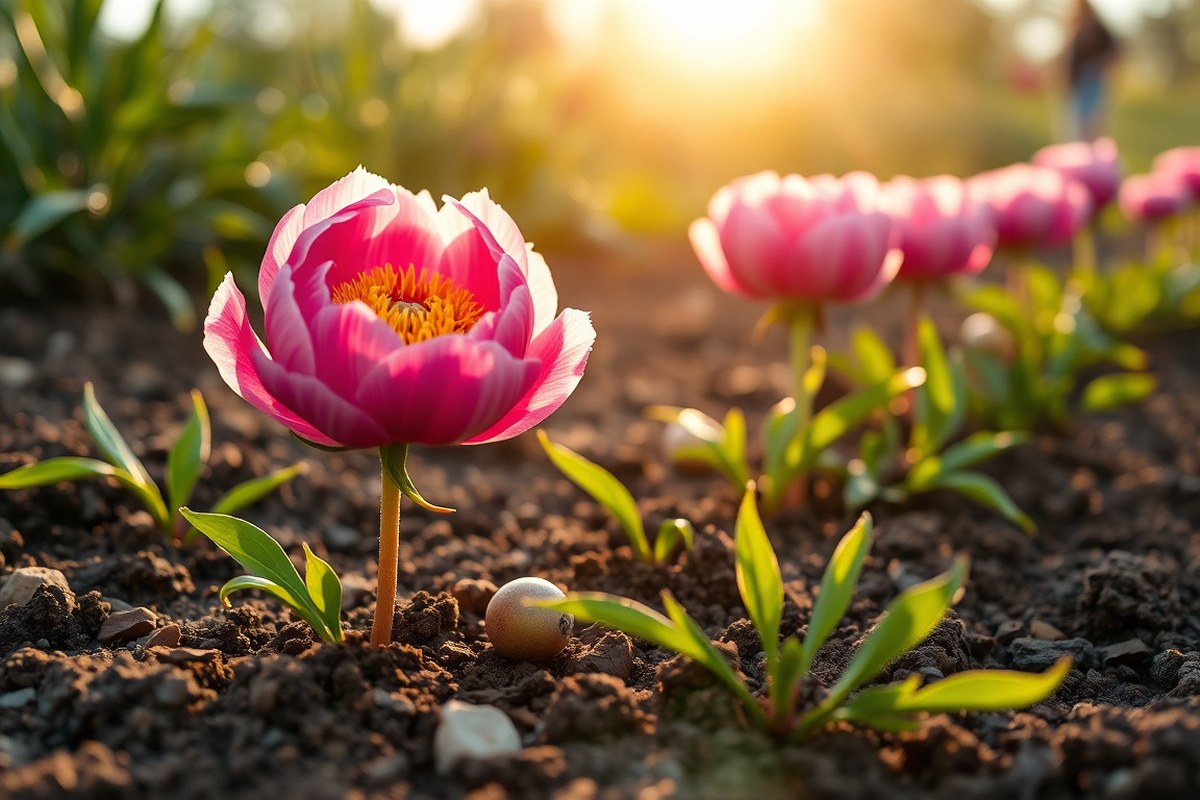
Plant peony seeds outdoors in the fall, ideally between October and November. This timing lets seeds naturally go through cold stratification during winter. Seeds need cold to break dormancy and germinate well.
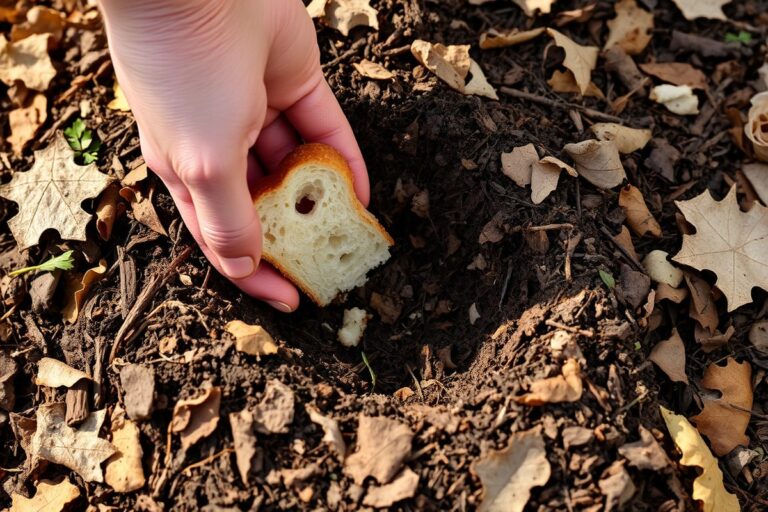
Fall planting gives your seeds several months to undergo chilling in the soil. Press seeds 1 to 2 inches deep into well-drained garden soil. Do this before the ground freezes in late fall.
Make sure the soil drains well to avoid soggy seeds. This way, seeds experience winter temperatures that trigger growth when spring arrives.
Spring planting is possible but less reliable. Seeds sown in spring miss the cold winter period.
So you may see slower or uneven germination. The soil temperature should reach about 50°F (10°C) before planting in spring.
Soil and weather conditions affect your choice. Your ground may stay wet or frozen in late fall. Wait until spring to plant if this happens.
Plant only when the soil is dry enough to work. Planting in moist, cold soil that won’t freeze solid helps the seeds too.
Cold stratification is important for peonies because they evolved to require winter chill. You don’t need to refrigerate seeds separately if you plant in late fall. Nature does it for you outdoors.
Planting decisions vary by your USDA zone. In zones 3 to 6, plant seeds about six weeks before the soil freezes.
Zones 7 to 8 allow planting slightly later, like in November. These zones warm up earlier, so timing matters.
Remember, grass or mulch can insulate seeds during winter. But don’t cover seeds with thick layers right after planting.
Let the soil direct contact cold air but prevent drying out. Check soil moisture if the weather stays dry.
In short, choose fall for best peony seed success outdoors. You get natural cold stratification with minimal fuss. Spring is your backup if fall is too wet or soil is frozen before planting.
How Does Cold Stratification Affect Planting Timing?
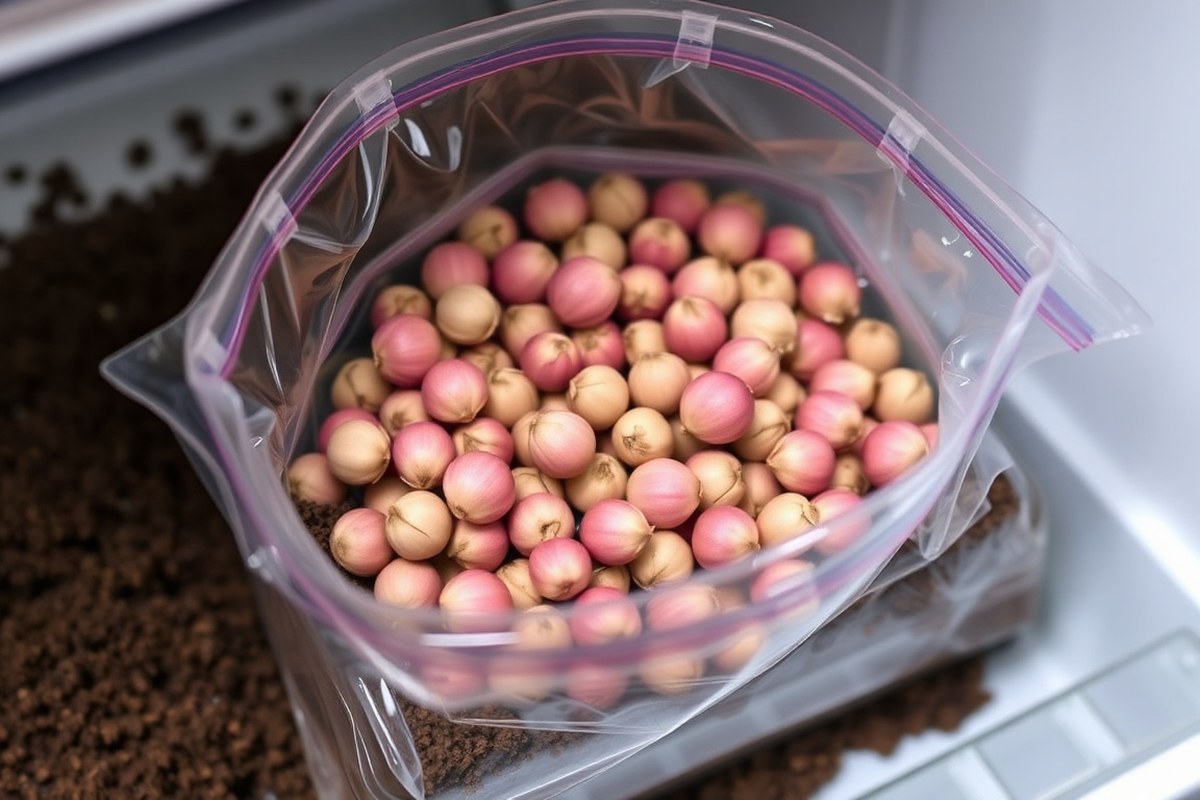
Cold stratification is a necessary step for peony seeds to sprout. This process breaks seed dormancy by exposing seeds to cold, moist conditions. Without it, your peony seeds likely won’t germinate.
What Is Cold Stratification?
Cold stratification mimics winter’s natural chilling to unlock seeds’ growth potential. Peony seeds stay dormant until they experience several weeks of cold and moisture. This triggers enzymes that help the seed germinate in spring.
Typically, cold stratification lasts about 10 to 12 weeks. During this time, seeds require temperatures between 34°F and 41°F (1°C to 5°C). This slow chilling period is what wakes up the seed from dormancy.
How to Cold Stratify Peony Seeds
You can cold stratify peony seeds naturally or indoors in a fridge. Natural stratification happens when you plant seeds outside in fall, letting winter do the work. Indoor stratification requires placing seeds in a moist medium inside a refrigerator.
Follow these steps to stratify inside your fridge:
- Soak the peony seeds in warm water for 24 hours to soften the seed coat.
- Mix seeds with damp peat moss, vermiculite, or sand in a sealed plastic bag.
- Label the bag with the start date for tracking.
- Place the sealed bag in the fridge at 34°F to 41°F (1°C to 5°C).
- Keep the medium moist but not soggy during the stratification.
- Check seeds weekly for moisture and mold, removing any bad seeds.
- After 10 to 12 weeks, remove the seeds for planting or further steps.
Check your seeds regularly and keep the medium damp to prevent mold growth.
Timing Stratification with Outdoor Planting
Planting peony seeds outdoors in fall takes advantage of natural cold stratification. The seeds stay in the soil through winter, receiving the cold, moist period they need. Then they sprout naturally in spring after stratification completes.
Start peony seeds indoors by stratifying them in the fridge first. Keep seeds chilled for 10 to 12 weeks before planting. For example, if the last frost is in mid-April, begin stratification in late January.
Seeds need chilling before planting indoors. Give them 4 to 6 weeks to grow before frost.
Skipping cold stratification usually leads to poor or no germination. It’s worth the extra effort to stratify seeds properly. This timing ensures your peonies have the best chance to grow healthy and strong.
Preparing Peony Seeds: Soaking and Pre-Planting Steps
Soaking peony seeds before planting helps wake them up from dormancy. You should soak them in water for about 24 hours to rehydrate. Cleaning and handling seeds carefully also improves your chance of germination.
Why Soak Peony Seeds Before Planting?
Peony seeds have a hard coat that stops water from entering quickly. Soaking softens this outer shell. This jump-starts the germination process by letting moisture reach the embryo inside.
Seeds need moisture to swell and crack open their shell. Without soaking, many seeds stay dormant too long or fail to sprout. Soaking also helps separate good seeds from bad ones if some float or crumble.
How to Soak and Prepare Seeds Properly
Start by cleaning off any leftover seed pod debris. Dirt or mold can reduce germination rates. Handle seeds gently to avoid cracking or damaging the embryo inside.
Use room temperature water and soak seeds for 24 hours. Longer soaking can cause seeds to rot and lose viability. After soaking, plant seeds right away or keep them moist until planting.
Toss seeds that look cracked, very soft, or damaged in any way. Some growers scarify seeds by lightly nicking the seed coat to improve water absorption. This step can help older seeds sprout better.
Follow these steps to prepare your peony seeds:
- Clean seeds by removing pod bits and dirt carefully.
- Fill a container with room temperature water.
- Place seeds in the water and soak for 24 hours.
- Check seeds during soaking; remove any that float.
- Dry seeds slightly with a towel after soaking.
- Plant seeds immediately or keep cool and moist.
- Optionally, scarify older seeds with a fine file or sandpaper.
Tips for Storing Seeds Before Planting
Keep seeds in a cool, dry spot if you can’t plant them right away. Moist seeds can rot if left too long. Store seeds in a paper envelope or breathable container.
Avoid plastic bags that trap moisture. Seeds lose viability fast when kept at temperatures that are too warm. Label your seeds with the date to track freshness.
Planting Depth, Spacing, and Site Preparation
Plant seeds at the same depth they were in their nursery pot. Usually, this means covering them lightly with soil, about 1 inch deep in cooler zones. This depth protects the seed but keeps it close enough to the surface to sprout properly.
Space seeds about 3 to 4 inches apart to avoid crowding while they grow. Once seedlings grow into mature plants, keep 3 to 4 feet between them. This spacing lets peonies develop full root systems and broad foliage without competition.
Choose a planting site that gets full sun at least 6 hours a day. The soil should be fertile, well-drained, and loose enough for roots to spread easily. Avoid heavy clay or soggy spots since peonies dislike wet feet.
- Plant seeds at the same depth as the nursery pot (about 1 inch deep)
- Space seeds 3 to 4 inches apart for seed starting
- Leave 3 to 4 feet between mature plants for full growth
- Pick a sunny spot with at least 6 hours of direct light
- Use fertile, well-draining soil with good root space
- Loosen soil and remove weeds before planting
Loosen soil to a depth of 12 to 18 inches before planting. Mix in compost or aged manure to boost nutrients and improve drainage. Removing rocks and weeds helps seedlings spread roots without obstacles.
In zones 7 and 8, plant peony eyes only 1 inch deep to ensure winter chill. This helps break seed dormancy and supports stronger sprouting. Cover lightly enough to keep the soil moist but expose the seed to natural cold cycles.
Starting Peony Seeds Indoors: Timing and Techniques
Start growing peony seeds indoors four to six weeks before frost. This timing helps seedlings grow strong before planting outdoors. First, chill the seeds for six to eight weeks to mimic winter conditions.
Choosing the Right Time to Sow Indoors
Begin planting peony seeds indoors late winter or about a month before frost ends. The cold stratification simulates winter, which the seeds need to break dormancy. Put seeds in a damp paper towel.
Place the towel in a plastic bag. Keep them chilled for six to eight weeks.
After stratification, sow seeds in small pots filled with well-draining soil. Keep the soil moist but not soaked. The temperature indoors should stay around 65°F to 70°F for better germination.
Lighting and Watering Indoor Seedlings
Peony seedlings need strong light to grow healthy indoors. A south-facing window often works well if supplemented with fluorescent grow lights on cloudy days. Keep lights on about 12 to 14 hours daily.
Water seedlings only when the soil surface feels dry to avoid rot. Use room temperature water to keep roots steady. Avoid overwatering, as it harms seedlings more than underwatering.
When and How to Transplant Outdoors
Move seedlings outdoors after frost risks pass and when they have several true leaves. This usually happens 4 to 6 weeks after sprouting. Harden off seedlings by exposing them to outside conditions gradually over a week.
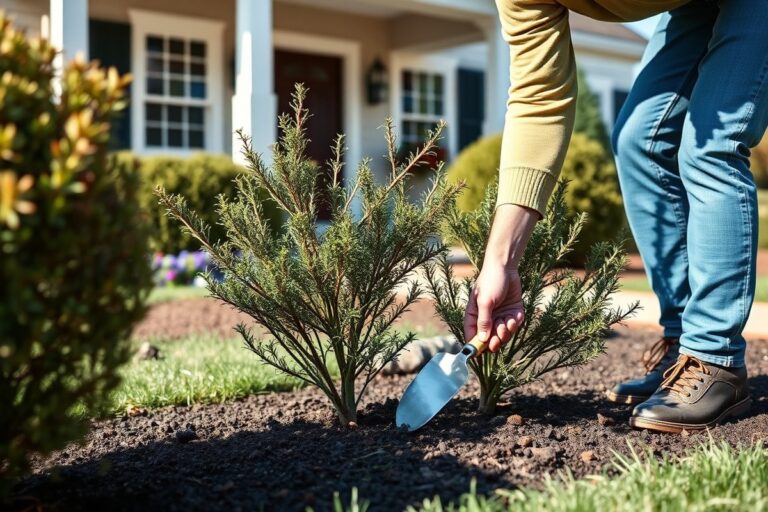
Plant seedling roots about 2 inches deep into well-prepared soil with plenty of organic matter. Space plants 3 feet apart since peonies grow into large clumps. Water well after transplanting to settle soil around roots.
- Chill seeds in a damp paper towel bag for 6 to 8 weeks for stratification.
- Fill small pots with well-draining seed-starting mix.
- Sow stratified seeds ½ inch deep and cover with soil.
- Place pots in a warm spot (65°F to 70°F) with consistent moisture.
- Provide 12-14 hours of bright indirect light daily.
- Water when soil dries on top, avoiding sogginess.
- Start hardening off seedlings outdoors 1 week before transplant.
- Transplant when seedlings have 2+ true leaves and no frost danger.
Starting indoors can speed up blooms by giving seeds a head start before outdoor planting.
How Long Do Peony Seeds Take to Germinate and Bloom?
Peony seeds usually take several weeks to sprout, often around four to six weeks. The exact timing depends on how fresh the seeds are and how well you’ve prepared them. For example, seeds that underwent soaking and cold stratification will germinate faster than untreated seeds.
After sprouting, young peony plants grow slowly in their first year. Bruised or damaged shoots can delay growth by an extra 4 to 8 weeks.
So handle seedlings with care. You’ll want to protect them from harsh conditions to avoid setbacks that stunt development.
Keep in mind it takes patience to see blooms. Peonies grown from seed can take 3 to 5 years before their first flowers appear. Early growth focuses more on roots and leaves, which must mature well to support blooming later.
Your local climate also affects germination and bloom timing. Cooler regions may slow sprouting and growth.
Warmer areas can speed these stages slightly. Make sure to plant seeds as soon as the ground thaws in spring for best results.
You can help speed up growth by adding a sprinkle of mycorrhizae when planting. It costs less than a dollar per planting and supports root health. Healthy roots lead to stronger seedlings and eventually earlier blooms.
Harvesting tree peony seeds typically happens from early to mid-August. Store seeds properly until planting to maintain viability. Planting fresh seeds promptly after stratification reduces the wait time to sprout and grow.
Caring for Peony Seedlings After Planting
Water your peony seedlings thoroughly right after planting. Keep the soil evenly moist but not soggy during the first few weeks. Typically, watering once or twice a week is enough, depending on rainfall and temperature.
Spread 2 inches (5 cm) of organic mulch like shredded bark or leaf mold near the plants. Leave a 2 to 3 inch (5 to 7.6 cm) gap between mulch and the plant’s crown to prevent rot. This mulch retains soil moisture and cuts down on weed growth.
When planting, sprinkle 1 cup (240 ml) of bone meal or superphosphate near each seedling. These fertilizers help develop strong roots. Apply a gentle balanced fertilizer every spring to nourish young plants safely.
- Water seedlings when top inch of soil feels dry
- Use organic mulch to control weeds and keep soil moist
- Keep mulch away from the plant crown to prevent rot
- Add bone meal or superphosphate at planting for roots
- Apply gentle fertilizer each spring as plants grow
- Watch seedlings daily for signs of pests like aphids
- Protect young plants with frost cloth if temperatures drop below 32°F
Frost can damage tender seedlings. So cover them with frost cloth or fabric when cold nights are expected.
Keep an eye out for pests like aphids or slugs, which may chew on young leaves. Use natural pest controls or gently wash pests off with water.
Peonies grow best planted in the ground. But if you use containers, make sure pots drain well.
Container seedlings need more frequent watering and fertilizing than those in the garden. Provide plant supports as seedlings grow to prevent stems from bending or breaking under flower weight.
Common Mistakes When Planting Peony Seeds and How to Fix Them
Planting peony seeds too deep often stops blooms from developing. Seeds should be no more than 2 inches deep.
Deeper planting usually leads to lots of leaves but no flowers for years. Check your planting depth carefully before covering the seeds.
On the other hand, seeds planted too shallow may dry out quickly. They also risk being eaten by birds or washed away by rain.
Cover seeds gently but fully with soil. The soil should feel moist but not soggy right after planting.
Many peony seeds fail to grow because of poor site preparation. Compacted soil blocks roots from spreading and holds excess water.
Use a garden fork or tiller to loosen soil before planting. Mix in some sand or fine gravel to improve drainage if you have heavy clay soil.
Overwatering is another common mistake that kills young peony plants. Avoid giving them too much water, especially right after planting.
Water the soil thoroughly only when the top inch feels dry to the touch. This helps the seeds settle without drowning.
Make sure you handle seeds carefully during planting. Rough handling can damage the seed coat and stop germination.
Use clean tools and gently place seeds without dropping or shaking them. Store any unused seeds in a cool, dry spot to keep them viable.
Always use a ruler to measure how deep to plant your seeds. Digging too deep or too shallow can harm peony seeds. Measuring helps you plant them just right.
Step-by-Step Action Plan for Planting Peony Seeds
Plant your peony seeds at the right time. Follow these steps. They will help your seeds get a strong start.
- Before planting: Soak seeds in water for 24 hours to soften the seed coat. Seeds that swell show they absorbed water.
- Late fall: Plant seeds outdoors after soaking. This lets natural cold stratification break the seed dormancy.
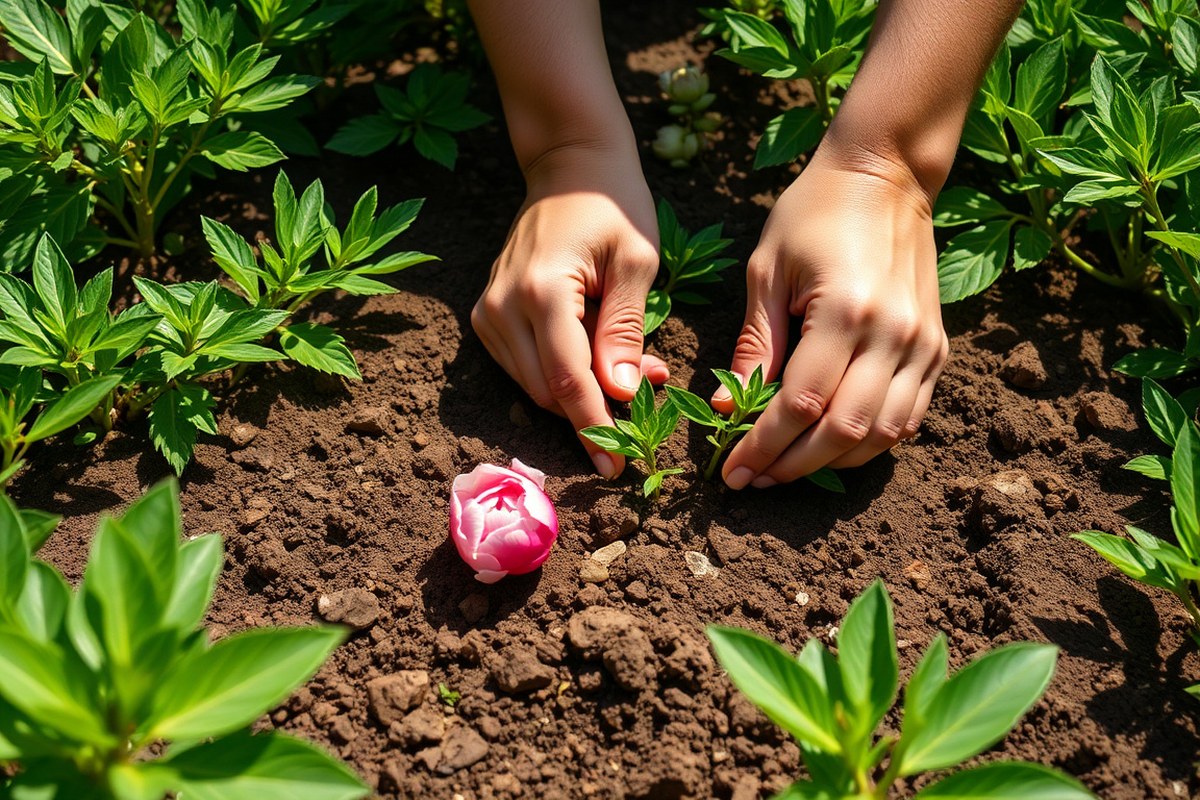
- Immediately after planting: Cover seeds with 1 inch of soil. Press gently to remove air pockets without compacting.
- During winter: Leave seeds undisturbed. Cold weather triggers germination inside the seed.
- Early spring: Check soil moisture often but avoid overwatering. Soil should be moist, not soggy, to encourage sprouting.
- Spring growth: Once seedlings emerge, thin them to leave the strongest ones 12 inches apart. This space helps each plant grow well.
- First growing season: Mulch around seedlings to keep soil cool and moist. Avoid heavy fertilizer until second year for best root development.
- Second year: Watch for flower buds forming in spring. Patience pays off with blooms after two to three years.
Frequently Asked Questions
When Should I Start Preparing Peony Seeds for Planting?
Start preparing peony seeds about a week before planting. Soak them overnight to soften the seed coat and improve germination chances.
How Long Should I Cold Stratify Peony Seeds Before Planting?
Cold stratify peony seeds for about 6 to 8 weeks. This mimics winter chill and helps break seed dormancy for better germination.
Can I Plant Peony Seeds Any Time of Year If I Stratify Them?
No, planting still works best in late fall after stratification. Soil warmth and moisture need to favor seedling growth.
Do Peony Seeds Need Direct Sunlight After Planting?
Peony seeds germinate best in bright but indirect sunlight. Protect seedlings from harsh midday sun to avoid drying them out.
What Soil pH Is Ideal for Planting Peony Seeds?
Slightly acidic to neutral soil with a pH around 6.5 is great. It helps peony roots absorb nutrients efficiently.
Is It Better to Plant Peony Seeds in Containers or Directly in the Ground?
Plant in containers if you want more control over conditions. Direct ground planting works well in suitable climates with good soil.
Wrapping Up
Plant peony seeds outdoors in late fall after soaking and soil prep. Cold stratification is key to getting seeds to sprout in spring. Start today by soaking your seeds to get a jump on the season.