When to Trim Ornamental Grass: Timing, Tools, and Tips for Healthy Growth
When to trim ornamental grass depends mainly on the grass type and local climate. Usually, the best time is early spring before new growth starts. Trimming then clears out dead foliage and helps fresh shoots grow strong.
Cool-season grasses grow best in cooler weather. You should trim them between early April and mid-May in zone 6. This timing helps keep the grass healthy.
Warm-season grasses like it hot; trimming suits late spring or early summer there. These timings protect the plant and avoid cutting new growth prematurely.
Start by checking your grass’s growth pattern and climate zone to pick a good trimming time. Don’t trim the grass too early or too late. Early trimming can hurt the plant’s growth.
Late trimming may reduce the grass shape and thickness. Proper timing keeps your grass healthy and looking good all year.
Key Takeaways
- Trim cool-season grasses in early spring before new growth starts.
- Cut warm-season grasses later, when temperatures reach 80°F or higher.
- Trim most grasses to about 4-6 inches from the ground.
- Leave pampas and tall grasses like maiden grass at 8-12 inches.
- Adjust trimming times by zone: earlier in warm zones, later in cold ones.
- Use hedge shears or pruning saws for taller or woody grasses.
When Is the Best Time to Trim Ornamental Grass?
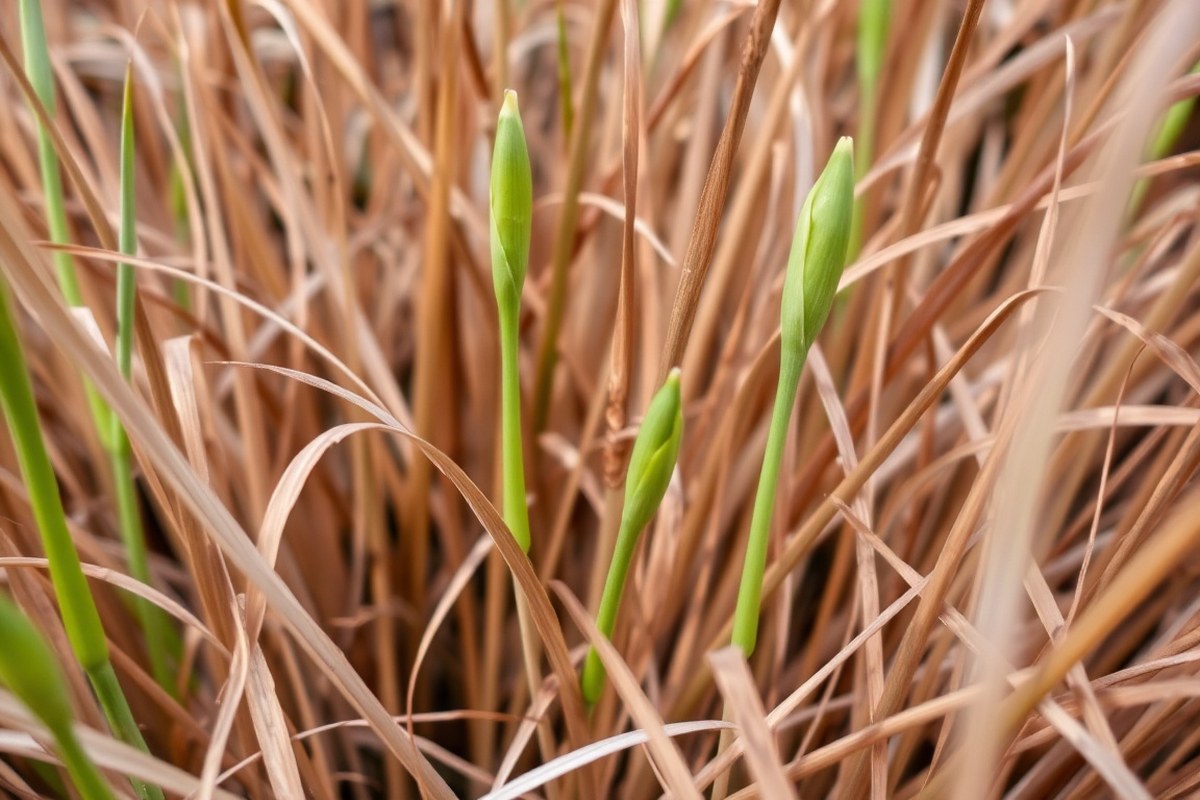
The best time to trim ornamental grasses falls between late winter and early spring. Aim to cut them before new green shoots start growing. Look for small shoots poking up but less than 2 inches tall.
That’s the best time to cut. This timing helps the grass bounce back fresh and strong after winter dormancy.
Warm-season grasses like maiden grass do well cut back from late fall through mid-spring. Cut these down to about 2 to 4 inches above the ground. Cool-season grasses like switchgrass and feather reed grass need later trimming.
Cut them from February to March. Remove no more than two-thirds of their height.
Evergreen grasses need the gentlest touch. So trim lightly only if really necessary in late winter or early spring.
Look closely for the new shoots to appear before trimming your grass. Wait until shoots appear but stay short before trimming. This keeps the crown safe.
It also lets new growth continue well. Cutting too early in winter risks winter damage. Cutting too late in spring removes dried blades.
These blades protect and keep beauty during cold months. You lose this benefit if you wait too long.
Regional climates also affect your timing. In colder zones, hold back trimming until early spring to avoid frost damage on new growth. In milder climates, late winter can be safe.
Track your local frost dates and watch your grass daily to catch the right moment. Following these steps keeps your ornamental grasses healthy and your garden looking good year-round.
Key Differences Between Cool-Season and Warm-Season Grasses
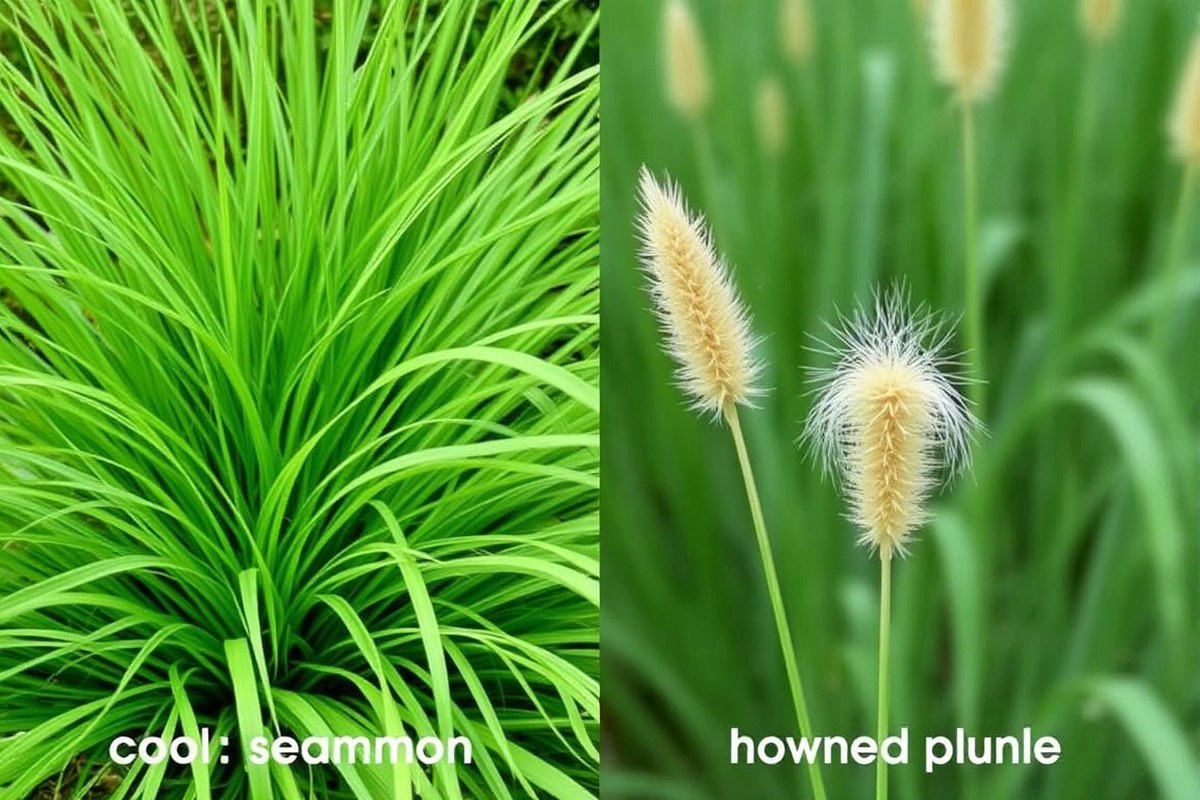
Cool-season and warm-season ornamental grasses grow at different times and need different cutting heights. Cool-season grasses grow when it’s cooler, usually in northern areas.
Warm-season grasses grow in hot weather and often in southern zones. Knowing these differences helps you trim them right for best growth and appearance.
Characteristics of Cool-Season Grasses
Cool-season grasses start growing in early spring when temperatures are around 60 to 75°F. They thrive in northern climates and prefer cooler weather to grow strong. These grasses typically look their best in fall and winter. So you trim them in early spring before new growth.
Examples include Feather Reed Grass, Blue Fescue, and Tufted Hairgrass. They grow slowly and produce fresh blades after trimming. Wait until late winter to cut back old foliage.
Do it early spring to encourage healthy new shoots. This timing helps the grass grow well.
Traits of Warm-Season Grasses
Warm-season grasses grow best in hot weather, around 80 to 95°F. They stay mostly dormant during cool months and begin vigorous growth in late spring. Many warm-season varieties grow tall, sometimes over 3 feet high, and prefer southern or warmer zones.
This group includes Little Bluestem, Pink Muhly Grass, Maiden Grass, and Switchgrass. These grasses die back in winter. Trim them in late winter or very early spring.
Do this before new shoots appear. In areas with wildfire risk, trimming dried grass in fall is advised to reduce fire hazards.
Recommended Cutting Heights by Grass Type
Cutting height varies widely by grass type and size. Cool-season grasses should be trimmed to leave about one-third of their height.
Warm-season grasses under 3 feet need to be cut very short, about 3 inches above ground. Taller warm-season grasses should be trimmed to around 6 inches.
The table below outlines trimming recommendations by grass type and height. Follow these guidelines to avoid cutting too low or too high. Cutting wrong can hurt growth or waste the grass’s natural look.
| Type of Grass | How Short to Cut It | Example Grasses |
|---|---|---|
| Cool-season | Cut two-thirds of the way (leave one-third) | Feather Reed Grass, Blue Oat Grass, Blue Fescue |
| Warm-season (3 feet tall or under) | Cut 3 inches above the ground | Little Bluestem, Pink Muhly Grass |
| Warm-season (more than 3 feet tall) | Cut 6 inches above the ground | Big Bluestem, Maiden Grass, Switchgrass |
Trim cool-season grasses to 4 to 6 inches high. This helps new growth start in early spring. Keep the height consistent each year.
For warm-season grasses taller than 3 feet, cut higher at 6 inches to protect the crown. Cutting too low can damage roots or slow recovery.
Signs Indicating It’s Time to Trim
Ornamental grasses should be trimmed when old leaves turn brown and dry. This dying foliage blocks new shoots and looks messy after winter. You’ll notice less green emerging in spring if trimming is overdue.
Another sign is a thick, tangled clump that blocks sunlight and airflow. This slows growth and encourages disease.
Trimming restores shape and vigor. Avoid trimming during active growth, which can shock the plant.
Never trim ornamental grass in fall unless wildfire risk demands it. Late winter or early spring works best.
How to Trim Ornamental Grass: Step-by-Step Guide
Trim your ornamental grass safely using sharp tools that fit the grass size. Cut the grass to about 4 to 6 inches high to leave room for new growth. Bundle the clumps before cutting and clear cut material to keep your area neat and healthy.
Selecting the Right Tools for Your Grass
Choose garden shears or loppers for medium grasses around 2 to 3 feet tall. Use sharp pruning shears or hedge clippers for thin or younger grasses. For large, tall grasses like pampas, a sharp handsaw or electric trimmer works best.
Dull tools can tear grass, causing damage or disease. Sharp blades make clean cuts, helping your grass heal faster.
Preparing the Grass and Safety Gear
Tie your grass clumps with garden twine before trimming. This keeps the blades contained and reduces mess. Wear gloves to protect your hands and use a face shield when cutting large grasses.
A face shield, like the Sellstrom S30070, blocks flying debris better than glasses. Loose clothing can catch on sharp blades, so wear fitted gear.
Making the Cut: How Much to Trim
Trim your grass evenly just above 4 to 6 inches from the soil surface. For grasses taller than 3 feet, stick closer to 6 inches. Avoid cutting flush with the ground; it harms the crown and stops regrowth.
If the grass shows no new growth after trimming, you might have cut too low or too early. Regular yearly cuts keep grasses healthy and well-shaped.
Cleanup and Disposal of Clippings
Gather the cut grass in bundles to keep your workspace tidy. Dispose of clippings in compost if the grass does not self-seed aggressively. Remove any diseased foliage completely to prevent plant spread.
Clearing the cut material away from the crown helps prevent mold and pests. Bundling also makes hauling grass easier and lowers fall cleanup time.
- Tie the grass clump tightly with garden twine to create a bundle.
- Select sharp pruning shears or a saw depending on grass height.
- Wear gloves and a face shield to protect your skin and eyes.
- Cut the bundle evenly 4 to 6 inches above the soil line.
- Remove the cut grass carefully to avoid damaging new shoots.
- Dispose of clippings in compost or yard waste bins based on grass type.
Why Timing Matters and Common Trimming Mistakes to Avoid
Trimming ornamental grasses at the right time helps them stay healthy and look good. Cutting too early can stress the grass by removing still-living parts. You should wait until late winter or early spring.
The grass will look brown and dormant then. Cut it back to three to six inches tall.
Cutting the grass too low harms its crown and slows growth. Use sharp shears or a power trimmer for woody stems. For cool-season grasses, cut only up to two-thirds of the stems.
Dead centers form after three to five years. The outer part looks healthy, but the inside is hollow and woody. This signals you should divide the grass instead of just trimming.
Look for the dead crown by spreading the grass clump and checking for shriveled sections inside. Dividing helps younger growth fill in and keeps the plant vigorous.
Some gardeners trim ornamental grasses in the fall. This removes old growth. It helps sunlight and airflow reach the grass.
However, cutting too much can remove the natural winter shape that adds garden interest. You can trim seedheads and plumes for fall decoration.
Don’t cut the entire plant back so early. Leave it until late winter or early spring.
Tying back grasses before trimming doesn’t change their health. Cutting without tying also doesn’t affect the plant’s health. Choose the method you find easier.
Skipping the tie-back step saves time, but loose material may be harder to manage. For large grasses like pampas or maiden, tying bundles helps make cleaner cuts and easier cleanup.
Trimming Large and Tall Grasses Like Pampas and Maiden Grass
Large ornamental grasses like pampas and maiden grass need strong tools to trim. The DeWalt DCHT820 electric hedge trimmer, with its 22-inch blade, works well.
It handles tough, dried stalks and costs around $179. You can also use sharp pruning shears for smaller spots or touch-ups.
Trim pampas grass down to about 8 to 12 inches from the ground. Maiden grass is best cut to about 4 to 6 inches tall. Cutting too low can hurt the grass.
So keep at least a few inches to protect the plant’s base. This way, it grows back healthy in spring.
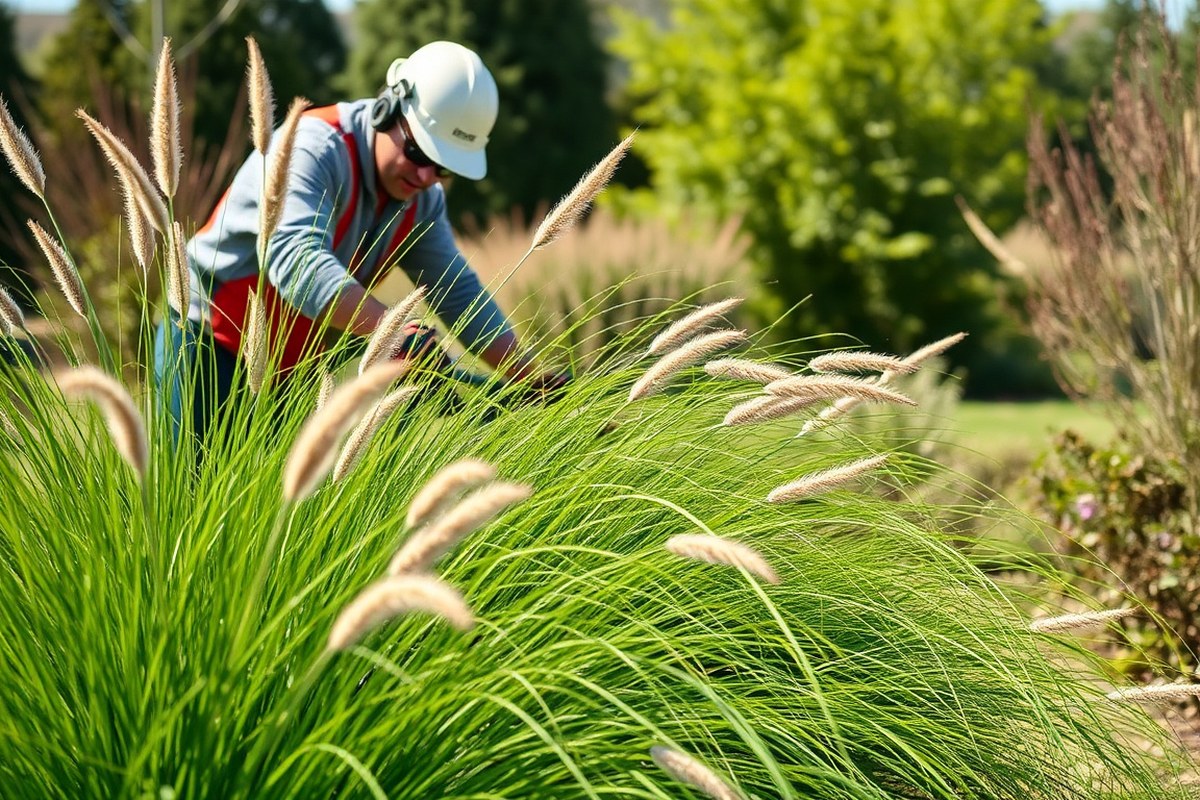
Tall grasses can be dense and sharp. Wear thick gloves and long sleeves to avoid cuts and scratches. Tie the grass up with twine before trimming.
This keeps loose stems from flying everywhere and helps you cut more precisely. Working on a calm, dry day will make cleanup easier and reduce mess.
Start by tying up the grass in loose bundles to control it. Use the hedge trimmer to cut through those bundles evenly.
Keep your trimmer blade level as you work and cut slowly to avoid missing spots. After trimming, rake the clippings and compost or discard them safely to limit pests.
Wear eye protection when trimming tall grasses. Use gloves too. This helps keep you safe from sharp stalks or flying debris.
Adjusting Your Ornamental Grass Trimming by Zone and Climate
Trimming ornamental grasses should fit your hardiness zone. In colder zones like 3 and 4, trim warm-season grasses early in spring.
This timing matches when crocus and snowdrops bloom but stops before forsythia flowers start. It helps avoid damaging new grass growth hidden under dead leaves.
In zones with snowy winters or wildfire risks, fall trimming works better. Removing dead or dry grass in autumn reduces wildfire fuel.
Cut grasses back before the heavy snow or potential wildfires arrive. This gives you safer winters and helps plants prep for dormancy.
Fall trimming has perks and drawbacks. It clears the landscape for winter and lowers fire risk.
But it might expose crowns to harsh cold if done too early. If your climate is mild, leaving grasses uncut in fall keeps them healthy through winter.
Look at the table for examples of common grasses and their zone ranges. It shows sun needs and heights too. This helps you match grasses to your area and pick the right trimming time.
| Botanical Name | Sun Requirements | Height (ft) | Hardiness Zones |
|---|---|---|---|
| Panicum virgatum ‘Northwind’ | Full sun to partial shade | 3-5 | 5-9 |
| Calamagrostis x acutiflora ‘Karl Foerster’ | Full sun to partial shade | 3-6 | 4-11 |
Use this decision rule for trimming:
- Identify your zone and grass type.
- For warm-season grasses in zones 3 and 4, trim early spring.
- In wildfire-prone or snowy zones, trim in fall to clear dead material.
- Avoid early fall trimming in very cold zones to protect crowns.
- For mild climates, trim late winter or early spring for best health.
Evergreen grasses in mild zones often don’t need as much fall trimming. In colder zones, cut deciduous grasses before winter sets in. Pampas grass is a good example, evergreen in warmth but deciduous when cold.
Trimming at the right time cuts waste and keeps grasses growing strong. Follow local weather trends and watch your plants’ growth to time trimming well. It saves you work and helps your garden look better year after year.
Caring for Ornamental Grasses After Trimming
After trimming ornamental grasses in late winter, add mulch chips. Apply 3 to 4 inches of arborist mulch around the base. This helps keep moisture and soil temperature steady.
Mulching keeps roots insulated during cold months and locks in needed moisture. This layer also prevents weed growth and helps your grasses bounce back quicker from trimming.
Water the grasses regularly in the weeks following trimming, especially if spring is dry. Keep soil moist but not soggy.
Grass roots need water to fuel new growth and recover well. Usually, watering once or twice a week is enough, depending on rainfall.
Divide overgrown clumps every 3 to 4 years. Do this when the plant is growing but before it flowers. This keeps the grass healthy and manageable.
Dividing helps reduce overcrowding and boosts overall health. Spring is best for trimming, dividing, and mulching together.
Doing it once helps plants grow stronger faster. It saves time and effort.
After trimming and dividing, monitor your grasses for 4 to 6 weeks. You’ll see fresh shoots appear, which means recovery is on track. Check soil moisture and mulch thickness if growth seems slow or patchy.
These factors affect how well your grasses grow. Adjust watering or mulch as needed. Overwatering or too little mulch can stress the roots, slowing recovery and growth.
Skip trimming in the fall if possible. Cutting in late winter or early spring lets grasses stay protected all winter. Trim grasses while they are still dormant or just waking up.
Doing this timing lowers the chance of damage to the plant. This keeps your grasses healthy longer.
To care properly, trim when dormant, add mulch, water steadily, and divide every few years. This routine costs little but takes consistent attention.
You’ll notice healthier grasses with fuller growth and fewer bare spots when done right. Failing to mulch or water can cause stressed grasses and slow growth after trimming or dividing.
Trimming Evergreen and Container-Grown Ornamental Grasses
You trim evergreen ornamental grasses lightly, focusing only on damaged parts. Container-grown grasses need careful trimming because they face different growth limits than in-ground plants. Both types respond better to light pruning than heavy cutting, which can slow recovery.
Light Pruning for Evergreen Grasses
Evergreen grasses and sedges recover slowly from hard cuts. Use pruning shears or hedge shears for grasses under 2 feet tall. Trim only the brown or damaged leaves to keep the plant healthy.
Prune in late fall when growth slows. Avoid cutting all green blades because this stresses the grass. Light pruning helps dead material clear away and lets new leaves grow faster in spring.
Container Grass Trimming Tips
Grasses in containers need lighter trimming than those planted in the ground. Pots limit root space, so plants grow slower and handle stress worse. Use small pruning shears and remove only dead or brown blades.
Check container grasses often. Remove dry foliage early to improve air flow and reduce pests. Avoid cutting too close to the crown, or you might damage the plant’s growing point.
Differences in Growth and Recovery
In-ground grasses have larger root systems, so they recover faster after trimming. Container grasses rely on a smaller root zone, which slows their growth and recovery. Evergreen grasses grow year-round in mild climates and need less pruning than warm-season types.
Because evergreen types grow slowly, heavy pruning reduces their energy reserves. Light trimming keeps plants healthy for seasons ahead without causing stress. Watch for dead spots and only remove what’s necessary to keep leaves green and full.
Use sharp pruning tools to avoid tearing leaves, which invites disease.
Step-by-Step Action Plan for Trimming Ornamental Grass
Follow this plan to trim your ornamental grass at the right time and keep it healthy.
- Late winter or early spring: Cut back cool-season grasses before new growth starts. Use sharp shears and cut about 4 to 6 inches from the ground. You’ll see fresh shoots growing soon after.
- Early spring for warm-season grasses: Wait until the grass is fully dormant. Trim dead leaves down to 6 inches high. This helps the grass grow back strong. This helps the grass wake up stronger in warm months.
- During trimming: Remove only dry, brown leaves. Keep healthy green blades to protect new shoots. Cutting too many green parts may slow down growth. Be careful not to cut too much.
- Right after trimming: Clear leftover clippings from around the base. This prevents pests and keeps the area tidy.
- Within one week: Water the grass lightly to reduce stress and support new growth.
- Monthly during growing season: Check your grasses for any brown tips or dead leaves. Trim those carefully to keep your plants attractive.
- Before frost in fall: Leave the grass standing for winter interest. Seed heads also help provide food for wildlife. Only trim if the grass looks damaged or messy.
Frequently Asked Questions
How Often Should I Trim Ornamental Grass Each Year?
Trim ornamental grass once a year, usually in late winter or early spring. This timing lets new growth come in strong after cutting away old blades.
Can Trimming Ornamental Grass Too Low Harm the Plant?
Yes, cutting too low can stress the grass or damage crowns. Leave at least 2 to 4 inches depending on the grass type to keep it healthy.
Is It Okay to Trim Ornamental Grass If It Looks Messy in Fall?
Avoid heavy fall trimming, as the dead blades protect grass over winter. Wait until late winter for the best results and healthier regrowth.
How Can I Tell If My Ornamental Grass Needs Trimming?
Look for dead, brown, or mushy leaves in early spring. Trimming away those sections encourages fresh and lush new growth.
Does Trimming Ornamental Grass Help Prevent Pests or Disease?
Yes, removing old foliage reduces places for pests or diseases to hide. Keep your grass trimmed yearly to promote good air flow and health.
Should I Use Different Tools for Trimming Large Grasses Versus Smaller Ones?
Large grasses need strong shears or pruning saws to cut thick stems. Smaller grasses work well with hand pruners or garden scissors for clean cuts.
Before You Go
Trimming ornamental grass at the right time improves health and appearance. Watch for the grass’s natural growth signals before you cut. Try your first trim with a small section and see how it responds.