What Is a Pothos Plant? A Complete Guide to Care, Types, and Troubleshooting
What is a pothos plant? It’s a popular indoor vine known for easy care and fast growth.
This plant has heart-shaped leaves that often have green and yellow patterns. It’s great for adding greenery without a lot of fuss.
Pothos plants thrive in normal room temperatures between 60 and 80 degrees Fahrenheit. They like bright, indirect light but can handle low light too. Just keep an eye on watering, too much can hurt them.
This plant adapts well to various indoor conditions and humidity levels. It tolerates occasional neglect, making it perfect for beginners. You’ll notice it cleans some indoor air pollutants as well.
These plants grow quickly and can fill out any corner or shelf. Pruning back long stems helps keep them bushy and healthy. Their adaptability makes them one of the most common houseplants around.
Key Takeaways
- Pothos plants prefer temperatures between 65°F to 85°F for best growth indoors.
- Provide bright, indirect light but tolerate low-light spots well.
- Water when the top inch of soil feels dry to avoid overwatering.
- Prune your pothos to keep a fuller, bushier shape.
- Repot every 1-2 years in a slightly larger pot for healthy roots.
- They can survive typical indoor humidity between 40-60%.
What Is a Pothos Plant and Its Characteristics
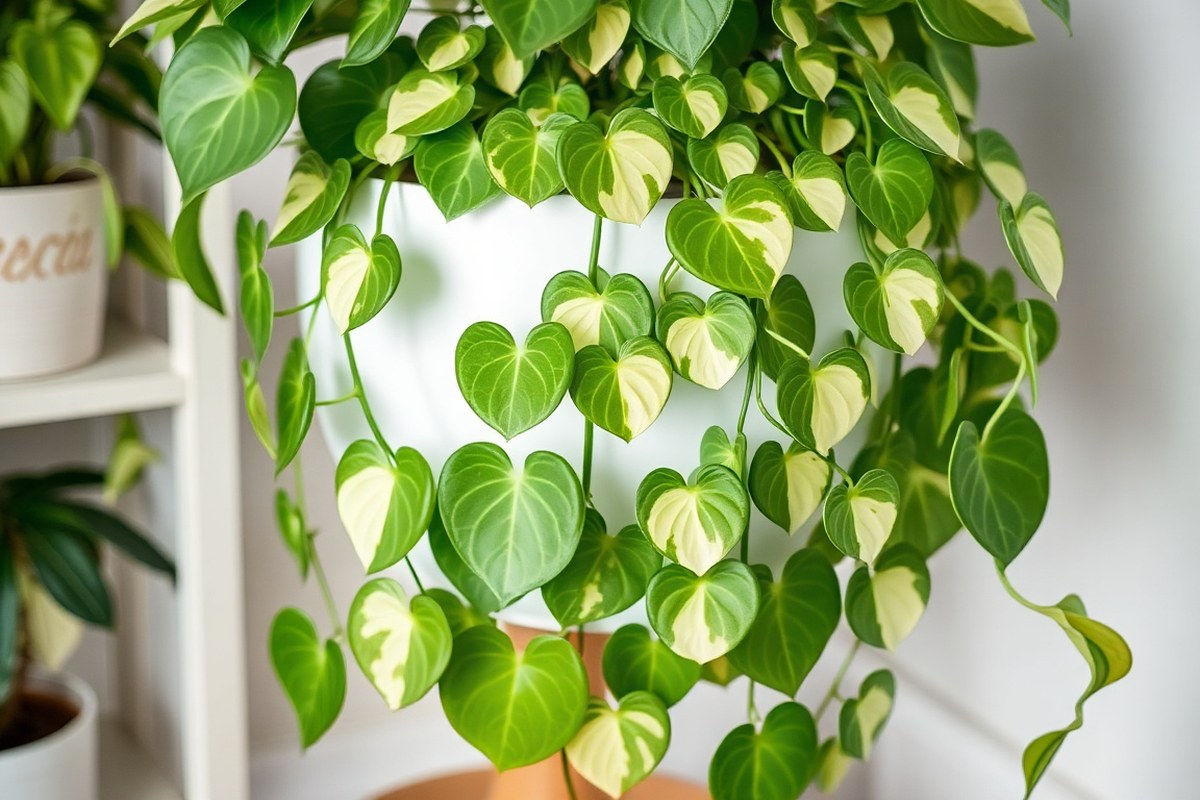
The pothos plant, known scientifically as Epipremnum aureum, is a popular indoor vine. It goes by several common names, including Devil’s Ivy, golden pothos, and Ivy Arum. These names often mean the same plant.
People might see different tags at stores or nurseries. Those tags can cause some confusion.
Originating from the tropical forests of Southeast Asia, pothos grows naturally as a climbing vine. In the wild, it can reach over 60 feet tall by climbing trees. Indoors, its trailing stems hang down.
They can climb supports too. This makes it good for home decoration.
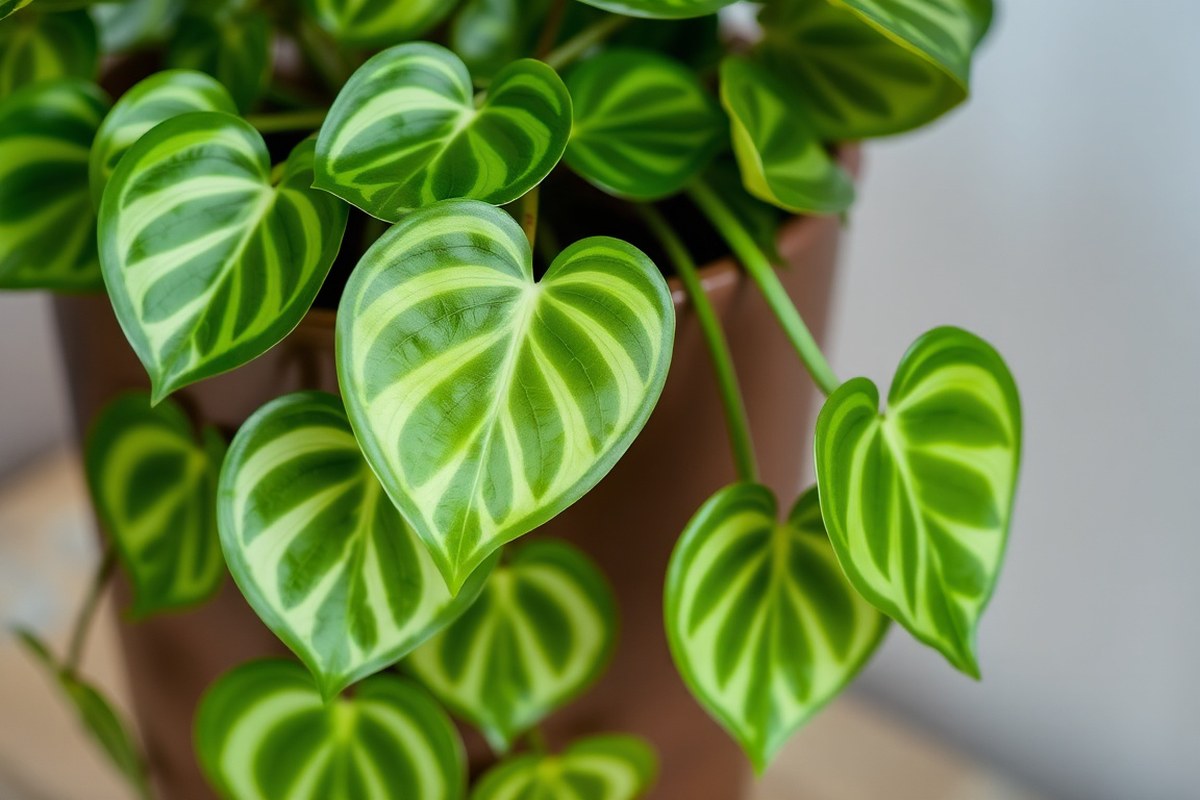
Pothos leaves are heart-shaped and can vary in color. You’ll find solid green or variegated patterns with yellow, white, or pale green streaks. Stems grow quickly and may trail several feet if left unpruned.
This plant likes room temperatures between 60 and 80 degrees Fahrenheit. It can handle normal indoor humidity. It does well in these conditions.
It’s hardy in USDA zones 10 to 12 if grown outside on porches or patios. Pothos prefers indirect light but can survive lower light conditions, though its growth slows.
Many wonder if pothos and Devil’s Ivy are different. They’re actually the same plant with multiple common names. The name “Devil’s Ivy” may come from its hardiness.
It stays green even in low light. This makes it a tough plant.
Pothos tolerates occasional dry air but benefits from misting or a nearby humidifier during winter months. To keep it looking full and healthy, prune back long stems. You can cut them to about 2 inches above the soil if needed.
Popular Pothos Varieties and How to Identify Them
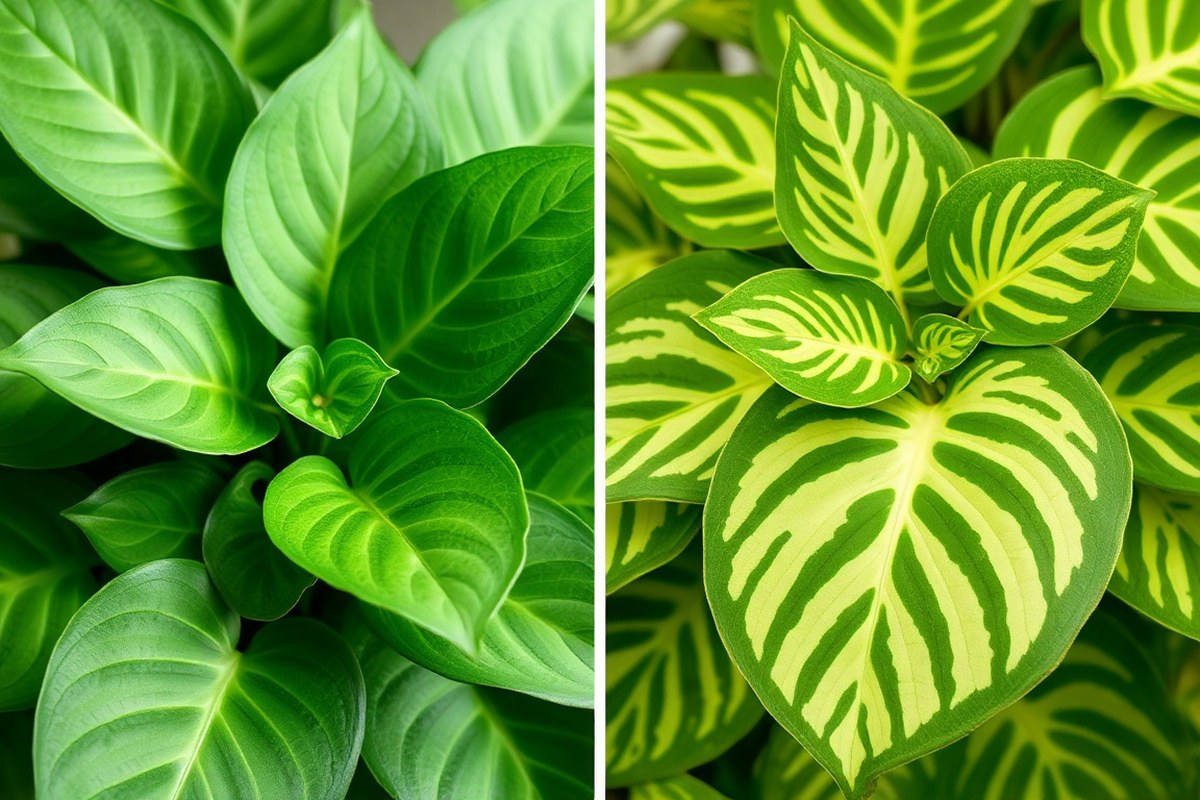
Pothos comes in many popular varieties, each with unique leaves and colours. The Golden Pothos shows green leaves with golden-yellow patches. Marble Queen has large leaves with green and white variegation.
Neon Pothos stands out with bright, almost neon green leaves. Pearls and Jade has small grey-green leaves edged in white, streaked with cream. Lemon Meringue’s leaves have golden margins and a darker green center.
Satin Pothos looks similar but is a different plant. Its leaves are velvet-like and matte, not glossy or leathery like true pothos. You can spot Satin Pothos by its dull green leaves with silvery spots.
| Variety | Leaf Shape | Leaf Colour / Variegation |
|---|---|---|
| Golden Pothos | Heart-shaped | Green with golden-yellow patches |
| Marble Queen | Large, heart-shaped | Green and white variegation |
| Pearls and Jade | Smaller, oval-elongated | Gray-green with cream and white streaks |
| Lemon Meringue | Broad heart-shaped | Golden margins with dark green centers |
| Neon Pothos | Heart-shaped | Bright neon green |
| Satin Pothos | Oval, pointed tips | Dull green with silvery spots |
Knowing these differences helps you pick the right plant and know what to expect. Pothos cultivars come from the same species but show varied variegation. Not all plants sold as pothos belong to the same genus or species.
The Golden, Marble Queen, and Neon are all Epipremnum aureum cultivars. Satin Pothos is a different species, often confused because of similar leaf shapes. Look closely at the leaf feel and variegation to tell them apart.
Ask for the botanical name or look for leaf texture when buying; it avoids mix-ups.
How to Care for Pothos Plants Indoors
Pothos plants are easy to care for indoors when you get lighting, watering, and potting right. They like bright, indirect light and moderate watering based on soil moisture. Keep them in warm rooms with average humidity and prune to encourage fuller growth.
Light Requirements and Best Placement
Pothos prefer bright, filtered light but can tolerate low light areas. Avoid direct sunlight because it can burn their leaves. A spot near an east or north-facing window works well.
Too little light causes slow growth and smaller, pale leaves. Too much can cause yellowing or scorched patches. Moving the plant seasonally helps it adjust to changing light.
- Place in filtered or indirect light near a window
- Keep away from harsh afternoon sun
- Rotate the plant every few weeks to keep even growth
- Use a sheer curtain if light is too strong
- Low light spots are fine but slow growth is normal
Watering Schedules and Soil Tips
Water pothos when the top 1 to 2 inches of soil feel dry. Stick your finger in the soil to check. Overwatering causes root rot and yellow leaves.
They need less water in winter when growth slows. Water slowly until it drains out the pot’s holes to soak roots well. Avoid letting water sit in the saucer.
- Check soil moisture before watering
- Water about once every 1, 2 weeks, depending on conditions
- Reduce watering frequency in cooler months
- Use room-temperature water for best results
- Avoid standing water in the pot or saucer
Temperature and Humidity Guidelines
Keep pothos in rooms between 65°F and 85°F for happy growth. They shrug off temperature changes better than many houseplants. Avoid frost or cold drafts below 55°F.
Average indoor humidity (40% to 60%) suits them fine. You don’t need extra humidity tools unless your home is very dry. Higher humidity supports more lush leaves but isn’t required.
- Maintain indoor temperatures from 65°F to 85°F
- Avoid placing near air conditioners or heaters
- Average household humidity of 40% to 60% is fine
- Add humidity by misting during very dry winters
- Avoid cold drafts or sudden temperature drops
Pruning Practices for Bushy Growth
Regular pruning keeps pothos full and prevents legginess. Cut stems just above a leaf node or root to encourage side shoots. Use clean scissors or pruning shears.
Prune anytime you see long, bare stems or dead leaves. You can use the cuttings to propagate new plants. Trimming encourages bigger leaves and healthier growth.
- Trim stems above a leaf node with clean scissors
- Prune dead or yellowing leaves promptly
- Pinch back long, leggy vines to promote bushiness
- Use pruning cuttings to start new plants
- Prune every 2 to 3 months for best shape
Choosing the Right Pot and Soil Mix
Pick a pot with drainage holes to prevent root rot. Use lightweight, well-draining potting soil made for indoor plants. Avoid dense or heavy soils that hold water too long.
Pothos roots like a loamy mix with peat or coconut coir mixed with perlite or vermiculite. Repot when roots fill the container, usually every 1 or 2 years. This refreshes soil and improves drainage.
- Choose pots with good drainage holes
- Use a well-draining potting mix with peat or coir
- Add perlite or vermiculite for aeration
- Repot every 1 to 2 years to refresh soil
- Size the pot 1 to 2 inches larger for growth
How to Propagate Pothos Plants Easily
Propagating pothos plants is simple and rewarding. You take stem cuttings with nodes and root them in water or soil. Rooting usually takes 2 to 4 weeks, depending on conditions.
Selecting and Cutting Stem Tips
Choose a healthy vine section with several leaves and at least one node. Nodes are small bumps where roots grow. Use sharp scissors or pruning shears to make clean cuts just below a node.
Remove the lowest leaf to avoid rot in water or soil. Cutting in 4- to 6-inch lengths works best for rooting. Avoid cuttings with damaged or yellow leaves.
- Look for a long, healthy stem with 4-6 leaves.
- Cut a 4-6 inch piece just below a node.
- Strip the leaf at the lowest node to expose it.
- Keep 2-3 leaves above the node on the cutting.
Rooting Cuttings in Water
Place your cutting in a clear jar or glass of room-temperature water. Make sure the exposed nodes are underwater, as roots will come from there. Change the water every 4 to 5 days to keep it fresh.
Roots show up in about 2 to 4 weeks, usually starting as small white tips. Once the roots grow 1 to 2 inches long, your cutting is ready. You can plant it in soil or keep it in water for decoration.
Planting Rooted Cuttings in Soil
Use a small pot with well-draining soil and moist it before planting. Make a hole and gently place the rooted cutting’s node and roots under soil. Firm the soil around the stem to keep the cutting upright.
Water the soil lightly to settle it but avoid soggy conditions. Keep the soil moist and allow the plant to acclimate for a week before fertilizing. Rooted cuttings usually take another 2 to 4 weeks to adjust and start new growth.
Light and Temperature for Root Development
Keep cuttings in bright, indirect light for 4 to 6 hours each day. Too little light slows root growth.
Direct sun can dry out or burn cuttings. Temperatures around 70 to 80 degrees Fahrenheit speed up rooting without stressing the plant.
Maintaining humidity can help, especially in dry homes. You can cover cuttings with a clear plastic bag to keep moisture.
Remove the bag every day to give fresh air to the cutting. Avoid drafty or cold spots to ensure steady root development.
Common Pothos Problems and How to Fix Them
Yellow leaves on your pothos often signal too much water or aging leaves. Older leaves turn yellow naturally before falling off, so check how many are yellow. If lots look limp and yellow, you’re likely overwatering.
Brown spots might indicate fungi or sometimes pests. Scale insects appear as small bumps that match stem or leaf color.
Yellow and brown tell different stories about watering. Overwatered pothos will have soggy soil and droopy, soft leaves. Underwatered plants show dry soil and crispy leaf edges.
Lift your pot to feel its weight. A very light pot means it’s dry and needs water.
Scale and mealybugs often hide on stems and leaves. Those small bumps you see might be scale. Use a cotton swab dipped in rubbing alcohol to remove them gently.
Repeat every few days until they’re gone. Insecticidal soap spray also works well against pests without hurting your plant.
Rootbound pothos means the roots have filled the pot. This limits growth and causes leaf problems. Wait until roots circle about 75% of the pot before repotting.
Choose a pot one size bigger and fresh, well-draining soil. Water lightly after repotting.
Keep the plant out of direct sun. This helps it recover for a week.
- Check soil moisture before watering; avoid soggy soil.
- Trim yellow and brown leaves with clean scissors.
- Use alcohol swabs to remove scale bumps from stems.
- Repot every 1-2 years into slightly larger containers.
- Keep pests away with insecticidal soap as needed.
- Watch plant weight to guess watering needs.
- Train vines horizontally to promote bigger leaves.
Don’t ignore scale on stems; it weakens your pothos over time and spreads quickly.
Brown bumps on stems usually mean scale insects feeding. You might mistake these for natural parts of the plant because they blend well. Look closely for a slight groove running down the stem center to spot where scale sits.
Carefully wipe or scrape off the scale. Repeat treatments may be necessary since they’re hard to kill fast.
Fighting overwatering can save your plant fast. Let soil dry out between watering and use pots with drainage holes.
Underwatering takes longer to fix; water your pothos thoroughly and monitor it daily. Yellow and brown leaves will not recover but new healthy growth should follow in weeks.
Differences Between Pothos and Heartleaf Philodendron
You can tell pothos and heartleaf philodendron apart by looking closely at their leaves and stems. Pothos leaves have a thicker, waxy texture. Heartleaf philodendron leaves feel softer and thinner.
The leaf stalks of pothos have grooves. Philodendron petioles are smooth. New philodendron growth often has tiny leaf-like structures called stipules.
Pothos adapts well to low light. Heartleaf philodendron does not do as well. Pothos shows clearer variegation in dim rooms.
Still, both plants grow well in indirect light. Pothos suits beginners since it tolerates neglect.
It still needs some care. Use well-draining soil and water when the top inch is dry.
| Feature | Pothos (Epipremnum aureum) | Heartleaf Philodendron (Philodendron hederaceum) |
|---|---|---|
| Leaf Texture | Thick, waxy | Soft, thinner |
| Leaf Stalk (Petiole) | Grooved, no stipules | Smooth, with free stipules |
| Growth Habit | Trailing vine, up to 70 feet outdoors | Trailing or climbing vine, varies |
| Light Tolerance | Low to bright indirect light | Prefers bright indirect light |
| Care Difficulty | Good for beginners, adaptable | Varies, needs more attention |
| Native Range | Solomon Islands | Tropical America |
Looking at these points helps avoid confusion between the two. Check the leaf petioles closely before buying or watering differently. Pothos usually stays smaller inside.
It handles low light well. This matters in rooms with little sunlight.
The leaf shape can also change with age and light. So pay attention to new growth too. Support can affect how these plants climb or trail.
Both prefer well-draining soil. But keep the temperature above 50°F at night to avoid stress. Rapid leaf loss or discoloration often means too much sun or poor watering habits.
Is Your Pothos Toxic to Pets and Children?
Pothos plants contain calcium oxalates that can be harmful if chewed or swallowed. Pothos plants are mildly to moderately toxic to pets and kids. They can cause some health issues if eaten.
Keep them in mind when placing plants around the house. The ASPCA lists pothos as toxic to cats, dogs, and horses.
Keep these animals away from the plant. It’s best to be cautious with pothos around pets.
Watch for drooling, mouth pain, vomiting, or swallowing trouble. These symptoms may show if a pet or child eats pothos. Act quickly if you see these signs.
These signs suggest irritation caused by the tiny crystals in the plant. In some cases, larger amounts can cause more severe discomfort. So prompt action is important.
Place pothos plants where pets and kids cannot reach them. Use high shelves or closed rooms to keep them safe. This helps prevent accidental poisoning.
High shelves or hanging planters are good options. You might also choose trouble-free spots like rooms pets rarely enter.
Regularly inspect your plant for loose leaves or broken stems that might tempt pets and children. Clean up fallen debris on the floor immediately. This lowers the chance of accidental chewing and swallowing.
Call your vet or the ASPCA Animal Poison Control Center fast. They can guide you on what to do next. Don’t wait if you think poisoning happened.
They can guide you based on the amount ingested and symptoms. Keep their number handy if you own pothos or other houseplants.
When and How to Repot or Grow Pothos Outdoors
Repot your pothos when its roots poke through drainage holes or growth slows. Choose a pot just one size larger to prevent overwatering risks. Outdoors, pothos thrives only in USDA zones 10-12 with warm temperatures and shaded spots.
Signs It’s Time to Repot
Check the bottom of your pothos pot often. Roots growing out of drainage holes mean your plant needs more space. Slow new leaf growth or soil drying very fast also signals the need to repot.
Your pothos may wilt quickly or have yellow leaves if it’s root bound. This happens when pot space limits root expansion. Repotting lets your pothos breathe and grow freely again.
Selecting Appropriate Pot and Soil
Pick a new pot that is a bit bigger. Choose one 1 to 2 inches wider in diameter than your current pot. This gives your pothos room to grow.
Bigger pots can hold excess water, which causes root rot. Use pots with drainage holes to keep roots dry enough.
Choose well-draining soil mixed with peat or perlite to keep moisture balanced. Pothos soil should stay lightly moist but never soggy. Regular potting mix with good drainage works just fine.
Repotting Process Step-by-Step
Prepare everything before you start to keep your plant stress-free. Follow these clear steps to move your pothos safely to its new home.
- Water your pothos a day before repotting to ease soil removal.
- Gently loosen the roots by tapping the pot and pulling the plant out.
- Remove old soil carefully from the roots, trimming any dead roots.
- Place a layer of fresh soil in the bottom of the new pot.
- Set the pothos in, filling around roots with more soil without packing it too hard.
- Water lightly to settle the soil but avoid soaking too much initially.
- Keep your plant in indirect light for a few days to reduce shock.
Repotting during spring or early summer helps your pothos recover faster and grow actively.
Outdoor Growing Requirements and Zones
Pothos grows well outdoors only in USDA hardiness zones 10 to 12. These areas provide the warm temperatures pothos needs year-round. Make sure temperatures stay above 60°F for healthy growth.
Pick a shady or partially shaded spot outdoors to prevent leaf burn. Avoid direct afternoon sun, which dries your plant quickly. Outdoor pothos works best as ground cover or in hanging baskets.
Protect outdoor plants from cold snaps and frost. Temperatures over 80°F may require more watering and humidity to keep pothos happy.
Step-by-Step Action Plan for a Healthy Pothos
Follow these steps to start growing your pothos with confidence. Each phase includes a simple check to make sure your plant is happy.
- Before you plant: Choose a pot with drainage holes and use well-draining soil. Your soil should feel loose and dry on top.
- Day 1: Water the pothos lightly after planting. The soil should feel damp but not soggy.
- Week 1: Keep your pothos in bright, indirect light. Check that its leaves stay vibrant without brown spots.
- Week 2: Start feeding with a balanced liquid fertilizer once every two weeks. Watch for steady new leaf growth.
- Month 1: Prune long or yellow leaves to encourage bushier growth. The plant should look fuller and greener.
- After 6 weeks: Check soil moisture weekly and water when the top inch feels dry. The leaves should stay firm and glossy.
- Month 3: Consider propagating healthy cuttings in water or soil. New roots will appear within a few weeks if done right.
Frequently Asked Questions
What Is the Scientific Name of the Pothos Plant?
The scientific name is Epipremnum aureum, often called Pothos aureus. It was first published in 1880 by Linden and André.
Can Pothos Plants Survive in Low Light Areas?
Pothos tolerate low light but grow slower and lose variegation. Bright, indirect light helps keep them healthy and colorful.
How Often Should You Water a Pothos Plant?
Water when the top inch of soil feels dry to the touch. Overwatering can cause root rot, so let the soil dry out slightly between waterings.
Can Pothos Grow Outside in Colder Climates?
Pothos is hardy only in USDA zones 10 to 12 outdoors. In colder areas, keep it as a houseplant to avoid frost damage.
How Tall Can a Pothos Plant Grow Indoors?
Indoors, pothos vines can reach 6 to 10 feet long with support. Prune regularly to keep it bushy and manageable at home.
Does Pruning Help Keep Pothos Plants Healthy?
Yes, pruning encourages bushier growth and controls size. You can cut stems back to about 2 inches above soil without harm.
Wrapping Up
Pothos plants are tough but need the right care to look their best. Give your plant steady light and water to see those shiny leaves grow. Try taking a cutting; it’s a quick way to multiply your green space.