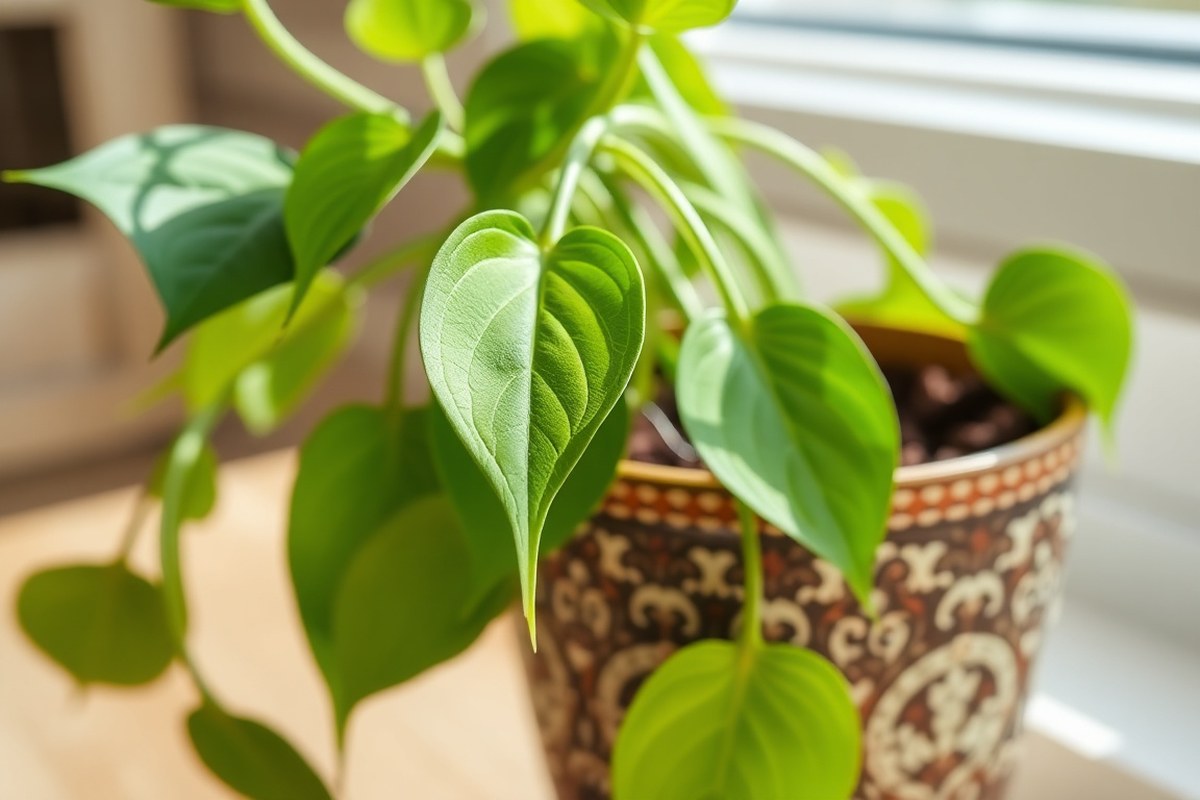
How to Water Pothos Plants: A Complete Guide for Healthy Growth
Knowing how to water pothos means watering only when the soil is dry. Check the top 2 inches of soil before pouring water. Watering too often can lead to root rot and kill your plant.
Most pothos need water every 7 to 14 days indoors. But this changes with conditions.
Warmer, brighter spots dry soil faster and need more water. Cooler, darker rooms slow down growth and need less frequent watering.
Use just enough water to moisten the soil without flooding the pot. Let excess water drain freely to avoid soggy roots. This keeps your pothos happy and growing strong.
Check your pothos’ leaves for signs of over or underwatering. Yellow, wilting leaves often indicate too much water.
Dry, crispy edges usually mean it needs watering. Adjust your schedule based on these signals to keep your plant healthy.
Key Takeaways
- Only water pothos when the top 2 inches of soil feel dry.
- Watering every 7 to 14 days usually works indoors.
- Warm and bright spots require watering more often.
- In dark or cool spots, water less frequently, every 2 to 3 weeks.
- Water enough to wet soil but avoid standing water in pots.
- Check soil moisture with touch or a moisture meter before watering.
How to Know When Your Pothos Needs Water

To know when your pothos needs water, check the soil moisture first. Push your finger 2 to 3 inches into the soil near the plant base. Check the soil 2 inches deep, and water when it feels dry.
Using a moisture meter is an easy alternative to the finger test. A meter reading between 1 and 3 means the soil is dry enough for watering. These meters cost around $10 and give a quick, clear moisture level.
Look at your pothos leaves for extra clues. Leaves drooping with dry edges usually mean underwatering. Soft, yellow leaves often signal overwatering instead.
Check soil moisture 2 or 3 times a week, especially in warm rooms above 77°F (25°C). Warmer temperatures dry the soil faster, so pothos need more frequent checks. In cooler or low-light places, soil stays moist longer and needs less water.
Test soil moisture after watering to prevent overwatering your pothos plant. Only water when the upper 2 inches of soil are fully dry. Skip scheduled watering; use soil dryness as your guide for best growth.
For fast-growing types like neon pothos, check soil every 6 to 7 days during active growth. Slower growers like marble queen need less frequent checks. Adjust your watering routine depending on your pothos variety and environment.
How Often to Water Pothos Based on Conditions

Your watering schedule for pothos changes with the season, pot type, light, and temperature. You’ll water more often in warm months and less in cold ones. Pot material and size also affect how quickly soil dries out.
Watering Frequency Changes by Season
Water pothos every 5 to 10 days in spring and summer when growth is active. Higher temperatures and longer daylight make soil dry fast. In fall and winter, slow growth means watering every 10 to 14 days is enough.
The soil will stay moist longer in cooler months, so avoid watering too soon. You can also adjust the timing based on your home’s humidity and temperature.
| Season | Typical Frequency | Why |
|---|---|---|
| Spring | Every 7, 10 days | Active growth resumes; soil dries faster |
| Summer | Every 5, 7 days | Peak growth, warmer air, faster moisture loss |
| Fall | Every 10, 12 days | Growth slows; lower light and temperature |
| Winter | Every 10, 14 days | Growth slows; soil stays moist longer |
Watch for leaf changes to check your watering in each season. Leaves show if you give too much or too little water.
This helps you adjust watering amounts the right way. Yellow tips often mean overwatering, brown dry edges mean underwatering.
Impact of Pot Material and Size on Watering
Plastic pots hold moisture longer than terracotta pots because they are less porous. That means you water less often in plastic pots, especially in humid places or winter.
Small pots dry faster than bigger ones due to less soil volume. In summer, small pots might need watering 1 to 2 times weekly. Large pots stretch to weekly or longer.
| Pot Type | Environment | Season | Recommended Frequency |
|---|---|---|---|
| Plastic | Humid | Winter | Every 2, 3 weeks |
| Plastic | Dry | Summer | 1, 2 times per week |
| Terracotta | Humid | Summer | Every 1, 2 weeks |
| Terracotta | Dry | Winter | Every 1, 2 weeks |
Check soil moisture before watering, especially with terracotta pots that lose water fast.
How Light and Temperature Affect Water Needs
Bright light and warm temperatures speed up pothos growth and water use. Water every 4 to 7 days in rooms above 72°F (22°C) with good light.
Lower light and cooler rooms slow growth. Watering can space out to every 10 to 14 days under 68°F (20°C) or dimmer light. Watch the soil’s top 1, 3 inches for dryness before watering.
Keep watering in the morning when temperatures are cooler. Don’t water during the hottest part of the day.
It causes water loss and stresses the plant. Water early or late when temperatures are cooler.
How Much Water Does a Pothos Need Each Time
Your pothos needs enough water to soak all the soil without leaving it soggy. Pour slowly until water drains freely from the pot’s holes. Avoid light watering that leaves dry spots or watering so much it pools underneath.
Step 1: Check Soil Dryness Before Watering
Feel the top inch of soil to see if it’s dry. Wait a few days before testing again when the soil feels moist.
Pothos roots like some moisture but hate sitting in wet soil. So don’t water too soon.
You can also lift the pot to check its weight. A light pot means the soil has dried enough. Heavier pots usually mean the soil still holds water and doesn’t need watering yet.
Step 2: Water Slowly and Evenly Until Soil Is Moist
Use room-temperature water to avoid shocking the roots. Pour it along the edge of the soil, not over the plant’s crown.
Keep pouring until water drips steadily out of the drainage holes. This signals the soil is saturated through the root zone. Stop then to avoid flooding the roots.
Water amounts vary by pot size. For a 6-inch pot, about ½ to ¾ cup usually saturates well. Larger pots need more but follow the runoff rule instead.
Step 3: Ensure Proper Drainage and Remove Excess Water
Check your pot has drainage holes at the bottom before watering. Water that can’t escape gathers at the roots and causes rot.
Let the pot drain completely in a sink or tray. Empty water pooling in a saucer within 15 minutes to avoid wet roots.
Occasionally, flush soil with extra water to wash out salt buildup from tap water. This protects roots and keeps soil healthy.
- Touch the top inch of soil to test moisture.
- Lift the pot for a weight check if unsure.
- Use room-temperature water poured at the soil’s edge.
- Water slowly until it drains from the pot holes.
- Stop watering when drainage starts to flow freely.
- Place the pot where excess water can drain off safely.
- Empty any saucer or tray within 15 minutes after watering.
- Flush the soil once a month by watering extra deeply.
Watering Pothos in Special Situations
After planting pothos cuttings in soil, water them lightly at first. Use enough water to moisten the soil but avoid soaking it.
Keep the soil slightly moist for the first two weeks while roots form. Check daily by touching the soil surface and water if it starts to dry.
For cuttings grown in water, change the water every week to keep it fresh. Use tap water that has been left out for 24 hours to let chlorine evaporate. Make sure the water level covers the roots.
Avoid covering the stem and leaves. This helps prevent rot. Roots typically start appearing after about 3 weeks.
Newly repotted pothos need a different approach. Hold off on watering for 5 to 7 days after repotting. This pause lets any cut or damaged roots callous over and reduces the risk of rot.
Water only when the top 1 to 2 inches dry out. This matches usual watering habits. Keep checking soil moisture regularly.
Remember, repotting can cause your pothos to droop a little even if watering is right. It’s normal as the plant settles in.
Keep it in a warm spot, ideally between 70 and 90°F, with 40 to 60% humidity. Don’t rush to water more during this time; wait for soil dryness.
When growing pothos fully hydroponically, watering shifts to water maintenance. Keep the roots submerged in clean, dechlorinated water.
Change the water weekly and wipe roots gently to prevent algae buildup. Providing indirect light helps keep the leaves healthy without stressing the roots.
Using a container with good drainage matters whether planting soil or water setups. Use a smaller nursery pot inside a pot without drainage holes. It will catch extra water.
This prevents water buildup. Dump any excess water away to stop standing water that invites root rot.
Pothos plants absorb water from their leaves slightly but mostly rely on root uptake. Avoid watering only the soil surface; water deeply enough to reach all roots. This practice fosters strong, healthy roots and prevents dry patches that stress your plant.
Can I Use Tap Water or Other Water Types for Pothos?
Tap water usually works well for pothos plants in most homes. Let tap water sit uncovered for 24 hours to remove chlorine or chloramine. This simple step prevents leaf damage and stress from chemicals.
Sunlight speeds up removing chemicals from treated water. Keep water container in sunlight for a few days. This helps residual chemicals vanish faster.
Add two teaspoons of 35% hydrogen peroxide per gallon to water. This boosts oxygen in soil.
It helps stop root problems. Avoid using additives like coffee or scented water because they can harm the plant.
Use room-temperature water because very cold or hot water shocks the roots. Let your water warm up about an hour before watering. Fill a tray with an inch of room-temperature water.
Place the pot there for 20 to 30 minutes when watering from the bottom. This encourages roots to absorb moisture without overwatering.
Avoid leaving your pothos pot in a water-filled saucer for over 15 minutes. This prevents root rot from standing water.
How to Avoid and Fix Overwatering in Pothos
Yellow leaves, mushy stems, and soggy soil reveal overwatering damage. These signs suggest root rot, the main killer of pothos plants.
Yellow lower leaves commonly show this in Golden Pothos. Soft, wet leaves and dark stem bases signal it in Neon Pothos.
Overwatering happens when you water too often or the pot lacks drainage. Excess water sits in the soil, suffocating roots. This causes slow growth.
The plant may suddenly wilt in winter. It absorbs less water then.
To fix root rot, first, stop watering immediately. Gently remove the plant from its pot and check roots for brown, mushy spots. Healthy roots are firm and white.
Trim away dead roots with clean scissors, then repot into fresh, well-draining soil. Use a pot with drainage holes to help water flow out.
After repotting, water just enough to moisten the soil. Let the top 1 to 2 inches dry out before watering again.
You can test soil moisture with your finger or a moisture meter. Avoid leaving water in the saucer; empty it after each watering.
Adjust watering based on light and temperature. Pothos in low light or cooler rooms need less water. During winter, cut water back sharply.
These changes cut the risk of soggy soil and root rot. Watch leaves closely. Progress can take a few weeks, with new green growth showing recovery.
Does Misting Replace or Aid Watering for Pothos?
Misting does not replace watering pothos. It only adds some surface moisture and helps raise humidity around the leaves.
Pothos take in water mostly through their roots. So watering the soil is essential for their health.
Pothos prefer humidity between 50% and 70%. Keeping humidity in that range slows down soil drying. This means you might water less often if your room stays humid enough.
In dry homes, soil dries quickly, so you may water more often. Occasional misting or a humidity tray can help if air feels dry. For example, mist your pothos once or twice a week in winter to keep humidity up.
Room factors matter a lot. Dark, cool, and humid rooms may only need watering every 3 to 4 weeks. But in warm, dry spots, soil dries faster and needs more attention.
Try misting when air feels dry, but always check the soil. Use your finger or a moisture meter; never rely on misting alone. If the top inch of soil feels dry, it’s time to water.
Soil type also changes watering needs. Fast-draining soil dries quicker, so misting won’t replace watering. Potting mixes with peat or coco coir hold moisture longer, sometimes reducing watering frequency.
To help your pothos with humidity, place a shallow tray of water near the plant. The water evaporates slowly, raising humidity. Avoid letting the pot sit directly in water to prevent root rot.
In very dry climates or heated rooms, consider using a small humidifier near your pothos. It keeps humidity steady without making the soil too wet. This reduces how often you must water.
Misting costs little and takes only a minute or two. Use clean, room-temperature water to avoid shocking leaves. Regular misting helps leaf health but won’t make up for dry soil.
Best Soil and Pot Setup for Proper Pothos Watering
Pothos grows best in a well-draining, airy soil and a pot that lets water drain fast. Picking the right pot material helps your plant stay healthy. Make sure the pot has drainage holes.
This stops your plant from sitting in soggy soil. This prevents root rot and helps you water your pothos properly.
Recommended Potting Mixes for Pothos
Use a light potting mix with good drainage for your pothos. A mix that holds moisture but lets excess water drain quickly is best. Avoid heavy garden soil or mixes that stay soggy for days.
Look for potting soil with peat moss, perlite, or orchid bark. These ingredients keep the soil airy and help water move through the roots. You can also buy a ready-made indoor plant mix labeled “well-draining.”
Comparison of Pot Materials and Water Retention
Different pot materials affect how often you water your pothos. Porous pots dry out faster, so they need more frequent watering. Non-porous pots hold moisture longer, which means less frequent watering but higher risk of overwatering.
| Pot Material | Water Retention | Drainage Speed | Typical Watering Frequency |
|---|---|---|---|
| Terracotta | Low (breathes, absorbs moisture) | Fast | Every 5-7 days |
| Plastic | High (holds moisture) | Slow | Every 10-14 days |
| Ceramic with Glaze | High (glazed, non-porous) | Slow | Every 10-14 days |
| Fabric or Grow Bags | Low (breathable) | Fast | Every 4-6 days |
Your watering routine depends on pot choice. Terracotta pots dry out faster, so check soil moisture sooner.
Plastic pots trap water longer. So they need less frequent watering but watch for sogginess.
Importance of Drainage and How to Check It
Drainage holes let excess water escape from your pothos pot. This stops water from pooling at the bottom and causing root rot. Use a pot with drainage holes every time.
They should be big enough for water to flow out. This keeps your soil from getting too wet.
When you water, watch for water exiting the bottom holes. Stop watering as soon as water pours out. Water hanging inside keeps soil too wet.
That can suffocate your plant’s roots. Change the pot or fix drainage to avoid this.
Never let your pothos sit in a saucer full of standing water. Empty it after watering.
Step-by-Step Action Plan for Watering Your Pothos
Follow these simple steps to keep your pothos well-watered and happy. Check your plant’s soil and leaves regularly to see how it responds.
- Before you water: Touch the soil’s top inch. It should feel dry.
- Day 1: Water your pothos slowly until water drains out the pot’s bottom. This ensures the soil is fully moistened.
- Week 1: Monitor the soil moisture every 4-7 days. Adjust watering frequency based on humidity and temperature.
- After 2 weeks: Look for yellow leaves or soggy soil signs of overwatering. Pause watering if you see them.
- Monthly: Pour clean water through the soil. This removes minerals. Do it if you use tap water.
- During dry seasons: Mist leaves once or twice a week. This adds humidity. Keep watering as usual.
- Every 6 months: Repot your pothos if roots crowd the pot or soil loses drainage quality.
Frequently Asked Questions
Can I Water My Pothos with Ice Cubes?
Avoid watering with ice cubes; cold shocks roots. Use room-temperature water to keep the plant happy and healthy.
What’s the Best Time of Day to Water Pothos?
Water pothos in the morning or early afternoon. This gives leaves time to dry and reduces risk of fungus.
How Do I Tell If My Pothos Is Underwatered?
Underwatered pothos show dry, crispy leaf edges and soil. The leaves may curl, and the plant looks droopy.
Can I Use Fertilizer Right After Watering My Pothos?
Wait at least a week after watering before fertilizing. Fertilizer works best when soil is slightly moist, not wet.
Does the Size of the Pot Affect How Often to Water Pothos?
Yes, bigger pots hold more soil, so they dry slower. You’ll water less often than with small pots.
Can I Use Rainwater to Water My Pothos?
Rainwater is great for pothos because it’s softer and free of chemicals. Just collect it clean to avoid pests.
Final Thoughts
Watering pothos carefully keeps them green and strong. Check soil moisture and adjust watering based on your plant’s needs. Start by testing the soil texture today and watch your plant respond.