When to Plant Lavender Outside: A Complete Guide for Best Growth
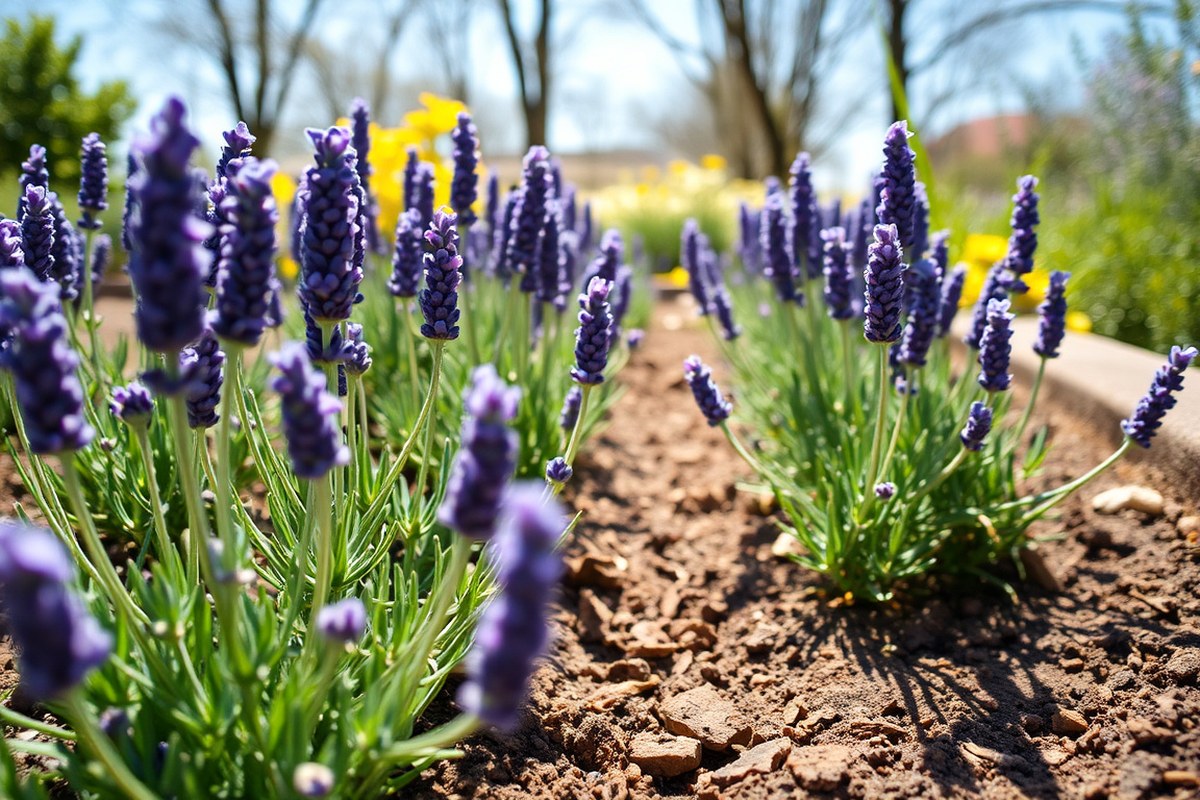
When to plant lavender outside is a question many gardeners ask early on. The best time depends on your climate zone and frost dates to protect young plants. For zones 5 to 7, spring is the safest planting time.
Starting lavender indoors about 10 weeks before the last frost helps young plants get ready. Wait until the soil warms to at least 60°F before moving seedlings outside. This gives lavender the best chance to root and grow strong before summer heat.
Plant lavender where it gets full sun for at least six hours daily. Well-draining soil that stays warm enough is important to avoid root rot.
Remember, lavender hates wet feet. So never plant in heavy clay without improving drainage first.
Key Takeaways
- Plant lavender outside after the last frost in zones 5 to 7.
- Start seeds indoors 10 weeks before your last frost date.
- Transplant seedlings outdoors when soil heats to 60°F or higher.
- Choose a spot with full sun for at least six hours daily.
- Ensure soil drains well to prevent root rot issues.
- Avoid planting in heavy clay soil unless it’s improved.
When Is the Best Time to Plant Lavender Outside?
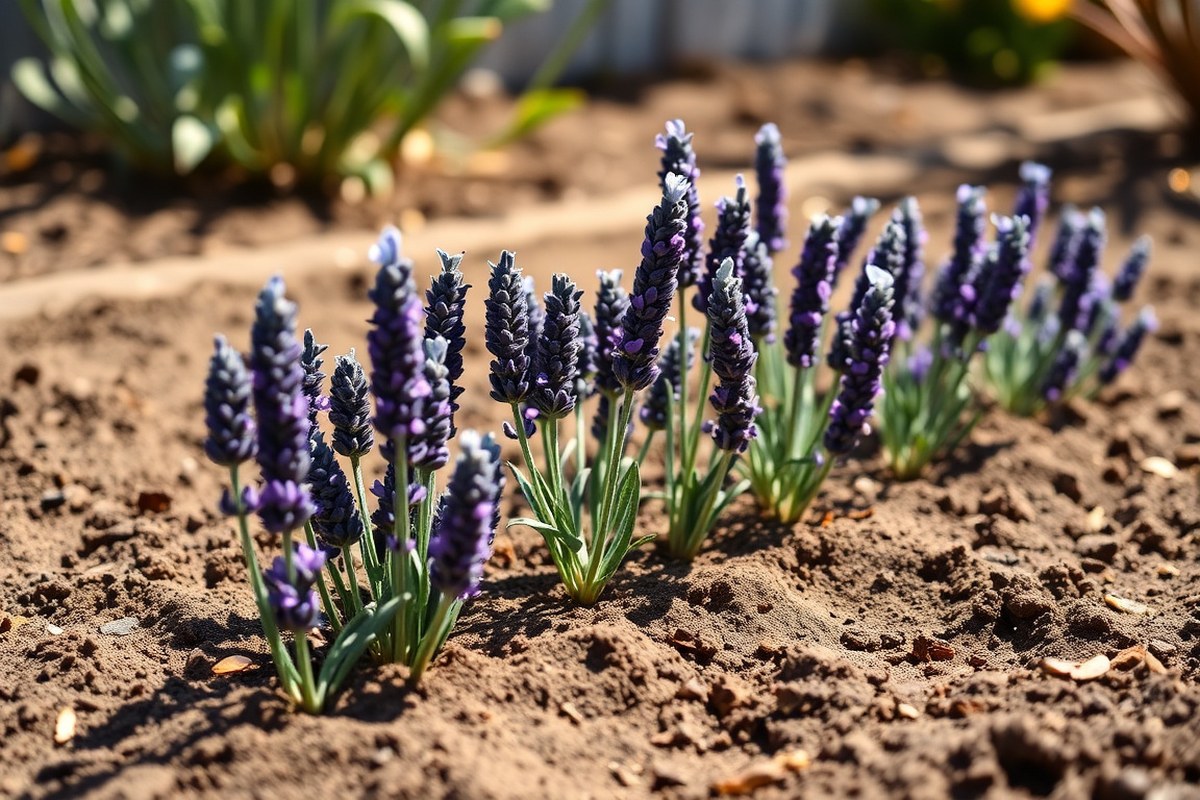
Plant lavender outdoors once the soil temperature stays at or above 60°F. Cold, wet soil slows root growth and risks root rot. Wait at least two weeks after your area’s last frost date.
Check the soil temperature with a thermometer to be sure. Plant only when the soil feels warm enough.
Climate zones affect when to plant lavender because of temperature and frost timing. In cooler zones, wait for spring after the last frost. Warmer zones let you plant earlier than usual.
You can even plant in fall. This gives roots time to settle before winter moisture.
| Climate Zone | Best Planting Time | Key Consideration |
|---|---|---|
| 5-6 | Late April to May | Avoid planting in late fall |
| 7-8 | March-April or September | Spring and fall both work well |
| 9 | February-March or October | Avoid planting in summer heat |
| 8+ | Any time, including winter | Plant early to establish roots before frost |
In very warm zones like 8 and above, winter planting works if soil is well-drained. This helps plants set roots before wet, cold weather arrives. Avoid summer planting in zone 9 because heat can stress new plants and reduce survival.
Frost kills new lavender, so know your last frost date. Use local extension websites or weather services to find exact dates.
Start checking soil temperature about ten days before your last frost. A soil thermometer costs around $10 and helps you pick the safest day to plant.
Soil must drain well and not stay soggy after rain. Lavender hates “wet feet” and develops root rot in heavy, waterlogged soil. Clayey soil?
Use raised beds or containers instead. Fill them with gritty, alkaline soil for best results. Wait for the soil to dry out and warm before planting.
How to Prepare Lavender Plants and Soil for Outdoor Planting

Good lavender plants start with the right soil and site. Lavender needs well-drained soil with a neutral or slightly alkaline pH. Picking varieties suited to your planting season also helps them establish fast and strong outdoors.
Choosing the Right Lavender Varieties
English lavender, like ‘Hidcote,’ works well for spring planting in zones 1 through 6. It grows compactly and has lovely mid-purple flowers. This variety handles cooler starts and will establish roots before frost.
French lavender (Lavandula stoechas) thrives in acidic soils and warmer zones. Choose this if your soil is naturally acidic. Plant in fall in zones 7 to 10.
This choice suits these conditions well. Spanish lavender works well for fall planting.
It can handle some heat and moisture later. This makes it a good choice in those seasons.
Preparing Well-Drained Soil
Lavender wants sandy, loamy, or gravelly soil with a pH between 6.7 and 7.3. Improve drainage before planting if your soil is heavy or clay-based. Proper drainage prevents root rot, the biggest risk to new lavender plants.
Before planting, use this soil preparation checklist to get the bed ready:
- Test your soil pH with a simple kit or send a sample to a lab.
- Add lime if the pH is below 6.7 to raise alkalinity slowly.
- Mix in coarse sand, small gravel, or organic compost to loosen clay soils.
- Rake the area smooth and remove rocks, weeds, or debris.
- Let the soil settle for at least a week before planting.
Don’t plant lavender in soggy spots or soil that stays wet after rain.
Selecting the Ideal Planting Site
Find a sunny spot for planting. It should get 6 to 8 hours of direct sun each day.
Lavender thrives in bright, open locations where air circulates freely. Avoid low areas where water pools or shade from trees blocks sunlight.
Clear the area well before planting. Keep other plants 12 to 18 inches away to avoid crowding.
A south-facing slope or raised bed can boost drainage and sun exposure. These conditions help lavender roots stay dry and healthy even in wetter seasons.
Starting Lavender Indoors and Timing Transplant to Outside
Starting lavender from seeds indoors gives you a head start, especially in colder climates. You’ll want to harden off seedlings before moving them outside so they adjust well. Timing is key to transplant seedlings after frost risk ends and they are sturdy enough.
Starting Seeds Indoors: When and How
Start lavender seeds indoors about 8 to 12 weeks before your last expected frost date. This early start allows seedlings enough time to grow strong before outdoor planting.
Seeds need soil that drains well and warmth around 65°F to 70°F. They usually sprout in 2 to 4 weeks. Keep the soil moist but not wet during this time.
Using a seed tray with quality seed-starting mix helps keep moisture consistent. Keep trays in bright, indirect light; a sunny windowsill works well. Avoid overwatering, which can cause damping off, a common seedling disease.
- Fill seed trays with light, well-draining seed-starting mix.
- Moisten the soil lightly but do not soak it.
- Sow seeds thinly on the surface; do not bury them deeply.
- Cover trays with clear plastic or a humidity dome to retain moisture.
- Place trays in a warm spot with indirect sunlight for germination.
- Check daily to keep soil moist but not waterlogged.
- Remove the cover once seedlings appear to prevent mold growth.
- Thin seedlings to leave only the strongest ones after two sets of leaves form.
Hardening Off Seedlings for Outdoor Conditions
Seedlings raised indoors need a slow introduction to outdoor conditions to avoid shock. This process, called hardening off, takes about 10 days. It reduces transplant stress and improves survival when planted outside.
Start by placing seedlings outside in a shaded, sheltered spot for a few hours. Increase sun exposure and time outdoors daily. Avoid strong winds and heavy rain during this period to protect tender plants.
- Bring seedlings outdoors in the morning for 1 to 2 hours in a shaded spot.
- Bring them back inside or into a protected area before evening cold.
- Increase outdoor time by 1 to 2 hours each day, adding direct sunlight gradually.
- Protect seedlings from wind and rain during the hardening period.
- Watch for signs of stress like wilting; slow the process if needed.
- After 10 days, seedlings should tolerate full sun and outdoor temperatures.
Transplanting Seedlings into the Garden
Transplant lavender seedlings outdoors after the last frost date in your area. Seedlings should be at least 3 to 4 inches tall and firmly rooted. Wait for dry, mild weather to help them settle in well.
Prepare your garden bed with well-draining soil and plenty of sunlight. Plant seedlings at the same depth they had in their pots. Space each one 12 to 18 inches apart.
This allows good air flow around the plants. Water lightly after planting to avoid root rot.
Fall vs Spring Planting: Which Works Best for Your Region?
Both fall and spring can work for planting lavender outdoors. But your local climate zone decides what’s best.
Fall planting helps roots settle before winter in warmer zones. Spring planting suits colder zones, giving lavender time to grow after frost risks pass.
Fall Planting Advantages and Risks
Planting lavender in fall lets roots develop during cooler, moist weather. This works best in zones 7 to 10 where winters are milder. Mild winters help the plant become strong.
That strength prepares it for next summer’s heat. Fall planting often leads to earlier, fuller blooms in summer.
Risks include planting too late, leaving lavender exposed to hard freezes without enough root growth. Also, wet winters can cause root rot if soil doesn’t drain well. Applying a light mulch in late fall can protect roots and improve survival through winter.
- Plant in early to mid-fall to avoid cold exposure.
- Choose lavendin varieties that handle humidity and cold better than some English lavenders.
- Keep pruning away in fall to avoid stressing plants before winter.
Spring Planting Benefits and Considerations
Spring planting is safer in colder zones (1 to 6) after the last frost. It avoids winter kill and gives lavender a full summer to establish roots. Spring also lets lavender adjust gradually as temperatures warm, reducing shock.
Spring risks include late frost damage if planted too early. Lavender may flower later.
But the blooms tend to be strong if roots stay healthy. Watering needs increase in spring, so don’t let young plants dry out.
- Plant after your area’s final frost date, late spring or early summer usually.
- English lavenders like ‘Hidcote’ and ‘Munstead’ do well when planted in spring.
- Prepare soil for quick drainage to avoid root issues during spring rains.
Regional Recommendations by Climate Zone
The choice between fall or spring planting depends mostly on your USDA zone. For example, zones 5 to 9 offer flexibility. But timing still matters to prevent freeze damage or root rot.
The table below shows good planting times for selected zones. It uses frost dates and climate info. This will help you pick the right time.
| Zone | Recommended Planting Season | Example Town | Typical Plant-Out Date |
|---|---|---|---|
| 4b | Spring, after last frost | Minneapolis | May 18 |
| 5b | Late spring or early summer | Denver | May 22 |
| 6a | Spring after frost | Columbus | May 13 |
| 7b | Early fall recommended | Atlanta | Apr 21 (spring option) |
| 8b | Early fall preferred | Seattle | Apr 18 (spring option) |
| 9a | Plant as early as February or fall | Houston | Mar 3 |
Zones 7 to 10 especially benefit from fall planting, letting lavender get rooted before winter. Zones 1 to 6 should wait until frost danger has clearly passed. Lavender planted at the right time blooms best during summer.
Watering and Care Strategies When Planting Lavender
Right after planting lavender, water the soil thoroughly to settle it around the roots. Then hold off on watering again for 7 to 10 days. This dry spell encourages roots to stretch deeper, helping the plant resist drought later.
During this early period, keep an eye on the top few inches of soil. If it feels dry or temperatures climb, add water to keep the young plant healthy. Once lavender is established, cut back watering unless there’s a heatwave or extended dry spell.
Planting at the same depth as the pot helps prevent sitting roots, which can cause rot. Avoid overwatering and ensure the soil drains well, especially if you plant in spring or summer. Timing the planting for fall gives your lavender extra time to develop strong roots before winter.
Prune the new plants lightly after planting by trimming about one-third of the current growth. This helps balance root and shoot growth and prevents the plant from becoming top-heavy early on. Avoid heavy pruning until the lavender is fully established after a few months.
Don’t water lavender daily after planting. Try 7 to 10 days of dry soil to boost root depth.
Spacing, Depth, and Planting Techniques for Healthy Lavender
Plant lavender at the same soil depth it grew in its pot. Dig a hole a bit bigger than the root ball. Set the plant in the hole.
Make sure the top of the roots lines up with the soil surface. Planting too deep holds moisture around stems, which can cause rot.
Space lavender plants about 12 to 18 inches apart. This gives their foliage room to grow wide and keeps air moving around each plant. Good airflow helps prevent fungal diseases and keeps lavender healthy during humid days.
Planting lavender in pots outdoors works well during mild seasons. Use terracotta pots with drainage holes to keep roots dry. Make sure pots are large enough to hold the plant’s growing root system without crowding.
- Use soil that drains quickly, like sandy or gritty mixes
- Place plants where they get full sun for at least 6 hours daily
- Ensure good air circulation around plants, avoid tight clusters
- Water well after planting but allow soil to dry out before next watering
- Lift container pots indoors or protect them if frost is forecasted
- Regularly check pots don’t stay waterlogged
- Keep pots off cold ground using pot feet or bricks
Plant lavender outdoors once soil warms to above 50°F. Cooler soil slows root growth and may shock the plant. Late frosts damage new lavender leaves, so watch local frost dates carefully.
Spacing and depth together set the stage for strong plant growth. Crowded plants struggle to dry out and often develop disease. Too shallow planting risks roots drying or destabilizing the plant.
Signs Lavender Is Ready to Be Planted Outside
Look for sturdy, healthy lavender seedlings before moving them outdoors. Seedlings should have several sets of true leaves and stand about 3 to 6 inches tall. You want firm stems and leaves without discoloration or pests.
Check soil and weather to avoid planting too soon. Use a soil thermometer to make sure soil is at least 60°F. That temperature supports root growth and helps seedlings settle in faster.
Wait until frost risk has passed and the soil feels dry enough to work without sticking. Early spring is good once snow melts. Late summer to early fall works too.
Make sure soil stays warm during that time. Lavender prefers soil that drains well and full sun exposure to thrive outdoors.
- Seedlings with 4 or more true leaves
- Sturdy stems and healthy green leaves without spots
- Soil temperature at or above 60°F confirmed with a soil thermometer
- No frost expected for at least two weeks after planting
- Well-draining soil and a sunny planting spot prepared
- Soil dry enough to crumble, not muddy or soggy
- Check weather forecast to avoid heavy rain or temperature swings
Monitor your seedlings before planting. Avoid moving them if they look weak or stretched out from lack of light.
Seedlings should snap rather than bend when you gently test the stem. Below 60°F soil, roots grow slower, raising risk of transplant shock.
Good planting conditions balance warm soil, full sun, and dry soil texture. Otherwise, young lavender might struggle to establish roots or become stressed by cold.
Be patient and watch the weather closely. This way, your lavender will have a stronger start outside.
Preventing Common Planting Mistakes That Harm Lavender
Planting lavender too early or too late harms the plant. Planting before the last frost risks root damage from cold soil. Wait until soil temperatures reach at least 50°F to avoid shock and help roots settle.
Delaying planting past early summer can stress young plants in hot weather. This stress causes slow growth or wilting.
Watering timing links closely to planting success. Overwatering fresh lavender roots invites rot and fungus because wet, cold soil suffocates roots. Water lightly right after planting to settle soil, then let the ground dry between watering sessions.
You should water more often during hot weather. Never soak the soil.
Incorrect soil moisture during planting also causes stress. Avoid planting in soggy soil after heavy rain.
Wait for soil to drain well or raise beds to prevent excess moisture around roots. Lavender prefers well-draining, somewhat dry soil to thrive.
Location errors stunt lavender growth. Planting in shaded spots stops lavender from getting 6 to 8 hours of sun. Lavender needs full sun every day.
Choose a sunny, open area with good air circulation. Place plants away from heavy shade or crowded garden sections to minimize disease risk.
Plant lavender only when nighttime soil stays steady above 50°F to protect roots.
To fix early planting mistakes, delay until soil warms or start indoors before moving outside. Stop watering if you see root rot signs. Improve drainage by adding sand or gravel.
Move plants to sunnier spots if shade limits their growth. Prune damaged stems to encourage new shoots.
Worst moisture mistakes happen when you don’t check soil drainage before planting. Test by digging a hole 8 inches deep and timing how fast it drains. Water that takes more than 4 hours to drain shows poor soil drainage.
Add organic matter or plant on mounded rows to fix this. This prevents soggy roots, which lavender cannot handle.
Remember, timing your planting to fit your local climate and soil moisture helps avoid most problems. Check soil warmth before planting lavender. Use a moisture meter to check moisture.
Choose a sunny spot for steady growth. These careful steps avoid stress and disease for comfortable outdoor living.
Step-by-Step Action Plan for Planting Lavender Outside
Follow these clear steps to plant lavender outdoors and support its healthy growth.
- Two weeks before planting: Move your lavender outdoors a few hours daily. This helps it adjust slowly. This helps the plant adjust and reduces shock.
- Day before planting: Prepare your soil well by mixing in sand or gravel for drainage. Test soil pH to ensure it is between 6.7 and 7.3 for best results.
- Planting day: Dig holes twice as wide as the root ball. Keep the hole shallow. The plant crown should stay just above soil. Space plants 12 to 18 inches apart to allow airflow.
- Immediately after planting: Water the lavender deeply but avoid soggy soil. This settles roots and helps the plant establish.
- First two weeks after planting: Water only when the top inch of soil feels dry. Overwatering can cause root rot.
- Month 1 and beyond: Prune lavender lightly after the first bloom to encourage bushier growth. Avoid heavy pruning the first year.
- Throughout the growing season: Look for pests such as aphids regularly. Use insecticidal soap early if you spot any.
Frequently Asked Questions
Can I Plant Lavender Outdoors in Summer?
Planting lavender in summer isn’t ideal because high heat and humidity stress young plants. Spring or early fall planting helps lavender establish roots in cooler weather.
Is It Better to Plant Lavender in Full Sun or Partial Shade?
Lavender grows best in full sun, needing at least 6 hours daily. Partial shade slows growth and reduces flower production, making full sun the top choice.
Should I Fertilize Lavender Before Planting Outdoors?
Avoid heavy fertilizing before planting; lavender prefers lean soil with good drainage. Too much fertilizer can cause weak growth and less fragrant blooms.
Can Lavender Survive If Planted Outdoors Before the Last Frost?
Lavender risks frost damage if planted before the last frost, especially in zones 1 to 6. Wait until after the frost to protect your plants from cold injury.
How Deep Should I Plant Lavender Roots?
Plant lavender so the crown sits just above the soil surface. Burying roots too deep can cause rot, while shallow planting may dry out roots.
What Soil pH Is Best for Outdoor Lavender?
Lavender thrives in slightly alkaline soil with a pH of 6.7 to 7.3. Adding lime can raise soil pH if needed to improve growth and bloom quality.
Final Thoughts
Plant your lavender outdoors when conditions match the best timing for your area. Start by hardening off the plants and getting your soil right. This sets your lavender up for healthy growth and long-term success.