What Do Iris Leaves Look Like: A Complete Guide to Identification and Care
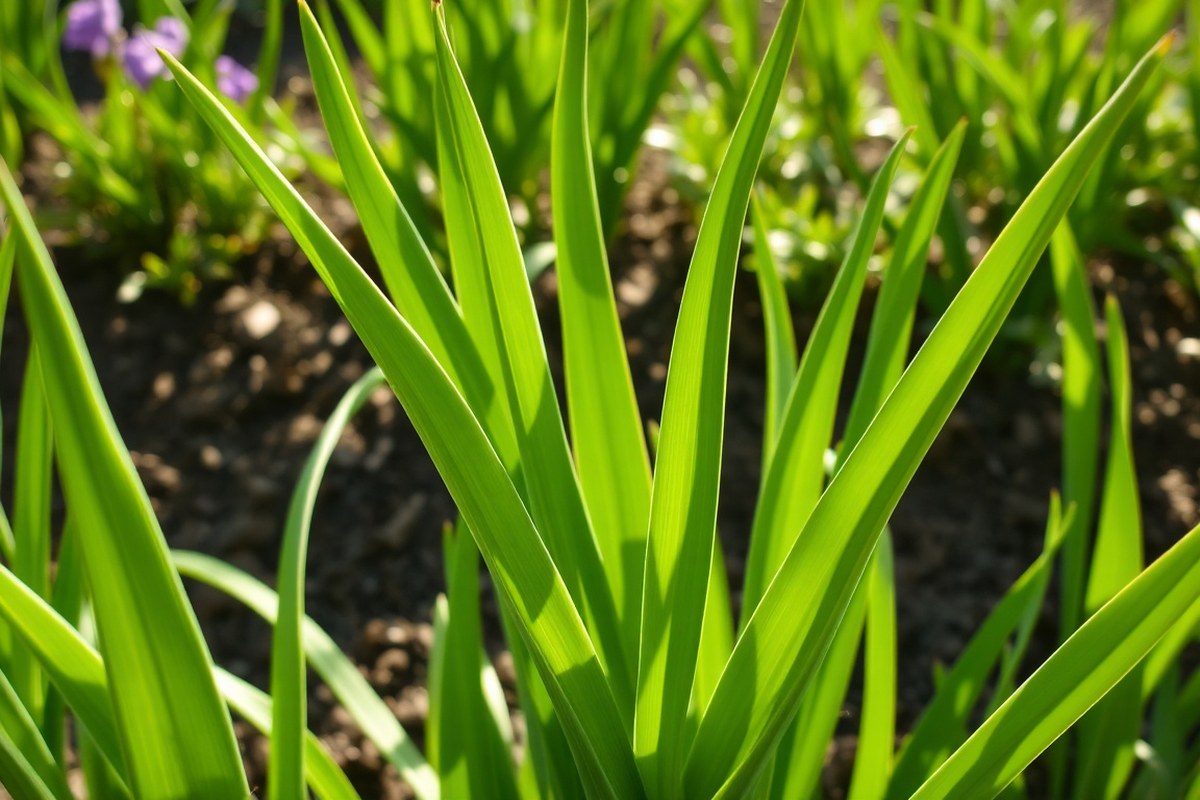
Iris leaves grow in a fan shape right from the base. They are usually long and narrow, ranging from 8 inches up to 4 feet tall. The colors vary from bright green to blue-green, which makes the plant look like a living sculpture.
Bearded iris leaves are wider than others. They measure about 1 to 2 inches across. Their color usually has a grayish-green shade.
Siberian irises have slimmer leaves, around 0.5 to 1 inch wide, often taller, sometimes reaching 4 feet. Knowing these differences helps you identify your iris at a glance.
Check the sunlight your irises get daily. 6 to 8 hours of direct sun keeps leaves healthy. Allow leaves to stay at least two months after blooming before trimming.
This helps the plant store energy. Keeping these basics in mind ensures your iris leaves stay strong and vibrant.
Key Takeaways
- Iris leaves grow in a fan shape, varying in length from 8 inches to 4 feet.
- Bearded iris leaves are 1-2 inches wide, wider and grayer-green than Siberians.
- Siberian iris leaves are narrower, 0.5-1 inch wide, and can grow taller than beardeds.
- Ensure irises receive 6 to 8 hours of direct sunlight daily for best leaf health.
- Wait two months after blooming before cutting iris leaves to support growth.
- Fan-shaped leaf clusters create a natural garden sculpture, adding visual interest.
Distinctive Features of Iris Leaves Explained

Iris leaves grow near the base in a fan shape. They are long and narrow. Their edges look like swords.
Iris leaves usually measure 1 to 2 inches wide. Siberian iris leaves are narrower, about half an inch. This blade-like shape helps the plant capture sunlight and penetrate soil effectively.
The color of iris leaves varies from deep green to a grey-green shade known as glaucous. Some may have a silvery-blue tint that contrasts nicely with the colorful flowers. This color range helps protect the leaves from early spring sun damage, especially in cooler climates.
Texture plays a big role in identifying irises too. Their leaves are typically rigid and somewhat waxy, which reduces water loss. Some have smooth edges and a glossy feel.
Others feature a faint rib along the center that adds slight roughness. These differences affect how tough and durable the leaves feel in your hand.
Different iris types may show subtle variations. Bearded iris leaves look gray and thick.
Japanese iris leaves are slender and delicate. Knowing what to expect can help you spot the iris type even when it’s not flowering.
Because the leaves fan out well, they maximize the area exposed to sunlight. This setup boosts photosynthesis, essential for the plant’s growth and bloom energy. Watching the leaves’ color and texture lets you check if the iris is healthy or stressed.
How Iris Leaf Appearance Varies Among Common Types

Iris leaves change a lot depending on the plant type. Bearded irises have wider, stiffer leaves compared to Siberian or Japanese irises. Each type has unique width, color, and structure that help you tell them apart.
Bearded Iris Leaf Characteristics
Leaves on bearded irises are broad and stiff, usually around 1 to 2 inches wide. Their color tends to be a gray-green shade, making them look thicker and more rigid. These leaves grow in a fan shape and often reach 18 to 36 inches tall.
Bearded iris leaves’ thickness supports their tall flower stems well. Their sturdiness helps them stand upright without drooping. You’ll notice they feel more solid when you touch them compared to other types.
Siberian Iris Leaf Traits
Siberian iris leaves are narrower, between 0.5 and 1 inch wide. They often grow taller than bearded iris leaves, sometimes reaching up to 4 feet. The color tilts more toward a blue-green tone, giving them a sleeker look.
Their blades are thinner and more flexible, which suits wet or windy climates better. Siberian iris leaves form an equitant fan, where blades overlap tightly. This arrangement lets them fit compactly while still looking elegant.
Japanese Iris Leaf Details
Japanese iris leaves tend to be sword-shaped with slightly broader blades than Siberian irises. They show clear ribbing or veins that run along their length. This ribbing adds texture and can help you spot them quickly in a garden.
They usually grow between 12 and 36 inches tall, standing upright with a rich green color. The leaf edges are smooth but firm, holding shape while still being supple. These leaves support large, showy flowers that bloom in moist soils.
Other Species Leaf Variations
Some less common iris species have leaves that break these patterns. You might see narrower or wider blades or softer textures. Others may have a different green shade, like bright or pale tones.
These leaf differences often reflect the species’ preferred habitat and growth habits. For example, some swamp or desert irises develop unique leaf shapes. Those traits can help you identify rarer iris types in your garden.
Watch for leaf width and stiffness as clear signs when identifying an iris type.
Iris Leaf Growth Timeline and Seasonal Changes
Iris leaves start growing about 4 to 6 weeks before the flowers bloom. They first appear as upright shoots, gaining height quickly.
After blooming, the leaves stay green for several weeks. They then turn yellow and die back in late summer.
Emergence of New Leaves
New iris leaves show up early in spring, usually 4 to 6 weeks before flowers open. These shoots grow upright, signaling that the blooming phase is coming. In cooler regions, this growth can start as early as late March.
You want to plant irises where they get 6 to 8 hours of sunlight daily. That keeps the first leaves strong and healthy. Without enough light, the shoots may stay weak and spindly.
Full Leaf Fan Development
The irises’ leaves spread out, forming a fan shape that reaches full height around blooming time. Typical height ranges from 12 to 24 inches, depending on the variety. The leaves stand upright early on, then lean outward as flower stalks grow taller.
This leaf fan captures sunlight for photosynthesis, providing energy for blooming. Once the leaf canopy is full, irises shift energy from leaf growth to flower production.
- Leaves grow 1 to 2 inches per week during peak growth.
- Fans may reach full height 2 to 3 weeks before flowers.
- Leaf blades stay bright green through the bloom period.
- Long leaves help protect the plant base from weeds.
- Leaves gently angle outward as the flower stalk rises.
Strong, healthy leaves during this time support a longer bloom display. Sparse or damaged leaves can reduce flower size.
Late Season Leaf Aging
About 6 to 8 weeks after flowering ends, iris leaves start yellowing and collapsing. This natural aging prepares the plant for dormancy by conserving energy in the rhizome. It usually happens in early to mid-summer, depending on your climate.
Wait at least two months after bloom before cutting back leaves. Removing them too soon reduces food stored for next year’s growth and weakens the plant. In winter, the remaining foliage dies back completely.
Watch for signs of disease, like spots or mildew, which speed leaf decline. Good care extends leaf life and improves next season’s blooms.
Why Iris Leaves Have a Waxy Coating and Its Purpose
Iris leaves have a waxy coating called the cuticle. It helps protect the plant from dryness and pests. The coating also affects how you water and care for your iris.
What the Waxy Coating Actually Is
The waxy layer on iris leaves is called the cuticle. It’s a thin, shiny film made of natural waxes. You can often see a slight sheen when sunlight hits the leaves.
This coating forms a barrier on the leaf surface. It prevents water from evaporating too quickly. That helps the iris keep moisture, especially in dry weather.
How the Coating Helps Iris Survive
The waxy layer limits water loss and protects against harmful insects. It stops dehydration during hot or windy days. The coating also makes it harder for bugs to latch onto the leaves.
This protective layer supports the plant’s overall health. By reducing water loss, the iris can stay healthy longer. It lets the plant focus energy on growing blooms instead of healing damage.
The Coating’s Effect on Watering Routine
The waxy coating means you should water the soil, not the leaves. Wet leaves can trap moisture and lead to fungal problems. Aim to water your iris early in the morning for best results.
You don’t have to water more because of the coating. It helps keep soil moisture where it belongs, around the roots. Regular watering around the base supports strong leaf growth and vibrant blooms.
Adjusting Care Based on Conditions
In dry climates, the waxy coating becomes extra important. It protects against rapid moisture loss when humidity is low. You should keep soil consistently moist but avoid overwatering.
In humid or rainy areas, watch for water sitting on leaves too long. That can encourage fungal diseases. Use drip irrigation or soaker hoses to keep leaves dry during watering.
How to Differentiate Iris Leaves from Similar Plants
Iris leaves grow in tight, fan-shaped clumps from the base. Daylily leaves also rise from the base. But they spread wider and curve more than iris leaves.
Iris leaves have sharp, sword-like edges. They grow narrow and stand upright. These leaves often reach 12 to 24 inches tall.
You can spot iris leaves by their thickness and a slight waxy coating. This coating gives a bluish-green tint and helps repel water.
Daylily leaves lack this waxy feel. They look softer and have a bright green color without that slight shine.
Checking how the leaves arrange themselves helps a lot. Iris leaves overlap neatly with no gaps, forming a solid fan shape.
Daylily leaves tend to thin out and splay. You can see space between individual leaves.
- Look for a tight fan shape at the base, no gaps between iris leaves.
- Iris leaves are upright and sword-shaped, usually 12, 24 inches tall.
- A bluish-green waxy coating on iris leaves gives a slight shine.
- Daylily leaves curve outward more and spread loosely.
- Iris leaves feel thicker and stiffer than daylily foliage.
- Check leaf edges; iris have sharp, straight edges, daylilies are softer.
Another unique trait for iris is no alternating leaf pattern. All iris leaves emerge in layers from the base.
This contrasts with some plants that have spaced leaves up a stem. Leaves growing up a tall stem don’t belong to a true iris.
Common misidentifications happen when daylily leaves look flat and pointy. Look closely at leaf texture and arrangement to avoid mix-ups. Don’t rely just on leaf color or size; those overlap with many garden plants.
Inspect the base closely: iris leaves never grow from stems, only from a tight root cluster.
Signs of Healthy vs Unhealthy Iris Leaves to Watch For
Healthy iris leaves stand upright with a strong, firm structure. Their color is usually bright green without any spots or discolorations. The edges are smooth, and the leaves feel stiff but not brittle or dry.
Yellowing leaves or brown tips are signs the plant may be stressed or unhealthy. Soft, mushy areas on leaves often indicate rot or fungal disease.
These symptoms show a problem like too much water or pests. You need to fix it to save the plant.
Common pests like iris borers and aphids cause visible damage, such as holes or sticky residues. Overcrowded irises can also weaken leaf health, causing leaves to look pale or droopy. These problems reduce the plant’s ability to bloom well.
- Check soil moisture and water only when the top 1 inch feels dry.
- Space iris rhizomes about 12 to 18 inches apart to avoid overcrowding.
- Remove yellowed or brown leaves promptly to prevent disease spread.
- Inspect leaves regularly for pests; use insecticidal soap if needed.
- Improve air circulation around plants by thinning dense foliage.
- Apply a balanced fertilizer in early spring and after flowering.
Keeping your iris leaves healthy takes regular watching and adjusting. Leaves that stay bright green and firm show the plant is healthy. Leaf color changes or damage show when care needs adjusting or pests need treatment.
Environmental Factors Affecting Iris Leaf Growth and Look
Iris leaves need full sunlight to grow strong and healthy. They do best in spots that get at least six hours of direct sun each day. Without that much light, the leaves may look pale and the plant won’t bloom as well.
The soil should be moist but well-drained to keep iris leaves vibrant. Aim for soil temperatures between 60°F and 70°F, which helps roots absorb nutrients properly.
Clay or sandy soil can change the leaf texture and shape. So adjust your location if leaves seem off.
Watering is important but don’t soak the soil. Irises like regular watering, especially during dry spells.
But too much water can cause leaves to yellow and rot. A good routine is keeping the soil evenly moist without standing water around the rhizomes.
Temperature swings affect iris leaf growth a lot. Heat above 70°F for long periods can make leaves look stressed or cause smaller blooms. Cold snaps below freezing may damage new shoots, leading to brown tips or spots on leaves.
Environmental stress like too much sun, poor soil, or inconsistent watering changes how iris leaves look. You might see faded colours or misshaped leaves if their needs aren’t met. Keeping soil healthy helps leaves stay green.
Giving plants plenty of sun keeps leaves firm. Together, they improve leaf color and texture.
Fertilizing with balanced nutrients keeps leaves thick and glossy. Avoid high nitrogen fertilizers, which cause too many leaves but fewer flowers. Adding coffee grounds once in a while helps soil.
It supplies nitrogen naturally. This nitrogen supports leaf and flower growth.
Using Iris Leaves in Garden Design and Identification
Iris leaves add a fresh, structured look to any garden. Their sword-like shape makes them stand out among softer foliage. Using iris leaves can create a neat, vertical texture that contrasts well with rounder plants.
You can identify iris varieties by checking their leaf shape and arrangement. Fans of broad, upright leaves often indicate bearded iris types. Narrow, grass-like leaves usually belong to beardless or Siberian irises, which helps when flowers aren’t present.
- Plant tall iris leaves near shorter, rounded plants for contrast.
- Group different iris species for varied leaf widths and heights.
- Use the fan shape of iris leaves to create natural borders or screens.
- Pair irises with plants that have fine textures, like ornamental grasses.
- Choose leaf colors from blue-green to bright green to mix shades subtly.
- Space leaves properly to keep the garden looking clean and organized.
Look for leaves in groups to spot specific iris types before flowers appear. The leaf color can range from bluish-green to bright green, adding layers of subtle color. Their thick, waxy coating also brings a slight shine, improving their appeal in sunlight.
When planting iris near other textures, leave room so leaves don’t crowd or flatten neighbors.
Using iris leaves well takes only basic planning. Start by sketching where tall leaf fans can balance softer plants.
Buy rhizomes or seedlings labeled by iris type to match leaf shapes accurately. This method costs little but makes a big visual difference.
Step-by-Step Action Plan for Identifying and Caring for Iris Leaves
Follow these steps to spot irises and keep their leaves healthy in your garden.
- Before planting: Choose iris species with leaf shapes that fit your garden’s light and soil.
- Week 1: Plant irises in well-draining soil; check that leaves look upright and smooth.
- Week 3: Look for a waxy coating on leaves to confirm good plant health.
- Month 1: Compare leaf color to the healthy range: bright green without yellow or spots.
- Month 2: Watch leaf edges and tip shape to confirm your iris type for identification.
- Late season: Note leaves getting thinner or browning, this signals seasonal change.
- Every month: Adjust watering based on leaf firmness and soil moisture to avoid leaf damage.
- Before winter: Cut back dead or brown leaves to protect rhizomes and keep the garden tidy.
Frequently Asked Questions
What Do Iris Leaves Look Like in Early Spring?
Iris leaves emerge as thin, pale green blades early in spring. They gradually thicken and deepen in color as they grow through the season. Watching this change helps track your iris’s health and growth progress.
How Can You Tell the Age of an Iris Plant by Its Leaves?
Older iris plants usually have tougher, thicker leaves than new ones. The leaves also tend to be longer and show more fibrous texture with age. This change signals a mature, established root system.
Do Iris Leaves Change Color in Different Light Conditions?
Yes, iris leaf color can shift from bright to muted green depending on sunlight exposure. More sun often produces a grayer or glossier leaf surface. This affects how your iris looks in various garden spots.
Are Iris Leaves Safe for Pets or Children?
Iris leaves are mildly toxic if chewed or eaten by pets or kids. They can cause mild discomfort but usually are not life-threatening. Keep an eye on curious pets near your plants.
Can Iris Leaves Regrow After Being Cut or Damaged?
Yes, cut or damaged iris leaves often regrow from the base. The rhizome sends up fresh shoots if the root system stays healthy. Regular care and avoiding deep cuts allow strong regrowth.
What Causes White Streaks or Spots on Iris Leaves?
White streaks or spots may be signs of fungal infection or sun damage. You should monitor for spreading spots and remove affected leaves. Good airflow and watering at the base help prevent issues.
Final Thoughts
Iris leaves show clear signs you can use for identification and care. Checking leaf shape, color, and texture helps spot healthy plants. Start by observing your iris leaves today to understand their condition better.