What Does Fertilizer Do to Plants? A Complete Guide for Healthy Growth
What does fertilizer do to plants? It supplies essential nutrients plants need to grow strong.
Fertilizer fills the gaps in soil nutrients that plants can’t get from the ground alone. This helps plants grow bigger leaves, stronger roots, and better flowers or fruits.
Plants mainly need nitrogen, phosphorus, and potassium to stay healthy. Fertilizer provides these key nutrients in the right amounts, depending on the blend you choose. Using fertilizer properly gives plants a nutrient boost, especially in poor or depleted soil.
Start by checking your soil’s condition to know what nutrients it lacks. Avoid over-fertilizing, because extra nutrients can harm plants or pollute water. Applying the right fertilizer at the right time keeps plants growing well without waste.
Key Takeaways
- Fertilizer supplies plants with nutrients missing in soil for healthy growth.
- Nitrogen, phosphorus, and potassium are the main nutrients fertilizers provide.
- Test your soil to pick a fertilizer that fits your plants’ needs.
- Follow recommended amounts to prevent harming plants or causing pollution.
- Use fertilizer boosts when growing plants in nutrient-poor or tired soil.
- Timing fertilizer applications correctly improves nutrient uptake and plant health.
How Fertilizer Supports Plant Growth and Health
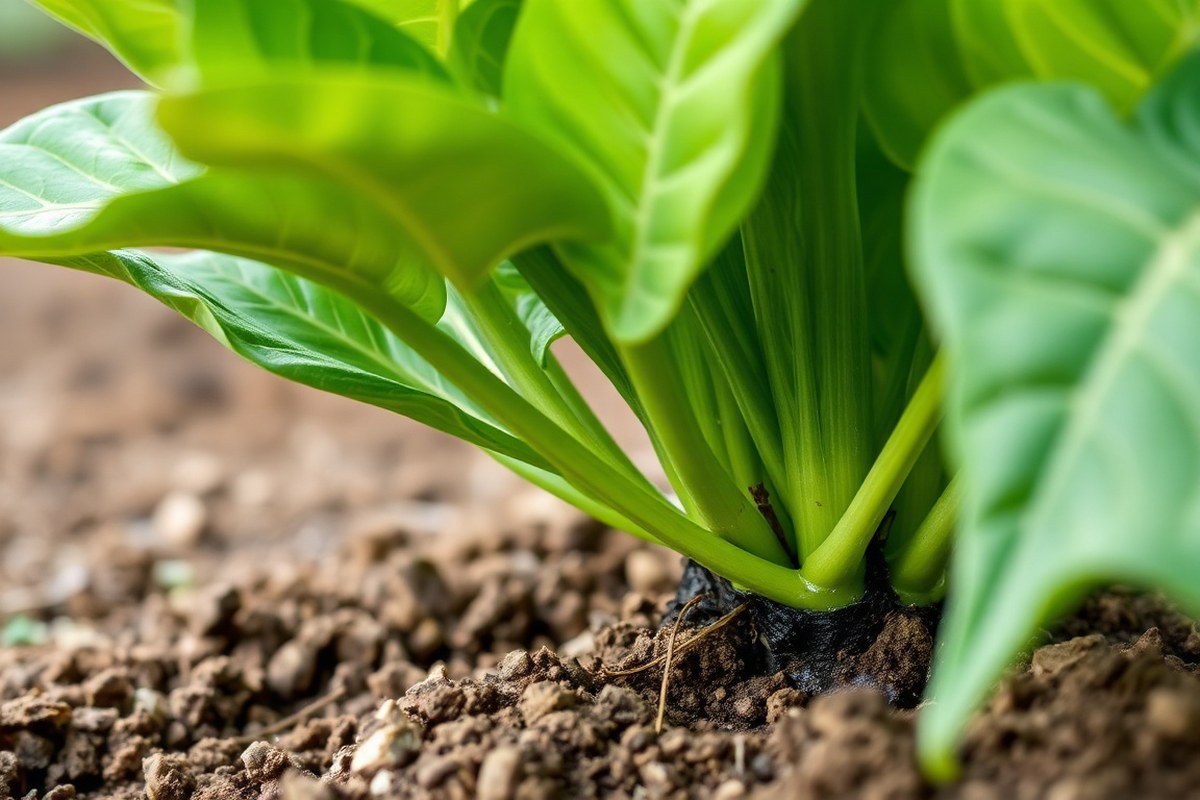
Fertilizer gives plants the nutrients they need to grow healthy and strong. It adds essential elements like nitrogen, phosphorus, and potassium to the soil. Plants absorb these nutrients through their roots to support different growth processes.
Plants use nitrogen mostly for growing leaves and stems. It helps plants make chlorophyll, which they need for photosynthesis. This process lets plants turn sunlight into energy.
Chlorophyll is key for this energy conversion. Phosphorus is important for developing roots, flowers, and fruits. Potassium helps move water and nutrients inside the plant’s cells.
Roots take in nutrients dissolved in water from the soil around them. Fertilizer boosts the amount of nutrients available, so plants don’t run short. When you add fertilizer near the plant’s base, roots absorb it fast.
These nutrients then become ready to support growth and repair. This makes feeding plants efficient.
Without fertilizer, the soil can become depleted because plants cycle nutrients from it each season. Nitrogen is a big part of what plants need. It doesn’t come directly from the air to the roots.
Plants get nitrogen in other forms from the soil. That means you have to supply it regularly to keep plants growing well.
Sometimes, just one nutrient like nitrogen isn’t enough. Plants need a balance of several nutrients to develop properly.
Using fertilizer with a mix of nitrogen, phosphorus, and potassium covers many needs at once. This approach helps plants grow leaves, roots, and flowers all at the right times.
The Three Key Nutrients: Nitrogen, Phosphorus, and Potassium
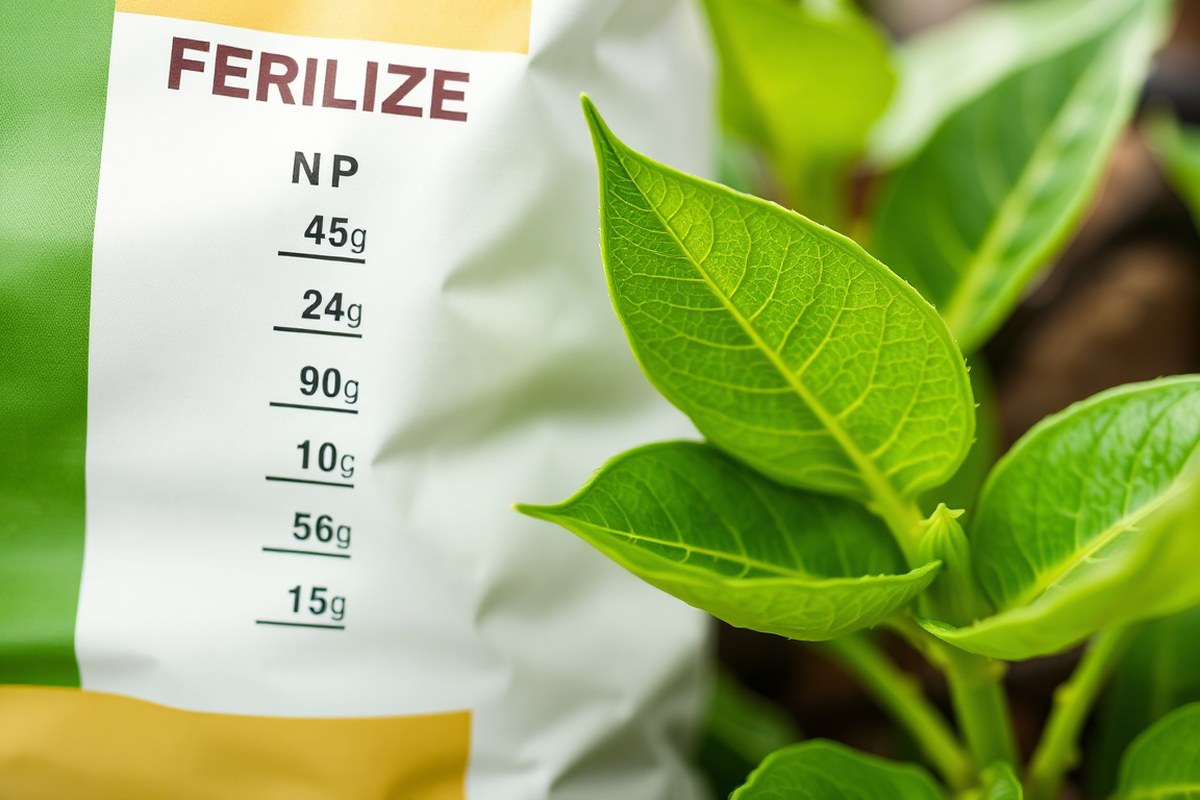
Fertilizers focus on three key nutrients: nitrogen, phosphorus, and potassium. These nutrients are important because plants use them in large amounts to grow and stay healthy. Nitrogen helps plants grow leaves and stems.
Phosphorus promotes root and flower growth. Potassium makes plants stronger and healthier overall.
Garden fertilizers show nutrient amounts with three numbers, like 10-5-5. These refer to nitrogen, phosphorus, and potassium by weight.
A 50-pound bag of 10-5-5 has 5 pounds nitrogen, 2.5 pounds phosphorus, and 2.5 pounds potassium. Plants usually need about four times more nitrogen than phosphorus.
| Nutrient | Primary Function | Common Deficiency Symptoms |
|---|---|---|
| Nitrogen (N) | Promotes leaf and stem growth; gives green color | Pale or yellow leaves; stunted growth |
| Phosphorus (P) | Supports strong roots and flower development | Poor root growth; delayed flowering; dark or purplish leaves |
| Potassium (K) | Increases disease resistance and overall vigor | Weak stems; brown leaf edges; poor fruit quality |
Phosphorus is often lacking in 73% of soils, and potassium is missing in 55%. Plants like vegetables and flowers usually need fertilizer to get these nutrients. Mix all-purpose fertilizer into soil when planting.
This helps boost phosphorus and potassium early. It supports strong roots and healthy growth.
Use fertilizer according to package directions to avoid overfeeding, which can harm plants.
Different Types of Fertilizers and Their Effects on Plants
Organic fertilizers come from natural sources like compost and manure. They release nutrients slowly as microbes break them down in the soil.
Synthetic fertilizers are chemically made, often starting from organic materials. These are treated to dissolve quickly and feed plants fast.
Slow-release fertilizers hold nutrients in a coating or mix that breaks down gradually. This delivers nutrients over weeks or months, matching plant needs more evenly. Quick-release ones dissolve right away, giving plants an instant boost but needing more frequent feeding.
Liquid fertilizers mix with water and absorb quickly through roots or leaves. They work well for a fast nutrient fix.
Granular fertilizers come in dry pellets spread around plants. They release nutrients slower and last longer, needing fewer applications.
The right choice depends on your plants and schedule. Slow-release options cut down how often you feed plants.
Quick-release liquids help jump-start growth or fix sudden nutrient needs. Organics improve soil health but often have lower nutrient numbers than synthetics.
| Fertilizer Type | Pros | Cons | Best Uses |
|---|---|---|---|
| Organic | Slow nutrient release, improves soil health | Lower nutrient concentration, slower acting | Long-term gardens, soil building |
| Synthetic | Fast nutrient availability, consistent content | Can burn plants if overused, no soil improvement | Quick feeding, precise nutrient control |
| Slow-release (coated or organic) | Feeds plants over time, fewer applications | Usually more expensive, slower initial effect | Busy gardeners, steady nutrient supply |
| Quick-release (liquid or soluble) | Fast uptake, easy foliar feeding | Needs frequent applications, can leach away | Fast plant growth, emergency nutrient boost |
| Granular | Long-lasting, easy to apply evenly | Slower onset, can wash away in heavy rain | General garden use, slow feeding |
| Liquid | Quick nutrient delivery, adjustable doses | Needs more frequent feeding, storage space | Container plants, fast growing crops |
Most garden soils with moderate organic matter need less fertilizer. Applying slow-release types reduces the risk of nutrient loss. Liquid fertilizers are a smart choice for boosting moderate feeders needing quick nutrition.
Apply granular slow-release fertilizers by sprinkling evenly around plant bases. Water afterward to start nutrient release.
Liquid fertilizers mix into watering cans. Feed plants every 1 to 2 weeks for best results.
How to Choose the Right Fertilizer for Your Plants
Choose fertilizer by matching your soil’s nutrient levels with your plant’s needs. Use soil tests to see what nutrients your soil lacks. Pick fertilizers that supply those missing nutrients without overdoing any one element.
Understanding Soil Test Results
Soil tests measure nutrient amounts like nitrogen, phosphorus, and potassium. Test results usually list nutrient levels as low, medium, or high. Knowing this helps you decide which nutrients to add.
Interpreting these results guides your fertilizer choice. Avoid adding nutrients already abundant in your soil. This prevents wasting fertilizer and harming plants.
- Collect a soil sample from several spots in your garden or lawn.
- Send the sample to a local extension lab or use a home test kit.
- Check nutrient amounts listed for nitrogen (N), phosphorus (P), and potassium (K).
- Note the soil pH; most plants thrive between 6 and 7.5.
- Look for nutrients listed as low or deficient to target in feeding.
- Compare results with plant-specific nutrient needs from trusted guides.
- Decide on fertilizer types and ratios based on lacking nutrients.
Matching Fertilizer to Plant Needs
Use fertilizers that match your soil’s deficiencies and your plant’s nutrient demands. For example, nitrate of soda (16-0-0) is good if phosphorus and potassium levels are high. This supplies nitrogen only, avoiding excess P and K.
Vegetables often need balanced N-P-K or slightly more nitrogen early on. Flowers usually benefit from phosphorus-rich fertilizers for blooms. Lawns mostly require nitrogen to support green, lush grass.
Consider synthetic fertilizers for fast, precise nutrient supply. Organic options improve soil health but release nutrients slower. Your plant type, soil, and budget will guide the best choice.
Adjusting Fertilizer for Growth Stages
Plants need different nutrients at each growth stage. Use more nitrogen during early leaf and stem growth. Boost phosphorus when roots develop or flowers and fruit form.
Reduce nutrient amounts in late stages to avoid weak growth or wasted fertilizer. Lawns need nitrogen mostly in spring and fall. Vegetables may require several feedings aligned with their development.
Adjust the application rate following soil test guides and plant growth. Over-fertilizing can burn plants or cause excess leafy growth with fewer fruits. Always read fertilizer labels for proper amounts and timing.
Best Practices for Applying Fertilizer to Plants
Fertilizer helps your plants grow better when applied the right way at the right time. You should adjust your approach based on the plant type. Seedlings, established garden plants, and container plants need different care.
It helps your plants grow better. Knowing how often and how much fertilizer to use prevents harm and promotes healthy growth.
Applying Granular Fertilizer to Garden Plants
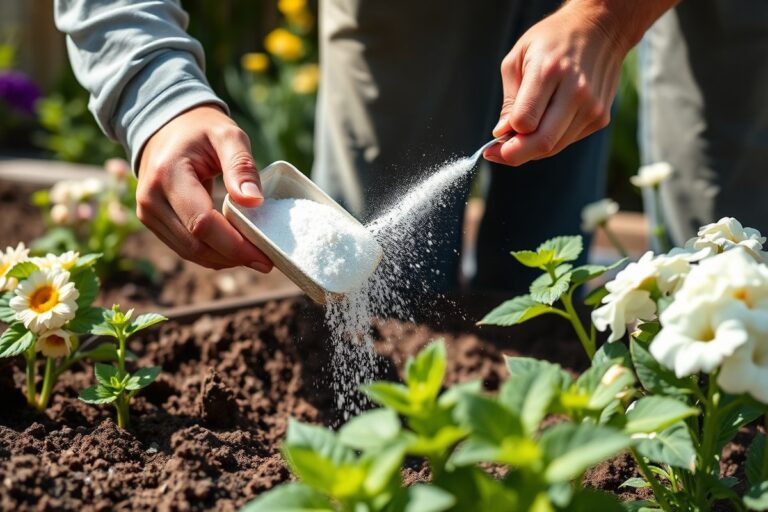
Use granular fertilizer mainly as side-dressing for established garden plants. Spread it around the base but not touching the stems to avoid burning. Typically, fertilize every 4 to 6 weeks during the growing season for best results.
Here’s a practical way to apply granular fertilizer safely to garden plants:
- Check the product label for recommended rates and adjust for your plant type.
- Clear weeds and loosen the soil gently around each plant.
- Spread the fertilizer in a band 2 to 3 inches from stems. Keep it along seed rows for best results. This avoids hurtful contact with the plants.
- Lightly rake the fertilizer into the top inch of soil without disturbing roots.
- Water the area thoroughly to dissolve the granules and move nutrients to roots.
- Avoid fertilizing right before heavy rain to prevent runoff and waste.
Do not pile fertilizer at the plant base. It can cause root burn or disease.
Using Liquid Fertilizers for Faster Nutrition
Liquid fertilizers work faster than granular types because plants can absorb nutrients quicker. They suit plants needing a quick nutrient boost but check the dilution instructions carefully. Applying liquid fertilizer once every 1 to 2 weeks is typical during active growth seasons.
Water-soluble or foliar feeding is common, especially when plants show signs of nutrient deficiency. Always use a balanced formula unless a specific nutrient is needed. Be cautious not to overapply as liquid fertilizer is more concentrated than granular.
Fertilizing Container and Indoor Plants
Container plants need fertilizer more often than garden plants because nutrients wash out with regular watering. Use water-soluble fertilizer at half strength weekly during the growing season for healthy growth. Timed-release fertilizers are another option, refreshing nutrient supply every 6 to 8 weeks.
Apply fertilizer carefully to avoid overfeeding, which causes weak growth or salt build-up. Use a watering can or drip system to evenly distribute fertilizer. For indoor plants, keep applications lighter and less frequent to match slower growth cycles.
How Soil pH and Environment Affect Fertilizer Efficiency
Soil pH Controls Nutrient Access
Soil pH affects how plants access nutrients from fertilizer. Most nutrients become less available if pH is too low (acidic) or too high (alkaline). For example, phosphorus works best in soils with pH around 6 to 7.5.
Acidic soils cause phosphorus to bind to iron and aluminum. This makes it hard for roots to absorb phosphorus. Plants may then get less of this key nutrient.
In alkaline soils, phosphorus ties up with calcium, again reducing availability. Keeping pH near neutral helps plants use fertilizer nutrients efficiently.
Temperature Affects Nutrient Release
Soil temperature influences how fast fertilizers break down and release nutrients. Cold soil slows down microbial activity, so organic fertilizers release nutrients slowly. Chemical fertilizers still work faster but may not absorb well in cold roots.
Warm soils speed up nutrient release and plant uptake. Wait until soil warms to at least 50°F before fertilizing. Applying fertilizer too early can reduce its effectiveness.
Soil temperature matters for nutrient uptake. Applying fertilizer too early often means your plants can’t use it well.
Moisture Helps Nutrient Movement
Water in soil helps dissolve fertilizer nutrients so plant roots can absorb them. Dry soil can block nutrient movement, reducing fertilizer benefits. Consistent watering after fertilizing promotes nutrient uptake.
Too much water, like after heavy rain, can wash away fertilizers, especially nitrogen. Avoid applying fertilizer before heavy storms to prevent nutrient loss. Mulching can help keep soil moist but not soggy.
Balancing Fertilizer with Soil Conditions
Testing soil pH and moisture regularly helps decide when and how to fertilize. Adjust soil pH if it’s too acidic with lime or too alkaline with sulfur before fertilizing. This step improves nutrient availability.
Slow-release fertilizers work well in cooler or dry soil. They match nutrient delivery to what plants need gradually. Fertilizer spikes provide steady nutrients under these conditions.
These fertilizers avoid quick loss and reduce the chance of over-fertilizing. Slow-release formulations suit long growing seasons best.
Tips for Optimizing Fertilizer Use
Apply fertilizer when soil is warm and moist but not soggy. Water plants after feeding to help dissolve nutrients. Avoid fertilizing dry or frozen soil since roots won’t absorb nutrients then.
In winter or cooler climates, consider fewer or controlled-release doses to avoid nutrient waste. Plan fertilizing around local weather and soil testing to maximize fertilizer cost-effectiveness and plant growth.
Signs Your Plants Need Fertilizer or Are Over-Fertilized
Plants that need fertilizer often show stunted growth or pale leaves. Yellowing leaves, especially older ones, usually signal nitrogen deficiency. Poor flowering or fruit production can indicate a lack of phosphorus.
Wilting or scorched leaf edges might suggest potassium is low. These signs mean your plants aren’t getting enough nutrients to thrive.
Over-fertilizing can damage plants just as much as not fertilizing enough. Leaves might turn dark green, curl, or develop brown tips and edges.
Excess fertilizer salts can burn roots, leading to wilting or stunted growth. Over time, too much fertilizer can harm beneficial soil life, reducing your soil’s natural fertility.
Common fertilizing mistakes often cause these problems and can be avoided easily. Applying fertilizer too often can overload plants with nutrients. Using the wrong fertilizer grade fails to meet your plants’ specific needs.
Not following label instructions leads to either under- or over-fertilizing. Timing matters too; fertilizing during plant dormancy wastes product and can hurt roots.
- Watch for yellow or pale green older leaves, sign of nitrogen shortage
- Poor blooms or fruit mean low phosphorus
- Browning leaf edges suggest potassium deficiency
- Avoid applying fertilizer more than every 4-6 weeks in growing season
- Match fertilizer grade to plant type and growth stage
- Follow the product label for application amounts per square foot
- Water after fertilizing to prevent root burn
Using a 10-5-5 fertilizer means 10% nitrogen, 5% phosphate, and 5% potash. A 5-pound bag holds half a pound of nitrogen. It also contains a quarter pound of phosphate.
Plus, there is a quarter pound of potash. Tracking these percentages helps you pick the right amount based on your garden’s size. Applying the right fertilizer at the right time keeps plants healthy without risking overload.
Sustainable Fertilizing and When to Seek Professional Advice
Fertilizers can harm the environment if overused or applied carelessly. Excess nutrients may wash into waterways, causing algae blooms and harming aquatic life. Using organic matter like compost helps recycle nutrients naturally.
Shredded leaves or leaf mold also improve soil structure over time. These materials add nutrients and make the soil healthier.
You can start a simple compost pile in your backyard. Use a bin to break down kitchen scraps and garden waste. This process creates rich soil amendments for your garden.
Aim to add a layer of compost yearly to raise soil organic content to 4-5%. This buffer improves soil pH stability and reduces the need for synthetic fertilizers.
For sustainable fertilizing, apply only what your plants need based on soil tests or visible signs. Water soluble fertilizers work well for young plants but use them sparingly. Healthy soil needs active microbes and organic fertilizers.
These fertilizers supply trace elements necessary for plant growth. They also keep the soil texture balanced for better water and air flow.
Remember: adding too much fertilizer can burn plant roots and pollute nearby streams.
Call a professional if your plants have stunted growth or yellow leaves. This is concerning even if you feed them regularly. Also call if your soil test shows extreme pH or nutrient issues.
These experts can recommend targeted treatments or test for diseases. You should also seek advice if your garden soil changes drastically after heavy rain or drought.
Testing soil every few years helps track nutrient levels and pH changes. Avoid guesswork that can waste money and damage plants. Local extension services or certified labs can test your soil samples.
They analyze them and suggest the right fertilizer plan. This helps you meet your garden’s specific soil needs.
Step-by-Step Action Plan for Fertilizing Your Plants
Follow these steps to feed your plants properly and see real growth. Pay attention to their response after each phase.
- Before planting: Test your soil pH and nutrient levels using a home kit. Adjust pH as needed for your plant type.
- At planting: Mix balanced fertilizer into the soil around roots. Look for strong, healthy leaf buds within a week.
- Week 3: Apply a side dressing of nitrogen-rich fertilizer for leafy plants or phosphorus for blooms. Check for greener leaves or more flowers.
- Month 1: Water plants well after fertilizing to help nutrients soak in. Watch for any leaf burn or discoloration as warning signs.
- Month 2: Add potassium fertilizer if fruits or roots need support. Expect firmer fruit or bigger roots over the next few weeks.
- Growing season: Repeat balanced fertilizer every 4, 6 weeks based on plant health and soil tests. Stop if leaves yellow or wilt.
- Late season: Cut back on fertilizer to prepare plants for dormancy or harvest. Plants should slow growth naturally.
Frequently Asked Questions
What Does Fertilizer Actually Do to Plants?
Fertilizer provides extra nutrients plants need to grow and stay healthy. It improves growth speed and helps plants fight diseases better.
Can Fertilizer Help Plants Recover from Stress?
Yes, fertilizer can boost plant recovery after stress like drought or pruning. It supplies key nutrients plants use to repair and regrow.
Does Fertilizer Affect Flowering and Fruit Production?
Fertilizer can increase flower and fruit yield by providing extra phosphorus and potassium. These nutrients support bloom and fruit development.
Why Do Some Plants Need More Fertilizer Than Others?
Plants with fast growth or large leaves need more nutrients. Slow-growing or drought-tolerant plants usually require less fertilizer.
How Soon After Fertilizing Will Plants Show Improvement?
Plants may show changes in a week or two after fertilizing. Timing depends on fertilizer type and plant species.
Can Over-Fertilizing Harm Plants?
Too much fertilizer can burn roots and stress plants. Always follow package instructions and avoid excess application.
The Bottom Line
Fertilizer helps plants get the nutrients they need to grow and thrive. Always watch your plants and adjust feeding as they change. Try one of the steps today to boost your garden’s health.