How to Grow Strawberries in a Garden: Simple Steps for Fast Results
How to grow strawberries in a garden is simple with the right steps. Start by planting bare root or transplant strawberry plants in early spring. Space them 12 to 18 inches apart to give them room to grow strong and healthy.
Strawberries need full sun for at least 6 to 8 hours daily to produce sweet fruit. Water them regularly, about 1 to 1.5 inches a week, especially during dry spells. These basics help your plants thrive and deliver delicious berries quickly.
Keep in mind that strawberries do best in temperatures between 60 and 80 degrees Fahrenheit. Protect them from late spring frosts by covering if temperatures drop below 30 degrees. This simple care ensures you get the best yield from your garden patch.
Key Takeaways
- Plant strawberries during early spring right after the final frost ends.
- Space plants 12 to 18 inches apart to allow runners room to spread.
- Provide at least 6, 8 hours of direct sunlight daily for good fruiting.
- Strawberries need roughly 1 to 1.5 inches of water weekly to grow well. Make sure to provide this amount evenly throughout each week. This level helps keep the plants healthy and productive.
- Cover plants if temperatures drop below 30°F during flowering.
- Keep strawberry plants in temperatures between 60 and 80°F for best growth.
How to Plant Strawberries for Best Growth and Yield

Plant strawberries outdoors soon after the last frost passes in spring. The soil needs to be soft and warmed to at least 50°F first. Use bare root plants or young transplants spaced 12 to 18 inches apart for good root growth.
Proper spacing helps the plants get air and sunlight, reducing diseases. Position the crowns so they sit above the soil surface, never buried. This prevents crown rot and lets the leaves grow healthy and strong.
Spacing rows 2 to 3 feet apart also helps you manage runners and pick berries easily. For container growing, give each strawberry plant 8 to 10 inches of space in the pot. Keep the soil loose and rich, with a pH near 6.0 to 6.5, for best root growth.
Follow these steps to plant strawberries properly for better fruit yields and healthy plants:
- Choose your planting site with full sun and well-drained, fertile soil.
- Prepare soil by loosening it and mixing in compost to improve fertility.
- Dig holes wide enough for the roots to spread without bending them.
- Place the plant roots in the hole, spreading them out flat.
- Ensure the crown is at soil level, with roots fully covered but crown exposed.
- Fill the hole gently with soil, firming it lightly to remove air pockets.
- Space plants 12 to 18 inches apart in rows 2 to 3 feet wide.
- Water thoroughly after planting to settle the soil around roots and crown.
Planting them this way helps strawberries establish quickly. Your plants should develop strong roots and crowns. Healthy crowns start producing fruit in 4 to 6 weeks once planted.
Plant too deep and crowns may rot, which kills the plant. Plant too shallow and roots may dry out, stressing the plant. Proper timing and spacing reduce competition and disease risks, helping your strawberries thrive season after season.
Selecting Strawberry Varieties Suitable for Your Garden

There are three main types of strawberries: June-bearing, everbearing, and day-neutral. June-bearing strawberries produce one large crop each year, usually in late spring or early summer.
Everbearing varieties give small harvests in summer and fall. Day-neutral types produce steadily from spring to fall.
Choosing the right type depends on your climate, garden space, and how you want your harvest. June-bearers usually do well in zones 4 to 8, giving a big harvest once a year.
Everbearing and day-neutral types spread fruit over a longer time but often yield smaller berries. They may work better if you want fresh strawberries regularly.
| Strawberry Variety | Planting Time | Expected Harvest Time |
|---|---|---|
| Chandler (June-Bearing) | March to May | Late Spring to Early Summer (following year) |
| Honeoye (June-Bearing) | March to May | Early to Mid-Summer (following year) |
| Sequoia (Ever-Bearing) | April or late summer | Summer and Fall (same year) |
| Ozark Beauty (Ever-Bearing) | April or late summer | Summer and Fall (same year) |
| Albion (Day-Neutral) | April or late summer | Spring to Fall (same year) |
June-bearing strawberries make larger fruits and a strong runner network. Your garden needs full sun and good soil for these varieties. They produce the best harvest once a year.
Everbearing and day-neutral plants need balanced fertilizer two times. Apply it at the season’s start. Then feed again after the second harvest.
Space plants about 18 inches apart to handle runners and get good airflow.
In colder zones, day-neutral strawberries often produce best as annuals, replanted yearly for high yield. They have moderate runners and keep giving fruit for months.
Choose day-neutral or everbearing strawberries to harvest all season long. But expect smaller berries than June-bearers.
Preparing Soil and Garden Beds for Healthy Strawberry Plants
Strawberries grow best in well-drained, fertile soil with a slightly acidic pH. You should aim for soil that is loose, rich in organic matter, and drains water quickly. Preparing the soil right helps strawberry plants grow strong and produce sweet fruit.
Testing and Adjusting Soil pH
Strawberries prefer soil pH between 5.5 and 6.8. Soil outside this range can stunt growth and reduce fruit quality. Testing your soil pH comes first before planting.
It helps ensure good soil conditions for strawberries. Knowing the pH helps your plants grow well.
You can buy a pH test kit at garden centers. Another option is to send a soil sample to an extension service. Both ways check your soil’s acidity or alkalinity.
Test moist soil from about 3 inches deep in several spots of your planting area. Average the results for a clear reading.
Amending Soil with Compost and Organic Matter
Adding compost or well-rotted manure makes soil fertile and improves texture. Organic matter feeds your plants and helps soil hold moisture without becoming soggy. Mix in two bucketfuls per square yard before planting for best results.
For clay soil, add 4 inches of compost and mix well. This loosens the soil and improves texture. Looser soil helps strawberry roots grow better.
This addition improves drainage and rooting depth. Well-aged materials like composted leaves or sawdust work well too without burning roots.
Creating Raised Beds for Better Drainage
Raised beds can prevent waterlogging, especially in poor-draining soil or heavy clay. Make beds 6 to 12 inches tall to improve soil. Raised beds create fluffy soil.
They also warm up faster in the spring. This helps your strawberry plants get a faster start.
Keep raised beds about 3 to 4 feet wide so you can reach across easily. Level the top to avoid pooling water. Raised beds also reduce weed invasion and improve air circulation around plants.
Preparing Soil in Clay or Sandy Conditions
Clay soil holds too much water and can suffocate roots. Lightly dig in 4 inches of compost, then mound the soil into raised beds or hills. This technique improves drainage and prevents root rot.
Sandy soil drains water quickly and holds few nutrients. Remove all weeds before planting strawberries.
Then spread about 1 inch of compost or aged manure. This keeps moisture and nutrients where strawberry roots can reach them.
- Clear the area of all weeds and debris.
- Test soil pH with a kit or send a sample to a lab.
- Adjust pH if needed: add lime to raise pH or sulfur to lower it gradually.
- Mix in two bucketfuls of compost or well-rotted manure per square yard.
- For clay, add at least 4 inches of compost and form raised mounds or beds.
- For sandy soil, add a 1-inch compost layer and lightly cultivate the area.
- Create raised beds 6-12 inches high and level the surface if drainage is poor.
- Water the amended soil lightly to settle it and prepare for planting.
Watering, Sunlight, and Fertilizer Needs for Optimal Growth
Strawberry plants need at least 6 to 8 hours of direct sunlight every day. More sun, about 8 hours, helps them grow stronger and produce sweeter fruit. Choose the sunniest part of your garden to get the best results.
Water strawberries regularly, giving them about 1 to 1.5 inches per week. Check the soil to keep it moist but not soggy.
Soggy roots can cause rot. In hot weather, water more often, especially if your plants show dry leaves.
Apply a balanced fertilizer in early spring as growth begins and again after harvesting. Too much nitrogen in spring leads to more leaves than fruit, so avoid it. Use a 10-10-10 or similar all-purpose fertilizer once a month during the growing season.
Poor or sandy soil needs compost added before planting to boost nutrients. Mulching helps keep moisture and reduces weeds, which compete for nutrients.
Don’t fertilize strawberries right before planting. Wait until they’ve settled in and started growing leaves.
After plants fruit, feed them again to support runner growth and next year’s harvest. Day-neutral or everbearing strawberries fruit multiple times.
So they need steady water and nutrients all season. June-bearers usually fruit once, so feed carefully for that cycle.
For best results, water early in the morning to reduce disease risks. Strawberries grow best with warm soil and air temperatures between 60 and 80 degrees Fahrenheit. Cold or too much shade slows growth and reduces fruit quality.
Managing Runners and Renovating Strawberry Beds Effectively
Runners are long stems strawberry plants send out after fruiting. They root in soil and form new plants, letting your patch grow naturally. Managing runners and renovating beds helps keep plants strong and productive for years.
Controlling Runner Growth to Maintain Plant Health
Runners spread strawberries but can drain the mother plant’s energy. Removing most runners lets the main plants focus on fruit production. Allow only a few runners to root if you want new plants for next season.
Keep strawberry plants about 18 inches apart. This spacing gives runners room to develop without overcrowding. Check your strawberries every few days by running your hand over them.
Spot the runners early to decide which ones to keep. This helps your plants grow stronger and healthier.
Step-By-Step Bed Renovation Process
Strawberry beds should be renovated after harvest to renew plant vigor. This usually happens every 2 to 3 years when yields drop noticeably. Renovating keeps your patch healthy and helps avoid disease build-up.
Use this method to renovate your bed:
- Cut back all old leaves to about 1 inch above the crowns.
- Remove any dead or weak plants to open space.
- Thin out runners and detach rooted daughter plants you don’t want to keep.
- Loosen the soil gently around plants and add a thin layer of compost.
- Water the bed well to settle the soil and support regrowth.
- Apply a balanced fertilizer to boost new leaf and bud growth.
- Mulch with straw or pine needles to keep soil moist and cool.
Don’t renovate too early in the season or you’ll lose your next harvest.
Taking and Planting Runners Successfully
Propagating new strawberry plants from runners is easy with a few steps. Choose healthy daughter plants about 3 inches tall with good root systems. Plant them nearby in pots or prepared soil to grow strong new plants.
Follow these steps to root runners:
- Select runners with good-sized leaves and healthy roots.
- Place small pots of peat-free, multi-purpose compost next to the mother plant.
- Guide runners into the pots, securing them lightly with garden pins or soil.
- Keep the soil moist but not soggy until roots develop.
- After 4 to 6 weeks, cut the runner stem connecting to the mother plant.
- Transplant the new plants to their permanent spot once they’re established.
Don’t delay cutting runners from the mother plant; it can starve both plants.
Identifying and Controlling Common Pests and Diseases
Strawberry plants face several common pests that can damage leaves, roots, and fruits. Watch for aphids, spider mites, slugs, and vine weevil larvae.
Vine weevils especially harm plants in pots, eating roots and causing leaves to wilt. Early pest detection matters to protect your yield.
You can spot fungal diseases like powdery mildew by fuzzy white patches on leaves. Botrytis, or gray mold, shows as soft, grayish fruit spots.
Viral infections often cause stunted growth or distorted leaves. Checking your plants every few days helps catch these problems early.
Organic controls work well for most pests. Hand-pick slugs and use barriers like crushed eggshells or copper tape. Introducing beneficial insects, such as ladybugs, reduces aphids naturally.
Biological controls can manage vine weevils, nematodes applied to soil kill larvae safely. Fungicides made for edible plants control powdery mildew and botrytis.
You need these when airflow and sanitation alone do not work. Use them carefully to protect your plants.
- Spray insecticidal soap or neem oil on aphids and spider mites weekly.
- Remove and destroy any diseased leaves to stop fungi spread.
- Use sticky traps to monitor and catch flying pests early.
- Rotate crops yearly to reduce soil-borne diseases.
- Keep plants spaced for good air circulation and less mold risk.
- Apply fungicides only as a last resort, following label instructions.
- Water plants in the morning to keep foliage dry overnight.
Chemical pesticides exist but often carry risks to pollinators and soil health. Use them only if organic methods fail and choose products safe for fruit crops. Read labels carefully to avoid residues on berries.
Check your garden often to spot problems early. Acting fast reduces how much spray you need. It also keeps the garden safe for pets and family.
When and How to Harvest Strawberries for Best Flavor
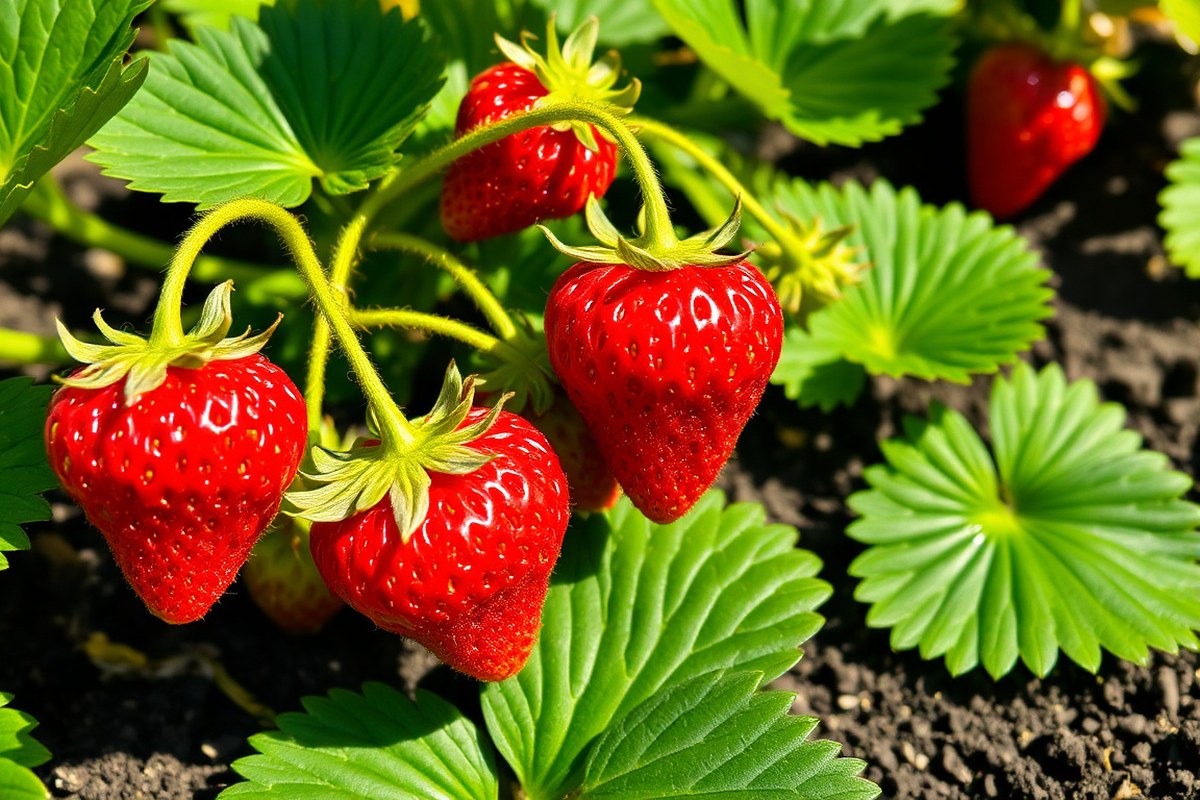
Strawberries are ready to harvest when they are fully red all over. The berries should look plump and feel slightly soft to the touch.
Ripe strawberries smell sweet and fresh. This shows they are at peak flavor.
Pick strawberries carefully by holding the stem just above the berry. Use your fingers or small scissors to cut the stem instead of pulling the fruit off.
Pulling can damage the plant and reduce future harvests. Cutting helps protect runners and leaves.
Harvest berries in the morning when temperatures are cooler to keep them fresh longer. Pick regularly, about every two or three days.
So ripe berries don’t sit on the plant too long. This also helps the plant produce more berries during the season.
After picking, place strawberries gently in a shallow container. Avoid stacking them too deep, which can bruise the fruit.
Store your picked berries in the fridge. Keep them at 32 to 36°F. They usually last two to three days this way.
Fresh berries taste best when eaten soon after picking. Strawberries don’t keep long because they are high in moisture and prone to mold.
Think about freezing or canning berries to keep them longer. This is helpful with large June-bearing crops picked all at once.
Day-neutral and ever-bearing varieties provide berries continuously through the summer. You can snack on these fresh berries all season with regular picking. June-bearing types offer a big harvest at once but may not last as long.
Look for fully red berries that hold their shape even after touching. Avoid picking white or green tips, since those won’t ripen properly after picking. Under-ripe strawberries lack sweetness and won’t develop the full aroma and flavor once off the plant.
Protecting Strawberry Plants from Frost, Heat, and Weather Stress
Protecting strawberry plants from frost, heat, and weather stress helps them stay healthy and fruit well. You can cover plants during late frosts. Mulch helps keep the soil cool.
Prepare plants well for winter. Each step depends on your climate and the season.
Frost Protection Strategies
Strawberries can get damaged by late spring frosts, especially their flowers. Cover your plants with a frost cloth overnight. Do this if frost is forecast.
Only cover plants that have begun to bloom. Use straw to cover plants before freezing temperatures.
This traps heat close to the soil. Straw acts as a natural heat buffer.
Try to avoid planting strawberries in low areas prone to frost pockets. Check your weather forecast daily in spring, especially after your strawberries start flowering. Don’t fertilise your plants late in the season to avoid new growth that frost can kill.
Cover your strawberry bed with a frost cloth when nighttime temperatures drop to 32°F or below.
Heat Stress Mitigation
Strawberries need some shade during heatwaves to avoid stress and dry soils. Apply 2 to 3 inches of organic mulch like straw. Mulch keeps soil cool and moist for plants.
Pine needles work well too. Mulching reduces water evaporation and keeps roots from overheating on hot days.
Water strawberry plants early in the morning during high heat to prevent dehydration. Avoid watering in the afternoon because wet leaves in heat encourage disease. Watch your plants for wilting or pale leaves.
Increase watering to help them recover. Use shade cloth to protect from sun.
Winterizing Strawberry Plants
After the growing season, strawberries die back and go dormant for winter. In colder zones, cover beds with straw or mulch. Do this after the first hard frost.
This protects the plant roots from freezing. Spread about 3 to 4 inches of straw evenly over the plants for insulation.
Remove the mulch as soon as warmer weather arrives in spring to prevent mold problems. In warmer zones, winter protection is less critical but still helpful during cold snaps. Mulching also protects against harsh winds and fluctuating temperatures that stress plants.
Step-by-Step Action Plan to Start Growing Strawberries
Follow these steps to plant and care for your strawberries successfully. You’ll see growth and get tasty berries as a reward.
- Week 1: Choose strawberry varieties that suit your climate and space. Look for healthy plants or seeds with strong roots.
- Week 2: Prepare your soil or container with rich, well-drained soil and add compost. Check soil moisture: it should feel damp but not soggy.
- Week 3: Plant your strawberries in rows or containers, keeping crowns above soil. After a week, look for new leaf growth to confirm planting success.
- Weeks 4, 6: Water plants twice a week with deep watering. Give 1 inch of water total each week. Leaves should look bright green and healthy.
- Month 2: Apply balanced fertilizer per package instructions. New leaves and runners growing means the plants are feeding well.
- Month 3: Watch for pests like slugs or diseases such as leaf spot. Remove damaged leaves and treat with recommended organic methods.
- Month 4, 5: Harvest ripe berries every few days for best flavor. Berries should be fully red and easily pulled off.
- Fall (after harvest): Renovate your bed by trimming old leaves and thinning runners. Healthy crowns and fresh green shoots show your renovation worked.
Frequently Asked Questions
Can You Grow Strawberries from Store-Bought Fruit?
Store-bought strawberries usually don’t produce true plants. Use runners or nursery plants for best results. Growing from runner plants ensures the strawberries match the parent plant’s quality.
How Often Should You Replace Strawberry Plants in Your Garden?
Replace strawberry plants every 3 to 4 years for continuous yields. Older plants tend to produce fewer berries and are prone to disease. Replanting renews soil nutrients and improves fruit production.
Can Strawberries Grow Well in Partial Shade?
Strawberries can survive in partial shade but produce fewer and smaller berries. Aim for at least 6 hours of sunlight to get a good harvest. More sun means sweeter, larger strawberries.
Is It Necessary to Remove Flowers the First Year After Planting?
Removing flowers the first year helps plants focus on root growth. This leads to stronger plants and higher yields the following year. Some gardeners skip this, but early pinching gives better long-term results.
What Is the Best Way to Mulch Around Strawberry Plants?
Use straw or pine needles as mulch to keep soil moist and reduce weeds. Mulch also keeps berries cleaner and prevents rot by stopping soil splash. Apply mulch about 2 inches thick around plants without covering crowns.
How Do You Prevent Birds from Eating Ripe Strawberries?
Cover plants with bird netting or floating row covers to protect ripe berries. Birds love strawberries but netting allows light and water through. Remove covers during pollination to let bees do their work.
Before You Go
Growing strawberries is rewarding once you get the care right. Start small, watch your plants closely, and enjoy fresh-picked fruit. Next, pick your favorite variety and prepare your garden space to get going today.