Where to Purchase Beneficial Nematodes: A Complete Guide with Buying Tips
Wondering where to purchase beneficial nematodes for your garden? You can buy them online from specialized garden retailers or local garden centers.
Online stores offer fast shipping, usually in 2 to 3 days. So your nematodes arrive fresh and ready to work.
Local garden centers stock them seasonally, but availability varies by region. Buying from a local source may save you shipping costs and time. Remember to check the nematodes’ species and shipping practices to ensure they stay alive before application.
Keep in mind beneficial nematodes are microscopic and fragile. They must be stored cold, around 40°F, and applied quickly for best results. This ensures they remain active to control pests efficiently in your garden soil.
Key Takeaways
- Buy beneficial nematodes online for fast, reliable shipping within 2 to 3 days.
- Local garden centers may have nematodes but check seasonal availability first.
- Confirm that nematodes are shipped cold to keep them alive during delivery.
- Choose nematode species suited to your pest and soil conditions.
- Store nematodes in the refrigerator at about 40°F until use.
- Apply nematodes as soon as possible after receiving them for best results.
Where to Buy Beneficial Nematodes: Online and Local Options
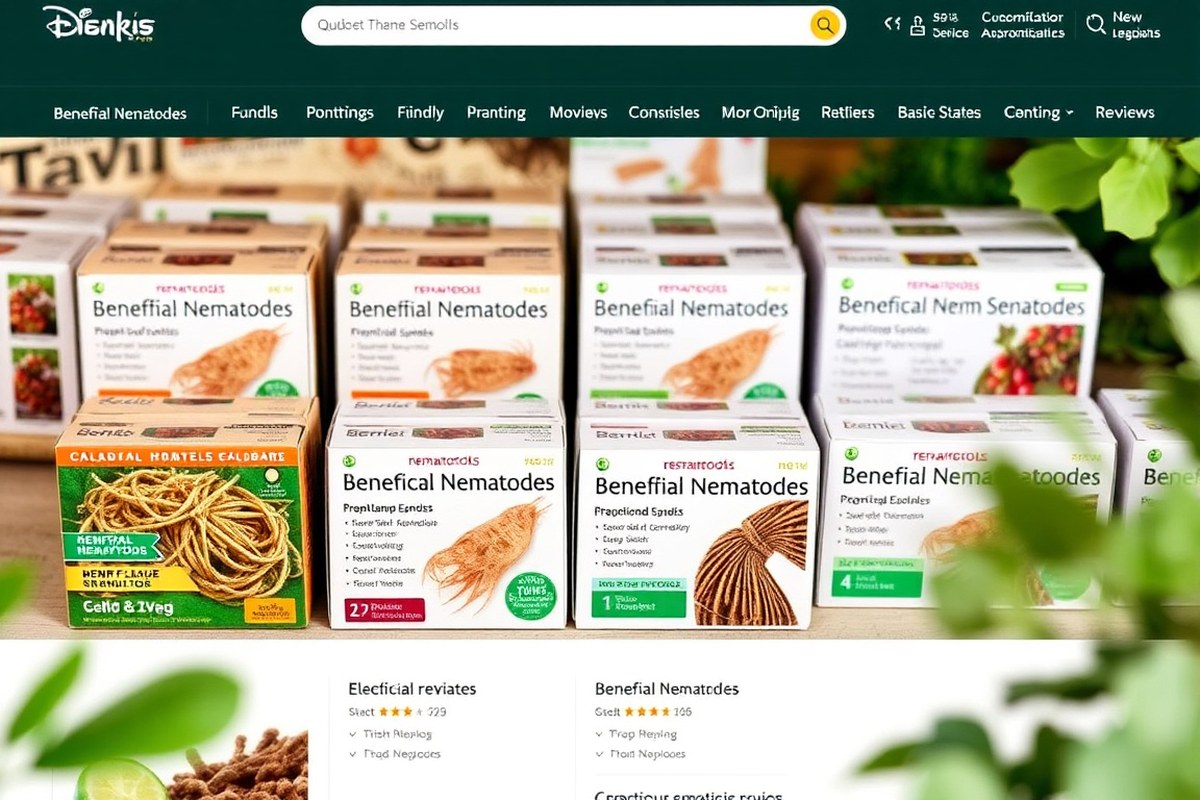
Beneficial nematodes are available both online and in local stores. You can buy them at garden centers, nurseries, and major retailers like Amazon and Walmart. These tiny roundworms need careful handling, so buying from specialized suppliers online is common.
Online shops often offer more species selection and fresh stock. They usually ship via USPS Priority Mail in 2 to 3 days to keep nematodes alive. Shipping costs vary but expect around $10 to $15 for fast delivery essential to their survival.
Local garden centers stock beneficial nematodes too, especially in spring and summer. Buying locally saves on shipping and gets you product sooner. Be sure to ask if the nematodes are fresh and stored in a cool place.
- Amazon and Walmart: Convenient with user reviews, moderate prices
- Specialized online sellers: More species choices, fresh supply, priority shipping
- Local nurseries: Immediate pickup, less shipping cost, seasonal availability
- Garden supply stores: Often stock popular nematode types like Steinernema feltiae
- Lawn and garden professionals: Can apply for you with expertise
When buying, note that nematodes have a short shelf life of 2 to 4 weeks refrigerated. Avoid stockpiling excess nematodes to keep them effective. Some sellers let you specify delayed shipping if weather or timing isn’t ideal.
Check for clear instructions on storage and application timing when you buy. Order nematodes just before you plan to apply them to maximize pest control. Proper shipping and quick use ensure you get the best performance from your nematodes.
Choosing the Right Beneficial Nematode Species for Your Pest
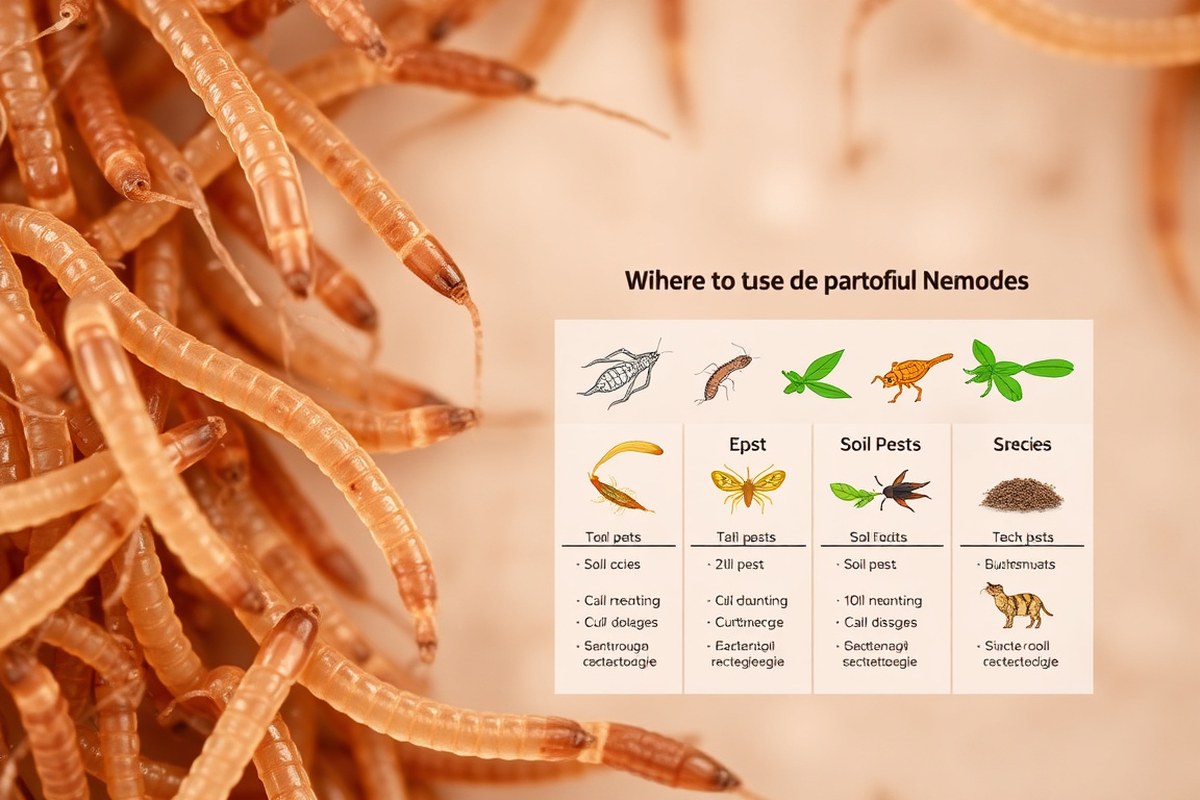
Choosing the right nematode species depends on the pest you want to control. Different nematode species target certain insects more effectively.
For example, Steinernema carpocapsae works well against caterpillars and armyworms. Heterorhabditis bacteriophora targets grubs and weevils.
Most products contain a single species or blends of species. Blends cover a wider range of pests and soil depths.
You can buy blends if you have multiple pest problems or want broad protection. They also work well in variable soil conditions.
| Type of Insect Pest | Nematode Species Needed for Control |
|---|---|
| Armyworms | S. Carpocapsae, S. Feltiae, S. Riobrave |
| Ants | H. Bacteriophora |
| Black Vine Weevil | S. Carpocapsae, S. Riobrave, H. Bacteriophora, S. Kraussei |
| Cabbage Maggot | S. Feltiae |
| Carrot Weevil | H. Bacteriophora |
| Caterpillars | S. Carpocapsae |
Match the pest to the right nematode on your purchase label. Nematodes vary in temperature tolerance and soil depth activity.
For example, S. Feltiae works best in cooler, shallow soil. H. Bacteriophora is good for deeper, warmer soils.
You typically need about 10 million nematodes per 500 square feet of soil. That’s roughly one pint of nematodes.
They kill pests quickly, often within 24 to 48 hours after application. Target young pest stages like larvae or grubs for the best effect.
Choose nematodes matching your pest and garden soil conditions for best results.
How Much Beneficial Nematodes to Buy for Your Garden Size
To figure out how many beneficial nematodes you’ll need, start by measuring your garden area. The quantity depends on your garden’s square footage and how often you plan to treat it.
Treating every 1 to 2 weeks usually uses fewer nematodes. This is less than when treating every 4 to 6 weeks.
Calculating Area Coverage Based on Nematode Units
Beneficial nematodes come in packages by number of nematodes. They range from 5 million to 100 million nematodes. For example, 5 million nematodes cover about 200 square feet.
For 1,000 square feet, use about 25 million nematodes. Mix them with roughly a quarter gallon of water.
You’ll want to apply nematodes evenly across your target area, especially when working with Steinernema species. Here’s a simple way to calculate how much to buy and use.
- Measure your garden area in square feet.
- Decide the nematode coverage rate: usually 5 million nematodes per 200 sq. Ft.
- Divide your garden size by 200 sq. Ft. To find coverage units.
- Multiply the number of coverage units by 5 million nematodes.
- Choose a package that matches or slightly exceeds that nematode count.
- Plan to mix each 25 million nematodes with about 0.25 gallons of water.
- Check that the final volume is enough to cover your garden evenly.
Adjusting Quantity by Application Frequency
Applying nematodes every 1 or 2 weeks lets you use smaller doses per treatment. Frequent applications keep pest levels down without overwhelming your garden with nematodes.
Apply larger, more concentrated doses if you only treat every 4 to 6 weeks. This ensures enough nematodes survive and tackle pests over a longer span. You might double or triple the nematodes per application for less frequent use.
Remember, nematodes start killing pests within 24 hours. So timing and consistent coverage affect how many you’ll need.
Estimating Costs for Your Garden Size
Prices for beneficial nematodes vary by package size and vendor. Packs with 5 million nematodes often cost around $15 to $25. Larger packages can cost $50 to $100 or more, depending on quantity.
Treating 1,000 square feet with 25 million nematodes costs about $75 to $100. Frequent treatments spread out the cost but use smaller doses each time. Less frequent treatments cost more upfront but require fewer applications.
Always factor in costs of water and equipment, like sprayers, needed to apply nematodes evenly. Buying in bulk often lowers the per-million price.
How Beneficial Nematodes Are Shipped and Packaged
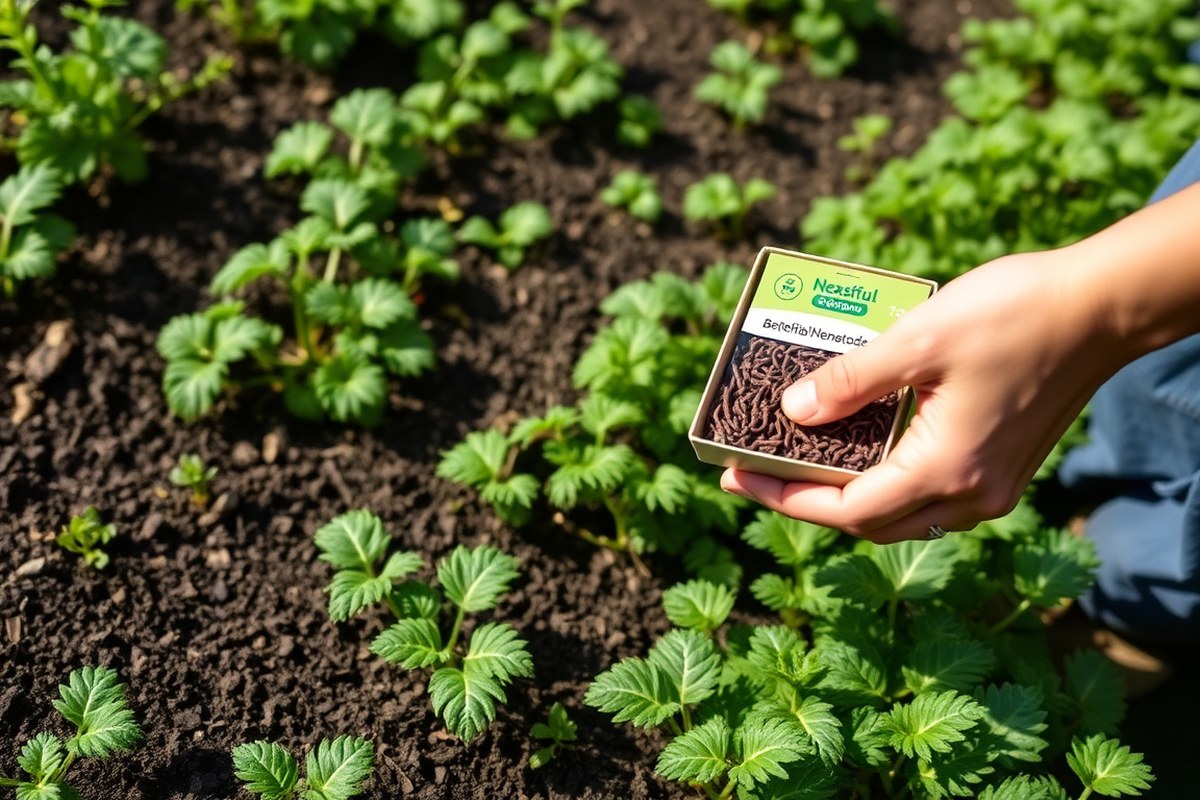
Beneficial nematodes usually arrive in a special package with a gel or sponge holding them moist. This packaging keeps the nematodes alive by preventing drying out during shipping. You’ll often receive them in a small plastic bag or vial within a larger insulated box.
Temperature control during shipping is key to keeping nematodes alive and active. Most companies ship them quickly, often overnight, and include cold packs. The ideal temperature range to keep nematodes healthy is between 40°F and 70°F. Too hot or too cold can kill many of them before you get them.
You want to check the label for clear storage instructions and shipment date. Look for a “ship by” or “use by” date within a week of delivery.
Also, see if the package mentions how to store them until you apply them. Good packaging usually warns not to freeze or leave nematodes in direct sunlight.
When your nematodes arrive, open the package right away. Store them in the refrigerator, never in the freezer. Use them within two days for best results, as their viability drops fast.
You can keep the package cool if you can’t use them right away. Keep the temperature between 40°F and 50°F.
Shipping delays or exposure to heat cause many nematodes to die or become inactive. Warm or swollen packages are bad signs for nematode health. They may not work properly if damaged this way.
In these cases, contact the seller for a replacement or refund. Good suppliers usually guarantee live nematodes because of these risks.
When buying, pick vendors who ship with temperature control and quick delivery. Plan your online nematode delivery to avoid weekends or holidays. This prevents the product from sitting too long.
Some sellers offer refrigerated shipping as an add-on. This keeps nematodes safer if your area has hot weather or shipping might be slower.
Handling varies if you order in small amounts or bulk. Bulk shipments require faster application to avoid losses.
Small garden orders may come in doses ready for immediate use. The packaging and shipping method should match the size of your order to maintain nematode health.
To sum it up, the package must keep nematodes moist and cool. Temperature and shipping speed matter most for their survival. Pay close attention to labels, use instructions, and shipping conditions for the best garden results.
Storing Beneficial Nematodes After Purchase for Maximum Lifespan
Store beneficial nematodes in the refrigerator immediately after buying. Keep them at about 40°F to slow down their metabolism. This cold holds them in dormancy and keeps them healthy until you use them.
Beneficial nematodes don’t last long. You usually get two to three weeks from shipping. Use them soon for best results.
Use them as soon as possible for the best results. Waiting longer reduces their activity and chances of controlling pests effectively.
Don’t leave nematodes at room temperature or expose them to sunlight. Warm conditions can kill them quickly. Store nematodes in the fridge’s middle shelf.
Avoid the freezer or door. This keeps the temperature steady without freezing.
Don’t store nematodes for a long time. Use them within three weeks after you get them.
Their natural lifespan is limited once packaged. Buying only what you need for a single season saves money and avoids dead product.
When ready to use, take nematodes out of the fridge and gently mix with water. Use the solution within a few hours.
Don’t let the mixture sit for more than eight hours or expose it to heat. This can kill the nematodes.
Keep the package sealed and moist while refrigerated. Dryness or direct air exposure harms the nematodes. Read the product label for storage tips.
Each nematode brand may have different instructions. Follow those for best care.
Always refrigerate beneficial nematodes immediately and keep them moist to maintain their effectiveness.
Preparing and Applying Beneficial Nematodes Successfully
Prepare beneficial nematodes right after you get them to keep them alive. Use cool water and apply them within a few days for best results. Avoid letting the container warm up or dry out before you apply nematodes.
Opening and Mixing Nematodes Properly
Keep the nematodes cool and moist while opening the package. Gently pour the contents into water between 50˚F and 70˚F with low chlorine. Stir the mix gently to evenly distribute the nematodes without hurting them.
Use about one gallon of water per packet, or as the product instructions say. Prepare only what you plan to apply within two hours to keep nematodes alive and active.
Ideal Soil Temperature and Moisture for Application
Check the soil temperature before applying nematodes using a soil thermometer. Soil should be above 32˚F to keep nematodes active. Avoid applying when the soil is too cold or dry.
Water the soil thoroughly before application to make sure it is moist. Nematodes move through the soil using water.
So dry soil stops them from reaching pests. Keep the soil moist for at least a week after applying nematodes.
Application Methods: Spraying, Drenching, and Soil Injection
Choose an application method that fits your garden size and pest location. Use a sprayer or watering can with a fine nozzle for lawns and small gardens. For deeper soil pests, soil injection may work better.
Apply nematodes in the early morning or late evening to avoid sun and wind stress. After applying, water the area lightly to help nematodes settle and start moving through the soil. Follow these steps to prepare and apply beneficial nematodes correctly:
- Keep nematodes refrigerated until ready to use, but do not freeze them.
- Mix nematodes in cool, chlorine-free water between 50˚F and 70˚F.
- Stir gently to distribute nematodes without damaging them.
- Check soil temperature and moisture before applying.
- Water soil well prior to application to create moist conditions.
- Apply nematode mixture evenly using a sprayer, watering can, or injector.
- Water lightly again right after applying to help nematode movement.
- Keep soil moist for at least seven days to support nematode survival.
Safety Considerations When Buying and Using Beneficial Nematodes
Beneficial nematodes are safe for people, pets, and plants when used as directed. According to UConn Extension (2022), these nematodes cannot develop in or harm vertebrates. They target only pest larvae without affecting helpful insects like bees or earthworms.
Still, take basic precautions during handling and application. Wear gloves and use fresh water at 50 to 70°F when mixing nematodes. Avoid using them in direct sunlight.
They die fast in dry soil. Apply them when conditions are cooler and soil is moist.
Store nematodes between 40 and 50°F if you don’t use them right away. Apply them soon after mixing, usually within 24 hours, for best results. Because they are living organisms, timing affects their ability to control pests effectively.
Regulations for beneficial nematodes are minimal since they are naturally occurring organisms. However, check for certifications that guarantee nematode quality and species purity. Some sellers have USDA Organic or OMRI-listed items.
These work well for organic gardening. They also fit Integrated Pest Management programs.
Common myths say nematodes can harm plants or persist forever in the soil. Actually, they only attack specific insect pests and generally remain active around 18 months. After that, their populations naturally decline, leaving no harmful residue behind.
Another myth is that nematodes can infect people or pets. This isn’t true. These products don’t harm vertebrates.
They’re safe near children and animals. Use them freely in your garden or farm. Just follow instructions and avoid ingestion or eye contact for safety.
Double-check your product label for usage instructions and local guidelines. For example, some states might restrict applications near water bodies to protect aquatic life. Following label directions ensures safety and helps nematodes work properly against pests.
Applying beneficial nematodes correctly helps protect your garden’s health without chemical pesticides. Wearing simple protective gear and following timing guidelines reduce risks. By choosing certified suppliers, you confirm you get a true and effective product.
How to Confirm Beneficial Nematodes Are Working After Purchase
Check if beneficial nematodes work by watching your pest insects closely. Look for changes in garden health too. Dead pests should look firm with a rubbery feel, not soft or rotten.
Expect fewer pests in about two weeks after using nematodes. Notice plant health getting better after roughly a month.
Signs of Pest Reduction Within 1 to 2 Weeks
After applying nematodes, inspect target pest insects for a firm and rubbery texture. Dead insects infected by nematodes often darken in color. They also stay firm for more than a week.
You won’t see instant results. But pest numbers should drop noticeably in one to two weeks.
Check your garden regularly, focusing on soil-dwelling pests like grubs or fungus gnats. Measure pest damage by comparing affected plants before and after treatment.
Smaller pest infestations show nematode results faster. Nematodes work best as a prevention or on young pests.
Common Reasons for Treatment Failure
Nematodes need moist, cool soil between 50°F and 85°F to survive and hunt pest larvae effectively. Soil too dry or too hot kills them before they can work. Using nematodes on large infestations can overwhelm their capacity to control pests quickly.
Another mistake is poor handling or storage. Nematodes must stay cold and moist before use.
Failing to keep them cool or applying them too late after delivery reduces their viability. Not agitating the nematode solution while watering can cause uneven spread and weak results.
Steps to Take If Nematodes Don’t Work as Expected
Inspect how you stored and applied the nematodes. Use fresh batches kept refrigerated and apply within 48 hours of arrival.
Mix nematodes well with water before applying. Stir the mixture every few minutes to keep them active.
Try treating smaller infested areas first or repeat applications after two weeks for stubborn pests. Testing different nematode species suited to your pest increases success.
Adding organic mulch keeps soil moist after applying nematodes. Watering the soil also helps nematodes survive longer.
Keep nematodes cool and moist before use; warm, dry conditions kill them fast.
Step-by-Step Action Plan for Using Beneficial Nematodes
Follow these steps to buy, store, and apply beneficial nematodes successfully in your garden.
- Before Purchase: Find out which pest is hurting your plants. Then, pick the nematode species that fights it well.
- Right After Purchase: Keep nematodes cool and moist by storing them in the refrigerator.
- Within 24 Hours: Prepare your garden soil by moistening it deeply. This helps nematodes move better.
- Application Day: Apply nematodes in the early morning or late afternoon to avoid sun damage.
- After Application: Water the treated area lightly to wash nematodes into the soil.
- Next Week: Check plants for signs of pest decline, like fewer damaged leaves or bugs.
- After 2 Weeks: Consider a second application if pests persist or damage continues.
- Ongoing: Keep soil moist and avoid pesticides that might kill beneficial nematodes.
Frequently Asked Questions
What Types of Retailers Stock Beneficial Nematodes Besides Garden Centers?
Many hardware stores and farm supply shops carry beneficial nematodes. Check their garden pest control section before buying online. Local sellers might offer fresher products.
Can You Buy Beneficial Nematodes in Bulk for Large Farms?
Yes, many suppliers sell beneficial nematodes in bulk for farms. Bulk orders often come with better pricing. Make sure to check shipment timing to keep them fresh.
Are Beneficial Nematodes Available at Farm Co-Ops?
Some farm co-ops stock beneficial nematodes, especially during pest season. Ask your local co-op if they carry them or can order them for you. Co-ops often focus on natural pest control products.
Can You Find Beneficial Nematodes at Nurseries That Sell Plants?
Some plant nurseries carry beneficial nematodes along with organic pest controls. They can be a good source if they specialize in eco-friendly gardening. Call ahead to confirm availability.
Do Shipping Times Affect the Survival of Beneficial Nematodes?
Yes, shorter shipping times increase nematodes’ survival rates. They usually arrive in a gel or sponge to keep them moist. Order from sellers with fast delivery to avoid dead nematodes.
Are There Specialty Suppliers Focusing Only on Beneficial Nematodes?
Yes, some companies specialize exclusively in beneficial nematodes and related products. These specialists often provide detailed advice on species and application. Their products may be more reliable but sometimes cost more.
Final Thoughts
Beneficial nematodes offer a natural way to reduce pests without chemicals. Choose a trusted supplier and follow application tips carefully. Start by identifying the pest you want to control, then order the right nematodes today.