How to Grow a Eucalyptus Tree from Seed: A Complete Step-by-Step Guide
Knowing how to grow a eucalyptus tree from seed starts with getting fresh seeds. Soak or scarify seeds first to help them sprout faster. Plant them in well-draining soil that stays evenly moist, but not soggy.
Keep the seeds warm, ideally between 68 and 77 °F (20 to 25 °C). They need bright light for 12 to 16 hours daily, especially if growing indoors. Use a grow light about 12 to 18 cm above the seed tray.
This height gives the best results. Keep the light close but not touching the seeds.
Start sowing in spring for outdoor planting or indoors anytime with the right warmth. Watch for mold by airing seedlings well and avoid overwatering. These steps give your eucalyptus a strong start from seed to seedling.
Key Takeaways
- Soak or scarify eucalyptus seeds before planting to improve germination.
- Use a well-draining seed mix that stays moist but not waterlogged.
- Maintain soil temperature between 68 and 77 °F for best seed growth.
- Provide 12, 16 hours of bright light daily, using LED grow lights if needed.
- Start seeds in spring outside or anytime indoors with warmth and light.
- Keep good airflow around seedlings to prevent mold and damping-off.
How to Grow a Eucalyptus Tree from Seed Step-by-Step

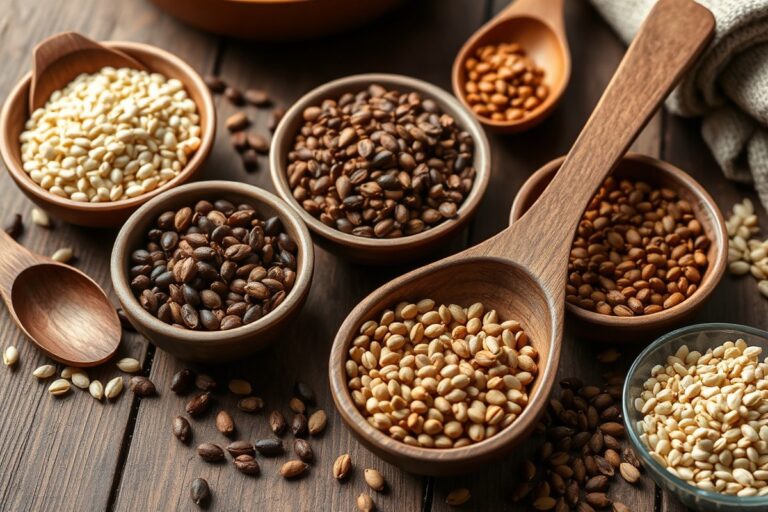
- Soak the seeds in warm water for 24 hours to soften the seed coat. This helps speed up germination by breaking natural dormancy.
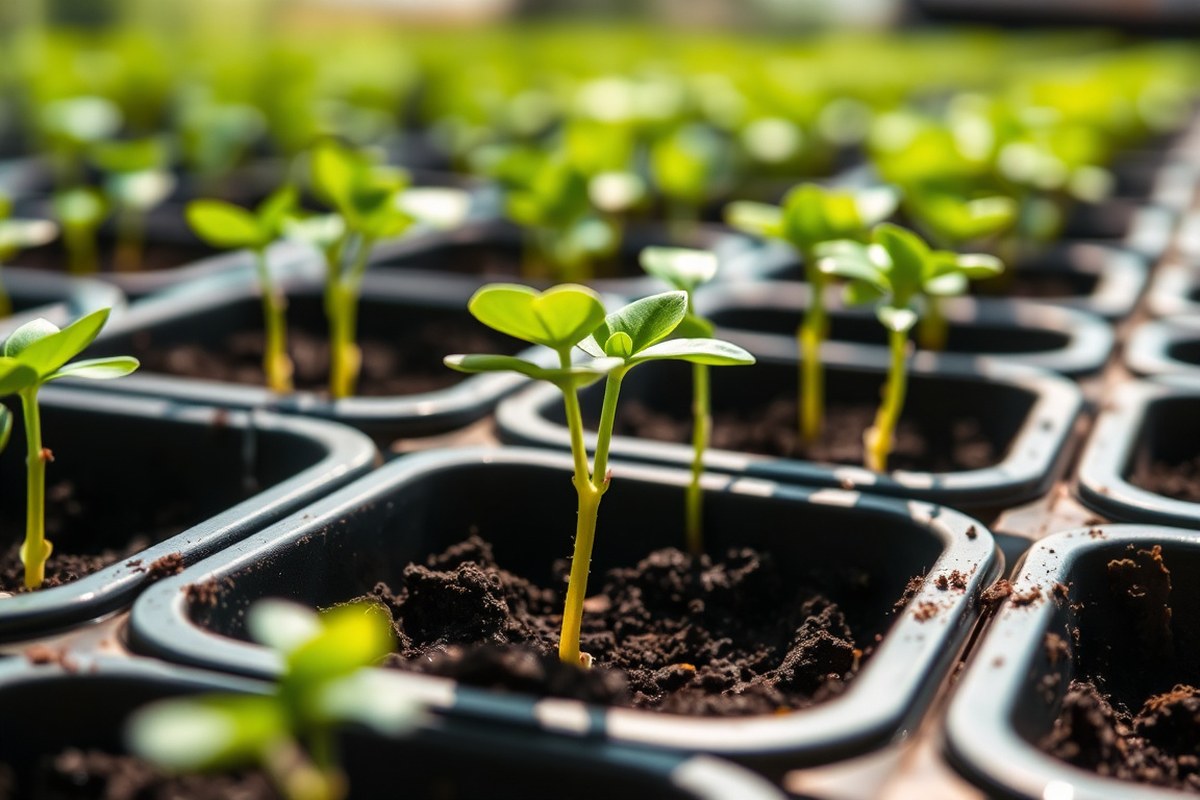
- Fill seed trays with a light, well-draining mix like seed-starting soil or fine sand. Moisten it evenly but avoid soaking.
- Scatter seeds evenly over the surface, as eucalyptus seeds need light to germinate. Press them gently into the soil without burying deeply.
- Place the tray in a warm spot with soil temperatures between 70 and 75°F. Use a heat mat if indoors to reach this range reliably.
- Keep the growing medium moist by misting it daily. You can also cover the tray with clear plastic. This helps keep the humidity high. Avoid waterlogging to prevent rot.
- Give the plants bright, indirect light for best growth. If natural light is low, use 12 to 16 hours of full-spectrum LED light. Position grow lights 12, 18 inches above the seedlings.
- Watch for germination, which should occur in 14 to 21 days under the right conditions. Remove plastic covers once sprouts appear to improve air circulation.
- Thin seedlings to one per cell or pot once they develop their second set of leaves. This prevents overcrowding and encourages strong growth.
Preparing eucalyptus seeds by soaking helps their shells break down for faster sprouting. Using light soil with just a thin covering keeps seeds exposed to light, which triggers germination. Warmth and humidity speed the process.
Avoid soil that is too wet or cold. It can cause seeds to rot or stall.
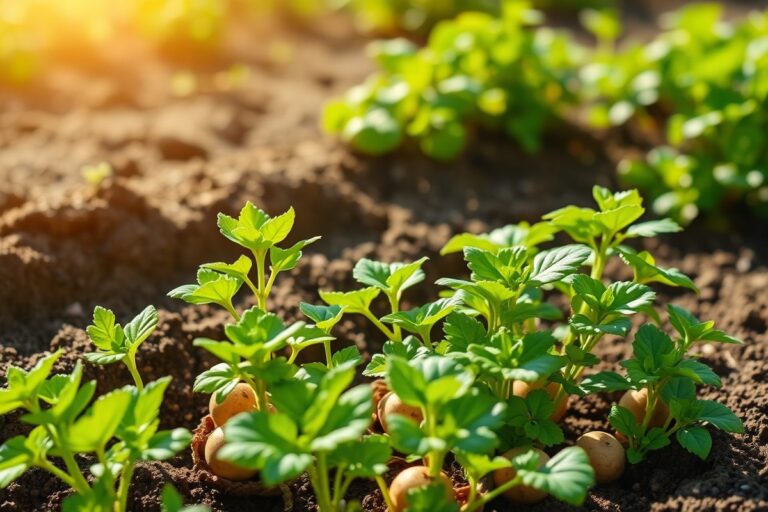
Once seedlings come up, they need steady moisture and light to grow sturdy stems. Thinning them avoids competition for nutrients. Small plants with a couple of leaves can be moved.
Transplant them to bigger pots or outdoor beds. Make sure nights stay above 50°F before moving.
When and Where to Sow Eucalyptus Seeds for Best Results
Start sowing eucalyptus seeds indoors 10 to 12 weeks before the last frost date. Keep the warmth steady between 68 and 77°F. Make sure your seeds get bright light for 12 to 14 hours every day. Use a grow light to brighten the seed area.
Choose a well-draining seed mix for planting indoors. This helps seeds sprout well.
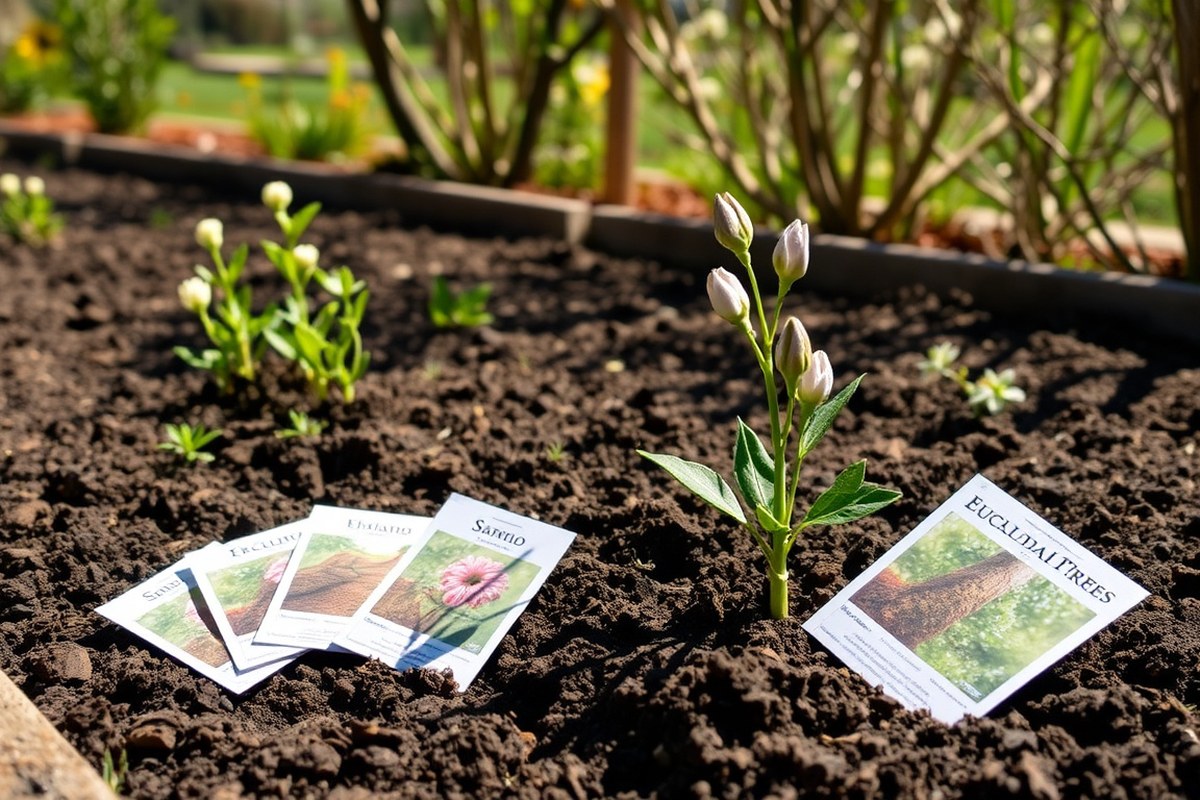
Outdoor sowing works after the last frost, when soil temperature stays above 60°F. Choose a sunny spot with well-draining soil enriched with compost. Most eucalyptus species need full sun to grow strong and healthy. The soil can’t hold water or seeds will rot quickly.
Check your USDA climate zone to pick eucalyptus types suited to your weather. Blue Gum and Lemon-scented Gum work well in warmer zones.
Cooler zones may need indoor starts or species like Cider Gum that tolerate mild cold. Your garden’s microclimate, sun exposure, shelter from wind, and soil type, also matters for success.
Keep enough space for your tree. Some species grow 40 to 60 feet tall with a wide spread. Starting seed indoors lets you control warmth and light.
But seedlings grow slower than outdoors. Transplant these carefully after frost risk fades and days get warmer.
Don’t let eucalyptus seeds dry out during sowing. Keep them moist but not soggy for better germination.
Preparing and Treating Eucalyptus Seeds for Higher Germination
Eucalyptus seeds don’t usually need scarification or soaking before sowing. Some species benefit from cold stratification or smoke treatment to boost germination. LABS drenching is another option used to improve seedling health after germination.
Scarification Techniques for Eucalyptus
Scarification helps break tough seed coats and lets water in. Many eucalyptus seeds have thin coats, so scarification is optional. When seeds have thick coats, gently rub them with fine sandpaper.
You can also nick the surface with a knife. These methods help the seed absorb water better.
This process should only take a few minutes per seed. Be careful not to damage or cut the embryo inside. After scarification, soak seeds in room temperature water for 12 hours.
You can extend soaking up to 24 hours. This softens the seed before planting.
Cold Stratification and Soaking Methods
Some eucalyptus species benefit from cold stratification. This mimics winter temperatures and helps break seed dormancy. To stratify, start by soaking seeds in water for 24 hours.
Next, place them in a moist paper towel inside a sealed bag. This prepares seeds for cold treatment.
Keep the sealed bag in the refrigerator at 35 to 41°F (2 to 5°C). Leave it there for 2 to 4 weeks. This cold period helps seeds break dormancy.
After stratification, sow seeds promptly for the best results. Soaking seeds alone works well for most eucalyptus seeds.
Soak them about 12 hours at room temperature before planting. Stratification isn’t always necessary.
Applying Smoke and LABS Treatments
Smoke treatment mimics natural fire cues that trigger eucalyptus seed germination. Expose seeds to cool, thin smoke for 10 to 30 seconds using a campfire or smoker. Avoid thick or black smoke, which can coat and harm seeds.
In humid areas, smoke can encourage fungal growth on seeds. Air-dry the seeds briefly after smoke exposure before sowing. LABS drenching means applying a special liquid to seedlings after they sprout.
This helps reduce diseases and supports stronger growth. It’s done soon after germination. But it is not for seeds directly.
Providing Ideal Growing Conditions for Seed Germination
Eucalyptus seeds need a well-draining, slightly acidic to neutral soil mix. Aim for a pH between 6.0 and 7.0 to help seedlings absorb nutrients better.
A peat moss and perlite mix, in equal parts, works best for most eucalyptus types. This mix holds moisture but prevents the soil from staying soggy.
Keeping soil temperature steady is key for germination. They sprout best at 18 to 21°C (64 to 70°F).
You can place your seed trays on a heated propagation mat to keep soil warm. A mat set to 20 to 25°C works well, especially if your room is cooler.
Moisture should stay consistent but not wet. Overwatering causes root oxygen loss and damping-off disease.
Water lightly to keep the surface moist without pooling. Cover the seeds very lightly with soil or vermiculite to keep warmth and moisture balanced.
- Use a 1:1 peat moss and perlite mix for most seedlings
- Keep soil temperature steady at 18-21°C for best germination
- Use a heat mat under trays if room temperature is below 20°C
- Water gently to keep soil moist but not soggy
- Provide bright, indirect light once seeds sprout
- Ensure good air circulation to prevent damping-off disease
- Avoid covering seedlings too thickly to allow light through
Light is important for young eucalyptus seedlings. They require bright, indirect light to grow strong.
Direct sunlight can dry the soil quickly or burn seedlings indoors. Use grow lights or place near a bright window for at least 12 hours daily.
Air circulation also matters, especially indoors. Stale, humid air invites fungal problems.
Keep a gentle fan nearby to improve airflow. This lowers disease risk and helps seedlings develop healthy stems quickly.
Caring for Eucalyptus Seedlings: Watering, Feeding, and Thinning
Eucalyptus seedlings need careful watering, feeding, and thinning after sprouting. Water your seedlings regularly but keep soil from getting soggy. Start feeding them when true leaves show up.
Thin seedlings early to keep them from crowding each other. Watch your seedlings closely for stress to keep them healthy.
Watering and Moisture Management
Keep the soil consistently moist but never waterlogged. Water seedlings lightly every day or every other day, depending on temperature and humidity. Avoid puddles and soggy soil, as these can cause root rot and yellowing leaves.
Check soil with your finger; it should feel damp, not wet. Adjust watering frequency if leaves turn yellow or soil stays wet too long. Reduce watering and improve drainage if needed.
Fertilizing Young Seedlings
Wait until seedlings develop their first true leaves before feeding them. Use a balanced, water-soluble fertilizer diluted to half strength. Apply fertilizer every two weeks to boost growth without burning young roots.
Overfeeding can cause nutrient burn, which shows as brown leaf tips. Flush soil with water when excess nutrients build up. Cut back on feeding after flushing to avoid overfeeding your plants.
Thinning Crowded Seedlings
Thin eucalyptus seedlings when they show their true leaves to avoid crowded growth. Overcrowded seedlings compete for light and develop thin, leggy stems that are weak. Thin by snipping weaker or smaller seedlings at soil level with scissors.
Keep about 1 to 2 inches between seedlings to help them grow sturdy stems. Thinning early prevents root entanglement and gives each seedling room to grow healthy.
- Look closely at seedlings after true leaves appear.
- Identify smaller, weaker seedlings or ones growing too close.
- Use sharp scissors to snip these seedlings at soil level.
- Space remaining seedlings about 1 to 2 inches apart.
- Water gently after thinning to settle soil around roots.
- Monitor seedlings and repeat thinning if crowding reoccurs.
Thin seedlings carefully with scissors, don’t pull them out to avoid disturbing roots of others.
Recognizing Seedling Stress Signs
Thin, elongated stems mean seedlings need more light. Move them to a brighter spot or use a grow light. Yellow leaves can signal nutrient deficiency or too acidic soil.
Look for chewing damage or webbing under leaves. These signs mean pests like beetles or mites are present and need treatment. Use neem oil or handpick pests early to protect seedlings.
When and How to Transplant Seedlings Outdoors or to Pots
Transplant eucalyptus seedlings when they reach 5 cm tall. Wait until they have their first true leaves. Seedlings between 5 and 10 cm tall are ideal.
Harden them off for about a week before moving outdoors. Space seedlings to allow growth, using pots or garden beds depending on your space.
Timing Transplants for Best Survival
Seedlings need to be big enough to handle without damaging them. Aim for a height of 5 to 10 cm with strong stems and true leaves. This size ensures their roots are developed enough to support transplanting.
Try to transplant after the highest risk period during the first 60 days of growth. Seedlings are more delicate before this, and premature moving can stunt their growth. Transplant in mild weather, avoiding frost or extreme heat.
Hardening Off Your Seedlings
Hardening off helps seedlings get used to outdoor conditions gradually. This process reduces transplant shock and strengthens the plants. A week-long transition works well for eucalyptus seedlings.
Start by placing seedlings outside in a sheltered spot for a few hours daily. Each day, increase their exposure by one or two hours. Avoid direct sunlight or strong winds at first and keep soil moist.
Choosing Pot or Garden Locations
Eucalyptus plants can grow large, but some types do well in pots. Choose smaller species if you want to keep them in containers long term. Use pots with drainage holes and a good, well-drained mix of compost and sharp sand.
For garden planting, pick a site with full sun and enough room for growth. Space must allow mature trees to spread, especially for taller species. Avoid tight spaces to prevent root disturbance later.
Spacing Seedlings for Growth
Proper spacing keeps seedlings healthy by reducing competition and disease risks. For garden beds, space young plants 6 to 8 feet apart for smaller species. Larger types need even more room, up to 15 feet or more.
Potted seedlings can be placed closer but still need enough airflow. Leave at least 1 foot between pots to avoid overheating and fungus. Adjust spacing based on the species and expected mature size.
- Wait until seedlings have grown 5 to 10 cm tall with true leaves.
- Start hardening off by placing seedlings outside for 2 hours in shade.
- Gradually increase outdoor time daily over 7 days to full day exposure.
- Choose pots with drainage holes or a sunny garden spot with space.
- Prepare pots or beds with well-drained soil mix, 50% compost, 50% sand.
- Space seedlings 6 to 8 feet apart in garden, or 1 foot apart in pots.
- Carefully transplant seedlings, keeping roots intact and watering after.
Common Problems and Solutions When Growing from Seed
Poor eucalyptus seed germination often happens because of cold temperatures or old seeds. Below 65°F, seedlings may sprout very slowly or not at all. Using fresh seeds and keeping the soil warm around 70°F helps avoid this problem.
Damping-off is a fungal disease that kills seedlings quickly. It attacks the stem at soil level, causing the seedling to collapse.
To prevent it, use sterile containers and fresh potting mix. Clean your tools with diluted bleach before handling seeds or soil.
- Keep soil moist but not soaked to avoid fungus growth
- Ensure good air circulation around seedlings to reduce humidity
- Use a well-draining, fine-textured soil with low fertility
- Apply a lactic acid bacteria product to compete with fungal spores
- Remove and discard any affected seedlings immediately
Common pests that attack eucalyptus seedlings include eucalyptus leaf beetles and spider mites. These insects feed on leaves and reduce seedling vigor.
Watch for tiny chewing marks or fine webbing. Treat infestations with insecticidal soap following label instructions.
Nutrient issues usually arise from overfeeding or poor soil quality. Young eucalyptus seedlings do best in low-fertility soil to avoid leggy growth.
If leaves turn yellow, consider a diluted balanced fertilizer but use it sparingly. Too much water causes root rot, so let the soil dry slightly between watering.
Keeping eucalyptus seedlings healthy requires careful balancing of moisture, light, and cleanliness. Monitor seedlings daily and adjust watering based on soil moisture feel.
Hold off on feeding until the second set of true leaves appear. This approach lowers disease risk and helps your eucalyptus grow strong.
Choosing the Right Eucalyptus Species for Your Climate and Purpose
Picking the right eucalyptus species depends on your local climate. Think about what you want to use the tree for. Your choice should match both needs.
Some types grow well in temperate zones, while others need tropical heat to thrive. Knowing this helps avoid slow growth or plant failure.
Growth speed, mature size, and ease of germination vary by species. For beginners, species that sprout easily and grow quickly provide good results. Some species stay small enough for pots or small gardens, making them perfect for limited space.
| Species | Climate Zone | Germination Ease | Growth Speed | Mature Size | Best Use |
|---|---|---|---|---|---|
| Eucalyptus globulus (Blue Gum) | Temperate | Moderate | Fast (6-10 ft/year) | Tall (100+ ft) | Windbreaks, large spaces |
| Eucalyptus citriodora (Lemon-scented Gum) | Temperate to Tropical | Easy | Fast (5-8 ft/year) | Tall (80-100 ft) | Large gardens, essential oils |
| Eucalyptus pulverulenta (Silver-leaf) | Temperate | Easy | Moderate (3-5 ft/year) | Small to Medium (15-30 ft) | Pots, small gardens, floral use |
| Eucalyptus deglupta (Rainbow Gum) | Tropical | Moderate | Fast (6-10 ft/year) | Tall (100+ ft) | Warm, wet areas, large yards |
| Eucalyptus nicholii (Narrow-leaf Peppermint) | Temperate | Easy | Moderate (3-6 ft/year) | Small to Medium (25-40 ft) | Small spaces, container growing |
Species like Eucalyptus citriodora and Eucalyptus pulverulenta are great for beginners. Their seeds sprout easily and they adapt well to moderate climates. These also grow steady enough to show results in a few years.
For tropical zones, Eucalyptus deglupta works best. It likes warm temperatures above 60°F and steady moisture. It grows fast but needs space for its height, so avoid small pots.
Remember, eucalyptus releases compounds that can stop other plants from growing nearby. Give your tree plenty of space to avoid this effect.
Small species like Eucalyptus pulverulenta fit well in pots or small gardens. Their mature height stays manageable, around 15 to 30 feet. This lets you enjoy eucalyptus leaves without needing a big yard.
Hardiness is key in temperate areas. Species like Eucalyptus globulus can handle some frost. They do best where winter lows stay above 20°F. Keep this in mind when planting.
For colder winters, choose smaller and hardier eucalyptus types. You can also grow them as annual plants. This helps protect them from cold damage.
Step-by-Step Action Plan to Grow Your Eucalyptus from Seed
Follow these steps to get your eucalyptus seeds started and growing strong. Check each step to see if you’re on track.
- Before you start: Choose species suited to your climate and purpose. You’ll see healthy seed packets labeled for your zone.
- Day 1: Soak seeds for 24 hours in warm water to soften the seed coat. Seeds that swell are ready.
- Day 2: Sow seeds on moist, well-draining soil in small pots or trays. Cover lightly and keep soil damp but not wet.
- Week 1: Place pots where temperatures stay 65-75°F with indirect sunlight. Seeds should start sprouting around 7 to 21 days.
- Week 3: Thin seedlings to leave the strongest ones spaced 4-6 inches apart. Look for healthy, upright stems and discard weak seedlings.
- Week 6: Start feeding seedlings twice a month with diluted balanced fertilizer. Look for steady leaf growth.
- After 8 weeks: Transplant seedlings outdoors or into larger pots when they have 4-6 true leaves. They should handle gentle handling without damage.
- Ongoing: Monitor water carefully, letting soil dry between waterings but not too much. Watch for pests and stress signs.
Frequently Asked Questions
How Long Do Eucalyptus Seeds Remain Viable?
Eucalyptus seeds usually stay viable for up to one year. Store them in a cool, dry place to retain their ability to germinate. Seed freshness affects your success rate, so use fresh seeds whenever possible.
Can Eucalyptus Trees Grow in Pots Long-Term?
Eucalyptus can live in pots but requires large containers and regular pruning. Potted trees need good drainage and plenty of sunlight. Keep in mind they may not reach their full height indoors.
Is It Necessary to Stratify Eucalyptus Seeds Before Planting?
Stratification is usually not required for eucalyptus seeds. Most species germinate well with just warm, moist conditions. Short soaking can help, but cold treatment rarely improves results.
How Quickly Do Eucalyptus Seedlings Grow After Germination?
Seedlings typically grow 6 to 10 feet in their first year with proper care. Good light and warmth speed growth significantly. Growth slows if conditions are poor or light is limited.
Can Eucalyptus Trees Tolerate Frost During Early Growth?
Young eucalyptus trees are sensitive to frost and may suffer damage. Protect seedlings by covering or moving pots indoors when frost is expected. Established trees handle cold better but young plants need care.
Do Eucalyptus Trees Require Pruning When Grown from Seed?
Yes, pruning helps shape your eucalyptus and control size when young. Remove weak or crossing branches for healthy growth. Pruning also encourages a stronger structure for mature trees.
Wrapping Up
Germinating eucalyptus seeds takes patience but is rewarding. Start with the right species and soak seeds properly for best results. Check your seedlings often and give them time to grow strong before transplanting outdoors.