What Are the Healthiest Seeds for Your Diet? 8 Nutrient-Packed Choices You Need
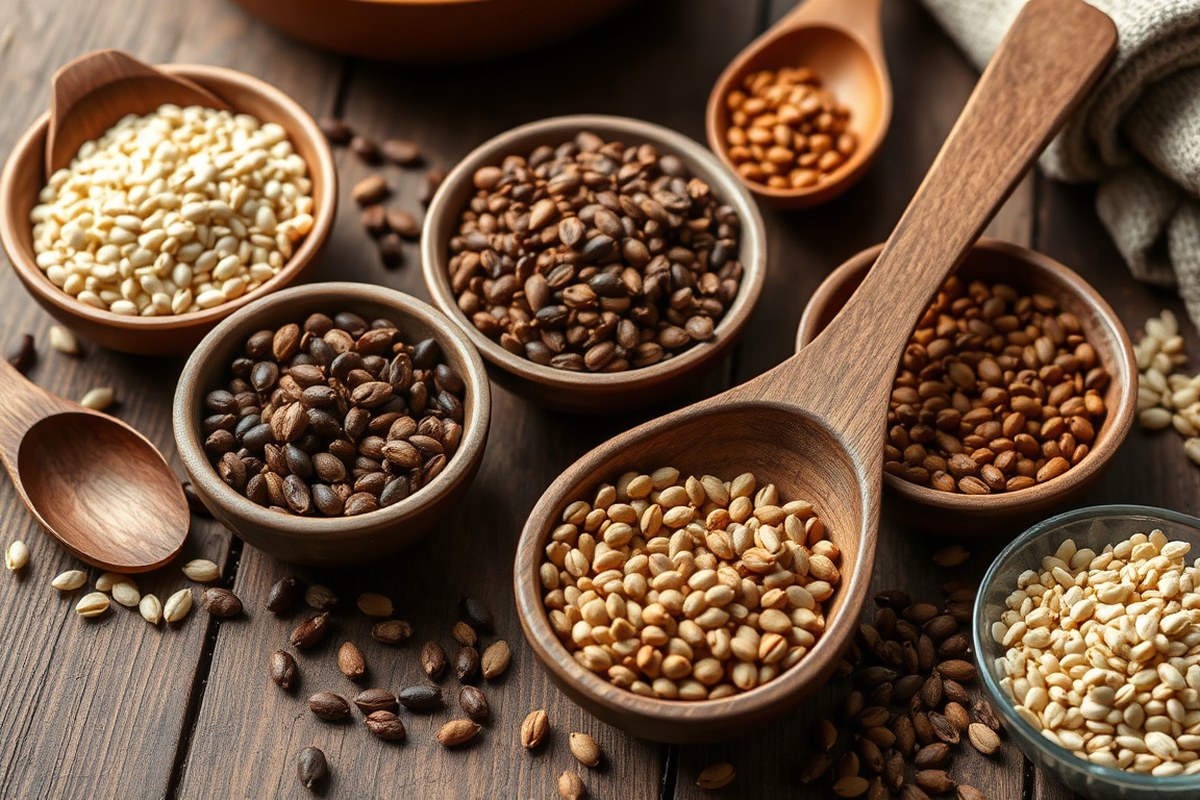
What are the healthiest seeds you can add to your diet? Seeds like chia, pumpkin, sesame, and sunflower pack a punch with fiber, protein, and healthy fats. They also supply minerals like magnesium and calcium, boosting your daily nutrient intake quickly.
These seeds improve heart health, support digestion, and help balance blood sugar levels. Start by choosing a variety that fits your taste and needs. Soak seeds like chia before eating to help digestion and nutrient absorption.
You’ll get the most benefits by eating seeds whole or ground, depending on the type. Watch out for added salt or sugar if you buy pre-packaged seed snacks. Eating about 1 ounce of seeds daily can make a real difference in your health.
Key Takeaways
- Chia seeds offer fiber, protein, and omega-3 fats when soaked before eating.
- Pumpkin seeds provide 40% of your magnesium needs in just one ounce.
- Sesame seeds contain up to 20% protein and can reduce bad cholesterol.
- Pine nuts give over 100% of your manganese daily value per ounce.
- Poppy seeds are rich in calcium, supplying about 31% of daily needs per ounce.
- Eating 15 grams of seeds daily lowers coronary heart disease risk by 20%.
The 8 Healthiest Seeds and Their Key Nutrients Compared
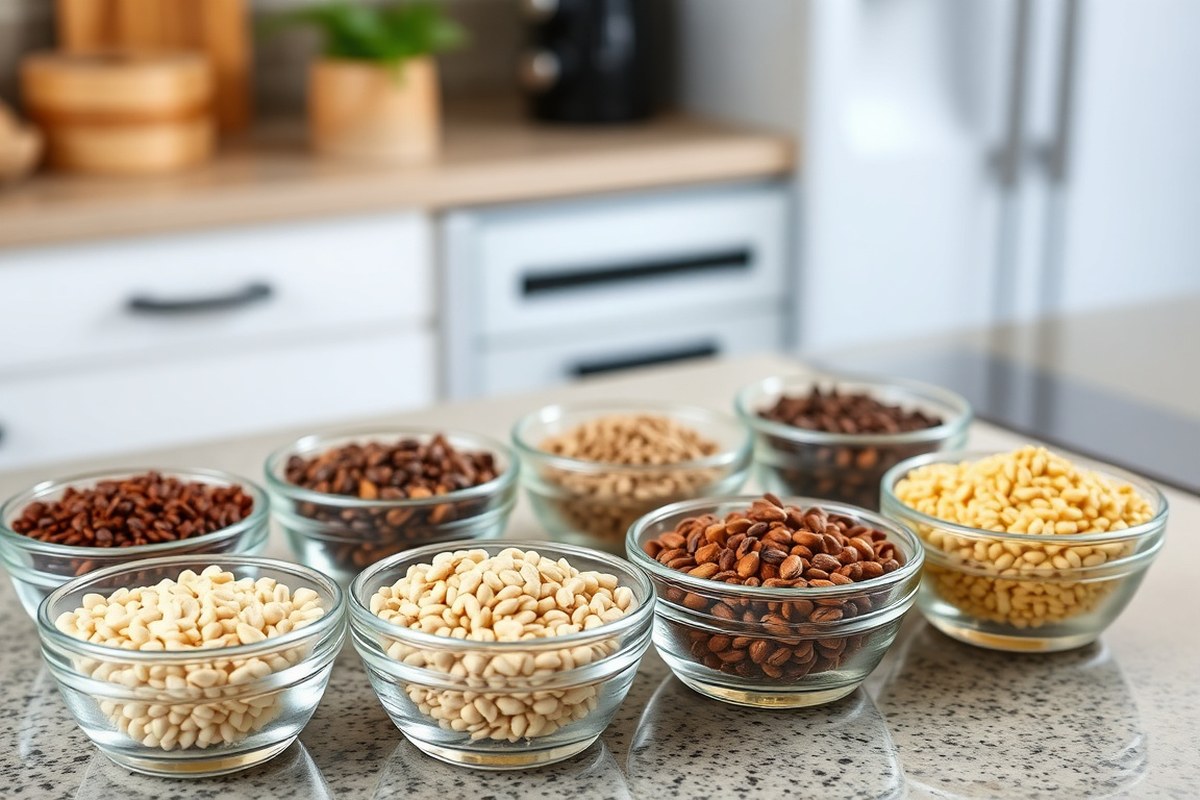
Seeds provide a dense source of fiber, protein, healthy fats, and important minerals. Regularly eating a variety of seeds helps you get more nutrients your body needs. Here is a comparison of the eight healthiest seeds, showing their key nutrients per ounce.
| Seed | Protein (%) | Fiber (g) | Omega-3 (g) | Key Minerals | Other Nutrients |
|---|---|---|---|---|---|
| Chia | 16-20% | 10-11 | 5 | Calcium, Phosphorus, Magnesium | Antioxidants, Bone-boosting minerals |
| Flaxseeds | 18% | 8 | 6 | Manganese, Magnesium | Lignans (plant bioactives) |
| Pumpkin Seeds | 15-20% | 1-2 | 0.1-0.3 | Zinc, Magnesium, Iron | Amino acids, Omega-6 |
| Hemp Seeds | 30% | 1-2 | 2-3 | Magnesium, Zinc | All essential amino acids |
| Sunflower Seeds | 15% | 3-4 | 0 | Vitamin E, Magnesium | Linoleic acid (Omega-6) |
| Sesame Seeds | 20% | 3-4 | 0 | Calcium, Iron | B vitamins, Oil |
| Poppy Seeds | 18% | 5 | 0 | Calcium, Iron, Zinc | Phytochemicals, Fiber |
| Watermelon Seeds | 28% | 2-3 | 0 | Magnesium, Zinc, Iron | Plant protein |
Seeds like chia and flax provide the most omega-3 fats, which support heart and brain health. Hemp seeds offer a high protein content and all essential amino acids. Pumpkin and sunflower seeds supply zinc, magnesium, and vitamin E, which help immunity and skin health.
Sesame and poppy seeds pack vitamins, minerals, and antioxidants despite their small size. Adding a handful of these seeds supplies fiber, healthy fats, and minerals. These nutrients are often missing in western diets.
Include these seeds in your meals regularly. Two tablespoons of hemp seeds or a quarter cup of pumpkin seeds provide a big nutrient boost.
Eat these every other day. They fit easily into your diet.
Unique Health Benefits of Each Seed Type Explained

Each seed type offers unique health perks that suit different needs. They can boost heart, digestive, immune, bone, and prostate health. Some help with inflammation and cholesterol, too.
Chia and Flaxseeds for Omega-3 and Fiber
Chia and flaxseeds are rich in plant-based omega-3 fats, key for heart health. Their fiber content helps lower cholesterol and supports digestion.
Adding a tablespoon to yogurt or smoothies daily can reduce inflammation over time. Flaxseeds also contain lignans, which may further protect your heart.
Grinding flaxseeds before use improves nutrient absorption. Chia seeds swell in liquid, which can aid weight control by making you feel full longer.
For best results, grind flaxseeds fresh and soak chia seeds before eating.
Pumpkin and Sunflower Seeds for Minerals
Pumpkin and sunflower seeds are packed with magnesium, zinc, and other minerals. These support immune function and strengthen bones effectively.
Magnesium in pumpkin seeds also helps improve sleep and relax muscles. Sunflower seeds provide vitamin E, which reduces inflammation and benefits skin and heart health.
Eating a small handful daily can help manage blood pressure. This is especially true for people with type 2 diabetes. Pumpkin seeds may also support prostate health for men.
Be mindful of salted seeds; opt for unsalted to avoid extra sodium.
Sesame, Poppy, and Pomegranate Seeds for Antioxidants
Sesame, poppy, and pomegranate seeds offer antioxidants that fight inflammation. Sesame seeds are linked to lower cholesterol and better heart health.
Pomegranate seeds provide antioxidants that protect against cellular damage and support immune health. Poppy seeds add minerals like calcium, aiding bone strength.
Sprinkling these seeds on salads or stir-fries adds flavor and nutrient boosts without many calories. They deliver small but targeted health benefits daily.
Store these seeds in a cool place to preserve their antioxidant power.
How to Safely Incorporate Seeds into Your Diet Daily
Eating a small handful of seeds daily can benefit your health without overloading you. Proper preparation and storage keep seeds nutrient-rich and prevent spoilage. Pay attention to portions and how you handle your seeds to get the most from them.
Recommended Daily Serving Sizes
Around 1 to 2 tablespoons of seeds per day suits most people. This is about 15 to 30 grams.
This amount provides fiber, protein, healthy fats, and minerals without excess calories. For example, a ¼ cup of pumpkin seeds delivers 16% of your daily iron needs.
Try mixing different seeds to cover a range of nutrients like omega-3s, antioxidants, and minerals. Hemp, chia, flax, black, and sesame seeds all provide key benefits. You only need small amounts daily.
- Limit to about one ounce (28 grams) total daily for variety
- Keep sunflower seed servings to about four tablespoons
- Rotate seed types for balanced nutrient intake
- Adjust serving size if calorie intake matters for you
- Watch for personal tolerance or allergies
Smaller amounts can still help. Eating just 15 grams daily has lowered heart disease risk by nearly 20% in studies.
Start with a small amount of seeds. Then increase the amount slowly over time.
Preparation Methods That Boost Absorption
Grinding or milling seeds, especially flax and chia, helps your body absorb omega-3 and other nutrients. Whole seeds can pass through you undigested. So make powders or butters for better benefit.
Soaking seeds like chia or flax overnight softens them and makes their nutrients easier to digest. Roasting seeds adds flavor but can reduce some antioxidants. So roast lightly or eat raw when possible.
- Grind flax and chia seeds before eating
- Soak chia, flax, or hemp seeds overnight in water or milk
- Roast sesame or pumpkin seeds at low heat (under 320°F) for 10-15 minutes
- Add seeds to smoothies, yogurt, or salads for easier digestion
- Avoid overcooking seeds to preserve nutrients
These simple steps make your seed servings more effective without much effort. Preparation can fit easily into your daily routine.
Storage and Freshness Guidelines
Seeds contain oils that can go bad if left exposed to heat, air, or light. Store seeds in an airtight container to keep them fresh longer. A cool, dark place like a pantry works for short-term storage up to 3 months.
For longer freshness, refrigeration or freezing is best. Store seeds in sealed bags or jars in the fridge. Use them within 6 months.
You can freeze them for up to 1 year. Check seeds for off smells or bitterness before using.
- Use airtight containers that block light and air
- Store seeds in the fridge or freezer for longer shelf life
- Buy seeds in small quantities to avoid spoilage
- Label containers with purchase or opening date
- Discard seeds that smell rancid or taste bitter
Proper storage saves money and avoids wasting seeds due to spoilage. Keeping seeds fresh ensures you get their full range of health benefits.
Comparing Whole, Hulled, and Ground Seeds for Best Benefits
Seeds come in three main forms: whole, hulled, and ground. Whole seeds keep their outer shell intact, making them last longer on shelves.
Hulled seeds have this outer layer removed, which helps you digest nutrients easier. Grinding seeds breaks them into smaller pieces, allowing your body to absorb nutrients faster.
The form you choose affects how well your body gets nutrients. Whole seeds take longer to digest. This means you might not absorb all the omega-3 fatty acids or vitamins inside.
Hulled seeds are ready to eat and better for quick digestion. Ground seeds release nutrients faster but can spoil quickly because grinding breaks down oils.
Grinding is especially useful for flaxseeds. Ground flax lets your body absorb omega-3 fats more easily. You can sprinkle ground seeds on yogurt or into smoothies.
Store ground seeds in the fridge or freezer because their oils can go rancid within days. Keep whole or hulled seeds in a cool, dry place to last months to a year.
| Seed Form | Digestion Ease | Nutrient Absorption | Storage Life | Best Use |
|---|---|---|---|---|
| Whole | Slow, seeds may pass undigested | Lower nutrient absorption | Several months to 1 year | Snack or roasting |
| Hulled | Faster than whole | Higher absorption | 6 months to 1 year | Sprinkling on meals, baking |
| Ground | Fastest digestion | Highest absorption | Few days in fridge/freezer | Mixing in smoothies, baking |
Choose ground seeds if you want quick nutrient benefits. Whole seeds work well if you like crunch or low prep. Hulled seeds strike a balance, offering digestible nutrients with ease.
For daily use, grind flaxseed fresh before eating, then store leftovers cold. Buy hulled sunflower or hemp seeds for snacks or salads without the hull’s chew.
Grinding or hulling costs little besides time or a simple grinder. You’ll gain more omega-3s and vitamins by breaking the seed down. But don’t grind large amounts at once.
Oils in ground seeds turn rancid in days, changing the taste. Whole seeds can last even in a pantry without odor.
Seed Oils vs. Whole Seeds: What’s Healthier for You?
Whole seeds contain fiber, minerals, and antioxidants, which seed oils usually lack. While seed oils like canola, soybean, or safflower offer unsaturated fats, they go through heavy processing. This processing involves chemicals like hexane, bleaching, and deodorizing, stripping most nutrients except fat.
Eating whole seeds gives you benefits beyond just fat. For example, chia seeds provide fiber and plant protein alongside omega-3s. You also get antioxidants from seeds.
They contain minerals like magnesium too. Many people don’t meet their daily magnesium needs. Seeds support heart health by combining healthy fats, fiber, and protein together.
Seed oils can help add unsaturated fat to your diet but lack fiber and antioxidants. They may suit cooking or dressings, but should not replace whole seeds.
Whole seeds keep you fuller longer because of fiber, which helps digestion and blood sugar control. Oils don’t offer those benefits.
Try adding 5 to 10 grams of seeds daily. You can use seed powder or whole seeds. This helps you get the most nutrients from them.
In some studies, sesame seed products reduced cholesterol, showing seeds have benefits beyond fats alone. You might use seed oils sparingly but focus on whole seeds regularly for better overall nutrition. Since oils lose plant protein and fiber, whole seeds are more nutrient-dense per serving.
Prices vary for seeds like chia or sesame. Small bags often cost between $5 and $10. These bags can last for several weeks.
This is affordable given the nutrition. Seed oils are usually cheaper but give fewer nutrients. To improve digestion, eat seeds soaked or ground.
Soak chia seeds for about 15 minutes before eating. This helps your body absorb nutrients better.
What Is Seed Cycling and Does It Really Work?
Seed cycling means eating certain seeds in different cycle parts. You eat specific seeds during your menstrual cycle. It follows your cycle phases closely.
The idea is to help balance hormones naturally by matching seed types to hormone phases. It’s mainly for women who want support for their cycle.
Seed cycling may ease mood swings and irregular periods. Many use it for symptom relief.
Seed Cycling Basics and Timing
For about days 1 to 14, eat a tablespoon each of flaxseed and pumpkin seeds daily. Ground seeds work best for absorption. This targets the first half of your cycle.
These seeds are thought to support estrogen production during the follicular phase. From day 15 to 28, switch to sunflower and sesame seeds.
Eat one tablespoon of each daily during this phase. These seeds help support progesterone.
It’s best to grind the seeds fresh or buy pre-ground versions to improve nutrient absorption. Use a calendar to track your cycle phases. Note when to switch seeds after ovulation or day 14.
This helps you stay consistent. The cycle timing depends on your period length. So adjust if your cycle is shorter or longer than 28 days.
Potential Benefits and Scientific Evidence
Some people report reduced menstrual cramps, more stable moods, and less bloating when seed cycling. Seeds like flax and sesame are rich in lignans and phytosterols, which may influence hormone metabolism.
However, scientific studies directly proving seed cycling’s effectiveness are limited. So evidence is mainly anecdotal.
Seeds are nutrient-dense, offering fiber, healthy fats, and minerals like zinc and magnesium. These benefits support overall health, which could indirectly improve menstrual symptoms. Seed cycling might help some women, but it’s not a hormone disorder treatment.
Keep medical care for serious hormone issues. Don’t replace medicine with seed cycling.
How to Start Seed Cycling Safely
Begin by tracking your menstrual cycle for a month to know your phase timings. Buy fresh, high-quality seeds or pre-ground options to use a tablespoon daily as directed. Gradually add seeds to your diet over a few days to avoid digestive upset.
It may take one to three cycles to see changes. Hormone shifts often happen slowly over time. Stay patient and consistent.
Talk to your healthcare provider before seed cycling. This is important if you have hormone issues or take medication. Get medical advice first.
Seed cycling costs little, as seeds like pumpkin and sunflower are cheap. These seeds are easy to find in most grocery stores. It’s an affordable habit to try.
Who Should Be Cautious or Avoid Certain Seeds?
Some seeds can cause allergic reactions, especially sesame and sunflower seeds. These allergies might cause itching, swelling, or breathing trouble.
People with nut allergies often tolerate seeds. But testing tolerance first is a good idea.
Certain seeds can interact with medicines. For example, those on blood pressure or blood sugar drugs should use seeds with caution.
Poppy seeds may show up on drug tests. So avoid them if you have a test soon.
People with kidney disease need to watch their phosphorus intake. Many seeds are high in phosphorus, which can be harmful in this condition. Checking with a healthcare provider helps keep seed choices safe.
- Check for seed allergies before adding new seeds to your diet
- Avoid dry chia seeds to prevent choking; soak or mix them first
- Limit seeds if you take blood pressure or blood sugar medications
- Avoid poppy seeds before drug tests for clear results
- Kidney disease patients should restrict seeds high in phosphorus
- Consult a doctor before starting seed cycling or supplements
Seed allergies vary widely, so testing your body’s response is smart. Start with a small amount and watch for reactions over 24 hours. If you notice any symptoms like rash or swelling, stop using the seed and seek advice.
Seed cycling, especially with flax and sesame, might help regulate menstrual cycles. But consult your healthcare provider before trying it. Talking to a doctor ensures it won’t interfere with current treatments or health conditions.
Easy Ways to Add More Healthy Seeds to Your Meals
Seeds add crunch and nutrition without much work. You can sprinkle hemp or pumpkin seeds on your salad. They also work well on yogurt.
This adds protein and minerals fast. Chia seeds mix easily into oatmeal or smoothies, thickening texture while packing omega-3 fats.
To enjoy seeds’ taste and benefits, try dry roasting them. Heat seeds in a pan on medium-low heat. Stir often for 3 to 5 minutes.
Cook until seeds turn golden and smell good. This brings out their nutty flavor and improves crunch.
Adding seeds to snacks keeps you fuller longer thanks to their healthy fats and fiber. You could spread nut butter and top it with sunflower or sesame seeds on toast. Combine seeds with nuts and dried fruit for easy grab-and-go snacks that satisfy and nourish.
- Stir 1 tablespoon of chia or flax seeds into smoothies or yogurt.
- Sprinkle 2 tablespoons of pumpkin or hemp seeds over salads or soups.
- Add a handful of toasted sunflower seeds to stir-fries or grain bowls.
- Mix seeds into homemade bread dough or sprinkle on top before baking.
- Top toast with nut butter plus poppy or sesame seeds for texture.
- Combine seeds with nuts and dried fruit for quick trail mix.
- Soak chia seeds in water or milk for 10, 15 minutes for pudding.
Roasting should be gentle to avoid burning, which makes seeds taste bitter. Store seeds in dark, airtight containers to keep nutrients fresh longer. Avoid large amounts of poppy seeds before drug tests.
They can cause false positives for up to 48 hours. Eat them in small amounts to be safe.
Lightly roast seeds in a dry pan for 3 to 5 minutes. This brings out their crunch and flavor. Roasting is quick and easy.
Your Quick-Start Plan to Eat Healthy Seeds Every Day
Start adding seeds to your diet in simple, steady steps. This plan covers the first month.
- Day 1: Pick one seed type to try, like chia or flax. Notice how it tastes and feels in a meal.
- Week 1: Add a tablespoon of your chosen seed to breakfast. Check if digestion feels comfortable and normal.
- Week 2: Introduce a second seed type in a lunch or snack. Watch for any new digestive changes or energy boosts.
- Week 3: Experiment by grinding some seeds for easier absorption. See if you like the texture better and notice more satiety.
- Week 4: Rotate seeds through meals each day, mixing whole and ground. Observe your overall appetite and how your body reacts.
- After 1 Month: Choose your favorite seeds and keep them part of daily meals. Monitor any lasting health benefits like improved energy or digestion.
- Ongoing: Stay within recommended amounts, about one to two tablespoons daily. Avoid overdoing it to prevent any discomfort.
Frequently Asked Questions
What Seed Has the Highest Protein Content?
Hemp seeds have the highest protein among common seeds. Each ounce contains about 10 grams of protein.
They offer all nine essential amino acids. This makes them great for plant-based diets.
Can Eating Seeds Help with Weight Loss?
Yes, seeds can support weight loss through fiber and protein. They help you feel full longer and reduce snacking. Portion control is key since seeds are calorie-dense.
Are All Seeds Safe During Pregnancy?
Most seeds are safe but avoid raw or unpasteurized products. Pregnant people should limit intake of seeds like flax in large amounts due to hormone effects. Consult a doctor for personal advice.
How Long Can You Store Seeds Before They Go Bad?
Seeds last several months to a year if stored properly. Keep them in airtight containers, away from heat or sunlight to prevent rancidity. Refrigeration can extend freshness.
Do Seed Oils Offer the Same Benefits as Whole Seeds?
Seed oils contain some healthy fats but lack fiber and protein. Whole seeds deliver more nutrients and promote better digestion. Use oils in moderation.
Can Kids Safely Eat Seeds?
Kids can eat seeds in small, ground or chopped forms. Whole seeds pose a choking risk for young children under four years old. Introduce seeds gradually and watch for allergies.
Before You Go
Seeds offer many health perks when you add them right. Start small and pay attention to how you feel. Try adding a spoonful of your chosen seed to breakfast tomorrow to get going.