What Is the Definition of an Annual Plant? A Complete Guide for Gardeners
What is the definition of an annual plant? An annual plant grows, flowers, and dies within one year.
It completes its entire life cycle, seed to flower to seed, in a single season. This means you need to replant it every year to enjoy the blooms.
Annual plants usually start growing in spring or early summer. They live through the warm months, then die when frost arrives or the season ends.
Annuals live for a short time. They grow and bloom in one season.
You can spot an annual by how quickly it grows and finishes its life cycle. Most annuals germinate, bloom, and drop seeds in less than 12 months.
These plants bring bright color and variety every year. They don’t survive outdoor winters.
Key Takeaways
- Annual plants complete their life cycle in one growing season.
- They germinate, flower, set seed, and die within a year.
- Annuals need replanting every year for fresh blooms.
- They usually grow in spring and die after the first frost.
- Look for fast-growing plants that don’t return after winter.
- Annuals fill your garden with color during one season only.
What Is an Annual Plant? The Essential Definition
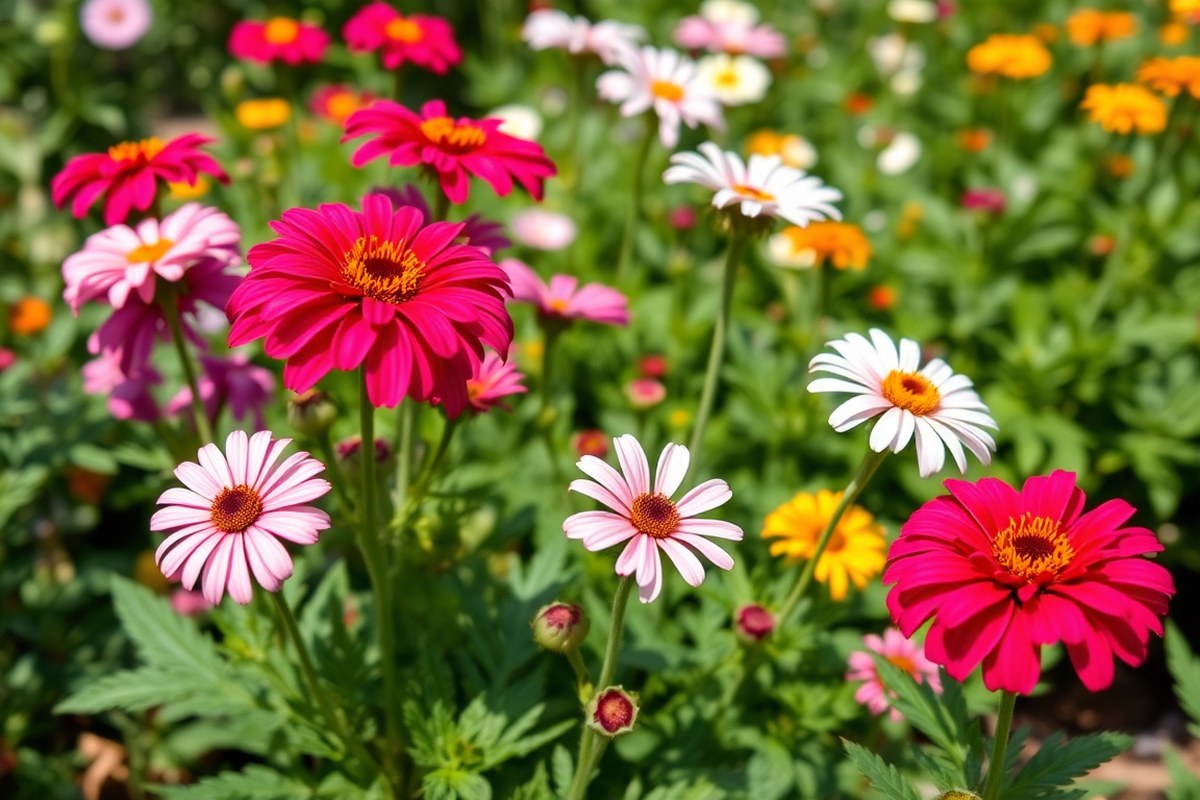
An annual plant lives for just one growing season. It grows from seed to maturity in one year. It flowers and produces seeds during that time.
Then, it dies before the year ends. This means it completes its entire life cycle in that one season only.
Starting with germination, the seed sprouts and grows into a seedling. Next, the plant matures and blooms, producing flowers. Finally, it sets seeds before dying, ensuring the cycle continues with the next generation.
The growing season can happen in warm or cold weather. Plants completing their cycle in cooler months are cold-season annuals. Those growing and finishing their life cycle in warm months are warm-season annuals.
This quick life cycle makes annuals perfect for gardeners wanting fast results. You’ll see flowers and color in the same year you plant the seeds. Since they don’t come back the next year, you’ll plant new seeds every season.
How Annuals Differ from Perennials and Biennials

Annual plants complete their life cycle in just one growing season. They germinate, grow, flower, produce seeds, and then die all within that timeframe. Unlike annuals, perennials live for multiple years, coming back each season without needing replanting.
Biennials differ because they take two years to finish their full life cycle. In the first year, biennials grow leaves and stems but don’t flower. The second year, they produce flowers, set seeds, and then die.
Some perennials and biennials are grown as annuals to save effort in colder zones. Your local climate might kill these plants over winter. Treat them as annuals and plant them again in spring.
Here’s a simple table comparing those plant types side by side:
| Plant Type | Life Cycle Length | Flowering Time | Come Back Next Year? | Common Garden Use |
|---|---|---|---|---|
| Annual | 1 growing season | Flowers almost constantly | No, dies after seed production | Quick color and constant blooms in one year |
| Biennial | 2 years | Flowers only in second year | No, dies after second year | Leaves and rosettes year one, flowers year two |
| Perennial | Multiple years | Flowers intermittently over years | Yes, returns every season | Long-term garden structure and seasonal color |
You can boost a biennial’s chances to survive winter by using frost cloth or cold frames. These keep temperatures around 10 to 15 degrees warmer. However, many gardeners choose to save seeds to grow fresh annuals each year instead.
Don’t assume an annual will come back on its own. Most need replanting or seed saving.
Annuals often flower non-stop, giving you lots of color quickly. Perennials flower on and off, letting you plan an ongoing variety. Growing some perennials as annuals makes sense if your winters are harsh.
Remember that biennials like honesty won’t flower the first year. They need 18 to 24 months to bloom and complete their cycle fully. It’s important to know if a plant is annual, biennial, or perennial.
This helps you plan garden care. Proper timing depends on the plant type.
Typical Annual Plant Life Cycle Explained
Annual plants complete their entire life cycle in one growing season. They grow from seed, flower, produce seeds, and then die all within this period. This cycle usually takes a few months, depending on the plant type and local climate.
Seed Germination and Early Growth
The life cycle starts when seeds germinate, often in early spring. Seeds need the right temperature, about 60 to 75°F, and consistent moisture to sprout. Once the seedling emerges, it grows rapidly, developing leaves and roots to gather sunlight and nutrients.
This stage lasts anywhere from one to three weeks, depending on the species. Faster germinating plants like cosmos or marigolds take about a week. Seedlings should get plenty of light and water during this early phase for healthy growth.
Flowering and Pollination Stage
After seedlings mature, they enter the flowering stage, usually four to eight weeks after germination. Many annuals bloom continuously from spring until frost, offering color throughout the season. This extended bloom period is why gardeners love annuals for splashy garden displays.
Pollination happens during flowering as insects or wind transfer pollen. This process allows the plant to develop seeds. You can encourage longer blooming by pinching off spent flowers to stop energy going into seeds.
Seed Production and Plant Senescence
Once pollinated, annual plants focus on producing seeds. Seed pods or fruits develop, maturing over several weeks. Seed production signals the final phase of the life cycle, usually late summer or fall.
After seeds mature, the plant begins to die back, a stage called senescence. This process completes in one season as the plant uses all its energy. Once the first frost hits, most annuals die, leaving seeds behind for next year.
Identifying Annual Plants in Your Garden
Annual plants live for just one growing season. They sprout, bloom, set seeds, then die before winter. If a plant disappears after a single season, it most likely is an annual.
Look for plants growing quickly from seed, filling out fast with lots of flowers or fruit. Annuals often show vibrant colors and last longer in bloom. Perennials stay alive year after year and have woody stems or thicker roots.
Knowing the scientific name helps. Many annual plants belong to specific species or genera known for their one-year lifecycle. Checking a plant’s label or using a gardening app can confirm if it’s an annual.
- Plant dies after one season, no regrowth next year
- Fast growth from seed to flower within a few months
- Bright, continuous blooms during their season
- Soft, green stems rather than woody or thick roots
- Check scientific name in plant databases or apps
- Flowers and leaves often thinner than perennials
- Needs replanting each year to keep the spot filled
Some perennials act like annuals in colder zones. They die back when frost hits but return from roots or crowns next spring. Annuals won’t return unless replanted.
Annuals need regular watering and feeding for healthy growth. You’ll notice their faster life cycle means they take more fertilizer and moisture during peak bloom. Healthy annuals show fuller blossoms and lush leaves.
Common Annual Plants and Their Uses
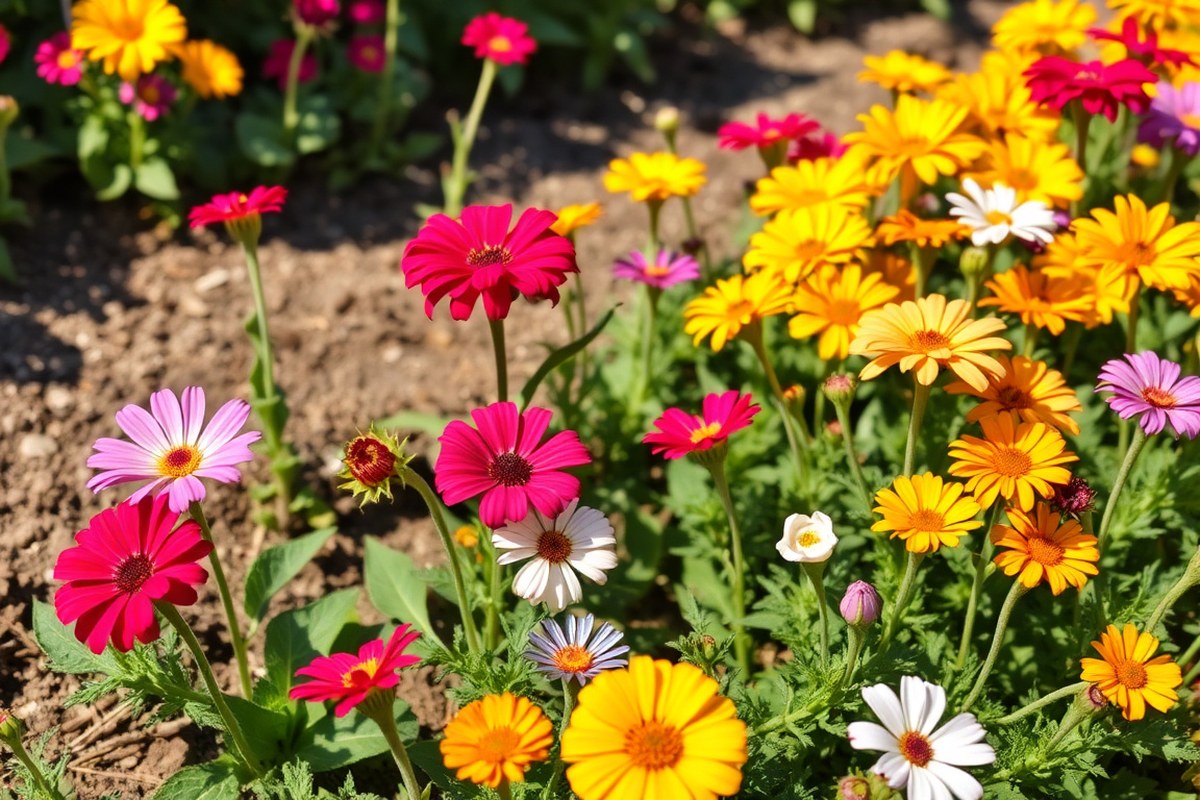
Many annual plants add quick color and fresh food to your garden. Popular annual flowers like petunias and marigolds bloom profusely from spring to fall.
These bright plants attract pollinators such as bees, butterflies, and even hummingbirds. Plant them where you want eye-catching color all summer long.
Vegetable annuals give you crops that grow fast and usually mature in one season. Common examples include lettuce, radishes, and beans.
These plants do well when sown after the danger of frost passes. You can harvest their produce within weeks or a few months, depending on the variety.
- Petunias, begonias, and impatiens for colorful, shady spots
- Sunflowers and zinnias to draw pollinators and add height
- Marigolds to repel pests and brighten garden beds
- Scarlet sage grown as an annual where hardy zones don’t allow it to survive
- Cabbage, used both as an edible and ornamental plant
- Lettuce, radishes, and beans as common quick-growing vegetable annuals
- White mustard and annual nettle as less common annuals sometimes used in garden rotations
Some hardy annuals like scarlet sage can tolerate cooler nights but won’t survive freezing winters. For the best results, plant annuals in rich, well-draining soil and provide regular watering.
Keep in mind that most annuals finish their life cycle in one season. You’ll need to replant every year or start new seeds indoors weeks before the last frost.
Don’t let annuals dry out after transplanting; consistent moisture helps roots settle quickly.
Using a mix of flowering annuals and edible vegetables keeps your garden lively and productive. Choose annuals that match your climate and garden goals. This way, you get bright blooms and fresh veggies quickly.
You don’t have to wait years to see growth. It saves you from a long-term commitment.
When and How to Plant Annuals for Best Results
The best time to plant annuals depends on your local climate and the plant type. Warm-season annuals thrive when planted after the last frost, usually in spring. Cold-season annuals grow best when planted in early spring or fall.
These times avoid harsh summer heat. They also avoid deep winter freezes.
Soil preparation is key for healthy annual growth. Start by loosening the soil and removing large debris.
Adding compost or organic matter greatly improves soil texture and nutrients. Plant in a spot that gets at least 6 hours of sunlight daily.
Water your new annuals right after planting to help roots settle. Keep the soil moist but not soggy for the first few weeks. After they establish, water deeply once or twice a week based on rainfall and temperature.
- Plant warm-season annuals after the last frost date in your area.
- Mix 2 to 4 inches of compost into garden soil before planting.
- Water newly planted annuals immediately and daily for one week.
- Provide 1 inch of water weekly during dry spells.
- Avoid planting in very hot weather to prevent stress.
- Use mulch around plants to keep soil moist and cool.
Temperature affects planting success a lot. Soil below 50°F slows root growth for warm-season annuals.
You lose time and risk plant shock. Cold-season annuals handle cool soil well but avoid frost if possible.
Good results show in quick growth and continuous blooming through the season. Signs of trouble include wilting leaves or poor flower production.
Uneven watering or planting too early can cause these issues. Fall planting of some annuals lowers summer watering needs and lets roots develop better.
Warm-Season vs Cold-Season Annual Plants: Key Differences
Warm-season and cold-season annuals differ mainly in the temperatures they tolerate during their growth. Warm-season annuals grow best in hot weather, while cold-season annuals thrive in cooler temperatures. Knowing the right type helps you time your planting for a healthy garden all year long.
Characteristics of Warm-Season Annuals
Warm-season annuals grow quickly when temperatures are steady between 70°F and 85°F. They cannot survive frost and usually begin to show damage if temperatures dip below 50°F. These plants often bloom in the summer and include types like marigolds and zinnias.
Plant warm-season annuals outdoors after the last frost date in your area. This could be anywhere from late April to early June, depending on your zone. They need full sun and well-drained soil to perform well.
Traits of Cold-Season Annuals
Cold-season annuals can handle temperatures between 40°F and 70°F and may survive light frost. Common cold-season annuals are pansies, snapdragons, and calendulas. They usually bloom in early spring or fall when the weather is cooler.
Plant these annuals in early spring before the last frost. They do well in partial sun and moist, fertile soil. Keep watering consistent, especially if your climate starts warming up fast.
Selecting Annuals Based on Climate Zone
| Climate Zone | Recommended Annual Type | Planting Time |
|---|---|---|
| Zone 3-5 (Cooler) | Cold-Season Annuals | Early spring or late summer |
| Zone 6-8 (Moderate) | Both types depending on season | Cold-season in early spring, warm-season after frost |
| Zone 9-10 (Warm) | Warm-Season Annuals | Late winter to early spring |
Select your annuals by checking your USDA hardiness zone and local frost dates. Warm-season types do well in warmer zones and later planting dates. Cold-season annuals give you flowers in cooler months and extend your garden’s blooming season.
Pay attention to short weather spells. A cold snap might kill warm-season annuals if planted too early.
In contrast, very hot weather may stress cold-season annuals. So avoid putting them out too late in spring.
How to Save Seeds from Annual Plants
Saving seeds from annual plants lets you grow the same varieties next year. Collect seeds only after the plants fully mature and dry. Store seeds properly to keep them viable for months or even years.
When to Harvest Seeds
Seeds are ready to harvest when the seed pods or flower heads turn dry and brown. This usually happens late in the growing season, often in late summer or early fall. Harvest seeds before rain or frost damages them.
You can tell seeds are mature by their firmness and color. They should feel hard and dry, not soft or green. For some plants, like snapdragons or zinnias, seed pods will split open when ripe.
Methods for Collecting and Cleaning Seeds
Cut seed heads or pods carefully from the plant using scissors or pruners. Place them in a paper bag or jar to let them dry completely indoors. Avoid plastic bags, which trap moisture and can cause mold.
After drying, rub the pods gently between your fingers. This helps separate the seeds from the chaff. You can also use a fine screen to do it.
Remove any plant debris or damaged seeds to improve germination quality. Some seeds may need extra cleaning, like rinsing and drying again, depending on the plant.
- Use scissors to snip seed heads
- Dry seeds in a warm, airy spot for 1 to 2 weeks
- Rub pods to release seeds or gently shake them
- Remove plant bits and broken seeds
- Label seeds with plant name and date
Never store seeds that feel damp, you risk mold killing them.
Storing Seeds for Future Planting
Seal clean, dry seeds in airtight containers like glass jars or zip bags. Add a silica gel packet to absorb moisture. You can also use dry rice in a cloth bag.
This helps keep seeds dry if you can. Store containers in a cool, dark spot, ideally between 32 and 41°F (0 to 5°C).
Check stored seeds every few months for mold or moisture. Use seeds within one or two years for the best results, as viability drops over time. Some annual seeds may grow slightly different plants next year, especially if cross-pollination happened.
Step-by-Step Action Plan for Growing Annual Plants
Follow these steps to plant and care for annuals correctly. Watch for signs of healthy growth to confirm success.
- Before planting: Choose annuals suited to your climate and garden space. Check seed packets or plant tags for specific needs.
- Week 1: Prepare the soil by loosening it and adding compost. Good soil feels crumbly and drains well without staying soggy.
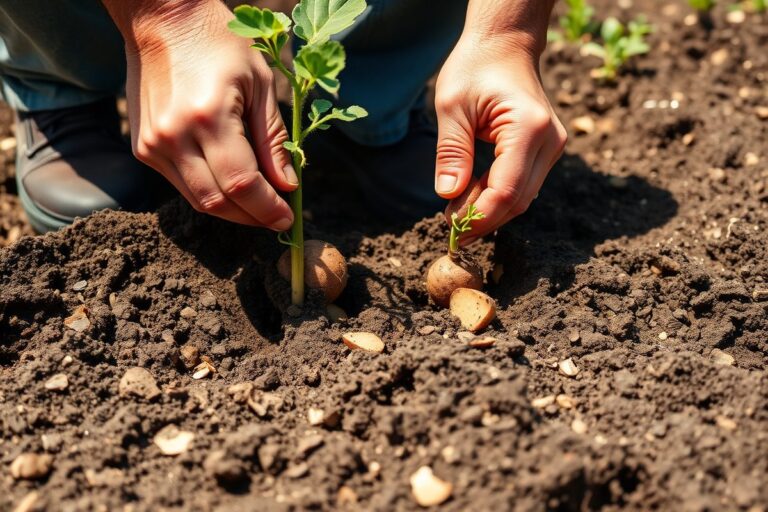
- Day planting: Sow seeds or plant seedlings at recommended depths and spacing. Seeds should be just covered with soil to start.
- Week 2: Water gently but regularly to keep soil moist. Look for new leaves or sprouting seeds as a growth sign.
- Weeks 3-6: Fertilize lightly every two weeks with a balanced fertilizer. Plants should grow steadily without yellowing leaves.
- After 6 weeks: Pinch back flowers to encourage more blooms. You’ll see fuller plants and longer flowering period.
- Midseason: Check for pests or diseases regularly and remove affected parts. Healthy annuals have vibrant green leaves and no holes.
- End of season: Collect seeds from mature plants if you want to save for next year. Dry seeds properly to avoid mold.
Frequently Asked Questions
Can an Annual Plant Survive More Than One Growing Season?
No, an annual plant completes its life cycle in one growing season. It germinates, flowers, sets seed, and dies within that period.
Why Are Some Plants Treated as Annuals in Colder Climates?
Cold weather kills plants that are perennial in warm areas. Gardeners treat these as annuals because they won’t survive the winter.
How Can You Tell If a Plant Is Truly an Annual or Just Treated Like One?
Watch the plant through the seasons. If it dies after flowering within one year, it’s an annual.
Do Annual Plants Flower Faster Than Perennials?
Yes, annuals often flower quickly to complete their cycle. Perennials take longer since they regrow each year.
What Is the Main Advantage of Planting Annuals in a Garden?
Annuals bring color and blooms quickly in one season. You can change your garden’s look every year.
Can Annual Plants Produce Seeds Before Dying?
Most annuals produce seeds in their only season. This helps spread new plants for the next year.
Wrapping Up
Annual plants complete their life cycle in one season, giving quick color and growth. Plant them where you want fast blooms or seasonal interest. Start with one or two types and enjoy watching your garden change through the year.