How Much Sunlight Do Snake Plants Need: A Complete Guide for Healthy Growth
How much sunlight do snake plants need? They thrive best with 8 to 10 hours of bright, indirect light each day. This amount helps them grow healthier and keeps their leaves vibrant.
Snake plants tolerate up to 5 or 6 hours of direct sunlight. But too much can cause leaf burn. Your plant needs at least 5 hours of indirect light daily.
This amount stops it from getting weak or leggy. Indirect light is best, not direct sun.
Start by placing your snake plant near a bright window, about 3 to 5 feet away. Check your plant’s leaves for sun problems.
Browning tips show too much sun. Pale, stretched stems mean it needs more light.
Key Takeaways
- Snake plants need 8 to 10 hours of bright, indirect light daily.
- Allow up to 5 or 6 hours of direct sunlight. But watch for leaf burn.
- A minimum of 5 hours indirect light keeps snake plants healthy.
- Place snake plants 3 to 5 feet from bright windows for best growth.
- Leaf browning or pale, stretched growth signals light problems.
- Too little light can make your snake plant weak and leggy.
How Much Sunlight Do Snake Plants Need Each Day?
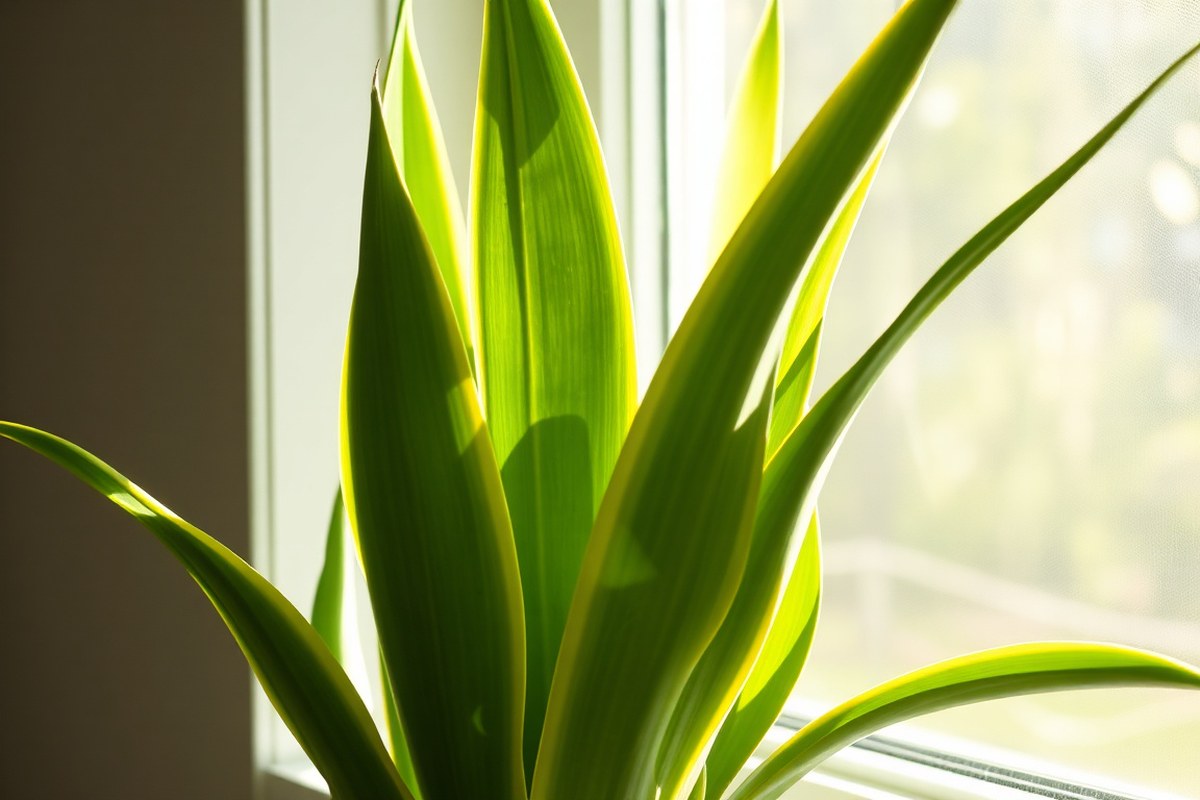
Snake plants need about 8 to 10 hours of bright, indirect light each day. This much light keeps their leaves healthy and supports steady growth. Bright, indirect light means sunlight goes through a curtain or reflects.
It does not hit the leaves directly. This light is softer and gentler on the plant.
Snake plants can manage some direct sun, about 2 to 6 hours daily. They should not get more than 5 to 6 hours total. Too much direct sun can make leaves pale or scorched, especially later in the day.
Most snake plants do best mainly with indirect light. You can put your plant near a window with a sheer curtain. Another good spot is a little away from direct sunlight.
Both places give soft, filtered light perfect for snake plants. A west-facing window might give your snake plant a short time of afternoon sun.
This kind of sunlight can be okay for the plant. But avoid long exposure to harsh rays.
Here’s a quick guide on how to balance the light your snake plant gets daily:
| Light Type | Recommended Hours | Notes |
|---|---|---|
| Bright Indirect Light | 8, 10 hours | Best for steady growth and healthy leaves |
| Direct Sunlight | 2, 6 hours max | Short periods only; avoid long or intense afternoon sun |
| Low Light | Under 5 hours | Possible but slows growth; leaves may lose color |
Move your plant a few feet from the window if it gets over 6 hours of sun. Using a sheer curtain can also help reduce strong light. Too much direct sun can show up as yellow or brown patches.
Less than 5 hours of light a day might slow growth. The leaves may also lose some color and look dull.
How to Identify If Your Snake Plant Is Getting Too Much or Too Little Sunlight
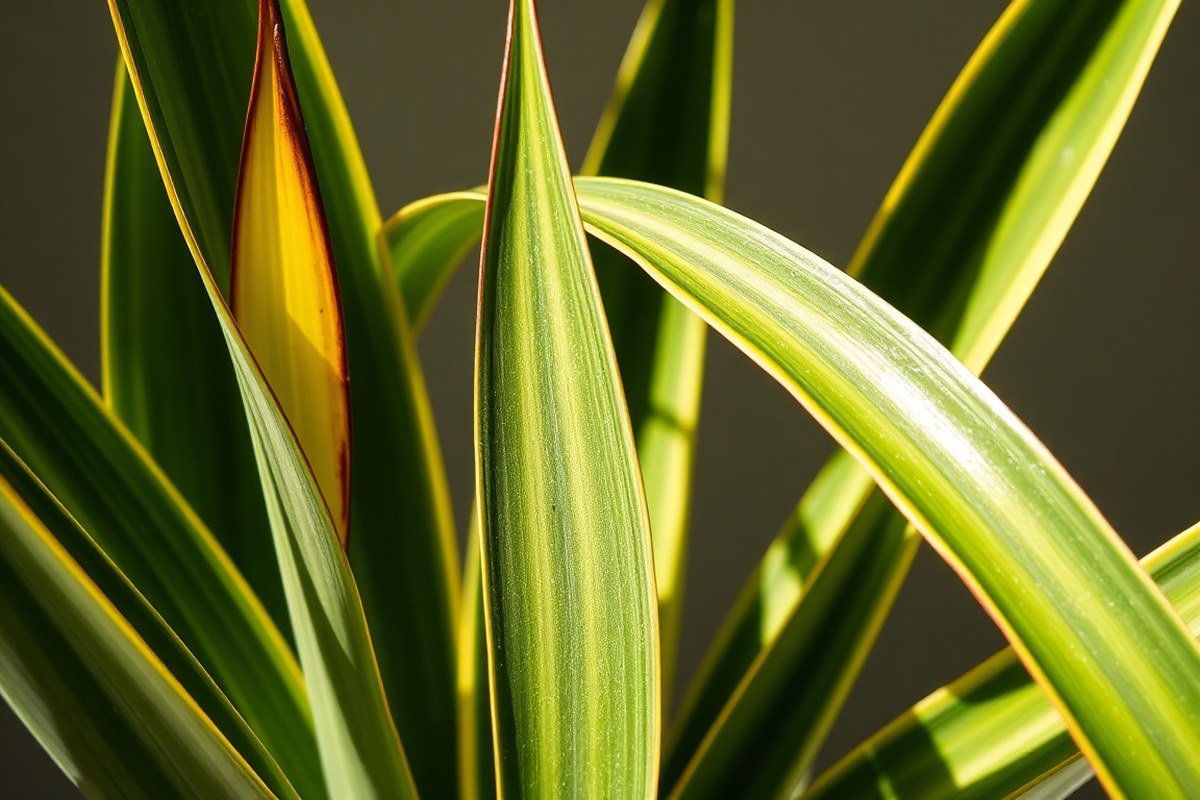
If your snake plant’s leaves turn pale yellow, it may get too much sun. Brown, crispy edges also show sun damage. Move it to a spot with less light.
Prolonged exposure to direct sunlight in windows that get over 1,000 foot-candles can cause leaf scorch. You may also see dried leaf tips or the leaves curling, which shows sun stress. Moving the plant farther from windows or providing sheer curtains can help reduce this risk.
Low light causes different symptoms in snake plants. Leaves may darken or turn a dull green as the plant tries to catch more light. Growth slows or stops, with less new leaf sprouting.
Your plant might start to droop slightly or even lean toward the light source. Yellow leaves near the base often mean too little light and overwatering.
Weak roots suffer here without enough light energy. Check your watering habits and light exposure.
- Yellow or pale leaves with dry, brown edges mean too much sun exposure.
- Leaf curling and crispy tips suggest your plant should move away from direct sunlight.
- Dark, dull leaves and slow growth show insufficient sunlight.
- Leaning or drooping leaves indicate the plant is stretching for more light.
- Yellowing only near the base can signal low light combined with watering issues.
- Stunted new growth means light levels are too low for your snake plant.
Fix too much light by shifting your snake plant to a spot with medium, indirect sunlight. Avoid putting your snake plant near south-facing windows without curtains. They can deliver over 1,000 foot-candles and burn the leaves.
Use sheer curtains to protect your plant. For low light, move your plant closer to east or west windows. These spots give about 100 to 500 foot-candles of light.
This helps reduce light stress and aids growth. You may also boost artificial light with a grow lamp if natural light is scarce.
Check your snake plant weekly for signs of stress or damage. Keep watching until the leaves regain normal color. Regular checks help catch problems early.
Leaf recovery can take a few weeks once you adjust the lighting. Keep the soil dry between waterings, which helps stressed roots regain strength. Failure to correct light issues promptly will slow growth and cause ongoing leaf damage.
Turn your snake plant every few weeks so all sides get light. This prevents uneven growth and keeps the plant balanced. Rotate it gently to avoid damage.
Best Indoor Spots for Snake Plants Based on Window Direction
Snake plants do best in bright, indirect light. Where you place them depends on the window’s direction and how much sun it gets. Each window gives a different mix of light.
This affects where your snake plant should go. Some spots work better than others.
East-Facing Windows: Gentle Morning Sun
East-facing windows provide mild morning sun that warms the plant without burning it. Put your snake plant 1 to 2 feet from this window. It will get filtered light there.
That light lasts a few hours. This spot offers bright but gentle light, perfect for healthy leaf growth.
During summer, move the plant slightly back if the sun is too intense. In cooler months, placing it a bit closer helps compensate for shorter daylight. The soft morning light prevents leaf scorch and encourages steady growth.
South-Facing Windows: Bright Indirect Light
South windows get strong sunlight most of the day, which can be harsh for snake plants. Keep your plant 6 to 10 feet from the window. Or hang sheer curtains to soften the light.
Either way protects your plant. This setup ensures the plant gets enough brightness without direct rays that cause leaf burns.
In winter, when sunlight weakens, you can move the plant closer to the window. Watch for leaf fading or curling, which means the light is too strong. Adjust placement seasonally to keep a steady balance.
West-Facing Windows: Afternoon Sun Exposure
West-facing windows deliver warm, intense afternoon sun. Set your snake plant 6 to 10 feet away or behind a sheer curtain. This helps cut down on harsh light.
Your plant will like that. This spot offers bright indirect light ideal for plant growth without drying it out.
In hotter months, more distance or extra shading might be needed to protect leaves. Cooler seasons allow you to bring the plant nearer to the light. Keep an eye on leaf color for signs of stress.
North-Facing Windows: Low Light Conditions
North-facing windows provide the least light, mostly shade or indirect glow. Snake plants can survive here but grow slower and may look less vibrant. Set them within 2 feet of the window to capture as much ambient light as possible.
Supplying supplemental artificial light may help during darker months, especially in winter. Avoid placing the plant in dim corners far from windows. Simple moves can promote healthier leaves and stronger growth.
Here’s a quick comparison of window directions, light intensity, and placement distance for snake plants:
| Window Direction | Light Intensity | Recommended Distance | Seasonal Adjustment |
|---|---|---|---|
| East | Bright, gentle morning sun | 1-2 feet from window | Move slightly back in summer; closer in winter |
| South | Strong, direct midday and afternoon sun | 6-10 feet or use sheer curtains | Closer in winter; back in summer to avoid burns |
| West | Warm afternoon direct sun | 6-10 feet or filtered light | More distance or shading in summer; nearer in winter |
| North | Low, indirect light | Within 2 feet of window | Supplement light in winter; avoid dark corners |
Adjusting your snake plant’s spot through the seasons keeps it healthy. Bright, indirect light encourages new growth and strong leaves. Too close or unfiltered direct sun leads to leaf damage and slower growth.
Can Snake Plants Thrive Without Natural Sunlight?
Snake plants can survive without natural sunlight and do well in windowless rooms. You just need to provide the right artificial light to keep them healthy. Using grow lights copies the natural light they need.
This helps the leaves stay healthy and colorful. It gives your snake plant good light year-round.
Choosing the Right Grow Light Spectrum
The best grow lights for snake plants provide a full spectrum, mimicking natural sunlight. Full-spectrum LED grow lights are a popular and energy-efficient choice. Fluorescent bulbs also work but might need more frequent replacement.
Snake plants can tolerate various light types. But full-spectrum LEDs give the most balanced light. This helps the plant grow upright and maintain its leaf colors.
Don’t use lights that are only too red or blue. These colors don’t meet all the plant’s needs. Use a light that covers the full light spectrum.
Optimal Light Duration and Distance
Keep the grow light 12 to 24 inches above the plant. This distance gives the right light strength for growth. It prevents the light from being too harsh.
Closer than 12 inches might overheat the leaves. Farther than 24 inches lowers effectiveness. Run the light for 8 to 10 hours daily to replace missing sunlight.
Too little light time slows growth and weakens the leaves. Going beyond 10 hours usually doesn’t hurt but won’t boost growth much either. Dim or slow-growing plants need 10 hours on the higher end.
Using Timers for Consistent Illumination
Timers keep your grow lights on a daily schedule. So you don’t forget or overdo it. Automatic timers ensure your snake plant always gets steady light without guesswork.
Use a timer for 8 to 10 hours of light daily. Turn the lights off during the night hours. This schedule matches natural day and night cycles.
Place the light on a stable fixture and plug it into a timer. This gives the plant a reliable light cycle similar to natural day and night. Consistency helps the plant develop a healthy growth rhythm.
Follow these steps to set up artificial lighting for your snake plant:
- Choose a full-spectrum LED grow light suited for houseplants.
- Mount the light 12 to 24 inches above your snake plant.
- Plug the grow light into an automatic timer outlet.
- Set the timer to turn on the light for 8 to 10 hours daily.
- Check the plant weekly, adjusting distance if leaves show heat stress.
- Clean the light surface every few weeks to maintain brightness.
- Replace the bulb according to manufacturer guidelines, usually after 1 year.
How Light Needs Change Between Young and Mature Snake Plants
Young snake plants need less light than mature ones because they grow slower. They can do well in partial shade or indirect light for the first few months. Keeping them out of strong direct sun helps avoid burning their softer new leaves.
As the snake plant matures, increase its light exposure gradually over several weeks. Move it closer to a bright window or spot with indirect sunlight. This helps the plant develop vibrant leaf colors and stronger growth.
Watering also changes with light and plant size. Young snake plants usually need watering every 2 to 3 weeks in moderate indirect light. Mature plants in bright spots need watering every 10 to 14 days.
They use more water because they grow faster. Keep an eye on the soil moisture to know when to water.
Young plants do well with 4 to 6 hours of moderate indirect light. Water these plants every 2 to 3 weeks. A simple chart helps track their light and water needs.
Mature snake plants prefer 6 to 8 hours of bright indirect light daily. Water them about every 10 to 14 days. This supports steady growth and good health.
Use a well-draining pot and always let the soil dry between waterings. Water sparingly in low light, and increase watering carefully as light and growth increase. You’ll see healthy, upright leaves and fewer signs of stress this way.
Turn your snake plant’s pot a quarter turn every two weeks. This ensures all sides get even light. It helps the plant grow evenly and steadily.
Seasonal Adjustments for Snake Plant Sunlight and Placement
Snake plants need more light in spring and summer. But less in autumn and winter. Natural daylight changes with the seasons.
So moving or supplementing your plant’s light helps it stay healthy. Adjusting placement and light exposure each season protects your plant from stress and supports growth.
Spring and Summer: Maximizing Bright Indirect Light
During spring and summer, snake plants grow fastest and need more light. Bright, indirect sunlight is best for your snake plant. Place it near a south- or east-facing window.
This position gives your plant the right light without burning it. Avoid direct sun rays, since they can scorch the leaves.
Increase airflow but keep the plant protected from rain if it sits outside. Bright, filtered light encourages strong, healthy leaves in this growing season.
Autumn: Preparing for Reduced Daylight
Daylight length and intensity drop during autumn. So your snake plant will get less natural light.
You might notice the plant slowing down even if it stays in the same spot. To prepare, move your plant to a brighter location inside your home.
Look for a spot closer to a window or one with better light exposure. This helps your plant adjust before winter’s low light period. Avoid sudden moves that expose it to cold drafts.
Winter: Supplementing with Artificial Lighting
Winter has the shortest days and least natural light. Snake plants still need bright, indirect light.
But a spot near a window might not be enough. In low-light months, use a grow light designed for indoor plants to keep your plant healthy.
Pick LED or fluorescent grow lights for your plant. Use a timer for 10 to 12 hours of daily light.
This helps your snake plant get steady, even light. Avoid placing the plant right next to the light to prevent leaf damage from heat.
Follow these steps to adjust sunlight and placement for your snake plant through the seasons:
- Move your plant near east- or south-facing windows in spring and summer for bright, indirect light.
- Monitor leaf color and growth rate weekly during warm months to catch early sunlight damage.
- Shift your plant to brighter indoor spots during autumn as daylight reduces.
- Keep the plant away from cold drafts or heaters in autumn and winter to avoid stress.
- Put the grow light about 12 to 18 inches above the plant. Use it during winter for 10 to 12 hours a day. This distance gives your plant enough light without overheating.
- Look at your plant two times a week for any leaf spots. Soft areas can mean too much light or heat. Catching issues early helps keep your snake plant healthy.
- Adjust light sources and placement slowly over a week to avoid shock to the plant.
How Light Exposure Influences Watering and General Care
Snake plants use water faster in bright light because photosynthesis speeds up. This means you’ll need to water them more often when they get plenty of sunlight. In lower light, snake plants grow more slowly.
They also need less water. The soil stays wet longer in these spots.
Water your snake plant about every two to three weeks in bright spots. But check soil moisture first. In dimmer rooms, watering once a month or less might work better.
Stick your finger about an inch into the soil. Water your plant when the soil feels dry.
Seasonal changes affect lighting and watering needs too. Bright summer days make plants thirstier, so you might water every two weeks.
Cooler, darker winter months slow growth, so extend time between waterings. Adjust watering based on how much light your plant receives through the year.
Signs of watering problems linked to light show up on leaves. Overwatered snake plants develop soft, mushy leaves and yellowing, especially in low light.
This happens because the soil stays too wet when the plant uses less water. Dry, curled, or brittle leaves mean your plant needs more water or brighter light.
Check soil moisture regularly because snake plants don’t like sitting in soggy soil. Use a moisture meter or simply feel the dirt before watering. Stop watering by schedule and check soil moisture first instead.
Snake plants are adaptable but balancing water and light improves their health. Bright light encourages faster water use and growth, requiring careful watering.
Dim light keeps soil moist longer, so watering less safely prevents root rot. Adjusting watering as the light changes keeps your plant happy and stress-free.
Common Myths and Mistakes About Snake Plant Light Requirements
Snake plants can handle a range of light conditions. But some ideas about their sunlight needs aren’t quite right. For example, direct sunlight isn’t fatal.
But too much of it can burn the leaves and dry the plant out. On the other hand, total darkness won’t kill your snake plant fast. But it will stop growing and weaken the leaves over time.
People often believe that more light means faster growth. Brighter light makes your plant grow faster and look healthier. Too much light stresses your snake plant.
It is best to avoid excess direct sunlight. It might develop brown tips or curl its leaves instead of thriving. The key is finding a middle ground, bright, indirect light works best.
- Myth: Snake plants love bright direct sunlight all day.
- Fact: Bright, indirect light keeps the leaves healthy without burning them.
- Myth: Snake plants grow well in total darkness.
- Fact: Low light slows growth and fades leaf color but won’t kill it soon.
- Myth: All snake plants need the same light amount.
- Fact: Younger plants need less light than mature ones to avoid stress.
Common mistakes are putting the plant right on a south window. Another is keeping it in deep shade with no light. Both harm the snake plant’s health.
Spot brown or yellow leaves? Move the pot a few feet back.
Or use a sheer curtain to soften the sunlight. You can also add a fluorescent or LED grow light if your space is very dark.
Check your snake plant weekly for leaf color changes to catch light problems early.
Rapid changes in sunlight aren’t a good idea either. Moving your snake plant too often between bright and dark spots stresses it and slows recovery. Keep it consistent.
Swap locations gradually over days if you want to try a new spot. This approach avoids shock to the plant’s system.
Step-by-Step Action Plan for Sunlight Care
Follow these simple steps to give your snake plant the right amount of sunlight. You’ll see healthier leaves and steady growth soon.
- Day 1: Place your snake plant near an east-facing window to get gentle morning light. Check if leaves stay bright green without sunburn.
- Week 1: Observe the leaves daily. When they look pale or lean toward light, move it closer. Move it back if the edges start to turn brown.
- Week 2: Rotate the pot 90 degrees once a week to ensure even light exposure. Watch for balanced growth on all sides.
- Month 1: During winter, move your plant closer to the brightest spot available. Notice if growth slows or leaves yellow, then adjust placement.
- After 6 weeks: Try placing the snake plant in a low-light area. Keep it there for one week. Watch if your snake plant can adapt. Check for leaf droop or color change.
- Every month: Clean the leaves gently with a damp cloth. Dust blocks light and can stunt growth.
- Ongoing: Change watering based on light levels. A brighter spot needs more water. A dimmer area needs less watering.
Frequently Asked Questions
Can Snake Plants Survive in Low Light Conditions?
Yes, snake plants can survive in low light but grow slower. They do best with bright, indirect light for healthier leaves and steady growth.
How Does Direct Sunlight Affect Snake Plants?
Direct sunlight can cause leaf burns and stress your plant. Softening sunlight with curtains helps prevent damage while providing enough light for growth.
Is Artificial Light Enough for Snake Plants?
Artificial light can work if natural light is limited. Use grow lights for 12-14 hours to mimic the bright, indirect sunlight they prefer.
How Does Light Intensity Impact Snake Plant Watering Needs?
Higher light makes snake plants use water faster. You’ll need to water more often but avoid overwatering, which can harm the roots.
Can Snake Plants Bloom Indoors Without Sunlight?
Snake plants rarely bloom without bright, indirect sunlight. Providing enough light encourages flowering but it can also take several years in good conditions.
What Is the Best Light Angle for Snake Plants Near Windows?
Side light from windows is best to prevent leaf burns. Avoid placing them in direct afternoon sun, which is usually harsher and hotter.
Before You Go
Your snake plant does best with moderate, indirect sunlight every day. Adjust location slowly and watch its leaves for signs. Try moving your plant near a new window spot this week and see how it thrives.