Should I Bag My Grass Clippings? A Complete Guide for Healthy Lawns
Should I bag my grass clippings? Most of the time, you don’t need to bag them. Leaving grass clippings on your lawn saves time and adds nutrients back into the soil.
Grass clippings are mostly water and break down quickly, usually within a few days. They don’t smother your grass and can act as a natural mulch, reducing the need for extra fertilizer.
Mow your lawn regularly to maintain its health. Keep grass height between two and a half to four inches to help it grow strong and resist weeds.
Avoid bagging unless the grass is too long or when dealing with leaves or seed cleanup. Bagging takes extra effort and removes valuable organic matter from your yard.
Key Takeaways
- Mulch grass clippings 80% to 90% of the time for a healthy lawn.
- Bag clippings when grass is taller than one inch or during overseeding.
- Keep your lawn at 2½ to 4 inches tall for best mulching results.
- Leaving clippings replaces about 25% of annual fertilizer nitrogen needs.
- Mulching saves up to 38% of mowing time compared to bagging.
- Clippings shrink fast because they contain about 90% water.
Should I Bag My Grass Clippings or Mulch Them?
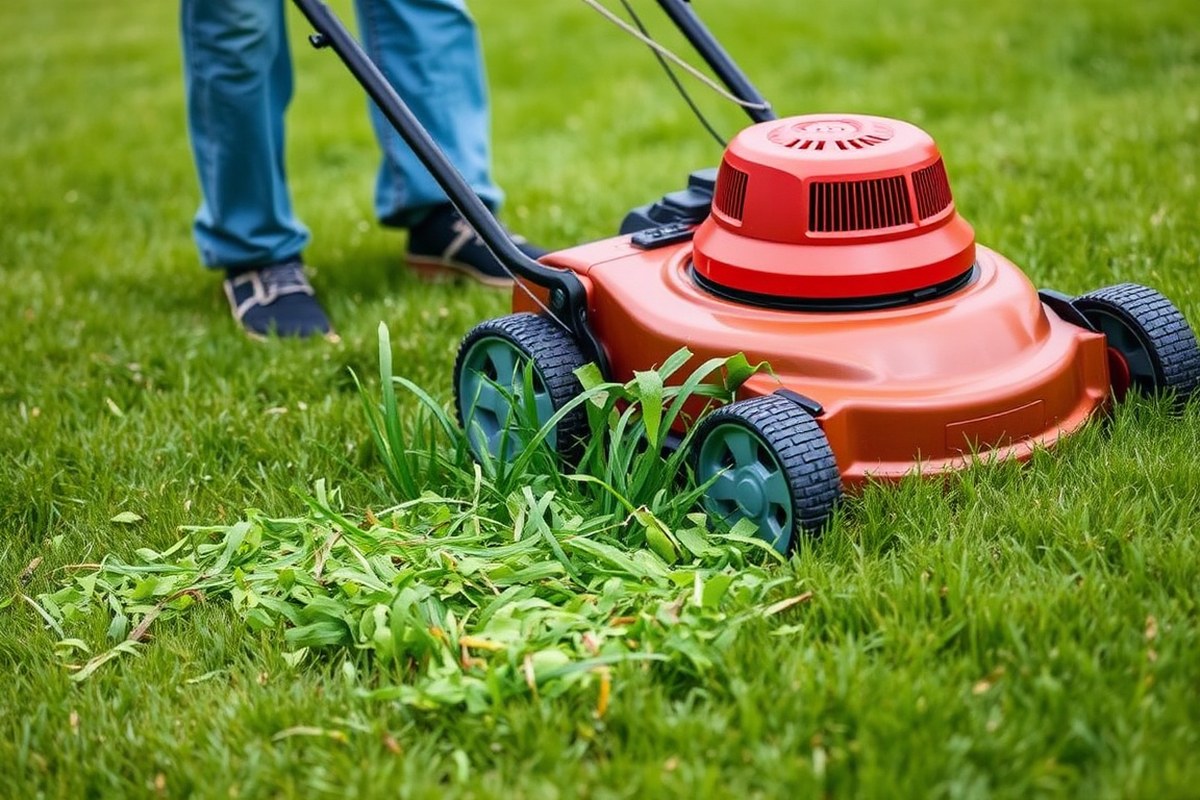
The choice between bagging and mulching grass clippings depends on your lawn and mowing goals. Mulching chops clippings finely and leaves them on your lawn to decompose. It saves time and helps return nutrients to the soil.
You can cut fertilizer use by up to 25% (Iowa State University). This method is simple and effective for lawn care.
Bagging removes clippings, which can help with disease, weed control, or a neater look. Bagging takes more time during mowing. You must stop every 10 to 15 minutes.
This is because you need to empty the bag often. This extra work slows mowing and increases lawn care effort.
| Factor | Mulching | Bagging |
|---|---|---|
| Time per mow | Faster, no stops to empty a bag | Slower, empty bag every 10-15 minutes on thick grass |
| Fertilizer savings | Up to ~25% less nitrogen needed per season | None, nutrients are removed with clippings |
| Best grass condition | Dry, cut regularly, following one-third rule | Tall, wet, diseased, or seed-producing grass |
| Deck maintenance | Higher, needs scraping to avoid rust and clogging | Lower, less clogging and wear on mower deck |
Generally, mulching covers about 80% to 90% of lawn care needs effectively. Leave the clippings on lawns that are cut on time and not too tall. This will look a bit messy but helps your grass grow healthy with less fertilizer.
Bagging is better when grass is overgrown, wet, or if you spot disease or weeds. It also works well in fall or during overseeding to keep the lawn clean. Bagging gives a tidier look after mowing but takes more energy and time.
To decide, check your grass height and condition before mowing. Use mulch for dry, regularly cut grass to save time and help soil.
Choose bagging if your lawn is rough, wet, or needs cleaning from leaves or seeds. Switching between both methods based on these conditions gives good results without much extra effort.
When Is Bagging Grass Clippings the Best Choice?

Bag grass clippings if your lawn is very overgrown or wet. Bag clippings also if the grass has disease or you’re overseeding or controlling weeds.
Bagging stops clippings from piling up and harming your grass. It also prevents spreading diseases and weeds in your yard.
Tall or Overgrown Grass
Grass clippings should be bagged if the lawn is over 3 inches tall. When you mow tall grass, clippings often cover the lawn and block sunlight. This stops nutrients and moisture from reaching the soil and grass roots.
Bagging tall grass helps prevent smothering and lawn stress. Use a bagger attachment or rake up the clippings after mowing. This keeps your lawn healthy and avoids thick layers of clippings left behind.
Preventing Disease and Weed Spread
Bag clippings if the grass is diseased or has fungal spots. These clippings can spread spores and worsen the infection. Removing them helps stop fungal diseases from spreading.
Bagging is also important after applying weed control products. Collecting clippings prevents weed seeds from spreading to healthy areas. This helps control weeds in the long term.
Do not mulch clippings soon after weed treatment; they may spread herbicide residues.
Seasonal Bagging: Fall and Overseeding
Overseeding requires bagging to clear the lawn surface for seed contact. When overseeding, mow and bag grass clippings to avoid covering the new seed. This gives seeds a better chance to grow.
In fall, bag fallen leaves and long grass clippings regularly. This prevents mold and keeps your lawn clean during the wet season. Collected clippings and leaves make excellent compost material.
- Mow the lawn just before overseeding and use bagging mode.
- Rake up any remaining clippings or leaves before spreading seed.
- Bag clippings on rainy or wet days to avoid clumps.
- Bag grass longer than 1 inch or thatch buildup.
- Use a lawn sweeper or rake to collect clippings after mowing tall grass.
- Bag clippings if you expect guests or want a clean look.
- Empty bags frequently to avoid heavy, damp clippings that are hard to carry.
How to Mulch Grass Clippings Effectively
Mulching grass clippings needs sharp blades, proper mower settings, and frequent mowing. Using a mulch kit or a mulching mower with the right blade keeps clippings small. Mow regularly at the right height to let clippings break down quickly and feed your lawn.
Maintaining Sharp Blades
Sharp blades cut cleanly and help grass clippings mulch well. Dull blades tear grass, leaving ragged edges that slow recovery. They also produce larger clippings that clump and don’t break down easily.
Check your mower blades every 10 mowing sessions and sharpen or replace them if needed. Clean blades after use to prevent buildup. Well-maintained blades give a smooth cut and encourage healthy turf growth.
Mowing Frequency and Height Guidelines
Trim only about one-third of the grass blade length each time. Cutting more harms the grass and creates bigger clippings. Mow often enough so grass stays under 3 inches tall.
Try to keep it closer to 2 inches. This helps keep your lawn healthy and neat.5 inches.
Adjust your mower height if grass grows too long between cuts. Raise the cut level to avoid scalping the lawn. Mowing dry grass helps clippings stay light and spread evenly without clumping.
Using Mulching Mower Attachments
Attach a mulch kit to block clippings from leaving the mower’s discharge chute. The kit keeps clippings inside for extra chopping by the mulch blade. Dedicated mulching blades have a curved design.
They finely cut the grass clippings. This spreads clippings better than standard blades.
Some mowers come with a switchable blade or mode for bagging or mulching. Use the mulching setup whenever the lawn is healthy and clippings are thin. Bag clippings only when the grass is too long or wet.
Also bag if you need to remove clippings with weeds. Herbicide treatments mean you should bag, too.
Follow these steps for effective mulching:
- Check that your mower has a sharp mulching blade or a mulching kit installed.
- Set the mower deck height to cut no more than one-third of the grass blade.
- Mow when grass is dry to prevent clumping and uneven mulching.
- Mow frequently enough to keep grass under 3 inches, ideally near 2 inches.
- Use slow and steady mower speed to avoid tearing grass.
- Trim the lawn in different directions occasionally to spread clippings evenly.
- Clean the mower deck and blade after mowing for smooth operation next time.
Nutrient Benefits of Leaving Grass Clippings on the Lawn
Grass clippings return important nutrients like nitrogen, potassium, and phosphorus to your soil. Grass clippings have about 4% nitrogen by dry weight. This can replace around 25% of your lawn’s yearly nitrogen.
Iowa State University Extension shares this information. This natural fertilization reduces how much added fertilizer you need, saving money and effort.
For example, if your lawn needs 1 pound of nitrogen yearly, clippings can supply about 0.25 pounds. This meets roughly 25% of your lawn’s nitrogen needs.25 pounds of nitrogen naturally.
This lets you cut back your fertilizer use by a quarter. Since nitrogen feeds grass growth, this steady supply helps keep your lawn green between fertilizing times.
Clippings break down quickly, often in 1 to 2 weeks, depending on temperature and moisture. Warm, moist weather speeds up decomposition, while cold or dry conditions slow it down. Decomposition recycles nutrients right back into the soil for your grass to use.
It’s best to mow when your grass is dry and not too long. Long clippings decompose slower and can pile up, sometimes attracting pests like grubs and chinch bugs. Shorter clippings mulch into the soil faster and prevent buildup.
Besides nutrients, clippings add organic matter, which improves soil moisture retention. This helps your lawn stay healthier during heat or dry spells. Mulching also cuts watering and fertilizing needs over time, making lawn care easier.
Your grass may produce more clippings if it grows fast in spring. Heavy rain can also boost the amount of clippings. In those cases, you might need to bag or compost extra clippings to avoid buildup.
Mulching clippings works well during slow growth periods. It supports your soil’s health naturally. This method is simple and effective.
Common Mistakes and How to Avoid Them When Handling Clippings
Clumps of grass clippings happen because the grass is cut too long or too wet. Wet grass sticks together under the mower deck and clumps on the lawn. Mow your grass when it’s dry.
Try mid-morning or afternoon. That’s after the dew disappears.
Thatch buildup feels like a layer of dead grass between soil and grass blades. It happens when you leave too many clippings at once or mow too low repeatedly. Most grass clippings break down fast.
They are mostly leaf tissue. This helps microbes control thatch.
Spreading disease or pests can occur if you mulch clippings from an infected lawn. Picking up clippings helps stop fungus and insects from moving around. Bagging your clippings during weed seed drop or lawn disease outbreaks keeps problems from spreading.
- Don’t mow if more than one-third of grass height needs trimming.
- Sharpen mower blades regularly to cut cleanly and prevent tears.
- Check mower discharge settings; mulching decks spread clippings evenly.
- Mow dry grass to avoid clumps forming under the mower deck.
- Remove clippings when treating weeds, diseases, or insect problems.
- Use a mulching mower or adjust blade height for healthier spreading.
- Consider bagging when lawn looks stressed to reduce further strain.
Equipment issues can cause poor mulch results. Dull blades tear grass instead of clean cutting.
This slows decay and can stress turf. A fresh blade costs about $10 to $20 and sharpens quickly at many stores.
Proper mowing habits are key. Never remove more than a third of blade height at once. Taller grass shades soil, retains moisture, and grows healthier roots.
Bag grass clippings if your lawn has disease. Also bag if you see heavy weed seed. This stops spread.
Equipment and Tools for Bagging and Mulching Grass
Choosing the right mower and blade makes managing clippings easier. Most modern mowers come with 3-in-1 blades that handle mulching, bagging, and side discharge. These blades let you switch methods without changing parts.
Mulching blades, often called gator blades, chop clippings finer than standard blades. They work well on thick or tall grass, shredding clippings into tiny pieces. Standard blades mulch light growth but won’t do as well with heavy grass.
| Mower Type | Blade Option | Function | Best Use |
|---|---|---|---|
| 3-in-1 Mower | Standard Blade | Bag, mulch, side discharge | General use, light grass |
| 3-in-1 Mower | Mulching (Gator) Blade | Finer mulching, bagging | Thick, tall, heavy grass |
| Mulching Mower | Mulching Blade | Circulates clippings | Small pieces, soil return |
| Standard Mower | Standard Blade | Side discharge or bagging | Bagging, basic mulching |
To switch from mulching to bagging on a 3-in-1 mower, use the plug or lever. It blocks the chute or redirects clippings to the bag attached behind. Check that your mower includes these attachments or can fit mulch kits.
Bagging takes extra time and work. You must haul clippings away. Or you can add them to compost.
Transporting clippings properly matters in many states with disposal rules. Choose bagging if you want the clippings for compost or garden mulch.
Mulching mowers make grasscycling simple by cutting clippings small enough to feed the lawn. Avoid mowing wet grass, it clumps and won’t spread evenly. Using the right blade and equipment saves you time and keeps your lawn healthy.
Environmental and Cost Considerations of Bagging vs Mulching
Mulching grass clippings reduces waste and saves time during mowing. You don’t have to stop often to empty the bag or drag heavy clippings away. This can cut your mowing time by up to 38%.
That means less effort for lawn care. You save time compared to bagging clippings.
Bagging requires collecting and disposing of clippings, which adds labor and time after mowing. Also, many places charge fees for yard waste disposal, usually between $2 and $5 per bag.
Some cities offer free curbside yard waste pickup. So costs vary depending on local rules.
Environmental impact favors mulching because clippings left on the lawn return nutrients to the soil. Bagging and tossing clippings often sends them to landfills. It also sends them to municipal composting sites.
This uses extra fuel and resources. The national ban began in 1995 on mixing yard waste with trash.
You need to keep clippings separate from regular garbage. This rule helps with waste management.
| Factor | Mulching | Bagging |
|---|---|---|
| Grass clippings disposal cost | Free | $0 to $5 per bag depending on location |
| Mowing time | Up to 38% faster | Slower due to frequent stops |
| Labor effort | Lower; no hauling or bag emptying | Higher; must collect and carry bags |
| Environmental impact | Lower; supports soil health | Higher; waste transport and landfill use |
| Deck maintenance | Requires occasional cleaning | Minimal extra cleaning needed |
Mulching cuts down yard waste and fertilizer costs by recycling nutrients directly back into your grass. You should clean your mower deck regularly to prevent buildup from clippings. Bagging stops buildup on your mower deck.
But it takes more time to gather clippings off your lawn. You also spend extra effort moving them.
Local disposal rules matter a lot. Your area might charge fees for yard waste bags. This means bagging could cost more over time.
Mulching might save you money instead. Also, hauling bags uses more fuel and energy, increasing environmental impact. Mulching works better if you want to save money, time, and reduce landfill waste.
Managing Grass Clippings by Season and Specific Lawn Needs
Adjust how you handle grass clippings depending on the season and lawn condition. Bag clippings in fall or after overseeding to prevent problems. Mulch clippings in growing seasons to nourish your lawn and reduce work.
Fall Cleanup and Leaf Mixing
When leaves fall, mix dry leaves with grass clippings for mulch. This mix keeps your lawn insulated and improves soil as it decomposes. Bag only if leaves or clippings form thick layers that smother grass.
Mulching at this time helps save trips to the compost pile or landfill. Use a mower with a mulching blade to handle leaves and clippings evenly.
Overseeding and Bagging Timing
Bag your grass clippings right before and after overseeding. Clippings can block seeds from reaching the soil, reducing germination rates. Wait to mulch again once new grass sprouts are at least two inches tall.
Mulching promotes seedling growth once that stage is reached by locking in moisture and nutrients. After overseeding, avoid heavy foot traffic for about three weeks to let new roots settle.
Weed and Disease Management
Collect grass clippings if weed seeds are active or your lawn has disease. Bagging stops weed seeds from spreading to other areas. For lawns with diseases, remove clippings to limit spore spread and reduce reinfection risk.
Mulching with healthy grass helps suppress some weeds by providing a protective layer. Still, watch your lawn closely and act at first weed or disease signs.
- Bag clippings during fall leaf drop and overseeding.
- Mulch clippings through spring and summer for nutrients.
- Remove clippings if you spot weed seeds or lawn disease.
- Mix leaves and clippings in fall for natural mulch.
- Wait for grass seedlings to grow before mulching after overseeding.
- Use a mulching mower blade to shred clippings finely.
- Avoid bagging every mow to reduce work and waste.
Check your mower blade setting; finer clippings break down faster and feed lawn better.
Step-by-Step Action Plan for Handling Grass Clippings
Follow these steps to decide whether to bag or mulch your grass clippings properly. Check each step’s result before moving on.
- Before mowing: Inspect your lawn condition. When grass is wet or has weeds, bag the clippings for best results.
- During mowing: Set your mower blade height to about 3 inches to reduce excessive clippings. Clippings should be fine and easy to mulch.
- After mowing: Use the mulch setting or bag clippings, depending on your decision. Bagging is best when clippings form thick layers on the lawn.
- Day after mowing: Check for clumping. After clumping, rake and remove extra clippings to protect your lawn.
- Weekly during growing season: Mulch grass clippings regularly if weather stays dry and grass grows evenly. You’ll see less debris on your lawn over time.
- Monthly: Apply a slow-release fertilizer if you stop mulching. This supplements nutrients that mulched clippings would normally return.
- Season change: Adjust your approach. Bag clippings in fall or spring if leaf buildup or wet grass becomes a problem.
Frequently Asked Questions
Why Not Bag Grass Clippings?
Bagging removes nutrients your lawn needs, like nitrogen. Leaving clippings returns these nutrients and reduces the fertilizer you need.
When to Stop Bagging Grass Clippings?
Stop bagging when your lawn is healthy and cut regularly. If grass grows long, wet, or diseased, bag to prevent pests and buildup.
How Long Do Mulched Grass Clippings Take to Decompose?
Mulched clippings break down in one to two days. Short, finely cut grass decomposes quickly and feeds the soil.
Is It Better to Rake or Leave Grass Clippings on the Lawn?
Leaving clippings feeds your lawn and saves time. Raking removes nutrients and can be labor intensive.
Mulching vs. Bagging? What Should I Do?
Mulching is best for regularly cut, dry grass. Bagging works better for overgrown, wet, or diseased lawns.
Can Excess Grass Clippings Cause Lawn Problems?
Yes, thick clumps can block sunlight and harbor pests. Mow more often and alternate mulching with bagging to avoid this.
Wrapping Up
Mulching grass clippings saves money and feeds your lawn. But bagging works in some cases.
Start observing your lawn after your next mow. Choose the method that keeps your lawn healthy and your cleanup simple.