How Often Should I Fertilize My Lawn: A Complete Guide for Healthy Growth
Many homeowners wonder how often to fertilize their lawn. Fertilizing keeps grass healthy and strong. The frequency depends on your grass type and local season.
Warm-season grasses usually need fertilizer every 6 to 8 weeks. Cool-season grasses require it every 4 to 6 weeks during peak growth. Start fertilizing when soil temperatures reach about 55 degrees Fahrenheit.
This timing helps roots absorb nutrients well. Watch your lawn’s color and growth to adjust the schedule. Avoid fertilizing too early or too often to prevent harm or waste.
Apply a heavy dose 2 to 3 weeks before the ground freezes. This strengthens the lawn for winter and spring growth. Following these guidelines keeps your lawn green and thick.
Key Takeaways
- Fertilize warm-season grasses every 6 to 8 weeks during late spring to early fall.
- Feed cool-season grasses every 4 to 6 weeks when soil temperature hits 55°F or more.
- Apply fertilizer about 2 to 3 weeks before the ground freezes for winter preparation.
- Use soil temperature, not just calendar dates, to decide when to start fertilizing.
- Monitor your lawn’s color and growth rate to know if fertilizing frequency needs adjusting.
- Choose fertilizer with the right nitrogen content based on your grass type’s needs.
How Often Should You Fertilize Your Lawn for Best Results?
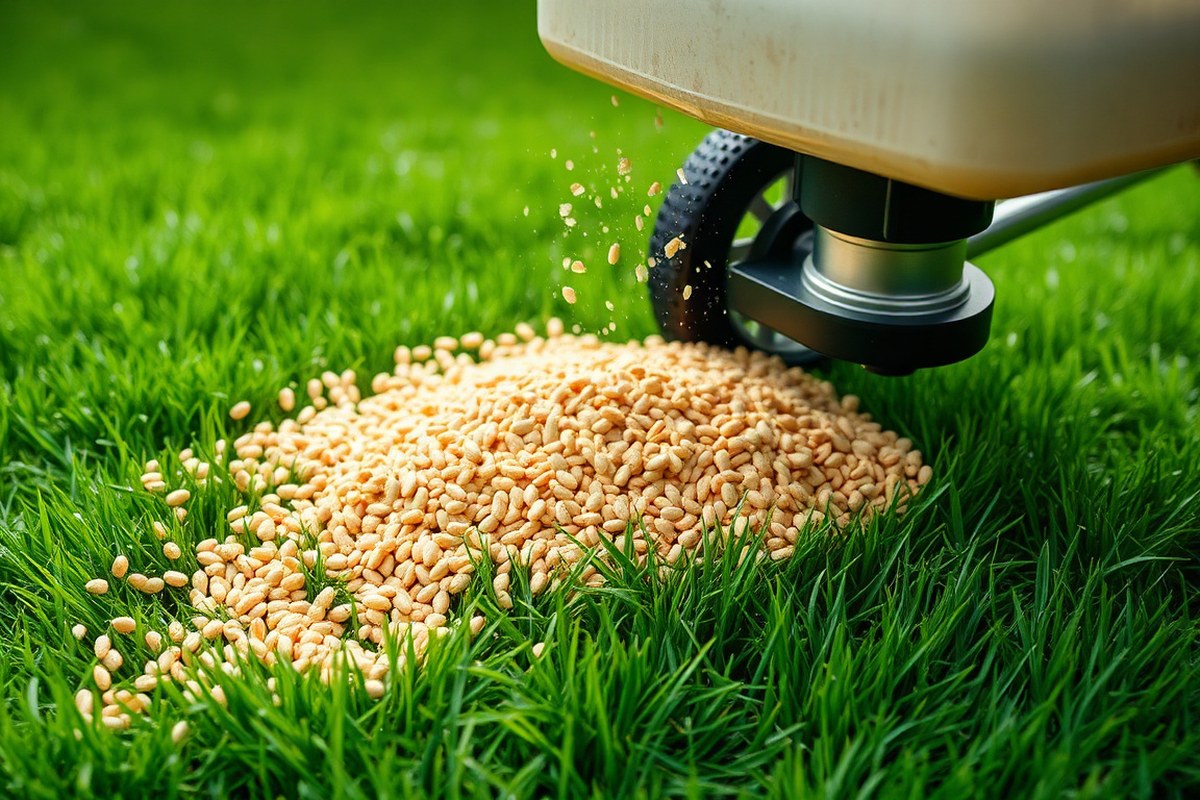
You should fertilize your lawn 3 to 6 times per year for healthy grass growth. This fits most lawns because it matches typical grass growth cycles in warm or cool seasons. Adding fertilizer more than 6 times yearly can hurt your lawn.
It may cause too much growth or burn the grass. Use fewer applications to keep your lawn healthy.
Monthly fertilizing is usually unnecessary and might damage your lawn if overdone. Instead, focus on applying fertilizer during the key active growth periods of your grass. This plan supports natural lawn recovery and helps maintain green, thick coverage without stressing the plants.
Here’s a simple decision rule for how often to fertilize:
- Warm-season grasses grow mostly in warm months. Apply fertilizer every 6 to 8 weeks during these times. This helps them stay green and strong.
- Cool-season grasses grow best in cooler months. Feed them every 4 to 6 weeks through their active growth. This supports good color and growth.
- Aim for 3 to 4 applications per year as a general rule.
- Apply fertilizer after rain or watering to help it absorb well.
- Skip fertilizing when grass is dormant or under stress from heat or drought.
- Yellow grass or slow growth shows your lawn might need more fertilizer. Adding one or two extra applications each year can help improve it.
Following these guidelines fits most climates and grass types. Tailoring fertilizer timing to your grass’s active growing season optimizes results. Applying fertilizer more often than suggested can weaken grass roots.
Too much feeding may damage your lawn’s health and appearance. The extra effort of fewer, well-timed feedings pays off with a healthier lawn all year.
How Grass Type Determines Fertilizing Frequency and Timing

Your lawn’s grass type decides how often and when to fertilize. Cool-season grasses need more frequent feeding during cooler months. Warm-season grasses thrive with feedings spread out during warmer seasons.
Fertilization Schedule for Cool-Season Grasses
Cool-season grasses such as Kentucky bluegrass, tall fescue, and perennial ryegrass do best when the soil is moderately warm. Apply fertilizer to these grasses every 4 to 6 weeks in spring and early fall. Plan on fertilizing them three to four times from early spring through late fall for optimal growth.
Fall is the most important time to fertilize cool-season lawns. This helps recharge soil nutrients and prepares grass for winter dormancy. Spring fertilization also supports the grass as it wakes up from winter rest.
Fertilization Schedule for Warm-Season Grasses
Warm-season grasses such as Bermuda grass grow mostly in warm weather. Apply fertilizer every 6 to 8 weeks starting about 6 to 8 weeks after green-up, usually in April or May. Keep feeding them on this schedule until early fall.
These grasses need less frequent fertilizing compared to cool-season types. The right timing avoids pushing growth too early or too late when grass is less active.
Managing Transitional Zone Grasses
Some lawns grow a mix of cool- and warm-season grasses in a transitional climate. This zone requires a flexible fertilization schedule based on the dominant grass at each time. You might feed cool-season grasses in spring and fall and warm-season grasses in summer.
Knowing your lawn’s main grass lets you choose the best times to fertilize. Adjust the schedule every year if you see changes in what grass grows best. Here is an overview of fertilization frequency and timing for each grass type:
| Grass Type | Fertilizing Frequency | Best Timing | Notes |
|---|---|---|---|
| Cool-Season Grasses | 3, 4 times/year | Every 4, 6 weeks in spring and fall | Most growth in cooler months; fall feeding is key |
| Warm-Season Grasses | Every 6, 8 weeks during growing season | Start 6, 8 weeks after green-up (April/May) | Growth peaks in warm months; less frequent feeding |
| Transitional Zone Grasses | Adjust based on dominant grass | Spring/fall for cool-season, summer for warm-season | Flexible schedule needed for mixed grass types |
Follow a consistent schedule based on your grass type and region. Sticking to timing ensures your lawn gets nutrients exactly when it needs them most.
Do not fertilize warm-season grass too early. It can stress the lawn before it’s fully active.
When Is the Best Time to Fertilize Your Lawn During the Year?
The best times to fertilize your lawn are in spring and fall. Soil temperature is the key sign to fertilize, not air temperature. Avoid fertilizing during winter dormancy or extreme summer heat.
Spring Fertilization: Soil Temperature and Growth
Wait until the soil temperature reaches 55°F for about 4 or 5 days. This usually happens in mid- to late-April in many areas. At this point, the grass begins to green and resume growth.
Applying fertilizer when the soil hits 55°F helps grass recover from winter dormancy. For cool-season grasses, a light feeding jumpstarts healthy growth for spring and summer. Fertilizer activates better in this warmth.
Choose a fertilizer balanced for spring use, like one with higher nitrogen. This nutrient encourages leaf and root growth. Applying too early wastes fertilizer and can cause runoff.
Fall Fertilization: Preparing for Dormancy
Fertilize again in early fall before the first frost arrives. This timing helps grass store nutrients for winter. The lawn comes out healthier and greener in spring.
For cool-season grasses, fall feeding is essential to recover from summer stress. Fertilizers containing weed control, like Pennington Full Season Weed &. Feed, offer extra benefits by tackling young weeds while feeding the lawn.
Warm-season grasses should generally avoid fall feeding to allow natural dormancy. Too much fertilizer in fall can delay dormancy and weaken the lawn during winter.
Summer and Winter Fertilizing: What You Should Know
Summer fertilizing should be light and sparing. Heat slows grass growth, so heavy feeding can burn the lawn or cause stress. Fertilize every 6 to 8 weeks during active growth periods.
Winter is not a good time for fertilizing. Lawns are dormant, absorbing nutrients poorly.
Fertilizing then wastes product and can harm the environment. Use late fall feeding to prepare for winter instead.
Some lawns may benefit from a dormant or late fall feeding in October or November. This helps build hardiness for harsh winters without encouraging growth. Follow these steps for seasonal fertilization timing:
- Check soil temperature daily in early spring using a soil thermometer.
- Begin fertilizing once soil stays at 55ºF for 4 to 5 days straight.
- Apply a balanced fertilizer designed for spring use.
- Fertilize again in early fall before the first frost hits your area.
- Use weed and feed products in fall if you want weed control benefits.
- Fertilize lightly during summer, every 6 to 8 weeks while the grass grows.
- Skip fertilizing in winter dormancy to avoid wasting fertilizer and harming your lawn.
- Consider a late fall feeding for winter preparation if your region has cold winters.
Choosing the Right Fertilizer Type and How It Impacts Frequency
Fertilizer comes in different types that affect how often you apply it. The main types are slow-release and quick-release fertilizers.
Slow-release feeds your lawn gradually over months. Quick-release fertilizes fast but wears off in weeks.
N-P-K ratios show the percentages of nitrogen, phosphorus, and potassium in a fertilizer. These nutrients support leaf growth, roots, and overall health.
Using the right ratio depends on soil tests and what your grass needs for steady growth. Higher nitrogen means faster green-up but might require more frequent feeding if it’s a quick-release type.
Slow-release fertilizers let you fertilize less often since the nutrients come out gradually. You might only apply slow-release products twice a year.
Quick-release types need applications every 6 to 8 weeks during the growing season to avoid shortages. Choosing a slow-release product helps avoid overfeeding and uneven growth.
Granular fertilizers are easier for homeowners to apply evenly. Spray types can be harder to spread consistently. Regular applications when soil temperature is about 55°F help your lawn absorb nutrients better.
| Fertilizer Type | N-P-K Ratio Use | Release Speed | Application Frequency | Best For |
|---|---|---|---|---|
| Slow-Release | Balanced or slightly higher nitrogen | Gradual over months | 1-2 times per year | Homeowners wanting low maintenance |
| Quick-Release | Varies with lawn needs | Rapid, within weeks | Every 6-8 weeks | Lawns needing fast green-up |
| Reseed Fertilizer | Higher phosphorus for root development | Usually quick | At planting only | New lawns or reseeded areas |
| Weed & Feed | Special mixes with herbicides | Varies | Less frequent, per label | Avoid near seedling lawns |
The type and condition of your lawn soil affect fertilizer results. Lime can improve slow-release fertilizer in acidic soils.
This might mean you won’t need to feed your lawn as often. Avoid weed-and-feed products in the first month on new lawns to keep seeds safe.
Pick fertilizer based on your grass type and soil test. Also think about how often you want to fertilize. These factors help you decide the best fertilizer for your lawn.
Slow-release cuts down on work and risks of overfeeding. Quick-release can boost growth fast but needs more attention on timing and amounts.
How Soil Health and Lawn Conditions Influence Fertilizer Frequency
Testing your soil shows you what nutrients it has or lacks. Knowing soil pH and organic matter also shapes your fertilizing plan.
For example, acidic soil may need lime before fertilizing. Sandy soil might require more frequent feeding due to nutrient leaching.
Get a soil test kit from a local garden center or send samples to a lab. Take soil from several spots in your lawn about 4 to 6 inches deep.
Mix the samples in a bucket, dry them, and follow the instructions on the test kit. Results usually arrive in one to two weeks and cost around $10 to $20.
Check the report for nitrogen, phosphorus, potassium levels, and soil pH. If a nutrient is low, add a fertilizer with that nutrient and feed more often. High nutrient levels mean you should reduce fertilizer frequency to avoid overfeeding.
Organic matter content tells you how well your soil holds nutrients and water. Low organic matter often means you should add organic fertilizers or compost regularly.
Clay soils hold nutrients well and need less frequent feeding. Sandy soils drain quickly and lose nutrients faster, so apply fertilizer more often. For loam soil, follow standard feeding schedules but adjust if your test shows deficiencies.
Don’t fertilize right before heavy rain; nutrients can wash away and waste money.
Signs Your Lawn Needs Fertilizing and When to Hold Off
Your lawn shows clear signs when it needs fertilizer. Look for pale green or yellowish grass, slow growth, and thin patches. These signs show your lawn needs more nutrients.
Without them, it may struggle. Drought or foot traffic can make the stress worse.
Over-fertilizing creates visible problems too. Grass may develop brown edges, and the soil can become compacted or crusty. Applying too much fertilizer can burn your grass.
This risk grows if the lawn is wet. Hot temperatures make burning even more likely.
Holding off on fertilizing is just as important. Avoid applying fertilizer to wet grass, like right after rain or when there’s dew. The fertilizer can stick to the blades and cause burning instead of feeding the roots effectively.
- Yellow or pale green grass color
- Slow or stunted growth between mowings
- Thin or patchy turf coverage
- Brown edges or burnt spots on leaf blades
- Recent heavy rainfall or wet lawn surface
- Late fall on warm-season grasses
- Signs of excessive fertilizer use, like soil crusting
Sandy soils lose nutrients quickly, so signs can appear fast there. Clay or loamy soils hold nutrients better and need fewer applications. You should wait at least two months between feeding with slow-release fertilizer to prevent damage.
Don’t fertilize warm-season grasses too late in fall. They need proper dormancy to survive winter.
Also, check the weather forecast. Avoid fertilizing before heat waves or heavy rains to keep your lawn safe.
After mowing, apply fertilizer to help roots absorb nutrients efficiently. Carefully measure the amount; too much can harm the lawn and waste money. Following these tips helps you know exactly when your lawn needs feeding and when to wait.
How to Calculate Fertilizer Application Amount and Frequency Accurately
Calculate the right fertilizer amount by knowing your lawn size and the product’s nitrogen percentage. Aim to apply about 1 pound of nitrogen per 1,000 square feet per application. Measuring carefully and adjusting frequency will keep your lawn healthy without overfeeding.
Understanding Fertilizer Label N-P-K Numbers
Fertilizer bags show three numbers like 10-10-10, representing nitrogen, phosphate, and potassium percentages. The first number is nitrogen, which is key for leaf growth and green color. For example, a 10-10-10 fertilizer contains 10% nitrogen by weight.
Knowing this helps you figure out how much fertilizer to spread for the right nitrogen dose. Pay attention to these percentages to avoid applying too much or too little.
Calculating Nitrogen Needs per Lawn Area
Start by measuring your lawn area accurately in square feet. Divide the amount of nitrogen you want by the nitrogen percentage in your fertilizer. That gives the pounds of fertilizer product needed.
To apply 1 pound of nitrogen per 1,000 square feet, use more product. For example, spread 10 pounds of 10-10-10 fertilizer.
This matches the right nitrogen amount for your lawn. Use this simple formula: Pounds of product = Desired nitrogen ÷ (Nitrogen % ÷ 100).
This method helps you match the right nutrient dose to your lawn size.
Adjusting Application Frequency Safely
Most lawns need about 0.75 to 1 pound of nitrogen per 1,000 square feet annually. Divide this yearly total into 2 to 4 applications during the growing season. This steady feed avoids stressing the grass.
Apply fertilizer when grass grows actively to maximize uptake and minimize waste. Avoid overfeeding to prevent lawn burn, especially on smaller lawns or with high nitrogen fertilizer.
Spread fertilizer evenly across your lawn surface. Water the area right after applying. This helps nutrients reach roots and prevents burning.
Follow these steps to get the dosage and timing right:
- Measure your lawn’s square footage precisely using a tape or a measuring app.
- Check the fertilizer bag for its N-P-K numbers and note the nitrogen percentage.
- Figure out the pounds of nitrogen to apply per 1,000 square feet. Usually, you want about 1 pound. Adjust based on your lawn’s needs.
- Calculate the product amount: divide desired nitrogen by nitrogen fraction (N% ÷ 100).
- Multiply that product amount by your lawn size divided by 1,000 to get total pounds needed.
- Plan your applications so total nitrogen adds up to about 0.75, 1 lb per 1,000 square feet yearly.
- Spread fertilizer evenly using a broadcast or drop spreader, adjusting settings per product recommendations.
- Water your lawn lightly right after applying to help nutrients soak in and reduce burn risk.
Common Fertilization Mistakes and How to Avoid Overfeeding Your Lawn
Applying fertilizer too often or at the wrong time causes more harm than good. Fertilizing right before heavy rain washes nutrients away, polluting local waterways. Also, applying fertilizer during soil dormancy stops roots from absorbing nutrients, wasting your product and money.
Never fertilize when the soil is frozen or extremely wet from recent rain. Check soil moisture by squeezing a handful of soil. If water drips out, wait several days before fertilizing.
Avoid fertilizing when soil is still wet. Also, skip fertilizing during dormancy periods, usually winter and early spring, to avoid stressing your lawn.
Spreading too much fertilizer at once leads to “fertilizer burn.” This looks like brown, dry patches appearing a few days after application. Burn happens when high nutrient levels damage grass blades and roots.
This causes weak top growth. It also leads to shallow roots.
Apply fertilizer evenly and in recommended amounts. Use a spreader set to the right setting for your fertilizer. This avoids clumps and bare spots.
Adjust the spreader based on your product. Aerate your lawn before applying fertilizer; this helps nutrients reach deep roots efficiently. It also reduces fertilizer runoff and environmental pollution.
To prevent mistakes, check soil moisture before fertilizing. Avoid applying fertilizer before heavy rain. Fertilize only when grass grows and aerate before feeding.
Always follow product instructions carefully. Expect healthy green growth without brown spots or quick yellowing as a sign of proper fertilizing.
Wait at least two days after rain before fertilizing to avoid nutrient runoff and lawn burn.
Some soils drain faster. So they may need slightly more frequent feeding but always within recommended amounts. Sandy soils lose nutrients quickly.
This means you should fertilize more often. Use smaller amounts each time to protect your roots.
Clay soils hold nutrients longer. So fertilize less often and avoid heavy application that can cause buildup.
Step-by-Step Action Plan to Start Fertilizing Your Lawn
Follow these steps to get your lawn feeding right from the start. You’ll see healthier grass within weeks.
- Before You Begin: Test your soil to know its nutrient needs. Use a home kit or send a sample to a lab.
- Week 1: Choose fertilizer based on your grass type and soil test. Apply as directed on the package.
- Week 2: Water your lawn well after fertilizing. This helps nutrients soak into the soil.
- Month 1: Check your grass color and growth. Dark green and steady growth mean the fertilizer worked.
- Month 2: Spot fertilize any patchy or thin areas to boost growth there. Avoid over-applying fertilizer.
- Month 3: Watch for signs of too much fertilizer like scorched grass. Yellow grass can also mean over-fertilizing. Hold off on more fertilizer if you see these signs.
- Month 4: Repeat fertilizing if your grass type and season call for it. Follow label timing carefully.
Frequently Asked Questions
Can I Fertilize My Lawn During Drought Conditions?
No, avoid fertilizing during drought to prevent stress. Wait until your lawn gets consistent rain or irrigation.
Will Frequent Light Fertilizing Harm My Lawn?
Yes, frequent light fertilizing can cause nutrient buildup. This might lead to weak roots and disease problems over time.
Does Fertilizer Lose Effectiveness If Applied Before Rain?
Heavy rain can wash fertilizer away, reducing its effect. Light rain or watering right after can help absorption instead.
Can I Over-Fertilize a Newly Seeded Lawn?
Avoid over-fertilizing new grass to prevent burning seedlings. Use a starter fertilizer designed for young lawns instead.
How Does Fertilizer Timing Affect Weed Growth?
Fertilizing at the wrong time may encourage weeds. Target periods when grass is actively growing for best weed control.
Is Organic Fertilizer Better for Frequent Application?
Organic fertilizers release nutrients slowly, so they’re safer for frequent use. They improve soil health without risk of buildup.
Before You Go
Fertilizing on the right schedule keeps your lawn healthy and lush. Start by testing your soil to pick the right fertilizer. Then, stick to your plan and watch your lawn improve steadily.