How to Stop Deer from Eating Plants: 8 Proven Methods That Work
How to stop deer from eating plants is a common garden worry. The best way to keep deer out is to install a tall fence.
Deer can jump almost 8 feet. So your fence needs to be at least that high.
A fence under 8 feet only slows deer down but won’t stop them. You want a solid barrier that stops deer from reaching your plants.
It might cost more and need some upkeep. But it works better than anything else.
Besides a tall fence, choosing deer-resistant plants and using repellents can help. Expect to combine methods for the best outcome, especially if deer are very active. Keep an eye on your garden and fix any weak spots in the fence quickly.
Key Takeaways
- Install a fence at least 8 feet tall to stop deer from jumping over.
- Check fence height regularly and repair holes or weak spots immediately.
- Use deer-resistant plants to lower the chance of damage.
- Apply repellents around plants to add a scent barrier that deer dislike.
- Space soap bars about every 10 feet if using soap as a repellent.
- Remember that no single method is perfect; combine several for best results.
1. Why Installing a Tall Fence Is the Most Effective Solution
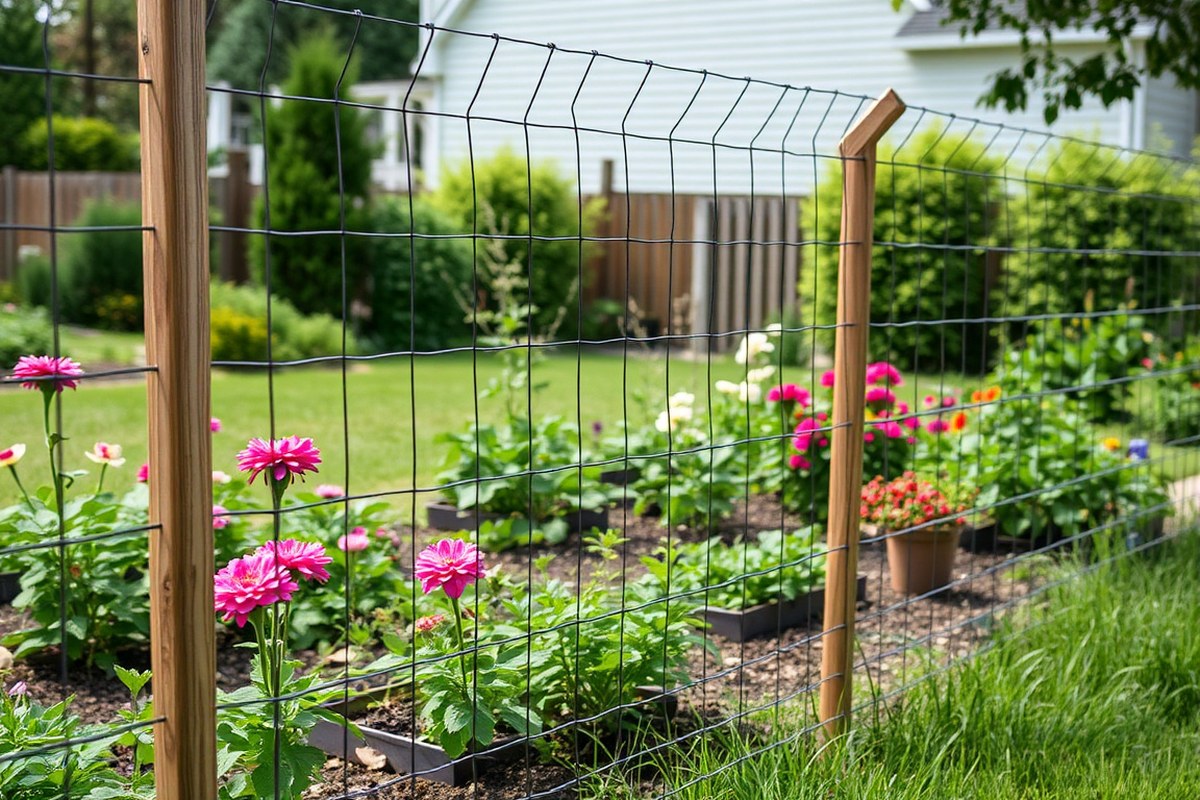
Deer can jump quite high. So your fence needs to be at least 8 feet tall.
This height blocks most deer from jumping over and getting to your plants. Shorter fences don’t stop them because deer can leap 7 to 8 feet easily.
Fence design matters too. Solid fences provide a clear barrier. But mesh or wire fences spaced tightly also work well.
You can build two fences side by side for better results. Make each fence 4 or 5 feet tall.
Leave about 3 feet of space between the fences. Deer hesitate to jump twice, so this set-up confuses them.
Angled fences improve the chance of deterring deer. The fence leaning outward at the top creates a harder obstacle for deer. Deer find this harder to jump over.
This makes the fence more effective. This design also uses gravity to help keep the fence standing firm against deer pressure.
Maintenance keeps fences working long term. Check the posts and panels every few months. Fix bends, breaks, or holes quickly so deer can’t slip through.
Remove vines or debris that weigh down the fence, making it easier to climb. Keep wire taut to prevent sagging.
Budget-friendly fences include woven wire or plastic mesh sold in rolls. These can cover large areas and cost between $1 and $3 per linear foot.
You need strong posts every 6 to 8 feet to support the fencing securely. Avoid cheap netting that tears easily or low posts that let the fence sag.
Follow these steps to install and maintain an effective deer fence:
- Measure your garden and buy at least 8-foot tall fencing material.
- Install fence posts 6 to 8 feet apart, setting them 2 feet deep in the ground.
- Attach wire or mesh tightly, making sure no gaps larger than 4 inches remain.
- Set up a double fence with two 4-5 foot tall fences spaced about 3 feet apart.
- Angle the top of the fence outward about 30 degrees for better protection.
- Check the fence every 3 months for damage or sagging and repair it fast.
- Clear plants or debris off the fence to prevent climbing aids for deer.
- Replace worn or broken netting and reinforce posts as needed for strong support.
2. Choosing Deer-Resistant Plants and How They Help

Deer tend to stay away from plants that have strong smells or rough leaves. Plants with prickles, fuzz, or hairs are unappealing for deer to munch.
Certain plants contain substances that repel deer effectively. Choose these types of plants to keep your garden safe from deer all year.
Planting deer-resistant species around your garden edges helps create a natural barrier. Thick clusters make it harder for deer to push through.
This strategy works well combined with other repellents or fences. Remember, hungry deer may still nibble plants that are less tasty if food is scarce.
| Plant Type | Characteristic | Season | Example |
|---|---|---|---|
| Toxic plants | Contain deer-deterring chemicals | Spring to Fall | Foxglove, daffodils |
| Prickly plants | Spines or thorns discourage nibbling | All year | Barberry, holly |
| Hairy or fuzzy plants | Unpleasant texture on leaves | Spring and Summer | Lamb’s ear, woolly thyme |
| Strongly scented plants | Strong aromas repel deer | Spring to Fall | Lantana, lavender |
| Woody shrubs | Tough stems and leaves | Winter | Boxwood, juniper |
Lantana stands out with a strong smell deer dislike, perfect for summer gardens. In winter, woody shrubs like boxwood work best since they stay tough and unappealing.
Some plants only deter deer when plenty of other food is available. Dense plantings of these can keep deer away from more delicate flowers and veggies.
Tip: Don’t rely on deer-resistant plants alone during harsh winters, deer get desperate.
Start by mixing these resistant plants according to your local climate zones and seasons. Use tougher plants on the outer parts of your garden as a first defense.
Fill the inside with less resistant plants that you love but want to protect. This setup helps you balance aesthetics with function while cutting down deer visits.
3. How to Use Repellents: Types, Application, and Effectiveness
Deer repellents come in commercial and homemade options, each with pros and cons. You need to reapply them regularly to keep deer from getting used to the smells. Watching for signs of deer ignoring repellents helps you know when to switch methods or reapply.
Commercial Repellent Types and Uses
Commercial repellents usually contain ingredients like putrescent egg solids, garlic oil, or capsaicin. These chemicals create bad tastes or smells to discourage deer from eating your plants. Some are spray-on liquids, while others come as granules you spread around.
They work quickly but often need reapplication after rain or watering. Stronger formulas cost around $15 to $30 for one quart. Remember to follow label directions to keep pets and other wildlife safe from exposure.
Commercial repellents work best when you apply a broad, consistent covering on leaves and stems. Reactions vary depending on deer hunger and local population.
Homemade Repellent Recipes
You can make effective natural repellents using household ingredients like garlic, soap, and hot peppers. Mix 1 cup chopped garlic, 1 tablespoon dish soap, and 1 teaspoon cayenne pepper. Add all to a gallon of water.
Stir well to create a spray. Let it sit overnight before straining and spraying on plants.
Some gardeners use rotten eggs with water as a scent deterrent. Others place crumpled soap bars around plants.
Both methods help keep animals away. These homemade options cost less but need more frequent reapplications, usually every 7 to 14 days.
- Garlic and cayenne pepper water spray
- Strong-smelling soap bars placed nearby
- Rotten egg solution sprayed or sprinkled
- Human hair clumps spread around plants
- Milk mixed with water spray for smell
Always apply homemade repellents on dry plants and in dry weather to help them stick better. These natural mixes avoid harsh chemicals but might not last as long.
Application Frequency and Conditions
Both commercial and homemade repellents lose strength after rain or watering. So reapply them every 1 to 2 weeks.
More frequent application is needed in rainy seasons or if plants get watered often. Apply repellents in the early morning or late afternoon when temperatures are cooler for better results.
Look for signs repellent is failing, such as increased bite marks or deer ignoring sprays. Deer can get used to a smell after a while. Changing repellents or mixing methods keeps them unsure.
This tactic improves your chances of success. Use a system to rotate different repellents every few weeks to maintain their effectiveness.
Keep a checklist to track application dates and weather conditions:
- Note repellent type applied and date
- Check plants after rain for reapplication needs
- Observe deer activity for signs of repellent fatigue
- Rotate repellents every 3 to 4 weeks
- Avoid overusing one scent to prevent deer adaptation
Using repellents responsibly protects other animals and your garden’s health. Do not spray near water sources or edible plant parts.
Only spray these areas if the product label says it is safe. Always follow label instructions.
4. Using Senses: Scents, Sounds, and Visual Deterrents
You can use human hair to keep deer away by tapping into their sense of smell. Deer dislike the scent of humans. So placing clumps of hair around your plants sends a clear warning.
Ask your hairstylist for cuttings or collect hair from your brush. Bundle the hair in mesh bags or pantyhose and hang them near vulnerable plants.
Replace the hair every few weeks to keep the scent strong. This method costs little but works better combined with other deterrents.
Motion-activated sprinklers and lights can startle deer and keep them out of your garden. The sprinkler sprays a quick burst of water as soon as it senses movement. You can place these near entry points or close to prized plants.
Lights trigger when deer approach after dark, creating sudden brightness that scares them off. Choose solar-powered options to save on energy.
These devices usually cost between $40 and $100 each. They work best if you keep a few around your yard.
Visual deterrents also play a part in repelling deer. Shiny things like old CDs, aluminum plates, and reflective tape shine light. They move and flash, which keeps deer away.
That confuses and unsettles deer enough to make them avoid your garden. Hanging these items from tree branches or stakes lets them catch the breeze and twinkle naturally.
Deer are cautious of unfamiliar objects. So changing locations every few days can improve results.
- Hang soap bars around your garden to use scent as a barrier.
- Use Irish Spring soap for a strong scent deer dislike but humans tolerate.
- Try wind chimes or radios to add unsettling sound to your yard.
- Set up ultrasonic noise emitters aimed at areas deer frequent.
- Combine aromatic plants with scented repellents for a multi-sensory block.
Ultrasonic devices send high-frequency sounds to keep deer at a distance. While helpful, their effectiveness varies with device quality and deer habits. Place them near plants prone to nibbling and avoid blocking sound with dense bushes.
Many models run on batteries or solar power, costing $50 to $120. When deer don’t react anymore, switch the device or move it. Using these alongside motion-activated sprinklers and visual tricks makes your garden harder for deer to approach.
Mixing several sensory deterrents works best for protecting plants. Combine human hair bags, soap scents, and shiny objects with motion-activated sprinklers and lights. Adding sounds like wind chimes creates a layered defense that keeps deer guessing.
Rotate and reposition these items periodically to prevent deer from getting used to them. Strong smells cover your plants’ scent. Sudden noises or lights scare deer.
Flashing lights confuse their senses. This approach helps minimize damage more than relying on one method.
5. Using Landscaping and Garden Layout to Reduce Deer Damage
Garden layout can shape how often deer visit and what plants they target. Taller plants like shrubs or small trees create a physical barrier that deer won’t easily cross.
Plant these around garden edges to block easy entry. They keep deer out of your inner beds.
Dense ground covers near pathways or under shrubs stop deer from walking comfortably. Plants that grow thick and close to the ground stop deer movement. They make it hard for deer to pass.
Use low hedges or prickly bushes to slow deer down. They protect delicate plants inside your garden.
Grouping plants with different heights and textures works well as a natural barrier. Plant tall, deer-resistant shrubs on the outside. Put medium-height perennials in the middle.
Use short ground covers inside. This layered setup confuses deer and makes the garden less inviting.
Elevating plants on raised beds or containers keeps them out of a deer’s easy reach. Raise a garden bed at least 12 inches above ground. This reduces deer browsing.
Deer prefer plants close to the ground. This method works best for herbs or flowers that grow well in pots or raised rows.
Scent barrier plantings also help. Strong-smelling herbs like lavender, rosemary, and mint repel deer with their fragrance. Plant these around garden entrances or mix them into flower beds.
They mask the smell of tastier plants. This form of scent barrier is low-cost and adds beauty too.
Use protective wraps like plastic tree guards or Vexar nets to shield young or sensitive plants. Make sure the barrier is about 4 feet tall.
This height stops deer from leaning over to nibble. Place barriers a few inches away from plants to avoid damage and allow growth.
Keep barriers from touching plants. Deer can use them as ladders to reach leaves.
Dense plantings and smart garden design slow deer movement and irritate their senses. You’ll see fewer deer trails after steady planting and layout changes.
Expect less damage after one season. Keep tweaking your garden’s shape to stay a step ahead of deer habits.
6. How Pets and Wildlife Management Influence Deer Activity
Dogs can help protect your garden from deer, especially if they stay outside. Their presence and scent usually scare deer away. A dog that patrols the yard regularly offers the best protection for plants.
However, dogs alone won’t stop all deer visits. Your yard might be big or full of trees. Deer can sneak in where the dog can’t go.
Dogs need to spend lots of time outside to work well. That isn’t always easy for every owner. Some pets may not get enough outdoor time.
Legal deer hunting reduces local deer populations over time. Fewer deer mean less garden damage in your neighborhood.
Hunting is usually controlled by state wildlife agencies. It follows rules to keep deer numbers balanced and healthy.
Hunting isn’t a quick fix. Deer numbers drop gradually, with effects visible over a few hunting seasons. It works better with other deer deterrents.
This is true in suburbs where hunting is limited. Hunting might even be banned there.
Pet owners should consider that dogs might stress or scare other wildlife, not just deer. Dogs can also get injured chasing animals or wandering off. Training your dog to stay in safe areas helps protect both your pet and the garden.
Professional wildlife management is worth considering if deer damage is severe and hard to manage. Experts can suggest tailored solutions, including controlled hunts, fencing recommendations, or habitat changes. This service usually costs more but can save costly plant loss.
Hunting aims to be humane by following strict laws, seasons, and limits set by wildlife agencies. These regulations help prevent overhunting and protect deer health. Many hunters practice ethical hunting to support local ecosystems and reduce damage humanely.
7. Combining Multiple Methods for Maximum Deer Protection
Combining fencing, repellents, plants, sensory deterrents, and landscaping works because it hits multiple deer senses. Using just one method leaves gaps for deer to exploit. Using sights, smells, tastes, and sounds can block deer well.
You add layers of distractions to keep deer away from your plants. This makes it harder for deer to find or enjoy your garden.
Senses to Target with Layered Deterrents
Deer rely on sight, smell, taste, and hearing to find food. Blocking or confusing all these senses reduces deer visits. Tall fences cover sight, strong-smelling plants and repellents cover smell, and bitter sprays target taste.
Adding noises like chimes or radios adds sound distractions. Combining these keeps deer guessing and less likely to risk your garden. For example, use fencing plus deer-resistant herbs and a scent repellent applied every two weeks.
Timing and Rotating Strategies
Start protecting in early spring, when deer begin feeding heavily. Rotate repellents and sprinklers or scare devices every few weeks. Deer get used to the same scent or sound quickly if it never changes.
Plan outdoor fencing installation before cold months if possible. Use plants that grow year-round or replant annually with deer-resistant options. Rotate smells and tastes at least monthly to keep deterrents fresh and effective.
Avoiding Pitfalls in Method Combination
Common mistakes include relying only on scent repellents or only fencing without layering. Not rotating repellents lets deer get used to smells or tastes. Also, putting fences too short or uneven allows easy jumping over.
Failing to monitor your garden regularly may let damage go unnoticed. Overusing too many strong scents together may repel beneficial pollinators oddly. Plant smell or taste deterrents need to actually grow well in your zone and soil.
- Install fencing at least 8 feet tall, especially on flat ground
- Apply taste repellents every 14 days, more often in rain
- Use herbs like lavender, garlic, and mint around borders
- Rotate sound and scent deterrents every 3, 4 weeks
- Check fencing for gaps or damage weekly during growing season
- Evaluate plant damage monthly and adjust methods accordingly
Watching closely and varying methods keeps deer off your plants. Your layered approach discourages all deer senses and reduces risk over time. When one method fails, the others keep your garden safe.
8. Maintaining and Troubleshooting Deer Deterrents Year-Round
Keeping deer deterrents working all year means regular care and sometimes a change of tactics. Checking fences, refilling repellents, and testing electronic devices prevent deer from getting used to your defenses. Watch for changes in deer behavior, especially around mating season, and adjust your approach as needed.
Seasonal Maintenance Tasks
Spring and fall are key times to inspect fences for holes or leaning posts. Deer can push through gaps as small as 8 inches.
So fix even tiny openings fast. Clear brush and remove fallen leaves or branches to keep repellents and sensors visible and effective.
Repellents lose strength after rain or heavy dew. Reapply every 2 to 4 weeks, more often if it rains. Store backup spray in a cool, dark place to keep its smell sharp.
- Check fence tension and posts twice yearly.
- Trim plants near barriers to avoid hiding spots.
- Reapply repellents after heavy rain or every 3 weeks.
- Test electronic devices monthly to confirm battery life.
- Clean sensors and solar panels regularly for accuracy.
These steps keep your deterrents in top shape and avoid deer slipping through. Seasonal care keeps your garden tidy and less attractive to deer browsing.
Troubleshooting Common Issues
Electronic deterrents like motion-activated lights may stop working if batteries run low. Replace batteries every 3 months or more often if activity spikes. Check that sensors aren’t blocked by leaves or dirt.
If repellents stop working, deer may have grown used to the scent. Rotate different types every few weeks. Combining scents with physical barriers confuses deer better than one method alone.
Don’t ignore small gaps or weak spots in fences. Deer quickly find a way through.
Fences sag or shift after storms or frost heave. Tighten wires or replace sagging sections within a few days of noticing. This stops deer from testing your fence repeatedly until they pass.
When to Upgrade or Change Methods
Replace repellents yearly to maintain scent strength. Expired sprays lose effectiveness and can waste your money. Check expiration dates when buying and after opening.
Install taller or double-layer fences if deer keep jumping or pushing through. Fences under 8 feet or with loose wire lose their edge. Adding an angled top wire toughens barriers further.
Deer habits shift during mating season, making them bolder. Use multiple deterrents together and swap tactics each month to keep them guessing. This mix reduces the chance that deer adapt and eat your plants.
Your Step-by-Step Action Plan to Keep Deer Away
Start protecting your plants today by following these clear steps. You’ll see fewer deer visits as you go.
- Before planting: Choose deer-resistant plants for your garden. Notice fewer munch marks within weeks.
- Week 1: Install a tall deer fence around your garden area. Check its height and gaps to stop deer getting in.
- Week 2: Apply a deer repellent spray to your plants. Reapply after rain and watch if deer avoid those spots.
- Week 3: Add scent deterrents like predator urine or garlic near your plants. Track deer activity to see if it drops.
- Month 1: Rearrange plants and add dense shrubbery to block deer paths. Look for fewer broken branches or trampled plants.
- Month 2: Use motion-activated lights or noise makers during dusk or dawn. Deer usually avoid sudden sounds and lights.
- Month 3 and beyond: Keep pets in your yard often, especially when deer are active. Pets’ presence helps scare deer off naturally.
- Monthly: Inspect and fix your fence, reapply repellents, and update deterrents. A maintained setup keeps deer away longer.
Frequently Asked Questions
Can Deer Become Immune to Repellents over Time?
Yes, deer can get used to repellents if used alone. Rotate methods regularly to keep them effective.
Is Deer Damage Worse During Certain Seasons?
Deer damage is usually worse in spring and fall. Plants are tender in spring and food is scarce in fall.
Does Deer Urine Spray Really Keep Deer Away?
Deer urine can work well by marking territory. Apply fresh sprays often to maintain the scent’s power.
Can Deer Jump over Fences Shorter Than 8 Feet?
Yes, deer can jump fences up to 8 feet high. Fences need to be taller or angled to block them.
Will Deer Avoid Gardens with Strong-Smelling Herbs?
Yes, herbs like garlic and lavender can deter deer. Plant them around your garden edges for best effect.
Are Motion-Activated Lights Effective Against Deer?
They can scare deer temporarily but may lose effect. Use with other deterrents for better protection.
Final Thoughts
Deer can seriously damage your plants, but you have many options to stop them. Start with one action now, like setting up a fence or spraying repellents. You’ll protect your plants better and enjoy your garden stress-free.