How to Keep Plants Warm During Winter: 8 Proven Ways That Work
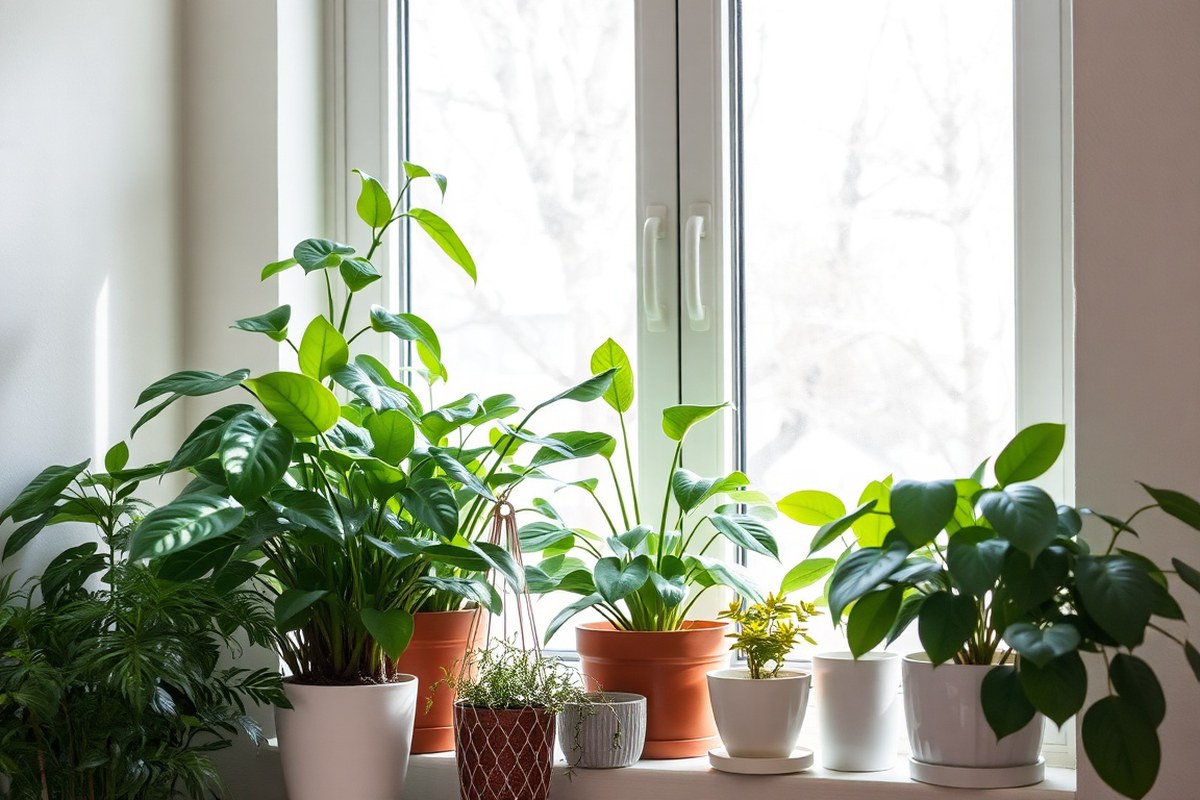
Keeping plants warm during winter is essential for their health. Avoid cold drafts and sudden temperature drops that can harm plants. Maintain a steady temperature between 65 and 75 degrees Fahrenheit for most houseplants.
Don’t place plants directly on cold floors to protect their roots. Move plants to bright rooms that stay warm throughout the day. Keep them away from chilly windows and doors, especially at night.
Use thermal curtains to reduce heat loss through cold windows. Humidity levels of 50 to 60 percent help prevent plant stress in dry winter air. Group plants together or use a humidifier to keep the air moist.
Setting trays of water near plants is another way to add moisture. These practical steps help your plants stay comfortable in colder months.
Key Takeaways
- Keep plants indoors where temperatures stay between 65 and 75°F for best results.
- Move plants away from drafty windows and doors to reduce cold shock.
- Maintain indoor humidity around 50, 60% to prevent plant dryness.
- Choose bright rooms with consistent warmth to place your plants.
- Check night temperatures stay above 55°F to avoid frost damage.
- Avoid placing plants directly against cold window panes.
1. How to Keep Plants Warm During Winter Effectively
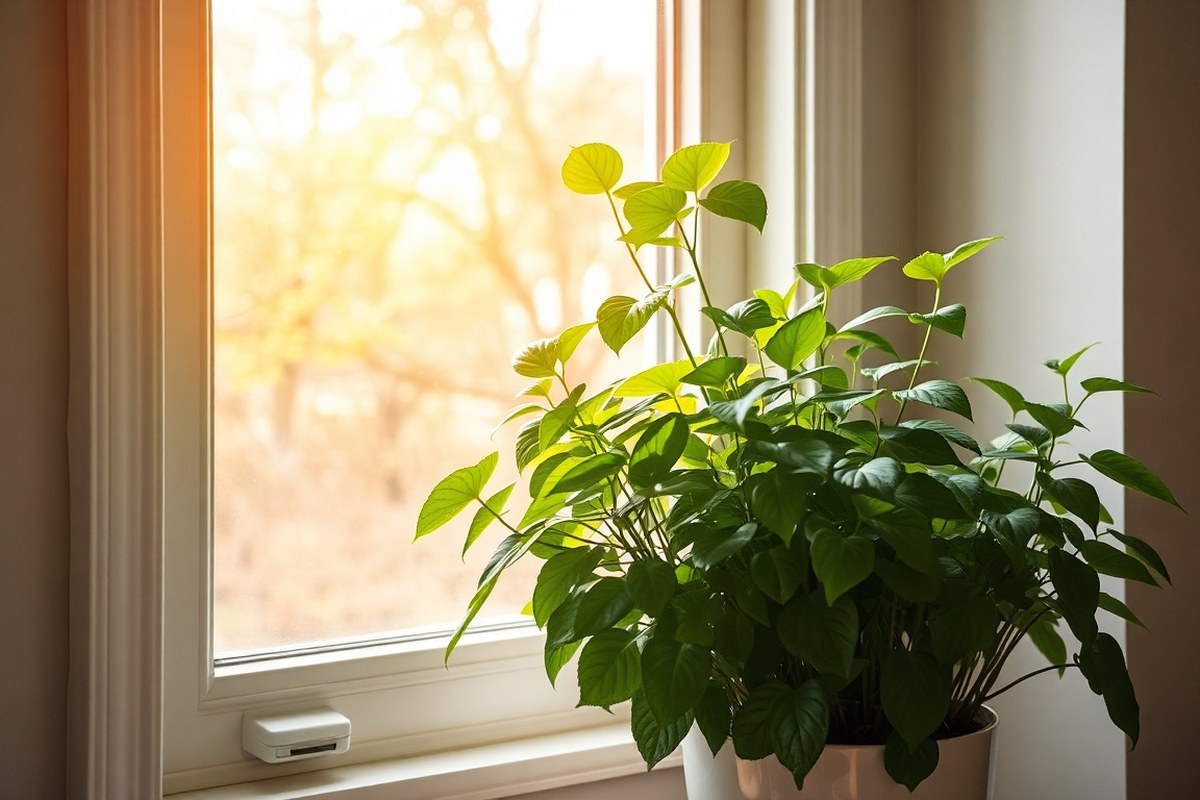
Keeping plants warm during winter means creating cozy spots without causing damage. For indoor plants, pick a warm room away from cold drafts. Outdoor plants need protection like blankets or mulch to block freezing winds and hold heat.
You can combine methods for better warmth. For example, use a heat mat under pots indoors while also moving them to sunny spots.
Outside, cover plants with frost blankets and add mulch around their base. Just don’t overheat or overwrap plants, or they might suffer rot or stress.
General safety means watching temperatures closely. Avoid spots below 40°F indoors and protect outdoor plants from below freezing.
Heat sources should have a thermostat or auto shut-off to prevent burns or fire. Keep grow lights and heaters away from leaves to stop damage.
- Place indoor plants near south-facing windows for sun warmth, but avoid cold drafts.
- Set heat mats under containers to give gentle warmth from below (typically 70°F to 85°F).
- Cover outdoor plants at night with frost blankets or old sheets, securing them well.
- Apply a thick layer of mulch, like straw or bark, around outdoor plant bases.
- Group plants together indoors or outdoors to share warmth and block wind.
- Use a space heater with humidifier indoors to keep air warm and moist safely.
- Move seedlings or young plants into mini-greenhouses for extra protection.
Taking these steps lets both your indoor and outdoor plants handle winter better. Attention to temperature and moisture helps avoid cold stress while keeping plants comfortable. Simple setups like group placement and covers cost little but protect against the harsh chill.
2. Which Temperatures Are Safe and Too Cold for Your Plants
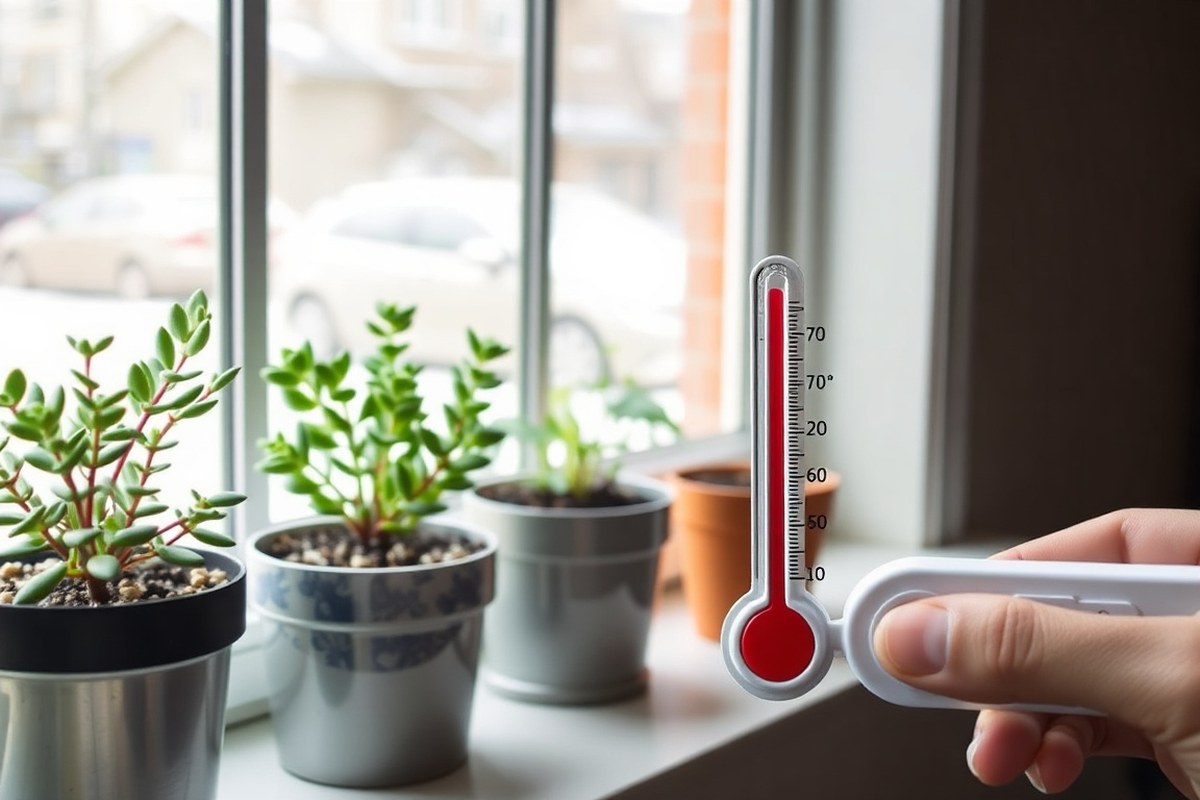
Most houseplants grow best in daytime temperatures between 65 and 75°F (18 to 24°C). At night, they tolerate slightly cooler ranges of 55 to 65°F (13 to 18°C). Tropical plants typically struggle once temperatures drop below 59°F (15°C) for extended periods.
Outdoor species vary widely. But many start to show damage below 40 to 50°F (4 to 10°C).
Cold damage often begins when temperatures fall below 50°F (10°C). Roots can freeze if exposed to frost or 32°F or lower. This is a risk after just a few hours of cold.
Protect roots from prolonged freezing to keep plants safe. Tropical houseplants can survive only a few hours below 59°F (15°C) before suffering. Hardy vegetables and ornamentals can usually handle nights down to 55°F (13°C).
Checking temperatures regularly helps you avoid stress to your plants. Bringing tropical plants inside before cold snaps keeps them safe. Letting outdoor plants freeze can kill them or stunt growth for the year.
Nighttime temps need more steady care than daytime cold. Chilly nights cause more stress to plants than short cold spells. Try to keep nights warmer for healthier plants.
| Plant Type | Ideal Daytime Temperature | Safe Nighttime Temperature | Temperature where Damage Begins |
|---|---|---|---|
| Most Houseplants | 65, 75°F (18, 24°C) | 55, 65°F (13, 18°C) | Below 50°F (10°C) |
| Tropical Plants | 70, 85°F (21, 29°C) | 60, 65°F (16, 18°C) | Below 59°F (15°C) |
| Outdoor Vegetables & Ornamentals | 65, 75°F (18, 24°C) | 55, 65°F (13, 18°C) | Below 40, 50°F (4, 10°C) |
| Cold-Hardy Greens | 50, 65°F (10, 18°C) | 40, 50°F (4, 10°C) | Approximately 32°F (0°C) |
Keeping plants away from drafts and cold window areas stabilizes their microclimate. Kitchens and bathrooms often provide warmer spots with humidity, helping tropicals.
For plants sensitive to cold damage, you need to maintain consistent warmth rather than quick fixes. This prevents dropped leaves and root damage.
Always move tender plants indoors before nighttime temps dip below 59°F to avoid cold shock.
Plants spend the night cooling down. So nighttime temperatures below their safe range cause more harm.
Roots are especially vulnerable to freezing, which kills the plant. A digital thermometer placed at plant level helps monitor these cold spots closely.
3. Insulating Plants: Wrapping, Mulching, and Using Covers
Use bubble wrap, frost blankets, mulches, and plastic covers to insulate plants. These materials help trap heat and protect plants from freezing temperatures. Applying insulation carefully avoids damage and helps plants survive winter.
Choosing Suitable Insulating Materials
Bubble wrap works well for pots and small indoor plants. It holds warmth around the plant and pot without suffocating them. Frost blankets or frost cloths protect outdoor plants and let air circulate, unlike plastic sheeting.
Mulch, such as straw, shredded bark, or leaves, protects roots from freezing. Choose natural mulch for outdoor beds.
Plastic covers block cold air but risk moisture buildup. Use clear plastic to allow sunlight.
Proper Wrapping and Covering Techniques
Start by gently removing dead leaves from your plant to avoid mold. Wrap bubble wrap around pots with the bubbles facing inward for better insulation. Secure it loosely with tape or string to allow some airflow.
For frost blankets, drape the cloth over plants before the temperature drops below 32°F. Anchor edges with rocks or stakes to keep wind from blowing it away. Avoid wrapping plastic or quilts tightly; plants need some air.
Mulching Tips for Effective Root Protection
Apply mulch in a 2 to 4 inch layer around the base of outdoor plants. Keep mulch 1 to 2 inches away from the plant stem to prevent rot. Mulching insulates roots and keeps soil temperature stable through cold nights.
Use fresh organic materials like straw or shredded leaves for good moisture retention. Avoid heavy or compacted mulch that can trap too much water. Add mulch after the first frost to prepare for colder spells.
Avoiding Condensation and Rot Under Covers
Ventilate covered plants daily on warmer afternoons to reduce moisture buildup. Excess moisture under covers creates rot and fungal problems. Loosen ties or prop covers up slightly to allow airflow.
Use frost blankets over plastic covers when possible. Cloth breathes better, reducing trapped moisture. If condensation appears under plastic, remove the cover during the day for a few hours.
- Choose appropriate material based on plant size and location.
- Clear plant debris and prune damaged leaves before wrapping.
- Wrap pots with bubble wrap, leaving some air gap for circulation.
- Drape frost blankets over outdoor plants before frost nights.
- Anchor covers securely to protect against wind.
- Apply 2 to 4 inches of mulch around outdoor plant roots, avoiding direct contact with stems.
- Check covers daily; loosen ties or remove covers on warmer days.
- Watch for moisture buildup and raise covers to improve airflow if needed.
4. Adjusting Watering and Humidity for Winter Warmth
Water your plants less often in winter but do not let the soil dry out. Keep humidity around 50% to stop cold stress and dehydration. Use trays or humidifiers to keep moisture in the air without wetting leaves too much.
Winter Watering Frequency and Volume
Cut back on watering during winter since plants grow more slowly. The soil should stay moist but not wet or soggy.
Water indoor plants every 10 to 14 days, depending on their type and pot size. Outdoor plants may need watering every 7 to 10 days if the soil is dry.
Water in the early afternoon when the sun warms up the soil. Use lukewarm water to avoid shocking the roots with cold water.
Maintaining Ideal Humidity Levels
Keep humidity above 50% to reduce leaf drying and cold damage. Dry indoor air in winter can cause leaf edges to brown and curl.
Group plants close together. This traps moisture released from leaves, slowly raising humidity near them.
Keep plants away from cold window panes to protect their foliage. Cold air near glass can quickly stress leaves.
Using Pebble Trays and Humidifiers Safely
Pebble trays add humidity without soaking plant roots. Fill a tray with pebbles.
Add water beneath the pots. Don’t let pots sit in water.
Humidifiers keep air moist steadily but watch that moisture doesn’t wet leaves or cause mold. Clean them regularly to avoid germs.
Misting leaves is not a good long-term fix. It can cool leaves too much or promote fungus if done often.
- Choose a tray just larger than the pot bottom.
- Fill the tray with clean pebbles about 1 to 2 inches high.
- Add water until it sits just below the tops of the pebbles.
- Place the plant pot on top of the pebbles, not in the water.
- Check water level every 3 to 4 days and refill as needed.
- Use a cool-mist humidifier nearby and keep it clean.
- Group several plants together to raise humidity naturally.
Signs of Overwatering and Underwatering
Yellow, soft leaves and moldy soil usually mean you’re watering too much. Overwatering in cold winter soil can rot roots.
Dry, crispy, or brown leaves mean your plant may need more water or humidity. Check soil moisture before watering again.
Proper watering and humidity work together to keep plants healthy and less vulnerable to cold damage. Both prevent dehydration and cold stress effectively.
5. Using Supplemental Heat Safely: Mats, Heaters, and Grow Lights
Heating mats are best for small pots and seed trays. They warm the soil roots gently but can’t heat large pots well. Space heaters work well for room areas.
Keep plants away from direct heat. This helps avoid burns. Grow lights mainly boost light but add slight warmth without stressing plants.
Heating devices need safe placement to avoid danger. Put mats under pots on non-flammable surfaces like tile or concrete.
Keep space heaters at least 3 feet away from plants and never leave them unattended. Position grow lights about 12 to 24 inches above plants for light and mild heat.
Here’s a quick guide comparing these devices to help you decide what fits your situation:
| Device | Best Use | Heat Output | Power Cost | Safety Notes |
|---|---|---|---|---|
| Heating Mat | Small pots, seedlings | Gentle root warmth | Low to moderate | Must not overheat soil; use thermostat |
| Space Heater | Warming rooms with plants | Moderate to high | High | Keep 3 feet from plants; do not leave on unattended |
| LED Grow Light | Supplement light indoors | Low warmth, mainly light | Low to moderate | Maintain proper distance; avoid overheating |
Setting a thermostat with heating mats helps avoid burning roots. Space heaters should have tip-over protection and an automatic shutoff.
Don’t position devices where water spills can cause shock. Regularly check cords for damage and unplug heaters when not used.
Grow lights support winter growth and add slight warmth. But don’t depend on them solely for heat. They also save energy compared to space heaters.
For extra warmth indoors, use heating mats. Combine them with grow lights. This keeps small plants cozy and well lit.
Always keep heaters away from flammable material and never leave them running unattended near your plants.
6. Positioning Plants Indoors to Maximize Warmth and Light
Find the warmest room in your home to place your plants. Usually, this is a south- or east-facing room with bright, indirect sunlight. Avoid rooms that use air conditioning or have strong drafts near windows and doors.
Cold drafts from windows and doors can quickly drop the temperature around plants. Keep your plants 2 to 3 feet from windows or doors. These spots often open and let in cold air.
This helps protect your plants from drafts. Use draft blockers or heavy curtains on cold nights to reduce chill near vulnerable plants.
Grouping plants together helps keep them warmer by trapping heat around their leaves. Place pots close but not touching to allow air circulation. Plants can get extra warmth on warm spots indoors.
Try placing them on a fridge or kitchen counter. These areas stay warmer during short winter days.
- Place plants near east-facing windows for morning sun warmth.
- Keep plants off cold floors; use shelves or plant stands.
- Group plants to create a mini warm microclimate.
- Avoid window ledges with ice-cold glass or frost.
- Use thick curtains after dark to block cold drafts.
- Move plants temporarily to the kitchen for extra warmth.
Check windows for cold spots by feeling for drafts on a chilly day. Don’t place delicate plants where you see cold air drafts. Move them away to prevent damage from chilly winds.
Move plants slightly inward away from cold drafts. Use insulating panels behind pots to keep roots warm. This helps protect them from cold surfaces.
Bring plants indoors a week before the cold hits to help them adjust. Keep them away from heating vents that dry air too fast. When placed right, your plants get enough warmth and light to stay healthy all winter long.
7. Protecting Outdoor Plants: Greenhouses, Compost Heat and Covers
Keeping outdoor plants warm during winter can involve several special techniques. You can use greenhouses, compost heat, and frost blankets to protect plants from freezing temperatures. These methods help guard roots and stems, supporting plant survival in colder weather.
Using Mini Greenhouses and Cloche Covers
Mini greenhouses or cloches trap warmth and protect plants from cold drafts. They create a small warm space around your plants. This keeps the air and soil warmer than outside.
Your plants get better protection from the cold. This can raise the temperature by several degrees, especially overnight.
Place them over sensitive plants in your garden or yard. Clear plastic or glass versions work best for letting light through while trapping heat. You can also bring smaller greenhouses indoors to shelter delicate plants.
Using Compost Heat for Root Zone Warmth
Compost piles generate heat as microbes break down organic matter. This heat can raise soil and air temperatures nearby by 20°F or more. It helps keep plant roots warm, especially during cold snaps.
Build a compost heap near your outdoor plants or garden beds. The warmth will gently spread, creating a microclimate that reduces frost risk and soil freezing.
Applying Frost Blankets and Mulches Effectively
Frost blankets are lightweight fabrics that cover plants to hold in warmth. They stop frost from settling directly on leaves, stems, and soil. Mulching the soil surface also insulates the roots and holds heat in the ground.
Use materials like fleece or polypropylene for frost blankets. Spread a 2- to 4-inch layer of organic mulch.
Use straw or shredded leaves to cover the soil. This helps keep the soil warm around plants.
Timing and Removing Outdoor Covers Safely
Put frost blankets and covers on before temperatures drop below 32°F. Remove them during sunny daytime hours to prevent overheating and moisture buildup. Leaving covers on too long can lead to disease and weaken plants.
Check the weather daily during winter’s cold spells. Remove covers gently each morning after frost melts.
Put them back in the evening before cold returns. This protects plants without trapping too much moisture.
- Choose the right protection: mini greenhouse, compost pile, or frost blanket.
- Set up greenhouses or cloches over your plants securely to trap heat.
- Build a compost heap near plants to provide warmth to root zones.
- Apply a 2- to 4-inch mulch layer around roots to insulate soil.
- Drape frost blankets over plants before frost is predicted.
- Remove covers during sunny days to avoid overheating and moisture.
- Monitor daily night temperatures and replace covers before nightfall.
8. Common Mistakes and How to Avoid Cold Damage to Plants
Cold damage often shows as wilting, blackened leaves, or mushy stems. Frost can create water-soaked patches that feel soft and limp.
Spot these signs? Act quickly to protect and help your plants recover.
Overwatering is a big mistake in winter. When the soil stays wet, roots can rot because cold slows their ability to absorb water. To fix this, check soil moisture before watering.
Let the top inch dry before watering. Water lightly if needed. Most houseplants need water about once every 1-2 weeks.
Too much supplemental heat causes leaf scorch or curled edges. Heat mats or heaters should stay around 60-75°F (15-24°C) and not get hotter.
Keep some distance between heat sources and plants. Use timers or thermostats to control temperature and avoid overheating.
Drafts from windows or doors stress plants and cause cold shock. Place your plants away from chilly airflow or seal gaps with weather stripping.
Monitor any cold spots by feeling for cold air pulses near plant pots, especially at night. Drafts can undo other warming efforts quickly.
- Check plants daily for frost patches or shriveled leaves
- Water only when soil is dry on the surface
- Set heaters between 60-75°F and use a thermostat
- Keep plants away from drafty windows and doors
- Group plants but don’t crowd them near cold windows
- Avoid placing compost heat sources too close to plastic walls
Cold damage can stall growth or kill plants if ignored. After spotting frost issues, trim dead leaves and move plants to warmer spots.
Give gentle watering, not soaking, during recovery. For severe rot from overwatering, repot in fresh soil and cut dead roots.
Never place plants directly against a cold window, even if grouped tightly together.
Step-by-Step Action Plan for Keeping Plants Warm This Winter
Follow these steps to protect your plants from cold damage and help them thrive. You’ll see progress as your plants remain healthy and avoid frost stress.
- Before cold weather starts: Move sensitive indoor plants to sunny windows. They will get natural light and warmth there. Check daily for drafts near these areas.
- Day 1: Wrap outdoor plants with frost cloth or burlap. Confirm covers stay dry and secure to hold heat overnight.
- Week 1: Mulch around outdoor plants with 2 to 4 inches of straw or shredded leaves. Notice if soil temperature stays higher in the mornings.
- After 1 week: Use a heat mat or grow lights for plants. This helps if they struggle in cold spots. Ensure plant leaves feel warm, not hot, to avoid burning.
- Weekly: Check soil moisture regularly, watering only when soil feels dry to the touch. Avoid overwatering that chills roots.
- During cold snaps: Bring potted outdoor plants inside or into a sheltered spot. Watch for any wilting or leaf drop indicating cold stress.
- Monthly: Adjust watering and humidity for indoor plants, increasing humidity if leaves look dry or droop.
- After winter: Gradually remove covers and reduce supplemental heat as outdoor temperatures rise above 50°F. Observe plant responses to the changing conditions.
Frequently Asked Questions
How Can I Protect My Plants from Sudden Temperature Drops in Winter?
Use portable covers or move plants indoors during cold snaps. Monitor weather so you act before temperatures fall too low.
Are There Specific Types of Mulch Better for Winter Insulation?
Organic mulches like straw or wood chips work best. They retain heat and keep the soil temperature stable around plant roots.
Can I Use Household Items to Keep Plants Warm Without Special Equipment?
Yes, items like bubble wrap or old blankets help insulate plants. Just avoid wrapping too tightly to allow air circulation.
How Do I Prevent Condensation Buildup When Covering Plants in Winter?
Leave some air pockets or ventilation holes in covers. This reduces moisture buildup that could cause fungal diseases.
Is It Helpful to Cluster Plants Together for Winter Warmth?
Yes, grouping plants reduces heat loss by creating a shared microclimate. Place them away from drafts for extra protection.
When Is It Better to Bring Outdoor Plants Inside for Winter?
Bring them inside if nighttime temps regularly drop below their tolerance. This prevents freeze damage on sensitive plants.
The Bottom Line
Keeping plants warm in winter takes some effort but pays off with healthier growth. Start by moving plants to warmer spots indoors or covering outdoor plants now. Protecting your plants early helps them stay strong through the cold months.