When to Start Petunia Seeds Indoors: A Complete Guide for Perfect Summer Blooms
Wondering when to start petunia seeds indoors? The best time is 10 to 12 weeks before your last expected frost date.
This timing gives seeds enough warmth and light to sprout strong seedlings before outdoor planting. Starting too early or late can stunt growth or delay blooming.
Check your local frost date calendar to plan your sowing day. Aim for the period when night temperatures stay above 40°F to minimize shock later. Keep the soil warm, around 72 to 76 degrees Fahrenheit, to speed up germination.
Use grow lights for 14 to 16 hours daily right after sowing. This ensures your seedlings get enough light indoors and grow into compact, bushy plants. Without sufficient light, petunia seedlings stretch and weaken quickly.
Key Takeaways
- Begin growing petunia seeds indoors about 10 to 12 weeks before your last frost.
- Maintain soil temperature between 72-76°F for fastest seed germination.
- Use grow lights 14-16 hours daily to prevent leggy seedlings.
- Check local frost dates to pick the right sowing time.
- Start seedlings indoors early enough to develop before outdoor planting.
- Avoid starting seeds too late to prevent delayed blooms.
When to Start Petunia Seeds Indoors by Frost Date
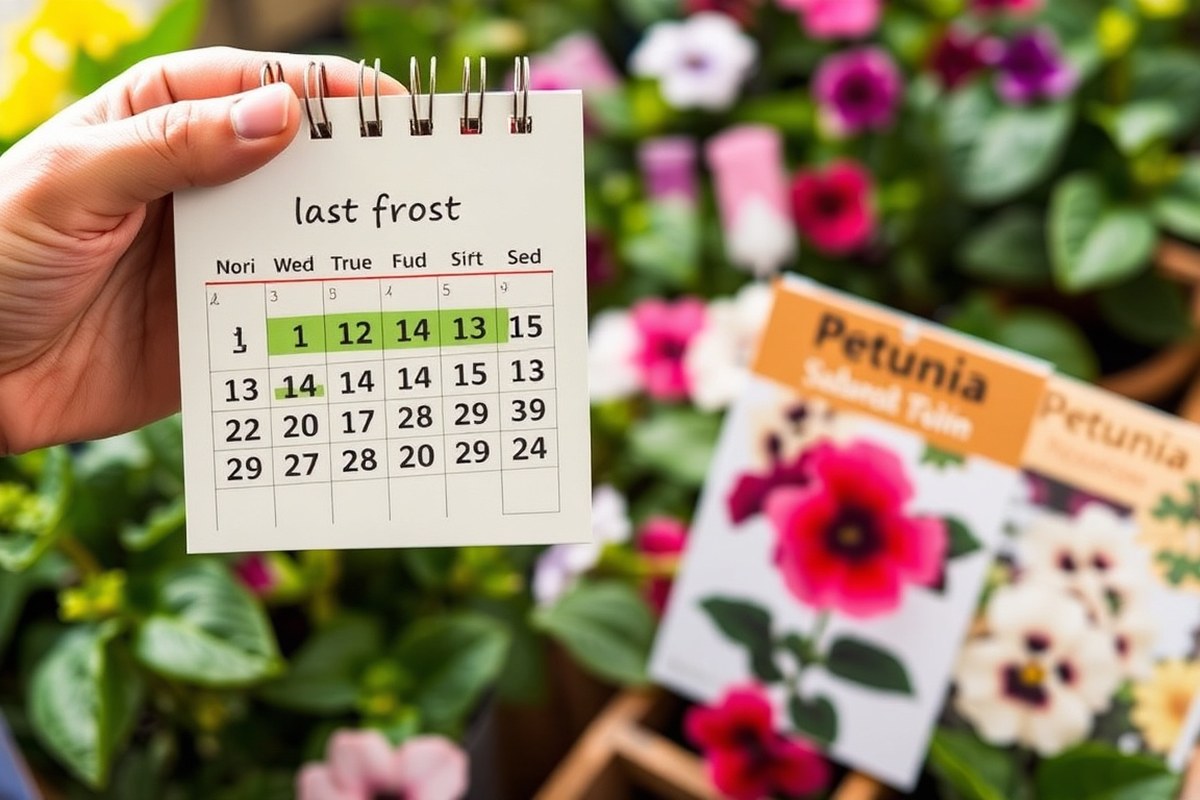
Start petunia seeds indoors about 10 to 12 weeks before your area’s last frost date. This timing lets the seedlings grow strong inside before they face outdoor temperatures.
Planting too early wastes energy growing spindly seedlings. Starting late means smaller plants or delayed blooms.
Check your local gardening source or extension office website. You can also find frost dates on seed packets. This helps you learn your last frost date.
This date is when frost stops being a threat in spring. Count backward 10 to 12 weeks from that date to pick your indoor sowing day. For example, if your last frost is April 15, start seeds between mid-January and early February.
Petunias need this head start indoors because they dislike cold soil. Direct sowing outdoors risks frost damage and poor germination. Keep soil warm indoors around 70°F to help seeds sprout.
Good warmth boosts germination. You can watch seedlings grow with controlled lighting. This helps you get healthy plants ready to transplant after frost danger ends.
The timing changes by your USDA hardiness zone. Zones with earlier last frost dates start seeds sooner, while colder zones wait longer. Here’s a rough schedule for common zones:
| USDA Zone | Start Seeds Indoors | Last Frost Date |
|---|---|---|
| 9-10 | January | February 15 |
| 7-8 | February | March 15 |
| 5-6 | March | April 15 |
| 3-4 | March, April | May 15 |
Zone 9 growers often treat petunias as cool-season plants, sowing in fall or winter. Cooler zones must wait closer to spring to start indoors. Some gardeners start seeds 6 to 8 weeks before last frost.
This shortens the time plants stay inside. It helps them grow strong indoors. But 10 to 12 weeks gives bigger blooms.
Track your last frost with an online tool or your local farm office. Write down your start date and set reminders. This keeps your seed project on time and avoids growing tired seedlings indoors.
Starting petunias indoors on time leads to early flowers. You get healthy blooms that last all season. This timing benefits your garden’s look.
Choosing the Best Containers and Soil for Petunia Seeds
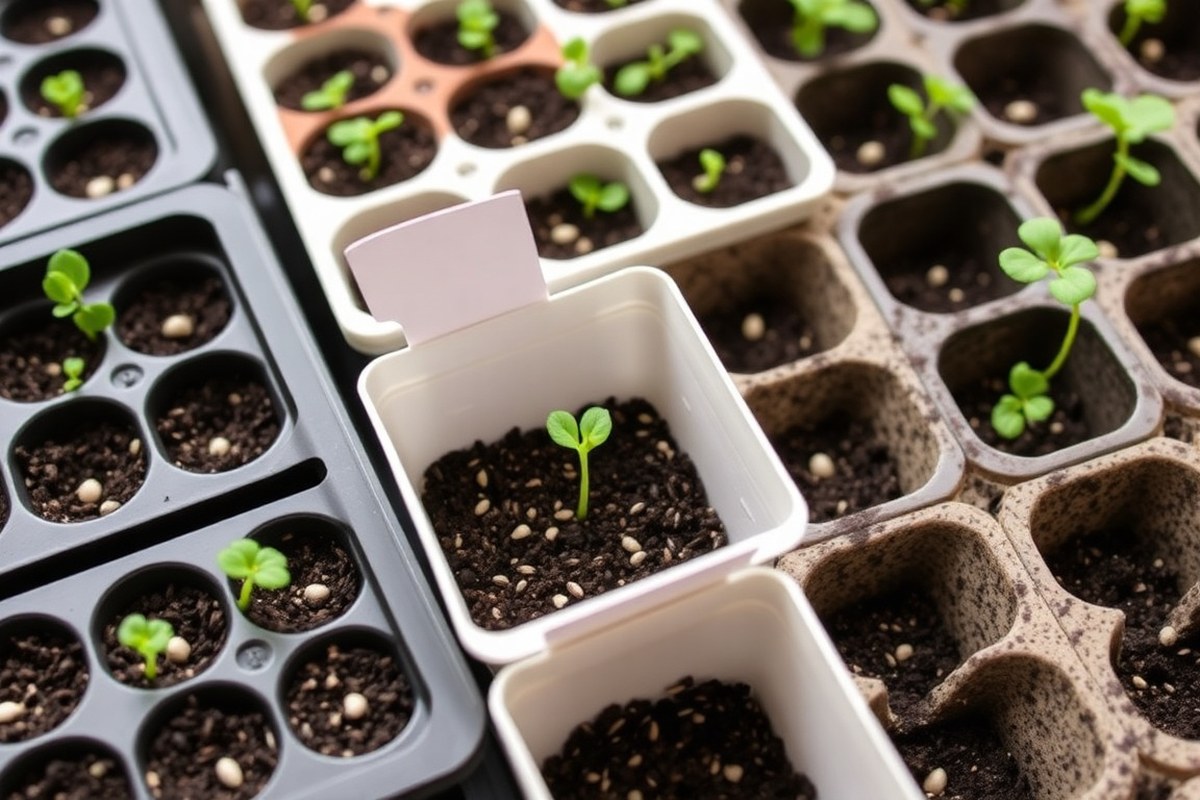
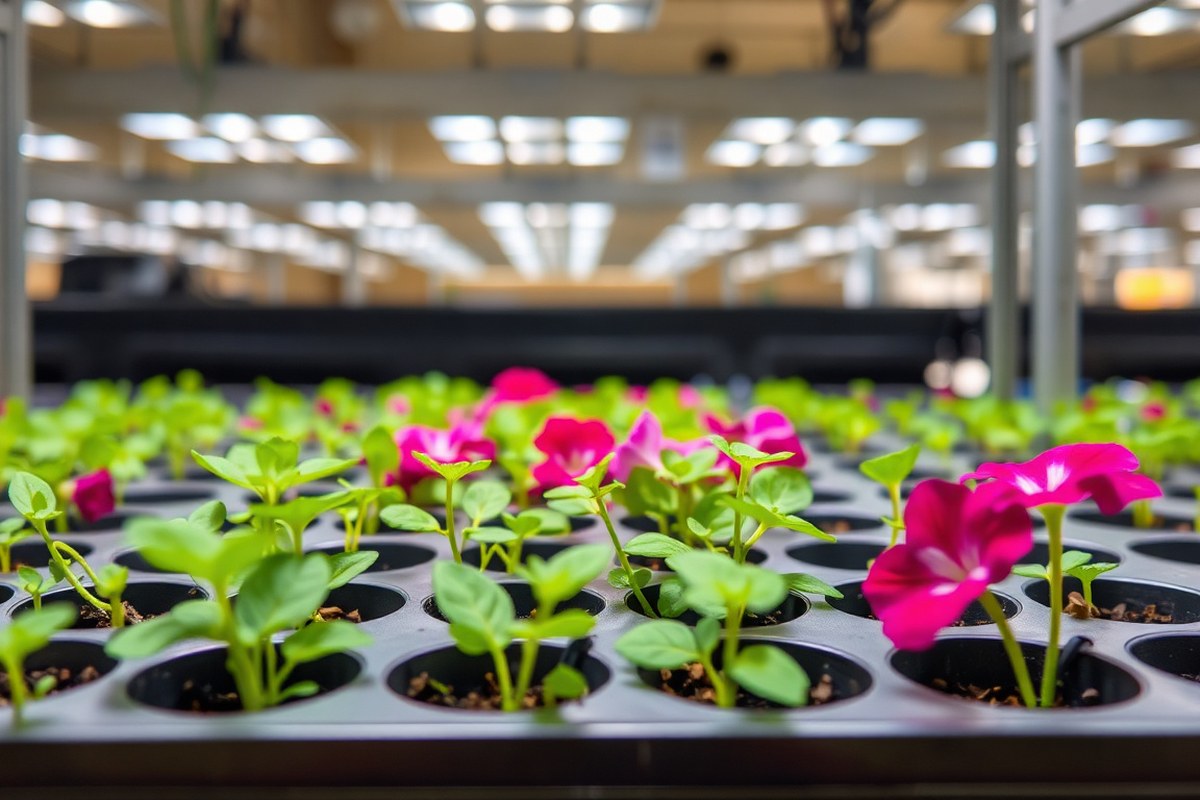
Choose containers with drainage holes to prevent water buildup and root rot. Small pots about 3 to 3.5 inches wide, seed trays, or reused containers work well. Make sure containers are clean or sterilized before use to avoid diseases.
Use a sterile, soilless seed starting mix. This mix drains well and holds moisture evenly, critical since petunia seeds are tiny and sensitive. Moisten the mix before filling your containers to keep moisture consistent without overwatering.
Petunia seeds require light to sprout, so avoid covering them with soil. Spread the seeds gently on top of moist soil. Keeping the seeds on the surface gives them the light needed to start growing, usually in 7 to 10 days at around 75°F.
| Container Type | Size | Drainage |
|---|---|---|
| Seed Tray | Multiple small cells, 1-2 inches wide | Drainage holes in bottom |
| Small Pot | 3-3.5 inches wide | Must have drainage holes |
| Reused Container | Varies | Add drainage holes before use |
| Plug Tray | Small cells, for single seedlings | Drain holes essential |
Fill your container with seed starting mix, moisten it, then sprinkle petunia seeds on top. Keep the soil moist but not soggy.
Petunia seeds are very small. So avoid pushing them into the mix or covering them with soil.
Be careful with moisture levels. Too wet or poor drainage can cause seeds to rot before sprouting. Good moisture keeps seeds from drying out and encourages even germination.
Always check that containers drain well to avoid soggy soil and root rot.
How to Sow Petunia Seeds Indoors Correctly
Petunia seeds are tiny and need light to germinate. So you only press them on the soil surface. Pelleted seeds make handling easier because they are coated and larger.
Keep the soil surface moist. Maintain warmth around 75°F. Seeds sprout in 7 to 14 days.
Preparing the Seed Tray and Soil
Use a clean seed tray with drainage holes to avoid soggy soil. Fill it with a fine, moist seed-starting mix that drains well but holds water evenly. Moisten the mix before sowing so it feels damp but not wet, like a wrung-out sponge.
Allow water to drain fully from the tray before planting seeds. This prevents the growing medium from becoming waterlogged, which slows germination and invites rot. Maintain a soil temperature near 72 to 76 degrees Fahrenheit for best results.
Sowing Petunia Seeds Evenly on the Surface
Petunia seeds need to be surface sown because they require light to germinate. Hold pelleted seeds and sprinkle them evenly on the moist soil’s top. For regular dust-fine seeds, gently press them onto the surface without covering with soil.
Space seeds lightly to avoid clumping and make thinning easier later. Do not bury the seeds unless they are large.
For bigger seeds, cover them lightly with soil. Press seeds gently to ensure contact with moisture without pushing them too deep.
Watering Techniques and Covering Seeds
After sowing, mist the soil surface daily to keep seeds moist without disturbing them. Avoid pouring water directly on seeds.
This can wash them away or bury them too deep. Lift any plastic cover each day to air out the soil, reducing fungal risks.
Use a clear plastic dome or wrap loosely with plastic wrap to retain humidity. Remove the cover briefly every day to prevent mold.
Keep the soil evenly moist but not soaked. Aim for a damp surface for seeds to absorb water.
- Fill a clean seed tray with moist, well-draining seed-starting mix.
- Let excess water drain out to avoid soggy soil.
- For pelleted seeds, sprinkle them evenly across the soil surface.
- For fine seeds, press gently onto the soil without covering.
- Mist the seed surface daily to keep it moist without washing seeds away.
- Cover loosely with plastic to keep humidity high but lift daily to let air in.
- Maintain soil temperature between 72°F and 76°F for 7 to 14 days.
Conditions Needed for Petunia Seed Germination Indoors
Petunia seeds need soil temperatures between 70 and 75°F to germinate well. You can use a seedling heat mat to keep the soil in this range. Cooler temperatures may delay germination, while hotter ones can harm the seeds.
Since petunia seeds require light to start growing, press them lightly onto the soil surface. Avoid covering the seeds with soil or mulch. Place your seed trays where they get plenty of light every day.
Use a bright window or set up grow lights. Keep them on for 12 to 16 hours daily.
Maintaining consistent moisture helps seeds sprout quickly. Keep the soil lightly damp but not soaked.
Water gently with a spray bottle or a fine mist every day. So the soil surface never dries out completely.
Cover seed trays with clear plastic to keep humidity in dry rooms. Lift the cover daily to prevent mold and to check moisture. Remove the cover once most seeds sprout, usually after one week or two.
Proper warmth and light speed up germination, usually completing in 7 to 14 days. Seeds that stay too cold may take longer, sometimes up to three weeks. Too little light causes leggy seedlings that look weak and unhealthy.
Watch the soil surface for signs of drying out, especially under warm lights or near heaters. Water lightly again when soil cracks or looks dry and dull. Overwatering risks rotting young roots, so aim for moist but not soggy soil.
Thinning and Caring for Petunia Seedlings After Germination
After your petunia seeds sprout, caring for the seedlings is key to strong growth. Once the true leaves appear, you’ll thin the seedlings to avoid crowding. You’ll also adjust light, temperature, and feeding to keep young plants healthy indoors.
Recognizing the True Leaf Stage
Seedlings first show round seed leaves called cotyledons. True leaves grow after these and look like small versions of mature petunia leaves. This usually happens about 10 to 14 days after germination.
True leaves are longer and slightly serrated on the edges. Wait for at least two true leaves before thinking about thinning out your plants. This shows each seedling is strong enough to handle some stress.
Thinning Seedlings to Proper Spacing
Crowded seedlings compete for water and light, which slows growth. Thinning means removing weaker seedlings, so the remaining ones get enough room. Aim for spacing of at least 2 inches between each plant.
Thin seedlings once they have two to three true leaves. Use small scissors to cut off extra seedlings at soil level. Pinch carefully to avoid disturbing the other seedlings.
This stops uprooting young plants. Don’t pull, this can disturb roots.
Follow these steps to thin seedlings properly:
- Identify the strongest seedlings with healthy true leaves.
- Pinch off weaker seedlings at the base with clean fingers or scissors.
- Space the remaining seedlings about 2 inches apart.
- Water gently after thinning to settle the soil.
- Keep seedlings under grow lights about 3 to 4 inches above.
Thin seedlings early to avoid root crowding that slows all growth.
Feeding and Light Adjustments for Healthy Growth
Young petunias need regular light to stay stocky and healthy. Give 12 to 16 hours of grow light each day. Keep bulbs 3 to 4 inches above the plants.
This helps seedlings grow strong. Raise the lights as seedlings grow taller.
Keep the temperature near 65 to 70°F during the day. At night, don’t let it drop below 60°F. Consistent warmth helps seedlings thrive. Avoid hot spots from heating mats that dry out roots too quickly.
Once your seedlings have about three true leaves, start feeding with a diluted, balanced fertilizer. Feed seedlings every two weeks with half-strength liquid fertilizer.
This encourages strong roots and healthy leaf growth. Stop before planting outdoors.
Hardening Off Petunias: Getting Seedlings Ready for Outdoors
Hardening off petunia seedlings means letting them adjust to outside weather slowly. It takes about 7 to 10 days before planting them in the garden. Gradually increasing their time outdoors helps avoid shock from sun, wind, and temperature changes.
Starting the Hardening Off Process Indoors
Begin hardening off when outdoor temperatures stay above 50°F during the day. Start by placing your seedlings near open windows or in a shady porch spot. This gets them used to fresh air without harsh sun or wind.
Keep seedlings well watered before moving them outside for the first time. Check them daily for any signs of stress like drooping or yellow leaves.
Gradually Increasing Outdoor Exposure
Take your seedlings outside for just 1 or 2 hours in the shade the first day. Each day, increase their time outside by 1 to 2 hours. Also, slowly expose them to more sunlight but avoid full sun at first.
Bring plants indoors or into a sheltered spot overnight until temperatures stay consistently above 50°F. Pay attention to wind and rain, as these can stress seedlings early on.
- Place seedlings outdoors in a shaded area for 1-2 hours on day one.
- Increase outdoor time by 1-2 hours daily over 7-10 days.
- Add a bit more direct sunlight each day, avoiding peak midday sun at first.
- Bring seedlings indoors or protected area overnight during cool nights.
- Keep soil moist but don’t overwater during this phase.
- Watch for wilting, leaf curl, or discoloration as signs of stress.
- Adjust the schedule if weather turns cold or windy, slowing the process.
Final Signs That Seedlings Are Ready to Plant
Your petunias will look healthy and tolerate full sun by the end of hardening off. Leaves should be firm, and stems strong, not floppy or thin. The seedlings will stand up well to wind and daily outdoor temperatures.
After spending all day outside and surviving cool nights, they’re ready. You can plant them in garden beds then. Transplant seedlings carefully to avoid root damage and keep watering well until they settle in.
Transplanting Petunia Seedlings Outdoors Successfully
Wait to transplant petunias outdoors until after the last frost date. Soil should be warm, ideally above 60°F, to encourage growth. Transplanting too early risks killing seedlings with cold weather.
Prepare the planting bed by loosening soil to about 8 inches deep. Mix in 2 to 3 inches of compost or aged manure to improve drainage and fertility. Petunias prefer slightly acidic to neutral soil with a pH between 6.0 and 7.0.
Space petunia seedlings 10 to 12 inches apart to allow room for spreading. Crowded plants may suffer poor air circulation and disease. Give each plant enough space for healthy leaves and strong root systems.
Before setting seedlings in the garden, harden them off for 7 to 10 days. Move them outside for a few hours every day. Start with shade first.
Let them sit in the sun for longer each day. This step helps reduce transplant shock and toughens plants for outdoor conditions.
Plant seedlings at the same depth they were growing in their containers. Water the bed well after planting to settle soil around roots.
Avoid fertilizing right away. Wait 2 weeks to let plants adjust and start new growth.
Check seedlings for pests or damage before transplanting. Removing weak or sick plants improves overall garden health. Strong seedlings will establish faster and bloom well in 3 to 4 weeks.
Plan transplanting on a calm, overcast day or late afternoon. Bright sun and wind can stress new transplants. Keep the soil moist but not soggy after planting to help roots grow deep and steady.
Using these steps will give your petunia transplants the best chance to thrive outdoors. Well-prepared soil, correct spacing, and careful hardening off make a big difference. The first blooms usually appear within a month.
Common Problems When Starting Petunia Seeds Indoors and How to Fix Them
Petunia seeds sometimes fail to sprout because they need light to germinate. Press seeds lightly on moist soil but don’t cover them with dirt. Overwatering or planting too deep smothers seeds and blocks light, killing their chance to grow.
Mold or damping-off looks like fuzzy growth on soil or seedlings collapsing at the base. It happens when soil stays too wet or air circulation is poor.
Use a spray bottle to keep soil just damp. Move seedlings to a spot with good airflow and avoid crowded trays.
Seedlings that stretch tall and thin or lean toward windows show they don’t get enough light. Place them within 2 inches of a fluorescent light or south-facing window.
Give them 12 to 16 hours of light daily. Move lights closer if seedlings grow leggy.
Yellow or wilted leaves often mean overwatering or underwatering. Check soil moisture by sticking your finger about one inch deep.
Water when the top feels dry but avoid soaking soil, which invites root rot. Good drainage in pots helps keep roots healthy.
Water gently and evenly; too much or too little harms petunia seedlings quickly.
Keep a steady temperature around 70 degrees Fahrenheit for steady growth. Cool rooms slow seedling development and raise disease risks. A small heat mat can help if your home is cold.
Clean tools and containers before planting to avoid spreading disease. Using a light spray of diluted hydrogen peroxide on soil surface can reduce mold germs safely. Re-pot seedlings if roots start circling or get cramped to prevent stunted growth.
Step-by-Step Action Plan for Starting Petunia Seeds Indoors
Follow these easy steps to grow petunias successfully from seed indoors. Check each step to make sure your seeds and seedlings stay healthy.
- 8 to 10 weeks before your last frost date: Prepare containers with a seed-starting mix. Make sure the soil is moist but not soggy.
- Day 1: Sprinkle petunia seeds on the surface. Press them lightly but don’t cover with soil because they need light to germinate.
- Days 1-10: Keep containers in a warm spot around 70-75°F. Check daily for moisture and mist lightly if soil dries out.
- Day 7-14: Watch for seedlings to appear. Thin seedlings by pinching or snipping the weakest to give room for the strongest ones.
- Week 3: Move seedlings to a place with strong light. Use grow lights for 12 to 16 hours each day. Keep seedlings bright to help growth. Keep soil slightly moist.
- Week 4-5: Start hardening off seedlings. Put them outside for a few hours daily. Keep them in indirect sun at first. Increase time outside gradually.
- After last frost: Transplant seedlings into garden beds or pots. Water them well and protect from harsh sun the first few days.
Frequently Asked Questions
How Many Weeks Before the Last Frost Should I Start Petunia Seeds Indoors?
Start petunia seeds indoors 10 to 12 weeks before your last frost date. This timing helps seedlings grow strong for transplanting outdoors after frost danger passes.
Can I Start Petunia Seeds Indoors Earlier to Get Bigger Plants?
Starting seeds earlier than 12 weeks might cause leggy plants. Keep within 10 to 12 weeks for the best size and health.
Is It Okay to Start Petunia Seeds Indoors If My Frost Date Is Unknown?
Use the average frost date for your region as a guide to start seeds indoors. Local garden centers or extension offices often provide this info.
What Indoor Conditions Speed Up Petunia Seed Germination?
Keep the soil moist and temperature around 70°F for best germination. Warmth and consistent moisture help seeds sprout in about 7 to 10 days.
How Many Hours of Light Do Petunia Seedlings Need Indoors?
Petunia seedlings require 12 to 16 hours of light daily indoors. Use a grow light or place them by a sunny window to keep growth healthy.
Should I Fertilize Petunia Seedlings Before Transplanting?
Use a diluted, balanced fertilizer once seedlings develop their first true leaves. Feeding helps seedlings build nutrients needed for a smooth outdoor transition.
Wrapping Up
Starting petunia seeds indoors 8 to 10 weeks before frost gives you healthy blooms. Begin by gathering your seed-starting supplies and marking your frost date. That first step puts you on the right path for vibrant petunias all season long.