How Does Soil Help Plants? A Complete Guide to Soil’s Essential Benefits
How does soil help plants? Soil acts like a plant’s pantry and home.
It supplies nutrients and minerals plants need to grow strong and healthy. It also holds water and air, which roots must have to survive.
Soil supports plants physically, anchoring their roots firmly in place. Good soil also hosts tiny living creatures that help plants stay healthy and fight disease. You can encourage these helpers by adding compost and avoiding harsh chemicals.
Testing your soil every few years helps you spot nutrient or pH problems early. Watch for yellow leaves or slow growth, they often mean soil issues. Start by using organic matter and choose soil types suited for your plants.
Key Takeaways
- Test your soil every 2-3 years to catch nutrient and pH imbalances early.
- Use about a 2-inch layer of well-aged compost worked into the top 6 inches.
- Silt loam soils with 60% silt, 20% clay, and 20% sand suit many crops.
- Keep soil porous so half the volume holds water and half holds air.
- Prevent soil compaction to maintain proper aeration for healthy roots.
- Maintain slightly acidic to neutral soil pH (6.0 to 7.0) for most plants.
How Soil Provides Nutrients and Minerals to Plants
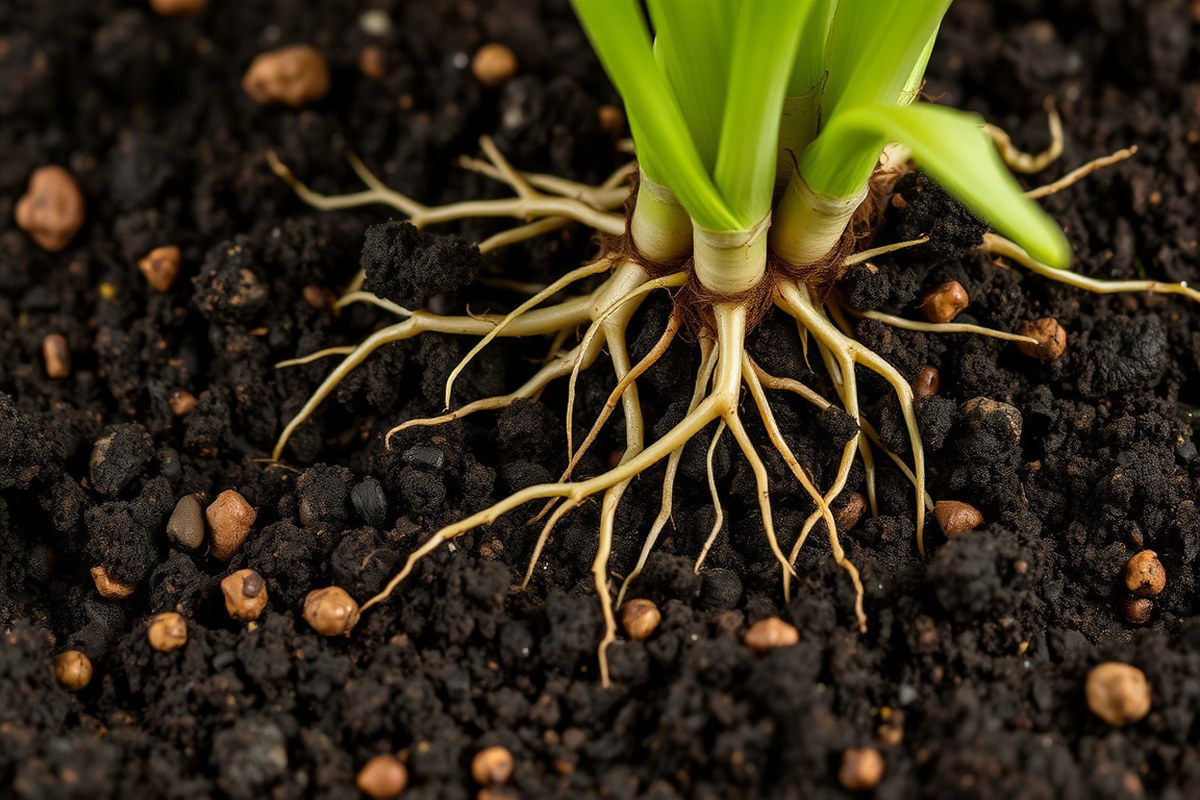
Soil supplies essential nutrients plants need to grow strong and healthy. Plants mainly take in water containing dissolved minerals through their roots. These minerals come in two types: macronutrients and micronutrients.
Macronutrients are needed in larger amounts. Nitrogen helps plants make leaves and stems. Phosphorus supports root growth and flower production.
Potassium controls water use and strengthens overall plant health. Micronutrients like iron, zinc, and manganese are important too. But plants require them in smaller quantities.
| Component | Description | Benefits |
|---|---|---|
| Mineral Matter | Sand, silt, and clay particles | Provides structure, affects water-holding capacity and drainage |
| Organic Matter | Decomposed plant and animal residues (humus) | Improves soil structure, water retention, nutrient availability |
| Water | Essential for nutrient transport and plant hydration | Transports nutrients to roots, maintains turgor pressure |
| Macronutrients | Nitrogen (N), Phosphorus (P), Potassium (K) | Support leaf growth, root development, and water regulation |
| Micronutrients | Iron, zinc, manganese, copper, etc. | Needed in small amounts for enzyme function and growth |
Plants absorb nutrients mainly through root hairs where soil water carries minerals. Microorganisms help break down organic matter, releasing these nutrients for easy absorption. Gardener efforts like adding manure increase organic matter and supply nitrogen for healthy growth.
Both nutrient deficiency and excess harm plants. Soil pH and structure affect nutrient availability.
So monitoring these helps keep nutrient levels balanced. Healthy soil with organic matter helps cycling nutrients through the season.
How Soil Structure Influences Water Retention and Drainage

Soil structure and its particle sizes affect how well soil holds and drains water. Sand, silt, and clay each handle water differently, which shapes plant moisture access. Balanced soil structure blends these particles for steady moisture and drainage.
Properties of Sand, Silt, and Clay Particles
Sand particles are the largest, creating big pores. Water drains quickly through sand and holds very little. Clay particles are the smallest and pack tightly, holding much water but draining slowly.
Silt falls between sand and clay in size, giving it moderate water retention and drainage. These particle sizes arrange into soil structure, influencing both moisture levels and root air supply.
Water Holding Capacity by Soil Type
The water holding capacity changes a lot depending on soil type and particle makeup. Clay soil holds the most water but tends to drain poorly, risking root rot. Sandy soil drains fast but struggles to hold enough moisture.
Loam soil combines sand, silt, and clay in balanced amounts. This mix holds water well while still allowing excess to drain, ideal for most plants. Adding organic matter improves water retention and drainage across all soil types.
| Soil Type | Pore Size | Capillary Rise Efficiency | Water Holding Capacity |
|---|---|---|---|
| Clay | Very Small | High | Very High (drains slowly) |
| Silt | Medium | Moderate | High |
| Sand | Large | Low | Low (drains quickly) |
| Loam | Balanced | Optimal | Balanced (Ideal for most plants) |
This table shows how soil types differ in water behavior. The size of pores and particle mix shapes moisture and drainage. Good gardeners aim for loam or improved soil with organic matter.
Capillary Action and Moisture Availability
Capillary action moves water upward through small pores between soil particles. Clay’s tiny pores hold water strongly, but too much can drown roots. Sand’s large pores let water slip past roots quickly, causing dryness.
Loam offers moderate capillary rise and moisture balance. You can boost this by mixing in organic matter. This creates pores of varied sizes, helping water stick around without flooding roots.
Adding organic matter daily improves soil’s water retention and drainage balance efficiently.
Why Soil Aeration and Oxygen Are important for Root Health
Soil provides oxygen to plants through tiny spaces called pores. These pore spaces hold both air and water, letting roots breathe and take in oxygen. Roots need oxygen for respiration, a process that helps them convert nutrients into energy.
Compacted or waterlogged soil has fewer air pockets, cutting off this important oxygen supply. Without oxygen, roots start suffocating and die, harming the entire plant. Waterlogged soil also causes carbon dioxide to build up near roots, intensifying the problem.
Poor aeration slows nutrient uptake because roots cannot absorb minerals efficiently without enough oxygen. Oxygen supports root growth and encourages helpful soil microbes that release nutrients. That’s why healthy soil structure matters so much for your garden.
- Loosen soil regularly using a garden fork or aerator to prevent compaction.
- Avoid walking on wet soil to keep it from becoming too dense.
- Add organic matter like compost to improve soil texture and pore space.
- Use mulch to protect soil from crusting and temperature swings.
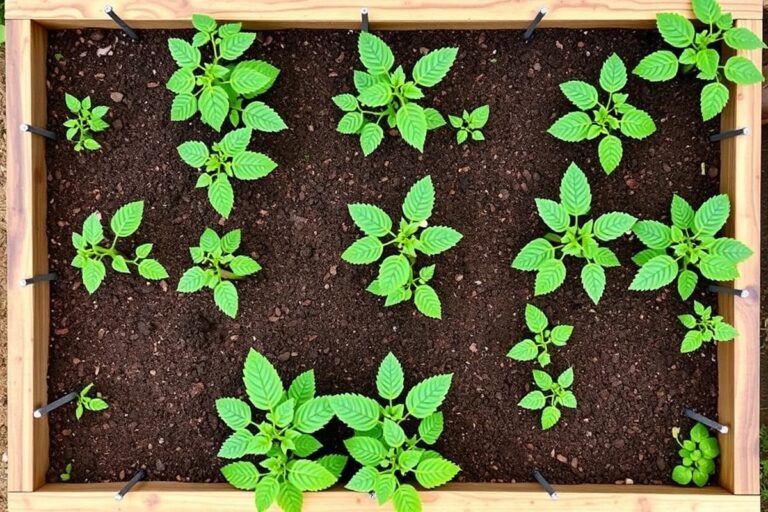
- Apply raised beds or well-draining soils for plants sensitive to waterlogging.
A well-aerated soil holds about half its pore space filled with air, helping roots grow strong. Sandy soils drain faster and have better aeration but may need extra watering. Clay soils hold more water but risk becoming compacted, so more frequent loosening helps.
Good soil aeration helps roots explore deeper and absorb more nutrients. Small adjustments like adding organic matter and minimizing heavy foot traffic can prevent many problems. You’ll see healthier plants growing faster when roots get enough oxygen and can breathe freely.
The Role of Soil Microorganisms in Supporting Plant Growth
Soil hosts many microorganisms that help plants grow better. Bacteria, fungi, and protozoa break down dead plant and animal material into nutrients. This process, called decomposition, slowly releases nitrogen, phosphorus, and potassium, which plants need to thrive.
Nitrogen-fixing bacteria help plants by changing air nitrogen. These bacteria turn nitrogen into a form plants can use. They live in the soil and support plant growth.
They live near roots of legumes like beans and peas. Plants need nitrogen to grow healthy leaves.
Without bacteria, nitrogen stays unusable in the air. This leads to weak plants with yellow, thin leaves.
Some microbes fight harmful germs around plant roots. Adding about 2 inches of compost on top, mixed into 6 inches of soil, helps. Compost brings good microbes that protect roots and improve soil.
Microbes promote root development by creating tiny tunnels in the soil. These channels improve air and water flow around roots. Healthy roots absorb nutrients easier, making plants stronger and more drought-resistant.
Maintaining a good balance of organic matter supports these microbes. Too much carbon-rich material without enough nitrogen can starve soil microbes and harm plants. Soil testing tells you when soil needs nutrients.
It helps decide the best time to add compost or fertilizer. This keeps soil healthy and microbes working well.
How Soil pH Affects Nutrient Availability and Plant Health
Soil pH controls nutrient availability for plants by influencing nutrient solubility. Most plants grow best in soil with a pH between 5.5 and 7.5. Outside this range, key nutrients can become unavailable, affecting plant health and growth.
Optimal pH Ranges for Common Crops
Most vegetables, fruits, and flowers prefer a soil pH from 5.5 to 7.5. This range allows essential nutrients like nitrogen, phosphorus, and potassium to stay soluble. Some plants, like blueberries and azaleas, thrive in more acidic soils below pH 5.5.
Lawn grasses, beans, and lavender often do well in slightly alkaline soils up to pH 7.5. Soil outside these ranges can cause nutrient imbalances and reduce crop yields. Regular soil testing helps find the right pH for your specific plants.
Nutrients More Available in Acidic vs. Alkaline Soil
| PH Range | Primary Nutrient Impact |
|---|---|
| 4.5, 5.5 (Strongly acidic) | Phosphorus becomes insoluble; iron and manganese available |
| Soil pH between 5.5 and 6.5 means it’s slightly acidic to almost neutral. | Most macronutrients fully available |
| 6.5, 7.5 (Neutral to slightly alkaline) | Iron, zinc, manganese solubility drops, causing deficiencies |
| 7.5, 8.5 (Moderately alkaline) | Calcium, magnesium abundant; phosphorus, micronutrients locked |
Acidic soils raise iron and manganese levels but limit phosphorus uptake. Alkaline soils make calcium and magnesium abundant but reduce phosphorus and trace minerals. Matching soil pH to your plants’ nutrient needs prevents these imbalances.
Best Practices to Adjust Soil pH Safely
Adjust soil pH gradually to avoid shocking your plants and soil life. Use soil tests to find your soil’s current pH and decide which amendments fit your needs. Common amendments include lime to raise pH and sulfur to lower it.
Apply amendments in small doses and retest soil every 3 to 6 months. Patience is key since changing soil pH can take several months to fully take effect. Keeping soil organic matter healthy also helps buffer pH changes.
- Test your soil’s pH using a reliable home kit or lab service.
- Identify if your soil needs raising (alkalising) or lowering (acidifying).
- Choose the appropriate amendment: ground limestone for raising pH or elemental sulfur for lowering.
- Calculate amount based on soil type, current pH, and target pH (instructions usually on product labels).
- Spread amendment evenly over the soil surface or mix into the top 6 inches of soil.
- Water the soil thoroughly to help amendments react.
- Wait at least 3 months before retesting to check pH changes.
Avoid over-applying lime or sulfur; sudden pH shifts harm roots and microbes.
How Soil Anchors Plant Roots and Provides Physical Support
Soil texture plays a key role in anchoring plant roots. Sandy soils have larger particles and drain quickly, offering less stability for roots. Clay soils have tiny particles that hold water well.
These particles can get compacted. This compaction makes it hard for roots to grow and get support. Loam soils are a good balance of sand, silt, and clay.
They keep roots stable while still allowing air and water to flow. Your soil type affects how well roots can develop wide, strong networks to hold plants upright.
Soil structure also controls how roots grow and stay anchored. Good soil structure means particles stick together in clumps. These clumps create air spaces.
Roots can spread out and anchor well in them. These spaces also hold water and air, important for root health. Organic matter like decomposed leaves and plant material improves this structure by gluing particles together.
It keeps the soil stable but loose enough for roots to dig in deep. Adding compost or mulch raises organic matter levels.
This helps sandy or clay-heavy soils improve structure. It makes the soil better for plants.
Physical stability in soil helps plants stay put during storms or drought. Strong wind or heavy rain can uproot plants if the soil is loose or shallow. Stable soil holds roots firmly, allowing plants to resist toppling.
Organic matter works like a sponge in dry soil. It stops soil from shrinking or cracking. This protects roots in dry weather.
That protects the plant’s foundation and keeps it growing strong. To improve soil support, mix in organic amendments like compost each spring. A cubic yard of soil usually costs $30 to $50.
It covers about 100 square feet. The depth it covers is roughly 3 inches.
Common Soil Problems and Practical Solutions for Gardeners
Soil compaction happens when soil particles get pressed tightly together. It blocks water, air, and roots from moving freely.
Walking on wet garden soil or using heavy equipment causes compaction. Avoid stepping on garden beds and use paths to keep soil loose.
Fix compacted soil by aerating it. Use a garden fork or mechanical aerator to poke holes about 6 inches deep.
Do this in spring or fall when the soil is moist but not wet. Adding organic matter like compost also helps break up dense soil over time.
Recognize nutrient deficiency by looking for slow growth, yellow leaves, or poor fruit production. Each plant shows different signs, so test your soil every 2 to 3 years. Soil tests cost about $10 to $15 and tell you which nutrients need fixing.
Topsoil erosion removes the best soil from your garden. It happens from heavy rain, wind, or bare soil. Prevent erosion by keeping soil covered with mulch.
- Use mulch made of straw, wood chips, or leaves to protect soil.
- Plant cover crops like clover or rye to hold soil in place.
- Build raised beds or terraces on slopes to slow water runoff.
- Plant trees or shrubs to block wind and rain impact.
- Avoid tilling soil too much, as it increases erosion risk.
Good drainage prevents water from pooling and drowning roots. Poor drainage shows as puddles lasting over a day. Fix it by mixing sand and organic matter into clay soil, or planting in raised beds.
Check drainage by digging a hole and filling it with water. See if it drains within 24 hours.
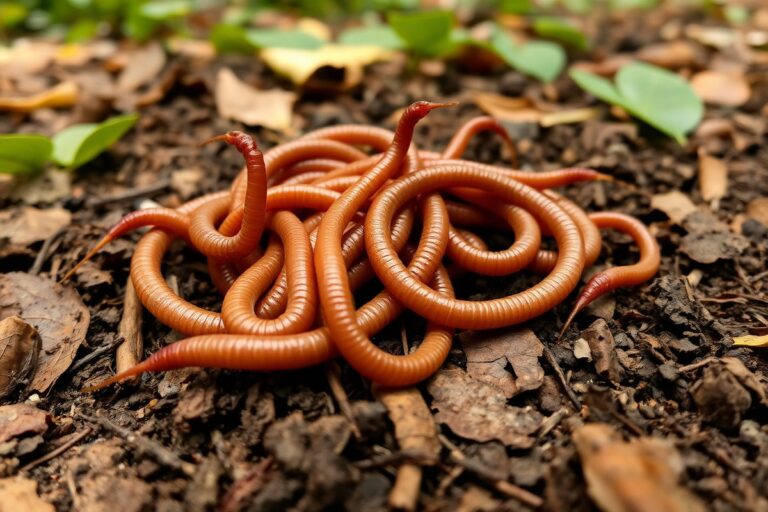
Most fixes take physical work and garden tools. Healthy soil has loose texture, sparkles with earthworms, and supports vibrant plants.
Watch for water pooling, hard soil, or weak plants. These signs tell you to test and treat your soil soon.
Maintaining Healthy Soil for Long-Term Plant Growth
Maintaining healthy soil means testing it regularly, adding organic matter, and rotating crops. These activities keep nutrients balanced and soil structure stable. They reduce pests and boost plant health over time.
Routine Soil Testing and Interpretation
Test your soil every 2 to 3 years to check nutrient levels and pH. Many local university extension services offer testing for a small fee. This helps you understand what your soil lacks or has in excess.
Collect soil samples from several spots in your garden. Mix them to get a representative sample about 6 inches deep. Follow the lab’s instructions exactly when sending the sample.
- Test every 2-3 years for regular monitoring
- Sample multiple garden spots for accuracy
- Use extension services to save money
- Note the pH and nutrient recommendations
- Adjust your soil amendments after results
Always label samples clearly and avoid contamination for reliable results.
Incorporating Organic Matter and Compost
Adding organic matter like compost improves nutrient content and soil texture. It also supports microbes that help plants absorb nutrients. Spread a 1 to 2-inch layer of compost over your soil annually.
Work the compost into the top 6 inches of soil with a garden fork or tiller. Organic amendments usually cost around $20 to $40 per cubic yard in retail stores. Use locally sourced compost to reduce costs and environmental impact.
- Add 1-2 inches of compost yearly
- Incorporate it 6 inches deep into soil
- Choose well-aged or finished compost only
- Avoid raw manure to prevent burning plants
- Use mulches to maintain moisture and organic content
Never apply too much fresh manure; it can harm plant roots.
Implementing Crop Rotation and Cover Cropping
Rotate crops to reduce pests, diseases, and nutrient depletion. Changing plant families yearly helps keep soil balanced and fertile. Plan a rotation with at least 3 different crop types over three years.
Cover crops, such as clover or rye, protect soil between planting seasons. They add organic matter and fix nitrogen naturally. Sow cover crops after harvesting main crops, then till them in the next spring.
- Rotate crops by family every year
- Include legumes to fix nitrogen
- Use cover crops to reduce erosion
- Incorporate cover crops into soil before planting
- Track crop cycles to avoid repeats in the same spot
Keep good records of your crop plans to avoid mistakes.
Step-by-Step Action Plan
Follow these steps to boost your soil’s health and help plants grow strong. Check each result to know you’re on the right track.
- Before planting: Test your soil pH using a home kit or local extension service. Adjust with lime to raise pH or sulfur to lower it as needed. Success is a pH between 6.0 and 7.0 for most plants.
- Week 1: Add organic matter like compost or well-rotted manure. Mix it into the top 6 inches of soil. You’ll see better soil texture and moisture retention after watering.
- Week 2: Check soil drainage by digging a hole and filling it with water. The water should drain in 1 to 2 hours. Poor drainage means add sand or organic material to improve structure.
- Week 3: Aerate compacted soil with a hand fork or core aerator. Roots will breathe easier when soil feels crumbly, not hard.
- Week 4: Introduce beneficial soil microorganisms by adding compost tea or a microbial inoculant. Healthiest signs come as richer soil smell and active earthworms.
- Ongoing: Mulch with leaves or straw to keep moisture steady and prevent weeds. Check mulch depth: 2, 3 inches is the right amount.
- Monthly: Monitor plant health for yellow leaves or stunted growth, which signal nutrient or moisture issues. Adjust fertilizing or watering accordingly.
Frequently Asked Questions
How Does Soil Help Plants with Nutrient Transport?
Soil helps plants by dissolving nutrients into water, making them easy to absorb. This process moves essential minerals from soil to roots, feeding the plant efficiently.
Can Soil Impact Seed Germination?
Yes, soil provides the right temperature and moisture needed for seeds to sprout. Good soil balance helps young plants grow strong.
How Does Soil Moisture Affect Plant Growth?
Soil moisture regulates how much water plants can take up. Too much or too little water in soil stresses the roots and blocks nutrient uptake.
Why Do Plants Need Soil Organic Matter?
Organic matter in soil improve nutrient supplies and improves soil structure. It also boosts water retention and supports beneficial microbes.
Can Soil Types Change Plant Growth Rates?
Different soil types hold water and nutrients differently, affecting growth speed. For example, sandy soil drains fast, slowing nutrient availability for plants.
How Does Soil Temperature Influence Plants?
Soil temperature affects root development and nutrient absorption. Warm soil usually speeds growth, while cold soil slows down root activity.
Before You Go
Soil supports plants by feeding, holding water, and giving roots a stable home. Keeping your soil healthy means happier plants and better growth. Start by testing your soil today and build from there.