When Planting Tomatoes
When planting tomatoes, the best time depends mainly on temperature. Wait until nighttime stays above 50°F (10°C) to avoid cold damage. This usually means planting after the last frost date in your area.
It’s smart to delay planting tomatoes for 10-15 days after the last frost. This extra wait ensures the soil warms up enough for strong root growth. Cold soil can stunt young plants and slow their start.
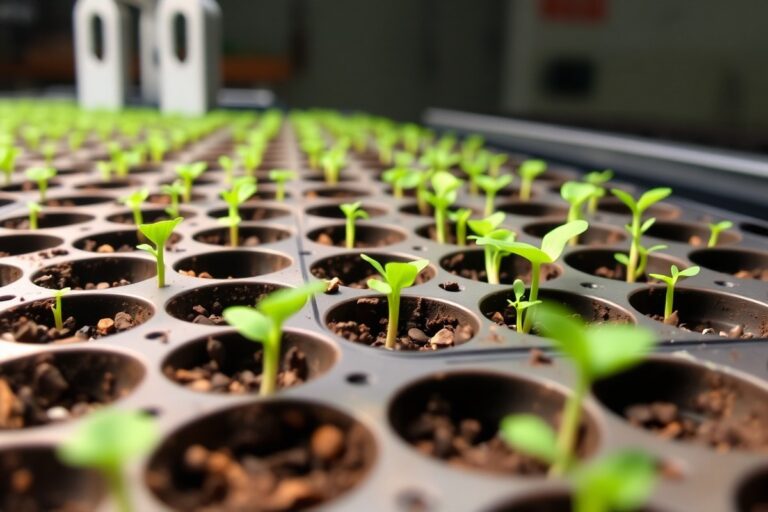
Starting seeds indoors 6 to 8 weeks before planting saves time and gets seedlings strong. Look for sturdy stems and several true leaves on the plants. These signs mean they are ready to go outside.
Watching for these details helps you decide the right time to move them. Hardening off seedlings for about a week before planting outside prevents shock.
Key Takeaways
- Plant tomatoes after nighttime temperatures stay above 50°F consistently.
- Wait 10-15 days after the last frost for warmer soil conditions.
- Begin growing tomato seeds inside about 6 to 8 weeks prior to planting outside. This timing ensures seedlings have enough time to develop before being transplanted. You want them strong and healthy before going outdoors.
- Look for seedlings with several true leaves and sturdy stems.
- Harden off seedlings for 7-10 days before planting outdoors.
- Check soil temperature at 4 inches deep for planting readiness.
“Niche”: “Gardening and Horticulture”,
Tomatoes need the right temperature to thrive. Your garden’s soil should stay above 50°F (10°C) at night before planting. Check soil temperature at 4 inches deep in the morning to be sure it’s warm enough.
Avoid planting too early after the last frost date passes. The soil may still be cold. Planting in cold soil can harm young plants.
Wait 10 to 15 days after the last frost before planting. You can also wait up to four weeks to let the soil warm fully. This practice helps young plants grow strong and healthy instead of struggling in cold ground.
Pick a sunny spot with 6 to 8 hours of direct sunlight daily. Tomatoes need plenty of sun to grow well and taste good. Avoid spots where tomatoes or potatoes grew last year to reduce disease.
Space rows 24 to 36 inches apart for easy care and airflow. Use 4 to 6 inch deep trenches to plant tall seedlings sideways for better root growth.
Some tomato types handle heat better than others. Plant heat-tolerant tomato types in spring or early summer. Varieties like Celebrity or Sweet 100 cherry do well in warm weather.
These tomatoes can tolerate higher temperatures better. These resist flower drop in hot weather. Don’t plant too early to avoid frost, and not too late either.
Temperatures over 95°F can cause your tomatoes to drop blossoms, reducing fruits. Start tomato seeds indoors in a warm place for a strong beginning.
Harden seedlings off outside for 7 to 10 days before planting them in the garden. This helps plants adjust to outdoor conditions safely.
“Audience”: “Home Gardeners and Beginner to Intermediate Tomato Growers”,
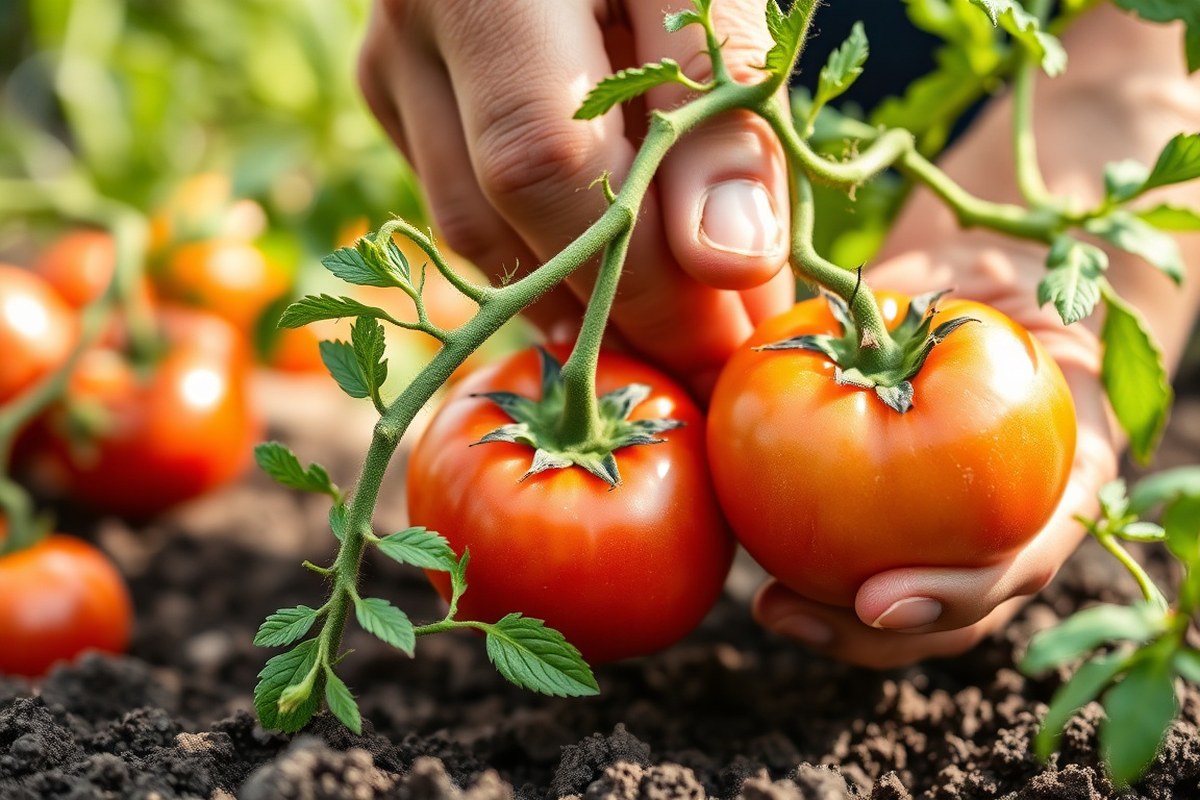
Planting tomatoes at the right time makes a big difference in your harvest. You should plant young plants after frost risk ends.
Nights must stay above 55°F. This helps plants grow better. This helps tomatoes grow steady and start fruiting sooner.
Picking Healthy Young Plants
Choose young tomato plants that look green and sturdy. Bonnie Plants® offers quality seedlings that many gardeners trust. Avoid plants with yellow leaves or leggy stems since they might struggle to grow well outdoors.
Look for plants with thick stems. The stem should be firm to the touch and about the thickness of a pencil. Healthy leaves that aren’t spotted or wilted are good signs too.
How to Plant Tomatoes Properly
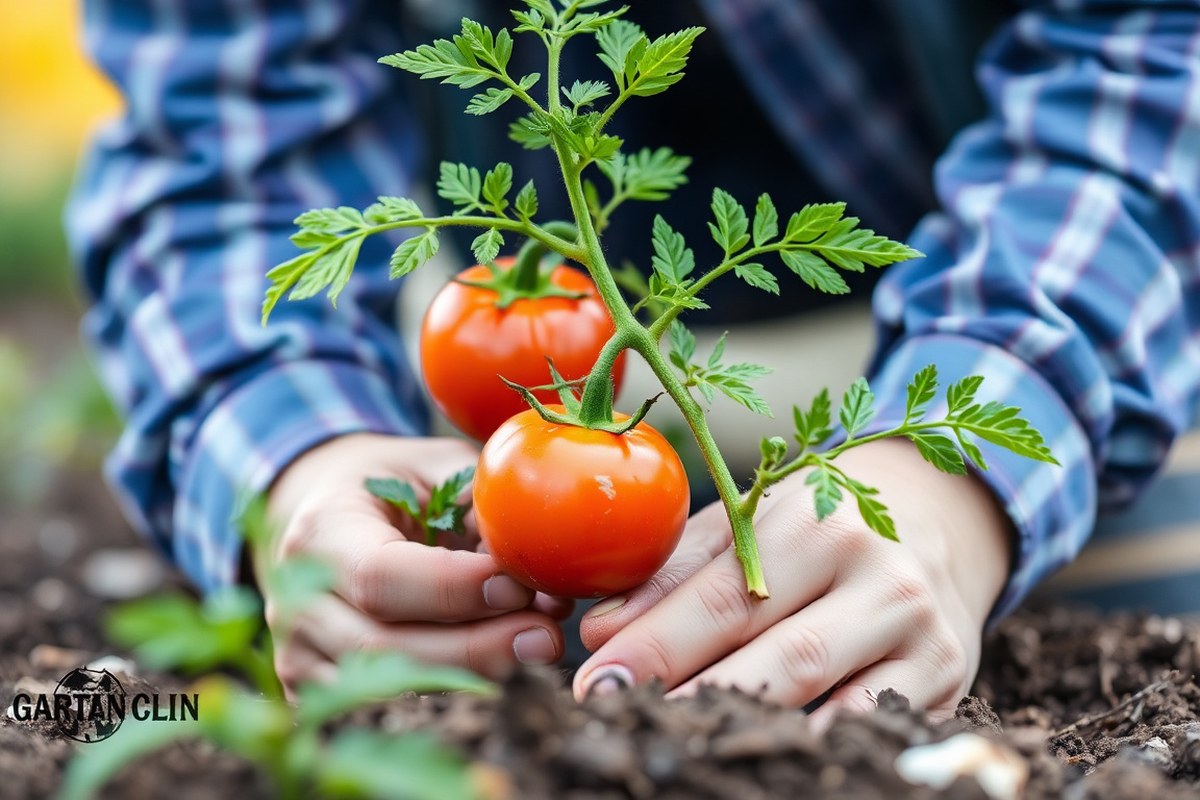
Plant your tomato deep, burying about two-thirds of the stem. This encourages roots to grow along the buried stem, strengthening the plant. Dig a hole bigger than the root ball.
Set tall plants in sideways. Leave top four inches above soil.
Water your plants right after you plant them. Use a drip irrigation system with mulch for steady moisture. This prevents blossom end rot.
It keeps plants healthy. Keep the soil moist but not soggy to avoid root issues.
Timing Based on Temperature
Tomatoes don’t set fruit if nighttime temperatures drop below 55°F. Plant when nights are consistently above this mark for quicker fruiting. Planting too early in cold soil slows growth.
It also delays fruit development. Daytime warmth alone isn’t enough.
Check your local average last frost date and add about one to two weeks after that. This short wait lets the soil warm to around 60°F, giving your plants a better start.
Adjusting for Your Garden Zone
In zones 10 or 11, plant tomatoes almost year-round. Watch for heat stress or humidity problems. Adjust care as needed.
Cooler zones need planting dates closer to late spring or early summer. Knowing your zone helps you pick the right planting window for your plants’ needs.
For example, gardeners in zone 8 can plant tomatoes now if they haven’t yet. Gardeners in zone 3 must wait longer for frost risk to end.
Soil needs to warm sufficiently first. Patience helps plants thrive.
What You’ll See with Good Success
Tomatoes planted at the right time and depth grow strong stems. They develop healthy leaves within one week. Early care matters.
They start flowering around six weeks after planting. Consistent watering helps avoid curled leaves or brown spots on the fruit.
A sign you planted too early is slow growth and yellowing leaves. Too late means a shorter harvest or fewer tomatoes.
Don’t plant tomatoes near potatoes to avoid disease spreading between them.
“When Is the Best Time to Plant Tomatoes in My Region?”,
Check Your USDA Hardiness Zone
Start by finding your USDA Hardiness Zone. Each zone has a typical last frost date that guides planting. For example, zone 6’s last frost usually falls in mid-April.
Use the zone to know when to safely plant tomatoes outside. This keeps your plants from frost damage and sets them up for growth.
Watch Soil and Air Temperatures
Soil temperature must reach 60°F at 4 inches deep before planting. Nighttime air temperatures also need to stay above 50°F consistently. Tomatoes grow poorly in cold soil and risk stunted roots.
Use a soil thermometer to check the temperature. This can save you from planting too early and losing seedlings to cold stress.
Schedule Based on Zone and Weather
Plant tomatoes after the last frost date and once soil and nights warm. For instance, plant in late spring for zones 5 to 7, about mid-April to early May. Zone 9 gardeners can start tomatoes in late February because winters are mild.
When your growing season is short, plant as soon as conditions fit. Leave enough time for fruit to ripen before cold returns. A second planting in midsummer can bring a late crop.
Use Season Extenders to Plant Early
Tools like Wall-O-Waters create microclimates that warm your plants. These lets you transplant tomatoes 4 to 6 weeks before the last frost date. They trap heat and protect from light chills the first few weeks.
Place supports or cages early, near planting time. This avoids disturbing roots later and helps plants set upright quickly.
Spot Signs of Plant Readiness
Tomato seedlings are ready to go outside at 6 to 8 weeks old. Harden them off before planting outdoors.
They should be sturdy, dark green, and about 6 inches tall. Leaves look healthy without yellow edges or spots.
Plants planted too soon may wilt or stop growing. Wait for the ideal zone-based schedule plus warm soil and night temps to avoid setbacks.
“What Is the Difference Between Sowing Seeds Indoors and Planting Seedlings Outside?”,
The main difference between sowing seeds indoors and planting seedlings outside is timing. Growing conditions and effort also vary between the two methods. Starting seeds indoors gives you a head start on growth.
You also control the temperature and light better. Planting seedlings outside skips early care but needs the right weather and soil warmth to succeed.
Indoor Seed Starting: Controlled Conditions
Begin by planting seeds inside about 6 to 8 weeks ahead of the last frost. Maintain temperatures between 70 to 80°F in a warm place. Use grow lights or a bright window to encourage sprouting within 5 to 10 days.
Use a seed-starting mix and small pots or trays. Transplant seedlings into bigger pots when they grow their first true leaves. They should be about 3 to 4 inches tall by then.
Harden seedlings off by moving them outdoors slowly over 7 to 10 days. This prepares them for the garden environment.
Planting Seedlings Outside: Timing and Temperature
Plant tomato seedlings outside after the last frost date. Make sure the soil temperature is above 60°F before planting. Night temperatures should stay over 50°F. This usually means late spring or early summer, depending on your location.
Seedlings need to have been hardened off first to avoid shock. Without this step, plants may stress from sudden weather changes, slowing growth or killing them.
After planting outdoors, seedlings grow in natural light and weather. They need regular watering and pest protection too.
Direct Sowing Seeds Outside: When and Why
Sow tomato seeds directly into the garden once frost danger is gone. The soil temperature should be between 65 and 75°F to start.
This skips indoor starting but delays harvest since seedlings develop slower outdoors. Soil must be warm and moist for seeds to sprout well.
Outdoor sowing means you need enough space for thinning seedlings. Some varieties do well starting directly outside.
But you risk losses from pests, uneven weather, or poor germination. This method works better in warm climates or for gardeners wanting less fuss early on.
Effort, Equipment, and Risk Differences
Starting seeds indoors means using seed trays, grow lights, and sometimes heating mats. It takes more time and attention to water, transplant, and harden off seedlings. The reward is earlier harvests and better survival rates.
Planting seedlings outside requires less indoor care but depends more on outdoor weather and soil conditions. Risks include late frosts, cold shocks, or poor soil warmth that can stunt growth. The tradeoff is simpler early work but potentially shorter growing seasons.
How to Decide Which Method Fits Your Garden
Plant seeds indoors early for quicker fruit and stronger growth. Do this 6 to 8 weeks before your area’s last frost. Let seedlings grow 3 to 4 inches tall, then transplant to larger pots and harden off outdoors for 7 to 10 days.
Plant seedlings outside if frost has passed and soil is warm enough. This option reduces indoor work if you prefer that. Be ready to protect young plants from cold snaps or pests.
Direct sow seeds if you want a simple method or have a short spring. It works best in warm climates.
“How Long Should I Start Seeds Indoors Before Transplanting?”,
Start tomato seeds indoors about 6 to 8 weeks before your last expected frost date. This timing gives seedlings enough time to grow strong before you transplant them outside.
For example, if your last frost is April 15, start seeds early February. Do this by late February at the latest.
Plant the seeds in a seed tray or small pots filled with seed-starting mix. Keep the soil moist and warm, around 70 to 75°F. Seeds usually sprout within 5 to 12 days. After they sprout, give seedlings lots of light.
Use a grow light or a sunny window. This helps them grow upright and healthy.
Seedlings will need 3 to 4 weeks indoors before transplanting to larger pots. Keep them under grow lights for 12 to 16 hours daily. Once they develop 2 to 3 true leaves and grow sturdy stems, they are ready.
About 1 to 2 weeks before planting outside, begin hardening them off. Do this by slowly exposing seedlings to outdoor conditions.
Blockquote: Avoid starting seeds too early, or seedlings become root-bound and weak before transplanting.
“What Signs Indicate Tomato Seedlings Are Ready to Plant Outdoors?”,
Tomato seedlings are ready to plant outdoors once they reach 6 to 10 inches tall. They usually have two or three pairs of true leaves. These leaves look like mature tomato leaves.
They show the plant is growing well. These leaves are different from the first tiny seed leaves. So spotting true leaves helps you know when to move your plants.
Check the outdoor soil temperature and air at night before transplanting. Seedlings do best when nighttime temperatures stay above 60°F. Soil warms to about 50°F. Planting earlier can stunt growth or kill young plants if a cold snap threatens. You can feel the soil or use a thermometer to track warmth.
Before planting outside, harden off your seedlings for a week. Move them outdoors for a few hours daily, increasing the time bit by bit. This slowly exposes the plants to sun, wind, and cooler air.
It helps toughen them before planting outside. The plants adjust better to garden conditions.
A healthy seedling will stand straight and have strong, thick stems. You can bury two-thirds of the stem when planting to encourage roots along the buried portion. Use a deep pot at least 12 inches tall.
Fill it with rich soil for seedlings indoors. Make sure the plants get six hours of sun daily.
“How Do Frost Dates Influence Tomato Planting Timing?”,
Frost dates tell you when cold weather ends or starts in your area. Tomatoes hate frost and cold soil. Planting before the last frost date can kill your young tomato plants or slow their growth.
Find your zone’s average last frost date to time planting right. Begin tomato seeds indoors about 6 to 8 weeks before that. Wait to put seedlings outside until soil warms and night temps stay above 50°F.
Plant tomatoes outdoors 1 to 2 weeks after the last frost date for safety. Living in a warm zone with rare frost means you may plant sooner. But in colder zones, planting too early risks root damage and stunted plants.
Check the weather forecast before transplanting. A late frost can still happen.
Use covers or bring plants indoors if frost threatens after planting. Healthy plants have a better chance of surviving a light frost.
Timing planting with frost dates prevents wasted effort and improves your tomato harvest. It helps you avoid replacing dead plants or waiting extra weeks for growth. Knowing your local frost dates and watching the weather protects your garden investment.
“What Happens If I Plant Tomatoes Too Early or Too Late?”,
Planting tomatoes too early often means putting them into cold soil. When soil temperatures stay below 50°F, tomato roots stop absorbing water and nutrients. This stresses the plants and can slow or stop their growth completely.
Even worse, a late frost can kill young tomato plants overnight. In cooler zones like 5 or 6, the risk is high. This happens before late May or early June.
Beware of planting too early here. The damage isn’t always obvious right away, plants may just wilt or fail to thrive afterward.
On the flip side, planting tomatoes too late shortens the growing season. Tomatoes need 60 to 85 days from transplanting to harvest, depending on variety.
Planting after early summer can cause fruits to stay green. They might not ripen before the first fall frost.
That means you won’t get a full crop when you wait too long. It also limits chances to grow multiple harvests or try different tomato types.
Fast-maturing varieties can help stretch the season. But they still depend on warm soil and frost-free nights to do well.
To avoid these problems, check your local last frost date. Wait until a week or two after that before planting your main tomato crop outdoors.
Start seeds indoors 6 to 8 weeks early. Move seedlings outside when nights are above 50°F. This helps plants grow strong.
Plant seedlings early in the morning or late afternoon to minimize transplant shock. That reduces stress and helps them settle in smoothly. Unsure about soil warmth?
Use a thermometer to check it. Aim for soil temperatures around 60°F or higher during the day.
Don’t rush planting for an early start. Cold soil and frost can kill all your tomato plants.
Step-by-Step Action Plan for Planting Tomatoes
Follow these clear steps to plant your tomatoes at the right time and grow healthy plants.
- 4 to 6 weeks before last frost: Start your tomato seeds indoors in seed trays. Check that seeds sprout within 7 to 14 days.
- When seedlings have 2 to 3 sets of true leaves: Thin them out. Or move the seedlings into bigger pots. Healthy leaves and strong stems mean success.
- 1 week before transplanting outside: Harden off seedlings by putting them outdoors a few hours daily. Watch for no wilting or sunburn.
- After last frost date: Plant your seedlings outside in full sun and well-drained soil. Plants should not suffer cold damage.
- 1 week after planting outdoors: Check soil moisture regularly. Water deeply when top 2 inches dry. Leaves will stay perky with enough water.
- Throughout growing season: Monitor for pests and diseases weekly. Early spotting helps you act before plants weaken.
- Once fruits start to grow: Support plants with cages or stakes. Keep fruits off soil to reduce rot risk.
Frequently Asked Questions
What Soil Temperature Is Best for Planting Tomatoes?
Tomatoes do best when soil reaches 60°F or higher. Cooler soil can stunt growth and delay fruiting. Wait to plant until the warmth is steady and true.
How Deep Should I Plant Tomato Seedlings?
Plant seedlings deep enough to cover part of their stem. This encourages more roots to grow.
Plants get stronger. They access water and nutrients better.
Can I Start Tomato Seeds Outside Without Starting Indoors?
You can, if your soil and air temperatures are warm enough. Direct sowing skips indoor seed starting but needs consistent warmth and moisture to work well.
Is It Better to Plant Tomatoes in Trenches or Holes?
Trenches can help protect leggy seedlings and promote root growth. Dig trenches 4-6 inches deep, lay seedlings sideways, and cover them with soil for better support.
Do I Need to Harden Off Tomato Seedlings?
Yes, hardening off helps seedlings adjust from indoors to outdoors. Slowly expose plants to sun and wind outside.
Do this for 7 to 10 days before planting. This helps reduce transplant shock.
When Is Labour Weekend for Planting Tomatoes in My Area?
Labour Weekend usually falls in early October in Canada and New Zealand. It’s a common time to plant tomatoes after frost risks pass. But local weather matters most.
Final Thoughts
Plant tomatoes after your area’s last frost for best results. Start seeds indoors early enough so seedlings are strong. Now, check your local frost date and get seeds ready.