
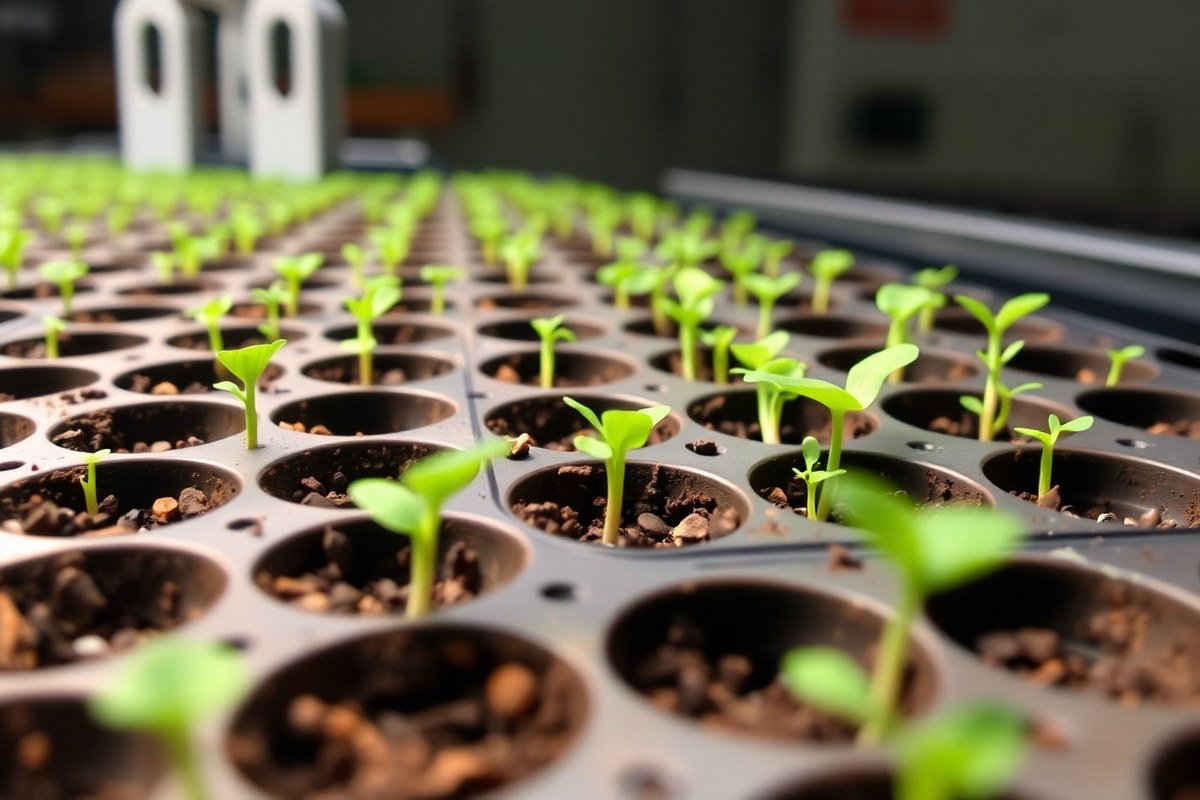
How Long Does It Take for Flower Seeds to Sprout? A Complete Guide for Beginners
How long does it take for flower seeds to sprout? Most flower seeds sprout within 3 to 14 days under the right conditions. For example, zinnia seeds take about 7 to 14 days to pop up from the soil.
Soil temperature, moisture, and planting depth affect how fast seeds start growing. Keeping soil moist and warm helps seeds wake up faster. Using a seed tray or a warm spot inside makes a big difference in speed.
Some seeds are quicker, like sunflowers and marigolds, which can sprout in under a week. Others, like parsley or celery, might take up to three weeks. Knowing your seed type helps you plan your garden better.
Key Takeaways
- Most flower seeds sprout between 3 and 14 days when conditions are good.
- Zinnia and pansy seeds generally take 7 to 14 days to start growing.
- Sow seeds at the right depth to avoid slowing down germination.
- Keep the soil moist but not soaking wet to help seeds sprout fast.
- Use a warm spot or a seedling heat mat to speed up sprouting.
- Some slow-growing seeds may take 3 weeks or longer to sprout.
Typical Timeframes for Flower Seeds to Sprout

Flower seeds sprout at very different speeds. Some pop up fast in a few days. Others take weeks or even months depending on the species and conditions.
Sowing depth and soil temperature also change germination time. Most flower seeds do best between 65 and 75°F. Plant them about 2 to 3 times as deep as the seed size. Proper soil warmth and moisture help speed up sprouting.
| Seed Type | Typical Sprouting Days | Optimal Soil Temperature (°F) | Sow Depth (inches) |
|---|---|---|---|
| Marigold | 5 to 10 | 65 to 75 | 0.1 to 0.2 |
| Sunflower | 7 to 10 | 65 to 75 | 0.5 to 1 |
| Pansy | 7 to 14 | 65 to 75 | 0.1 to 0.2 |
| Zinnia | 7 to 14 | 65 to 75 | 0.25 to 0.5 |
| Basil | 5 to 10 | 65 to 75 | 0.1 to 0.2 |
Fast sprouters like marigolds and basil usually pop up within 5 to 10 days. Seeds that take 7 to 14 days, such as pansies and zinnias, are moderate in speed. Very slow seeds can take weeks or longer, mostly for woody or native plants.
Keep soil evenly moist but not soaked and stay patient. Sprouting time depends heavily on the growing environment you provide. Checking seed packet directions can save you a guess and give you a better planting schedule.
How Soil Temperature Influences Seed Germination

Soil temperature is a big factor in how fast flower seeds sprout. Most flower seeds do best between 65 and 75 degrees Fahrenheit.
When soil is too cold, seeds take longer to sprout or might not sprout. When soil is too hot, seeds may dry out or fail to sprout.
Ideal Soil Temperatures for Common Flower Seeds
Flower seeds have specific temperature ranges where they sprout best. Marigolds like soil at 70 to 75°F. They sprout fast.
Expect sprouting in 4 to 7 days. Poppies prefer cooler soil near 55 to 65°F but take longer, between 10 and 21 days.
Most flower seeds germinate well between 65 and 75°F. Seeds like zinnias and sunflowers tolerate slightly warmer soil, up to 85°F. Cooler soil slows germination and warmer soil speeds it up, up to a point.
What Happens When Soil Is Too Cold or Hot
Cold soil around 50°F slows seed metabolism. Tomato seeds in this temperature may take up to 6 weeks to sprout.
Seeds may start rotting if soil stays too cold and wet. This slows growth and can kill seedlings before they appear.
Hot soil above 85°F dries seeds quickly. Oxygen may not reach seeds if soil is very warm and dense.
High heat also disrupts enzymes that seeds need to start growing. This can kill seeds or cause patchy sprouting.
How to Check and Maintain Soil Temperature
You’ll get best sprouting by measuring soil temp with a soil thermometer. Insert the thermometer 2 inches deep in the seed-starting mix.
Check temperatures at planting time and during sprouting, adjusting as needed. Soil thermometers cost about $10 to $15 online or at garden centers.
Maintaining a steady temperature avoids delays in sprouting or seed failure. Watch soil temperature several times a day when you first plant seeds, especially in cooler months.
Using Heat Mats and Warming Trays
Heat mats provide gentle bottom heat to seed trays. They keep soil between 70 and 75°F consistently.
Plug them in under your trays and adjust temperature with a thermostat. Costs range from $20 for basic mats to $60 for thermostats included.
Warming trays also offer bottom heat but are larger and can hold several pots. Both tools help flower seeds sprout faster in cool climates or early spring. Avoid overheating by monitoring soil temperature closely and turning off heat if soil gets above 80°F.
Steps to Measure and Control Soil Temperature
Follow these steps to keep seed soil in the right temperature range for sprouting:
- Set up your seed trays or pots with your chosen potting soil.
- Insert a soil thermometer 2 inches deep into the soil.
- Record the soil temperature in the morning and afternoon.
- Plug in a heat mat under your seed tray if soil is below 65°F.
- Adjust the heat mat thermostat to reach a steady 70-75°F range.
- Check soil temperature twice daily to avoid overheating.
- Remove or turn off heat once seedlings appear to avoid stressing plants.
Keep the soil thermometer clean and avoid touching it with cold hands for accurate readings.
Essential Pre-Treatments to Speed Up Flower Seed Sprouting
Using pre-treatments like soaking, cold stratification, and scarification can help flower seeds sprout faster. These methods break down tough seed coats or simulate natural cues. Knowing when and how to apply each helps improve your chances of good germination.
Soaking Seeds Before Planting
Soaking seeds softens their hard outer coat and jump-starts moisture absorption. Seeds with thick coats like lupines, sweet peas, and morning glories often benefit from soaking. It reduces the time seeds take to swell and break open.
Place seeds in warm water around 70°F for 8 to 12 hours. Avoid soaking more than 24 hours or seeds risk rotting. After soaking, drain the water and plant the seeds right away in moist soil.
- Use a glass jar or bowl for soaking
- Set a timer to avoid over-soaking
- Use room-temperature water to prevent shock
- Do not soak very small seeds; they can drown
- Moisten soil well before planting after soaking
Seeds should look swollen and feel softer, not mushy. Throw away seeds that smell bad or look slimy right away. Proper soaking can cut germination time by days for tough-coated seeds.
Cold Stratification for Perennials
Cold stratification mimics winter by exposing seeds to cold and moist conditions. Many native perennials like coneflower, milkweed, and wildflowers depend on this to germinate. Without it, these seeds may stay dormant indefinitely.
To stratify, mix seeds with damp sand or peat moss. Seal the mixture in a plastic bag. Refrigerate it at 34°F to 41°F for 4 to 12 weeks, depending on species.
- Use a zip-top bag with some air inside
- Check moisture regularly to keep it damp, not wet
- Label the bag with the seed type and date
- After the cold period, plant seeds immediately
- Some species need longer stratification; check seed packet
Stratified seeds may swell and soften before sprouting. No germination after the expected time means some seeds need longer chilling. This process raises germination rates and speeds growth once planted.
Scarification to Break Hard Seed Coats
Scarification scratches or cracks hard seed coats to help water seep inside. Seeds of morning glories, sweet peas, and some native varieties often require this treatment. Scarification speeds sprouting by easing seed coat barriers.
Use sandpaper, a nail file, or a small knife for this. Gently nick or sand one side of the seed coat.
Avoid damaging the seed inside. Scarify just before planting with or without soaking.
- Hold the seed firmly to avoid slips
- Rub gently until the coat thins or a small nick appears
- Discard any seeds with deep cuts or splits
- Scarify only the tough-coated seeds listed on seed packets
- Plant seeds promptly after scarifying to prevent drying out
Scarified seeds should look scratched or slightly thinner in spots. Overdoing it can kill the seed. Effective scarification reduces germination time and improves success with tough seeds.
Common Mistakes That Delay or Prevent Seed Sprouting
One big mistake is planting seeds too deep. Some seeds, like snapdragons, need light and should be pressed on the soil surface.
Others, such as zinnias, do well sown about ¼ inch deep. Too much depth can stop seeds from sprouting at all.
Watering is another common pitfall. Overwatering leads to seed rot or mold, while underwatering slows or stops germination.
Seeds need moist, not soggy, soil to start growing well. Using a spray bottle helps give gentle, even moisture without flooding.
Mold and seed rot often come from poor airflow or too wet conditions. You can prevent this by providing space between seeds and avoiding heavy watering. A dilute 1-3% hydrogen peroxide solution can also keep the soil healthier and reduce mold risks.
- Plant seeds according to their depth needs (surface or ¼ inch deep).
- Water gently and keep the soil moist but not soaked.
- Use hydrogen peroxide spray to prevent mold growth.
- Give seeds enough room to avoid overcrowding and poor airflow.
- Check soil regularly and adjust watering to avoid dry or wet extremes.
Seeding depth matters because the right level helps seeds get oxygen and warmth. Using too thick a layer of soil can block seed growth. Planting too many seeds in one spot also causes problems.
Both can stop seeds from sprouting properly. Good air circulation prevents mold spores from settling on seeds and keeps moisture balanced.
Following these tips, expect flower seeds to sprout within a month if conditions suit the species. Seeds not sprouting after this time often have issues. These issues include wrong planting depth, moisture problems, or fungus.
These problems prevent seeds from germinating well. Careful attention means better chances for healthy sprouts and faster blooms.
Practical Steps to Optimize Conditions for Sprouting
Keeping the right moisture level and airflow helps seeds sprout well. Soil should stay damp but not soaked. Using a plastic humidity dome can lock in moisture while still letting air pass through.
Seeds need light once they sprout. Most seedlings do best with 12 to 14 hours of light daily.
LED grow lights work well because they emit low heat and use less electricity. Place the lights about 2 to 4 inches above the seedlings to avoid burning them.
Temperature matters a lot for sprouting. Most flower seeds prefer soil around 65°F to 75°F. Place a seedling heat mat under your pots. It keeps the soil warm in cool homes.
Heat mats help seeds sprout better in low temperatures. Adjust placement if the temperature swings too much during the day or night.
Here’s a step-by-step approach to give your seeds the best start:
- Choose a seed-starting mix that drains well and keeps moisture.
- Fill containers with mix, then water evenly until moist but not soggy.
- Plant seeds at the depth recommended on the packet and cover lightly.
- Cover containers with a clear plastic humidity dome to hold moisture.
- Place seeds on a heat mat set to 70°F for warmth and faster germination.
- Once sprouts appear, remove the humidity dome to improve air circulation.
- Set LED grow lights 2 to 4 inches above seedlings and run them 12-14 hours daily.
- Check soil moisture daily, watering gently if the surface feels dry.
Too much water can cause seeds to rot; keep soil moist, not wet.
Differences in Germination Between Annuals and Perennials
Annuals generally sprout faster than perennials. Annual seeds like sunflowers and cosmos take about 60 to 90 days to germinate. Many perennials need months or even years.
Perennials like orchids and bromeliads can take years to sprout. Growing them from seed needs a lot of patience.
Some flowers benefit from special treatments to improve germination. Larger perennial seeds may need stratification. This means cold exposure for several weeks.
It helps break dormancy. Annuals usually don’t need this but adding bottom heat can help speed up their germination.
| Seed Type | Typical Germination Time | Common Special Treatments |
|---|---|---|
| Annuals (e.g., sunflowers, cosmos) | 60, 90 days | Bottom heat, regular moisture |
| Large Annuals (e.g., Mammoth sunflowers) | Up to 120 days | Bottom heat, careful moisture control |
| Perennials (e.g., orchids, bromeliads) | Months to several years | Cold stratification, long soaking, sometimes light exposure |
| Long Germination Perennials (e.g., trumpet-shaped flowers) | 180, 365 days | Cold stratification, peat pots for seed size handling |
Seeds that take longer also need more care to prevent drying out or rotting. Using peat pots helps handle large, slow-germinating seeds carefully when planting.
Bottom heat means keeping soil at 70 to 75°F for annual seeds. This warmth helps seeds sprout safely.
For perennials, mimicking natural seasonal changes speeds their start. Place seeds in a fridge for 4 to 12 weeks for cold stratification.
After this, move them to a warmer spot to encourage growth. Skipping stratification might mean seeds sit dormant without sprouting.
When and How to Test If Your Seeds Are Viable
You can check if flower seeds are alive by doing a simple paper towel test. This test shows if seeds will sprout before you plant them. It saves you time and effort by spotting dead seeds early.
Setting Up the Paper Towel Test
Gather about 10 to 20 seeds from your packet to get a proper sample. Use a paper towel and moisten it so it’s damp but not soaking wet. Keep the test warm, around room temperature, without direct sunlight to help seeds germinate.
- Moisten a clean paper towel until damp but not dripping.
- Spread 10 to 20 seeds evenly on half of the towel.
- Fold the towel over the seeds to cover them.
- Place the folded towel inside a plastic bag or container.
- Seal the bag to keep moisture in but allow some air exchange.
- Set the bag in a warm spot, like a kitchen counter, out of direct sun.
- Check the seeds every couple of days to see if they sprout.
Evaluating Germination Results
After 7 to 10 days, count how many seeds sprouted. Most should show small roots or tiny shoots by then. Fewer than half sprouting means seeds might be too old or not good.
Good results mean 70% or more seeds sprouted. That means your planting effort has a good chance. Poor results mean planting straight in soil will fail or slow down.
Next Steps After the Test
Many seeds fail? Buy fresh packets to save time on planting.
Old seeds sometimes fail because lifespan in seed packets varies by type and storage. You can also try reseeding with a different batch if your test showed weak germination.
Throwing out seeds that don’t sprout saves you from poor garden starts. Store seeds in a cool, dry spot. You can refrigerate them.
This helps keep seeds good for planting later. Try the paper towel test each year for your saved seeds.
Planning Your Planting Schedule from Seed to Bloom
Flowers take varying weeks or months after sprouting to bloom, depending on the type. Fast-growing flowers like zinnias and cosmos bloom roughly 60 to 90 days after sowing. Slow growers like snapdragons take 12 to 14 weeks to bloom.
You might wait even longer before flowers appear. Knowing these timings helps you decide when to start seeds indoors or sow outdoors directly.
Starting seeds indoors gives you better control over temperature and moisture. Begin slow-growing flowers indoors 8 to 10 weeks before the last frost date.
Fast growers need only 4 to 5 weeks indoors before transplanting outdoors. Direct sow seeds outdoors after the last frost date to avoid cold damage and poor development.
Check your local frost dates on gardening calendars. You can count backward from your last frost date to plan indoor sowing.
Then, transplant seedlings outdoors when the soil and air temperatures are steady above freezing. This way, plants have enough growing time before blooming and are less vulnerable to frost.
| Flower | Indoor Start Before Last Frost (weeks) | Time to Bloom After Sowing (weeks) |
|---|---|---|
| Snapdragon | 8-10 | 12-14 |
| Zinnia | 4-5 | 8-12 |
| Cosmos | 4-5 | 7-10 |
Use a planting schedule spreadsheet to track your seeds. Include seed type, sowing time, and bloom weeks. This helps you stay organized.
List any special seed needs like light exposure or soil type too. Adjust the plan if unusual weather or a late frost occurs. Transplant seedlings grown indoors only when they’re strong enough and outside temperatures are safe.
Check seed packet details closely for days to bloom. Some packets include transplant timing tips.
You can also direct sow fast growers after the last frost, cutting planting steps. However, starting indoors gives slower plants a head start and protects young seedlings. Planning your planting schedule this way reduces plant stress and improves bloom success in your garden.
Step-by-Step Action Plan for Flower Seed Sprouting
Follow these simple steps to get your flower seeds sprouting well. Watch each stage to spot signs that things are going right.
- Before you start: Choose fresh seeds and check their viability with a water test. Floaters likely won’t sprout, so pick the ones that sink.
- Day 1: Soak seeds that need pre-treatment, like hard coatings, for 12 to 24 hours. Seeds should swell and feel softer when ready.
- Day 2: Plant seeds in warm, moist soil around 65 to 75°F. Make sure soil is damp but not soaked. So it holds moisture without drowning seeds.
- Days 3, 14: Keep soil temperature steady and watch daily. Small sprouts or tiny shoots should start showing within this time.
- Week 2: If no sprouts appear, check soil moisture and temperature again. Adjust watering or move containers to a warmer spot if needed.
- After 2 weeks: Thin seedlings if you see many sprouting close together. This helps remaining plants grow stronger and healthier.
- Week 3 and beyond: Gradually expose seedlings to sunlight for a few hours daily. This hardens them off before transplanting outdoors.
Frequently Asked Questions
Can I Just Sprinkle Flower Seeds on the Ground?
You can sprinkle seeds, but they may not all sprout evenly. Planting seeds at the right depth and spacing improves their chances of growing well.
What Do I Do If My Seeds Don’t Sprout?
Check soil temperature, moisture, and seed depth first. Also, consider if the seeds need soaking or scarification to break dormancy.
What Month Should You Plant Flower Seeds?
Plant flower seeds in spring or early summer for best germination. This timing matches warm soil temperatures seed need to sprout.
Should I Soak My Flower Seeds in Water Before Planting?
Soaking helps hard-coated seeds sprout faster but isn’t needed for all flower seeds. Soak tough seeds for 12 to 24 hours in warm water.
How Long Do Flower Seeds Usually Remain Viable in Storage?
Most flower seeds stay viable around 1 to 5 years if stored cool and dry. Viability drops faster in warm, humid places.
Can I Reuse Soil for Planting Flower Seeds?
Reusing soil is possible but not ideal. Old soil may lack nutrients and harbor pests or diseases that hurt seedlings.
Before You Go
Flower seeds usually sprout within one to two weeks under the right conditions. Checking soil moisture and warmth regularly helps you avoid common problems. Start by testing your seeds’ viability today to pick the best ones for growing.


