How Deep to Plant Gladiolus: A Complete Guide for Healthy Growth
How deep to plant gladiolus is a common question gardeners ask. The answer is to plant gladiolus corms 4 to 6 inches deep. This depth protects the corms from temperature changes and supports strong stem growth.
Choose the exact depth based on corm size: larger corms need about 6 inches deep. Smaller ones should be closer to 4 inches. Planting deeper in loose or sandy soil helps provide stability and keeps moisture around the roots.
Plant gladiolus about two weeks before your area’s last frost date. This timing ensures the soil temperature is warm enough for good sprouting. Make sure the soil drains well to avoid corm rot and to help roots establish firmly.
Add some compost or organic matter to improve soil texture if needed. Avoid planting in heavy clay soil unless you improve drainage first. Proper planting depth and soil care help your gladiolus grow tall and healthy.
Key Takeaways
- Plant gladiolus corms 4 to 6 inches deep, depending on their size.
- Larger corms need about 6 inches deep for proper support.
- In sandy or loose soil, plant closer to 6 inches deep for stability.
- Plant smaller or dwarf corms with 2 to 4 inches of soil above them.
- Start planting 2 weeks before your area’s last frost date.
- Use well-drained soil to prevent rot and promote healthy roots.
How Deep Should Gladiolus Corms Be Planted?
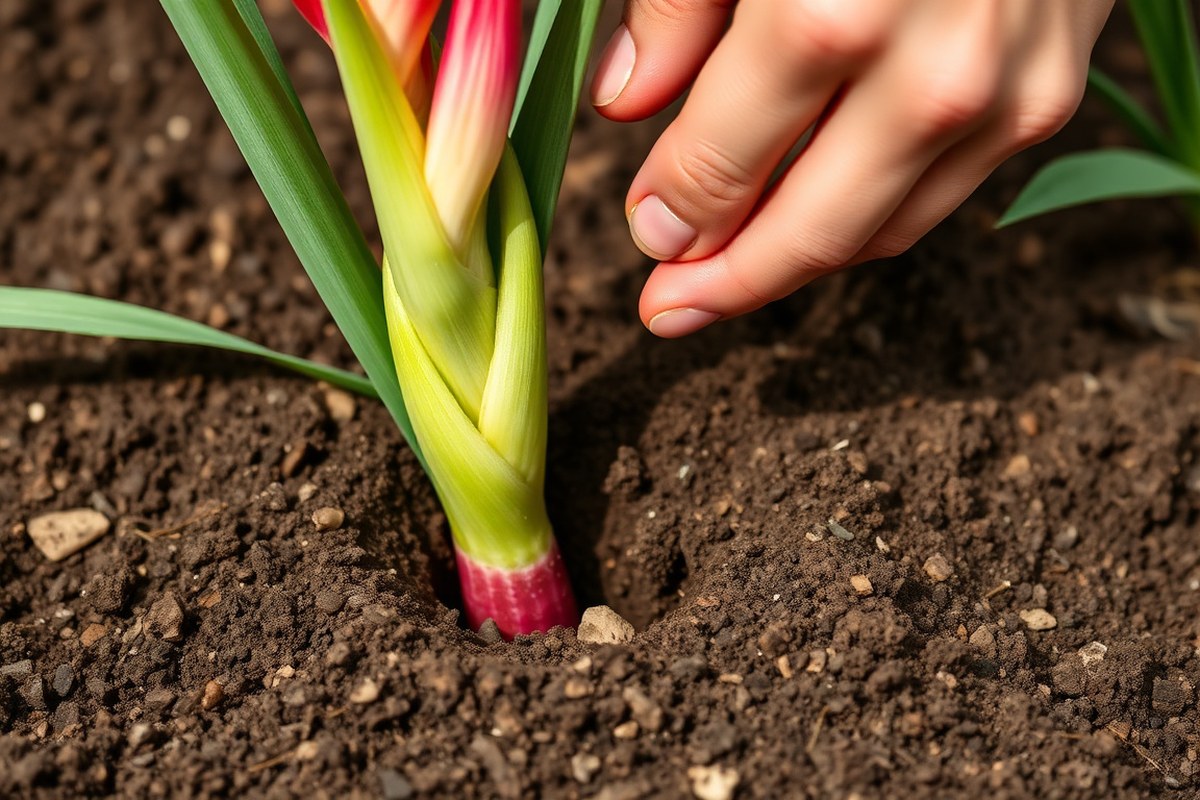
Plant gladiolus corms about 4 to 6 inches deep for best results. This depth covers the corm and roots well while letting shoots break through easily.
Larger corms around 1 to 2 inches wide do best nearer to 6 inches deep. Smaller ones closer to 4 inches.
Planting at this depth protects the corms from temperature swings and pests. It also helps the gladiolus grow steady, with strong stems that won’t flop over. Shoots will emerge in 10 to 14 days, timing that supports healthy leaf and flower development.
Planting too shallow, less than 2 inches, leaves the corm vulnerable to frost and drying out. Shoots may pop up too early but struggle in harsh surface weather. Planting deeper than 6 inches slows bulb growth.
It also makes shoots harder to push up. Keep bulbs at or above 6 inches deep. In heavy soils, deep planting can cause rotting.
Choosing the Right Depth Based on Corm Size and Soil Type
Planting depth changes with the size of gladiolus corms and the soil you have. Larger corms need deeper planting to support tall flower spikes. Smaller or dwarf corms go in shallower.
This keeps stems stable. It saves their energy from growing extra roots.
Soil type also affects how deep you should plant. Heavy clay drains poorly, so planting too deep can cause rot. Sandy soil drains fast but holds less moisture.
So you plant deeper to reach damp soil. Rocky soil needs care to avoid shallow rocks harming roots or corms.
| Soil Type | Planting Depth | Notes |
|---|---|---|
| Loamy | 6 inches | Ideal for most gardeners |
| Clay | 4-5 inches | Prevents waterlogging and rot |
| Sandy | 6-7 inches | Extra depth for moisture retention |
| Rocky | 5-6 inches | Avoid shallow rocks for root space |
For tall corms, aim for at least 6 to 8 inches of soil above the base. Dwarf corms do well with 2 to 4 inches covering them. You can use these rules to check what fits your corm size and soil type.
Planting corms too shallow, like 2 inches deep, risks stems breaking or plants blowing over.
Dig loose soil about 12 inches deep in clay. Or use raised beds instead. This helps gladiolus grow better.
This prevents water buildup that can cause rot. For sandy areas, dig a bit deeper to keep corms moist longer.
Here’s a quick decision rule to follow:
- Identify your soil type first (loamy, clay, sandy, or rocky).
- Measure the corm’s diameter: smaller (dwarf) or larger (tall).
- Use the table to pick your base depth.
- For tall corms, add 2 or more inches for cover; less for dwarfs.
- Avoid planting deeper than 7 inches to limit rot risk, especially in cold, wet soil.
Step-by-Step Guide to Planting Gladiolus Correctly
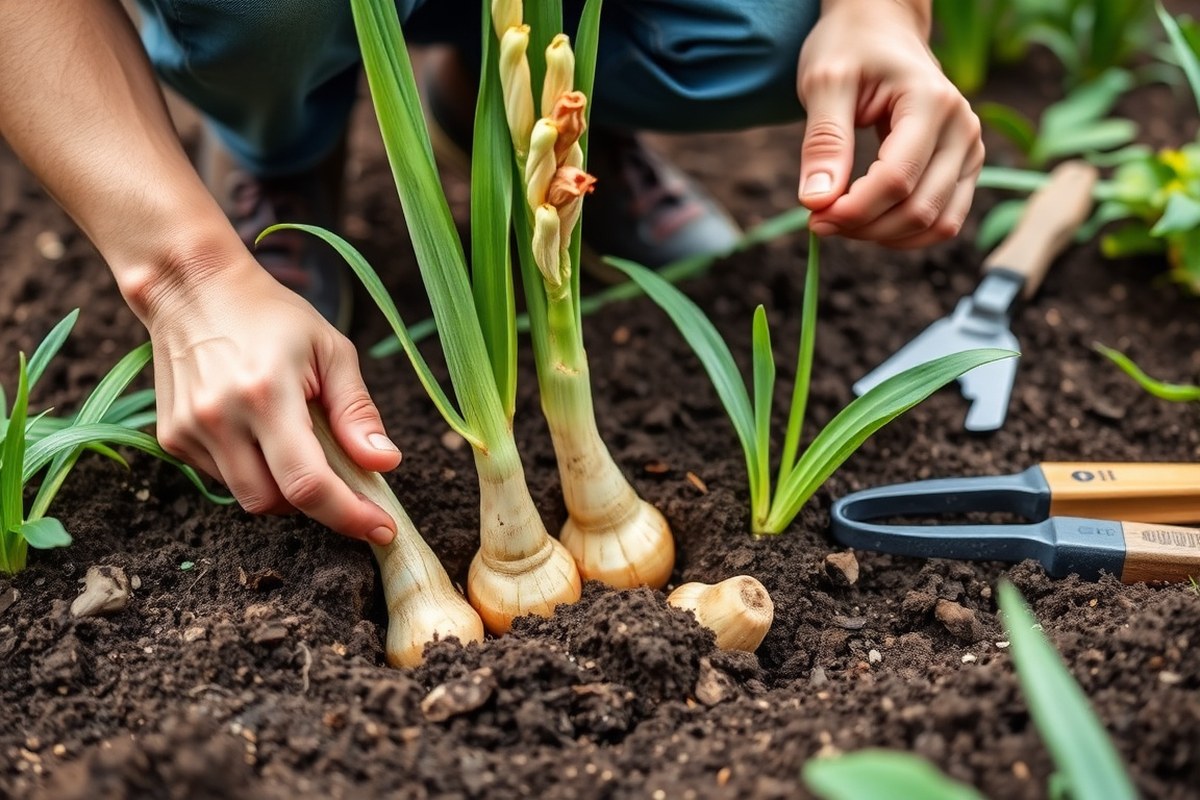
Plant gladiolus corms in holes 4 to 6 inches deep. Space the corms 6 to 8 inches apart for best growth. Put each corm with the pointed tip facing up.
Plant them 2 to 3 inches below soil surface. This depth supports the growing shoot without risking rot, especially in well-drained soil.
Preparing the Soil Bed
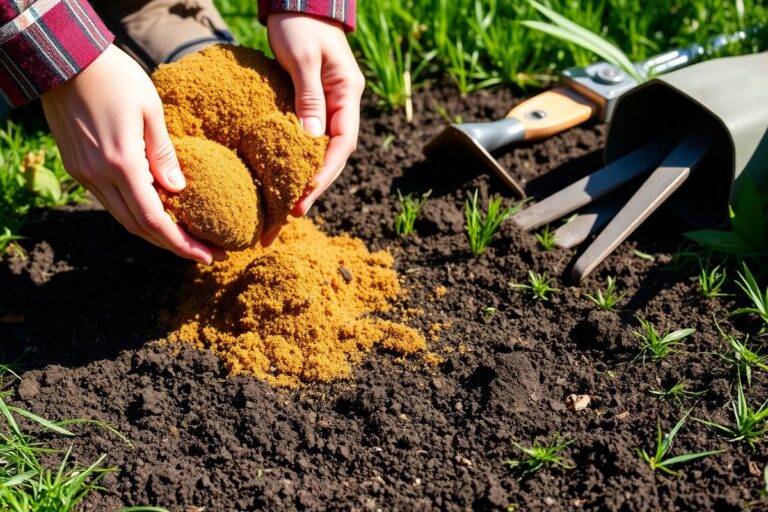
Start with loose, well-drained soil to prevent rot and support healthy roots. Work the soil to a depth of at least 6 inches, removing rocks and weeds. Adding compost helps improve soil texture and moisture retention.
Choose a sunny spot for planting. Gladiolus needs full sun, so avoid shaded or damp areas. Good drainage keeps corms healthy and stops pests like bulb mites.
Digging and Positioning Corms
Use a trowel or small shovel to dig holes about 4 to 6 inches deep. Space each hole 6 to 8 inches apart to give plants room to grow.
When planting many, try a trench 20 to 36 inches apart. This spacing keeps plants from crowding.
Place the gladiolus corm in each hole with the pointed end facing up. The top of the corm should sit 2 to 3 inches below the soil surface. Check depth with your finger or a ruler before covering.
Backfilling and Watering
Cover the corms gently with soil, firming it lightly to remove air pockets. Avoid compacting the soil too tightly as roots need room to spread. Keep the soil moist but not soaked after planting.
Water thoroughly right after planting to settle the soil and activate root growth. Water regularly during the growing season while watching for standing water. Proper moisture helps strong shoots and healthy blooms.
- Loosen and prepare a well-drained soil bed in a sunny location.
- Dig holes 4 to 6 inches deep and space them 6 to 8 inches apart.
- Place each gladiolus corm with the pointed tip facing upward.
- Ensure the top of the corm sits 2 to 3 inches beneath the soil surface.
- Fill holes gently with soil and press lightly to firm the ground.
- Water thoroughly right after planting to moisten the soil evenly.
- Maintain consistent moisture during the season without overwatering.
How Planting Depth Affects Gladiolus Growth and Bloom Timing
Planting depth has a clear effect on when gladiolus shoots appear. Plant corms 3 to 6 inches deep. Shoots start growing in 10 to 14 days.
Warm soil helps shoots come up faster. Planting deeper might delay shoots more than three weeks. They may struggle to break the surface.
The depth also influences how quickly gladiolus flowers bloom and how strong the stems grow. Deep planting delays bloom times. Shoots spend more energy pushing upward.
This causes weak and floppy stems. Shallow planting helps shoots come up faster. But this makes plants more likely to get hurt by wind or frost.
You can tell if planting depth was off by watching for certain signs. Slow emergence beyond 14 days often means the corm is too deep. Look for stunted growth or yellow, weak flowers.
These can indicate fungal infections. Incorrect depth can make it worse. Damage from frost or wind signals the corms sit too close to the surface.
Choosing the right depth means planting standard gladiolus bulbs 4 to 6 inches deep. Smaller bulbs may only need 3 to 4 inches. Hardy gladiolus in colder zones sometimes go deeper for winter protection.
Deeper planting delays growth, so add a week or two before expecting shoots. For example, planting 6 inches deep might push shoot emergence from 10 to 21 days.
Monitoring your plants is key. Shoots taking longer than two weeks might mean corms are buried too deep. Check carefully by digging one up gently.
Frost damage or weak stems show planting depth issues. Try planting deeper next time and use better ground cover. Adjusting fertilizer every 3 to 4 weeks helps support recovery too.
Adjusting Planting Depth and Care for Different Soil Conditions
Adjust planting depth slightly depending on your soil type and bed setup. In clay or heavy soil, plant gladiolus a bit shallower to avoid water buildup.
Sandy or loose soil allows planting deeper. Raised beds and containers usually need shallower planting with good soil mix.
Clay and Heavy Soils
Clay soil holds water longer, which can rot gladiolus corms if planted too deep. Plant about 4 to 5 inches deep here, instead of the usual 6 inches. Loosen soil at least 12 inches deep to improve drainage and root growth.
Amend clay soil with compost or coarse sand to break up its density. This helps water move away more quickly, preventing sogginess. Use a small trowel to level the planting hole and avoid air pockets around the corm.
- Loosen clay soil 12 inches deep before planting
- Add one-third compost or coarse sand to the soil mix
- Plant corms 4 to 5 inches deep to reduce rot risk
- Ensure soil surface is level to avoid water pooling
- Check for proper drainage; avoid soggy spots
- Consider raised beds if clay soil is very heavy
Do not plant corms deeper than 5 inches in clay soil to prevent rot.
Sandy and Well-Drained Soils
Well-drained sandy soil suits gladiolus well and lets you plant deeper, about 6 inches. This depth stabilizes tall flower spikes in loose soil. Make sure the sandy soil is rich by mixing in organic matter like compost.
Sandy soil dries fast. So water after planting to settle the soil around the corms.
You might need to water a bit more often until the plants are established. Avoid planting too shallow as loose soil won’t support the corm well.
Raised Beds and Containers
Raised beds and containers drain very well, which is good for gladiolus health. Plant corms shallower here, about 4 to 5 inches deep. The shallower depth helps the corms avoid drying out quickly.
Choose a light, rich soil mix with plenty of compost or peat moss. Dwarf gladiolus varieties are ideal for containers because they don’t grow too tall. Keep the soil moist but not soggy to protect the corms.
- Plant gladiolus 4 to 5 inches deep in raised beds or containers
- Use a loose, rich soil mix with organic matter
- Select dwarf gladiolus varieties for containers
- Water carefully to keep soil moist but well-drained
- Ensure containers have drainage holes to prevent standing water
Raised beds dry faster, so check soil moisture often after planting.
Spacing Gladiolus Corms for Optimal Growth and Harvesting
Plant gladiolus corms 4 to 6 inches apart for best growth. This spacing gives each plant room to spread roots and grow strong stems. If you plant them too close, stems may weaken and flowers shrink.
For cut flower gardens, space corms about 6 inches apart. More space helps air flow and reduces disease risk, keeping stems sturdy. It also makes it easier to cut flowers without damaging nearby plants.
Arrange gladiolus in rows 12 inches apart to balance plant health and harvest. Wide rows allow you to walk through for cutting and watering. Grouping the corms loosely avoids crowding and keeps air moving.
Space matters because crowded plants compete for nutrients and light. Crowded gladiolus often grow thin stems and produce smaller blooms. Airflow also affects how well flowers dry after cutting, important for bouquets.
Planting gladiolus corms in sandy soil may let you space them slightly closer, about 4 inches. In heavy clay soil, use 6 inches or more between corms to prevent moisture problems. Adjust spacing based on your soil’s drainage.
Good spacing feels roomy but not wasteful. Overcrowded gladiolus can flop or fail to bloom well. On the other hand, leaving too much space wastes garden area and makes harvesting less efficient.
Common Planting Depth Mistakes and How to Fix Them
Plant gladiolus corms 4 to 6 inches deep. Planting them shallow, 1 or 2 inches, often causes plants to fall. Shallow planting gives weak support for the shoots.
They don’t get enough soil support to stay upright. Planting deeper than 6 inches can cause rot. This happens especially in soil that drains poorly.
Too deep means trapped moisture and decay. Rotten corms usually look soft, dark, and may smell bad. Shoots might not emerge at all if the corm is planting too deep or is rotting.
Check corm depth when gladiolus shoots don’t appear after weeks. The problem might be planting them too shallow or too deep. Correct planting depth helps shoots grow.
It might be too deep or starting to rot. You should gently dig around the spot to inspect the corm. Remove any soft, smelly corms.
You can fix shallow planting by replanting a healthy corm. The right depth is 4 to 6 inches.
This gives roots room to grow and hold the plant firm. Make sure the soil drains well and hold off watering right after replanting to prevent rot.
Here are common symptoms of bad planting depth and how to fix them:
- Plants flop easily: replant corms deeper, around 4 to 6 inches.
- No shoots after 2-3 weeks: dig to check corm health and depth.
- Soft, black, or smelly corms: replace with new, healthy corms.
- Too deep, no growth: remove and replant shallower, around 4 inches.
- Poor drainage causing rot: improve soil drainage before replanting.
- Shoots weak and thin: check if planted too shallow and add soil.
Replanting is possible, but it should be done quickly to save the corm. Handle the corm gently and plant it with the pointed end up. Use a trowel to dig a hole 4 to 6 inches deep.
The size of the corm decides exact depth. Digging the right depth keeps the plants steady. Avoid watering right after replanting; wait a few days to reduce rot risk.
Rotten corms won’t grow well. Replace them with fresh, healthy ones.
This is usually the best way to save your plants. Healthy gladiolus grow upright, strong, and produce vibrant blooms.
Supporting and Caring for Gladiolus After Planting
Staking gladiolus is key to keeping their tall stems upright. Watering deeply and regularly helps roots grow strong. Adding fertilizer supports blooms, while hilling soil stabilizes stems as they grow.
When to Stake Gladiolus
Start staking when gladiolus stems reach about 6 inches tall. Waiting until this height gives the plant a chance to grow naturally. Early staking prevents the stems from bending or breaking in wind or rain.
Use stakes that reach 18 to 24 inches tall depending on the variety. Insert the stake about 3 inches into the soil, a few inches away from the stem. Tie the stem loosely to the stake with soft garden twine to avoid bruising the plant.
- Check stem height regularly during growth.
- Choose a stake strong enough for your tallest plants.
- Place the stake gently into the soil near the stem base.
- Secure the stem to the stake using soft twine or strips of cloth.
- Adjust ties as the plant grows taller for continued support.
- Remove stakes after flowering, before the stem starts dying back.
Don’t tie too tightly; stems need room to sway gently with the wind.
Watering and Fertilizing Guidelines
Water gladiolus deeply after planting to settle the soil around the corms. Deep watering helps roots grow downward, boosting plant stability. Aim to water once or twice a week, depending on weather and soil drainage.
Feed the plants with a balanced fertilizer once they start sprouting. Use a 10-10-10 or similar mix every 3 to 4 weeks during the growing season. Avoid over-fertilizing, which can make stems weak and prone to falling.
Using Soil Hilling for Stability
Hilling means piling soil gently around the stem base to support it. When stems reach about 6 inches tall, mound soil around them.
Add 1 to 2 inches of soil around each plant. This firm soil acts like a brace and keeps stems upright.
Hilling also helps the plant resist wind and heavy rain, protecting the tall flower spikes. Avoid covering the flower spike with soil. Also, keep leaves free from soil.
This prevents rot from forming. Check hilling regularly and add soil if it washes away during watering or rain.
Step-by-Step Action Plan for Planting Gladiolus Corms
Plant gladiolus corms at the right depth for best results. Dig holes carefully. This helps your plants grow strong and tall.
- Before planting: Choose corms sized 1.5 to 2 inches in diameter for best results. Healthy corms feel firm with no soft spots.
- Day 1: Prepare the soil by loosening it about 8 to 10 inches deep. This allows roots to grow well and prevents waterlogging.
- Day 1: Make holes 4 to 6 inches deep depending on soil. Use deeper holes in sandy soil to hold moisture. Clay soil needs shallower holes to prevent sogginess.
- Day 1: Place each corm pointed side up in the hole. Cover with soil and gently firm it to remove air pockets.
- After planting: Water the soil until moist but not soaked. Proper moisture supports root development without rot.
- Week 2: Check soil moisture regularly, watering only when the top inch feels dry. Overwatering can cause corm rot.
- Week 3 and on: Spread 2 inches of mulch over the soil surface. This keeps temperature steady and cuts down on weeds.
- After shoots appear: Insert stakes to support stems and protect flower spikes from wind damage.
Frequently Asked Questions
What Depth Is Best for Planting Gladiolus in Sandy Soil?
Plant gladiolus about 4 inches deep in sandy soil. Sandy soil drains water quickly, so shallower planting helps bulbs avoid drying out.
Can You Plant Gladiolus Too Deep?
Yes, planting gladiolus too deep can delay blooming. Too much soil above the bulb makes roots struggle and slows growth.
Should Gladiolus Corms Be Planted with the Pointed End Up?
Yes, plant gladiolus corms with the pointed end facing up. This helps shoots grow straight and strong for better flowers.
How Does Soil Type Affect Gladiolus Planting Depth?
Soil type affects planting depth; heavy clay needs shallower planting, around 4 inches. Well-drained sandy soil allows planting up to 6 inches deep.
Can I Plant Gladiolus Bulbs Closer Than 6 Inches Apart?
You can plant bulbs closer, but 6 inches apart is best for airflow. Crowding can cause disease and weaker stems.
Do Gladiolus Bulbs Need Extra Fertilizer When Planting Deep?
Generally, no extra fertilizer is needed at planting. Use balanced fertilizer once shoots emerge for healthy growth.
Key Points to Remember
Plant gladiolus corms 4 to 6 inches deep, depending on soil and corm size. Use firm corms and well-prepared soil for strong flowers. Start digging holes to the right depth and notice how your garden improves this season.