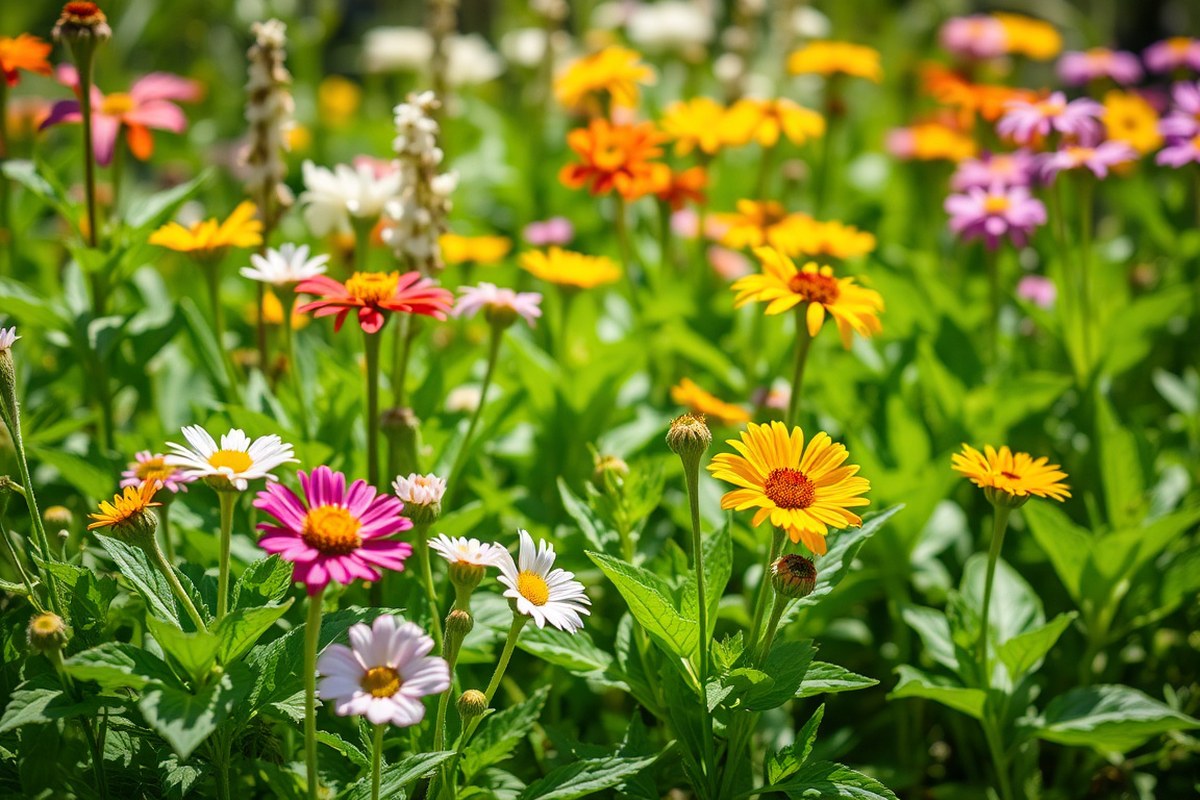
What Is a Perennial Plant? A Complete Guide for Gardeners
Wondering what is a perennial plant? Simply put, a perennial plant lives for more than two years. Unlike annuals that die each season, perennials grow back each spring from their roots or stems.
They often bloom every year once mature and can live for many years. Some, like the century plant, might live up to 80 years before flowering and then dying.
To grow healthy perennials, plant after the last spring frost. Plant them before the first fall frost comes.
This timing helps protect the plants from frost damage. Watch their spacing and soil needs to help them thrive long term.
Key Takeaways
- Plant perennials in spring after the last frost for best results.
- Space seedlings about 6 inches apart to avoid overcrowding.
- Perennials live multiple years, blooming repeatedly once mature.
- Some perennials, like lupine, last only 3 to 5 years.
- Century plants can live up to 80 years before flowering once.
- Ensure soil drains well to prevent root rot in perennials.
What Is a Perennial Plant and How Is It Defined?
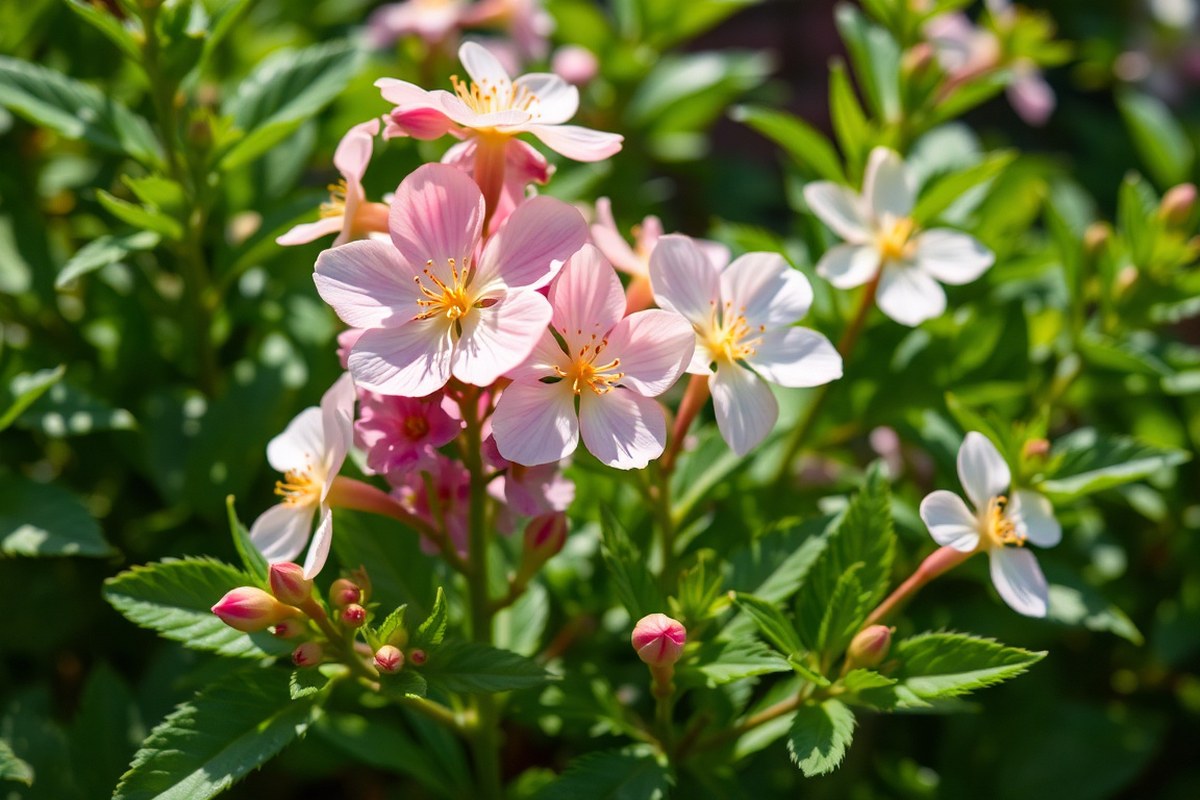
A perennial plant is one that lives for more than two years. Unlike annuals, it doesn’t die after one growing season. Perennials keep growing year after year, often blooming for several weeks each year.
Annual plants complete their life cycle in one growing season. They sprout, flower, seed, and then die before winter. Examples of annuals include zinnia, marigold, and petunia, which you usually have to replant every year.
Biennials take two years to complete their life cycle. In the first year, they mostly grow leaves and roots.
They flower and produce seeds in the second year, then die. Common biennials include foxglove and hollyhock, which you plant every two years unless they reseed themselves.
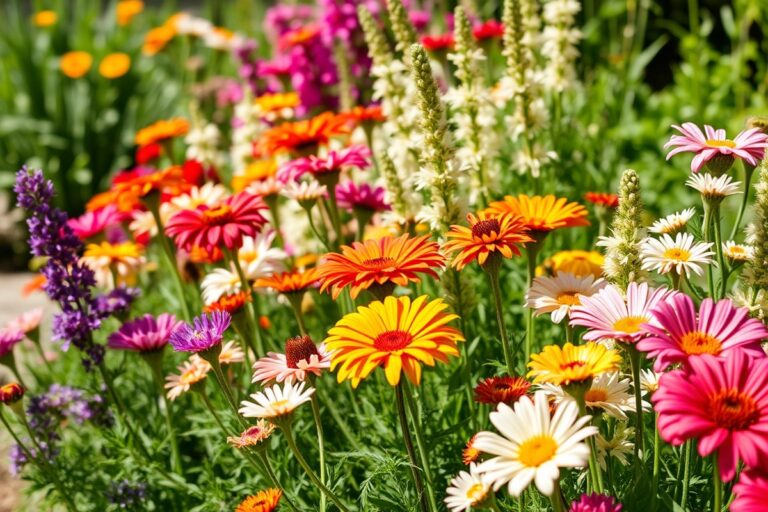
Perennials live much longer, often three years or more. Many can survive for decades with proper care. Plants like peony, hosta, daylily, coneflower, and lavender are typical perennials that come back each season.
| Type | Life Span | Bloom | Replanting | Examples |
|---|---|---|---|---|
| Annual | One growing season | Usually long, late spring to frost | Every year, unless reseeds | Zinnia, marigold, cosmos, petunia |
| Biennial | Two years | Second year only | Every two years, unless reseeds | Foxglove, hollyhock, sweet William, parsley |
| Perennial | Three years or more | Usually two to six weeks per year | None; divide every few years | Peony, hosta, daylily, coneflower, lavender |
Perennials tend to finish blooming within a few weeks annually, unlike annuals that often bloom longer. You don’t need to replant perennials yearly.
Instead, divide their roots every few years to keep them healthy. Their lifespan and repeated blooming make them worth the investment in your garden.
Knowing these differences helps you plan your garden better. If you want plants that return every year, go with perennials.
Annuals offer quick, colorful bursts but need yearly replanting. Biennials fit somewhere in between, giving flowers in their second year and surviving only two seasons.
Types of Perennial Plants and Their Characteristics
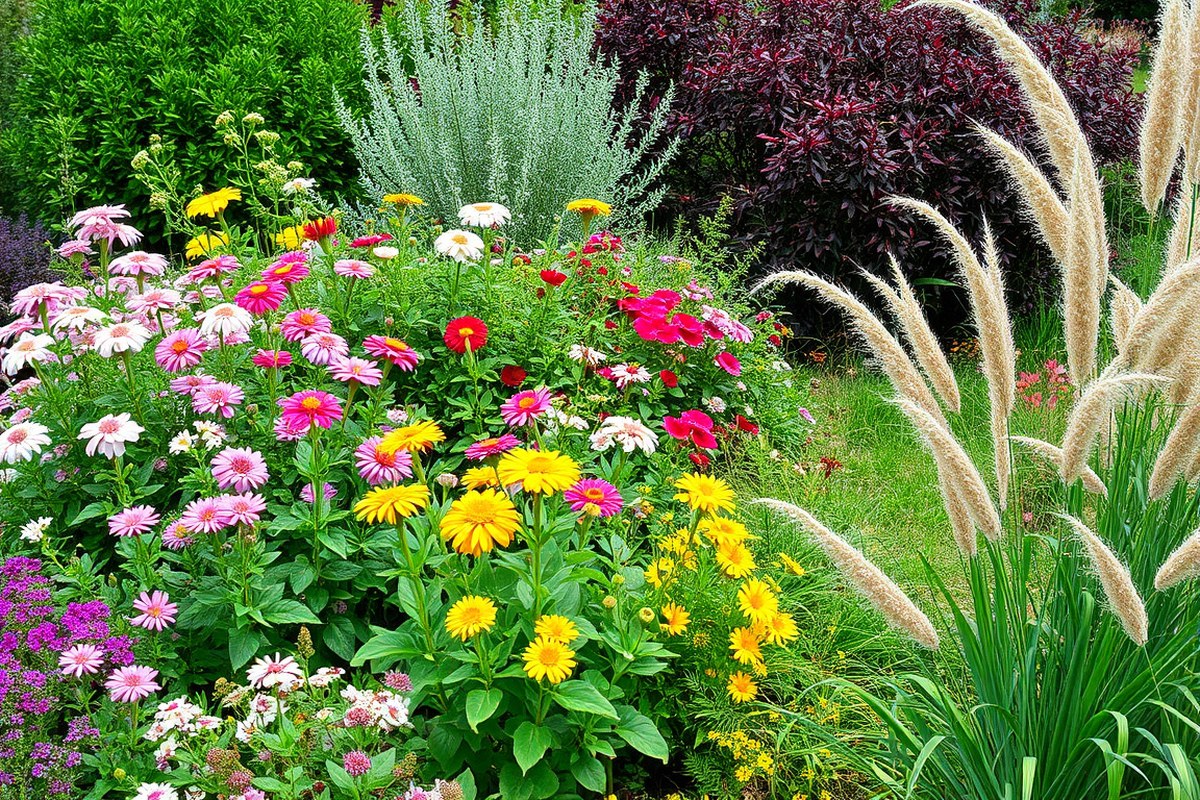
Perennial plants come in several types, mainly herbaceous, woody, and evergreen. They survive year after year by using different growth habits and underground storage organs. Understanding these types helps you pick plants that fit your garden conditions and care routine.
Herbaceous Perennials and Their Growth
Herbaceous perennials have soft, green stems that die back after each growing season. They regrow in spring from underground parts like roots or storage organs. Examples include daylilies and hostas, which vanish in winter but come back strong.
They usually need about 6 hours of sun and well-drained soil to thrive. The above-ground parts disappear by late fall or early spring. You can cut back the dead stems then.
This helps keep plants tidy through winter. This helps the plant focus energy on new growth.
Woody and Evergreen Perennials Explained
Woody perennials have hard, woody stems that last year-round. Trees and shrubs like apple trees or lilacs fall into this group. They grow wood rings every year.
This wood keeps a permanent structure. It supports leaves and flowers for many years.
Evergreen perennials keep leaves all year but may lack woody stems. Plants like bergenia hold onto their foliage even in winter. You’ll notice evergreen perennials keep your garden green through cold months and reduce soil erosion.
Bulbs, Corms, Tubers and Rhizomes
These terms describe different underground structures that perennials use to survive tough seasons. Bulbs, like tulips, store food in layers of fleshy scales. They send up leaves and flowers every spring before dying back.
Corms, found in gladiolus, are swollen stem bases that act as storage organs. Tubers, like dahlias, are enlarged underground stems or roots packed with nutrients. Rhizomes grow horizontally below ground and spread the plant, common in iris and some ferns.
Be careful not to overwater bulbs and tubers in winter since they can rot easily.
How Perennial Plants Survive Winter and Dormancy
Perennial plants survive winter by entering dormancy, a resting phase. During dormancy, they slow down growth to protect themselves from frost and cold. Their survival depends on stored energy and their suitability to your local hardiness zone.
The Dormancy Cycle Explained
Dormancy is when a perennial plant stops growing and sheds leaves in late fall. This phase can last through winter, protecting the plant during freezing temperatures. Once warmer weather arrives, the plant breaks dormancy and starts growing again.
In temperate regions, dormancy often begins as daylight shortens and temperatures drop in autumn. The plant uses stored carbohydrates to survive low temperatures while the above-ground parts may die back. By early spring, new shoots appear as the plant wakes up from dormancy.
Growth stops in late fall. Dormancy lasts through winter.
Regrowth starts late winter to early spring. This cycle repeats each year, safeguarding perennials through cold seasons.
Role of Roots and Storage Structures
Roots, tubers, or crowns store nutrients like carbohydrates during the growing season. These reserves fuel the plant’s survival during winter dormancy. For example, herbaceous perennials die back above ground but regrow from rootstock in spring.
Specialized structures protect the plant from winter stress and frost damage. Some perennials lift their tubers in fall. They do this in cold zones below 7.
This prevents freezing. Dense roots underground often stay at temperatures above freezing, shielding the plant.
These storage adaptations allow perennials to restart growth quickly once temperatures rise. Without adequate nutrient stores, the plant struggles to regenerate healthy shoots and leaves after winter.
Using Hardiness Zones to Choose Perennials
Hardiness zones help you pick perennials that survive winters in your area. The USDA map divides zones by average coldest winter temperature in 10°F steps. Half zones split that 10°F into 5°F increments, offering finer detail.
For example, if your zone is 5, choose plants rated for zones 5 and below. That ensures your perennials can handle your area’s typical low temperatures. Planting outside this range risks winter damage or death.
Some perennials grow hardy in warm zones. They act like annuals in colder zones. They don’t survive frost there.
Checking your zone before planting helps you avoid losing plants to cold weather. It’s a key rule for successful perennial gardening.
How to Identify Perennial Plants in Your Garden
Knowing how to spot a perennial plant helps you plan your garden better. These plants live for more than two years and return each growing season.
You can tell a plant is perennial by watching how it grows. Check its label if you have it to be sure.
Perennial plants often stop growing in cold or dry conditions and go dormant. They start growing again when the weather warms or moisture returns.
This cycle means you only need to plant them once. They keep coming back bigger over time.
- Look for woody or sturdy stems that survive winter.
- Notice if the plant dies back in fall and regrows in spring.
- Check plant tags or catalogs for the word “perennial.”
- Watch for the same plant sprouting yearly in the same spot.
- Identify broad root systems or underground storage like bulbs or rhizomes.
- See if the plant produces flowers or leaves over multiple seasons.
- Ask a local nursery or garden center about perennials suited to your zone.
Garden labels and seed catalogs provide a clear hint about a plant’s life cycle. Labels often state whether a plant is annual, perennial, or biennial. Perennials usually require less replanting work, which saves time and money over years.
In some colder regions, plants that are usually perennial might not survive winter outside. Gardeners might treat these as annuals, replanting each year. Knowing your local climate zone is key to correctly identifying and growing perennials.
When and How to Plant Perennials for Best Results
Planting perennials in early spring, around April or May, usually works best. This timing lets roots establish before hot summer weather starts.
For trees and shrubs, you can begin as early as March. But avoid planting after the heat sets in.
Good soil prep boosts growth and root health. Start by loosening the soil to about 12 inches deep.
Add compost or organic matter to improve drainage and nutrients. Make sure the spot gets enough sun and avoid soggy areas, since perennials dislike wet feet.
Proper spacing helps avoid crowding and disease. Most perennials need 12 to 24 inches between plants.
Check the seed packet or plant tag for exact spacing. Crowded plants can stunt root growth and block airflow, which leads to problems.
Follow these steps to plant your perennials correctly:
- Choose a sunny, well-drained spot with loose soil.
- Dig a hole twice as wide and just as deep as the root ball.
- Mix compost into the dug soil, then set the plant in place.
- Backfill with soil, firming lightly around the roots but not packing it hard.
- Water deeply to settle the soil and remove air pockets.
- Add 2 to 3 inches of mulch to keep soil moist and cool.
- Space plants according to their mature size recommendations.
- Keep the soil moist but not soggy during the first few weeks.
Mulching right after planting helps keep roots cool and stops weeds from stealing nutrients.
Essential Care Tips to Maintain Healthy Perennials
Water perennials deeply once or twice a week, depending on rainfall. Aim for about 1 inch of water each time during dry spells.
Young plants especially need consistent moisture. But avoid soaking the soil to prevent root rot.
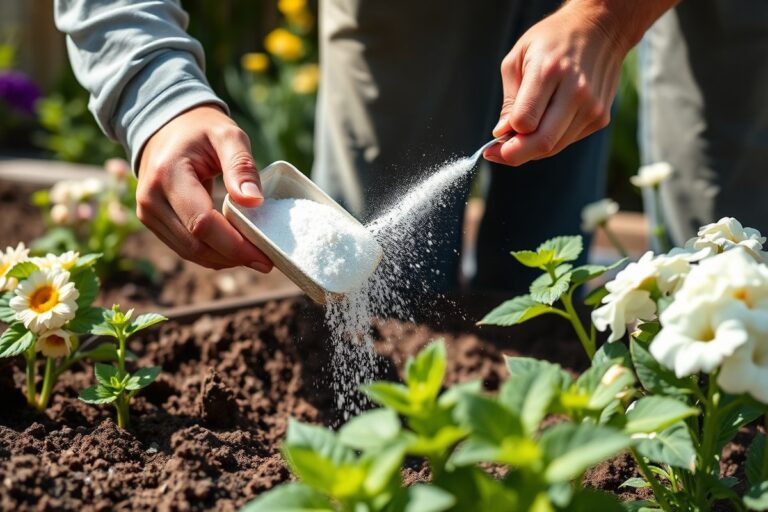
Use a general-purpose, mild fertilizer in early spring and again after bloom. Incorporate compost or balanced 10-10-10 fertilizer at planting time.
Too much fertilizer can burn roots or promote weak growth. So follow package directions for amounts.
Pruning depends on the type of perennial. Cut back faded flowers to boost more blooms during the season. Divide clumps every three years to keep plants healthy.
Spread clumps to new spots in your garden. This helps them grow better and not overcrowd.
Tall perennials like delphiniums or sunflowers often need support. Use stakes, cages, or plant rings to prevent stems from snapping in wind or rain. Place supports early before plants get too tall to avoid damaging roots.
Good soil is essential for vigorous plants. Loosen soil deeply and mix in compost before planting. Check if your soil is sandy, clay, or balanced.
Pick perennials that match these soil types. Or improve your soil before planting by adding the right amendments.
Mulch helps keep soil moist and stops weeds. Apply a 2-3 inch layer around plants after watering.
Keep mulch a few inches away from stems to avoid rot. Mulching also protects roots during winter and reduces watering needs.
Common mistakes include overwatering young plants or neglecting support for tall growers. Yellow or wilted leaves mean check soil drainage first. Adjust your watering habits next.
This can fix many common plant problems. Loose stems need more secure stakes or gentle ties to avoid breakage.
How to Divide and Propagate Perennial Plants
Dividing perennial plants keeps them healthy and helps you grow new ones. The best time is spring or early fall, when the plants are not stressed. You can dig up a clump, split it, and plant the sections to expand your garden.
Signs a Perennial Needs Dividing
When perennials grow too dense, flowers may become smaller or fewer. If the center of the plant dies or thins out, it usually needs dividing. Another sign is if the plant’s growth slows down after several seasons.
Some perennials, like peonies, don’t need dividing often unless you want more plants. Dividing keeps your garden vibrant by renewing root systems and encouraging fresh growth.
Overcrowded roots also compete for nutrients. So dividing helps each plant get what it needs.
Step-by-Step Division Process
Dividing perennials is straightforward but takes some effort and care. Use a sharp spade or garden fork to dig around and lift the plant. Then gently separate the roots into smaller pieces, each with roots and shoots.
- Choose a cool, cloudy day to reduce stress on the plant.
- Water the plant the day before digging to soften the soil.
- Dig around the plant base about 6 to 12 inches away to avoid root damage.
- Lift the entire clump carefully using a spade or fork.
- Shake off excess soil to see the roots clearly.
- Cut or pull apart the clump into sections, each with roots and shoots.
- Trim any dead or damaged roots or foliage.
- Plant the new divisions immediately, leaving enough space for growth.
Keep the soil moist for the newly planted sections until they settle in. Avoid fertilizing right away; wait a few weeks to let the plant adjust. This process usually takes about 30-60 minutes depending on the plant size.
Propagation Methods Beyond Division
Besides dividing, you can start perennials from seeds or cuttings. Some perennials easily grow from stem cuttings, taken in late spring or early summer. Others spread by runners or rhizomes, which you can separate as new plants.
Using seeds is slower but offers more variety. Cuttings give you exact copies of the parent plant, which is handy for preserving special traits.
Runners and rhizomes naturally form new plants close by. So you can simply dig them up and replant.
Try different methods to see what works best for your plants and garden. Propagation adds more perennials without buying new ones, saving money and expanding your collection.
Choosing the Right Perennials for Your Garden Zone
Start by finding your USDA hardiness zone. This tells you the coldest temperature your garden can expect. Each perennial species suits certain zones.
Planting outside that range risks them dying in winter. For zones 4-8, common in many US gardens, pick plants rated for your zone. Choose plants rated for colder zones to be safe.
Sunlight matters too. Some perennials need full sun (six hours or more daily). Others prefer partial shade.
Match the plant’s sunlight need to your garden’s conditions. For example, hostas thrive in shade, and coneflowers love full sun. Soil quality is another key factor.
Pick well-drained, rich soil when you can. Heavy clay or sandy soil might need amending before planting.
For beginners, some perennials are easier to grow and adapt well. In zone 4, try daylilies, sedum, and black-eyed Susan. Zones 5-6 offer bee balm, purple coneflower, and lavender.
For zones 7-8, consider blanket flower, Russian sage, and coreopsis. These plants tolerate common soil types and need less fuss overall. Most bloom from late spring through early fall, giving your garden long-lasting beauty.
To pick the right perennial, first check your zone on the USDA map. Then look up plants labeled for your zone or zones colder than yours. Confirm your garden’s sun exposure.
Also, test your soil to see if it drains well and has decent organic matter. Use this info to pick plants that fit all these conditions. This method raises your chance of healthy plants that bloom every year.
Never plant perennials rated for warmer zones in colder gardens because they likely won’t survive winter.
Adjust your choice based on garden specifics like wind or moisture pockets. For example, moist shade can support bleeding hearts. But dry, sunny spots need drought-resistant types like yarrow.
Rotating different species with staggered bloom times keeps flowers showing longer through the seasons. This variety also helps against pests and diseases that target one type.
Buying perennials usually costs $5 to $15 each at garden centers or online. Plan how much you want based on space and design. Let new perennials grow for a full season to settle.
Feed them with balanced fertilizer rich in potassium. This helps roots grow strong and flowers bloom better.
Step-by-Step Action Plan for Growing Perennial Plants
Follow these simple steps to start and care for perennial plants in your garden. You’ll see steady growth and blooms season after season.
- Before planting: Choose perennials suited for your garden zone. Use a local plant hardiness map to pick the right plants.
- Planting day: Dig holes twice the root ball size. Place plants so roots spread out naturally, then cover with soil.
- Week 1: Water deeply after planting. Check soil moisture each day to keep the roots moist but not soaked.
- Month 1: Apply a balanced slow-release fertilizer once. Watch leaves for healthy green color as a sign of good nutrition.
- Season 1: Mulch around plants with 2-3 inches of organic material. It keeps roots cool and conserves moisture.
- After flowering: Deadhead spent blooms to encourage more flowers. Cut back stems when they look dry or woody.
- Year 2 and beyond: Divide crowded clumps in early spring or fall. Healthy young divisions will keep your perennials thriving.
Frequently Asked Questions
How Long Do Perennial Plants Typically Live?
Perennial plants live more than two years, often many decades. For example, century plants can live up to 80 years before flowering and then dying.
Can Perennial Plants Flower Every Year?
Yes, most perennials bloom annually once mature, during their flowering stage. This helps continue their growth cycle and reproduction every year.
Do Perennial Plants Need Special Soil?
Perennials usually prefer well-draining soil suited to their species. Testing soil and adjusting pH can improve their health and flowering.
Can Perennials Survive Drought Conditions?
Many perennials tolerate some drought, but most need occasional watering. Mulching helps retain soil moisture to support healthy root growth.
Are Perennial Plants Good for Pollinators?
Yes, they often attract bees and butterflies during flowering. This benefits your garden’s ecosystem and improves overall plant pollination.
How Do Perennials Differ from Biennials?
Perennials live many years, biennials live two years, then die. Biennials often flower in their second year, unlike many perennials that bloom yearly.
The Bottom Line
Perennial plants offer lasting beauty with the right care and timing. Start with choosing plants suited to your zone. Then plant and maintain them carefully to enjoy their blooms for years.