How Much Are Snake Plants? A Complete Pricing Guide with Tips to Save
How much are snake plants? Prices usually range from $10 to $150.
The cost depends mostly on size, variety, and where you buy. Small pots under 6 inches often sell for less than $15.
Large snake plants, especially ones over 30 inches tall, cost $50 or more. It takes years for them to grow that big.
So they come with a higher price. Some retailers discount these plants during winter sales, sometimes as much as 50% off.
Basic snake plants like Sansevieria trifasciata Superba or Futura Superba typically go for around $25. You can find more affordable varieties like Sansevieria cylindrical for under $25. Start by deciding the size and type you want before shopping.
Look closely at plant health and pot condition when buying. A healthy snake plant will have firm, upright leaves without brown edges. Avoid plants that look wilted or too root-bound in their pots.
Key Takeaways
- Expect to pay $10-$15 for small snake plants in 4-to-6-inch pots.
- Large snake plants over 30 inches often cost between $50 and $100.
- Check for seasonal sales to save up to 50% on larger plants.
- Basic varieties like Superba usually cost about $25 at most retailers.
- Look for firm leaves and avoid plants with brown tips or soft spots.
- Nurseries charge more but offer healthier plants and better care advice.
How Much Do Snake Plants Typically Cost?
| Snake Plant Variety | Average Height (inches) | Pot Size (inches) | Average Price (USD) |
|---|---|---|---|
| Sansevieria trifasciata ‘Laurentii’ | 12, 18 | 6 | $15, $25 |
| Sansevieria trifasciata ‘Moonshine’ | 12, 15 | 6 | $25, $40 |
| Sansevieria cylindrica ‘Skyline’ | 24+ | 8 | $40, $70 |
| Sansevieria zeylanica | 30, 36 | 10 | $50, $80 |
| Sansevieria masoniana ‘Whale Fin’ | 12, 18 | 6, 8 | $60, $120 |
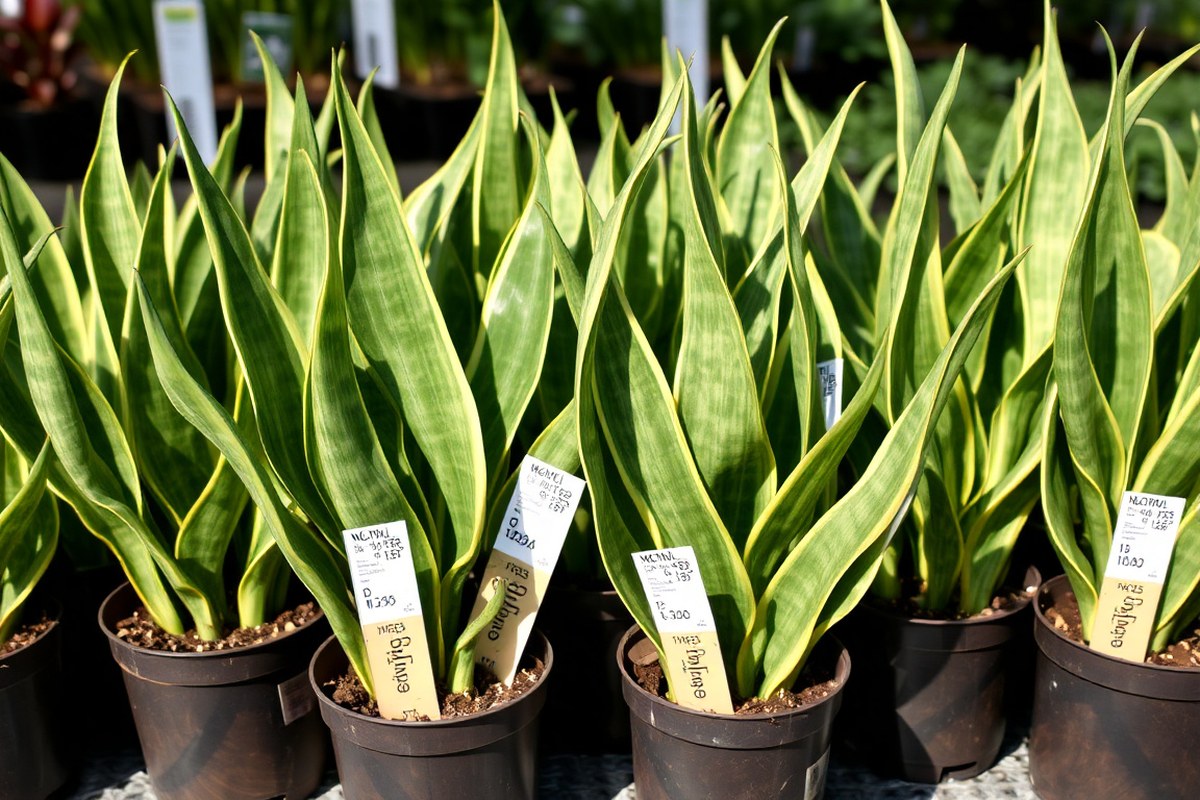
Snake plants usually cost between $10 and $150 depending on size and variety. Small snake plants in a 6-inch pot are often priced from $15 to $25 for common types like ‘Laurentii.’ Bigger plants in pots over 8 inches can cost $40 or more because they take years to grow.
Rare varieties and larger sizes are pricier. For example, ‘Moonshine’ at 12 to 15 inches tall costs $25 to $40. Rare types like ‘Whale Fin’ start around $60 and can reach $120.
The pot size affects price because larger pots hold more soil and support bigger plants, which usually cost more. Big-box stores offer the cheapest prices for common snake plants, starting near $10 for small pots. Specialty nurseries or online shops sell healthier or rare varieties.
But prices can be two to five times higher. Shipping may add as much cost as the plant itself, especially for large pots shipped across the country.
What Factors Influence Snake Plant Prices?
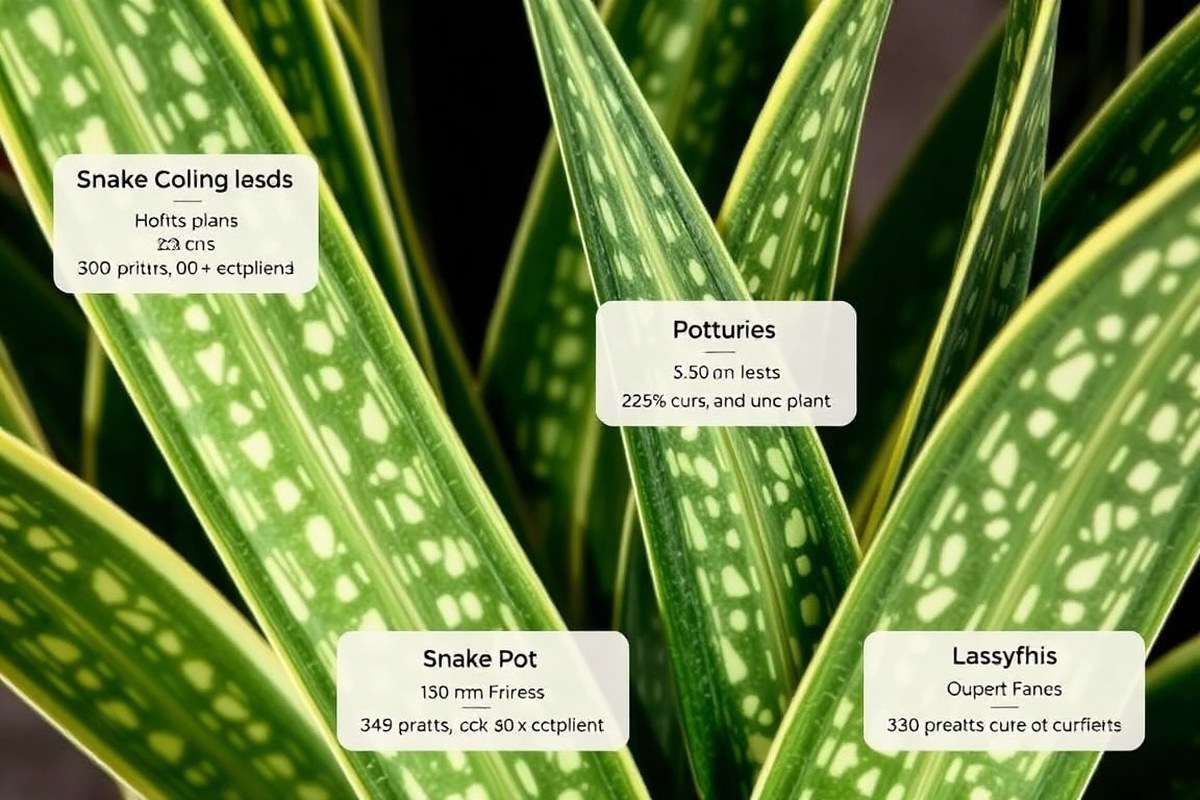
The cost of a snake plant hinges on several key factors like size, variety, and maturity. Larger plants in bigger pots usually cost more. They take more time and care to grow.
That extra effort raises their price. Maturity adds value too.
A well-grown snake plant looks fuller and sturdier. That makes it cost more than young ones.
Variation in species also affects price strongly. Common types like Sansevieria trifasciata Superba and Futura Superba are around $25. This is usually for small 4-inch pots.
Rare or variegated varieties can cost significantly more due to their uniqueness and slower growth. Sellers affect prices too.
Garden centers, nurseries, and online shops price plants differently. This is due to overhead and shipping costs.
- Pot size: bigger pots, like 6-inch or larger, add $10-$30 extra
- Plant maturity: older plants priced up to double younger ones
- Variety: rare types cost more than common black gold or black jack
- Seller type: nurseries may charge more than local markets or large stores
- Health and quality: plants with damaged leaves often sell for less
- Geographic location: prices vary by country and city, with urban areas higher
For example, a small 4-inch pot snake plant might go for $15-$25. But a medium 6-inch could cost $35-$50 depending on where you buy it.
It makes sense to check several sellers and compare sizes and plant ages before buying. Pot and plant quality combined show their real value.
Check the leaf condition carefully. Torn or chewed leaves usually lower the plant’s price and longevity.
Plants grown to maturity in bigger pots justify higher prices. They fill the space better and look vibrant instantly. That makes them worth the extra cost.
Sellers who specialize in houseplants tend to price based on the care invested, not just size. Big snake plants might cost the same at a nursery or market. But their quality can differ quite a bit.
Price Differences by Size with Examples
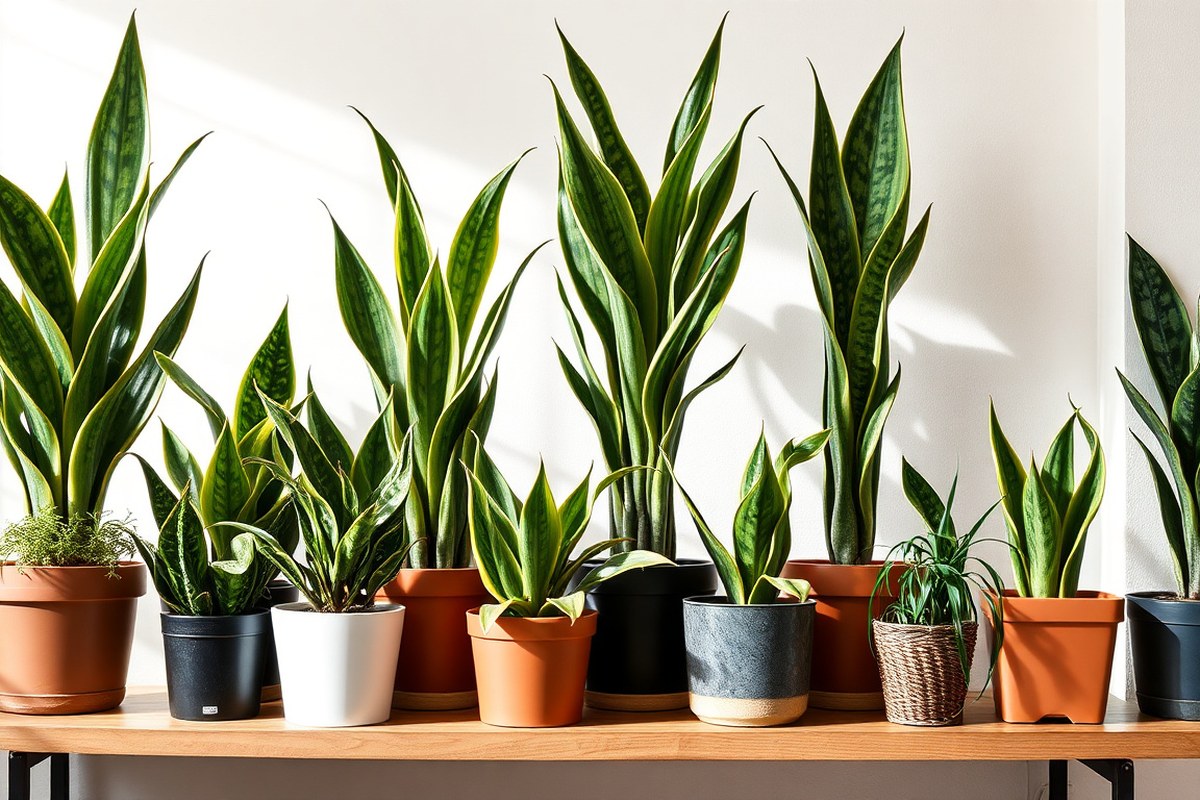
Snake plants come in different sizes, which affects their price. Smaller plants fit in 3-4 inch pots and stand about 6 to 12 inches tall.
Medium sizes use 5-6 inch pots and grow roughly 1 to 2 feet high. Larger plants often come in 7-8 inch pots and can reach up to 3 feet tall.
The price goes up with size since bigger snake plants have taken longer to grow. Growing a large plant takes more time and care, making it cost more.
Pot styles also matter. A fancy ceramic pot can cost as much as the plant inside.
| Size | Pot Size | Approximate Height | Price Range |
|---|---|---|---|
| Small | 3-4 inches | 6-12 inches | $10 – $20 |
| Medium | 5-6 inches | 1-2 feet | $20 – $35 |
| Large | 7-8 inches | 2-3 feet | $35 – $60 |
| Jumbo | 9-10+ inches | 3+ feet | $60+ |
A bigger snake plant not only looks impressive but also saves time. It’s ready to fill your space and improve air quality faster.
Keep in mind, the roots grow quickly and may crack small terracotta pots. So you might need to repot as it grows.
Buying a small plant can be cheaper but requires patience to reach a large size. With a medium or large plant, you pay more upfront but skip years of growth.
Price often reflects this extra time and care. So choose based on how soon you want a full, lush snake plant.
How to Find Affordable Snake Plants Near You and Online
Snake plants are available at local nurseries, big-box stores, and online shops. Each option comes with different prices, plant selections, and convenience levels. You should choose the place based on your budget and plant taste.
Think about how soon you want your snake plant too. These factors help you pick the right source.
Local Nurseries and Garden Centers
Local nurseries offer healthy snake plants and personalized advice. They often carry rarer varieties. So you might find unique types like Braided Cylindrica or Ghost.
Prices are usually higher here. But the plants tend to be well cared for and acclimated to your area.
Buying at a nursery means you can check the plant well first. The staff often know how to find the best plant size for you. Local nurseries give you fresher plants and help the community.
Big-Box Retailers and Home Improvement Stores
Big-box stores like Home Depot and Lowe’s usually have the lowest prices on common snake plants. You can expect prices around $6 to $24 for typical varieties. These stores usually carry many snake plants in simple pots.
The soil is standard and made for shipping and quick sales. This setup makes the plants easy to sell and move.
One downside to big-box stores is lower plant variety. Most plants are common types like Sansevieria trifasciata Laurentii.
The quality may be mixed since plants pass through many hands before you buy. For affordable snake plants, this is where many people start.
Online Plant Shops and Marketplaces
Online shops like Bloomscape and The Sill offer a wide selection with convenience. You can find rare snake plant types not available locally. But expect shipping fees from $25 to $90.
Shipping can cause damage. One study found 31% of online orders had visible issues or wrong plants.
Ordering online lets you browse detailed photos and care info. It’s a good option if you want a rare variety or larger sizes.
Pay attention to customer reviews and return policies to avoid problems. Compare prices plus shipping to get the best deal.
- Local nurseries: better plant health, higher prices, good variety
- Big-box stores: lowest prices, common varieties, mixed quality
- Online shops: rare plants, higher cost with shipping, convenience
- Check shipping policies and read reviews when buying online
- Inspect plants carefully when buying in person
- Buy common types locally to save money
- Choose online or nurseries for unique or rare snake plants
When and How to Shop for Discounts on Snake Plants
Timing your snake plant purchase around seasonal sales helps you save. Look for discounts at local nurseries or online stores. These savings can add up quickly.
Shops often mark down plants during slower seasons or when clearing space. You can find deals by picking rescue plants from shops.
Buying several plants at once may get you a bulk discount. Don’t hesitate to ask for a better price.
Seasonal Sales and Off-Season Buying
The best time to buy snake plants is in late winter or early spring. Stores try to boost sales before the growing season, offering discounts or promotions. You might find prices cut by 10 to 20 percent during these deals.
Prices usually stay stable or go up in late spring. That’s when plants grow fast and more people want them. The demand pushes prices higher during summer.
Buying off-season in late fall or winter sometimes means bigger discounts but fewer choices. Shopping during holidays like Memorial Day or Black Friday can also lead to special plant sales.
Buying from Discount and ‘Rescue’ Racks
Discount or rescue racks hold plants with minor cosmetic flaws or traffic damage. These plants usually get marked down 25 to 40 percent. They can bounce back well with proper care, especially since snake plants are tough and slow-growing.
Look for leaves with slight browning or small spots, which often don’t affect health. Avoid plants with mushy leaves or a strong smell, indicating root rot. Rescue plants are good for buyers okay with extra care.
These plants often cost less than perfect ones. They make a great bargain if you can give TLC.
Negotiating Bulk Purchases and Gift Buying
Buying several snake plants at once often brings discounts, especially from local nurseries or online sellers. Ask if they offer a price break for 3 or more plants.
Some drop prices by 10 to 15 percent. This works if you want multiple gifts or want to decorate many rooms.
When shopping face-to-face, ask nicely about price if buying many. Sellers sometimes lower prices on pots shown for display. Polite negotiation often works in your favor.
Phrase your ask like this: “I really love these and want several. Is there a bulk discount?” Be ready to walk away if they say no.
- Buy in late winter or early spring for seasonal sales
- Check for Memorial Day or Black Friday plant promotions
- Shop rescue racks for 25, 40% discounts on imperfect plants
- Inspect rescue plants carefully for serious damage or rot
- Ask about discounts when buying 3 or more snake plants
- Politely negotiate prices in local stores during purchase
- Consider off-season buying for bigger discounts but fewer choices
Check leaves and roots before buying a rescue plant to avoid hidden damage.
Are Rare and Variegated Snake Plants Worth the Price?
Snake plants labeled rare, variegated, or heirloom often cost more. This is because of their unique leaf patterns or shapes. Variegated types like ‘Moonshine’ show distinct silver or yellow stripes caused by genetic variations.
These patterns make the plants visually striking and less common. So sellers charge higher prices.
Variegated snake plants keep their patterns if they get enough light. They usually need bright indirect sunlight to stay nice. Insufficient light causes the colors to fade or leaves may revert to solid green.
Keeping them in moderate light helps the patterns last longer. This explains paying more for their unusual look.
The so-called ‘heirloom’ or ‘bonsai’ snake plants often hang a higher price tag. True bonsai snake plants need at least 3 years of care. This includes root pruning and careful shaping.
These can cost $75 to $120. Most small dwarf types like ‘Hahnii’ are mislabeled as bonsai but don’t require that work. So their price should be lower.
Rare and premium snake plants hold value better than common green varieties, especially for collectors. Unique specimens that stay healthy and hold their variegation can resell for similar prices.
Ordinary plants usually lose value over time. They are easy to replace and grow fast.
Heirloom varieties may be worth the extra cost for their history. They also have a distinct look that some enjoy. You want a low-maintenance plant that looks special.
Spending more on a true rare type can be a good choice. Avoid paying too much for mislabeled plants. Always confirm true bonsai training or genetic rarity with sellers.
How to Assess a Great Snake Plant Deal Before Buying
Check the leaves for firmness and upright posture. Healthy snake plants stand tall without wilting or drooping. Avoid plants with brown tips, yellowing, or spots on the leaves.
Look closely at the base and undersides for tiny bugs or webbing. Common pests include spider mites and mealybugs, which can spread fast. Gently tap the leaves over white paper to detect moving insects.
Pot size should match the plant size without excess soil space. A pot 1 to 2 inches wider than the roots gives room. This space helps roots grow well inside the pot.
Avoid using a pot that is too small for the roots. Overpotting can cause root rot, while a too-small pot stresses the plant.
- Leaves must be firm, green, and free of discoloration.
- No visible pests or sticky residue on stems and leaves.
- Pot size fits root ball, typically 6 to 8 inches for medium plants.
- Soil looks well-draining and not soggy or compacted.
- Plant stands upright without leaning or crooked growth.
- Check for stable, undamaged pot without cracks or holes.
Healthy plants often feel heavy for their size, signaling moist soil. Light pots may mean the soil is too dry or roots aren’t healthy. Choose plants that look balanced; lopsided growth may indicate poor root condition.
Inspect plant quality before you buy, even if it costs a bit more. Spending $15 to $20 on a healthy medium snake plant is wise. It usually comes in a proper pot ready to grow.
This choice can save money over time. Cheaper plants with issues may need costly care or die quickly.
Smart Buying Strategies to Save Money Long-Term
Buying smaller snake plants usually costs less. They let you grow them slowly. You can control their size better this way.
Propagating pups from your plants multiplies your green collection without extra cost. Keeping your snake plant healthy with basic care ensures it lasts longer and stays attractive.
Benefits of Buying Small or Starter Plants
Small snake plants, usually in 4, 6 inch pots, cost between $10 and $20. These start sizes let you save money upfront and watch your plant grow over time. You get good value since healthy small plants grow quickly under proper care.
Smaller plants are less likely to have established brown tips or damage. So you avoid trimming stress. Smaller plants fit in many spots around your home.
This gives you more choices for placement. You can also adjust their light better. Planting small helps you learn more about snake plant growth firsthand.
How to Propagate Snake Plant Pups at Home
- Look for pups or offsets near the base of your snake plant.
- Use a clean, sharp knife to cut the pup with some roots attached.
- When roots haven’t grown yet, treat the pup as a cutting.
- Place the pup in well-draining soil and water lightly.
- Keep the soil moist but not soggy and place in indirect light.
- Wait several weeks for roots to develop and new growth to appear.
- Once established, you can fertilize lightly every 2-3 months.
Propagation lets you grow several snake plants from one purchase. This helps your initial cost stretch further.
It works best with smaller plants or those with pups. This is best done during spring and summer for faster rooting.
Never overwater pups during propagation. Excess moisture leads to rot more than drought does.
Basic Care Tips to Maintain Plant Health
Snake plants thrive on minimal care but need consistent watering and light. Water the plant only when the soil is dry at least 1-2 inches deep. Overwatering is the most common cause of problems like root rot.
They prefer bright indirect light but survive low light too. Too much direct sun can cause brown tips or leaf scorch. Trim off any brown tips carefully with scissors to keep your plant looking fresh.
- Use well-draining potting mix designed for succulents or cacti.
- Keep the plant in temperatures between 60°F and 85°F.
- Clean the leaves occasionally to remove dust.
- Avoid sudden drafts or too much humidity.
- Fertilize sparingly, only in growing season (spring-summer).
Good care keeps your snake plant healthy and looking its best for years. It also helps your plants produce pups faster for propagation. Consistency is the key to success with these easy-to-grow houseplants.
Step-by-Step Action Plan for Buying Your Snake Plant
Follow these steps to find a snake plant that fits your budget and space. Check results to avoid overspending or getting a poor-quality plant.
- Before you buy: Measure your desired plant spot and decide your size needs. Knowing this helps avoid plants that are too big or small.
- Day 1: Search local nurseries and online shops for snake plants within your price range. Note the sizes and look for sales or discounts.
- Day 2: Compare prices and check plant health by reviewing photos and descriptions if shopping online. Healthy plants usually have firm, upright leaves.
- Week 1: Visit a nearby store if possible to see the plant in person. Touch the leaves to make sure they’re not soft or damaged.
- Week 2: Look for deals like clearance sales or holiday discounts. Use coupons or sign up for newsletters from plant sellers.
- After purchase: Monitor your snake plant’s growth and health weekly. A thriving plant means you made a good buy.
- Month 1: Repot if necessary using affordable quality soil to keep the plant healthy long term. Healthy soil improves growth and longevity.
Frequently Asked Questions
How Much Are Snake Plants?
Snake plants usually cost between $10 and $150. Size and variety greatly affect the price.
How Much Should I Pay for a Snake Plant?
Expect to pay around $15 to $40 for common sizes. Larger or rare types cost more.
Is Snake Plant Expensive?
Snake plants can be pricey if you choose large or rare varieties. Small, common types are affordable.
How Long Will a Snake Plant Last?
Snake plants can live for many years with proper care. They grow slowly but stay healthy.
How Much Do Snake Plants Cost at Home Depot?
At Home Depot, expect $15 to $25 for medium snake plants. Prices vary by size and type.
Can I Propagate a Snake Plant to Save Money?
Yes, you can propagate snake plants from leaves or rhizomes. This saves money and grows new plants.
Final Thoughts
Snake plants cost vary by size, rarity, and where you buy. Focus on size and health to get a good deal. Start by checking local stores near you.
Look online for options too. Find the right plant for your space and budget.