
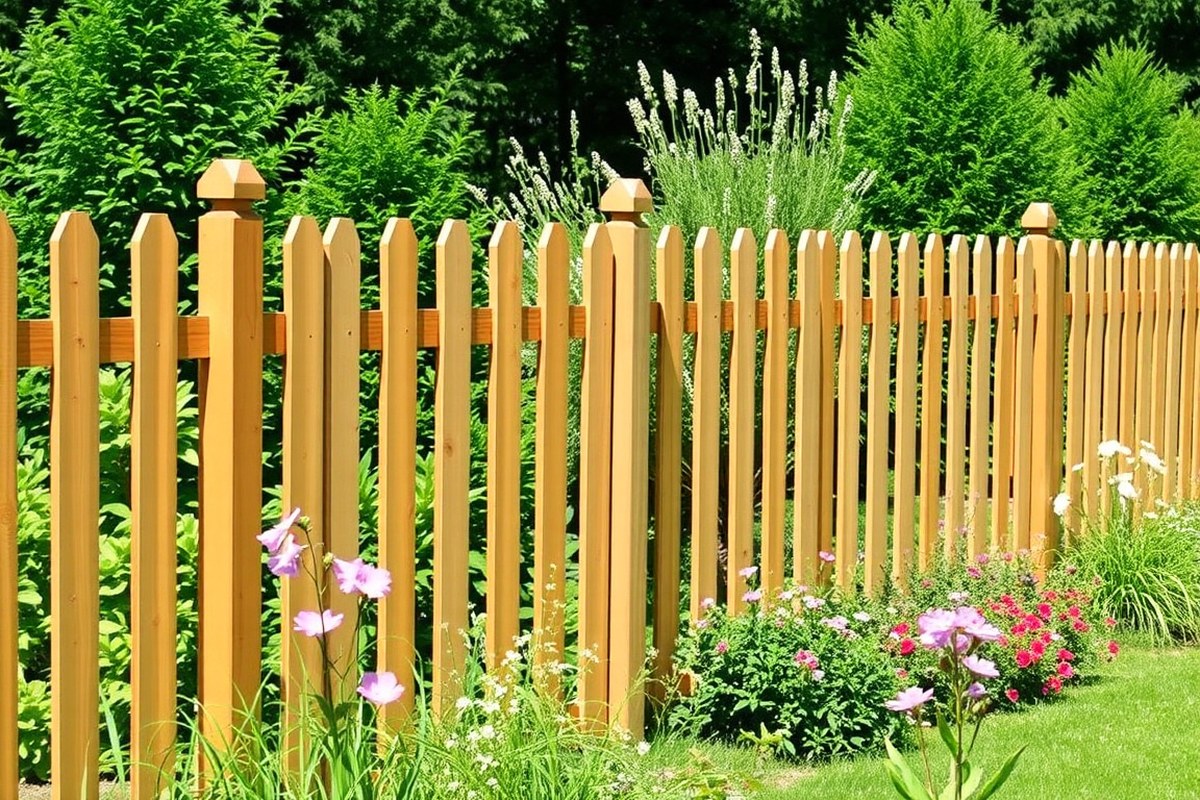
How High Fence to Keep Deer Out: Exact Heights and Best Practices
Wondering how high fence to keep deer out of your garden? The answer is a fence at least 8 feet tall because deer can jump very high. Most deer can leap over 6 feet easily, so anything shorter won’t work well.
Deer can jump up to 10 feet when they have a running start. That’s why a fence between 8 and 10 feet is your best bet. For places with lots of deer, closer to 10 feet will give better protection.
Start by measuring the fence height carefully before buying materials. Check if deer try to slip under your fence. If they do, extend the bottom.
This stops them from squeezing through. A solid and tall fence beats shorter ones every time.
Key Takeaways
- Build a fence at least 8 feet tall to stop most deer effectively.
- A 7-foot fence works sometimes but won’t stop determined deer.
- In high deer-population areas, aim for 10-foot tall fences.
- Deer can jump over 6 feet easily, so avoid short fences.
- Inspect the fence base to prevent deer from squeezing under.
- Use sturdy materials and proper posts for a strong, tall fence.
What Is the Minimum Effective Fence Height for Deer?
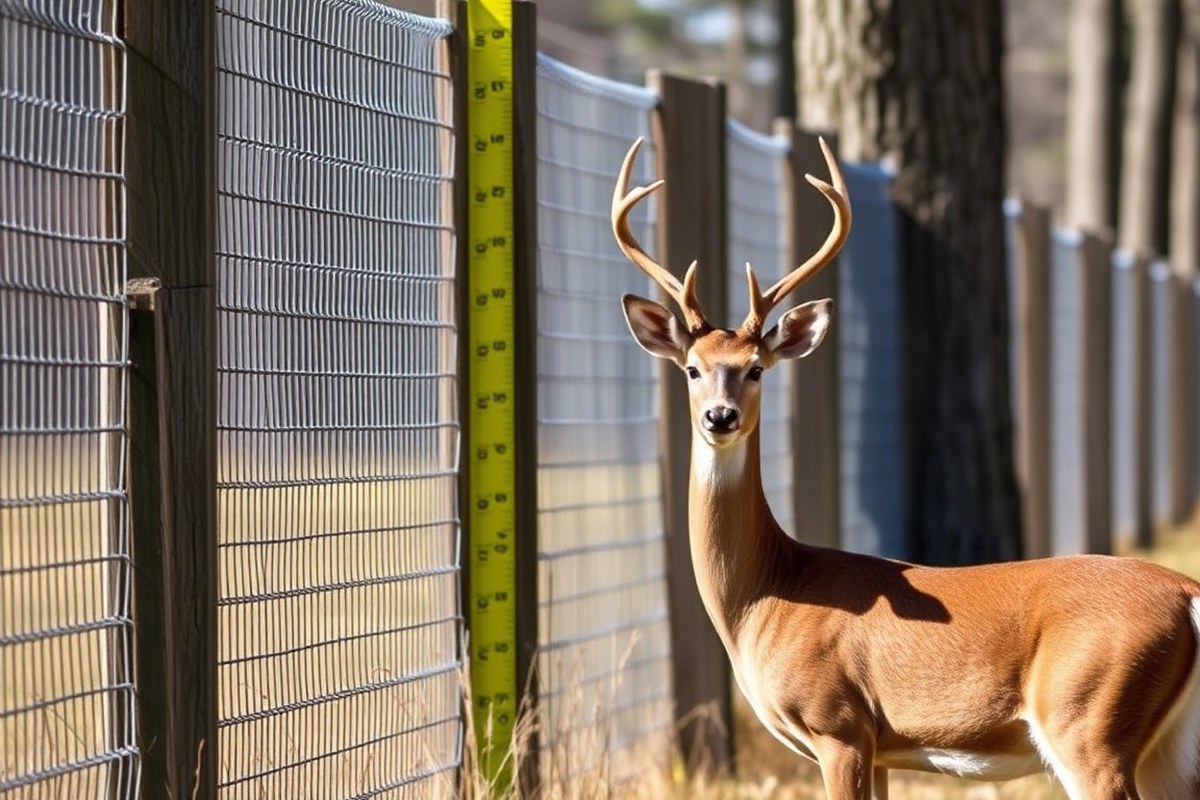
To keep deer out reliably, your fence should be at least 8 feet tall. Deer can jump over 7-foot fences easily, sometimes clearing 8 feet from a standing jump.
Running deer can even clear fences near 10 feet high. So 8 feet is the minimum height that will discourage most from jumping in.
Not all situations call for the same fence height. Small gardens around 25 by 25 feet can use 6-foot fences. Deer usually avoid jumping into tight spaces like these.
So, a 6-foot fence works well for small garden areas. Open fields or larger orchards need fences around 8 feet to block deer effectively. For properties with many deer or mature bucks, consider taller fences.
Use fences up to 10 feet to stop deer from jumping over. This height helps prevent breaches and keeps deer out.
Deer fences between 7½ and 8 feet offer good general protection for residential yards. At this height, deer usually hesitate before trying to jump, often choosing not to risk it.
A 7-foot fence might stop most deer but will fail against more athletic or desperate animals. Fences below 6 feet rarely work well and will almost always be jumped over.
Use this guide when choosing your fence height. For small gardens fenced on all sides, 6 feet may be enough. This suits tight, enclosed garden spaces.
For most backyards or gardens up to 500 feet long, use taller fences. Aim for at least 7½ feet high to keep deer away. This height fits average yard sizes well.
For big open areas or commercial orchards, 8 feet is best. For the best defense against large bucks, pick 10-foot fences.
They stop jumps over 8 feet, offering top security. This choice helps prevent deer entry effectively.
How Deer Behavior Influences Fence Height Requirements

Deer can jump surprisingly high, with some able to clear fences up to 10 feet tall. Most adult white-tailed deer regularly jump over 7 feet. So fences shorter than 7 feet are less effective at stopping them.
Mule deer are smaller and less agile than other deer. They may have trouble clearing fences over 4 feet high. But they can still jump high enough around common garden barriers.
Your choice of fence height should consider the deer species around you. White-tailed deer require fences about 8 feet tall to deter almost all jumping attempts. Mule deer need slightly less height.
But using an 8-foot fence covers both species safely. In areas with high deer activity, going taller avoids frequent breaches and protects your plants better.
Deer’s hunger level influences their willingness to jump fences. Hungry deer push harder to find food and may attempt risky jumps. When food is scarce, expect more frequent fence-jumping.
Use fences that make it hard for deer to judge height. Add angled tops that point outward to block jumping. These changes lower their chances of clearing the fence.
Deer also adapt to fence types and terrain features. They use slopes, rocks, or thick bushes near fences as launching aids. Move fences away from spots where deer often jump.
You can also trim plants 3 to 5 feet from the fence line. This helps keep deer from using those spots. On hillsides, increase fence height on the higher ground to prevent easier jumps.
Keep your fence visible to deer and avoid letting plants hide it. So they won’t underestimate its height and try to jump.
Fence Materials and Designs That Maximize Deer Deterrence
Using the right materials and thoughtful fence designs improves deer exclusion beyond just height. The right mesh size can stop deer from squeezing through gaps. Angled setups also help.
Double fences work well to keep deer out. Let’s break down what materials and designs work best to keep deer out effectively and affordably.
Types of Deer Fencing Materials
Polyethylene mesh fences are popular due to their strength and weather resistance. A good 8-foot poly mesh fence costs a few hundred dollars. It fits a small garden.
With upkeep, it lasts 15 to 25 years. Metal wire mesh fences last a long time.
They let you see through the fence. Denser mesh may be needed to stop young deer.
Wood or solid fences block deer’s line of sight. This makes deer less likely to jump over. Deer don’t want to enter unseen areas.
A 6-foot solid fence can outmatch a same-height wire fence. Deer avoid areas they feel trapped in.
They don’t like confined, escape-proof spots. Choosing powder-coated metal fencing adds rust protection in wet climates and extends fence life.
Advantages of Angled and Double Fences
Angled fences increase the perceived height without actually building taller walls. Slanting a fence outward about 30 degrees keeps deer from managing an easy jump. This method works well when local rules or budget limit vertical height to under 8 feet.
Double fences create a gap between two fence lines. This confuses deer. It stops them from jumping over both fences in one leap.
The NC Wildlife Resources Commission says even a small gap with two fences improves deterrence significantly. Place one fence near your garden.
Put the second about 3 feet inside or outside. This setup works best to stop deer.
Choosing the Right Mesh Size for Deer
Mesh size determines if fawns or smaller deer can squeeze through. A mesh size smaller than 2 by 4 inches works best. It blocks both adult and younger deer.
This size denies deer access well. Larger holes risk letting young deer slip inside or encourage predators to enter.
Denser mesh also blocks smaller animals like rabbits or raccoons. It may cost more and reduce airflow. That’s the tradeoff you get.
Poly mesh fences typically have mesh around 2″x4″, balancing effectiveness and cost. Make sure the mesh is tight and doesn’t sag.
This prevents deer from pushing through gaps at the bottom. Check sides for gaps too.
Impact of Snow, Terrain, and Seasonal Changes on Fence Height
Snow, slopes, and seasonal changes all cut down how tall your fence really is. Snow buildup lets deer step higher to jump the fence.
Slopes shift your fence height because deer come from an improve spot. You need to measure fence height with these factors in mind and make changes right away.
Adjusting Fence Height for Snow Pack
Snow piles can drop your fence’s effective height by 1 to 3 feet. Deer use packed snow like a platform to jump over fences. Add extra height to your fence, at least 1.5 feet above usual snow levels.
Check your fence after every big snowfall. Remove snow from the base to keep your fence tall and clear. Gates with snow guards help keep pathways clear of snow buildup.
They stop snowdrifts from piling too high around the gate. This makes pathways easier to use in winter.
Installing Fences on Slopes and Uneven Terrain
Fences work less well if they are shorter uphill on slopes. Deer can jump over shorter parts more easily. You want the fence height even for best protection.
Deer standing above a fence see it as shorter and easier to jump. Raise the fence several inches higher on uphill stretches to keep deer at bay.
Follow the slope’s contour closely, stepping fence panels up or down. This creates no gaps at ground level for deer to squeeze under. A tight fit between fence and ground is just as important as height on slopes.
Seasonal Maintenance Tips for Deer Fences
Clear away limbs and branches that hang near fences. Trim branches within 3 feet and up to 8 to 10 feet high. Deer can use these for a boost to get over the fence.
Inspect your fence after winter and spring storms for fallen debris and damage. Fix any holes or sagging spots promptly. Even a small weak point can let deer in once conditions change.
Step-by-Step Guide to Installing a Deer Fence at the Correct Height
To install an 8-foot deer fence, you need strong posts set deep and evenly spaced. Use a durable mesh or wire and add flags for visibility. Proper setup prevents sagging, keeps the fence upright, and clearly marks it for safety.
Setting Fence Posts to the Correct Height
Start by selecting 8-foot metal or pressure-treated wooden posts. These keep the fence stable and resist weather and animal pressure. Dig holes at least 2 feet deep to anchor posts firmly and prevent leaning.
Space posts about 8 to 10 feet apart to balance strength and cost. Closer spacing works best on uneven or soft ground. Make sure the tops of all posts line up to maintain a straight 8-foot fence height.
Securing the Wire or Panels Properly
Choose a 2-inch woven wire mesh for strong deer deterrence and good visibility. Unroll it carefully along the posts and pull it tight. Use a wire strainer or tensioner to remove slack and prevent dips that deer could exploit.
Attach the mesh using heavy-duty staples or clips. Start at one end. Move steadily to the other end while securing the mesh.
Run a support wire along the top of the mesh to stop sagging between posts. Check for tears and fix with galvanized wire for durability.
Flagging the Fence for Safety and Visibility
Tie brightly colored flagging every 10 feet along the mesh and near gates. Bright flags help you avoid walking into the fence and alert others to its presence. Use weather-resistant tape or durable ribbons to last through wind and rain.
Regularly inspect flags and replace those that fade or fall off. Flagging also helps animals see the fence better, reducing accidental damage. Remove flags in winter if heavy snow could weigh them down or cover them.
Follow these steps to install an 8-foot deer fence correctly and safely:
- Select sturdy 8-foot posts and gather 2-inch woven wire mesh.
- Dig post holes 2 feet deep, spaced 8 to 10 feet apart.
- Set posts firmly in the holes, using concrete for added stability if desired.
- Attach mesh to posts starting at one end, unrolling and pulling it tight.
- Use a wire tensioner to keep the mesh taut along the entire fence line.
- Install a top support wire to prevent sagging between posts.
- Secure colored flagging along the mesh every 10 feet for visibility.
- Inspect posts, mesh tension, and flags regularly, tightening and repairing as needed.
Use concrete in post holes to stop leaning in soft soil or windy areas.
Common Mistakes That Reduce Deer Fence Effectiveness and How to Fix Them
One of the biggest fencing mistakes is leaving gaps, especially around gates. Deer easily slip through openings even an inch wide. Check gates and fence edges carefully and fill any holes with durable mesh or wire.
The gate should match the fence height exactly, typically around 8 feet tall. A shorter gate invites deer to leap over.
Gates often get overlooked, but they’re where most deer damage happens. Secure your gate with strong latches, and check that it closes tightly every time.
If you spot loose sections at the bottom, drive stakes or attach extra fencing to block gaps. These fixes usually take a few hours and cost less than $50 in mesh and tools.
Overhanging branches near the fence give deer a springboard to jump over. Trim tree limbs and brush at least 3 feet away from the top of the fence.
Keeping your fence clear allows no easy launch points. This pruning helps, especially in wooded areas and can take an afternoon with basic cutters.
Snow can build up against the fence base and help deer climb over. In snowy zones, make your fence taller than 8 feet or clear snow drifts regularly.
Use a snow shovel or blower to keep the base clear during winter months. This simple step prevents a costly fence breach caused by unexpected snowpack.
Regular fence maintenance stops small problems from growing. Examine your fence after storms and seasonal changes.
Look for sagging wire, rust, or weakened posts and fix them quickly. Tighten loose wires and replace worn parts to keep deer out year-round without big repairs.
Check your entire fence line at least twice a year and after heavy weather. Small holes around corners or wire breaks can let deer sneak in unnoticed. A quick fix often costs under $30 but saves you from losing plants or fruit later.
Improving a Deer Fence with Deterrents and Double Fencing Options
You can use deterrents to complement fence height. But they rarely let you go much shorter. Natural deer repellents add a layer of protection but work best alongside a solid fence.
These repellents lose strength in rain or snow. They can’t replace a fence. A fence works around the clock.
Electric fences are a solid option to improve deer control without raising the entire fence height. A common setup uses two wires, one at 3 feet and another at 5 feet. This range hits the deer where they browse and jump.
It delivers a quick shock. The shock discourages repeat visits.
Double fencing is another reliable strategy when tall fences aren’t practical. You put up two 4-foot fences with about 4 feet of space in between. The gap confuses deer because they can’t see a clear path.
Usually, this stops them. They don’t try to jump or squeeze through.
This method offers a psychological barrier rather than a physical one. It’s helpful in high-pressure areas where deer are persistent.
Double fences cost less in materials than a single 8-foot fence. They are easier to build by hand too.
Combining deterrents improves your chances against deer. For example, install a double fence. Add an electric wire on the outside at 3 feet.
Spray scent repellents on plants and fence posts. This mix covers senses like sight, smell, and touch to keep deer at bay.
Some people add motion-activated sprinklers or reflective objects near fences for surprise effects. These scare tactics only work sporadically since deer can get used to them. Use them as a bonus, not your main defense.
Electric fence supplies cost about $100 to $200 for a basic setup. Double fencing materials vary but typically run cheaper than very tall fences. Plan enough time for installation.
Two fences take longer than one. Electric wires need proper grounding and charger setup.
Maintenance and Local Regulations for Long-Term Deer Fence Success
Check your deer fence every three months to keep it working well. Look for sagging wires, broken posts, or holes. When a fence sags, its height drops and deer can jump right over it.
Repair sagging areas by tightening wires or resetting posts firmly in the ground. Replace broken materials quickly to stop deer from finding weak spots. Snow, wind, and animals can cause damage, especially after winter.
Before building, call your local office to learn fence height rules. Many places limit fence heights to between 6 and 8 feet. You may need a permit for fences taller than that.
Check local rules before building taller fences. You don’t want your fence taken down or fined later.
Privacy fences often keep deer out well, but check if your area allows them. Effective height means measuring from the highest nearby ground point, not just the fence top. This avoids the “springboard effect”, where uneven land helps deer jump over.
A simple checklist helps your upkeep: Inspect posts and wires for damage. Tighten loose wires.
Fill in any gaps at the ground level. Clear plants growing through the fence that might weaken it.
Budget about 30 minutes every few months for these checks. Small repairs like tightening wires usually cost under $10. Bigger fixes, like swapping posts, depend on the materials you have.
Usually, these take a couple of hours to finish. Plan your time based on the job size.
Measure your fence height at several spots on your property. Slopes or hills affect how you measure the height. This helps keep your fence height consistent.
Step-by-Step Action Plan to Start Your Deer Fence Today
This plan helps you build and check your deer fence quickly. Follow these steps to block deer from your yard effectively.
- Before You Start: Measure your garden carefully. Decide how tall the fence should be. Plan for a fence at least 8 feet tall to stop deer from jumping over.
- Day 1: Pick strong materials like wood or high-tensile wire. Choose designs made to resist deer. Make sure your fence will be tall and sturdy.
- Day 2: Set fence posts deep in the ground. Push them about 2 feet down for good support. This is key on uneven or snowy ground.
- Day 3: Attach fencing securely with no gaps, check for openings deer can squeeze through.
- Day 4: Put up deterrents like scent repellents by the fence. Add motion-activated lights to scare deer away. These steps help make the fence more effective.
- Week 1: Inspect the fence daily and fix loose spots quickly. Look for signs of deer attempts like footprints or damage.
- Week 2 and Beyond: Maintain fence integrity regularly. Trim plants near the fence to prevent bridges deer can use.
Frequently Asked Questions
How High Should a Deer Fence Be to Keep Most Deer Out?
A deer fence should be at least 8 feet tall to block most deer. Some areas with more deer may need fences closer to 10 feet high for better protection.
Can a 6-foot Fence Keep Deer from Jumping into a Garden?
No, deer can easily jump over a 6-foot fence. They often leap 8 feet or more. So 6 feet isn’t enough as a deterrent.
Why Might You Need a 10-foot Fence for Deer Control?
In regions with lots of deer, a 10-foot fence gives the best security. It stops even the highest-jumping deer from entering your yard.
Is a 5-foot Garden Fence Effective Against Deer?
A 5-foot fence is usually too low because most deer can clear it easily. Taller fences are necessary for better deer control.
Does Running Deer Behavior Affect How High Your Fence Should Be?
Yes, deer can jump higher with a running start, up to 10 feet. A taller fence accounts for these jumps to keep them out.
Can Adding Visual Deterrents Reduce Needed Fence Height for Deer?
Visual deterrents help, but they don’t replace fence height. Strong fences need to be 8 feet or higher even with deterrents in place.
The Bottom Line
Your deer fence should stand at least 8 feet tall to keep deer out. Check it often and fix any weak spots. Now, gather your materials and start measuring your garden today.


