What Do Cypress Trees Look Like? A Complete Visual Guide to Identification
What do cypress trees look like? These trees vary widely in shape and size.
Some are tall and narrow, while others spread wide with dense foliage. Their leaves often appear scale-like or needle-like, depending on the species, which helps with identification.
Cypress bark is usually thick and fibrous, often shedding in strips. The trees produce cones that look like small, round fruits. Watching for these features gives you clear clues to tell cypress apart from similar evergreens.
You’ll notice cypress trees range from short shrub-like plants to giants reaching over 100 feet tall. Some species stay narrow and column-like, perfect for privacy screens. Others create broad canopies.
Their look can change as they get older. The environment can also affect their appearance. These changes depend on where they grow.
Key Takeaways
- Cypress leaves may be needle-like or scale-like depending on the species.
- Bark on cypress trees is thick, fibrous, and sheds in strips.
- Look for round, woody cones to help identify cypress trees.
- Size ranges from shrubs under 10 feet to trees over 100 feet tall.
- Narrow, columnar cypress are great for windbreaks and privacy.
- Older cypress often show thicker bark and larger cones.
What Are the General Characteristics of Cypress Trees?
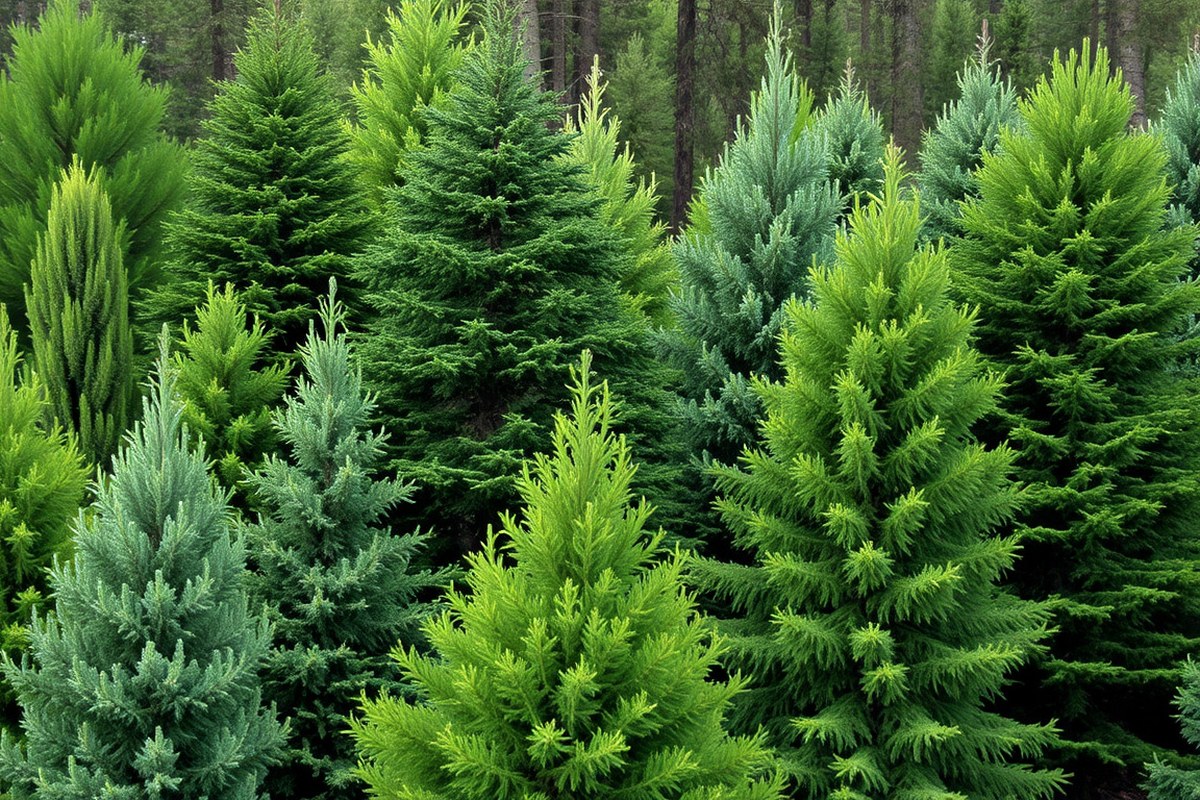
Cypress trees vary a lot in size. They range from small, shrubby plants under 10 feet tall to giants that reach 150 feet. Most commonly, they grow between 50 and 70 feet tall.
The Monterey cypress is one example. It has an irregular, sprawling shape.
These trees can be evergreen or deciduous. For example, bald cypress trees lose their leaves in winter. Italian cypress keep their foliage year-round.
Their foliage changes how they look through the seasons. It shifts from fresh green to brown or gray. This happens as they mature.
Shape-wise, cypress trees show several common forms. Some look rounded or egg-shaped, while others grow tall and narrow like a column.
Bald cypress often have a wide, pyramid shape, good for wet swampy areas. Italian cypress stand slim and vertical, fitting formal gardens or vineyards.
Cypress trees usually grow in wetter or coastal habitats. Bald and pond cypress prefer swamps and wetlands in the Southeast US.
Italian and Monterey cypress are more common in Mediterranean climates and coastal cliffs. Their environment influences their overall size and form, with wind or soil conditions playing a role.
They have woody, scaled bark that can be smooth or very rough, depending on the species. Young cypress foliage is soft and feathery, often attracting birds and pollinators.
Their green foliage changes color over time but stays dense. It offers shelter for wildlife in many gardens and wild places.
How to Identify Cypress Trees by Their Leaves and Foliage
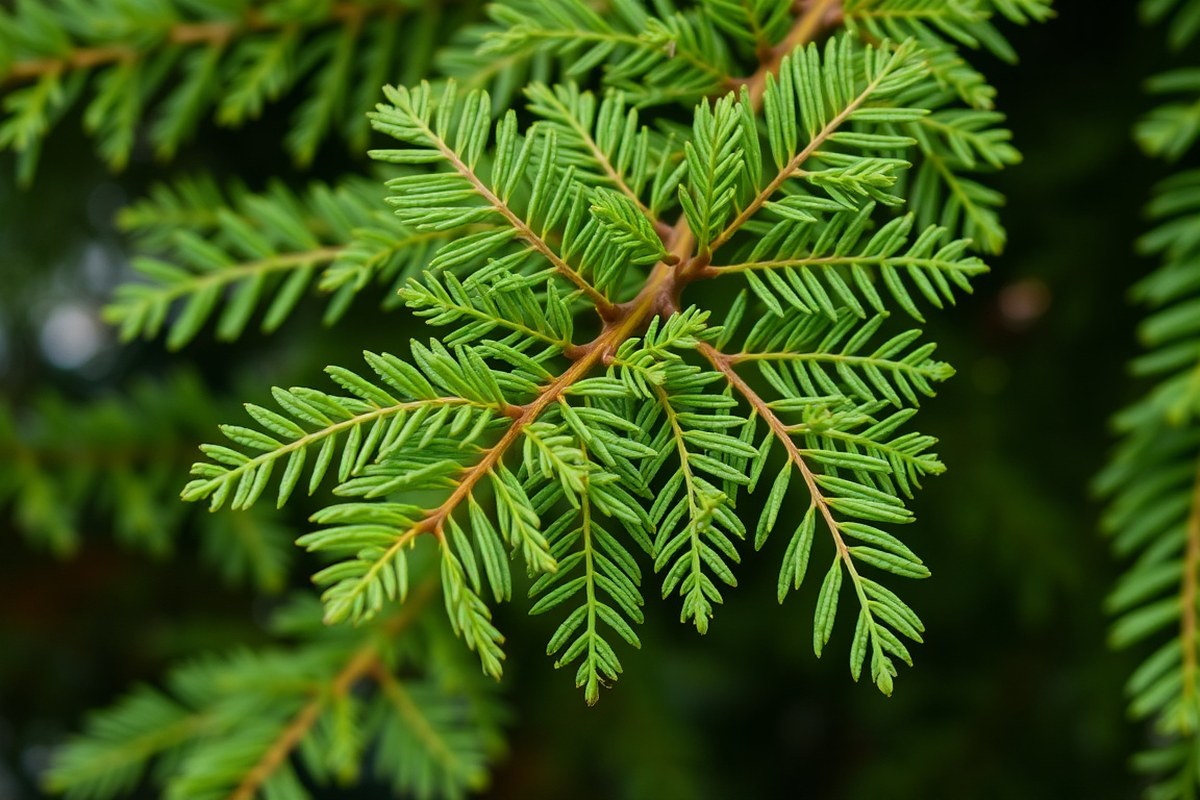
Cypress trees have either scale-like or needle-like leaves, depending on the species. Leaf color varies from deep green to blue-green shades. Knowing these details helps you tell cypress trees apart, especially from similar evergreens.
Scale-Like vs Needle-Like Leaves
Most mature cypress trees show flattened, scale-like leaves pressed tightly to the stem. These scales overlap in a pattern that often looks intricate and tidy. Young cypresses, however, have sharp, pointed juvenile leaves that stick out more noticeably.
Some cypress species have needle-like leaves. These leaves are shorter and more delicate. They differ from the true needles on pine trees.
Junipers sometimes look like cypress. They have awl-shaped leaves that are easier to see. Cypress leaves are tight and scale-like.
- Look for flat, overlapping scales on mature cypress branches
- Juvenile leaves are sharply pointed and stick out
- Needle-like leaves are short, fine, and more slender
- Juniper awl-shaped leaves are sharper and less scale-like
- True cypress leaves lie flat against the branch
Check young shoots carefully, juvenile leaves differ greatly from mature foliage.
Leaf Color Variations Among Species
Cypress species vary in leaf color from bright green to distinct blue-green tones. European cypress usually has rich green scales.
The Blue Italian Cypress boasts cool blue-green foliage. This color helps identify species and adds visual interest to your garden.
Some cypresses have glossy leaves that reflect light, making them stand out in shaded areas. Others feature duller foliage that blends well with surrounding plants. Color intensity can also hint at the tree’s health and site conditions.
Seasonal Changes in Cypress Foliage
Although cypress trees are evergreen, their leaf color can subtly change with the seasons. Some species turn slightly brown or bronze in winter.
This happens more with spider mites or drought stress. New growth in spring often appears lighter and fresher green.
Regular checks catch pests or disease early. Color changes can show these problems.
Yellowing may mean spider mites, browning could mean scale insects. Avoid confusing these with normal seasonal variation, which is usually mild and uniform.
Which Bark and Cone Features Distinguish Cypress Trees?
Bark texture and color help you tell cypress species apart. Young cypress bark is smooth and grayish-brown. As the tree matures, the bark becomes fibrous and reddish-brown.
Older trees show deeply furrowed, thick bark that looks gray and rugged. This bark change tracks the tree’s age and health.
Cones also give you clues about different cypress species. Most cypress cones are small, rounded, and woody. Sizes range from about 0.3 to 0.5 inches wide for Nootka cypress to around 0.5 inches for Kashmir cypress.
Colors shift too, from whitish-green on young cones to dark reddish-brown when mature. The shape and resin texture vary by species.
Here’s a quick table to spot bark and cone features by age and type. It shows the bark’s look and feel alongside some cone traits to check out:
| Bark Feature | Common Appearance | Vibe/Feeling |
|---|---|---|
| Young Bark | Smooth, tight, greyish-brown | Sleek and minimalist |
| Mature Bark | Fibrous, peeling, reddish-brown | Rustic and weathered |
| Old Growth Bark | Deeply furrowed, thick, grey | Ancient and armored |
When you examine cones, note their size first. Nootka cypress has small cones of 0.3 to 0.5 inches that look somewhat spiky.
Kashmir cypress cones are about half an inch and turn coppery brown when ripe. Look for resin gloss and spiky texture, which change as cones mature.
Bark and cones both hint at a tree’s age and health. Smooth, unbroken bark means a younger tree. Peeling or fibrous bark shows maturity and typical growth.
Damaged bark or unusual color might mean stress or disease. Healthy cones develop full size and darken their color before shedding seeds. Dull or deformed cones could signal problems.
If checking in the field, try to touch the bark carefully. Is it peeling in long strips, like Monterey cypress? Measure the cones with a ruler or compare with a coin.
Carry a small magnifier to see cone details clearly. Note these features beside the tree’s overall shape to confirm identification.
What Are the Most Common Cypress Species and Their Appearance?
Cypress trees come in many shapes and sizes, with eight common species standing out. Each species varies in height, leaf type, and overall form. These differences can help you spot them in your yard or in nature.
Italian Cypress (Cupressus Sempervirens)
The Italian cypress is tall and slender, often reaching up to 100 feet. It has a narrow, column-like shape, making it popular for lining driveways or entrances. Its leaves are scale-like, tightly pressed to the branches, giving a smooth look.
This species thrives in warm climates with mild winters, typically zones 7 to 10. It has a spreading habit, unlike some more conical cypresses, adding to its elegant appearance. The bark is dark and furrowed, contrasting with its neat green foliage.
Bald Cypress (Taxodium Distichum)
Bald cypress grows in swampy areas and stands out because it loses its leaves in winter. It typically reaches 50 to 70 feet tall and has a wide, pyramidal shape when young. Its leaves are soft and needle-like, arranged in flat sprays.
It grows best in USDA zones 4 to 9 and tolerates wet, swampy soil well. Its bark is fibrous and reddish-brown, peeling off in strips. Look for its unique “knees,” woody projections coming from roots in flooded soils.
Monterey Cypress (Cupressus Macrocarpa)
The Monterey cypress often reaches heights of about 70 feet. It has a broad, flat top that creates a wide canopy. This form provides plenty of shade over garden spaces.
Its limbs commonly spread outwards resembling an umbrella shape. The foliage consists of closely clustered, blue-green, scale-like leaves.
This tree suits coastal environments in zones 7 to 10, tolerating salty winds and dry conditions. The bark is thick and deeply furrowed, protecting it in rough weather. It’s often planted for windbreaks or as a large shade tree.
Leyland Cypress and Arizona Cypress
Leyland cypress grows fast as a hybrid of two species. It comes from Nootka and Monterey cypress. This tree usually reaches 60 to 70 feet tall.
It has soft, feathery foliage with a bright green colour. This tree is popular for privacy screens and hedges.
Arizona cypress grows about 40 to 65 feet tall and has slender, silvery-blue leaves. It prefers zones 7 to 10 and tolerates drought well. This cypress has thin, flaky bark and a pyramidal shape.
Here’s a simple comparison table to quickly see how these species differ:
| Species | Height (feet) | Shape | Leaf Type | Hardiness Zone | Typical Habitat |
|---|---|---|---|---|---|
| Italian Cypress | Up to 100 | Columnar | Scale-like | 7-10 | Warm, mild winters |
| Bald Cypress | 50-70 | Pyramidal | Needle-like | 4-9 | Swampy, wet areas |
| Monterey Cypress | Up to 70 | Wide, flat canopy | Scale-like | 7-10 | Coastal, windy |
| Leyland Cypress | 60-70 | Pyramidal | Soft, feathery | 7-10 | Gardens, privacy screens |
| Arizona Cypress | 40-65 | Pyramidal | Silvery-blue, scale-like | 7-10 | Dry, rocky slopes |
These differences affect where each cypress grows and how you can use them in landscaping. Know your zone and space before planting.
Trees like Italian cypress fit narrow spaces. Monterey and bald cypress need room to spread out.
How to Tell True Cypress from False Cypress Trees
True cypress trees belong to the genus Cupressus. False cypress trees come from the genus Chamaecyparis. This difference affects how their leaves and cones look.
True cypress usually has scale-like leaves that lie flat. Their cones are round and woody.
False cypress leaves are softer and have a feathery or fern-like appearance. Their cones are smaller and often have a more delicate structure than true cypress cones. These traits help you tell them apart.
Look closely at their leaves and cones. That makes identification easier.
Knowing the difference helps you identify the tree right. You can pick the best one for your garden. True cypress often grows taller.
It can reach 100 feet high. These trees can live more than 500 years. False cypress species like Ellwoodii usually stay shorter.
They grow about 13 to 20 feet. These trees fit well in small spaces or detailed landscaping.
| Feature | True Cypress (Cupressus) | False Cypress (Chamaecyparis) |
|---|---|---|
| Leaf Shape | Flat, scale-like | Soft, feathery or fern-like |
| Cone Size | Round, woody, larger | Smaller, delicate |
| Typical Height | Up to 100 ft (30 m) | 13 to 20 ft (4 to 6 m) |
| Lifespan | Over 500 years | Shorter than true cypress |
Focus on leaf and cone structure to make a quick decision. Check if the leaves look soft and feathery, probably false cypress.
Rounded and hard cones usually mean you have true cypress. This rule works well, especially when combined with tree height.
Always check leaf texture and cone size before buying cypress trees for your garden. They affect growth and care needs.
False cypress often suits smaller garden spots, while true cypress fits larger landscapes. Visual and botanical differences help with this quick check.
This makes picking the right tree easier. Remember, leaf and cone features offer more reliable identification than bark alone.
How Does Environment Affect the Appearance of Cypress Trees?
Cypress trees change their look based on soil, climate, and water. Trees growing with plenty of water often have fuller, greener foliage.
Their bark tends to stay smoother and lighter in color. Trees in dry soil might grow thinner, with sparser leaves and rougher bark.
Coastal cypress trees usually deal with salty air and steady moisture. This keeps their leaves thick and dark green. It often makes bark thicker too.
Thicker bark protects them against strong wind. Mountain cypress trees face cooler temperatures and drier air.
Their foliage might turn a duller green or bluish tone. Bark can develop cracks from cold stress.
Drought can make cypress leaves look browner and patchier. The tree might slow its growth, leading to thin branches and lighter bark. Cold weather sometimes causes needles to lose their vibrant color and become sparse.
In very cold places, cypress trees grow slowly. Nootka Cypress holds on to thicker, leathery leaves. This helps them survive the cold.
Grow cypress trees in pots with well-draining soil. Water regularly to keep soil damp, not soggy. This helps the roots stay healthy.
In your garden, pick soil that matches your tree’s preference for drier or wetter conditions. You can water deeply but less often during dry spells. Just avoid overwatering, or roots may rot, which damages the tree’s shape and health.
What Are Key Visual Changes as Cypress Trees Age?
Cypress trees change a lot as they grow. Young trees have different leaves and softer bark. As they age, their cones develop, bark thickens, and their size grows substantially.
Juvenile Cypress Appearance
Young cypress trees can keep their spiny juvenile leaves for up to ten years. These leaves look sharp and needle-like, unlike the flat, scale-like leaves on mature trees. The bark is thinner and smoother at this stage.
Cones usually don’t appear on seedlings or very young trees. You’ll see small, round cones when the tree grows older. They are about the size of an acorn.
This happens after the tree is several years old. Their bark remains soft enough to scratch easily during the early years.
Mature Tree Characteristics
After ten years, cypress trees start growing dense, scale-like leaves pressed tightly against the branches. Their foliage becomes dark green or blue-green, especially on varieties like Mediterranean Cypress. The bark thickens and turns rougher, gaining vertical ridges or plates.
Cypress cones develop fully with 3 to 5 scales (smaller than Monterey Cypress cones). Mature trees often range from 30 to 70 feet tall, depending on the species. Dense foliage gives trees like Leyland cypress its popular privacy shield look.
- Scale-like foliage replaces juvenile leaves after about ten years
- Cones start appearing when trees reach maturity after 5 to 10 years
- Bark shifts from smooth to a rough, ridged texture
- Tree height increases, often reaching over 40 feet
- Foliage density thickens, creating a fuller tree outline
Indicators of Old and Ancient Cypress
Old cypress trees grow huge, some over 100 feet tall with wide trunks. The bark becomes deeply furrowed and dark, showing signs of age. The cones remain small but often clump in clusters on older branches.
Bald cypress trees drop their leaves every autumn. Their knobby “knees” appear above soil or water.
These show the tree’s age clearly. Ancient cypresses might have hollow or partially dead trunks while holding living branches high.
Which Cypress Trees Are Best for Gardens and Privacy Screens?
For fast growth and dense screens, Leyland cypress stands out. It can grow 3 to 5 feet per year, reaching 20 feet or more quickly. Its broad, pyramid shape and thick foliage block wind and create privacy.
Smaller gardens benefit from compact species or cultivars. Some cypress types stay below 15 feet, fitting narrow spaces well. Look for varieties with slower growth or columnar shape to control size easily.
Foliage color impacts your garden’s look. Deep emerald green gives a classic and lush feel.
Blue-grey or glaucous tones suit coastal or high-altitude spots. Bright yellow-green adds fresh spring vibrancy but changes with seasons.
| Species/Type | Growth Rate (ft/year) | Typical Mature Height (ft) | Growth Form | Foliage Color | Best Uses |
|---|---|---|---|---|---|
| Leyland Cypress | 3, 5 | 20+ | Broad Pyramid | Deep Emerald | Fast screens, windbreaks, privacy |
| Coastal Cypress Varieties | 2, 3 | 15, 20 | Columnar to Broad | Blue-Grey / Glaucous | Coastal gardens, muted tones |
| Compact ornamental cypresses | 1, 2 | 10, 15 | Columnar or Rounded | Yellow-Green or Olive | Small gardens, accent plants |
Choose Leyland cypress if you need a privacy screen fast. It thrives in poor soil and sun or shade.
Smaller forms suit tight spaces and add color contrast with their varied foliage. Color shifts can offer seasonal interest, but monitor yellow-green tones for stress signs.
Plant Leyland cypress with 4-6 feet spacing to form thick privacy screens without crowding.
Step-by-Step Action Plan to Identify Cypress Trees
Use these steps to spot cypress trees by their key features. Follow this plan to check the leaves, bark, and cones closely.
- Day 1: Look at the shape and feel of the leaves. True cypress leaves are scale-like and hug the branches tightly.
- Day 2: Examine the bark texture. Cypress bark peels in strips and often looks reddish-brown.
- Week 1: Find and inspect cones. Cypress cones are round and woody with scales that open when ripe.
- Week 2: Note the overall tree form. True cypress trees grow tall with a conical shape, not spreading like false cypress.
- Week 3: Check the environment. Cypress trees thrive in moist soils and near water in warmer climates.
- Month 1: Watch for changes by season. Older cypress trees show thicker bark and larger cones.
- Month 2: Compare seedlings or small trees nearby to spot juvenile leaf differences.
- Ongoing: Visit local gardens or parks to practice identifying species by appearance.
Frequently Asked Questions
What Color Are Cypress Tree Leaves Throughout the Year?
Cypress tree leaves stay green year-round as they are evergreen. This means you can spot them by their consistent green color no matter the season.
Do Cypress Trees Lose Their Leaves in Autumn?
True cypress trees do not shed leaves in autumn because they are evergreen. However, false cypress species might have slight leaf drop depending on the climate.
Can Cypress Trees Survive in Cold Northern Climates?
Most cypress trees prefer warmer climates and may struggle in harsh cold. Italian cypress do best where winters are mild and short.
How Fast Do Cypress Trees Grow Annually?
Growth rates vary but many cypress trees grow about 1 to 2 feet per year. Factors include species type, soil quality, and water availability.
What Shape Do Cypress Tree Cones Typically Have?
Cypress tree cones usually look like small, round to oval woody structures. True cypress cones resemble large acorns in shape and texture.
Are Cypress Trees Resistant to Common Garden Pests?
Cypress trees generally resist many pests but can suffer from scale insects. Regular checks and good pruning help keep them healthy.
Key Points to Remember
Cypress trees show clear signs in their leaves, bark, and cones. Spotting these features helps you name the species. Start by focusing on leaf shapes and bark texture in your yard or local park.