Do Tulips Need Full Sunlight? A Complete Guide for Best Blooms
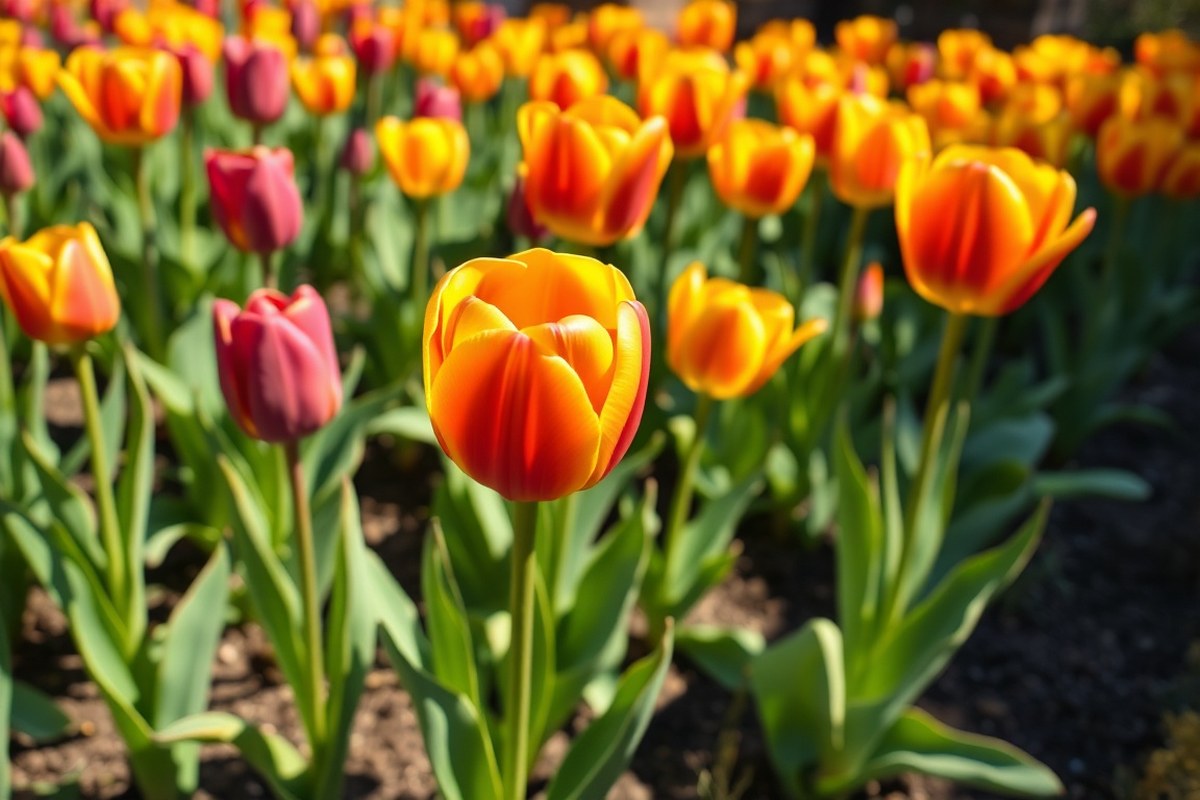
Do tulips need full sunlight to bloom well? Yes, they do. Tulips do best with at least 6 hours of direct sunlight daily.
This sunlight should happen during the growing season. More sun usually means stronger blooms and healthier plants. This amount of light helps them produce vibrant, strong blooms.
Partial shade can work but often means smaller, less colorful flowers. Tulips getting 3 to 6 hours of sun grow smaller blooms. These blooms can be 20 to 30 percent smaller than full sun.
Less sun often leads to weaker, less vibrant flowers. So, aim for a sunny spot whenever possible.
Starting by checking your garden’s sun exposure in the morning and afternoon helps. Avoid places with heavy shade or buildings blocking sunlight. Tulips need enough bright light to keep their bulbs healthy year after year.
Key Takeaways
- Provide tulips at least 6 hours of direct sunlight daily for best blooms.
- Partial shade may reduce bloom size and color intensity noticeably.
- Check sunlight in your garden in both morning and afternoon times.
- Choose planting spots free from tall trees or shade-casting structures.
- Tulip bulbs need enough light to regenerate for next year’s growth.
- In warmer climates, partial shade for a few hours can be acceptable.
Do Tulips Need Full Sunlight to Bloom Well?
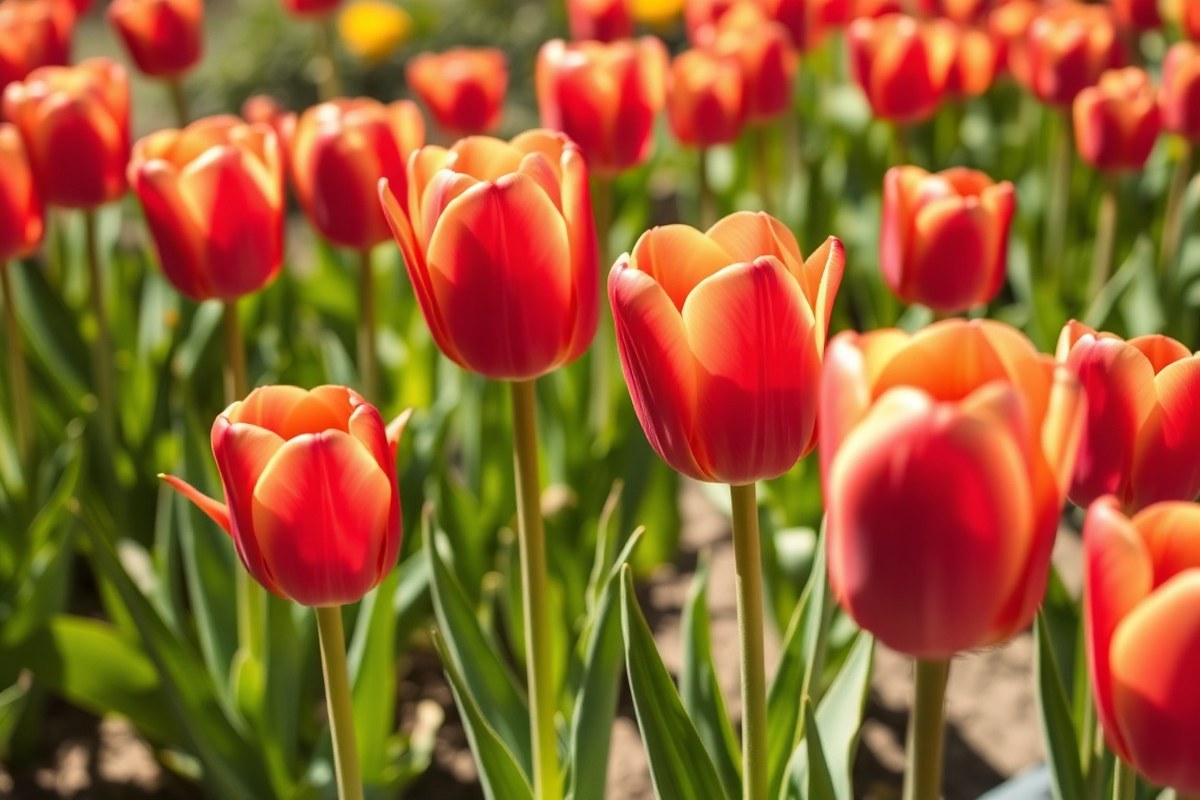
Tulips need full sun to bloom well. They require at least 6 hours of direct sunlight every day. Full sun means unfiltered sunlight hitting your tulips directly.
It is not just bright or indirect light. This amount of sun helps bulbs develop strong stems and bigger, brighter flowers.
Tulips should get between 6 and 8 hours of direct sun during spring growth. This range works best for their health. Tulips getting less than 6 hours usually bloom smaller.
Their flowers are about 20 to 30 percent paler too. On the other hand, too much sun in very hot climates may stress tulips. So some afternoon shade might help.
South-facing spots are best because they get 8 or more hours of direct sun. Most tulip types like this much light. East-facing locations offer gentle morning sun, which also works well, especially in warmer zones.
Check how many hours your tulips receive by watching the spot all day. Do this when the sun is highest in spring.
How Partial Shade Affects Tulip Growth and Blooms

Tulips can grow in partial shade. But they don’t perform as well as in full sun.
With only 3 to 6 hours of sunlight, tulips tend to be smaller and less vigorous. Their blooms usually don’t get as large or colorful compared to those grown with full sunlight.
When tulips receive less than 6 hours of sun, their energy production drops. This results in weaker stems that struggle to hold up the flowers. The bulbs also store less energy, which affects next year’s blooms and overall plant health.
Partial shade slows growth in species tulips like Tulipa kaufmanniana. It also leads to smaller flowers. Tulipa fosteriana reacts the same way.
These types tolerate shade better but won’t fully open their blooms in low light. Flower size shrinks by about 10% to 25%, and blooms may be less vivid.
- Choose botanical tulip varieties for partial shade areas
- Ensure at least 3 to 6 hours of combined morning and afternoon sun
- Use light pruning to reduce dense overhead shade
- Avoid heavy shade below 3 hours daily to prevent spindly growth
- Apply balanced fertilizer to support weaker plants
- Water consistently but avoid overwatering shaded spots
- Consider moving potted tulips to sunnier spots if blooms are weak
Morning sun is especially helpful since it energizes tulips early in the day. Afternoon shade can protect them from heat stress.
But it should not block all sunlight. A 50% shade cloth may work for hot afternoon hours on full-sun varieties.
Tulips need at least 3 hours of sunlight daily to grow. But 6 hours is best for strong blooms and healthy bulbs.
Which Tulip Varieties Can Tolerate Shade Best?
Some tulip varieties handle shade better than others. Most need full sun to grow well, but a few types tolerate partial shade. Choosing the right variety for your garden spot helps your tulips bloom strong.
Single Early and Species Tulips
Single Early tulips start blooming early with big, cup-shaped blooms. They usually require a minimum of six hours of direct sun each day. In warmer areas, these tulips do fine with some light shade in the afternoon.
Species tulips, the wild relatives of hybrids, often have better shade tolerance. They can handle partial sun as long as they get some morning or indirect light. These smaller tulips suit spots with dappled shade or limited sunlight.
Hybrid Types: Darwin and Triumph
Darwin Hybrids and Triumph tulips are sun lovers. They perform best in full sun with six to eight hours of direct exposure. Planting them in shady spots usually weakens their stems and reduces flower size.
These hybrids deliver strong, colorful blooms but don’t do well in shade. Place them in a sunny garden spot for the best growth. Avoid shaded areas because flowering will suffer badly.
Shade-Tolerant Botanical Varieties
Some botanical tulips are better for partial shade. These include dwarf or species garden tulips. They adapt to less than six hours of sun if they receive bright indirect light.
For spots that get afternoon shade or morning sun, choose these varieties. They keep up with bloom quality while handling cooler, less intense light levels.
Here’s a simple table comparing common tulip types by their sunlight needs. This helps pick the right tulip for your garden’s light conditions.
| Tulip Type | Sunlight Requirement | Shade Tolerance |
|---|---|---|
| Single Early Tulips | 6+ hours direct sun | Light afternoon shade OK |
| Species Tulips | 4 to 6 hours sun or bright shade | Partial shade tolerated |
| Darwin Hybrids | 6 to 8 hours full sun | Low shade tolerance |
| Triumph Tulips | Full sun, 6+ hours | Low shade tolerance |
| Botanical/Dwarf Tulips | 4 to 6 hours sun or bright indirect light | Good tolerance of partial shade |
Place Darwin and Triumph tulips in open, sunny spots. Species and botanical tulips fit partial shade locations well. Consider sunlight hours and blockage from trees or buildings before planting.
How to Assess Sunlight Exposure in Your Garden
Check your garden spot’s sunlight for at least six hours daily. Morning sun with light afternoon shade suits tulips best. Use a simple routine to track sun hours and spot shade sources before planting.
Tracking Sun Hours Hourly
To find a full sun site, note sunlight hour by hour from dawn to early afternoon. Tulips need about six hours of bright light each day for healthy blooms. Use a watch or phone timer to keep your record accurate.
Start tracking on a clear day, ideally in mid-spring when tulips grow. Record every hour if the spot gets direct sunlight or is shaded. Repeat for a few days to see consistent patterns and rule out cloudy variations.
Identifying Morning vs. Afternoon Sun
Morning sun is often gentler and lasts longer in spring compared to harsh afternoon light. Tulips enjoy morning sun but can benefit from afternoon shade in hot climates. Know the sun’s path to place tulips in spots with the right light quality.
Use a compass or smartphone app to check east, south, and west directions in your garden. See if the location gets direct sun before noon, which counts as morning sun. Track when shade starts, if it falls after 1 or 2 p.m., the plant still gets proper sun in the morning.
Mapping Shade Sources and Patterns
Look around for trees, fences, walls, or tall plants casting shadows on your chosen spot. Mapping these obstacles helps predict how long sun reaches your tulips. Pay special attention to deciduous trees that lose leaves early spring and allow sunlight through.
Draw a simple map showing where shade occurs during the day. Mark sunrise and sunset points, and note when obstacles create shadows. If shade is consistent during more than 3 hours daily, this spot won’t suit tulips needing full sun.
Use this step-by-step method to measure sunlight in your garden:
- Pick a clear day during spring to start your observation.
- Use a watch or timer to check sunlight every hour from sunrise to 3 p.m.
- Mark each hour as sun, partial shade, or full shade.
- Check the direction of the sun and note if it’s morning or afternoon light.
- Identify any obstacles like trees or fences causing shade at certain times.
- Repeat this for 2 or 3 days to confirm consistent sun exposure.
- Analyze your notes to find spots with at least six hours of mostly direct sunlight.
- Choose an area with morning sun and light or no afternoon shade for best results.
Adjusting Tulip Care Based on Sunlight Conditions
Tulips in full sun need well-drained, loamy soil that keeps moisture but drains excess water. This helps bulbs grow large and store energy.
Water deeply once a week to encourage strong roots, especially during dry spells. Avoid letting the soil dry out completely under intense sun.
In partial shade, tulips grow slower and may bloom less. So space them about 6 inches apart to improve airflow. Watering needs are lower since shade reduces evaporation.
Mulch around the plants to keep the soil cool and moist. This also protects bulbs from temperature swings.
Hot climates with strong afternoon sun can stress tulips. Plant tulips on the east side of a fence or building. This gives them morning sun and afternoon shade.
Morning sun helps them grow well. Spread a 2-inch layer of organic mulch like shredded bark.
This blocks the midday heat but not all sunlight. Mulch also retains soil moisture better.
- Water tulips every 5 to 7 days under full sun. Every 7 to 10 days in shade
- Space tulips 4 to 6 inches apart in sun. 6 to 8 inches in partial shade
- Use well-drained soil to prevent bulb rot in wet or shaded spots
- Apply 2-inch mulch to keep soil temperature steady and hold moisture
- In hot zones, provide afternoon shade using fences or shade cloths
- Reduce irrigation slightly in cooler or shadier parts to avoid soggy roots
- Plant tulips where they get at least 6 hours of sunlight daily for best results
Overwatering tulips in shady spots leads to bulb rot, so adjust carefully.
Adjust your watering by paying attention to the soil feel. Check it every few days, especially when sun levels change with seasons.
Tulips need less water once flowers wilt and leaves start to yellow naturally. This signals the bulbs shifting energy back underground.
Giving tulips proper spacing helps prevent fungal diseases. Crowded plants in shade or moisture holdouts get weak stems.
Good airflow is important whether you grow tulips in full sun or some shade. Spacing, mulch, and moderate watering together keep tulips healthy and thriving.
Why Sunlight Is Critical for Tulip Bulb Health and Regeneration
Tulip bulbs store energy in the form of nutrients. They do this so they can provide food for the flower and leaves the next spring.
Sunlight helps the leaves make this energy through photosynthesis. This process turns light into sugar, which the bulb saves for future growth.
The key time for sunlight is mid-spring. That’s when the buds break and the plant is most active in storing energy.
Without enough sun, the leaves can’t make enough food. This leaves the bulb weak and less able to support strong blooms the next year.
When tulips get too little sun over several seasons, their bulbs lose strength. The bulbs may produce fewer flowers or smaller blooms.
Over time, the bulb can shrink or even die because it doesn’t have enough energy stored. This shortens the bulb’s lifespan and forces you to replace it sooner.
Tulips develop sturdy, healthy leaves by getting enough sunlight daily. Bigger and greener leaves produce more nourishment through photosynthesis.
Tulips require a minimum of six hours of direct sun in mid-spring. Too little sun results in weaker bulbs and fewer blooms.
To help tulips get the full sun they need, choose garden spots that clear shadows early. You can plant early-leafing perennials nearby that don’t block sunlight at this critical time. Change your garden layout to catch more sun rays.
This works well even with fewer true sunny spots. It helps tulips get the light they need.
Sunlight is essential for strong tulip bulbs. It keeps them healthy and active. It kick-starts photosynthesis in the leaves, which fuels energy storage below ground.
Skipping this step results in dull blooms and weak bulbs. These bulbs have a harder time surviving each year. That means fewer flowers and weaker plants.
Managing Sunlight for Tulips in Different Climate Zones
Tulips need different sunlight treatment depending on where you live. Cooler northern zones let tulips thrive in full sun. Hot southern zones need some afternoon shade to avoid heat stress and dry leaves.
Northern Zones (3-7)
Tulips in northern zones do best with full sun all day. Cooler temperatures keep plants from drying out. Plant tulips facing south or southeast to catch morning and midday sun.
Morning sun warms bulbs early, encouraging strong growth. The cooler air keeps tulips from overheating in the afternoon. So, no shade is needed here during summer.
Southern Zones (8-10)
Hotter zones put tulips at risk of leaf dehydration under full sun, especially at noon. A spot with full morning sun and light afternoon shade helps keep tulips healthy. Afternoon shade slows water loss and keeps blooms fresh longer.
Plant tulips facing east to catch the early sun. Afternoon shade comes from trees or buildings. This helps protect them later in the day.
Moving pots to shaded areas during peak heat works too. This reduces wilting and browning leaves.
Recommendations for Urban vs Rural Gardens
Urban areas often have reflected heat from buildings that can stress tulips more. Afternoon shade or shade cloth works well here. Rural gardens usually have more natural airflow, so tulips tolerate longer sun exposure there.
Place tulips where air flows freely but protects from intense afternoon sun in warm zones. Use raised beds or containers to move plants if needed. This flexibility helps maintain healthy leaves and vibrant blooms.
Here’s a quick summary table for sunlight care by zone and planting direction:
| Climate Zone | Sunlight Strategy | Best Orientation | Shade Timing |
|---|---|---|---|
| USDA 3-7 (Cool North) | Full sun all day | South or Southeast | None needed |
| USDA 8-10 (Hot South) | Morning sun + afternoon shade | East | Afternoon (after noon) |
| Urban Gardens in Zones 8-10 | Shade cloth or natural shade afternoon | East or partial shade spots | Afternoon |
| Rural Gardens in Zones 8-10 | Morning sun, brief afternoon shade | East or Southeast | Early afternoon only |
Following these guidelines helps tulips avoid overheating and leaf damage. Direction and timing adjust for sun intensity and temperature in your garden. This approach lets you enjoy healthy tulips with rich blooms no matter your zone.
Recognizing and Fixing Common Sunlight Mistakes for Tulips
Tulips can suffer when given too much or too little sunlight. Too much sun often causes faded blooms and scorched, brown leaf edges. Too little sun leads to leggy stems and smaller flowers.
You can spot sunlight problems early by watching how your tulips behave. Leaves turning pale or curling up means they might be getting too much sun or heat. On the other hand, plants stretching toward light and looking thin suggest they need more sun.
Poor sunlight affects how well your tulips bloom and how healthy they stay. You can move them to a place with morning sun. The afternoon should be shaded if the sun feels too strong.
This helps protect them from intense heat. Shade cloth works well for hot summer afternoons, blocking harsh light without cutting it out completely.
- Leaves turn yellow or brown at the tips from too much sun.
- Tulips grow tall and thin with weak stems when they lack sun.
- Blooms are smaller or fail to open fully due to low light.
- Use shade cloth during hottest hours to prevent leaf burn.
- Relocate tulip bulbs in fall for better light spots next spring.
- Water tulips more frequently if sun exposure is high and soil dries fast.
Moving tulips is best done in early fall after leaves die back. Dig gently around the bulbs without harming the roots. Plant them at the same depth in the new spot.
Handle the bulbs carefully to avoid damage. Expect to wait until the next season to see a difference in growth and blooms.
Shade cloth costs about $10 to $20 per 10 by 10 feet and lasts several seasons. It reduces heat and light stress without suffocating the plants. Checking your tulip bed at midday can guide your adjustments in sunlight or shade.
Leaf burn or color fading means they need less sun. Place them where afternoon shade cools them down. This prevents heat damage to leaves.
Step-by-Step Action Plan for Growing Tulips with the Right Sunlight
Follow these steps to give your tulips the sunlight they need for strong blooms. Check each step to make sure your tulips thrive.
- Before planting: Choose a spot with at least 6 hours of direct sun. Tulips need this much for the best flower growth.
- Planting time: Plant bulbs with the pointed side up and avoid shady corners. Bulbs in sunniest spots grow healthier shoots.
- Week 2: Monitor soil moisture. Tulips in sunny spots dry faster. So water when top 1 inch of soil feels dry.
- Month 1: Watch your tulips for signs of sun stress like leaf yellowing. If you see this, add some afternoon shade.
- Bloom time: Make sure tulips get full sun each morning. Sunlight then boosts flower color and size.
- After flowering: Leave leaves on to photosynthesize for 6 weeks. They need sunlight to feed the bulbs for next year.
- Fall prep: Dig and store bulbs in a cool, dry place if winters are warm. Sunlight won’t help dormant bulbs indoors.
- Year-round: Adjust care if your area is cloudy or very hot. Use shade cloth or reflectors to balance light levels.
Frequently Asked Questions
How Many Hours of Direct Sunlight Do Tulips Need Daily?
Tulips need at least 6 hours of direct sunlight daily. This amount helps them bloom well and grow healthy flowers.
Can Tulips Survive with Less Than 6 Hours of Sunlight?
Tulips can tolerate 3-6 hours of sunlight but may bloom smaller. Partial shade suits warmer climates better for tulip growth.
Is Morning Sunlight Better Than Afternoon Sun for Tulips?
Yes, tulips benefit more from morning sunlight as it’s cooler. Morning sun helps keep their flowers fresh throughout the day.
Do Tulips in Full Sun Grow Larger or More Vigorous?
Tulips in full sun often grow larger and become more vigorous. They also tend to produce more vibrant and stronger blooms.
Can Too Much Sunlight Harm Tulips?
Excessive sunlight can stress tulips and cause flower fading. Providing steady 6-8 hours of sun usually prevents such problems.
Are There Tulip Varieties That Tolerate Shade Better Than Others?
Parrot tulips tolerate some shade but still need 6 hours sun. Choosing shade-tolerant types helps if you have less sunny spots.
Before You Go
Tulips need solid sunlight to bloom their best and stay healthy. Giving them morning sun and some afternoon shade works well in many gardens. Try moving a few bulbs this fall and watch the difference next spring.