Are Grow Bags Better Than Pots? A Complete Guide with Key Comparisons
Are grow bags better than pots? Yes, in many cases they are.
Grow bags offer improved root health by letting air reach roots and prevent crowding. Plastic pots often trap roots, causing less healthy plants and slower growth.
Grow bags also drain water better, so you won’t overwater your plants as easily. They help control soil temperature more naturally, avoiding overheating in hot weather. However, choose the right size and material to get the most from them.
Start with easy plants like herbs or salad greens in small to medium grow bags. Watch out for dryness since fabric bags dry out faster than pots. Move grow bags to shade during strong sun to keep roots cool.
Key Takeaways
- Grow bags improve root air pruning and reduce root circling compared to plastic pots.
- They provide better drainage, lowering the risk of overwatering and root rot.
- Fabric bags allow soil to cool faster, protecting roots in hot conditions.
- Choose grow bag sizes based on plants, such as 5-10 liters for herbs.
- Smaller grow bags suit baby greens; larger ones handle tomatoes and chillies.
- Use bags with handles for easy moving and protection from intense sun.
Are Grow Bags Better Than Plastic Pots for Plant Growth?
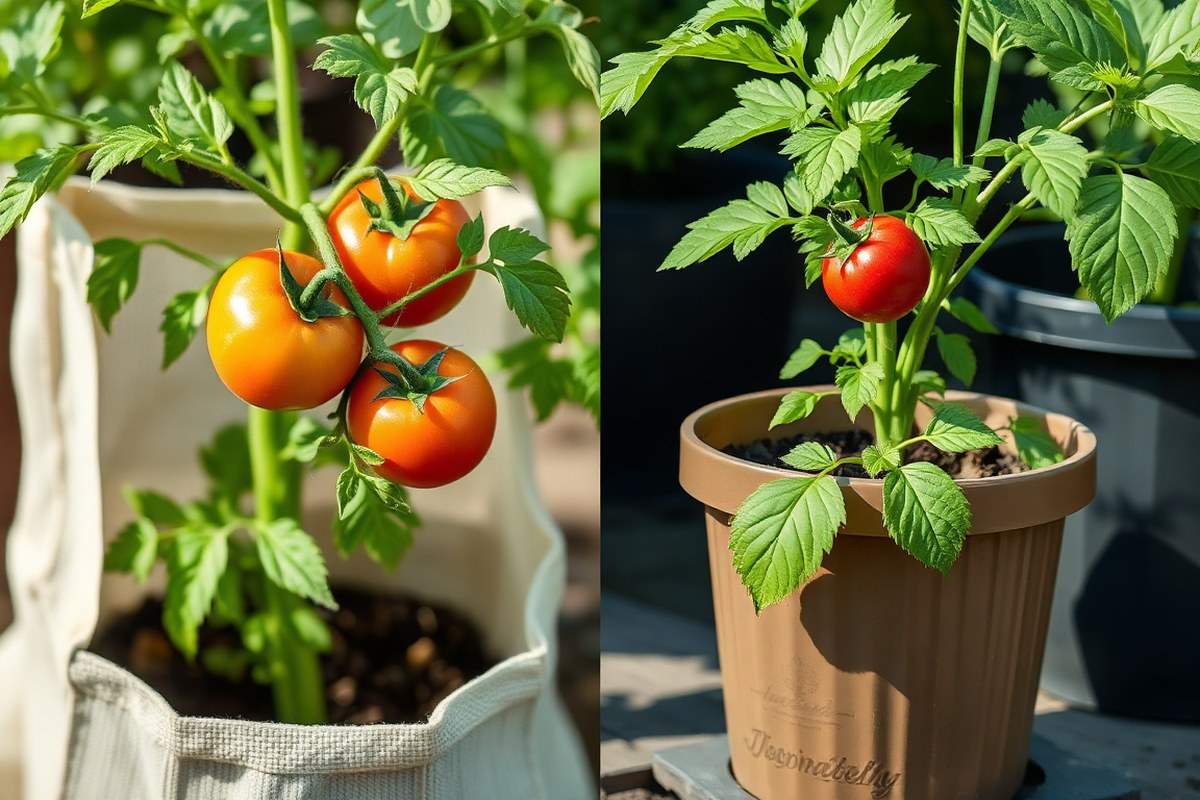
Grow bags generally provide better overall plant growth than plastic pots. They offer superior root aeration, which helps roots breathe and avoid circling. This leads to healthier, more strong plants, especially for vegetables like tomatoes and potatoes.
These bags allow excess water to drain well, reducing the risk of overwatering and root rot. They also help keep root temperatures stable because fabric doesn’t trap heat like plastic. In warmer climates, this temperature control can prevent plant stress and improve growth.
One downside is grow bags dry out faster and need more frequent watering than pots. They can also be less stable, tipping over if the plant gets too tall. Plastic pots hold moisture longer and stay firm.
They work well for indoor plants. They also suit gardeners who water less often.
Grow bags last 3 to 7 years with care. They are quite durable. This makes them cost-effective over time.
Plastic pots may crack or degrade in a couple of years from sun exposure. Fabric bags also have an edge environmentally since many are biodegradable or made from recycled materials.
Grow bags are light and easy to move in small gardens. This helps you adjust light or shade. They work well for urban garden spaces.
Plastic pots often come in fewer shapes and sizes, limiting your options. Choosing grow bags lets you pick sizes that fit compact spaces without sacrificing root health.
For indoor use, plastic pots offer a tidier look and better stability. But they restrict root growth more than fabric bags.
Using grow bags outdoors is often better because of their breathability and drainage. Your choice depends on the plants you grow and your watering habits.
How Grow Bags improve Root Health and Air Pruning
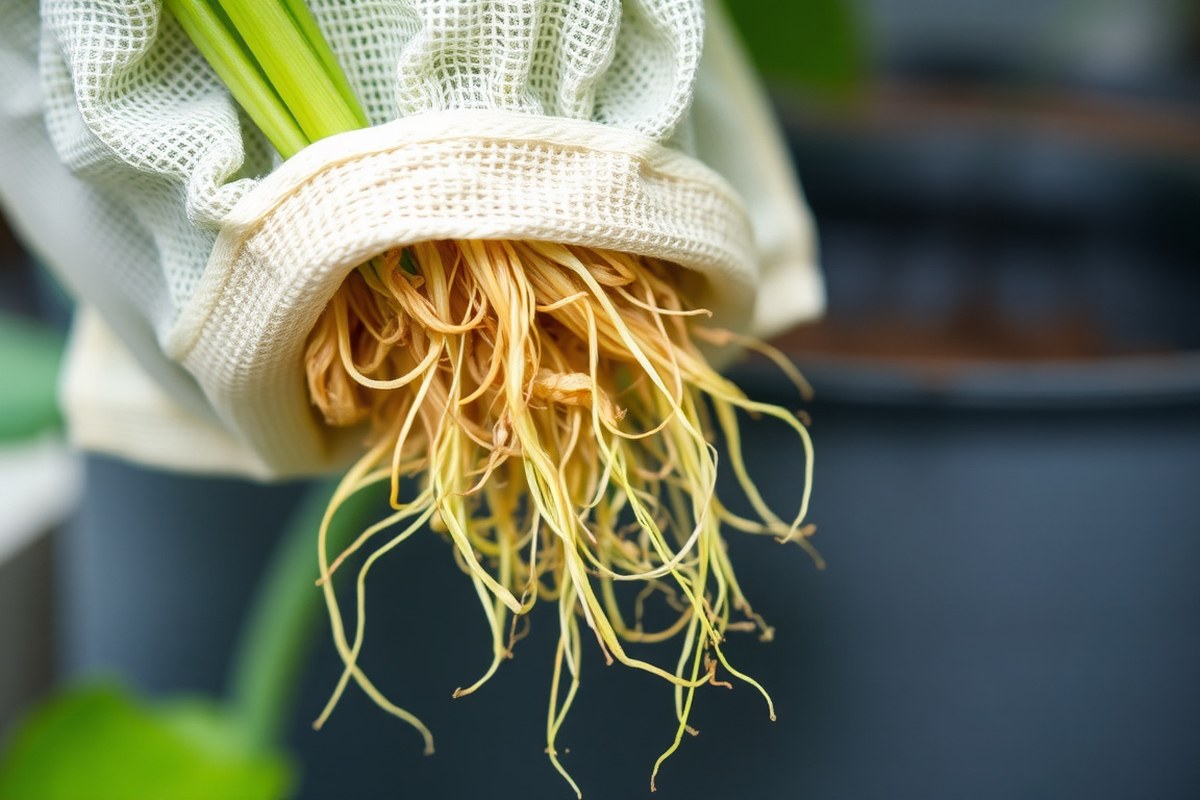
Grow bags improve root health by encouraging air pruning. Their breathable fabric lets air reach the soil, trimming the root tips naturally. This prevents roots from circling and getting root-bound like they often do in rigid plastic pots.
Air pruning happens when roots reach the grow bag’s edge. They meet air at the edge. This exposure triggers air pruning in the roots.
The root tips dry out and stop growing. This slows circling of roots inside the bag.
It forces the plant to grow many small roots. This creates a stronger, fibrous root system that absorbs water and nutrients better.
In contrast, plastic pots have hard sides that keep roots confined. Roots reach the container’s edge and then start growing in tight circles.
This root circling can choke the plant, reducing growth and overall health. Root-bound plants often show signs like yellowing leaves and poor development.
Grow bags also help avoid water build-up at the bottom. The fabric drains excess water, which lowers root rot risk, another common issue in pots. Roots stay healthier, and plants can breathe better.
Maintaining grow bags is simple. Place grow bags where plants get enough sun. Avoid spots that get too hot.
Fabric bags let moisture evaporate faster in heat. Check soil moisture frequently. You may need to water more often than with pots, especially in summer.
Replace grow bags every few seasons for best results. New bags keep the fabric fresh and effective. They usually cost around $10 to $20 each.
Use grow bags in soil that drains well. Water plants when the top inch of soil feels dry. This prevents plant stress in containers.
Drainage and Water Retention Differences Between Grow Bags and Pots
Drainage and Water Retention Differences Between Grow Bags and Pots
Grow bags drain much faster than plastic pots because their fabric lets water escape easily. This means the soil in grow bags dries out quicker. So plants need more frequent watering.
Plastic pots hold moisture longer because they don’t soak it up. This helps plants that like steady moisture. They keep soil damp for a longer time.
Because grow bags dry faster, checking soil moisture daily is a good habit for healthy plants. Water grow bags at least once a day in hot weather. Wind can dry roots quickly, so daily watering helps.
This keeps roots from drying out too much. Plastic pots need watering every two to three days.
This depends on the plant type and the weather. Some plants may need water more often.
| Container Type | Drainage Speed | Moisture Retention Time | Watering Frequency |
|---|---|---|---|
| Grow Bags | Fast | 1 to 2 days | Daily to every other day |
| Plastic Pots | Slow | 2 to 4 days | Every 2 to 3 days |
Plants like tomatoes and peppers do well in grow bags. They need good drainage and air around their roots. Grow bags help give roots room to breathe.
For herbs and leafy greens, plastic pots help keep soil moist over longer periods. Adjust your watering based on the plant’s needs and weather conditions.
- Water grow bags early morning or late evening to reduce evaporation
- Check soil moisture at least once daily for grow bags, less for pots
- Use finger test: soil should feel damp but not soggy
- Mulch the soil surface in grow bags to slow moisture loss
- In hot weather, increase watering frequency for grow bags
Overwatering plastic pots can cause root rot since they hold water longer. Grow bags lower this risk by letting excess water drain away quickly. Grow bags can dry out too fast if you water too little.
This can stress plants that need steady moisture. Watering regularly helps keep plants healthy.
Grow bags offer superior drainage but require more attention. Plastic pots hold moisture longer, needing less frequent watering, which suits busier gardeners. Managing watering well in either container helps plants thrive without wasting water or risking root problems.
Comparing Temperature Regulation and Impacts on Plant Health
Grow bags keep soil cooler in hot weather by letting heat escape through their breathable fabric. Plastic pots trap heat inside. Soil temperature can climb above 120°F (49°C).
This happens on sunny days. Cooler soil helps prevent root heat stress, which can slow plant growth or cause damage.
Grow bags offer some insulation in cold weather. They let soil cool faster at night. This helps but has trade-offs.
Faster cooling can be bad in early spring. Night temperatures may drop below 50°F. This may stress plants. Move grow bags to warmer spots to protect plants.
Cover them during cold snaps too. These steps help sensitive plants survive.
Fabric grow bags balance temperature better overall. The fabric’s breathability means roots get air and stay cooler on hot days.
Yet the material still traps some warmth during cooler periods. This helps plants avoid temperature swings that plastic pots intensify.
For heat-loving plants like tomatoes, black fabric grow bags warm the soil moderately during the day. This boost helps support plant growth without the risk of overheating that plastic pots pose. In extreme heat, you can move grow bags into partial shade to add extra cooling.
Make sure to check your plants regularly in very hot or cold weather. When soil feels too warm or cold, move the grow bag. This helps keep roots healthy.
Adjust location as needed. Grow bags are easier to move than plastic pots.
Plastic pots are harder to shift quickly. This makes a big difference.
Using grow bags in climates with hot days and cool nights offers the best results. They reduce the chance of root damage from heat and sudden temperature changes. In consistently cold zones, consider adding insulating covers or placing grow bags indoors overnight for warmth.
Choosing the Right Grow Bag Size for Your Plants
Choose grow bag sizes based on the plant’s root depth and mature size. Use small bags for herbs and larger bags for deep-rooted vegetables. Picking right sizes helps plants grow well and keeps soil moisture steady.
Grow Bags for Herbs and Small Plants
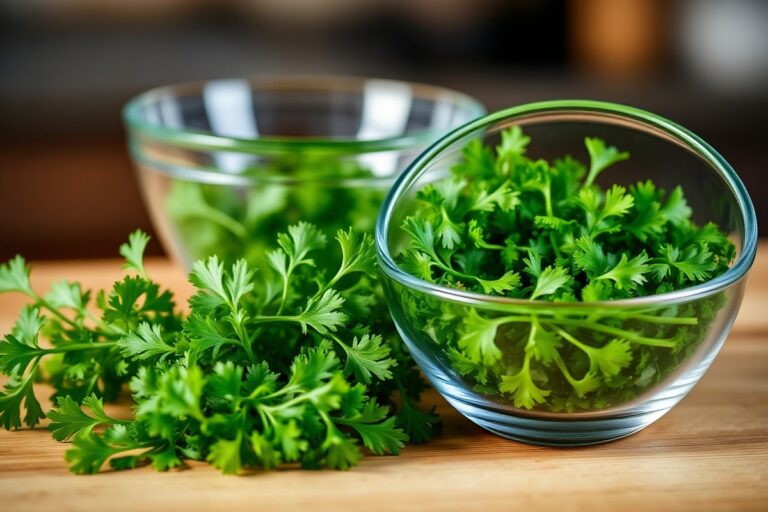
Herbs like basil, mint, and cilantro need small grow bags. Use bags that hold 1 to 3 gallons of soil. These sizes fit well for these herbs.
Their roots only reach 6 to 12 inches deep, so shallow bags work best. Small containers also fit well on patios or window sills.
Shallow grow bags let herbs dry out faster, which suits plants that prefer good drainage. You can grow several herbs in separate small bags.
Or share one bag if you space plants well. Make sure each herb gets enough room.
Examples of good sizes include 8-inch diameter bags holding about 2 gallons of soil. These are inexpensive, often under $5, and easy to move around.
Sizes for Vegetables and Fruit Crops
Vegetables like lettuce, spinach, kale, and strawberries fit well in 3 to 5-gallon grow bags. They need about 8 to 12 inches of root space.
So mid-sized bags suit them well. These sizes balance soil volume and portability.
Tomatoes, peppers, and eggplants require bigger bags, generally 5 to 10 gallons. Their roots grow 12 to 24 inches deep.
So you need bags at least 12 inches tall. Larger bags hold more moisture and support lots of growth.
- Lettuce and spinach: 3-5 gallons, 8-12 inches root depth
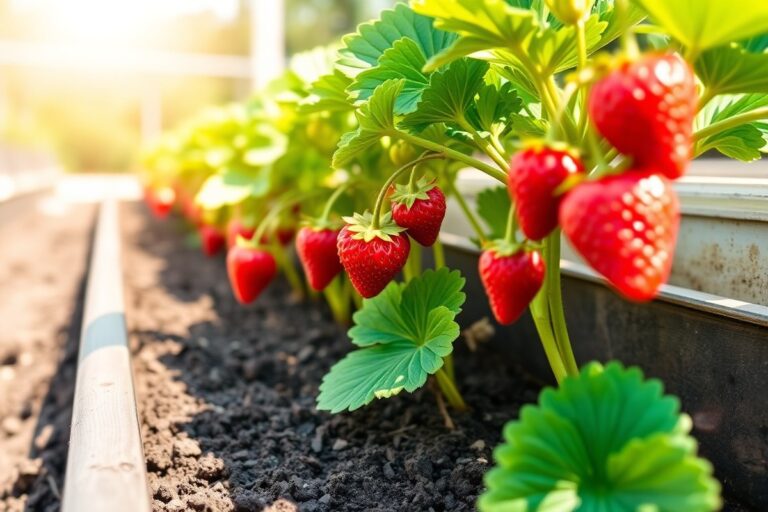
- Strawberries: 3-5 gallons, shallow roots, need good drainage
- Tomatoes: 7-10 gallons, deep roots, need stable moisture
- Peppers and eggplants: 5-7 gallons, medium root depth
- Use wide, deeper bags for sprawling plants like tomatoes
Bags on the smaller side can stunt peppers or eggplants. Bigger bags feed roots better and reduce watering frequency.
Large and Deep Grow Bags for Root Vegetables
Root veggies like carrots, radishes, and potatoes need big grow bags. Bags should hold 10 to 15 gallons or more. This gives roots room to grow.
They need 12 to 24 inches of depth for straight root growth. Compact bags cause crowding or misshapen roots.
A 15-gallon grow bag should be about 16 inches deep. It gives enough space for multiple potato tubers or carrot bunches.
This size supports healthy root growth. Filling these bags with loose soil helps roots expand easily.
A grow bag too small for deep-rooted veggies results in stunted or twisted roots. Always size up for root crops.
Large bags hold more soil and moisture but weigh heavier when full. Use sturdy handles to move them, and avoid overfilling so roots breathe.
Durability, Cost, and Environmental Impact Comparison
Fabric grow bags tend to last around 3 to 4 years of typical use. Plastic pots usually outlive grow bags and can last many years without losing shape.
You might pay less upfront for plastic pots. But grow bags cost more over time since you replace them every 2 to 3 seasons.
Grow bags often come from recycled fabric, which helps reduce waste. Plastic pots made from recycled polyethylene or polypropylene can be eco-friendly.
They take longer to break down in landfills. The tradeoff is that plastic’s durability means less frequent replacements but more plastic waste overall.
| Feature | Grow Bags | Plastic Pots |
|---|---|---|
| Typical Lifespan | 3 to 4 years | 5+ years (often much longer) |
| Replacement Frequency | Every 2-3 growing seasons | Rare, unless damaged |
| Material | Recycled fabric (often) | Recycled polyethylene or polypropylene |
| Weight (Empty) | Lightweight, easy to move | Heavier, less portable |
| Cost Over Time | Higher due to regular replacement | Lower, one-time purchase |
| Eco-friendliness | Biodegradable options, less plastic waste | Durable but plastic waste persists longer |
To stretch grow bag life, avoid leaving them in harsh sun when not in use. Move them under shade or indoors between seasons. Clean bags after each use with mild soap and water.
Let them dry completely before storage. This prevents fabric wear and mold.
Choosing grow bags made with recycled fabrics supports eco-friendly gardening. You can also find plastic pots made from recycled materials if you prefer durability. Your choice hinges on balancing upfront cost, container lifespan, and waste concerns.
Portability, Storage, and Practical Use in Small or Urban Gardens
Grow bags are lighter and easier to move than pots. They also take up less space when you store them. Bag growing works well in small or city gardens.
Their lightweight and flexible design lets you carry them even when full. You can also nest or hang clean bags to save space when not in use.
Advantages of Lightweight Fabric Bags
Fabric grow bags weigh less than plastic or ceramic pots, making moving plants simpler. Many bags include handles, which help you carry them without spilling soil. Even large bags stay light enough to relocate as needed, such as from sun to shade.
The flexible sides mean bags fit better in tight corners and odd spots on balconies. They conform to shelves or railing edges, unlike rigid pots that need flat surfaces. This adaptability helps maximize limited space in urban gardens.
- Lightweight design for easy carrying
- Handles make lifting safer and faster
- Flexible shape fits irregular spaces
- Less risk of cracking or breaking
- Airflow through fabric cools roots
- Collapses flat for storage
These features matter most when you grow in balconies or patios where space is tight. Moving containers helps optimize sunlight or protect plants during weather changes. It also lets you rearrange your garden quickly without much effort.
Storing Grow Bags Off-Season
Empty grow bags fold flat, taking up far less space than stacked pots. You can tuck them into a closet, under a bed, or in a small garage nook. Cleaning and drying bags before storage keeps mold and pests away.
Use a mild soap rinse and hang bags to dry fully, then fold. Store bags in a breathable container or cloth bag to avoid moisture buildup. This simple routine extends the life of your bags for many seasons.
Unlike pots that are bulky and heavy, grow bags let you switch to storage mode quickly. This saves space during winter or rainy seasons when plants move indoors or the garden pauses.
Hybrid Strategies: Using Grow Bags Inside Pots
You can put grow bags inside larger pots for extra support and neatness. This prevents sagging or collapse from soft fabric when bags hold heavy soil or large plants. It also makes plant movement smoother, especially on balconies.
Choose a pot slightly bigger than the bag to leave some airflow around the fabric. Avoid pots without drainage holes since water needs to escape freely. This combo improves container stability while keeping benefits of fabric sides.
- Place grow bags inside sturdy pots for shape
- Pick pots with drainage holes for water flow
- Leave space for air between pot and bag
- Use this method for tall or top-heavy plants
- Helps protect bags from pets or strong winds
Hybrid containers give you flexibility, combining breathability with firmness. This setup suits urban gardeners who want clean looks and easy plant care. Try it to see if it fits your specific plants or space needs better.
Common Grow Bag Mistakes and How to Avoid Them
Grow bags need more attention to watering, bag size, and soil choice than pots. Mistakes like overwatering or using the wrong size bag are common. You can fix these problems quickly with simple changes.
Mistake: Overwatering or Underwatering
Grow bags dry out faster because their fabric lets air flow through. Overwatering can drown roots, while underwatering causes plants to wilt quickly. Watch the soil moisture daily, especially in hot or windy weather.
Water less often than pots but more deeply to soak the root zone. Check the top 1 to 2 inches of soil. When the soil feels dry, you need to water the plant.
Water grow bags early in the morning to reduce evaporation loss and help roots.
Try these tips to avoid watering problems:
- Use a moisture meter to check soil regularly.
- Water until water appears from drainage holes.
- Mulch soil surface to slow drying between waterings.
- Avoid watering on hot midday sun to prevent shock.
- Keep grow bags off hot surfaces that dry soil faster.
Mistake: Choosing Incorrect Bag Sizes
Using a grow bag too small restricts root growth and stresses plants. Too large a bag holds water too long and may cause root rot. Matching bag size to the plant’s needs is key.
For example, a 5-gallon grow bag suits most herbs and small veggies. Larger bags hold 10 or 20 gallons.
They suit tomatoes and peppers. These plants need room to grow well.
Check plant seed packets or garden guides for size recommendations. Choose bags sized for your crop.
Don’t just pick them by price. Also think about what’s available nearby.
Mistake: Poor Soil Choices
Heavy garden soil or unamended mixes don’t work well in grow bags. They drain poorly and weigh down the bag, harming root growth. Use light, loose soil mixes made for containers.
Good soil has peat moss or coco coir to hold water. It also includes perlite to help drainage.
Compost adds nutrients that plants need. Avoid soils with lots of clay or garden dirt.
Container soils usually cost between $10 and $15 per 2-cubic-foot bag. That amount fills several small grow bags. It’s worth the investment for healthier plants.
Step-by-Step Action Plan for Choosing and Using Grow Bags or Pots
Follow these steps to pick the best container and get started easily. Watch your plants for signs that you chose well.
- Before Planting: Measure your available garden space and decide if you need portability. Choose grow bags for flexibility or pots if you want something more rigid.
- Day 1: Pick the right size based on your plant type. Make sure the container can hold enough soil and allow room for roots. Your plant should not look cramped after planting.
- First Week: Check drainage and water retention. Water your plants and watch if water pools or drains too fast. Adjust with soil mix or container if needed.
- Week 2: Monitor root health by gently feeling the container sides. Grow bags should feel a bit cooler and roots less crowded than pots. If roots circle heavily, switch container type next time.
- After 3 Weeks: Test temperature on sunny days. Touch pot and grow bag surfaces during hot hours. Cooler containers help reduce heat stress in plants.
- Monthly: Inspect container condition. Grow bags wear down faster, so plan to replace yearly. Check pots for cracks or fading and clean if dirty.
- When Moving Plants: Use the container’s portability to your advantage. Grow bags are lighter and foldable, pots can be heavy. Choose based on your move frequency.
- Growing Season End: Clean and store containers properly. Fold and dry grow bags fully to prevent mold. Store pots in a dry, shaded spot to extend life.
Frequently Asked Questions
Can Grow Bags Be Reused After a Growing Season?
Yes, they can be reused if cleaned properly to prevent disease. Store them in a dry place until next use for best results.
Do Grow Bags Work Well for Growing Herbs Indoors?
Grow bags are great for herbs as they offer good airflow and drainage. Keep them on a sunny windowsill to ensure herbs thrive.
Are Grow Bags Better for Plants with Shallow Roots?
Grow bags suit shallow-rooted plants well because they encourage root air pruning. This keeps roots healthy and reduces the chance of root rot.
How Do Grow Bags Affect Watering Frequency Compared to Pots?
Grow bags dry out faster, requiring more frequent watering than pots. Check soil moisture often to avoid drying out your plants.
Can Grow Bags Be Used on Balconies Without Damaging Surfaces?
Yes, grow bags are lightweight and won’t hold standing water underneath. Use a tray or mat under them to protect balcony surfaces.
Do Grow Bags Help Prevent Root Circling Better Than Pots?
Grow bags reduce root circling by air pruning roots naturally. This leads to healthier and more efficient root systems.
Key Points to Remember
Grow bags and pots each have clear benefits for plant health. Pick the option that fits your space and care style best. Start by measuring your garden area and checking container availability today.