What Size Pot to Choose for Plants: A Complete Practical Guide
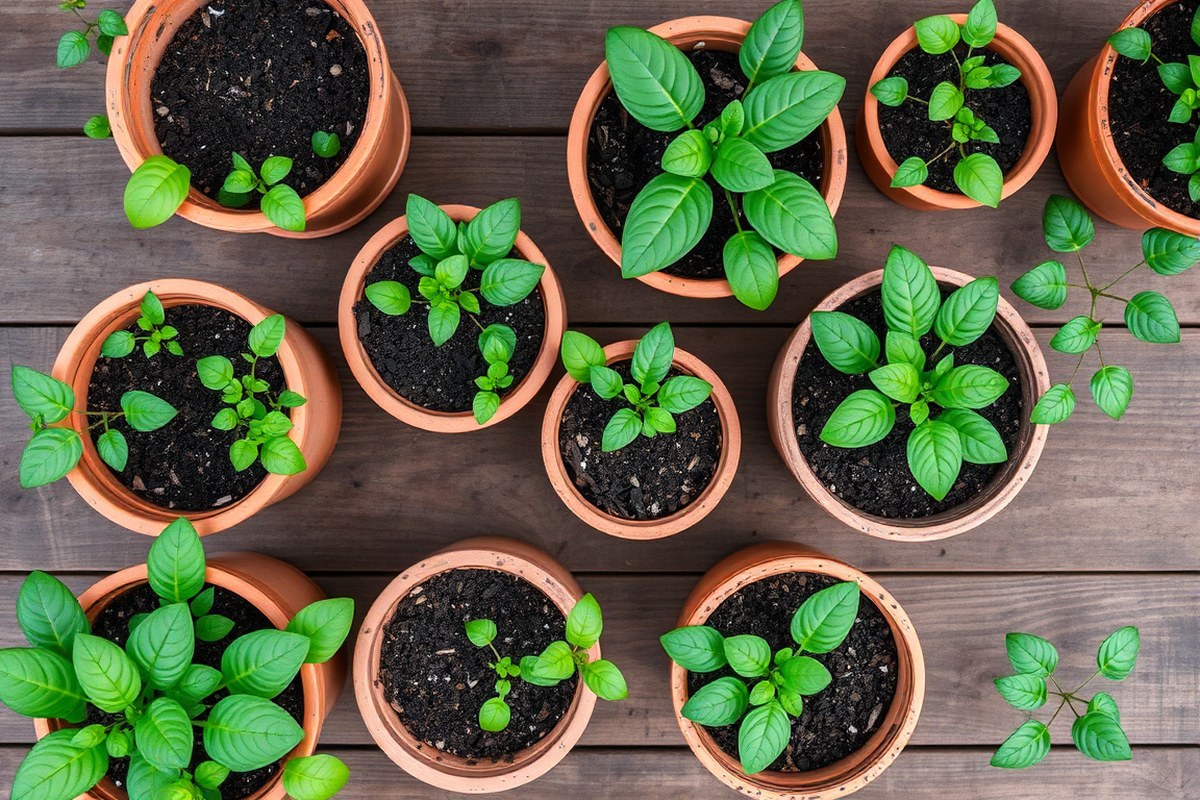
Choose a pot slightly larger than your plant’s root ball. A pot 2 to 4 inches wider works best for healthy growth. This size lets roots spread without being cramped or overwhelmed by too much soil.
Measure your plant’s root ball before picking a pot. Avoid pots that are too small or too large to keep the plant comfortable. Slow growers do better with smaller jumps of 1 to 2 inches in pot width.
Don’t pick a pot much larger than the root ball. Too much empty space can stunt root growth. Standard pots usually increase by 2-inch steps, making size choices easier.
A pot’s volume in gallons often matches its diameter in inches. For example, a 1-gallon pot is about 6 to 7 inches wide. This helps match your plant’s size with the right pot.
Key Takeaways
- Measure your plant’s root ball diameter before choosing a pot size.
- Pick a pot 2 to 4 inches wider than your plant’s root ball diameter.
- Increase pot size gradually, especially for slow-growing plants like succulents.
- The common pot size follows a 2-inch diameter increment system.
- For pots smaller than 10 inches, add 1 to 2 inches to the diameter.
- A 2-gallon pot typically measures between 7.25 and 9.5 inches across. This size is suitable for medium-sized plants. Use this range to pick a pot.
What Size Pot Should You Choose for Healthy Plant Growth?
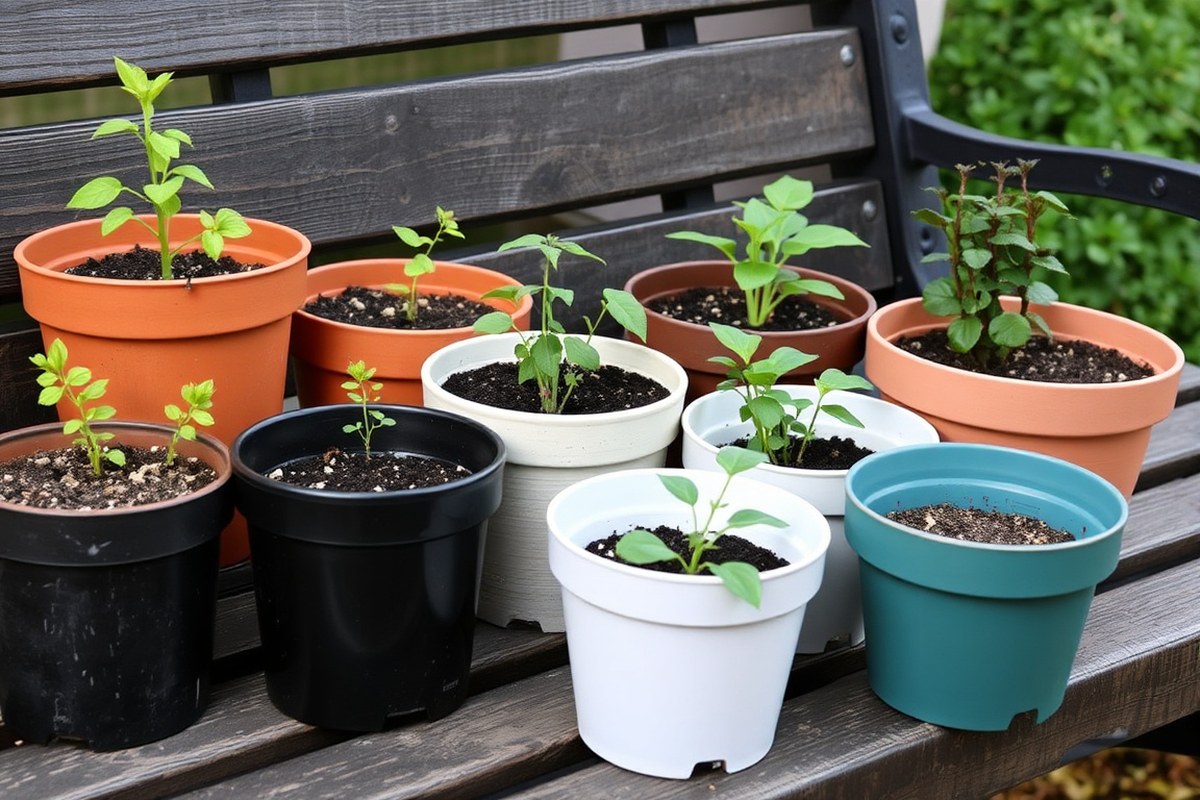
Choose a pot about 2 to 4 inches wider in diameter than your plant’s root ball. The depth should also be 2 to 4 inches deeper. This extra space lets roots spread comfortably without sitting in too much soggy soil.
Bigger is not always better. A pot too large can hold excess water and cause root rot. Slow-growing plants, like succulents, need smaller pot size increases.
Increase about 1 to 2 inches at a time for best results. This helps the plant adjust and grow steadily without stress.
Match the pot size to the plant’s mature root system, not just its current size. For pots wider than 10 inches, increase the pot diameter by 2 to 3 inches. This size helps support steady growth for your plants.
It provides enough room without overwhelming the roots. This rule helps keep soil moisture balanced and prevents stress on roots.
Consider the root ball’s shape too. Your pot’s volume should allow roots to expand fully but avoid excessive soil that stays wet. Larger pots can boost plant size and height if you manage light, water, and nutrients well.
When repotting, add 2 to 4 inches to the pot’s diameter and depth. This rule of thumb helps give your plant enough extra space. It keeps your plant comfortable and ready to grow.
It works for most herbaceous, flowering, and houseplants. For shallow-rooted plants, a wider but not much deeper pot may suit best.
Remember, soil quality and feeding strongly affect growth more than pot size alone. A bigger pot doesn’t fix poor soil or watering habits. Choose the right size pot and provide good care for the healthiest plants.
How to Measure Your Plant and Root System for Pot Sizing

Measuring your plant’s root ball and size helps pick the right pot. Match the pot diameter to the root ball plus extra space for growth. Measure depth to give roots enough room without drowning the plant.
Measuring Root Ball Diameter Accurately
The root ball diameter guides the pot’s width. This means the pot should be 1 to 2 inches wider for slow growers. For fast growers, add 2 to 3 inches around the root ball’s widest part.
Clear the soil gently to see the root ball shape and size. Use a soft tape measure to get the root ball’s widest point. Take the measurement in inches and round to the nearest whole number.
- Lift the plant carefully from its pot or ground if repotting.
- Brush or shake off loose soil to expose the roots slightly.
- Find the widest root spread forming the root ball edge.
- Wrap a flexible tape measure across this widest part.
- Note the diameter in inches for pot sizing.
- Choose a pot diameter 1, 3 inches larger than this measurement.
Don’t use a rigid ruler for root diameter; it’s often curved or irregular.
Estimating Root Depth for Pot Height
Root depth helps decide the pot’s height. Roots usually extend down to about 1/3 to 1/2 the plant’s shoot height. This gives enough soil depth to hold moisture without drowning roots.
Check for long taproots or thick root masses. Measure from the bottom of the root ball to its top. Add a couple of inches so the pot isn’t too tight vertically.
Adjusting Measurements for Different Plant Types
Slow growers like succulents need a pot closer in size to their root diameter. Fast growers like tomatoes or herbs need more pot width to allow quick root spread. Woody plants with thick roots need deeper pots for stability and moisture.
Wide, shallow-rooted plants like some ferns need pots with more surface area but less depth. Deep-rooted plants need taller containers. Use your root measurements to scale pot shape accordingly.
Pot Size Recommendations for Common Plant Types
Vegetables like tomatoes need large pots to grow well. A tomato plant needs 18 to 24 inches in diameter. This space holds enough soil for the roots.
It also helps keep moisture steady. Herbs do well in smaller pots, usually 8 to 10 inches wide.
They have smaller root systems. So, they need less soil to stay healthy.
Succulents and cacti grow slowly. So start with a pot just 1 or 2 inches bigger than their current one. This gradual increase helps avoid waterlogging and root rot.
For small or dwarf fruit trees, pick a larger pot. It should be around 22 to 27 inches wide. This size supports woody roots and keeps the tree stable.
Houseplants vary in size. So pick pots between 6 to 20 inches depending on the plant’s maturity.
Medium vegetables and houseplants fit well in 10 to 12-inch pots. Mature shrubs and floor plants need the largest sizes for strong root growth and nutrient storage.
| Plant Type | Diameter (inches) | Good for |
|---|---|---|
| Herbs | 8, 10 | Small herbs like basil, chives, mint |
| Medium Vegetables | 10, 12 | Peppers, lettuce, strawberries |
| Tomatoes & Large Vegetables | 18, 24 | Tomatoes, cucumbers, larger peppers |
| Dwarf Fruit Trees | 22, 27 | Small citrus, blueberry, raspberry |
| Mature Houseplants & Shrubs | 17.5, 21.5 | Big leafy plants, dwarf shrubs |
| Succulents & Cacti | Increase pot size by 1, 2 inches | Slow-growing, compact plants |
For tomatoes and similar heavy feeders, pick the largest size you can fit. This avoids root crowding and keeps soil moist longer.
Herbs usually do better in smaller pots that dry out fast, preventing root rot. Succulents need pots slightly bigger than before to allow air flow without holding excess water.
Fruit trees need pots from 22 inches and up. This keeps roots cool and roomy, preventing stress that ruins fruit quality.
When choosing pots, measure the root ball and add a few inches to support growth. Using the right pot size can improve plant health, yield, and ease of care.
How to Use Pot Size Charts and Calculators Effectively
Pot size charts and calculators help you pick the right container for your plants. They show pot diameter, approximate soil volume, and matching plant types. These tools let you size pots by understanding trade gallon terms and by calculating actual capacity.
Understanding Pot Volume and Diameter Listings
Nursery pot sizes use trade gallon labels, not exact volumes. For example, a #1 pot usually holds about 0.75 true gallons of soil. These pots have a top diameter measured in inches.
Sizes range from 4 to 24 inches. You pick the size based on your plant’s needs.
Charts link diameters with typical volumes and suitable plants. A 6-7 inch pot is about one gallon in size. It works well for perennials or small shrubs.
This size fits many common garden plants. Sizes and shapes can vary. So volumes are approximate, offering a baseline for your choices.
Converting Nursery Trade Size vs Actual Pot Capacity
Trade gallons don’t match true liquid gallons. The industry standard #1 container is about 0.73 to 0.76 true gallons of soil, not a full gallon. This matters because overestimating pot size can lead to overwatering or root issues.
Look for actual pot dimensions, diameter and height, to estimate real volume. To find a pot’s volume, use V = πr²h in inches. Then divide the result by 231 to convert cubic inches to gallons.
This method works for cylindrical pots. This gives a clearer picture than trade size alone.
Understanding these differences helps you upgrade pot sizes correctly as your plant grows. A trade size #5 pot often holds about 5 gallons.
But volume can vary between 4 and 6 gallons. It depends on the pot’s shape and maker.
Using Online Calculators for Precise Pot Volume
Online pot size calculators turn pot diameter and depth into accurate volume in gallons or liters. They save you guesswork and help you plan soil amount and pot changes. Using them is straightforward and error-proof.
Here’s how to use a typical calculator to get the right pot size and soil volume:
- Measure the pot’s top diameter in inches.
- Measure the pot’s depth from top edge to bottom.
- Enter these values into the calculator’s fields.
- Select your preferred unit (gallons or liters).
- Click calculate to see the estimated soil volume.
- Check recommended plant types or growth stages linked to this size.
- Use results to decide if the pot suits your plant’s needs now or soon.
Say your pot is 12 inches wide and 14 inches deep. The calculator may show it holds about 4 gallons.
This helps match pot size to your plant.3 gallons and suggest it fits medium-sized shrubs or peppers well. This precise information avoids buying too small or oversized pots.
How Plant Root Systems Affect Choice of Pot Size and Shape
Root systems greatly influence which pot size and shape will work best. Deep roots like taproots need taller pots. These pots give roots space to grow down.
This helps roots develop better. Shallow roots benefit more from wider, shallow pots that allow roots to spread horizontally without crowding.
Fibrous roots form dense mats near the soil surface. Fibrous roots like wide shallow containers. They need more surface area to spread.
Depth is less important for these roots. Taproots on plants like tomato grow straight down. They need deep pots to avoid bending.
This prevents root circling and stress. Wrong pot shape can stress roots and limit growth.
It also makes soil dry too fast. Choosing right shapes helps plant health.
| Plant | Typical Mature Pot Size | Pot Depth & Shape |
|---|---|---|
| Monstera deliciosa | 10, 15 gallons, 14, 17 inches | Deep and wide for large roots |
| Ficus lyrata | 10, 15 gallons, 14, 17 inches | Deep, to support height and roots |
| Tomato (indeterminate) | 8, 10 gallons minimum, 12, 16 inches deep | Deep pot for taproot extension |
| Basil (Ocimum basilicum) | 1, 2 gallons, 8, 10 inches | Wide and shallow suits fibrous roots |
| Succulents | Snug fit of roots + ~1 inch side space | Shallow and wide for surface roots |
Matching pot size to root type means thinking about root depth and spread. Taprooted plants hurt in shallow pots. Roots circle or turn back in tight spaces.
This causes stress and wastes water. Fibrous roots struggle in deep narrow pots.
Roots crowd near bottom and dry fast. This makes plant roots unhappy.
Wider pots suit shallow roots better. They let roots spread and absorb moisture evenly. This supports healthier plants.
When choosing a pot, measure the root ball or check how roots fill the current pot. You want a little extra space. But not so much that soil stays soggy or dry spots form.
Watch for roots growing through drainage holes or circling the pot. These signs mean it’s time to upsize your pot.
When roots fill a pot tightly, the plant can wilt quickly and soil dries unevenly. Selecting a pot that fits your plant’s specific root system type lets roots grow naturally. This supports strong growth and reduces problems like stunting or stress.
Doubling pot volume boosts root space and growth. Studies show biomass rises about 43% with bigger pots. Give roots enough room to grow.
Common Pot Sizing Mistakes and How to Avoid Them
Picking a pot that’s too large holds too much water, keeping the soil wet. This causes root rot because roots can’t breathe in soggy soil. A pot that is too small dries out quickly.
It also squeezes roots tightly. This can hurt your plant’s growth.
Jumping several sizes when repotting stresses the plant. It leaves too much unused soil around roots, holding water too long.
Choose a pot just one size bigger than the current pot to avoid this. This helps the roots grow steadily and stay healthy.
Waterlogging happens when water stays in the pot without draining. Using a pot with drainage holes and emptying saucers after watering stops water buildup. Well-drained soil dries faster, cutting root rot risks and keeping roots happy.
- Using a pot too large causes soggy soil and root rot.
- Choosing a pot too small limits root space and dries quickly.
- Jumping more than one pot size stresses roots and traps moisture.
- Ignoring drainage holes leads to waterlogged soil and root problems.
- Not emptying saucers traps stagnant water under the pot.
- Overwatering in large pots delays soil drying time noticeably.
- Failing to match pot size with plant type increases repotting frequency.
Fix these mistakes by picking pots that fit the plant’s root size. Look for pots one or two inches wider in diameter than the current pot.
Watch soil moisture and only water when the top inch feels dry. This balance stops overwatering and supports growth without root issues.
For plants that grow fast or have big root systems, repot in stages. Each step should increase pot size moderately, allowing roots to fill soil between watering.
This helps maintain good oxygen levels and avoids compacted roots. Following these tips keeps your plants thriving and avoids common pot sizing problems.
Step-By-Step Repotting Guide for Pot Size Progression
Choose your next pot carefully to fit your plant’s growing needs. Picking a pot only 1 to 2 inches larger usually works well for most plants. Gradual steps help roots fill the space without being overwhelmed.
Choosing the Next Pot Size Increment
Plants that grow fast can handle bigger jumps, about 2 to 4 inches wider in diameter. Slow growers thrive better with smaller steps of 1 to 2 inches. Going too big can cause too much damp soil, risking root rot.
Use your current pot size as a baseline. The next pot should be just enough to let roots spread comfortably. If your plant is in a 6-inch pot, upgrade the pot size.
Use an 8-inch pot for fast-growing plants. For slow growers, pick a 7-inch pot.
Preparing the Plant and New Pot for Repotting
Pick a pot with good drainage holes matching your plant’s size. Drainage keeps water from pooling at roots, preventing rot. Clean the new pot with soap and rinse well before use.
Use fresh potting soil suited for your plant type. Avoid garden soil as it may hold too much moisture or pests. Moisten soil slightly before filling the pot for better root contact.
Managing Repotting Frequency by Plant Growth Rate
Fast growers may need repotting every 6 to 12 months, especially young plants. Slow growers, like boxwood or Japanese maple, often wait 1 to 3 years between repotting. Watch for root crowding or slow growth as signals to repot.
Timing repotting in early spring is best for most plants. This gives roots a full growing season to adjust. Avoid repotting during dormancy or flowering times to reduce stress.
- Choose a pot 1, 2 inches larger in diameter (3, 4 inches for fast growers).
- Clean the new pot and check drainage holes.
- Loosen the plant gently out of its current pot.
- Inspect and trim any dead or overly long roots.
- Add a layer of fresh potting soil to the new pot bottom.
- Place the plant in the new pot and fill around roots with soil.
- Press soil firmly but gently to eliminate air pockets.
- Water the plant thoroughly after repotting to settle soil.
How Pot Material and Shape Influence Pot Size Choice
Plastic pots hold moisture better than terracotta or fabric ones. They reduce how often you water but may overheat roots in direct sun. Terracotta pots breathe well.
Water evaporates through their sides, cooling roots. This means you must water more often. Fabric pots, like Root Pouches, drain quickly and air-prune roots, helping prevent root circling.
Usually, when changing from plastic to fabric, pick a pot the same size. Expect to water more often with fabric pots.
Shape shapes root space differently. Tall, narrow pots can limit roots because soil near the bottom gets dry or compressed. Wide, shallow pots spread roots more evenly, good for plants with surface roots like herbs.
Round pots help roots grow outward evenly. Square or rectangular pots fit more plants. They save space in your garden.
Consider the plant’s root habit: deep roots do best in deeper pots. Shallow roots do fine in wider, flatter ones.
Self-watering pots hold a water reservoir below the soil. They save time by letting plants draw moisture as needed. Pick pots just a bit bigger than the root ball.
This stops roots from sitting too long in wet soil. These pots work best with thirsty plants you’ll forget to water regularly.
These pots don’t work well for plants needing dry feet. Succulents and cacti might suffer because soil stays damp.
Check your pot’s actual volume by measuring soil capacity, not just labeled size. Different brands vary widely in shape and soil space.
Step-by-Step Action Plan for Choosing the Right Pot Size
Use this plan to pick the right pot size and help your plants grow well. Follow each step carefully and check your plants’ response.
- Before You Start: Measure your plant’s root ball. Check the overall size too. This helps you find the right pot size. Check that roots are firm and free of rot.
- Day 1: Pick a pot 1 to 2 inches bigger than the root ball. This space helps roots grow. Avoid pots that are too large. The plant should fit snugly, not be loose or tight.
- Week 2: Water the plant and watch for proper drainage. Water sitting on top means the pot needs better drainage. Use a pot with holes or add more. This stops water from pooling.
- Month 1: Examine plant growth and root health. Look for roots circling the pot or growing out holes. These signs mean it’s time to upsize.
- Month 6: Look for signs of being root-bound. If you see them, get a bigger pot. Move your plant to this pot. Use fresh soil to provide nutrients.
- Seasonal Check: Assess pot material and shape for your plant’s needs. Switch to a breathable material like terracotta if roots need more air.
- After Repotting: Keep your plant out of direct sunlight for a few days to reduce stress. Water moderately and watch for new growth.
Frequently Asked Questions
How Do I Know When My Plant Needs a Bigger Pot?
Signs include roots growing out of drainage holes or slowing growth. Check if the plant dries out faster than usual, too.
Can a Too-Big Pot Harm My Plant’s Growth?
Yes, it can cause overwatering and root rot. Plants don’t need sudden large spaces to grow well.
Is There a Difference Between Pot Size for Indoor vs. Outdoor Plants?
Outdoor plants often need larger pots for root expansion. Indoor pots might be smaller due to space limits.
How Often Should I Repot When Increasing Pot Size?
Usually every 1-2 years if the plant outgrows its pot. Watch for root crowding or poor soil condition.
Can Pot Size Affect Watering Frequency?
Larger pots hold more soil, so you water less often. Smaller pots dry out quicker and need more watering.
Does Pot Size Impact Fertilizer Needs?
Bigger pots with more soil need more fertilizer to feed roots. You may need lighter feeding for smaller pots.
Wrapping Up
Choosing the right pot size keeps your plant’s roots healthy and helps it grow well. Start by measuring roots and picking a pot just slightly bigger. Next, watch your plant closely for signs it needs a bigger home.